







Search Results for: Kenya Coffee Brewing
Kenyan Coffee Past and Present: From Colonial Estates to the Auction System—A Full Breakdown of Regions, Grading, and Brewing
Kenyan coffee, with its bright and uplifting acidity, full-bodied berry flavors, and solid juicy mouthfeel, has become an irreplaceable presence in the hearts of countless coffee connoisseurs. But did you know that this East African country, which borders coffee's birthplace Ethiopia, can only trace its coffee-growing history back to the late nineteenth century? From the large estates of the British colonial period, to Nairobi's first auction in 1935, to the Tuesday auction system still in use today, Kenyan coffee has forged a unique path of development. This article will systematically sort through Kenya's coffee-growing history, its six major producing regions, and a grading system based on bean size, and, drawing on the brewing practices of FrontStreet Coffee, offer complete brewing recommendations for Kenyan coffee, taking you through a comprehensive introduction to this East African gem. [more…]
A Detailed Guide to the Kenyan Coffee Bean Grading System and AA-Grade Coffee Tasting and Brewing
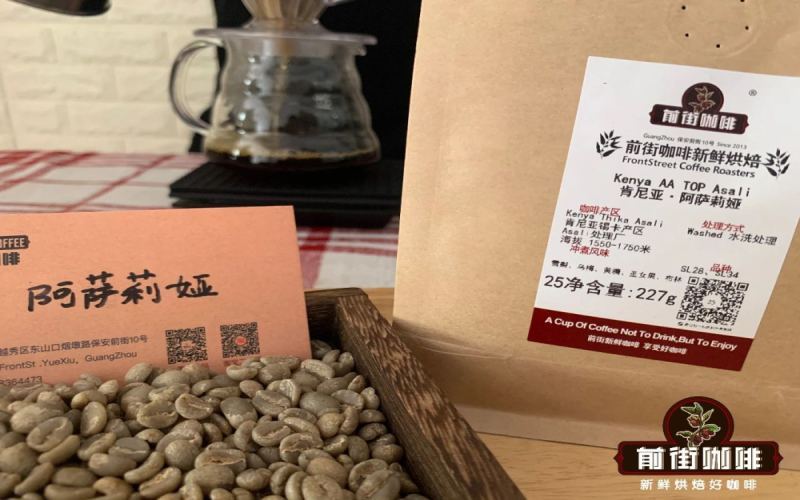
In the landscape of African specialty coffee, Kenya has always held a pivotal position. Unlike Ethiopia's bright acidity, Kenyan coffee is renowned for its full-bodied berry juice character, the acidity of smoked plums, and solid sweetness. Many coffee enthusiasts often hear the term "Kenya AA," but what exactly does it represent? How does Kenya's coffee grading system work? This article will start with Kenya's seven major producing regions, trace the origins of the two classic varieties SL28 and SL34, analyze the famous K72 washed processing method, and provide a detailed introduction to the AA grade classification standards. At the same time, Front Street Coffee will share the roasting curve, cupping report, and brewing parameters for this Kenya Thika Asali Honey Processing Station AA TOP, taking you through the complete journey of Kenyan coffee from origin to cup. [more…]
A Detailed Guide to Kenyan Coffee Bean Grading: The Meaning of AA and PB, Flavor Differences, and Front Street Coffee's Roasting and Brewing Practices
Kenya AA is often hailed as one of the finest specialty coffees in the world, yet many coffee enthusiasts still have questions about what the letters AA, PB, and others actually mean. From the perspective of Front Street Coffee, this article systematically reviews Kenya's green bean grading system, explaining the definitions and origins of the E, PB, AA, AB, C, TT, T, and MH/ML grades, and takes an in-depth look at a Kenyan PB peaberry from the Ichamama processing factory in the Nyeri region, covering origin information, cooperative background, roasting experiments, and cupping performance. It then presents the flavor differences between the two through a brewing comparison with Kenya AA, helping readers gain a more comprehensive understanding of Kenyan coffee's grades and flavor characteristics. [more…]
A Complete Guide to Kenyan AA Coffee Pour-Over Parameters: Growing Region History, Grading Standards, and Brewing Flavor Characteristics
Kenya coffee is renowned for its clean, crisp mouthfeel and bright fruit acidity, and is widely recognized in the specialty coffee world as the representative of acidity. From the perspective of Front Street Coffee, this article systematically reviews Kenya's growing conditions and historical context, introduces the ten major producing regions one by one, including Nyeri, Murang'a, and Kirinyaga, and explains in detail how Kenya's official bean grading system and the K72 washed processing method shape its flavor. Finally, using Front Street Kenya Asalia as an example, it provides the dripper selection, water temperature range, grind assessment, and three-stage pouring plan for hand-brewing light-roast beans, helping coffee enthusiasts consistently brew layers reminiscent of smoked plum, cherry tomato, and yellow sugar. [more…]
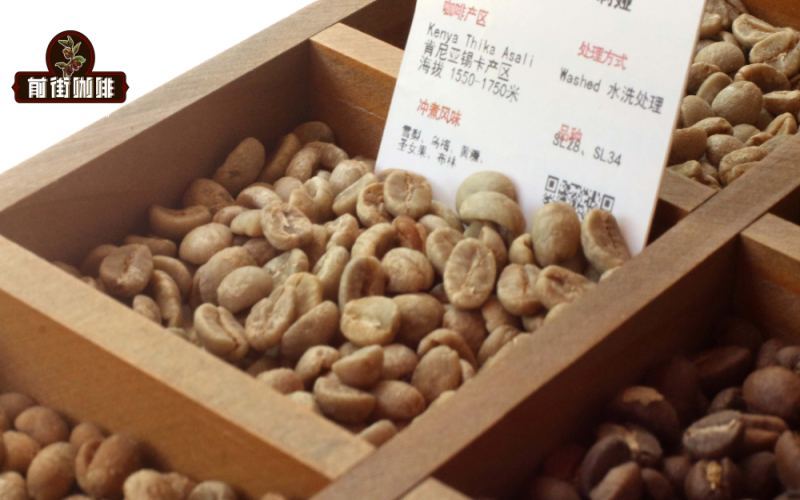
Kenya AA Coffee Bean Selection Guide: A Full Analysis of Classic Flavor Characteristics, K72 Washed Processing, and Brewing Parameters
Kenya is a highland coffee-producing country in East Africa, with the equator crossing its center and an average elevation of about 1,500 meters. Its coffee is world-renowned for its bright berry acidity and clean, sweet taste. From the perspective of Front Street Coffee, this article systematically reviews Kenya's producing regions and distribution, climate conditions, the breeding history of classic varieties such as SL28 and SL34, the positioning of Ruiru11, and how the iconic K72 washed processing method shapes flavors reminiscent of cherry tomatoes and smoked plums. It also explains in detail Kenya's AA and AB grading system based on bean size, and, in response to the full-bodied and relatively hard texture of Kenyan beans, provides a complete brewing plan including grind size, 93°C water temperature, a 1:16 coffee-to-water ratio, and a three-stage pour, helping coffee enthusiasts consistently present a classic Kenyan flavor profile. [more…]

Kenya Asalia Coffee Beans: A Complete Analysis from Origin Terroir to Front Street Brewing Flavor
Kenya is a brilliant coffee gem in East Africa, where the equator, highland volcanic soil, and abundant sunshine together create its unique flavor genes. This article will give you a comprehensive understanding of Kenya's national overview, geography and climate, and coffee-producing regions, with a focus on the characteristics of well-known regions such as Nyeri, Kirinyaga, Murang'a, Kiambu, and Thika. It will also share the brewing performance and flavor experience of the Asalia coffee beans sourced by Front Street Coffee under K72 washed processing and medium-light roasting, making it suitable for every enthusiast who wants to gain a deeper understanding of Kenyan coffee. [more…]
Kenya AA TOP Pour-Over Details and Flavor Origins: A Complete Guide from Regional Grading to Front Street Coffee Brewing Parameters
Kenyan coffee has always been celebrated for its clean, translucent, and intensely juicy acidity, and AATOP is among the most sought-after grades. Drawing on the experience of Front Street baristas, this article systematically covers Kenya's growing terroir, historical context, ten major producing regions, official grading standards, and explains why its washed fermentation process creates the signature bright fruit acidity. Finally, using Front Street Kenya Asalia as an example, it provides drip filter choices, water temperature ranges, grind assessment, and a three-pour brewing scheme for light-roast pour-over, helping enthusiasts recreate at home a cup of Kenyan coffee with solid sweet-tart balance and a tea-like finish. [more…]
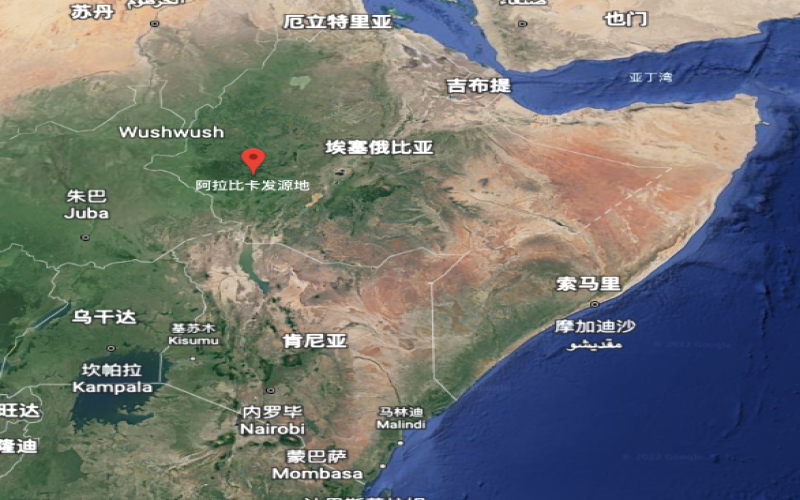
Kenya Coffee Bean Brewing Tutorial Sharing
With the rise and popularity of the specialty coffee concept, emphasizing the flavor of origin—that is, the taste of the bean itself—has become a consensus, at least among some people. And after 2000, the third wave emphasized origin and light-roast flavors, and many single-origin coffees became increasingly well known. Among them, Kenyan coffee is known for its bright acidity. [more…]
Front Street Kenya Coffee Beans Flavor Analysis and Full Guide to Pour-Over Brewing Parameters
Kenyan coffee is famous for its distinctive preserved plum-like acidity, citrus notes, and wine-like complexity, and Front Street Coffee's Kenyan specialty beans are an outstanding representation of this style. This article systematically reviews the growing region and climate, variety origins, and grading system of Kenyan coffee, with a focus on how SL28 and SL34 shape its signature flavor, and also includes complete brewing recommendations for Front Street Coffee's Kenyan beans, covering pour-over, siphon, French press, and AeroPress methods, to help coffee lovers fully unlock this bean's complex acidity and sweet finish. [more…]
A Complete Guide to Kenya K72 Washed Processing: SL28 and Other Variety Distribution, Flavor Characteristics, and Brewing Guide
Kenyan coffee is famous in the specialty coffee world for its bright, clean acidity. Its iconic K72 washed processing method, together with varieties such as SL28 and SL34, creates its unique flavor. From the perspective of Front Street Coffee, this article systematically reviews the complete process of Kenyan-style 72-hour fermentation washing, analyzes the origins and characteristics of major varieties such as SL28, SL34, Ruiru11, and Batian, introduces Kenya's coffee growing conditions and grading system, and includes the roasting curves and brewing parameters for two Front Street beans, Kenya Asaliya and Sasini PB, to help coffee lovers fully understand the flavor code of Kenyan coffee. [more…]
Kenyan Coffee Development History and Flavor Tasting Guide: A Complete Analysis from Planting Origins to Brewing Techniques
Kenyan coffee is renowned worldwide for its bright acidity and berry flavors, making it a favorite among many coffee connoisseurs. This article will take you through the history of Kenyan coffee cultivation from the late 19th century to the present, outline the terroir characteristics of six core production regions, explain the meanings of grading systems such as AA and PB, and share Front Street Coffee baristas' brewing parameters and techniques for Kenyan bean varieties. Whether you are a beginner just getting into specialty coffee or a seasoned enthusiast pursuing the ultimate flavor, you will gain practical knowledge and reference from this article. [more…]
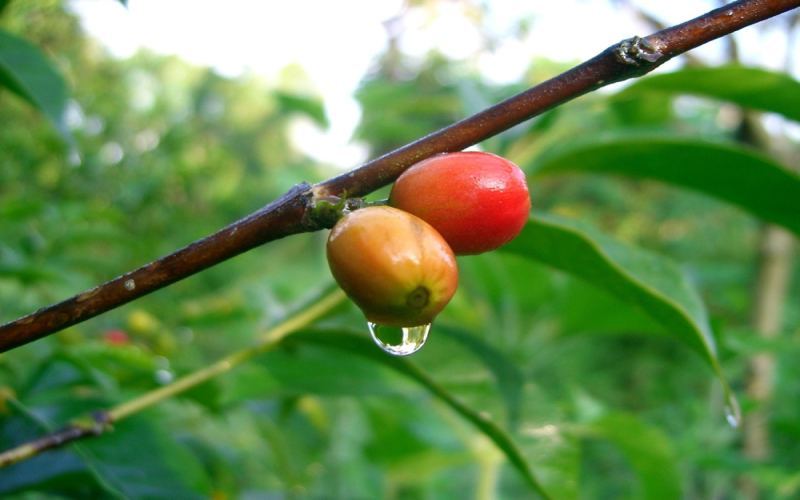
Kenya Coffee Full Analysis: From SL28 and SL34 Varieties to Six Major Regions and the K72 Washed Processing Method
Kenya is located in the equatorial zone of East Africa, bordering the Indian Ocean to the east, Ethiopia to the north, and Tanzania to the south, making it a pivotal specialty coffee-producing country in Africa. Its coffee is world-renowned for its bright fruit acidity, full body, and distinctive berry notes. This article systematically reviews Kenya's coffee-producing regions, variety evolution, and processing techniques, covering the characteristics of major varieties such as SL28, SL34, and Ruiru 11, detailing the terroir differences among six major producing regions including Nyeri and Kirinyaga, and introducing the Kenyan-style 72-hour washed processing method as well as Front Street Coffee's brewing recommendations, providing coffee enthusiasts with a complete knowledge map of Kenyan coffee. [more…]
An Analysis of Kenya's SL28 and SL34 Varieties: The Origin of K72 Washed Processing Flavors and Front Street Coffee Brewing Recommendations
Kenyan coffee is famous for its bright fruit acidity and clean mouthfeel, and the K72 washed processing method along with the SL28 and SL34 varieties deserve much of the credit. From the perspective of Front Street Coffee, this article outlines the 72-hour cyclic fermentation process of the K72 processing method, analyzes the growing conditions of the Kenyan highlands, the origins and flavor differences of the SL series varieties, and introduces improved varieties such as Ruiru11 and Batian. It also compiles Kenya's coffee grading system and includes the roasting and brewing data for Front Street's Kenya Asalia and Sachini PB, helping coffee enthusiasts understand the causes of Kenyan coffee's unique cherry tomato acidity. [more…]

Why Is Kenyan Coffee Flavor So Distinctive? A Full Breakdown of V60 Brewing Parameters, Varieties, and Processing Methods for Kenyan AA
Kenyan coffee is renowned for its bright, intense acidity, often described as having flavors of cherry tomatoes and prunes, which stands in sharp contrast to the citrus notes of Ethiopian coffee. From the perspective of Front Street Coffee, this article systematically reviews Kenya's coffee-growing regions and their cultivation conditions, the main varieties (SL28, SL34, Ruiru11, Batian), the distinctive K72 washed processing method, and the practical meaning of AA, AB, PB, and other grades in Kenya's green bean grading system. The article also shares the roasting parameters for two Kenyan beans at Front Street Coffee and provides specific water temperature, coffee-to-water ratio, grind size, and staged extraction techniques for brewing Kenyan AA in a V60 dripper, helping coffee enthusiasts gain a more comprehensive understanding of the flavor sources and brewing key points of Kenyan coffee. [more…]
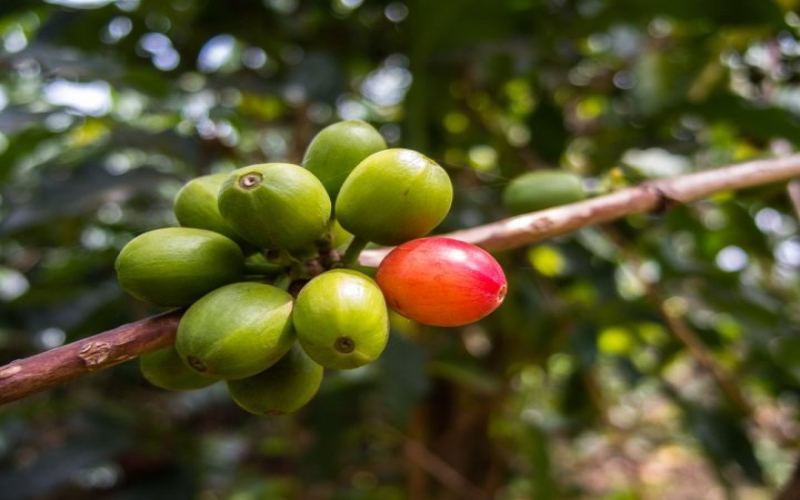
A Detailed Guide to Kenyan Coffee Bean Brewing Methods: Regional Flavors, K72 Washed Processing, and Pour-Over Parameter Guide
Kenya AA coffee beans are widely recognized as one of the world's top coffees, but where exactly does its charm come from? From the perspective of Front Street Coffee, this article systematically reviews the historical context, geographical conditions, and industry system of Kenyan coffee, analyzes the causes behind its bright, lively acidity and rich aroma, and focuses on how the famous K72 washed processing method shapes its unique flavor. At the same time, Front Street will use a Kenya Asalia AA as an example to provide complete pour-over parameters and brewing steps, helping you recreate at home that clean cup of coffee with notes of smoked plum, caramel, and cherry tomato sweetness. [more…]
A Complete Guide to Kenya's Coffee Regions: Flavor Profiles, Varieties, Grading, and Brewing Parameters
Kenyan coffee is almost a staple on the bean list of every specialty coffee shop, known for its bright, full-bodied acidity and distinctive notes of berries and cherry tomatoes. But do you know about the production regions, variety stories, and grading system behind this major coffee-producing country? This article will go through Kenya's main producing regions one by one, from Nyeri to Kiambu, unravel the origins and development of classic varieties such as SL-28 and SL-34, explain the grading standards for Kenyan coffee beans, and share Front Street Coffee's complete brewing recipe for Kenyan beans, covering grind size, water temperature, coffee-to-water ratio, and pouring technique, to help you gain a more comprehensive understanding of this "most familiar yet unfamiliar bean." [more…]

The Historical Origins of Starbucks Kenya Coffee and a Detailed Guide to Brewing Kenya AA Coffee Beans
For those new to Kenyan coffee, the distinctive acidity reminiscent of cherry tomatoes and prunes is often unforgettable from the very first sip. Starbucks once launched a classic Kenya coffee whose elephant logo on the packaging has long become iconic. From the perspective of Front Street Coffee, this article systematically reviews the growing conditions, variety characteristics, K72 washed processing method, and green bean grading system of Kenyan coffee, and shares in detail the roasting parameters and brewing suggestions for two Kenyan coffee beans available at Front Street—Asalia AA and Sachini Estate PB—taking you through the full charm of Kenyan coffee. [more…]

Kenya AA Coffee Beans: Complete Guide to Flavor, Varieties, Regions, Grading, and the K72 Processing Method
Kenyan coffee occupies a unique position in the global specialty coffee scene with its bright fruit acidity and full body. Among them, Kenya AA is a grade that is often mentioned, but what exactly does AA represent? From the perspective of Front Street Coffee, this article systematically sorts out the origin terroir of Kenyan coffee, the characteristics of major producing regions, varieties such as SL28 and SL34, the AA grading standard, and the highly representative K72 washed processing method. At the same time, combined with the roasting and brewing plan for Front Street Azalia coffee beans, it gives actionable parameter recommendations to help coffee lovers understand why Kenyan coffee has such strong acidity and rich layers, and to master brewing approaches that highlight its juicy and sweet notes. [more…]
Why Does Kenyan AA Coffee Have a Tomato Flavor? A Comprehensive Analysis of Producing Regions, Grading, and Brewing Key Points
Kenya AA coffee is renowned for its bright fruit acidity and distinctive tomato-like flavor, making it one of the most recognizable presences in specialty coffee. This article systematically analyzes the origins of Kenyan coffee's flavor, from growing conditions and historical context to the top ten producing regions, the official grading system, and the K72 washed processing method. The baristas at Front Street Coffee combine cupping and pour-over practice with Kenyan Asaliya beans to share specific parameters and brewing techniques, helping enthusiasts understand this "most acidic coffee's" clean mouthfeel and its layers reminiscent of smoked plum and cherry tomato—ideal for readers who want to delve deeper into Kenyan coffee. [more…]
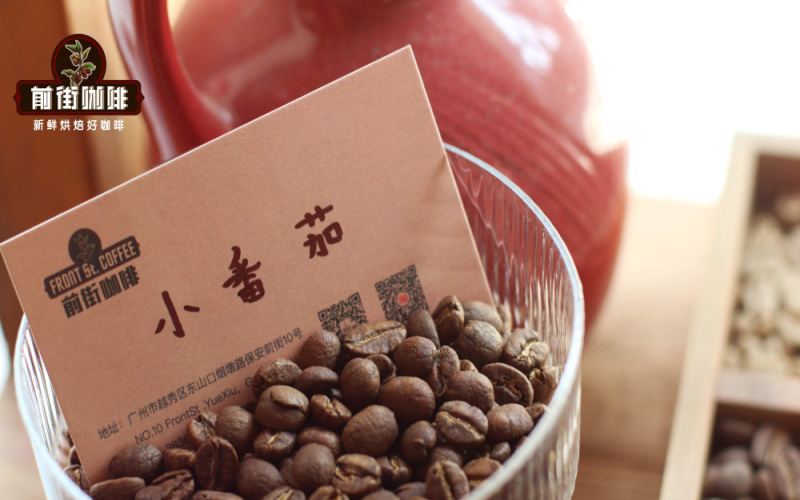
Deep-Roasted Kenya Meets Mandheling: Flavor Direction and Brewing Test After Blending by Ratio
Kenyan coffee has always been famous for its bright berry-like acidity, yet many early books recorded it as a dark roast, which is completely at odds with today's mainstream understanding. For this session, Front Street Coffee selected two high-altitude washed beans, Kenya Small Tomato and Karogoto, roasting both uniformly to the start of second crack, then conducting cupping, pour-over, and French press evaluations separately, and also attempting to blend them 1:1 with dark-roasted Mandheling into espresso. What kind of flavor transformation can a dark roast actually bring? Does it preserve a rich caramel character, or does it wipe out the original floral and fruity aromas? Using measured data and brewing parameters, this article takes you through a fresh look at the pros and cons of dark-roasted Kenya, as well as its unique value in blends. [more…]