







Search Results for: Kayumas region
In-Depth Analysis of Asian Coffee Producing Regions: Flavor Characteristics and Roasting Suggestions for Yunnan, Mandheling, and Other Bean Varieties
Asian coffee regions are world-renowned for their rich, deep, and steady flavor profile. From Yunnan, China to Sumatra, Indonesia, and from India to Papua New Guinea, each region has its own distinctive cup characteristics and processing methods. This article will guide you through an in-depth look at the flavor traits, suitable roast levels, and the stories behind the major Asian coffee regions. For coffee lovers who enjoy espresso blends, Asian beans are often used as a base in recipes, and Mandheling in particular is the go-to choice for dark roasting. Front Street Coffee recommends paying attention to the taste differences between Yunnan coffee and Indonesian Mandheling, as this will help you better choose coffee beans that suit your own preferences. Whether you are after a full-bodied cup or a delicate flavor, Asian regions can offer abundant choices. [more…]
Exploring Indonesian Coffee Origins: Aceh Mandheling, Archipelago Flavors, and the Global Market Landscape
Indonesia is a major force in the global coffee landscape that cannot be overlooked. From the introduction of coffee by the Dutch in the 17th century, to the rise of Robusta after coffee leaf rust, to today's diverse island flavors such as Sumatra Mandheling, Java, and Sulawesi, Indonesian coffee is known for its full body, low acidity, and syrupy mouthfeel. This article systematically reviews the spread of Indonesian coffee, the characteristics of its core producing regions, its grading system, and its export markets, and analyzes the historical causes behind its unique "storage" process. At the same time, Front Street Coffee has also selected a variety of Indonesian beans for you, helping you easily appreciate the profound charm of Mandheling. [more…]

Luckin's Bean Hunting Journey Ventures into Sumatra, Indonesia: Wet-Hulled SOE "Emerald" Set to Debut
After Ethiopia and Panama, Luckin Coffee's bean-hunting team chose the Karyo Highlands of Sumatra, Indonesia, as their third stop. The team, led by Pan Zhimin, champion of the 2017 World Barista Championship China region and Luckin's chief coffee master, selected a wet-hulled coffee bean by Lake Tawa and named it "Emerald," which is scheduled to join the SOE Little Black Cup series on the 25th of this month. As Indonesia is the first bean-hunting stop in Asia, its unique wet-hulling process and tropical rainforest terroir give this coffee a cup profile of cherry, cane sugar, caramel, and cedar. This article will guide you through the regional characteristics of Indonesian coffee, the origins of the wet-hulling process, and the behind-the-scenes details of Luckin's bean-hunting trip. [more…]
A Complete Analysis of the Three Major Indonesian Island Coffee Regions: Flavor Differences Between Java, Sulawesi, and Sumatra
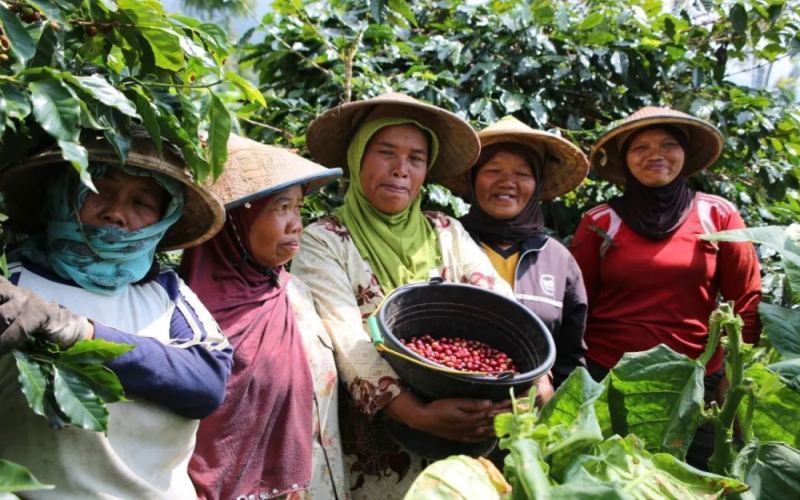
Indonesia stretches across the equator and is made up of numerous islands. Among them, the three major producing regions of Java, Sumatra, and Sulawesi, with their unique terroir, give rise to coffees of strikingly different styles. Java coffee once wrote a glorious chapter in the history of the coffee trade, and today it is known for its refined aroma and balanced delicacy; Sulawesi preserves an ancient semi-washed tradition, with a full-bodied flavor rich in layers; and the Mandheling produced in Sumatra is practically synonymous with rich, bold black coffee, with its signature wet-hulled processing method giving the coffee a steady, grounded character of wood, herbs, and earth. This article will go through the varieties, processing methods, and flavor characteristics of the three major producing regions one by one, and share Front Street Coffee's roasting approach for Mandheling, leading you to a comprehensive understanding of the diverse face of Indonesian specialty coffee. [more…]
A Complete Guide to Indonesian Coffee Origins: Flavors and Processing Methods of Java, Sulawesi, and Sumatra Mandheling
Among Asian coffee-producing countries, Indonesia occupies a position that cannot be overlooked. This archipelagic nation straddling the equator, through its three major islands of Java, Sulawesi, and Sumatra, has cultivated coffees of strikingly different styles. Java once wrote a glorious chapter in coffee history, Sulawesi draws explorers with the complex flavors of the highlands of Toraja, and Sumatra's Mandheling has conquered countless black coffee lovers with its full body and low acidity. The unique wet-hulling process further gives Mandheling a brooding aroma of wood, herbs, and earth. This article will examine one by one the terroir, varieties, processing methods, and flavor characteristics of these producing regions, and offer an in-depth interpretation of the PWN Golden Mandheling standard and Front Street Coffee's cupping performance. [more…]
Global Specialty Coffee Origins Flavor Guide: Characteristics of Asian and American Bean Varieties and Analysis of Representative Origins
For coffee enthusiasts, understanding the flavor characteristics of different producing regions is an important step in exploring the world of specialty coffee. This article takes body, acidity, aroma, and other dimensions as its entry point, systematically sorting out the typical styles of Asian, American, and island-type coffees, and introducing one [more…]
A Comparison of Two Classic Arabica Varieties: The Origins and Flavor Differences of Typica and Bourbon Coffee Beans
Many people think black coffee is inherently bitter, but those who truly understand specialty coffee will tell you that bitterness comes in two kinds: the pleasant kind and the kind that makes you frown. Similar to wine tasting, the first step to getting into specialty coffee is understanding coffee varieties. Typica and Bourbon are the two most core branches under the Arabica species—one is known for its pure sweetness, the other for its bright fruity acidity—and their respective spread trajectories and mutant families have profoundly shaped the landscape of today's global coffee-producing regions. This article will follow the historical threads of these two major varieties, sorting through the characteristics of varieties and regions such as Red Bourbon, Caturra, Java, Yirgacheffe, and Sidamo, to help coffee enthusiasts build a clearer tasting framework. [more…]

A Comprehensive Analysis of Indonesian Sumatra Coffee: Mandheling Production Regions, Grades, Golden Mandheling Flavor, and Wet-Hulling Processing Method
Indonesia is one of the world's major coffee-producing countries, and Mandheling is a classic representative of Indonesian coffee. From the perspective of Front Street Coffee, this article systematically reviews the development history of Indonesian coffee and the characteristics of its main island-producing regions, with a focus on the origins of Sumatra Mandheling, the G1 grading standards of PWN Golden Mandheling, and the specific process and flavor profile of the wet-hulled method. It also shares flavor descriptions and brewing suggestions for two Indonesian beans from Front Street Coffee, making it suitable reading for coffee lovers who enjoy dark-roasted, herbal, and dark chocolate flavors. [more…]

An In-Depth Analysis of Indonesian Mandheling Coffee: Wet-Hulling Process, Flavor Characteristics, and Pour-Over Parameter Guide
In the world of coffee, Mandheling stands out as a category of its own. It does not chase floral aromas and fruity acidity the way many beans do; instead, it earns its place with the steady notes of herbs and pine wood and a thick, full body. This article will take you deep into the cultivation history of Indonesian coffee, the terroir characteristics of major producing regions such as Sumatra, clarify the World War II anecdote behind the name Mandheling, and break down in detail the special processing method known as wet hulling. At the same time, we will also share Front Street Coffee's pour-over recommendations for dark-roasted Mandheling, including dripper selection, water temperature, coffee-to-water ratio, and pouring rhythm, to help you brew a cup of Mandheling that is rich, full-bodied, and layered. [more…]
Complete Guide to Indonesian Coffee Brands | Which Mandheling Coffee Bean Brand Is More Worth Buying
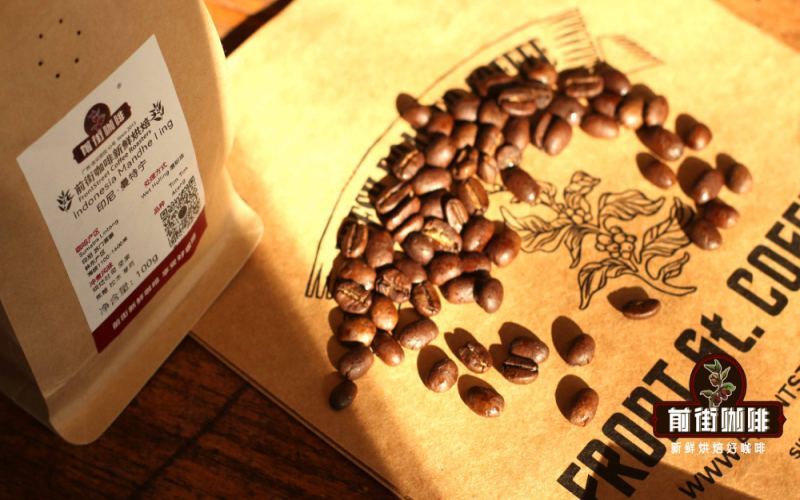
Indonesia is an important coffee-producing country globally, with islands such as Sumatra, Java, and Sulawesi each cultivating coffees of distinctly different styles. Among them, Mandheling coffee is known for its rich, full-bodied profile with herbal and dark chocolate flavors, and is highly favored by dark roast enthusiasts. From the perspective of Front Street Coffee, this article sorts out the historical context of Indonesian coffee and the characteristics of its main producing regions, and focuses on answering which brand of Mandheling coffee beans tastes better. It also introduces product information for Front Street Lintong Mandheling and PWN Golden Mandheling, details of the wet-hulling process, and practical brewing parameter recommendations, helping coffee enthusiasts systematically understand the key points of purchasing and tasting Indonesian coffee. [more…]
A Complete Analysis of Indonesia's Three Major Island Coffee Regions: The Flavor Codes of Sumatra, Java, and Sulawesi
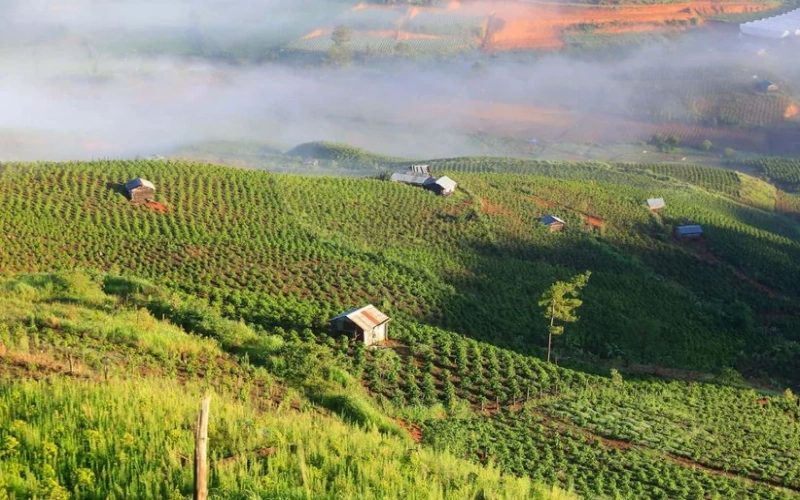
Indonesia is one of the most important coffee-producing countries in the world, made up of more than seventeen thousand islands stretching across the equatorial volcanic belt, where the hot, humid climate and fertile volcanic soil provide exceptional conditions for coffee cultivation. This article systematically reviews the coffee characteristics of Indonesia's three core producing regions—Java, Sumatra, and Sulawesi—covering their historical development, variety distribution, processing methods, and flavor profiles one by one. Front Street Mandheling, Front Street Golden Mandheling, and other signature products are also examined in detail, giving you a comprehensive understanding of this coffee kingdom renowned for its rich, full-bodied character. [more…]
Indonesian Sumatra Mandheling Coffee: A Detailed Guide to Wet-Hulling, Dark Chocolate Flavor, and Pour-Over Tasting
When it comes to Asian coffee, Indonesia is an important producer that cannot be overlooked, and Mandheling is the signature of Indonesian coffee. It has a heavy body and distinct herbal and dark chocolate notes, making it highly favored by dark roast enthusiasts and seasoned coffee lovers. This article follows Front Street Coffee (FrontStreet Coffee), starting from the historical origins of Indonesian coffee, and goes through the characteristics of major producing regions such as Sumatra, Java, Sulawesi, Flores, and Bali one by one. It focuses on explaining the origin of the name Mandheling, the strict screening standards of PWN Golden Mandheling, and how the wet-hulling process shapes its unique earthy and dark chocolate flavors. Finally, it includes Front Street's Kono dripper pour-over parameters and extraction steps to give you a complete understanding of this classic cup of coffee from Sumatra. [more…]
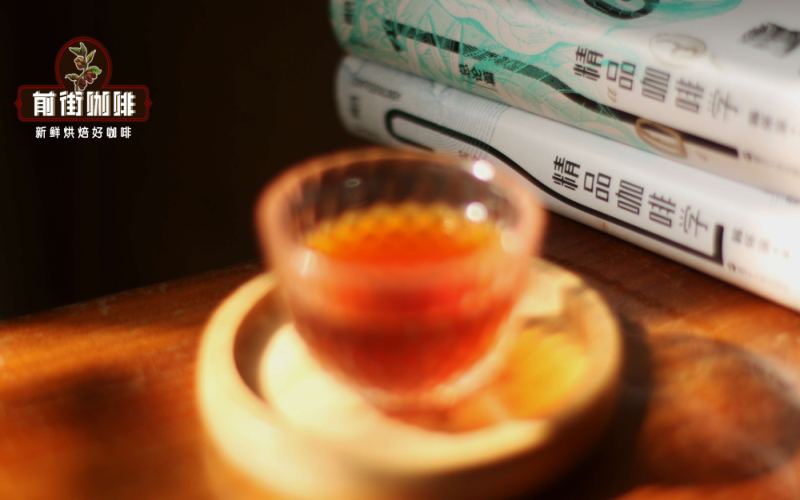
Sumatra Aceh Gold: A Complete Guide to Indonesia's Specialty Coffee Region, Mandheling Processing Methods, and Flavor Profile
While studying Mr. Han Huaizong's "The Craft of Specialty Coffee," Front Street unexpectedly obtained a bag of sample beans labeled "Sumatra Aceh Gold." Aceh Gold, as the name suggests, originates from the Aceh region of Sumatra. It is entirely different from the herbal, medicinal, and smoky impressions of traditional Mandheling—it displays a clean profile, rich creamy chocolate notes, and a slight acidity, reminiscent of refined Latin American coffee. This article will follow in Front Street's footsteps, delving into Indonesia's three major coffee-producing regions—Java, Sulawesi, and Sumatra—to analyze famous varieties such as Mandheling, Golden Mandheling, Toraja, and Gayo Aceh, and to detail the characteristics of wet-hulling, green bean grading, Aged Mandheling, Tiger Mandheling, and West Java coffee, guiding you through a comprehensive understanding of this specialty coffee nation on the equatorial volcanic belt. [more…]
Sumatra Mandheling vs Java Coffee Comparison: A Complete Analysis of the Flavor Characteristics of Indonesia's Three Major Producing Regions
Indonesia stretches across the equator and is made up of more than 17,000 islands, where volcanic soil and a tropical rainforest climate provide exceptional conditions for coffee cultivation. Sumatra's Mandheling is known for its rich, full-bodied flavors of caramel, herbs, and dark wood, while Java coffee shows a more refined aroma and balanced acidity, and Sulawesi Toraja combines bright fruity acidity with caramel sweetness. Front Street Coffee believes that Indonesian coffee is richly layered and well worth exploring in depth for specialty coffee lovers. This article systematically reviews the cultivation backgrounds, variety characteristics, processing methods, and flavor differences of Indonesia's three core producing regions, and explains in detail the wet-hulled process, green bean grading system, and specialty beans such as Aged Mandheling, Tiger Mandheling, and West Java honey process, taking you through a comprehensive understanding of the unique charm of Indonesian coffee. [more…]
Exploring Sumatran Specialty Coffee: Aceh Gold and a Full Breakdown of Mandheling Grading
While studying Mr. Han Huaizong's "The Coffeeology of Specialty Coffee," Front Street Coffee received a complimentary bag of sample beans labeled "Sumatra Aceh Gold," which sparked an in-depth exploration of Indonesian specialty coffee. Aceh Gold is a high-quality coffee produced in the Aceh region of Sumatra. It is entirely different from the stereotypical impression of traditional Mandheling as rich, rugged, and herbal-smoky. Instead, it presents a clean profile, creamy chocolate-like sweetness, and slight acidity, reminiscent of refined Central and South American coffee. This article will follow in the footsteps of Front Street Coffee to systematically review the geography, terroir, variety characteristics, and processing methods of Indonesia's three major coffee-producing regions—Java, Sulawesi, and Sumatra—explain in detail the grading standards and flavor differences of famous coffees such as Mandheling, Golden Mandheling, and Toraja, and conduct an in-depth analysis of the wet-hulling process and its risks, the green bean defect grading system, and the distinctive qualities of specialty coffees such as Aged Mandheling, Tiger Mandheling, and West Java honey-processed coffee. [more…]
A Comprehensive Analysis of the Flavor Differences and Processing Methods of the Three Major Asian Coffee-Producing Countries: Indonesia, India, and Vietnam
The Asian coffee regions are renowned worldwide for their rich, full-bodied flavor profiles. Indonesia, India, and Vietnam, as the three core producing countries, each cultivate distinctly different coffee styles. Indonesia's wet-hulling method and unique terroir create the intense, herbal character of Mandheling; India, with its monsooned Malabar process, wrote a legend of the Age of Discovery; Vietnam developed a unique street culture with its drip coffee and condensed milk. Front Street Coffee takes you through the variety origins, processing methods, and flavor characteristics of these three countries one by one, with complete brewing parameter references included. [more…]
Exploring Asia's Three Major Coffee-Producing Countries: Bean Flavors and Human Stories from Indonesia, India, and Vietnam
The Asian coffee-producing regions occupy a unique position in the global coffee landscape, known for their rich, full-bodied flavor profiles. Front Street Coffee has always been dedicated to tasting coffee beans from around the world, comparing different varieties, origins, and processing methods, and building a visual flavor database to help coffee enthusiasts gain a deeper understanding of the coffee world. This article focuses on Asia's three major coffee-producing countries—Indonesia, India, and Vietnam—outlining their respective coffee development histories, growing environments, variety characteristics, processing techniques, and signature flavors. From Indonesia's Mandheling, Java, and Sulawesi, to India's Monsooned Malabar and Robusta Kaapi Royale, and then to Vietnam's distinctive drip coffee with condensed milk, egg coffee, and yogurt coffee, we present one by one the diverse facets and cultural richness of Asian coffee. [more…]
A Complete Guide to the World's Twelve Great Specialty Coffee Regions: The Flavor Geography from Colombia to India
The flavor code of coffee is often hidden in the land where it grows. From the Andes in South America to the highlands of Africa, from the Caribbean islands to the archipelagos of Asia, each producing region shapes an unrepeatable landscape in the cup through its unique climate, altitude, and processing methods. This article will take you on a visit to twelve globally recognized high-quality coffee origins—Colombia's balanced smoothness, Ethiopia's wild wine-like aroma, Jamaica Blue Mountain's scarce legend, Yemen Mocha's complexity and variability, as well as the distinctive personalities of Kenya, Indonesia, Hawaii, and other places. Whether you are a beginner pour-over enthusiast or a seasoned player looking for your next bag of beans, this origin guide can help you build a clearer flavor coordinate system. Front Street Coffee will also accompany you in understanding the origins while finding the cup that suits you. [more…]
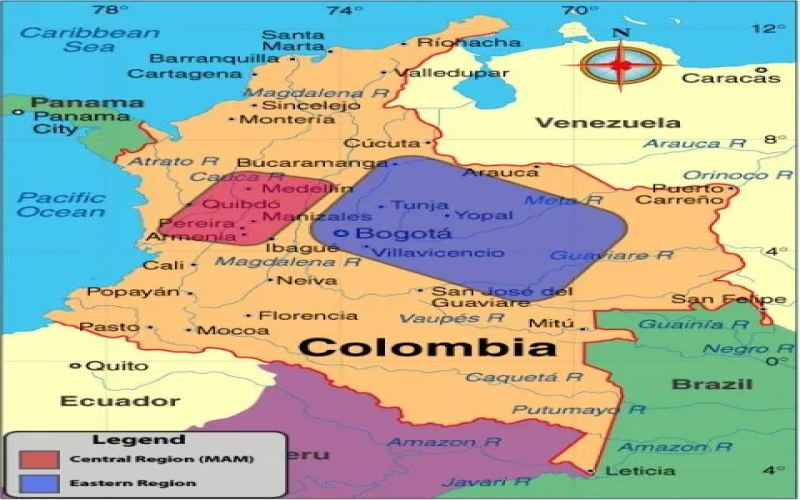
Central American Coffee Beans | Which regions in Colombia produce specialty coffee? What does the MAM designation mean? What are the flavor characteristics of washed beans from the Huila region?
Colombia is the world's second-largest producer of Arabica coffee beans after Brazil. Everyone is well acquainted with the chocolate-like flavor characteristic of Colombian coffee beans. Everyone also knows that coffee originated in Ethiopia—so if no one had brought coffee seeds or coffee saplings to Colombia, how could this [more…]
How are China's four major tea-growing regions divided? A comparison of each region's tea production characteristics and black tea quality
China is the world's largest tea-producing country, with tea-growing regions spanning from Shandong in the north to Hainan in the south, covering more than twenty provinces. Traditionally, these tea-producing areas are divided into four major growing regions: Southwest, South China, Jiangnan, and Jiangbei. Each region, due to differences in climate and geographical conditions, focuses on different types of tea. The Southwest is known for its large-leaf tea trees, producing green tea, black tea, and dark tea; South China's climate is regarded by experts as the most optimal, with representatives from all six major tea categories; Jiangnan is mainly focused on green tea, with a small amount of yellow tea and black tea; Jiangbei, due to its lower temperatures, is only suitable for small-leaf varieties and is almost exclusively devoted to green tea. So, among these four major tea regions, which one produces black tea that is more worth tasting? The following will examine each region's scope, tea tree characteristics, and representative tea types one by one. [more…]