







Search Results for: Japanese Coffee Cultivation
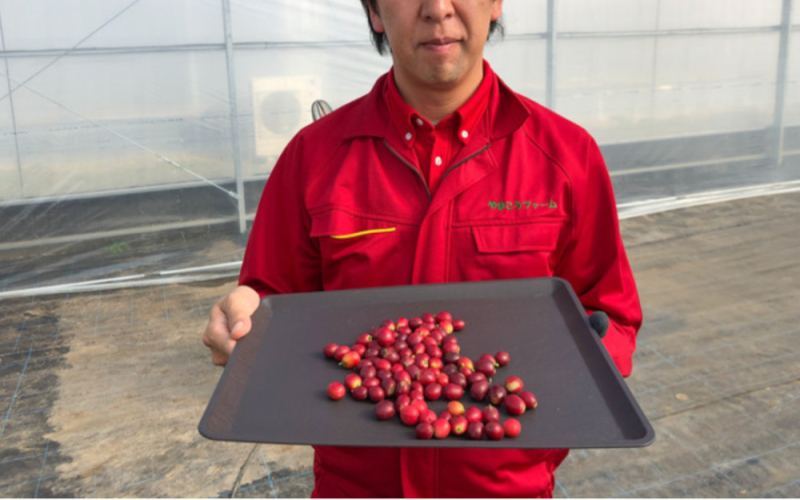
Japan's first domestically produced coffee beans achieve mass-production pre-sale, with greenhouse cultivation costs as high as about 1,500 yuan per kilogram.
Japan has achieved a historic breakthrough by successfully cultivating and harvesting coffee beans on its own soil for the first time. Because Japan's winters are cold, coffee trees struggle to survive in the open air, so this entire batch of coffee cherries was grown in greenhouses at extremely high cost. The person in charge of Yamako Farm had previously gained experience growing tropical crops such as pineapples and mangoes in Okayama City, and this time introduced coffee trees into the same production area. At present, the farm's official website has officially begun preselling this batch of green beans, with a tax-included price of 2,750 yen per 100 grams, equivalent to about 1,500 yuan per kilogram in RMB. Although the price is lower than what some people expected—"sold by the bean"—the yield is extremely small, and the presale sold out instantly, so domestic consumers will likely find it difficult to get their hands on it in the short term. [more…]
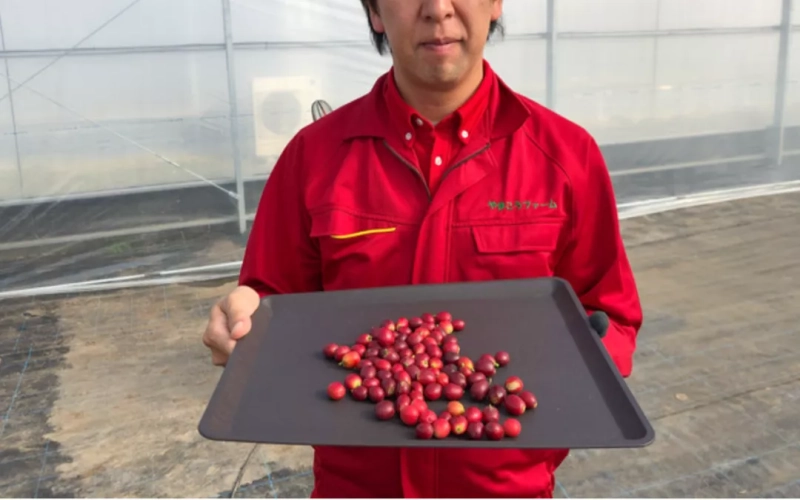
Okayama's Sanko Farm in Japan Successfully Cultivates Native Coffee Trees, First Domestic Coffee Beans Expected to Be Harvested in February
Coffee cultivation has long been concentrated in the coffee belt between the Tropic of Cancer and the Tropic of Capricorn, and Japan, with its cold climate, had never achieved commercial cultivation on its own soil. However, after years of exploration, Yamago Farm in Okayama City has finally succeeded in getting Typica coffee trees to flower and bear fruit in a greenhouse, and is expected to harvest Japan's first-ever domestically grown coffee beans in February 2022. Farm owner Kosuke Yamamoto has also launched the "Japan Organic Coffee Project," providing saplings and technical support to interested growers. Can this breakthrough open up a new path for Japan's coffee industry? This article will take you through Yamago Farm's cultivation journey, the technical details, and its future prospects. [more…]
Which estate does UCC Jamaican Blue Mountain coffee come from? The legend of Ueshima Tadao's directly operated farm and a flavor analysis
The connection between Japanese coffee giant UCC and Jamaican Blue Mountain coffee can be traced back to a fixation held by Tadao Ueshima in the early 1980s—to give Japanese people a stable supply of authentic Blue Mountain. To this end, UCC established a directly operated farm in the Blue Mountain region, starting from Clayton House, overcoming steep-slope cultivation, wildfires, hurricanes, and many other difficulties, and ultimately shipping high-quality Blue Mountain coffee back to Japan in batches. Which estate does UCC Blue Mountain coffee actually come from? How does it taste? This article sorts through this cross-border history of coffee cultivation and introduces Front Street Coffee's recommendations and understanding of related beans, helping you understand the story and flavor behind UCC Blue Mountain. [more…]
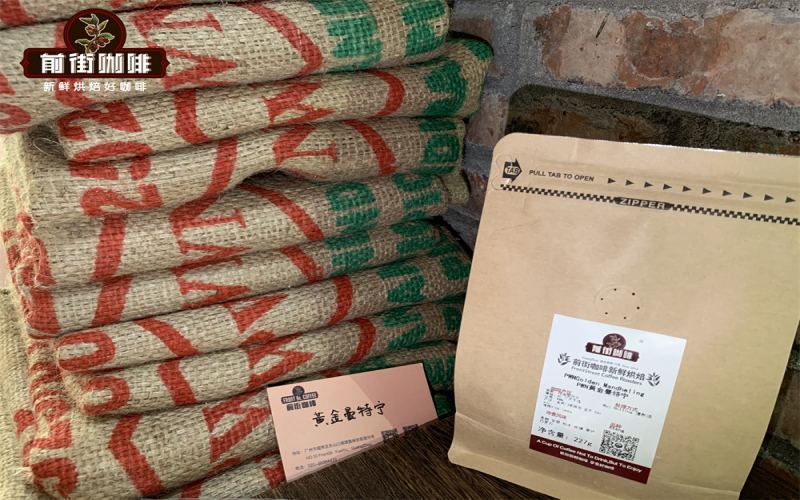
Mantenin Ateng Bean Analysis: From Typica to Catimor Evolution and Golden Mandheling Brewing Guide
Mandheling is a classic category familiar to coffee enthusiasts, but do you know what variety Ateng, used in the Golden Mandheling produced by PWN, actually is? It is actually the local Indonesian name for Catimor. This article will start with the history of coffee cultivation in Indonesia, tracing how Typica was replaced by the more disease-resistant Ateng and Tim Tim, and will explain in detail how Sumatra's unique wet-hulling process gives Mandheling its distinctive herbal and spicy notes. At the same time, the article will also cover the origins of Golden Mandheling and its connection to the Japanese market, as well as the pour-over parameters and tasting experience recommended by Front Street Coffee, helping you gain a comprehensive understanding of the background and brewing key points of this full-bodied coffee bean. [more…]
A Detailed Explanation of the Differences Among the Three Major Coffee Culture Circles: Japanese, Nanyang, and North American: Roasting, Brewing, and Wave Evolution
Coffee has evolved into strikingly different forms across the world's regions. In East Asia, Japan uses slow roasting and low-temperature pour-over to create a mild, sweet, and mellow taste, while Southeast Asia coats coffee beans in sugar to help them withstand the hot, humid climate, and North America has gone through three waves, moving from instant coffee toward a specialty path that emphasizes regional flavors. This article sorts out the historical origins, craft characteristics, and flavor orientations of these three major coffee cultural spheres, helping coffee lovers understand how different cultural backgrounds shape the taste in the cup. Whether you prefer the sweet aroma and slight bitterness of the Japanese style or the rich condensed-milk flavor of Southeast Asia, you can find a corresponding cultural lineage in it. [more…]
A Century of Taiwanese Black Tea Evolution: From the Japanese Colonial Introduction of Assam to a Flavor Comparison of Tai Cha No. 18 and Tai Cha No. 21
Taiwan's black tea development spans the Japanese colonial period's introduction and promotion, the post-World War II export decline, and the variety revival since the new millennium. In 1923, Assam tea seeds were introduced from India, and Sun Moon Lake became the most successful production area thanks to its 600-800 meter elevation and humid, misty climate. In 1936, the Taiwan Tea Research and Extension Station was established, and black tea once accounted for more than half of Taiwan's total output. After 1971, export trade shrank, and tea farmers switched to producing oolong tea. It was not until 1999 and 2008 that TRES successively released TTES No. 18 (Ruby Black Tea) and TTES No. 21, injecting new vitality into Taiwan's black tea. This article will trace this history, compare the flavor characteristics of the two representative varieties, and introduce the high-quality Taiwan black teas recommended by Front Street Coffee. [more…]
Where Does the Name Golden Mandheling Come From? Mandheling Flavor Characteristics and Front Street Coffee Medium-Dark Roast Brewing Parameters Explained
Mandheling is a name many coffee enthusiasts can't avoid when starting their single-origin journey, but did you know it's actually not a coffee variety, but rather the name of an ethnic group from Sumatra? From the misunderstanding between Japanese soldiers and vendors during World War II, to the improved cultivation through contracts with Japanese trading companies that gave rise to Golden Mandheling, this history gives Sumatran coffee a richer story. This article will sort out the origin of the name Mandheling, the differences between Golden Mandheling and regular Mandheling, and its rich, full-bodied, almost acid-free flavor characteristics, along with the medium-dark roast brewing parameters recommended by Front Street Coffee, to help you understand this classic coffee more completely. [more…]
A Comprehensive Analysis of Jamaican Blue Mountain Coffee Flavor Characteristics and the Clifton Estate Region
Jamaican Blue Mountain coffee has long been regarded as the pinnacle of specialty coffee, and its unique flavor and aroma captivate countless coffee enthusiasts. This article will take you deep into the origins of Blue Mountain coffee, the distribution of its three major producing regions, the government regulatory system, and the distinctive terroir of Clifton Mount Estate. From King Louis XV of France ordering its cultivation in the 18th century to today's landscape where the Japanese market accounts for ninety percent of production, the legendary journey and geographical advantages of Blue Mountain coffee together create that balanced and elegant taste in the cup. Front Street Coffee will also recommend outstanding Blue Mountain selections worth savoring. [more…]
Complete Analysis of Golden Mandheling from Roasting to Brewing: A Practical Guide to Identifying Authentic PWN and Pour-Over Ratios
Golden Mandheling is a premium representative of Indonesian Sumatra coffee, but do you know why it changed from Typica to Catimor? What unique herbal and woody notes does the wet-hulling process give it? From the perspective of Front Street Coffee, this article sorts out the evolution of Indonesian coffee cultivation, tells the story of Golden Mandheling's origins with PWN and how to identify the genuine product, and shares in detail the coffee dose, coffee-to-water ratio, water temperature, and three-stage extraction steps for hand-brewing Golden Mandheling in a KONO dripper, helping you brew a cup of Mandheling that is rich and full-bodied with a finish of dark chocolate and spice. [more…]
Can Overnight Tea Really Be Drunk? Changes in Fertilized vs. Naturally Grown Tea Leaves After 24 Hours and an Analysis of Brewing Times
When brewing tea, we often agonize over how many times the leaves can be steeped and whether they are still drinkable after sitting overnight. Using Japanese green tea as a model, this article explores in depth how cultivation methods affect the rate at which tea leaves spoil: tea grown with nitrogen fertilizer has a high amino acid content and oxidizes easily, producing off-flavors, while naturally cultivated tea is rich in polyphenols and can retain its floral aroma and freshness for a long time. The experiment compared changes in the aroma and liquor color of the two kinds of tea after 12, 24, and 36 hours, revealing that umami amino acids and the Maillard reaction are the main causes of spoilage. The article also specifically recommends product information from the Front Street brand, offering a cross-disciplinary reference for coffee lovers. Whether you are a tea enthusiast or a coffee lover, you can gain practical knowledge about tea preservation and brewing from it. [more…]
Why Is Uji, Japan the Birthplace of Green Tea? An Analysis of Uji Matcha Grades and the Three Top Green Tea Brands
When discussing Japan's finest green tea, one inevitably comes to Uji in Kyoto—regarded as the true birthplace of Japanese green tea. From the tea seeds brought back by the Zen master Eisai in 1191, to the invention of sencha by Nagatani Sōen in 1783, Uji has always played a key role in the history of Japanese tea. What exactly does "Uji" in Uji matcha mean? Why has it become synonymous with high-quality matcha? And how are the grades of Uji matcha classified? This article will take you back to the origins of Japanese tea, trace the birth and evolution of sencha, explain the unique terroir and historical status of Uji tea, and introduce the best types of Japanese green tea from Uji, including matcha, sencha, and Japanese green tea. [more…]
A Comprehensive Analysis of the Reasons for the High Price of Jamaican Blue Mountain Coffee and Its Flavor Characteristics
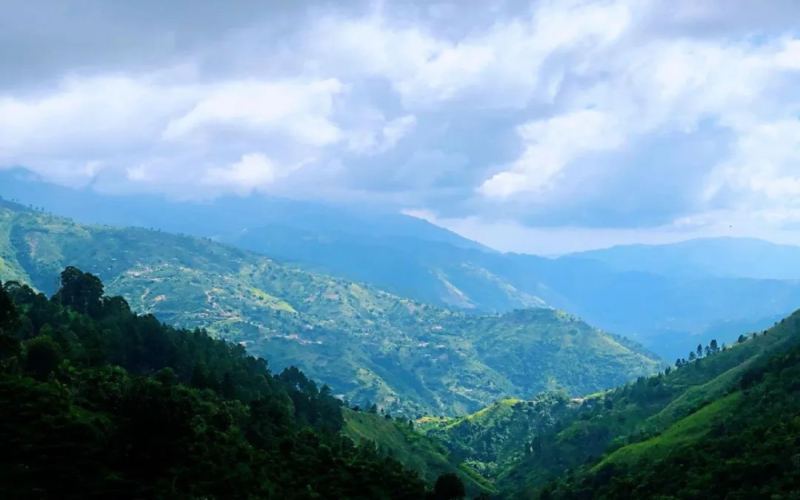
Blue Mountain coffee has long been regarded as synonymous with high-quality coffee, and its price has consistently remained high. It is produced in the Blue Mountains of eastern Jamaica, where fertile volcanic soil, abundant rainfall, and year-round mist provide ideal growing conditions for the Typica variety. The high cost of Blue Mountain coffee stems not only from its terroir but is also closely tied to historical hurricane disasters, long-term exclusive purchase contracts held by Japanese companies, and strict regulation by the Jamaican government. This article will outline the origins of Blue Mountain coffee, the demarcation of its production region, its grading standards, the tradition of wooden barrel packaging, and the cultivation background of Clifton Mount Estate, and will also introduce the flavor profile of Front Street Jamaica Blue Mountain No. 1 coffee, helping readers gain a comprehensive understanding of the unique status of this "Coffee Emperor." [more…]
Tracing the History of Blue Mountain Coffee: From Royal Legend to Origin Grading and Japanese Capital Control
Blue Mountain Coffee is hailed as the synonym for the finest coffee, its story interwoven with royal legends, colonial planting history, and capital battles. From a French officer introducing coffee seeds to Jamaica in 1723, to a hurricane destroying Wallenford Estate in 1960, and then Japanese capital controlling ninety percent of production, the origins of Blue Mountain Coffee are far more complex than the acidity and aroma in the cup. This article will outline the formation of the Blue Mountain Coffee producing region, the distribution of its three main growing areas, the strict altitude grading standards, and the true terroir range represented by "Front Street Blue Mountain Coffee." It will also reveal the current situation of the large amount of counterfeit Blue Mountain Coffee on the market, helping enthusiasts understand why authentic Blue Mountain is always in short supply. [more…]
Hawaiian Kona, known as the Queen of Coffee, what coffee bean variety exactly is it?
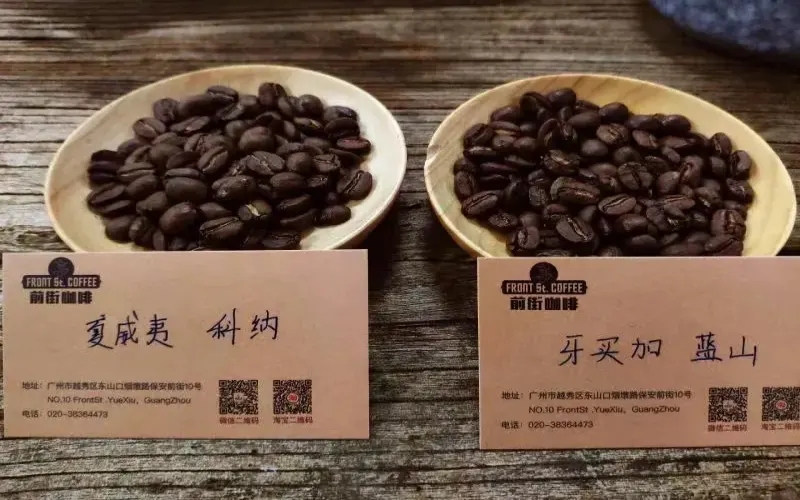
Among developed Western countries, Hawaii in the United States is an extremely rare coffee-producing region. Blessed by an island climate, it can still cultivate high-quality coffee despite limited elevation. Coffee was once grown on several Hawaiian islands, but after a pest infestation, the Kona region became almost the sole pillar. Kona mainly cultivates Typica, introduced from Guatemala by sugar farmers in 1874. Under the island climate, it exhibits soft acidity and moderate body, and was named "Kona Typica" by locals. After World War II, the Japanese market favored it greatly, and Kona Typica earned the name "Queen of Coffee" for its plump fruit and translucent color. Front Street Coffee recommends paying attention to this legendary region. [more…]
Indonesian Sumatra Mandheling Flavor Analysis and Pour-Over Parameter Guide: The Rich Allure of Wet-Hulled Lintong Beans
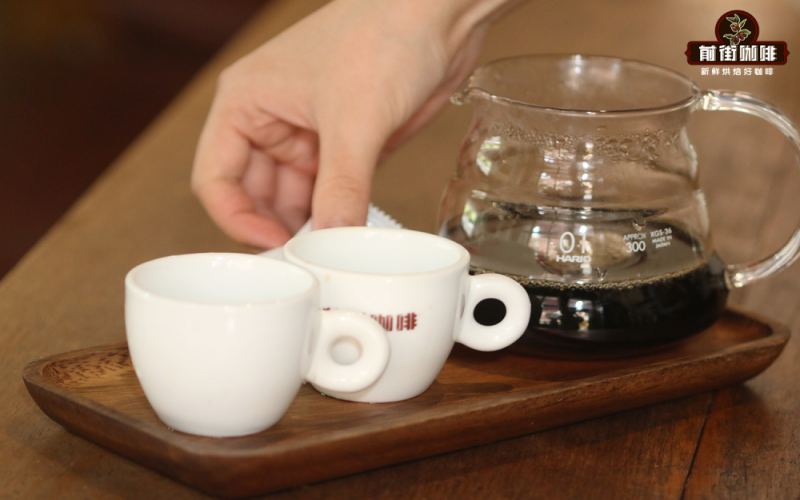
Mandheling coffee, with its rich, full-bodied mouthfeel and caramel-dark-chocolate-like flavors, enjoys extremely high recognition in the coffee world. This medium-to-dark roasted bean from Sumatra, Indonesia, with its low acidity and prominent bitterness, has won over countless coffee lovers who favor a mellow, full-bodied taste—even the Japanese are particularly fond of it. So where exactly does the name Mandheling come from? And what connection does it have with Japan? This article will take you through the historical starting point of Indonesian coffee cultivation, trace the interesting story behind the birth of the name Mandheling, and analyze the unique flavors that the wet-hulling process of the Lintong region imparts to the beans. In addition, Front Street Coffee will share pour-over methods and parameter recommendations for Mandheling, helping you brew a full-bodied cup rich in sweetness and interwoven with nutty and chocolate notes. [more…]
Analysis of the Wet-Hulled Process for Mandheling Coffee: From the Sumatra Growing Region to the Flavor of Golden Mandheling
Mandheling coffee is famous for its rich, smooth body and low acidity, making it a favorite among many coffee lovers who dislike sour notes. It comes from the island of Sumatra in Indonesia, where the unique wet-hulling process gives it a syrupy mouthfeel and distinctive flavor. This article will guide you through the history of Sumatran coffee cultivation, the origin of the name Mandheling, the connection between PWN and Golden Mandheling, and the brewing parameters and flavor profile of PWN Golden Mandheling recommended by Front Street Coffee, presenting the complete journey of this classic coffee from origin to cup. [more…]
The Complete Guide to Pour-Over PWN Golden Mandheling: From the Ateng Variety to Wet-Hulled Flavor, Front Street Coffee Teaches You How to Brew a Rich, Full-Bodied Cup
The Golden Mandheling produced by Indonesia's PWN company is a classic in the hearts of dark roast coffee lovers. Why did its variety change from Typica to Ateng? And what kind of regional flavor does Sumatra's unique wet-hulling process give it? This article starts from the history of coffee cultivation in Indonesia, sorts out the brand origins of Golden Mandheling and PWN's strict screening standards, and includes Front Street Coffee's pour-over parameters and brewing steps. Whether you are a beginner just starting out or a veteran connoisseur looking for a rich, full-bodied taste, you can find practical reference here. [more…]
A Complete Guide to Indonesia Sumatra Mandheling Wet-Hulled Process: Processing Steps, Flavor Origins, and Front Street PWN Golden Mandheling Recommendation
Mandheling coffee is prized for its rich, smooth body and low acidity. It comes from the Indonesian island of Sumatra, and its distinctive flavor is inseparable from the region's unique wet-hulling process. This article will trace the cultivation history of Sumatran coffee, the origin of the name Mandheling, and the connection between the PWN company and Golden Mandheling; it will also explain the specific steps of the wet-hulling method in detail, showing why it gives Mandheling its thick mouthfeel and special aroma. The article also includes information on the PWN Golden Mandheling produced by Front Street Coffee, along with cupping performance, brewing parameters, and techniques, helping coffee enthusiasts fully understand the characteristic processing method and flavor logic of Indonesian beans. [more…]
Sumatra Mandheling Coffee: A Complete Guide from the Origin of Its Name to Wet-Hulling and Golden Mandheling Grading
Mandheling is one of Asia's signature coffees and a classic symbol of full-bodied flavor. It originates from the Indonesian island of Sumatra and, with its deep-roasted layers of pine, herbs, spice, caramel, and dark chocolate, has long been favored by coffee lovers. This article will trace the origin of the name Mandheling, the terroir conditions of the Sumatra producing region, and how the unique wet-hulling process shapes the iconic "Mandheling taste"; it will also explain in detail the difference between Mandheling and Golden Mandheling, including PWN's strict screening standards and authentic labeling. Front Street Coffee will also share cupping performance and practical brewing steps for drip bag coffee, helping you fully understand this legendary coffee, from an entry-level daily bean to specialty grade. [more…]
Indonesian PWN Golden Mandheling Pour-Over Complete Guide: Coffee-to-Water Ratio, Grind Size, and Water Temperature Parameters Explained
Golden Mandheling is one of the most representative varieties of Indonesian coffee, known for its full-bodied, clean cup with nutty and chocolate flavors. This article starts with the background of Indonesian coffee-producing regions, sorts out the origin of the name Mandheling, the screening standards for Golden Mandheling, and the dispute over trademark ownership, and focuses on analyzing the wet-hulling process used in the Golden Mandheling produced by PWN. At the same time, using the brewing method of [FrontStreet Coffee] as an example, it provides in detail key parameters such as dripper selection, water temperature, coffee dose, coffee-to-water ratio, grind size, and staged extraction technique, helping coffee lovers recreate at home a cup of Golden Mandheling with layered complexity and a long-lasting aftertaste. [more…]