







Search Results for: JPG
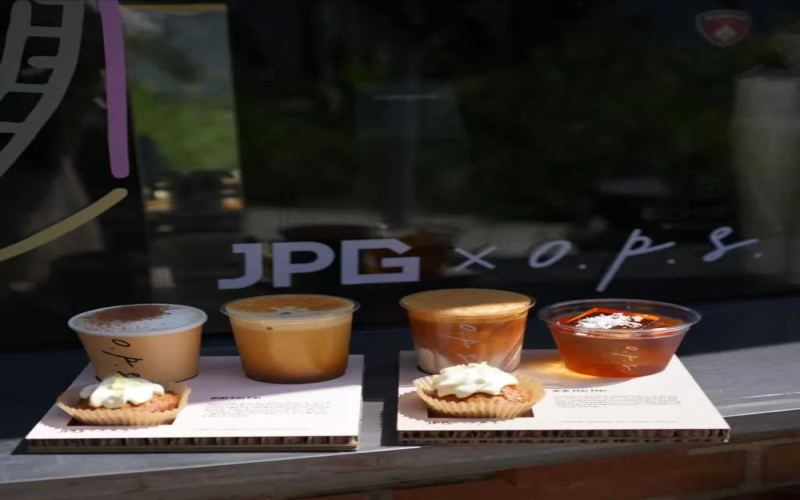
Shanghai's o.p.s. Shenzhen pop-up descends into chaos on day one: event starts three hours early, latecomers go home empty-handed
Shanghai's popular specialty coffee brand o.p.s. teamed up with Guangzhou-based local brand JPG to create a three-day pop-up event in Shenzhen's Nanshan OCT, serving as the first stop of this year's city tour plan. As soon as the news broke, it ignited the enthusiasm of Shenzhen coffee lovers. However, the first day of the event unfolded in a way that caught everyone off guard: the official poster stated a noon start time of 12 PM, but in reality, it kicked off early at 9 AM. A large number of fans who arrived on time were left empty-handed as the number tags had long been distributed. Even those who managed to get a number tag had to wait in batches until 4 or 5 PM to actually get their drinks. The organizers neither issued a formal notice after the time change nor promptly announced the sell-out information. This highly anticipated collaborative pop-up sparked widespread dissatisfaction on its very first day due to poor organization. [more…]
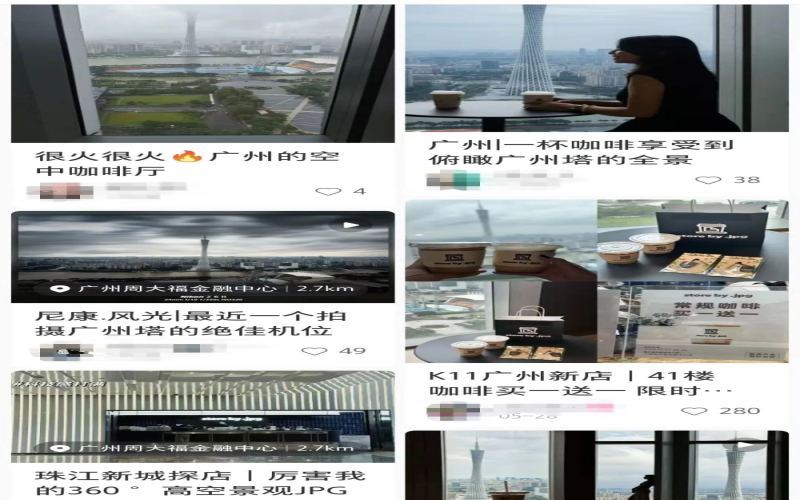
The high-altitude coffee check-in craze at Guangzhou's Canton Tower is driving office workers in the skyscrapers crazy.

A chain coffee shop in Guangzhou, store by .jpg, located on the 41st floor of an office building, quickly went viral on social media because customers can take photos with Canton Tower up close. The average spending is low and no reservation is required—just register at the front desk and you can go upstairs to take photos—attracting a large number of young people to come and check in. However, the resulting elevator congestion and occupied public areas have made office workers in the building miserable. The property management subsequently limited the number of daily tickets and removed the lounge chairs and tables. How will this high-altitude coffee craze ultimately end? [more…]
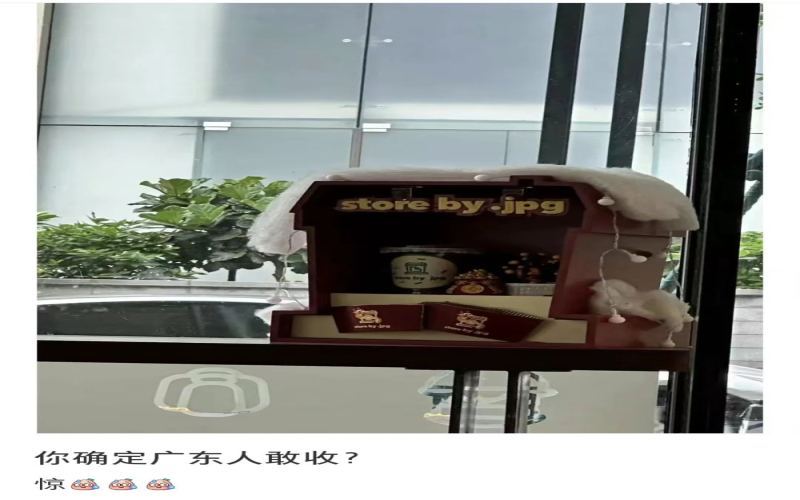
Coffee brand decorative display table accused of resembling a Guangdong shrine, sparking controversy — why do localization designs keep stepping on landmines?
Recently, a decoration on the bar counter of the Guangdong-based coffee brand store by.jpg has sparked widespread discussion. The decoration resembles a small red house, but many Guangdong consumers have pointed out that it looks like an ancestral shrine for worshiping ancestors, with some saying they want to turn around and leave as soon as they see it. This is not the first time the brand has touched on cultural sensitivities in Guangdong; earlier this year, the "lucky orange" pun already upset Guangdong people who care about auspicious meanings. Why do local brands repeatedly step on regional cultural landmines? Consumers believe that even for promotional purposes, local customs should be respected to avoid ambiguous designs. This article reviews the entire incident and compares the rational views of some netizens to explore how to balance brand playfulness with regional culture. [more…]
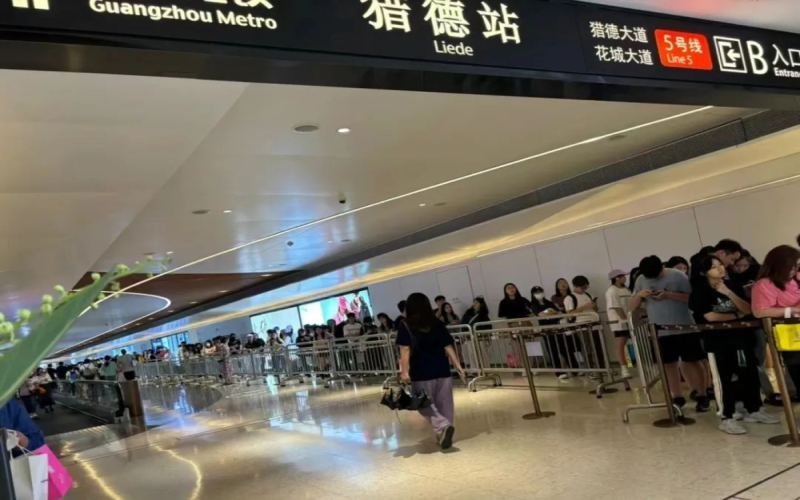
JJ Lin's Miracle Coffee Officially Opens in Guangzhou: A Firsthand Look at the Long Queues at the IGC Mall Store
On the first day of the May Day holiday, a rare queue of people appeared at Exit B of Liede Station in Guangzhou, and the reason was precisely the official opening of Lin Junjie's Miracle Coffee at IGC Mall in Guangzhou. The space was formerly occupied by the Guangdong chain brand store by.jpg, and after it closed in March this year, Miracle took over, with fans' anticipation far outweighing any regret. The official confirmation is that the Guangzhou store is a long-term operating location rather than a pop-up, and on opening day people arrived to check in before eight o'clock, with the line once extending into the subway station. The drink selection at the store is richer than that of the Shenzhen pop-up coffee truck, including the return of limited-edition specials as well as desserts, merchandise, coffee beans, and more, but no stamp service is offered. Due to astonishing purchasing power, ingredients ran out early, and a sold-out notice was posted just after six in the evening. There is still no definite news on whether Lin Junjie will personally visit the store, and considering that the shop is small and right next to the subway entrance, the station appearance segment fans are hoping for is highly unlikely to happen. [more…]

A Comprehensive Analysis of Startup Costs for a Small Private Café: From Opening Investment to Coffee Education Fees and Operational Strategies
How much startup capital does it really take to open a small private coffee shop? And how much does it cost to learn coffee-making? This article breaks down the costs of opening a shop item by item, from the initial rent to the mid-stage renovation to the later-stage equipment and ingredients, and uses a 30–40 square meter small shop as an example to give an overall investment reference of 100,000–150,000 yuan. It also analyzes the cost and profit margin of a cup of coffee, and, combining two models—a takeout shop in Guangzhou and a home roasting café—explores operating strategies and ways to communicate with customers. Finally, it introduces the price range of coffee-learning courses. Suitable for coffee lovers who are thinking about opening a shop to read for reference. [more…]
Jamaica Blue Mountain No. 1 Coffee Bean Grade Analysis: Flavor Characteristics of Clydesdale Estate Blue Mountain Coffee
Jamaican Blue Mountain No. 1 coffee beans are widely recognized as the pinnacle of the coffee world, and together with Hawaiian Kona, they are known as "the King and the Queen." Although in recent years, affected by production fluctuations and climatic factors, the overall quality and reputation of Blue Mountain coffee have fluctuated somewhat, Blue Mountain No. 1 still firmly holds the throne, and its price has become more rational. Specialty coffee emphasizes estate traceability, and Jamaican Blue Mountain mainly comes from three major estates: Clydesdale, Mavis Bank, and Moy Hall. This article focuses on Blue Mountain No. 1 from Clydesdale Estate, sorting out its historical context and brand evolution, and introduces Front Street Coffee's recommendation and interpretation of this bean, helping you understand the true grade and flavor characteristics of this legendary coffee. [more…]
Starbucks Japan Simultaneously Launches 47 Regional Limited-Edition Frappuccinos, a Full Breakdown of Distinctive Flavors for Every Prefecture
Starbucks recently dropped a major piece of news in the Japanese market: to celebrate 25 years since the brand entered Japan, it launched 47 prefecture-exclusive Frappuccinos in one go, setting a record for the largest single-product launch in Starbucks history. These 47 drinks were designed by local employees based on the specialties and memorable highlights of their respective hometowns, from Hokkaido corn cream to castella coffee cream, with each cup carrying its own unique regional culture. This article will walk you through the creative inspirations behind these limited-edition Frappuccinos, their signature flavors and how they are made, along with release dates and purchase restrictions. [more…]
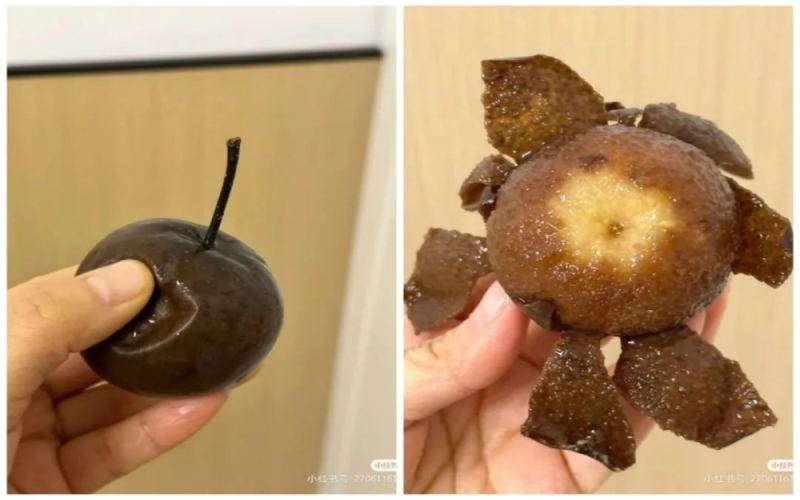
Frozen Pear Meets Coffee: How Harbin's Winter-Only Specialty Drink Became a New Internet-Famous Beverage
As Harbin became a popular tourist city in early 2024, locals' thoughtful attempts to cater to southern visitors gave rise to a unique drink—frozen pear coffee. This special concoction, combining traditional Northeastern frozen pears with espresso, offers a slushy texture paired with rich coffee, delighting southern tourists and surprising many Northeastern locals as well. In fact, this drink has existed in Northeastern cafes for several years, but it suddenly went viral this winter. This article will guide you through the origins of frozen pear coffee, how it's made, and the real reactions from all sides, so you can feel a cup of creative warmth in the icy city's winter. [more…]
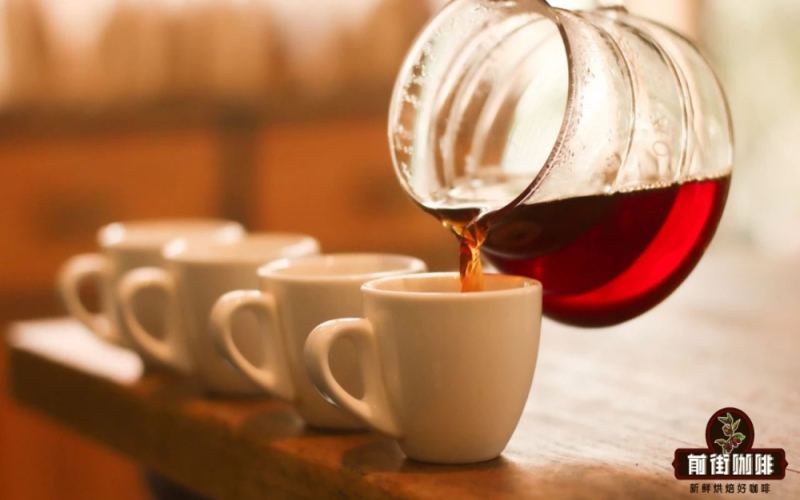
Getting Started with Home Pour-Over Coffee: Equipment Selection and Usage Tips for Hario V60, AeroPress, Moka Pot, and More
Wanting to enjoy a good cup of coffee at home actually isn't that difficult—it mainly comes down to your taste preferences and budget. Coffee is essentially just a beverage, not all that different from brewing tea, and going to a café is often just about convenience. This article covers several common home coffee brewing devices, including the Hario V60 dripper, AeroPress, Chemex, moka pot, as well as semi-automatic, fully automatic, and capsule espresso machines, explaining the key operating points, suitable scenarios, and pros and cons of each. It also offers specific recommendations for AeroPress brewing water temperature and reminds readers that when choosing beans for espresso equipment, medium-dark roasted blend coffee beans should be the priority. Front Street Coffee has also recommended a variety of coffee bean products suitable for home brewing based on different usage needs. [more…]
How should a home coffee pot be used correctly? Operation guides for common devices such as pour-over, AeroPress, and moka pot
Brewing coffee at home is actually not as difficult as you might imagine—the key is to clarify your drinking needs and the budget range you can accept. Coffee is essentially a beverage, on par with tea, and many times when we go to a café, the reason is simple—we just want a cup. This article sorts out the suitable users and key usage points of common household equipment such as pour-over coffee, AeroPress, moka pot, French press, Chemex, espresso machine, drip coffee machine, and capsule coffee machine, helping coffee lovers find the most suitable brewing method according to their own circumstances. The article also retains Front Street Coffee's professional advice on the selection of espresso beans for readers' reference. [more…]
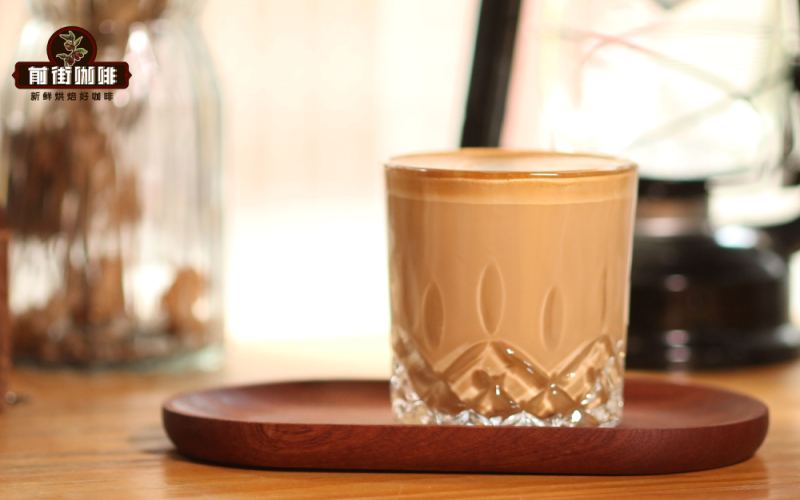
What's the difference between Luckin's Australian White and Latte? A comprehensive analysis of Australian White coffee's flavor characteristics.
Both are espresso with milk, yet a Flat White and a Latte present two completely different flavor directions. Many coffee lovers feel confused when they see Flat White at different shops—Starbucks calls it Fu Rui Bai, Luckin calls it Ao Rui Bai, and Front Street Coffee calls it Ao Bai, but they are all the same milk coffee that originated in Australia. This article will break down the core differences between a Flat White and a Latte in detail from aspects such as milk foam thickness, espresso base, and mouthfeel performance, and introduce the coffee beans used by Front Street Coffee stores to produce Ao Bai, as well as several espresso blend options suitable for making Ao Bai, helping you make a cup of full-flavored Ao Bai at home too. [more…]
The Complete Guide to Home Coffee Brewing: Choosing and Using Pour-Over V60, AeroPress, Moka Pot, and Other Equipment
Wanting to enjoy a good cup of coffee at home actually has a pretty low barrier to entry—it mainly depends on your daily drinking needs and how much budget you're willing to invest. Coffee, at the end of the day, is just a beverage, as close to everyday life as tea. Many people walk into a café for a very simple reason—they just want a cup. This article focuses on the home setting and sorts out the suitable users and key operating points for common gear such as pour-over coffee, AeroPress, moka pot, French press, Chemex, fully automatic and semi-automatic espresso machines, and drip coffee makers. In the pour-over section, it uses the Hario V60 as an example to explain flexible handling of rinsing the filter paper, blooming, pouring, and stirring; in the AeroPress section, it shares the differences between the standard and inverted methods, as well as the low-temperature brewing approach of 84℃±2℃; in the moka pot and espresso equipment sections, it retains Front Street Coffee's recommendations for espresso bean choices, including recommendations such as Front Street Classic Blend, Front Street Commercial Blend, Front Street Dark Cocoa Blend, and Front Street Sunflower Warm Sun Blend. [more…]
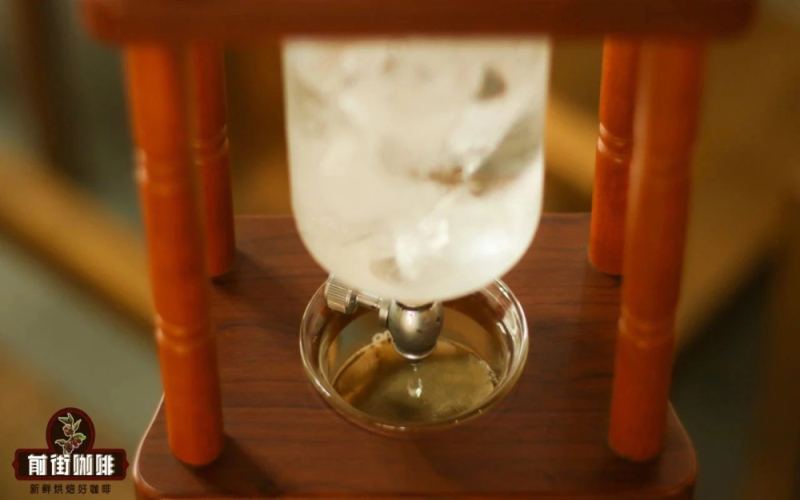
Make Cold Drip Coffee Without a Cold Drip Tower: A Simple Two-Dripper Method and Single-Origin Bean Selection Guide
Entering May, temperatures climb, and cold drip coffee becomes the top choice for beating the heat. However, professional cold drip towers are not cheap, yet are used infrequently, leaving many enthusiasts hesitant. This article will introduce a practical method for making 1-2 servings of cold drip coffee using just two drippers, with no additional equipment needed. At the same time, it will explain the principles of low-temperature extraction, flavor characteristics, detailed steps, and coffee beans suitable for cold drip. Front Street Coffee (FrontStreet Coffee) uses Panama Hartmann Estate red wine process coffee beans as an example to fully demonstrate the entire process from wetting the filter paper to resting and maturation, and shares the final flavor performance, providing coffee lovers with a reproducible home cold drip solution. [more…]
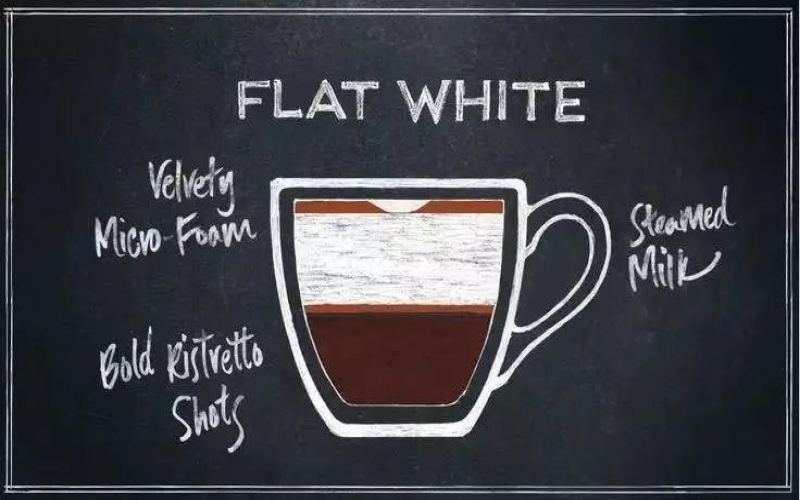
How Is Starbucks Flat White Different from a Latte? Understanding Everything from Milk Foam Thickness to Coffee Strength at a Glance
Flat White, Australian White, Little White... The same Flat White milk coffee goes by different names at various chain brands. After Starbucks named it "Fu Rui Bai," this beverage quickly became popular in China. What exactly is the difference between it and a latte? How do milk foam thickness, espresso extraction method, and milk ratio affect the final taste? This article will start from the origins of the Flat White, compare its essential differences with a latte, and share Front Street Coffee's specific parameters and flavor performance for making a Flat White, helping coffee enthusiasts gain a more comprehensive understanding of this rich-style milk coffee. [more…]
What Is an Espresso Blend? Can You Use It for Pour-Over? A Complete Guide to the Difference Between Blended Coffee and SOE
Espresso blend beans are one of the most common types of coffee beans in cafés, but there are plenty of questions surrounding them: What exactly is the difference between them and SOE? Can blend beans only be used for espresso? Can they be used for pour-over? Starting from the definition of Espresso, this article sorts out the commercial logic and flavor pursuits behind coffee blends, clarifies the conceptual boundaries between SOE and blend beans, and uses actual brewing cases to illustrate how espresso blend beans perform when brewed as pour-over, helping you gain a clearer understanding of this coffee system. [more…]
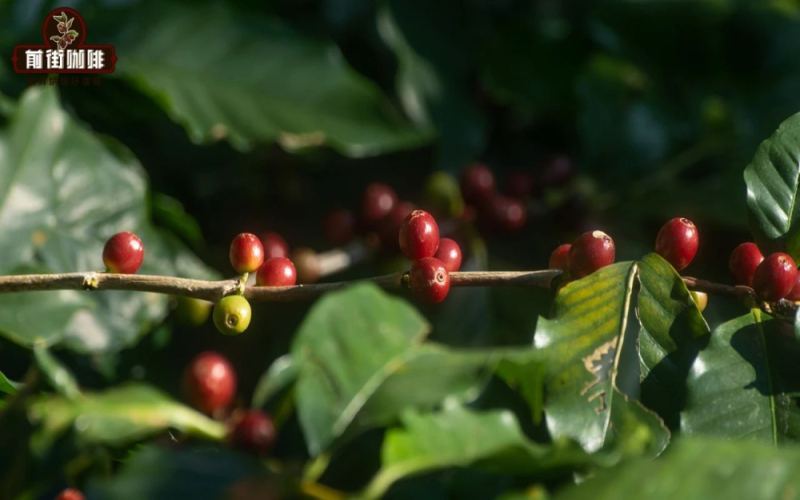
How to brew Yunnan coffee to make it shine? A full analysis of Arabica varieties from small-bean regions and Typica pour-over parameters
Yunnan coffee has attracted growing attention in the specialty market in recent years. From its past as a raw material for instant coffee to today's endless array of experimental processing methods, its flavor image is being redefined. But what exactly should Yunnan coffee taste like? And what is the relationship and difference between Typica and Catimor? This article begins with the history of cultivation, traces the evolution of Arabica varieties in Yunnan's small-bean producing regions, focuses on the Typica coffee that Front Street Coffee grows in Lincang, and provides a specific pour-over recipe for sun-dried Typica, including dose, ratio, water temperature, grind size, and a three-stage pouring rhythm, to help you brew a cleaner, more balanced side of Yunnan coffee. [more…]
Detailed Guide to the Cold Brew Coffee Making Process | What Are the Time, Water-to-Coffee Ratio Parameters for Making Cold Brew Coffee? What Are the Taste Characteristics of Cold Brew Coffee?
For professional coffee knowledge exchange and more coffee bean information, please follow Coffee Workshop (WeChat public account: cafe_style). For more specialty coffee beans, please add our private WeChat Front Street Coffee (FrontStreet Coffee), WeChat ID: qjcoffeex. With the development of specialty coffee culture [more…]

McDonald's Launches Aussie-Style Coffee to Challenge the American Style? Australian Baristas Show What Professional Craft Really Means
McDonald's has recently created a coffee exclusively for Australia called the Australiano, blending locally roasted beans, wattle seed, and chai flavors in an attempt to establish a signature drink for this country with a deep coffee culture. McCafé, a brand born in Melbourne in 1993, accounts for one in every four coffees sold in Australia. Now, with the launch of an Aussie-style coffee, it not only completes the soul of local coffee but also draws attention to Australia's coffee prowess. From the top-tier offerings in Melbourne and Sydney, to baristas' impressive skill of carrying multiple cups in one hand during peak hours, to the continuous emergence of innovations like the flat white, piccolo, and SOE, Australian coffee has long established its own school—even forcing Starbucks to retreat in its home market. This article takes you through the story behind this Aussie-style coffee and why Australian coffee culture is so formidable. [more…]
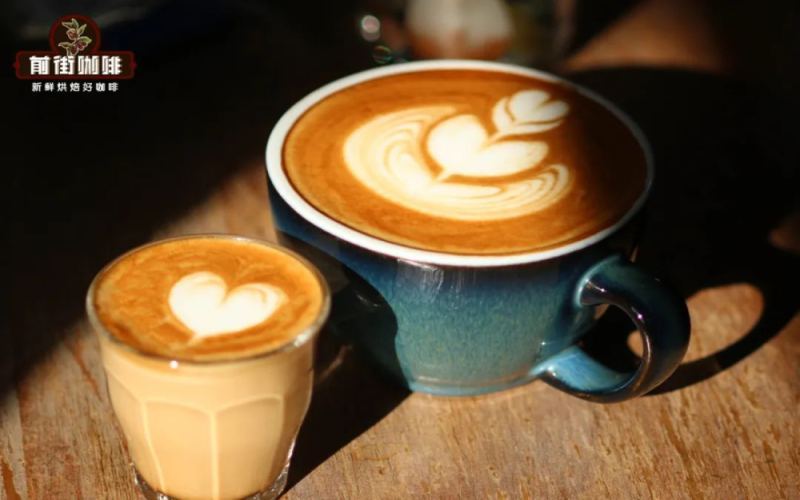
Analysis of the Differences Between Luckin Aussie White and Latte: Ristretto Espresso Recipe and Front Street Coffee Brewing Parameters
Luckin's Aussie White has won many fans with its rich coffee aroma and dense milk foam, but many people are curious about exactly how it differs from a latte. From the perspective of Front Street Coffee, this article first clarifies the relationship between Aussie White and Flat White family members such as Starbucks Flat White and Costa Flat White, then compares it with a hot latte in terms of foam thickness, cup size, and the coffee-to-milk ratio, and further explains the extraction logic of Ristretto. The article also fully discloses the parameters Front Street uses to make Aussie White with the Sunflower Warm Sun blend, including the coffee-to-liquid ratio, foam thickness, and milk temperature, for friends who want to replicate it at home. [more…]
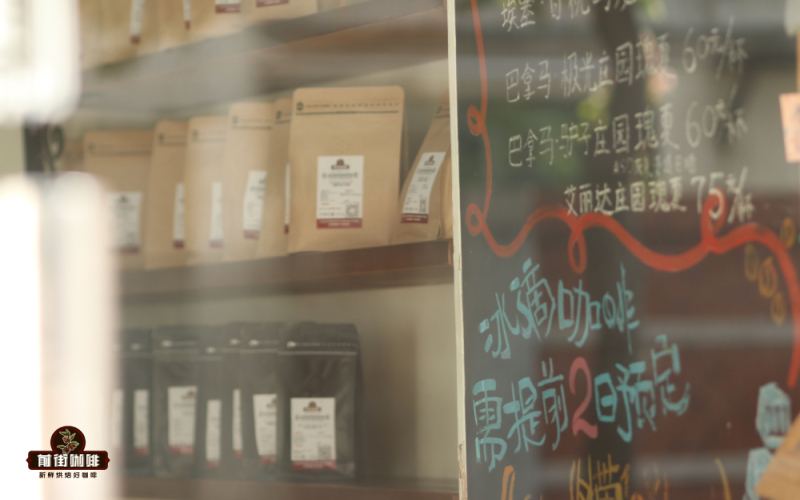
Ice Drip Coffee Flavor Characteristics and Complete Brewing Tutorial: A Detailed Guide to Equipment Selection, Drip Rate, Water-to-Coffee Ratio, and Brewing Parameters
Cold brew coffee, due to its unique low-temperature slow extraction process, presents a mellow, rich yet not astringent, smooth yet not bitter taste, and is deeply loved by coffee enthusiasts who pursue richness but fear bitterness. However, its production time is as long as 4 to 12 hours, and the equipment cost is not low, all of which are directly reflected in the selling price. This article will systematically introduce the flavor sources of cold brew coffee, the differences between the two structures of cold brew towers, the key points for using the ice chamber and the coffee powder cup, as well as the practical parameters shared by Front Street Coffee such as a 1:10 water-to-coffee ratio, pre-infusion, and 7 drops per 10 seconds, and will also include recommendations for coffee beans suitable for cold brew extraction, so that you can consistently make a clean cup of cold brew coffee at home. [more…]