







Search Results for: International Fair Trade
A Guide to Ceylon Black Tea Brewing Ratios: From the Reasons for Its Introduction to the Development Path of Smallholder Organic Fair Trade
How many grams of Ceylon black tea should you use? This seemingly simple question is connected to the entire ecosystem of Sri Lanka's tea industry. This article starts with brewing ratios, traces the history of Ceylon black tea's introduction into China, and takes a deep look at how small tea farmers in Sri Lanka carve out a path of organic fair trade in the cracks between large tea estates. From IFOAM and Codex Alimentarius organic standards, to international certification systems such as Bio, USDA, and JAS, and to the protection of workers' rights by international fair trade organizations, you will see the strict checks a cup of Ceylon black tea goes through from cultivation to export, and you will also understand why the related products recommended by Front Street Coffee are worth paying attention to. [more…]
Starbucks Ends Fair Trade Certification Partnership, Marking a Major Shift in Coffee Ethical Sourcing Standards
Starbucks has announced it will not renew its contract with Fairtrade, meaning coffee sold in its global stores will no longer carry the Fairtrade certification label. This decision has raised questions about its commitment to ethical sourcing. Starbucks says it will instead rely on the C.A.F.E. Practices standard, developed jointly with Conservation International and independently audited by the third-party organization SCS Global Services. However, many groups worry that without Fairtrade's independent oversight, the C.A.F.E. standard may not truly safeguard coffee farmers' rights on core issues such as minimum purchase prices and sourcing from smallholder cooperatives. This article reviews the history of Starbucks' partnership with Fairtrade, the origins and controversies of C.A.F.E. Practices, and Starbucks' past reversals on its ethical sourcing stance, offering coffee lovers a full picture of this event. [more…]
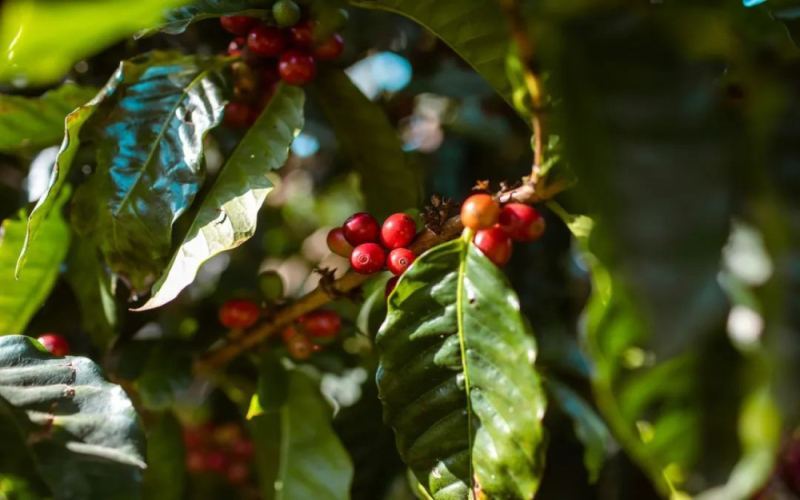
International Fair Trade Organization Upgrades Coffee Certification Standards to Fully Align with EU Deforestation Regulation
The international Fairtrade organization recently published revised coffee certification standards, aiming to meet or even exceed the various requirements of the EU Deforestation Regulation (EUDR). The new rules will cover all Fairtrade-certified coffee, not limited to products exported to the EU, and strengthen monitoring and reporting obligations for producer organizations and traders. The standard is expected to take effect in 2026, involving approximately 600 cooperatives, 870,000 coffee farmers, and 1.1 million hectares of cultivated land. To implement deforestation monitoring, Fairtrade has commissioned the Dutch company Satelligence to provide satellite data services. Meanwhile, the EUDR will take effect for large European companies between the end of 2024 and early 2025, and the coffee industry is actively adjusting to comply with this regulation. [more…]
How Does Fair Trade Change the Fate of Coffee Farmers? The Flavor and Story of Ethiopian Natural Yirgacheffe Konga Wote Flower Beans
Yirgacheffe is one of Ethiopia's most renowned coffee regions, and behind this cup of floral and citrus notes lies a story of fair trade and smallholder farmers' struggles. This naturally processed Yirgacheffe from the Oromia Coffee Farmers' Cooperative not only carries the hopes of local coffee farmers to escape poverty, but also wins over countless coffee lovers with its G2 grade, organic certification, and richly layered flavors. This article will guide you through how the Oromia Cooperative grew against the odds during 30 years of low coffee prices, as well as the tasting profile and brewing suggestions for Front Street's Veda Flower beans. [more…]
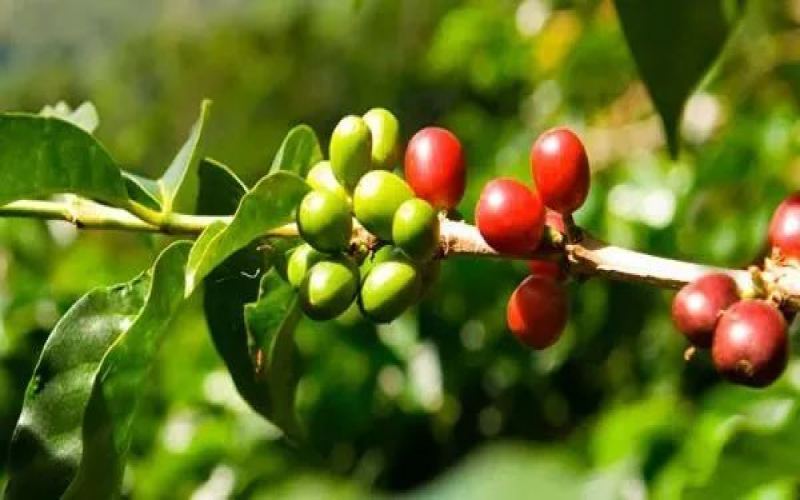
Fairtrade partners with Satelligence to expand satellite monitoring network for coffee origins under the EU's new deforestation-free rules
After the EU's Zero Deforestation Regulation took effect, the threshold for exporting coffee to the European market has been significantly raised. The international Fairtrade organization recently announced a partnership with remote sensing technology company Satelligence to expand satellite monitoring to all certified coffee producer organizations worldwide, helping cooperatives and their smallholder members directly access deforestation risk data. This move is intended to break the monopoly of large corporations on supply chain information, enabling producers to proactively prove that their coffee is not linked to deforestation and thereby retain access to the EU market. This article reviews the background of the partnership, the requirements of the regulation, and various perspectives, and includes related recommendations from Front Street Coffee. [more…]
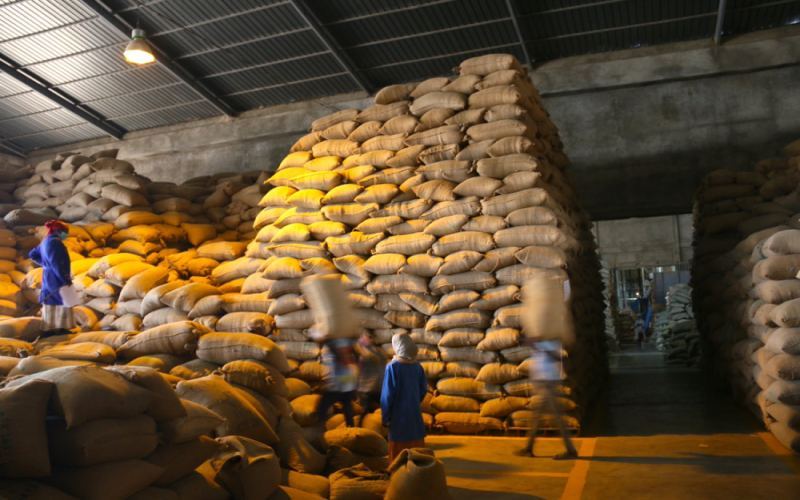
Ethiopia's Three Major Coffee Export Systems and the ECX Trading Mechanism: How Single-Farm Beans Like Hambela Hualukui Reach Overseas Markets
Ethiopia, as the holy land of specialty coffee, has a rather complex coffee export system. According to local regulations, coffee exports are divided into three major systems: ECX bidding, cooperatives, and single farms. Among these, cooperatives and single estates can bypass the ECX and export directly, offering relatively complete traceability. The ECX was founded by Eleni Gabre-Madhin in 2008, and through grading, warehousing, and real-time information, it transformed the trading circumstances of coffee farmers. However, what truly achieves 100% traceability is the single farm system that has risen in recent years. The Sidamo sun-dried Huakui is a representative work from the Hambela farm. This article will sort out the operational differences among the three systems, the trading logic of the ECX, the structure of the six major cooperative unions, and the significance of single farms to specialty coffee. Front Street will also continue to follow these origin developments, bringing coffee enthusiasts clearer origin knowledge. [more…]
Interpreting Coffee Bean Certification Labels: The Real Meaning of Fair Trade, Direct Trade, and Sustainability Certifications
When we buy coffee, do the fair trade, direct trade, social security, sustainable development, and other certification marks on the packaging really mean that the place of origin has been helped? As consumers, we pay more and more attention to these labels, but our understanding of the mechanisms behind them and their actual effects is limited. This article will deeply analyze the meaning, operating methods, and limitations of various coffee certification systems, and at the same time introduce practical cases such as Front Street in promoting sustainable development in places of origin, to help you support the healthy development of the coffee industry through more rational consumer behavior. [more…]
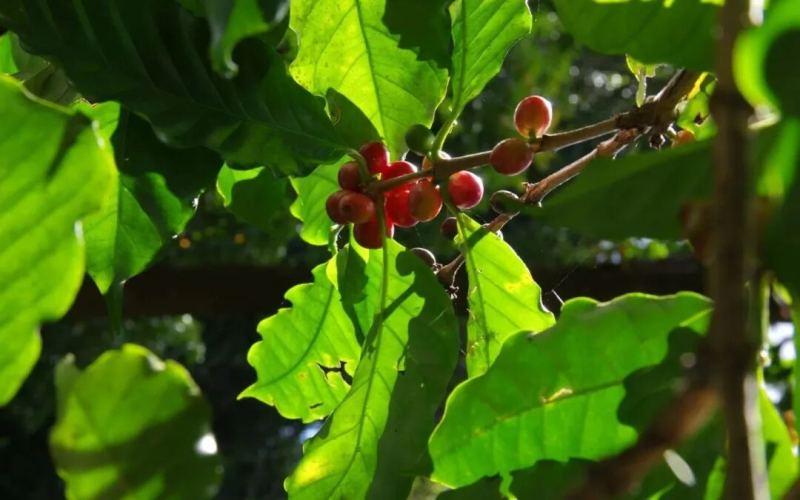
Ethiopian Coffee Beans | How Many Coffee Regions Are There in Ethiopia? Which Washing Stations and Cooperatives Produce Ethiopian Specialty Coffee?
As the birthplace of coffee, Ethiopia has always been a pilgrimage site for many coffee professionals. Many friends who come to Front Street Coffee ask as soon as they walk in whether we have Ethiopian beans, whether we have Yirgacheffe beans. Yes, whether for coffee beginners or coffee connoisseurs, Ethiopian coffee beans have that bright [more…]
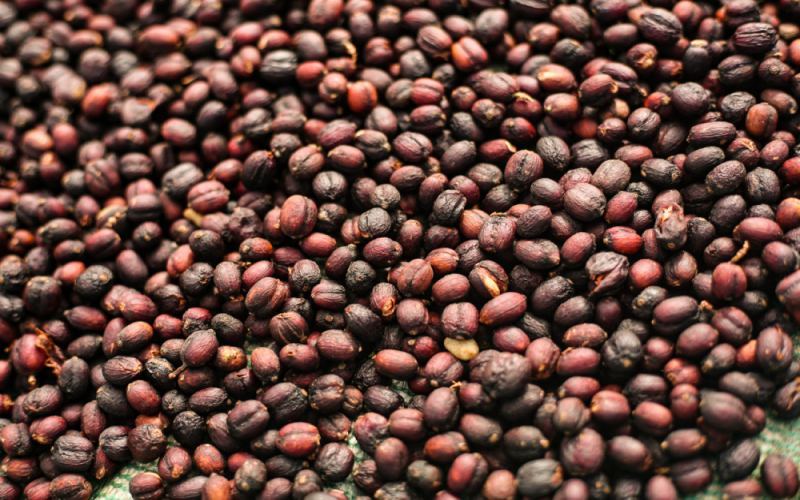
A Complete Guide to Ethiopian Coffee Varieties and Grading: Yirgacheffe Flavors and Front Street Coffee Pour-Over Parameters
Ethiopia, as a genetic treasure trove of coffee, has complex bean varieties and inconsistent bean sizes, yet this creates a unique flavor interwoven with bright fruity acidity and floral notes. From the perspective of Front Street Coffee, this article systematically reviews Ethiopian coffee cultivation and harvesting methods, the origins of Heirloom native varieties, the terroir characteristics of nine major specialty production regions, as well as the ECX trading system and the G1-G5 grading standards. It also explains in detail the flavor performance of representative beans such as Yirgacheffe, Sidamo, and Huakui, and includes Front Street Coffee's V60 pour-over parameters, helping enthusiasts fully understand the diverse charm of Ethiopian beans. [more…]
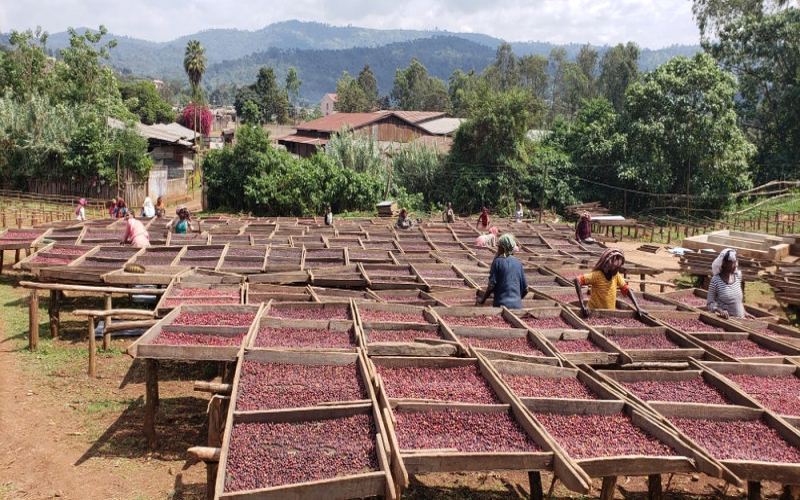
Yirgacheffe Konga Cooperative: A Comprehensive Analysis of Naturally Processed G1 Coffee under Fair Trade and Organic Certification
In the Yirgacheffe region of Ethiopia, the Konga Cooperative is a model organization that holds both fair trade and organic certification, with over two thousand smallholder farmers cultivating high-altitude land in the Gedeo zone. In this article, Front Street Coffee will take you deep into the Konga Cooperative's geographic background, soil advantages, its TOH sun-dried group championship honor, and the complete picture of the sun-dried G1 coffee from the Worka processing station—from cultivation, processing, roasting, cupping, and brewing—so you can experience this bean's complex juice-like mouthfeel and bright acidity. [more…]
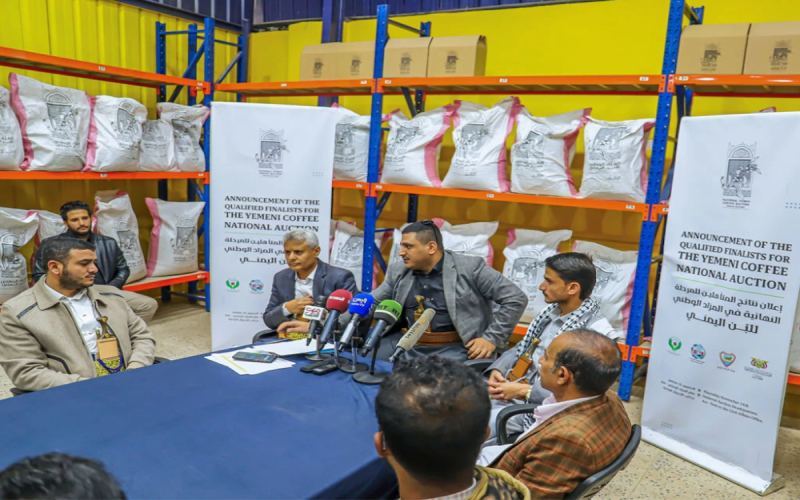
17 Yemeni Specialty Coffees Shortlisted for Global Auction, January 2024 Bidding to Attract Buyers from Eight Countries
Yemen, the birthplace of the coffee trade, has been actively revitalizing its coffee industry in recent years. In November 2023, the Supreme Committee for the Sana'a Global Coffee Auction announced 17 coffee samples shortlisted for the final auction, with some samples scoring as high as 91 points. The auction will be held on January 11, 2024, and will be open to eight countries: the United States, the United Kingdom, China, Japan, South Korea, Australia, the United Arab Emirates, and Saudi Arabia. Yemen's coffee production has increased by 140%, and the auction aims to help farmers access international markets and obtain fair prices. Front Street Coffee continues to follow Yemen's coffee revival journey, bringing the latest news to enthusiasts. [more…]
What is Rainforest Alliance certification? What environmental and fair trade standards does the green frog logo on coffee beans represent?
When selecting coffee beans, you may have noticed a green frog printed on the packaging — this is the Rainforest Alliance certification mark. Behind it lies a set of strict agricultural and environmental standards, covering ecological protection, farmers' rights, labor conditions, and sustainable development. Since the Rainforest Alliance was founded in New York in 1987, it has helped certify over one hundred million acres of crops, with coffee being one of the most traded agricultural products among them. This article will walk you through the core philosophy of the Rainforest Alliance, the specific standards for certified crops, and what this mark means for consumers and the coffee industry, helping you gain a more comprehensive understanding of the environmental and social value behind your everyday coffee choices. [more…]

A Complete Guide to African Coffee-Producing Countries: From Ethiopia to Tanzania, a Specialty Flavor and Origin Guide
Africa, as the continent of coffee's origin, nurtures coffee beans with highly distinctive flavors thanks to its unique climate and terrain. From Ethiopia's Yirgacheffe to Kenya's AA grade, and from Yemen's Mocha to Tanzania's Kilimanjaro, each producing region displays alluring fruit acidity and regional character. This article systematically reviews the cultivation history, varieties, processing methods, and flavor characteristics of Africa's major coffee-producing countries, and includes information on various cooperatives and representative bean lots, making it suitable for coffee enthusiasts who want an in-depth understanding of the full picture of African specialty coffee. [more…]
Three Coffee Documentaries to Watch: From the American Coffee Revolution to the World Barista Championship and a Chronicle of the Entire Coffee Supply Chain
According to data from the International Coffee Organization, 400 billion cups of coffee are consumed globally each year, with an average of 14,000 cups drunk every second. Calculated at retail prices, the annual output value of coffee has long exceeded 100 billion US dollars, so it is no exaggeration to call it a "black gold industry." Today, coffee is not just a pick-me-up beverage but also an expression of lifestyle taste. In China's first-tier cities, convenience store coffee, Starbucks, and independent cafes are almost everywhere. But have you ever wondered when coffee was discovered and how it transformed from a fruit into an everyday drink? This article recommends three coffee documentaries, focusing respectively on how coffee changed America, the journey of baristas competing in the World Barista Championship, and the complete industry chain from origin to cup, along with related recommendations from Front Street Coffee, to help you rediscover the cup of coffee in your hand. [more…]

2022 Yunnan Coffee Bean Price Market Analysis: Purchase Price per Kilogram of Arabica Coffee and Industry Status Analysis
Yunnan is China's main coffee-producing region, accounting for over 99% of the national output. However, for a long time the pricing power for coffee beans has been subject to the New York futures market, leaving it without bargaining power. In recent years, international green bean prices have remained persistently low, even falling below the cost line of 15 yuan/kg, causing many coffee farmers to cut down trees and change careers. In 2020, the province's planting area shrank by nearly 20% compared with the 2014 peak. At the same time, the rise of specialty coffee has opened a new path for Yunnan coffee, with the consumption scale of Yunnan coffee on the Tmall platform increasing by 135% year on year. This article will sort out the latest price details of Yunnan coffee beans, the industry's difficulties, rescue actions from various parties, as well as the planting history and producing-area advantages, to give you a comprehensive understanding of the current situation of Yunnan Arabica coffee and Front Street's brand observations. [more…]
Why Have Yunnan Coffee Prices Stayed Low for So Long? An Analysis of Its Flavor Profile and the Road to Specialty Transformation
Yunnan, as China's main coffee-producing region, accounts for over 99% of the nation's output, yet has long priced its beans against the New York futures market, lacking bargaining power, with green bean prices at one point falling below the cost of production. In recent years, with the rise of the specialty coffee wave, Yunnan coffee is entering the specialty market like a dark horse. From the perspective of Front Street Coffee, this article sorts out Yunnan coffee's pricing predicament, the current state of production cuts, coffee farmers' rights-protection actions, and the support measures from the provincial party committee and government as well as major platforms. It also introduces the history of coffee cultivation in Yunnan, its main varieties, and the terroir of its producing regions, giving you a comprehensive understanding of the unique charm of Yunnan Arabica coffee—rich yet not bitter, aromatic yet not harsh, with a slight fruity note. [more…]
A Complete Guide to Yirgacheffe Konga Cooperative Natural Beans: From Origin Certification to Cupping and Brewing Parameters
The Yirgacheffe region in Ethiopia is home to numerous cooperatives, and the Konga Cooperative is one of the most representative. It is located in the Gedeo Zone at an altitude of over 1,800 meters, holds dual certifications in Fair Trade and organic farming, and won the national championship in the TOH natural category in the 2020 harvest season. This Konga Cooperative Wote Station natural G1, sourced by Front Street Coffee, uses local heirloom varieties and presents a complex flavor profile of citrus, jasmine, honey, and green tea. This article will provide a complete breakdown of this coffee's story, from the cooperative's background, soil characteristics, processing methods, and variety traits to Front Street's roast profile, cupping data, and V60 brewing recipe, offering coffee enthusiasts a practical reference for purchasing and brewing. [more…]
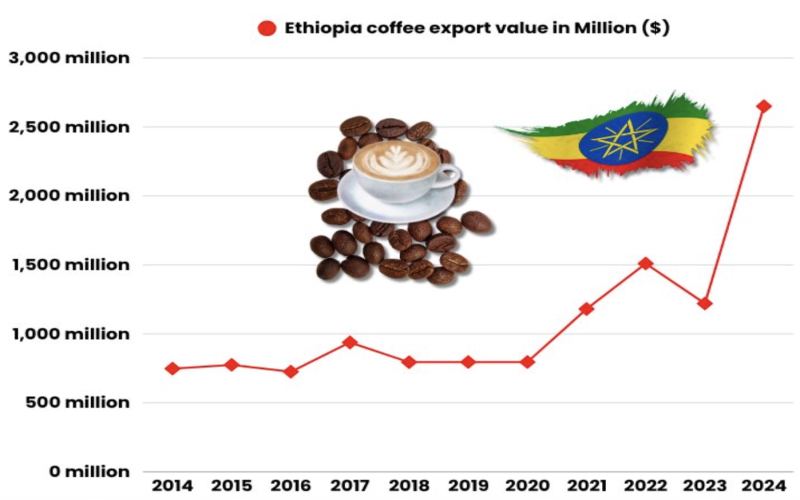
2024-2025 Ethiopia Coffee Export Report: Ethiopia's Main Coffee Export Destinations and Production
Ethiopia is not only the birthplace of Arabica coffee but also one of the world's major suppliers of high-quality coffee beans. Coffee occupies a central position in Ethiopia's economy, culture, and trade. In 2024-2025, Ethiopia's coffee export volume and export revenue both reached historic highs, marking [more…]

Ethiopia's Coffee Industry Credit Default Dilemma and the Controversy Over Vertical Integration Policy
Recently, Ethiopia's coffee industry has been thrown into chaos by a wave of credit defaults. Coffee farmers who supplied coffee beans to exporters and suppliers on credit have been waiting in vain for payment, with the amount owed reaching into the billions of birr. Some farmers have even committed suicide out of despair, and radicals have attempted to rob exporters of their property. The government blames the problem on the "vertical integration" plan introduced five years ago and fully implemented two years ago, which replaced the original ECX trading model and was intended to allow coffee farmers, suppliers, and cooperatives to export coffee directly and benefit from international price incentives. However, at a meeting between the government and growers on March 8, 2024, both the Minister of Agriculture and the Director General of the Coffee and Tea Authority held that the benefits of vertical integration outweigh the drawbacks, that defaulters are only a minority, and that violators have already been blacklisted. But coffee farmers and producers say that banks' suspension of loans and the National Bank's 14% credit growth cap have led to the market being controlled by a handful of wealthy exporters, leaving them with no choice but to sell on credit. Last year, 90% of coffee was exported through the vertical integration plan, and farmers are calling on the government to regulate the market. Front Street Coffee reminds that this incident highlights the importance of fair trade and financial support in the coffee industry chain. [more…]
The Rise of the Honduran Coffee Industry and a Flavor Analysis of Five Renowned Estate Brands
The history of coffee cultivation in Honduras can be traced back to the late 18th century, when Spanish merchants introduced coffee trees to this land. After experiencing slow development following independence, improvements in infrastructure, the devastating blow of Hurricane Mitch in 1998, and the remarkable industry revival that followed, Honduras has now become one of the world's top five coffee-producing countries, with an annual output of more than 475,000 metric tons, and has become an important exporter of high-quality Arabica coffee beans. This article will review the ups and downs of Honduran coffee and introduce five representative Honduran coffee brands selected by Front Street Coffee, covering Macara Organic Coffee, Tropical Fruit Bourbon Micro-lot, Monte Vista Craft Coffee, Maud's Organic K-Cups, and Copan Region Volcanic Coffee, analyzing each brand's origin background, processing methods, and cup profile. [more…]