







Search Results for: Insufficient Aftertaste
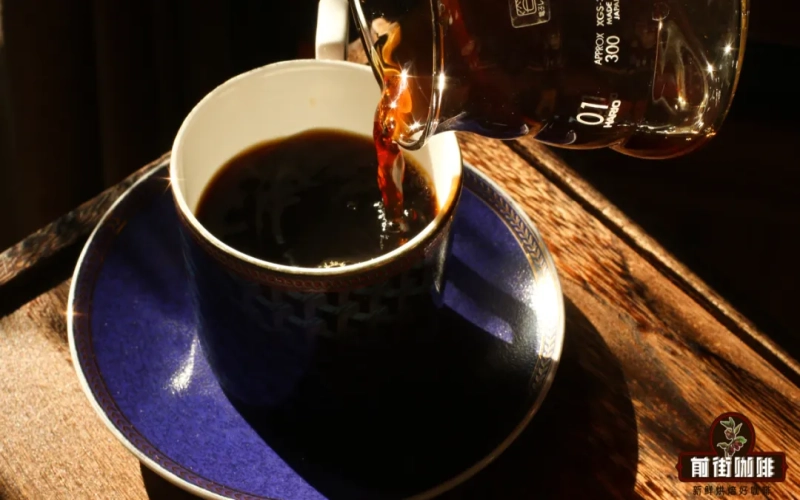
A Guide to Brewing Dark Roast Coffee for Sweet Aftertaste: Grind, Water Temperature, and Technique for Jamaica Blue Mountain No. 1
Brewing a cup of dark roast coffee with pronounced sweet aftertaste is no simple task—many enthusiasts run into problems of excessive bitterness or insufficient sweetness. Drawing on Front Street's brewing experience, this article first breaks down how sweet aftertaste forms: sweetness only gradually emerges after bitterness fades, so the coffee itself must contain enough sugars and sweet-aroma compounds. Then, using the excellent-quality Front Street Jamaica Blue Mountain No. 1 coffee as an example, it shares a complete brewing recipe: 15g of grounds, a 1:14 coffee-to-water ratio, 89°C water temperature, an Ek43 grind setting of 10.5, and a Kono dripper, using a three-pour method with a slower flow to extend extraction, ultimately presenting black chocolate and nutty aromas, with the finish turning into a maple-syrup-cream-like sweetness. [more…]

How to Identify Under-Extraction and Over-Extraction in Coffee: Judging Extraction Problems from Sourness, Bitterness, Saltiness, Aftertaste, and Flavor Performance
Judging whether a cup of coffee tastes good varies from person to person, but when it comes to the defective flavors caused by extraction problems, people often reach a consensus. This article, from the perspective of Front Street, introduces the specific taste manifestations of under-extraction and over-extraction. When under-extracted, coffee presents sharp acidity, noticeable saltiness, a lacking finish, and thin flavor; over-extraction, on the other hand, allows bitterness to greatly suppress other flavors. The article also specifically reminds us not to rigidly adhere to the golden cup extraction numbers, because bean quality and processing methods can cause deviations from theory, and ultimately the real sensation on the palate should be the basis for judgment. [more…]
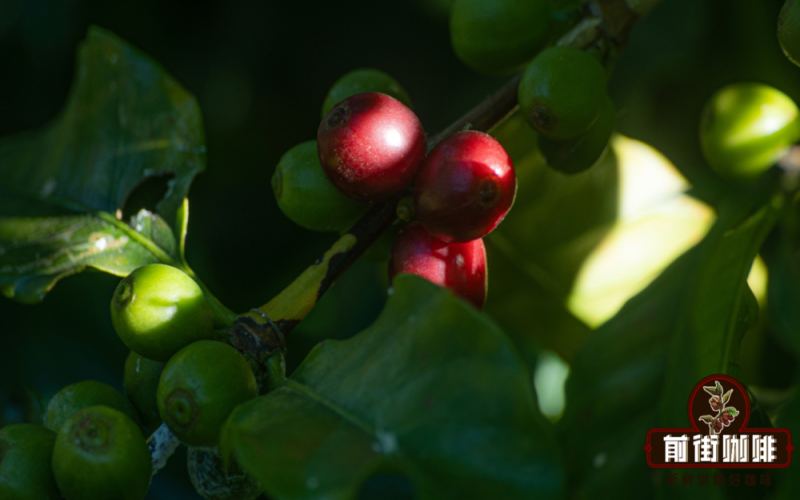
Why Are Yunnan Coffee Beans Mostly Used as Instant Coffee Material? Beginner's Guide to Yunnan Small-Bean Coffee Pour-Over Recommendations
Yunnan, as China's most important coffee-producing region, has long been labeled a "raw material for instant coffee," a reputation rooted in complex historical and varietal reasons. From the initial cultivation of Typica to the later large-scale promotion of Catimor, the fate of Yunnan coffee has been closely tied to disease resistance, yield, and market demand. Because Catimor carries Robusta lineage, it tends to have insufficient aroma and a heavier bitterness, making it the primary source for instant coffee. However, with the spread of specialty coffee culture in China and the government's growing emphasis on the coffee industry, Yunnan's coffee cultivation and processing methods are becoming more scientific, and single-origin pour-over beans are increasingly appearing in consumers' view. This article will trace this history and recommend two typical Yunnan arabica coffee beans for beginners—Front Street Yunnan Arabica Coffee Beans and Front Street 2013 Sun-Dried Typica Coffee Beans. [more…]
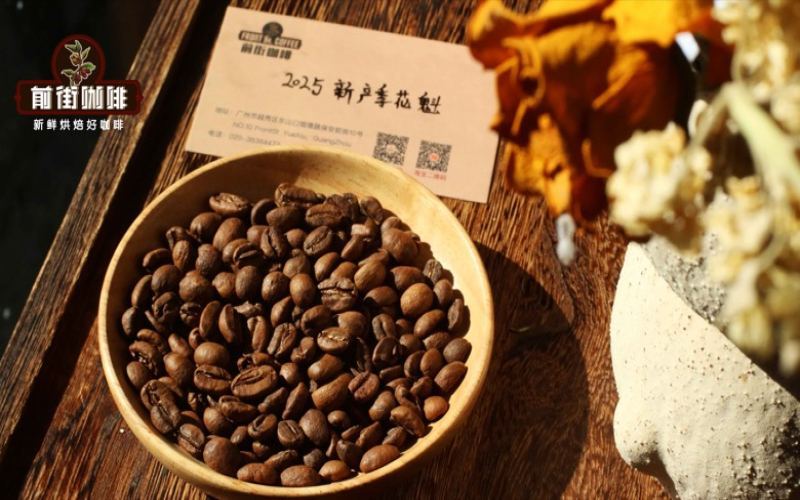
Light Roast Floral Coffee Bean Recommendation Collection: Start with the Scenario, Then Look at Flavor and Roast
When choosing coffee beans, start by considering your daily drinking scenario: is it a cup of black coffee in the early morning, or a milk coffee to go with breakfast; is it a slow pour-over to savor, or a quick cup from a machine. Different scenarios call for different roast levels, flavor intensity, and brewing methods. Pour-over flavor is mainly determined by origin, variety, and processing. [more…]
Yirgacheffe Pour-Over Brewing Guide: How to Avoid Common Problems of Sour, Astringent Coffee and Insufficient Aroma
Yirgacheffe, with its bright acidity, vivid yellow-lemon aroma, and clean mouthfeel, has become the representative coffee of Africa. But many coffee lovers, when brewing pour-over, often run into the problem of it tasting only sour, lacking aroma, or even showing woody notes. Starting from the serving standards of Front Street stores, this article systematically explains the extraction approach for Yirgacheffe: analyzing the variables that affect flavor one by one, from coffee bean freshness, water temperature, and grind size to the three-stage pouring technique. It also compares the flavor differences between washed and natural processing methods, and includes recommendation information for Front Street's everyday drinking beans, helping you brew a cup of Yirgacheffe with full aroma and distinct layers at home. [more…]
How to Choose a Pour-Over with Floral and Fruity Notes: A Flavor Guide from Light to Medium Roast
If you want to taste floral, citrus, berry, or tropical fruit notes in your pour-over, roast level is a very useful clue to follow. Light roasts more easily preserve the bright aromas brought by origin and processing method, medium-light roasts add sweetness and roundness, and medium roasts soften the floral and fruity character, making each sip more stable. Based on the acidity you like [more…]
A Brief Analysis of How Roast Level Affects Coffee Flavor, Plus a Buying Guide to Five Medium-Light Roasted Arabica Beans
The release of flavor and aroma from coffee beans is inseparable from high-temperature roasting, and the depth of the roast will make the same bean present a completely different character. Light roasts tend to retain more natural flavor and bright acidity, while dark roasts bring a heavier roasted taste and bitterness due to caramelization reactions. For coffee lovers who prefer floral and fruity notes and a light body, medium-light roasted Arabica is an ideal choice, but if purchased improperly, it is also easy to encounter problems such as low body and insufficient aftertaste. This article will analyze the relationship between roast level and flavor, and recommend five Front Street medium-light roasted coffee beans worth trying, covering classic categories such as Yirgacheffe, Kenya, and Panama Butterfly, providing a reference for everyday purchasing. [more…]
Mildly Acidic Yirgacheffe Recommendations: Balancing Budget and Drinking Frequency
A Yirgacheffe with soft acidity is suitable for gradually building judgment from taste experience. When buying beans for daily use, you need to consider how quickly you drink them, how much to buy at once, and whether you mainly make black coffee or milk coffee at home. The flavor words on the packaging can provide clues, but they cannot replace the actual drinking experience—whether the acidity is soft, whether the sweetness persists, and the mouthfeel [more…]
COSTA Coffee Golden Rules Explained: From Crema and Temperature to Milk Foam, Learn to Identify a Quality Cup of Coffee
Every year, the world drinks over 400 billion cups of coffee, making it one of the most widely consumed beverages. But no matter how many varieties there are or how different the brewing methods, the pleasure brought by good coffee and the disappointment caused by bad coffee are often separated by just one small sip. This article is compiled from COSTA Perfect Coffee Family, systematically sorting out the key points for judging the quality of coffee—from coffee bean ratios, freshness, extraction timing, handcrafting, volume, appearance, aroma, and temperature to mouthfeel—and providing the "coffee golden rules" for espresso, cappuccino, and latte, to help coffee lovers quickly identify a good cup of coffee when ordering in daily life. [more…]
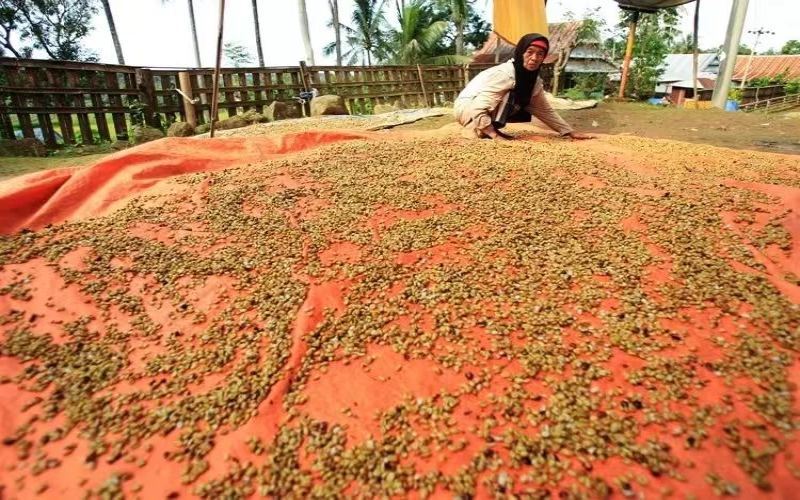
Tropical Fruit-Flavored Coffee Beans: The Flavor Rhythm After Opening
Tropical fruit flavors are often the most alluring part of coffee beans: the sweet aroma of ripe fruit, bright acidity, and an aroma that unfolds like fruit juice once it hits the palate. However, these flavors are sensitive to changes over time, so when buying beans you shouldn't just look at the flavor notes—you also need to pay attention to the roast date, the condition of the packaging, and your own daily consumption rate. After roasting [more…]
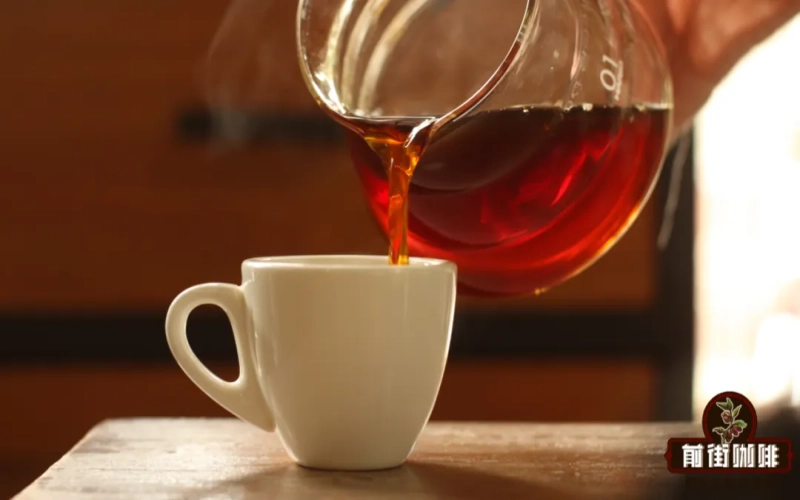
The Hot vs. Iced Pour-Over Coffee Dilemma: From Coffee-to-Water Ratio and Water Temperature to Grind Size, Exploring the Real Reasons Behind Flavor Differences
Should pour-over coffee be enjoyed hot or iced? Many coffee lovers hesitate when making this choice. Front Street Coffee has always recommended: if you want to experience a fuller flavor profile, it's best to choose hot pour-over. This article uses a comparative experiment, using the same coffee beans and brewing method, changing only the coffee-to-water ratio and grind size, to intuitively demonstrate the differences between hot pour-over and iced pour-over in extraction yield, flavor layering, and mouthfeel. The article lists the specific parameters for hot pour-over and iced pour-over in detail, analyzes the impact of water volume and grind size on extraction, and explains why iced pour-over requires parameter adjustments, why coffee shops charge extra for iced pour-over, and why you should drink it hot if you want to enjoy the flavor. [more…]
A Practical Guide to Pour-Over Coffee: Analyzing the Blooming Principle and Comparing Continuous vs. Pulsed Pouring Techniques
The charm of pour-over coffee lies in extracting rich flavors from coffee grounds with a simple pouring action. This article starts with the function of the dripper, first explaining why blooming is important—too much water will dissolve off-flavors and astringency along with it, while too little water will lead to insufficient extraction. Then, using Kenya Asali beans as an example, with a grind size of BG 5M, water temperature of 91°C, a coffee-to-water ratio of 1:13, and pre-infusion of 40-45ml/30-35 seconds, it compares in detail two common techniques: the continuous-pour method, which uses a steady thin stream to draw circles from the inside outward and finishes in about two minutes, yielding balanced acidity and sweetness with a long caramel finish, but a slightly flat body and flavor; and the pulse-pour method, which pours in stages, using large and small streams for the first two pours to agitate the coffee grounds and increase acidity and sweetness extraction, then switching to a submerged, non-agitating final pour to avoid pronounced bitterness, bringing the flavor up from raisin to blackcurrant juice, though with a shorter and weaker aftertaste. The article also includes relevant recommendations from Front Street Coffee, suitable for coffee enthusiasts to refer to. [more…]
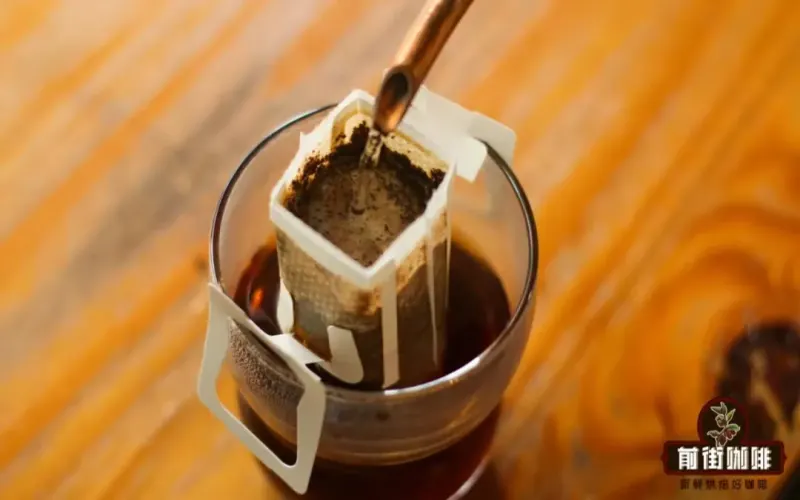
Analysis of the Differences Between Drip Bag Coffee and Pour-Over: Drip Bag Composition, Control of Water Temperature and Volume, and Simple Brewing Steps
Drip bag coffee has become the top choice for many people's daily coffee due to its portability and ease of operation. What exactly are the differences between it and pour-over coffee? This article will start with the structure of the drip bag, sort out the essential differences between it and pour-over in terms of equipment and process, and share a simplified brewing method that only requires attention to two parameters: water temperature and water volume. At the same time, for different taste preferences, the article also compiles the flavor characteristics and purchasing suggestions of multiple drip bag products under the Front Street Coffee brand, helping you obtain a cup of drip bag coffee with suitable strength and full flavor in the simplest way and with stable results. [more…]
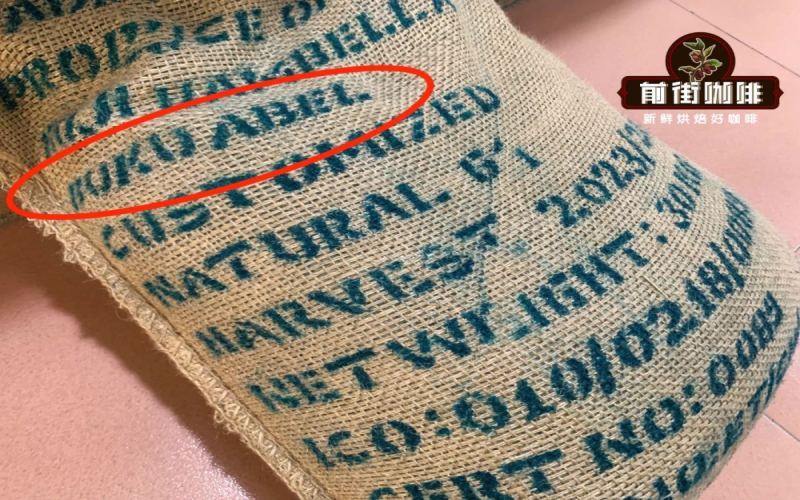
Can Huakui 8.0 Handle SOE and Lattes? A Comprehensive Review of Sidamo Natural Beans in Espresso Brewing
As a star sun-dried bean from Ethiopia's Sidama region, Huakui coffee has been rising in popularity in the specialty coffee scene in recent years, and is even regarded as a variety capable of rivaling Geisha. But many coffee enthusiasts are curious: can this bean, known for its floral and tropical fruit notes, handle being made into espresso? And what kind of flavors would it present as an SOE or a latte? Starting from Front Street Coffee's practical experience, this article will sort out the origin of the name Huakui coffee, its regional characteristics, processing methods, and version evolution, and share in detail the extraction parameters and flavor performance of Huakui 8.0 in different espresso drinks such as espresso, americano, and latte, providing a complete reference for friends who want to try using Huakui to make espresso. [more…]
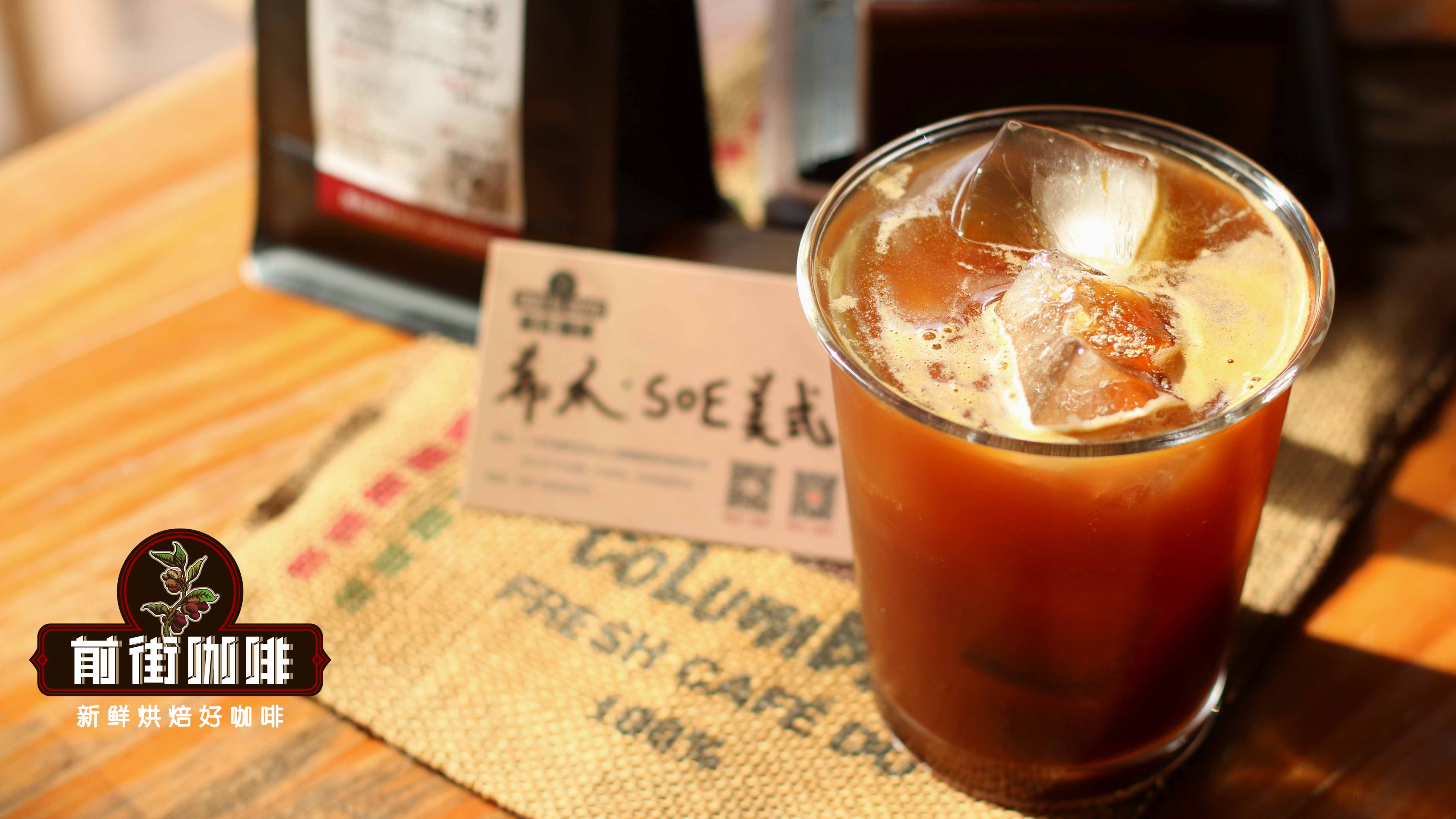
A Guide to Making Single-Origin Espresso (SOE): How It Differs from Blends, Flavor Characteristics, and Extraction Adjustment Methods
In recent years, the term SOE has become increasingly common in cafés. It refers to Single Origin Espresso, as opposed to espresso blends. Because espresso amplifies all the flavors of coffee, the strengths and weaknesses of single-origin beans are easily brought to the fore, which places higher technical demands on stages such as roasting and grinding. Starting from the definition of SOE, this article sorts out how it differs from blended beans in terms of stability and flavor performance, and, centering on whether light-roast SOE is necessarily sharply acidic, how to devise an extraction plan according to the purpose of drinking, and how to correct common problems such as sharp acidity, a short finish, unpleasant flavors, or too thin a body by adjusting grind size and extraction yield, it offers actionable ideas and reference parameters. [more…]
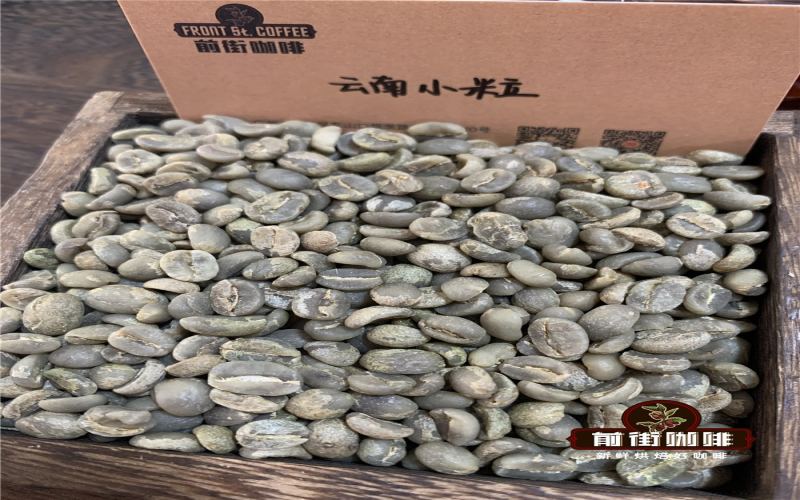
Analysis of the Flavor Characteristics and Main Cultivated Varieties of Yunnan Small-Bean Coffee, with a Discussion of Which Brand Is Worth Watching
Yunnan small-bean coffee actually refers to the Arabica small-fruited species grown in Yunnan. Since 1892, when missionaries planted the first coffee tree in Zhukula, Yunnan coffee has gone through a century of ups and downs. This article reviews the planting history of Yunnan coffee, the style characteristics of its main cultivated varieties, Typica and Bourbon, and the impact of the introduction of Catimor on the industry. It also introduces how the altitude and climate conditions of core production areas such as Lincang and Baoshan shape coffee flavor, and shares Front Street Coffee's practice and experience of growing the Typica variety in Lincang, Yunnan. [more…]

Where Does Coffee's Sweet Aftertaste Come From? An Analysis of the Meaning of Aftertaste, Influencing Factors, and Methods for Improvement
After taking a sip of coffee, subtle aromas and flavors often emerge in the mouth—this is what we call the aftertaste. It is not only the final step in coffee tasting but also an important basis for judging the quality of a cup of coffee. From the perspective of Front Street, this article starts with the principles behind the formation of aftertaste, analyzes one by one how coffee bean quality, roast level, and extraction method affect aftertaste performance, and offers practical ideas for enhancing aftertaste richness in actual brewing, helping coffee enthusiasts more fully understand where the lingering finish of a good cup of coffee comes from. [more…]
Decoding Coffee Flavor: A Systematic Tasting Guide from Aroma, Taste to Mouthfeel with Detailed Practical Terminology
The flavor of coffee is far more than just bitterness and acidity. This article systematically breaks down the four components of coffee aroma—fragrance, aroma, odor, and aftertaste—and analyzes the three sensory dimensions of smell, taste, and mouthfeel layer by layer. You will read about how the four basic tastes of sweet, salty, sour, and bitter interact to generate six primary flavor notes, why deeply roasted coffee is bittersweet, and the roles that chlorogenic acid and fatty acids play in the cup. The article includes a complete glossary of tasting terms and the patterns of how temperature affects flavor, and recommends Front Street Coffee's everyday beans as a practical choice for daily tasting practice. [more…]
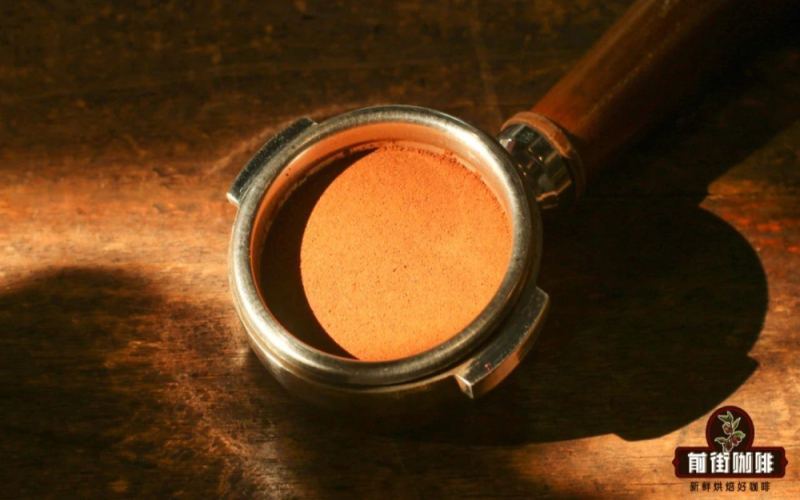
The Complete Guide to Buying Espresso Blend Coffee Beans: From Blending Principles to an Analysis of Front Street Coffee's Four Products
Blending coffee is not simply mixing beans together, but an art that combines experience, inspiration, and scientific calculation. This article systematically sorts out the purpose and commercial logic of blending, the sequence between blending and roasting, the blending steps and core principles, and introduces in detail four distinctive espresso blend coffee beans under Front Street Coffee — Sunflower Warm Sun, Specialty Blend, Commercial Blend, and Dark Cocoa Blend — covering formulas, roasting methods, flavor characteristics, and applicable scenarios, helping coffee enthusiasts and professionals comprehensively understand the classification and purchasing points of espresso blend coffee beans. [more…]
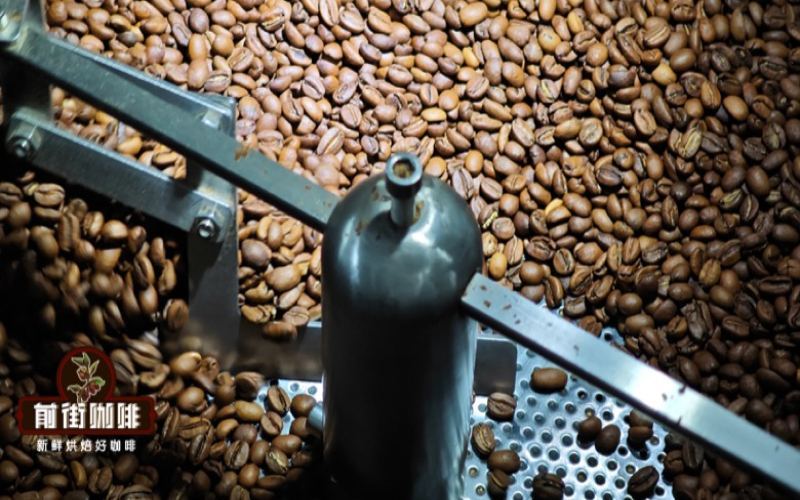
Delicious Americano Coffee Beans Recommendations: A Bean Selection Method for Everyday Drinkers
When you first start buying beans, you don't need to chase a wide range of flavors all at once. A more practical approach is to first choose a bean with a clear flavor profile and high compatibility with different brewing methods, then lock in your dose, grind, and water temperature, and observe how the entry, sweetness, and finish change. This way you can build your own flavor reference. Pour-over flavor is mainly determined by the origin. [more…]