







Yirgacheffe, with its bright acidity, vivid yellow lemon-like aroma, and clean mouthfeel, has become a representative coffee of Africa. But many coffee enthusiasts often encounter problems during pour-over brewing, such as only sourness, lack of aroma, or even woody notes. Starting from the quality standards of Front Street stores, this article systematically explains the extraction approach for Yirgacheffe: analyzing the variables that affect flavor one by one, from coffee bean freshness, water temperature, and grind size to the three-stage pouring technique. It also compares the flavor differences between washed and natural processing methods, and includes recommendation information for Front Street's everyday beans, helping you brew a cup of Yirgacheffe with full aroma and distinct layers at home.
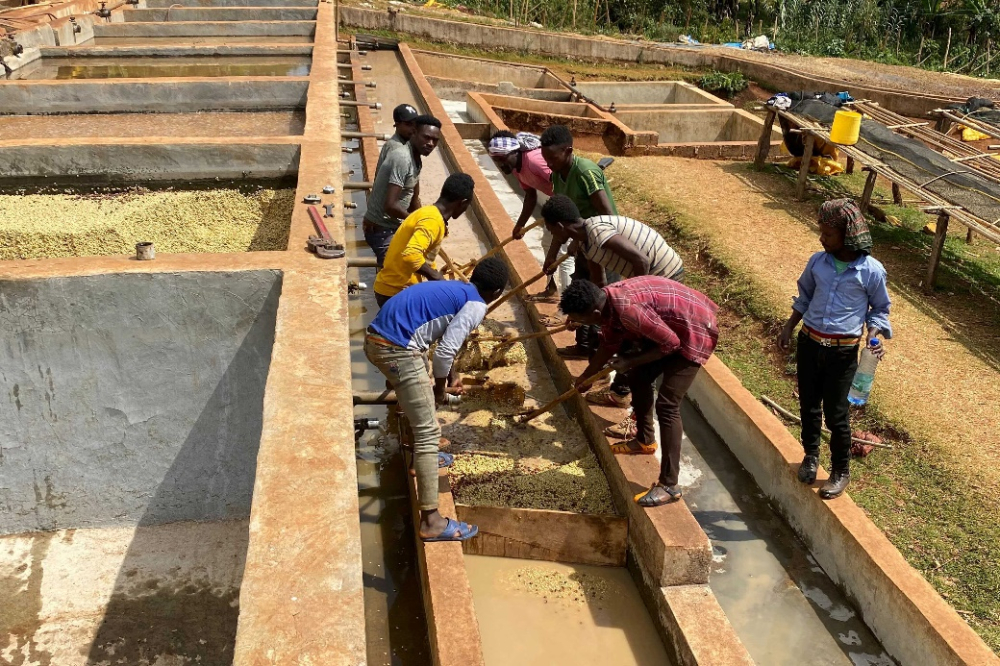
In the minds of coffee lovers around the world, Yirgacheffe can be regarded as the model of African beans. Its bright acidity, vivid yellow lemon fragrance—rather than a vague citrus note—combined with an extremely clean mouthfeel and finish, has captivated countless people. The reason Yirgacheffe can form such a distinctive character, in addition to its exceptional terroir, is largely thanks to the washed processing technology introduced from Central and South America by the Ethiopian government in 1972.
Post-harvest processing of coffee beans is a professional skill. As the saying goes, each profession has its specialized expertise, and farmers who are good at cultivation may not be proficient in green bean processing. The processing flow of specialty coffee is complex and refined, often requiring "high-capital" equipment to support production monitoring. Farms using the washed method must build washing channels and introduce a continuous supply of fresh water, so production costs are higher. However, the multiple stages of washing not only greatly reduce the defect rate of coffee, but also bring Yirgacheffe a fresh citrus note and elegant white floral aroma, making the overall flavor bright, delicate, and clean, and therefore highly praised.
The Yirgacheffe everyday beans launched by Front Street use washed processing and medium-light roasting, carrying the classic Yirgacheffe flavor, and are suitable for pour-over, cold brew, French press, and other brewing methods. Front Street's everyday bean series allows friends who are new to coffee to appreciate the basic flavors of the region at an affordable price, and the small-package design also avoids waste from being unable to finish the beans. If you want to experience the classic aroma of Yirgacheffe, Front Street believes that pour-over brewed black coffee is the best choice.
Although washed processing was once all the rage, natural processing still occupies the main share of Ethiopian coffee. What is different from the past is that today's natural processing invests more effort in manual sorting and ensuring uniform drying.
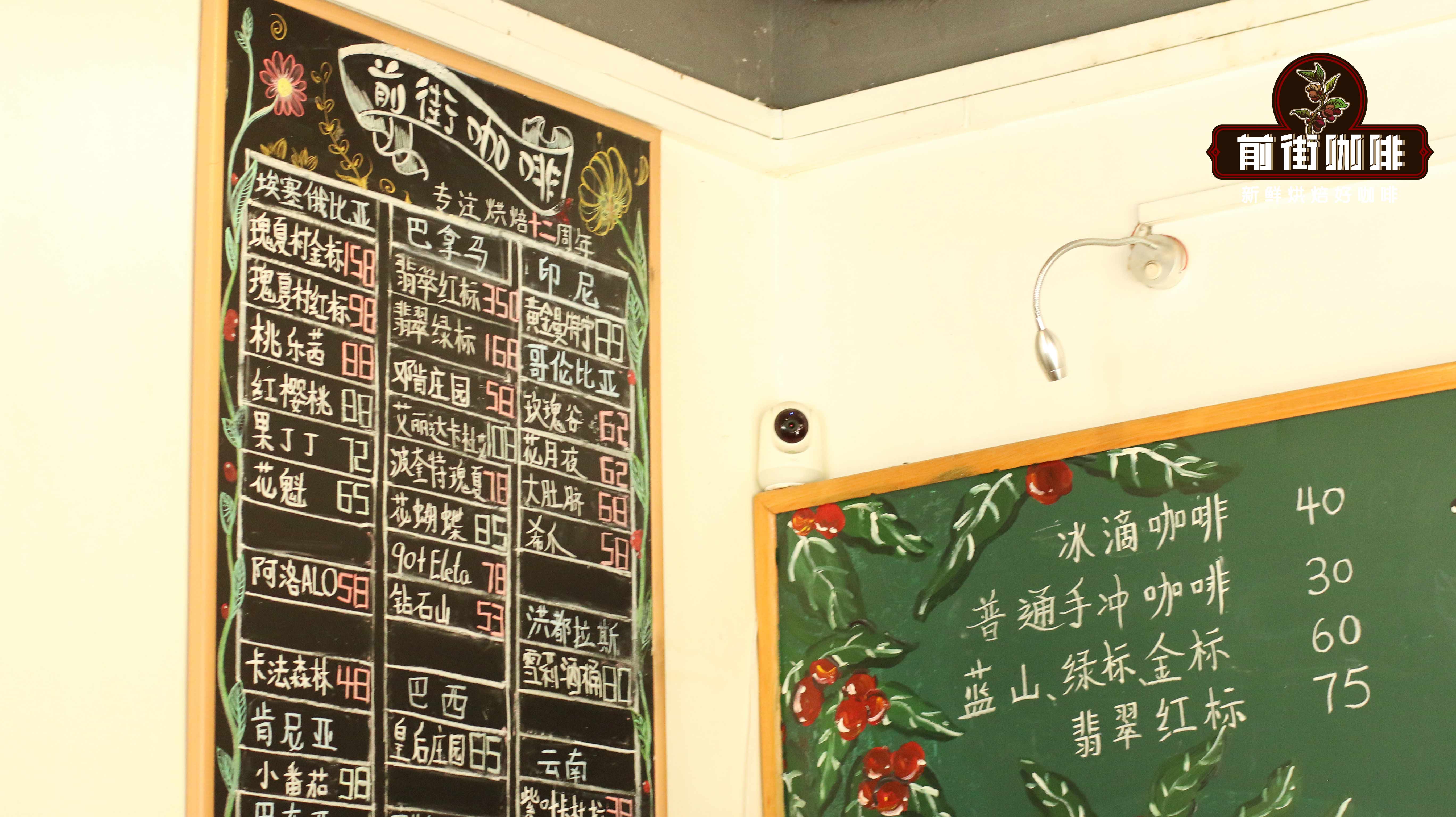
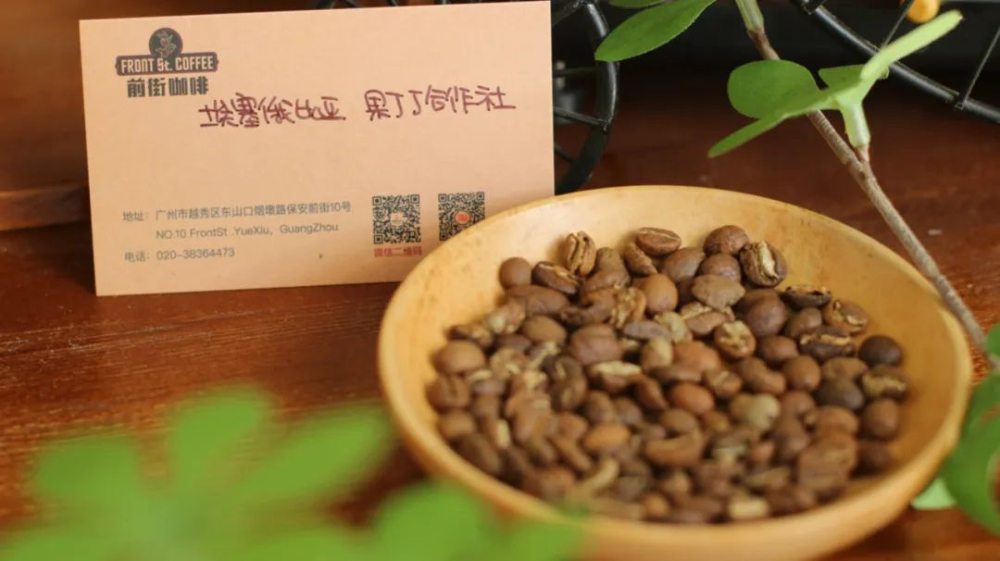
As for how to choose Yirgacheffe from different processing methods, if you prefer tea-like notes and bright fruity acidity, you can buy Front Street·Gedeb Cooperative coffee beans using classic washed processing; if you want to experience a fuller fermented feel and tropical fruit flavors, you can choose another Front Street·Natural Red Cherry coffee beans.
A fan left a message in Front Street's backend asking for advice, saying that the Yirgacheffe they brewed only had sourness and lacked the rich aroma they had tasted in Front Street stores. Here, Front Street uses the store's quality standards to explain the extraction approach for Yirgacheffe.
First, no matter which extraction method is used, Front Street believes that the freshness of coffee beans is crucial. Coffee roasted more than two months ago has most likely already lost its aroma, and even the most superb extraction technique will find it difficult to restore the aroma in the cup. To let everyone experience coffee at its best tasting stage, Front Street only ships beans freshly roasted within 5 days, so by the time you receive them, they are just about ready for brewing.
Because Yirgacheffe is roasted light, the coffee beans are relatively hard in texture and require hot water at 92°C-93°C to stimulate the floral and fruity notes in the coffee.
In terms of grind size, Front Street recommends a medium-fine grind (78% passing through a Chinese standard No. 20 sieve). Too coarse and it cannot extract rich substances, making the brewed coffee seem thin; too fine and it is easy to over-extract at high water temperature, producing bitterness and even masking the aroma.
If the coffee extracted by a friend only has sourness, it is very likely that the water temperature is too low and the coffee has not fully released its flavor substances. And if the coffee has almost no aroma and also carries woody notes, it is most likely no longer fresh, so we must confirm that the beans we buy were roasted within 10 days. Front Street coffee beans are all freshly roasted within 5 days, support 24-hour shipping, and lock in the most complete flavor.
During cupping, Front Street noticed that this bean shows different flavors at different temperatures, so the brewing method uses three-stage extraction, allowing different flavor substances to show their best selves as the coffee bed rises in temperature in stages. To highlight the fresh and charming aroma of washed Yirgacheffe, Front Street uses a V60 dripper for brewing. The dripper's spiral rib design allows the coffee grounds to degas better and maximizes the volatilization and dissolution of aromatic and acidic substances.
In terms of brewing ratio, Front Street believes that 1:15 to 1:16 are both fine. If you want a richer mouthfeel, use 1:15; if you want to feel the floral sweetness more clearly, you can use 1:16 to let the flavors spread out more.
Dripper: V60 Water temperature: 92-93°C Dose: 15g Coffee-to-water ratio: 1:15 Grind size: fine sugar size (sieve 78% of the powder through a No. 20 sieve)
Three-stage pouring: Wet the coffee bed with twice the amount of water as the coffee grounds, forming a dome and blooming for 30s, then pour in a small stream in a circular motion from the inside out to 125g, pause, wait until the coffee bed drops to half the height of the dripper, continue pouring the third stage with the same thin stream to 225g, and once all the coffee liquid has filtered through, remove the dripper. The time is about 2 minutes. After the coffee in the dripper flows into the server, remove the dripper, then swirl the server to mix the coffee liquid evenly, and you can begin tasting the flavors of Yirgacheffe starting from high temperature.
Flavor description of pour-over washed Yirgacheffe
After the washed Yirgacheffe coffee beans are ground into powder, you can smell the fresh fragrance of honey and jasmine. When Front Street pours in hot water, it begins to release hints of berry flavor. The pour-over black coffee enters the mouth with bright lemon, citrus, and green tea, and as the temperature changes, it has a finish of berries, cream, and sugarcane, with obvious sweet aftertaste and a clean, sweet taste.
The above content is compiled by CoffeeHunters, a coffee news website.


