







Search Results for: Increasingly
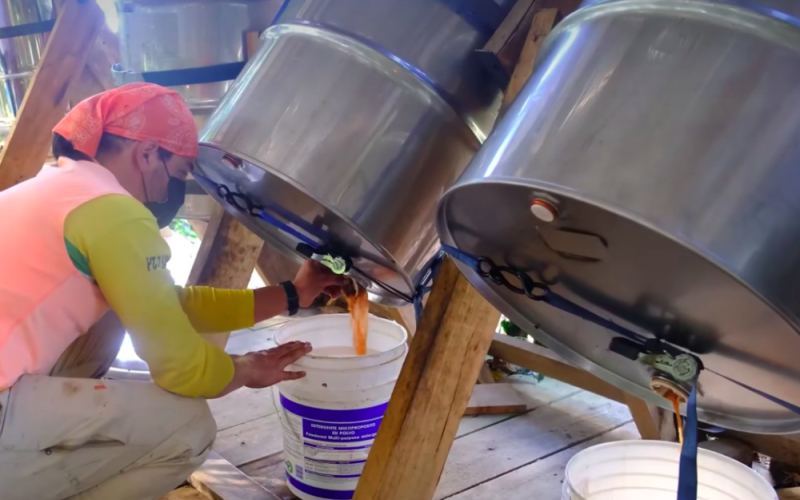
Why Are Coffee Processing Methods Becoming Increasingly Diverse? The Evolutionary Logic from Origin Adaptation to Flavor Exploration
Nowadays, the names of coffee processing methods are becoming more and more varied, from anaerobic natural to low-temperature slow anaerobic washed, from black honey and red honey to enzyme washed, making one dazzled. Behind this complexity, there are actually two main threads: the birth of early processing methods was the result of the producing region's environment forcing it—for example, Indonesia's humid and rainy climate gave rise to washed and wet-hulled methods; while the evolution of contemporary processing methods stems from the consumer market's dual pursuit of flavor expression and traceability information. This article will sort out the evolution from natural, washed to honey processing and anaerobic fermentation, analyze how different processing techniques affect coffee flavor, and reveal the deeper reasons behind the increasingly refined naming of processing methods. [more…]

Why Are Coffee Processing Methods Increasingly Diverse? An Analysis of the Naming Logic and Evolution of Anaerobic Fermentation
Today, coffee processing methods are emerging one after another. Behind this lies both the pursuit of expanding the flavor map and a deeper shift in the purpose of processing from efficiency-oriented to flavor-oriented. From the pre-18th century when only the natural method existed, to the successive advent of washed, honey, and wet-hulled methods, and then to 2014 when anaerobic fermentation swept through the specialty coffee world, each technological innovation has been accompanied by a deeper understanding of fermentation principles. At the same time, in order to highlight their own anaerobic processing characteristics, estates have put great effort into naming—time, temperature, and microbial strains can all become identifiers. This article sorts out the origins and development of processing method evolution, interprets the logic behind anaerobic processing naming, and explores the role of traceability information in promoting naming standardization. [more…]
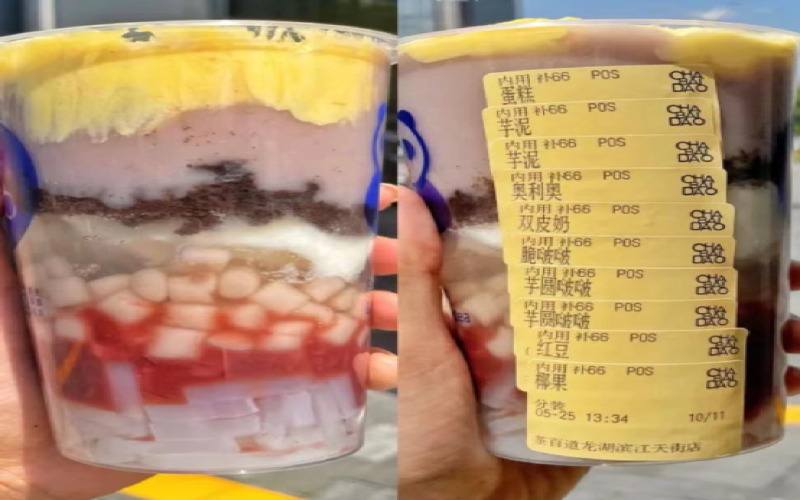
Under the cross-industry beverage trend, the boundary between coffee and milk tea is becoming increasingly blurred, and a blind taste test reveals that nearly half of consumers struggle to tell them apart accurately.
These days, walking into any beverage shop, the variety on the menu is always dazzling. Boba shops are selling porridge, cafes surprisingly offer lemon tea, and industry competition has long entered a white-hot stage. More noteworthy is that the boundary between coffee and milk tea is being continuously broken: oats, fermented rice, thick milk, and osmanthus are all being added to coffee, the traditional bitter taste is weakened, and the flavor is moving closer to milk tea. A science blogger on Weibo once organized a blind test, asking participants to distinguish between coffee and milk tea with similar flavors, and surprisingly nearly half of the people could not accurately tell them apart. Coffee's localization and youth-oriented strategies, the migration of childhood milk tea memories, and various novelty pairings have jointly driven this trend. This article takes you to explore the phenomenon of coffee becoming more like milk tea and the logic behind it. [more…]
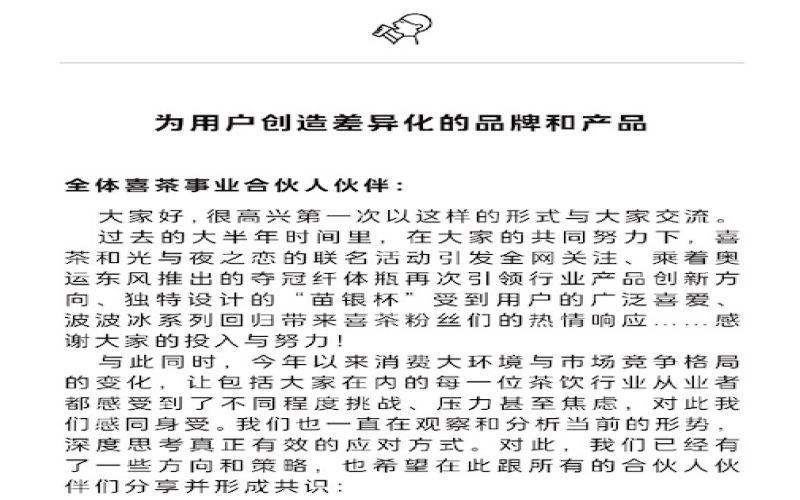
HEYTEA's Internal Letter to Partners: Breaking Through with Differentiation, Rejecting Homogenization and Cutthroat Price Wars
On September 18, Heytea sent an internal letter titled "Creating Differentiated Brands and Products for Users" to its business partners, directly addressing the increasingly fierce homogenized competition and low-price involution in the tea beverage industry. The letter proposed "creating differentiated products and brand experiences for users to the utmost" as the direction for breaking through, explicitly stating it would not follow popular categories, not engage in pure low-price competition, and would control the pace of store openings and focus on operational quality. However, netizens had mixed reactions: some supported the differentiation strategy, while others complained about weak product innovation and declining quality. Can Heytea win back consumers with this strategy? This article will sort out the key points of the internal letter and voices from all sides. [more…]
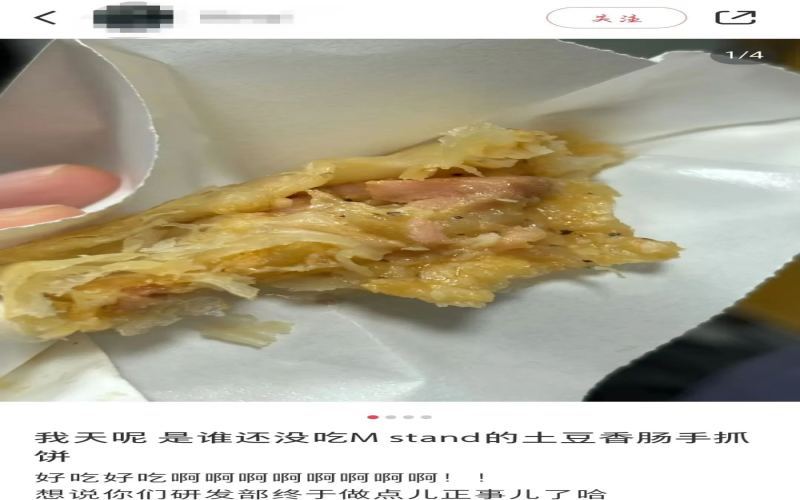
Mstand Launches Potato Sausage Hand-Grab Pancake, Sparking Discussion: Why Coffee Brands Increasingly Venture into Creative Meals
During Halloween, Mstand launched a new Butter Basque Latte and a series of merchandise bundles, but what truly caught fans' attention was an unexpected potato and sausage scallion pancake wrap. As a coffee brand known for its refined and stylish image, Mstand's decision to add a street food item to its menu sparked discussions on social media. This article reviews consumers' genuine feedback on this pancake wrap, longtime customers' reflections on the brand's breakfast product line, and the controversy surrounding Mstand's merchandise strategy, while exploring loyal fans' hopes for the brand to return to its coffee roots. [more…]

Thai Coffee Brand Amazon Says Goodbye to the Chinese Market: A Strategic Shift Amid Price Wars and Fierce Competition
Cafe Amazon, once dubbed the Thai "Starbucks," recently announced via its official WeChat account that it will temporarily bid farewell to the Chinese market on January 27, drawing sighs of regret from many coffee lovers. Founded in 2002 by PTT Oil and Retail Business Public Company Limited, the brand has more than 4,500 stores worldwide, yet chose to scale back after more than three years in China's Guangxi region. Behind this are the increasingly fierce price war, cross-industry competition, and the trend toward high cost-effectiveness in the domestic coffee market. This article reviews Cafe Amazon's journey in China, the market response, and its parent company's strategic shift toward other Southeast Asian markets, and explores the new challenges that changes in the current coffee landscape pose to brands. [more…]

A customer left a bad review because they couldn't borrow a blanket; why are operators increasingly choosing to ban children from their cafés?
A mother took her child to a shopping mall. After the child fell asleep, she went to a coffee shop to rest on the sofa. Because the temperature inside the shop was low, she asked the staff to borrow a blanket or a work uniform but was refused. She later left a negative review, which sparked heated discussion among netizens. Some people understood the difficulties parents face when out with their children, while others believed that borrowing a blanket went beyond the scope of a coffee shop's service. At the same time, many coffee shop owners complained about the troubles brought by customers with children, and more and more stores have made banning children a rule. This discussion about service boundaries and business realities reflects the dilemma coffee shops face between customer experience and daily operations. [more…]
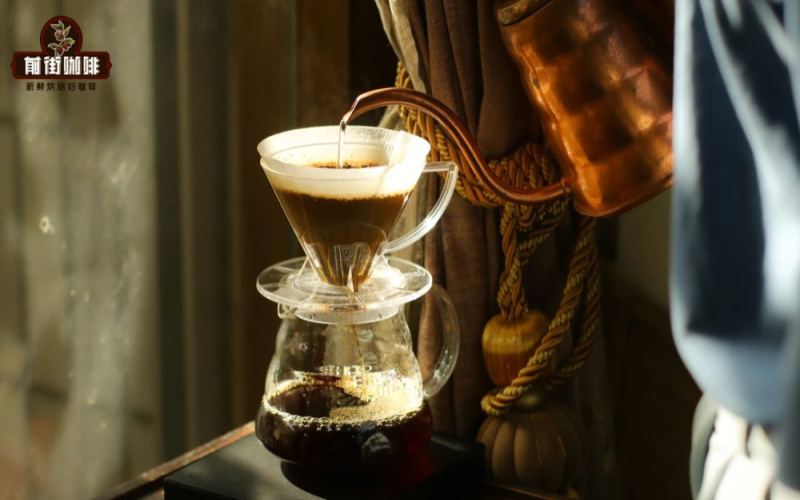
A comparison of the structural differences between the Kalita trapezoidal dripper and the V60 conical dripper, their flavor performance, and why the trapezoidal dripper is becoming increasingly rare in specialty coffee shops.
In the world of pour-over coffee, the choice of dripper shape was once diverse, but today when you walk into most specialty coffee shops, what you see are almost all conical large-hole drippers. Why have trapezoidal drippers, once so popular, especially the classic styles represented by Kalita, gradually retreated to the second tier? Starting from Front Street's actual brewing comparisons, this article uses Front Street washed Yirgacheffe and Front Street Jamaica Blue Mountain coffee, and under the same parameters extracts with Kalita 101 and V60 respectively, analyzing the differences in flavor presentation between the two drippers, and deeply examining how their structural principles affect the extraction method, ultimately explaining the reasons why trapezoidal drippers still retain a place among chain brands. [more…]
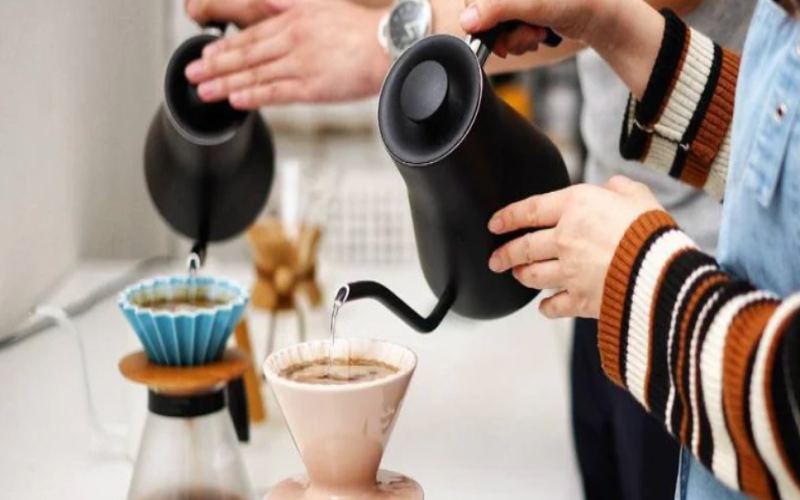
The highest unit price for coffee training courses reaches a thousand yuan, and market demand is driving new industry growth points.
As coffee consumption becomes increasingly routine and a daily necessity, the number of coffee shops continues to grow, and the coffee training market is heating up along with it. From latte art experiences to advanced specialty drinks, course prices range from 300 to 1,000 yuan, and some popular courses require booking half a month in advance. Search data shows that interest in coffee training has risen 77% year on year, with people aged 20-35 making up the main group. The coffee industry is rising across the board, from the consumer end to the talent end, and brands such as Front Street Coffee continue to provide professional support for enthusiasts. [more…]

When Iced Americano Meets Raw Oysters: Looking at the Boundaries and Controversies of Creative Coffee Through the "Oyster-Bitter" Specialty Drink
Iced Americano has been reinvented in increasingly wild ways by netizens in recent years, from mixing Huoxiang Zhengqi liquid into an Americano to today's jaw-dropping oyster iced Americano—the boundaries of creative coffee are being pushed further and further. For professional coffee knowledge exchange and more coffee bean information, please follow Coffee Workshop (WeChat public account: cafe_style). For more specialty coffee beans, please add our private WeChat account Front Street Coffee (FrontStreet Coffee), WeChat ID: qjcoffeex. This article will walk you through how this iced Americano called "Oyster Bitter" came to be, as well as the increasingly absurd creative trends in today's specialty coffee drinks, and explore the balance between chasing hype and preserving the essence of coffee in creative coffee. [more…]
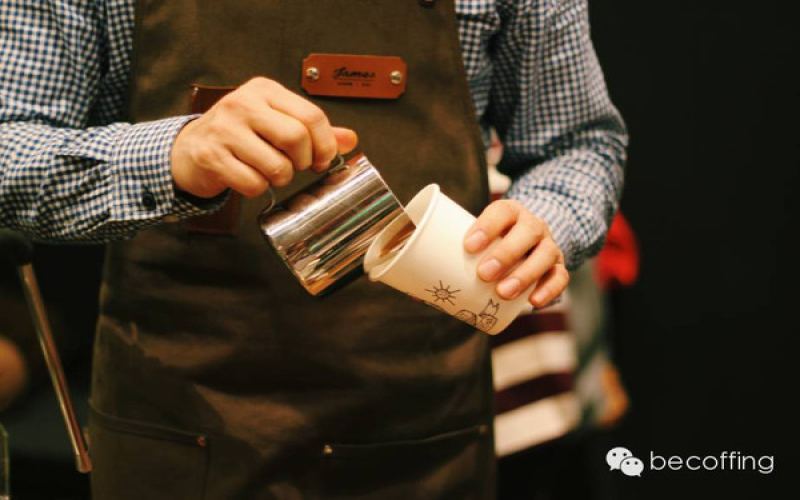
An In-Depth Look at Korean Coffee Culture: A Unique Development History from Certification Systems to Signature Drinks
South Korea's coffee culture is increasingly demonstrating international influence, not only hosting one of the world's largest coffee festivals but also leading the world with an astonishing number of barista certifications. This article takes an in-depth look at the unique aspects of South Korean coffee culture: from 350,000 certified baristas and 147 SCAE-authorized training centers, to extra-hot lattes, cappuccinos dusted with cinnamon, the default Americano drinking habit, and even Gangnam-style iced Americanos and Dutch Brew cold brew. Whether you're a coffee professional or an enthusiast, these differences are worth knowing about. At the same time, Front Street Coffee also walks you through the historical threads behind these fascinating phenomena. [more…]
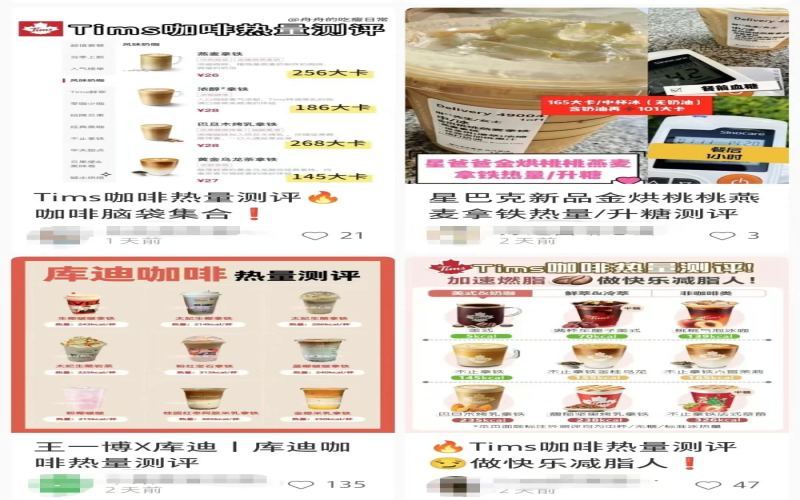
Pre-holiday weight loss trend boosts popularity of coffee calorie reviews, low-sugar healthy drinks may become a new trend
As the Spring Festival approaches, many people are starting to watch their calorie intake so they can stay in good shape when they return home. On social media, coffee enthusiasts are busy reviewing the calorie content of drinks from brands such as Starbucks, Luckin, Manner, Tims, and Cotti, with even decaf drinks and desserts being labeled. Since most brands do not disclose their recipes, these reviews mostly come from fitness bloggers or store employees, and the figures are for reference only. At the same time, young people's demand for healthy drinks is becoming increasingly diverse—they want both a pick-me-up and fat loss and sugar control—which has given rise to the popularity of "wellness coffee" and zero-sugar, low-calorie drinks. Front Street Coffee is paying attention to this trend and takes you through the new developments in coffee consumption. [more…]
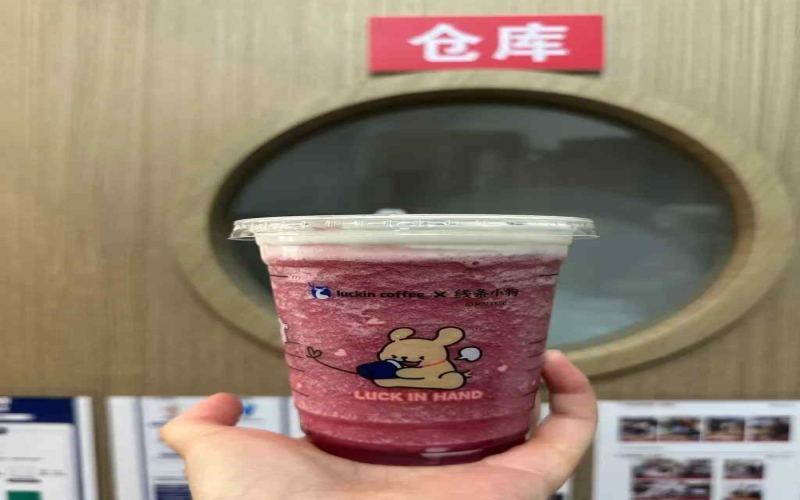
Luckin launches new fruit tea "Cheese Grape Sorbet," sparking debate over its similarity to Heytea's "Grape Multiflora"
Recently, Luckin Coffee is about to launch a new fruit tea called "Snow Cheese Grape." As soon as the news was exposed, it sparked widespread discussion among netizens. From the currently circulating images, this drink combines grape juice with jasmine tea, then tops it with a layer of snow cheese milk foam. Its overall appearance is quite similar to Heytea's classic product "Light Cheese Grape." For a time, discussions about Luckin's product line increasingly shifting toward tea drinks and the decline in new coffee products have heated up again. At the same time, Luckin store employees have also expressed concerns about the increasingly complex preparation process for new products, believing that this will increase daily workload, especially during peak periods such as the Spring Festival, and may affect drink-serving efficiency. This article compiles information on the new product, netizen opinions, and employee feedback, and also includes related recommendations from Front Street Coffee for coffee enthusiasts' reference. [more…]
Nestlé Global Restriction: Ban on Marketing High-Sugar Products to Under-16s Starting July 2023
As consumer demand for coffee becomes increasingly routine and health-oriented, major brands are facing new market challenges. Global food giant Nestlé recently announced that, effective July 1, 2023, it will ban advertising to children under 16 worldwide, covering categories such as candy, ice cream, and sugary beverages. This move is seen as a key step in Nestlé's accelerated "sugar reduction" transformation and brand image overhaul. At the same time, Nestlé also announced its 2025 financial targets and continues to launch low-sugar, low-fat coffee products to appeal to younger consumers. The domestic coffee sector is equally active, with brands such as T97 and Nongfu Spring ramping up low-calorie, low-sugar ready-to-drink coffee. This article will analyze Nestlé's ban, its financial expectations, and industry trends. [more…]
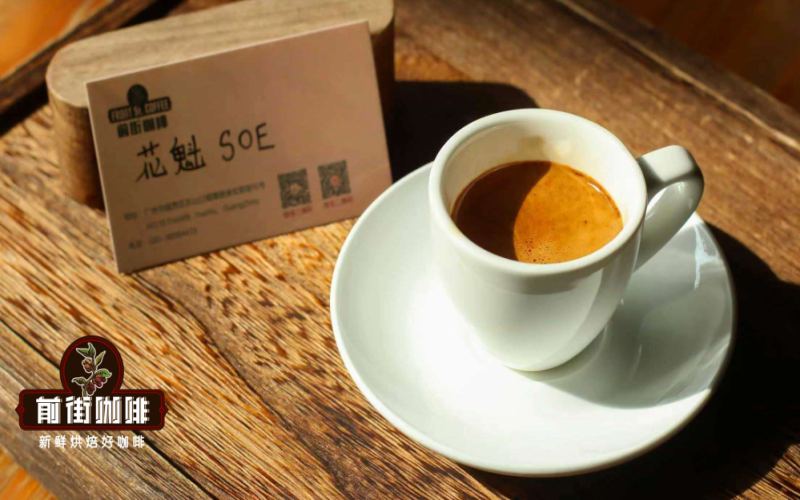
SOE Coffee Bean Recommendations | What is SOE in specialty coffee? Do espresso beans with different roast levels produce large differences in espresso flavor and mouthfeel?
After the concept of "specialty coffee" emerged, the unique flavors of various regions have become increasingly familiar to coffee connoisseurs, and SOE has also become increasingly popular in the coffee market. So how do you choose the right SOE coffee beans? SOESOE is "Single Origin Espresso" [more…]
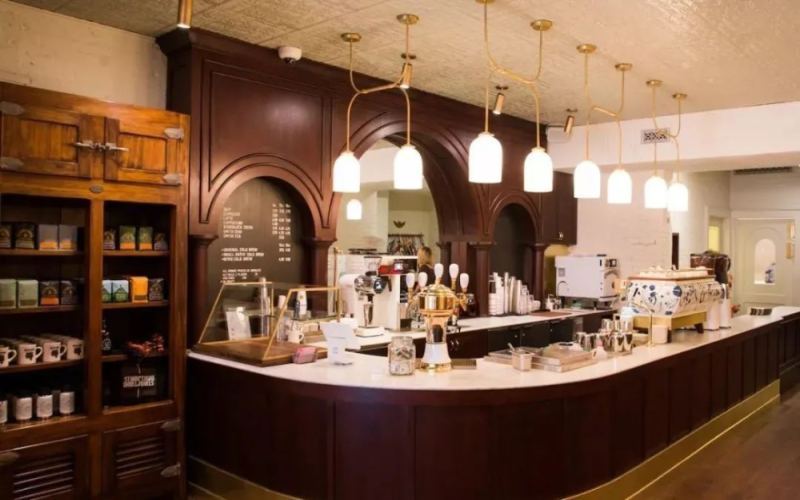
Coffee shop sink candleholder display sparks debate: ahead-of-its-time aesthetics or bathhouse vibes?
Nowadays, the coffee track is becoming increasingly crowded. In order to stand out among numerous stores, many cafes have begun to focus on spatial design. Some focus on value for money, some compete on service, and others rely on unique decor to attract young people to check in. One coffee shop has built a small rockery and an oval pool inside the store, with ceramic candlesticks holding lit candles floating in the pool. Amid the drifting mist, the candlesticks gently move with the waves, colliding with each other and making crisp sounds. The shop may have wanted to create a dreamy, cloud-like feeling, but after netizens saw the photos, opinions were mixed: some thought it was classy, while others mocked it as looking like a funeral hall, a bathhouse, or even a hot spring. From the source of inspiration to the actual impression, what kind of experience does this shop's design ultimately bring? [more…]
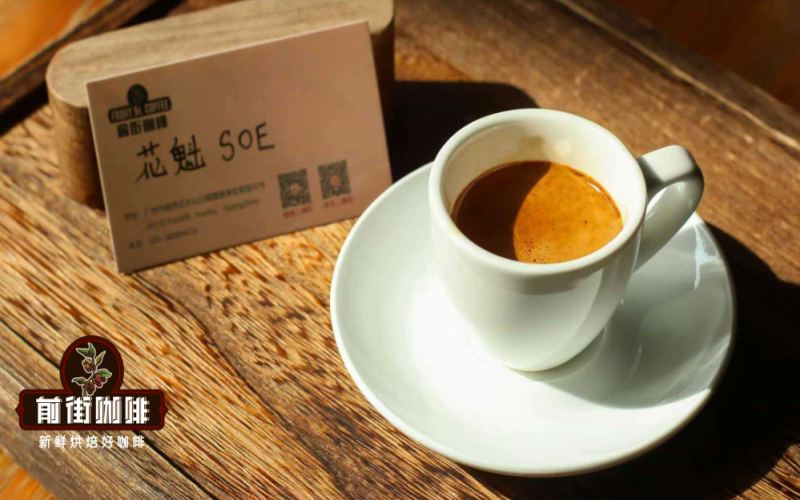
Commercial SOE Coffee Bean Recommendations | Comparing Crema, Oil, Flavor, and Mouthfeel of Yirgacheffe, Mandheling, and Brazil Coffee Beans as SOE Single-Origin Espresso
After the concept of "specialty coffee" emerged, the unique flavors of various regions have become increasingly familiar to coffee connoisseurs, and SOE has also become increasingly popular in the coffee market. So how do you choose the right SOE coffee beans? SOE SOE stands for "Single Origin Espresso" [more…]
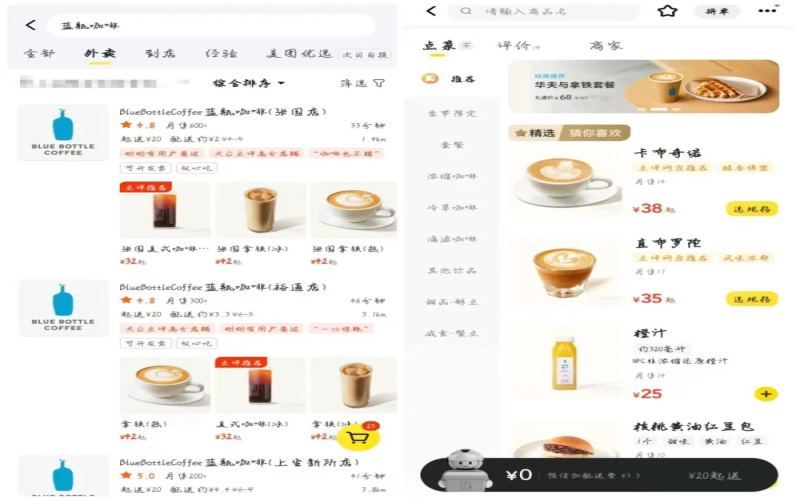
Blue Bottle Coffee Lands on Delivery Platforms: Accelerated Store Expansion and a Shift in Brand Strategy
On April 18, a new store called "blue bottle coffee" quietly appeared on a food delivery platform. After verification, this was not a counterfeit or a purchasing agent, but an official delivery channel opened by Blue Bottle Coffee. The delivery prices of drinks from Shanghai stores are consistent with those on the mini-program, and during the opening period, limited-edition fridge magnets were given away and delivery fee discounts were offered. Behind this move is a series of accelerated adjustments by Blue Bottle recently in store layout, pop-up events, and brand strategy. From rumors of store expansion in Shenzhen, Chengdu, and Xi'an, to the queues triggered by the Wuxi pop-up truck, and to blue bottle studio soon landing in Shanghai, this brand once jokingly called "unable to leave Shanghai" is trying to break its established rhythm. However, at a time when coffee consumers are increasingly picky and competition among chain brands is fierce, whether opening delivery can truly help Blue Bottle win more users' hearts still needs time to test. [more…]
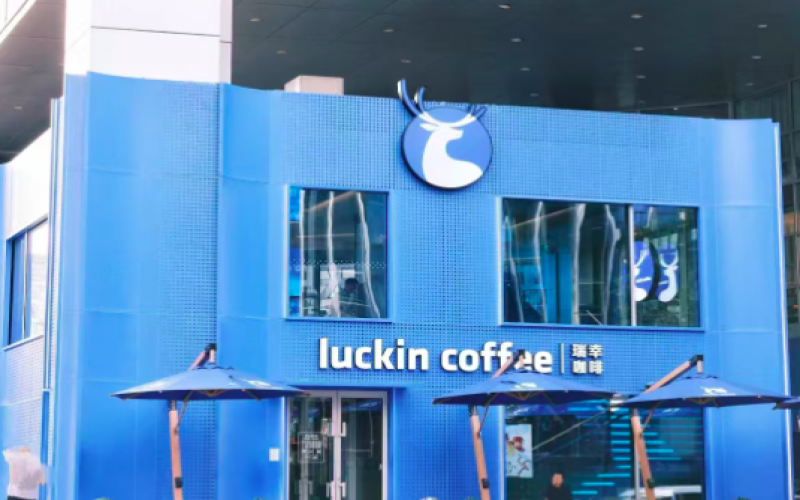
Luckin surpasses 20,000 stores but faces profit pressure: the coffee industry dilemma behind the price war and declining same-store sales
Luckin Coffee's Q2 2024 financial report shows total net revenue of 8.403 billion yuan and net profit of 871.1 million yuan, with the total number of stores approaching 20,000. However, same-store sales at self-operated stores fell 20.9% year-on-year, and Starbucks' same-store sales in the Chinese market also dropped 14%. Beneath the surface of growth in both revenue and store count, the same-store data reveals hidden concerns. The price war continues to escalate, with promotions of 9.9 yuan or even 6.6 yuan emerging one after another. Brands are trading low prices for sales volume, yet profitability pressure is hard to conceal. Leading brands and small and medium-sized brands alike are caught in the scramble for locations, with stores opening ever more densely while the survival space of individual stores is continuously squeezed. This article will combine the latest financial report data to analyze why Luckin finds it harder to make money amid scale expansion, and to explore the evolution of the competitive landscape in the coffee industry. [more…]
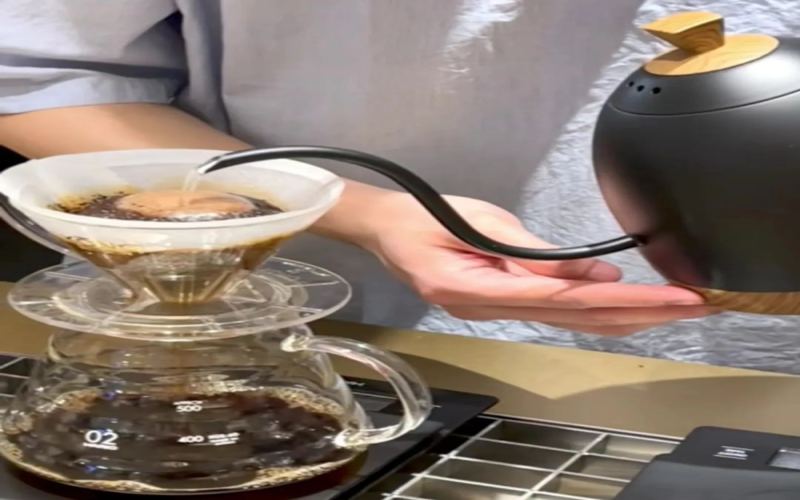
Where exactly lies the value of pour-over coffee? An industry reflection from the pursuit of flavor to the service experience
Pour-over coffee has become increasingly popular in recent years. Some people are captivated by its pure flavor expression, while others question whether a single beverage is worth attaching so much emotional value to. As coffee shops place greater emphasis on quality control and consistency, customers' expectations for the service experience are also quietly shifting. Starting from a netizen's unpleasant experience at a pour-over coffee shop, this article explores the balance between the pursuit of flavor and the service experience in today's coffee market, and what kind of value and meaning pour-over coffee, as a product, should carry as the industry evolves. [more…]