







Search Results for: Iced Bock

Origin of the Dirty Coffee | Must you use ice bock to make a dirty coffee? How do the taste and mouthfeel of a dirty differ from an iced latte?
Dirty coffee has always existed as a hidden menu item at Front Street Coffee, because in Front Street's view, Dirty is simply a "special" way of drinking a latte. Until one day, I happened to overhear a customer explaining it to his friend, which boiled down to "Dirty is made with ice bock milk [冰博克奶] as the base, then pouring espresso over it." [more…]
Analysis of the Flavor Differences Between Ice Bock Latte and Regular Latte, and a Detailed Guide to Making Ice Bock Milk at Home
In recent years, ice bock milk coffee has set off a craze in the coffee world, with many cafés offering it as a signature product, and the refrigerated refined milk launched by Biro further fueled this trend. But even before that, some coffee shops were already using homemade ice bock milk to make drinks. So what exactly is ice bock? How does it differ in flavor from an ordinary latte? This article will start with the origin and principles of ice bock, teach you step by step how to make ice bock milk at home, and share Front Street Coffee's review of the flavor characteristics of ice bock milk, as well as its excellent performance when paired with espresso to make a Dirty. [more…]
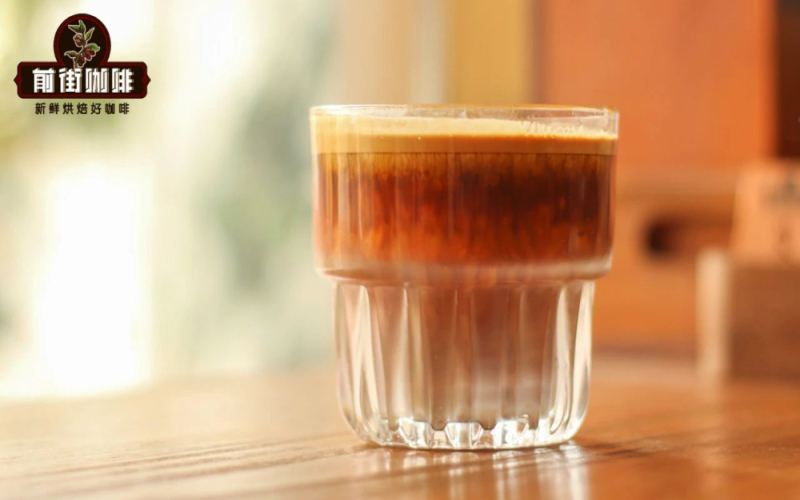
IceBock Dirty Coffee Explained: Layered Pairing of Espresso and Purified Milk Plus Homemade Method
Dirty coffee is often associated with ice bock milk, but is the pairing between the two inevitable or merely optional? From the perspective of Front Street Coffee, this article sorts out the origins and characteristics of Dirty coffee, the evolution of the ice bock process from beer to coffee, and how industrial production has brought ice bock into coffee shops. It also explains in detail the specific steps for making ice bock milk at home, analyzes why it is better suited for making Dirty rather than other milk coffees, and retains Front Street brand-related recommendations and product information, providing coffee lovers with a complete ice bock Dirty guide. [more…]

How to Successfully Layer a Dirty Coffee? Analyzing the Intrinsic Connection Between Ice Bock and Dirty and the Key to Making It
The charm of a Dirty coffee lies precisely in that clear layering between the coffee and the milk. Only when layering is achieved can the drinker experience, in a single cup, the rich progression from intense to mellow; otherwise, it is nothing more than an iced latte without the ice. The basic principle behind layering is not complicated: the density of the lower liquid must be higher than that of the upper liquid, and the difference in density between the two creates the layering phenomenon. In practice, however, there are quite a few factors that cause layering to fail, and this article analyzes one by one the various reasons that affect the layering effect. First, let us start with the concentration of the coffee liquid. Many enthusiasts, limited by their circumstances, try to use coffee brewed with a moka pot to make a Dirty, but the concentration and density of coffee from a moka pot fall far short of the espresso extracted by an espresso machine, so it is not suitable as the espresso base for a Dirty. [more…]
Must Dirty Coffee Use IceBock? An In-Depth Analysis of Its Taste Differences from Latte and Key Production Points
Dirty coffee is loved by many coffee enthusiasts for its layered visual effect and unique drinking experience, but there is often a misconception about whether it must be made with ice-bock milk. This article will sort out the origin and characteristics of Dirty coffee, compare its differences from iced latte in terms of ingredients and taste, and introduce the principles of ice-bock technology and its application in the coffee field. At the same time, regarding the selection of different coffee beans, it provides pairing suggestions related to the Front Street brand to help readers understand why ice-bock is more compatible with Dirty, as well as flexible ways to adapt it in actual preparation. [more…]

Is a chilled glass necessary for a Dirty coffee? Testing the layering effect and key preparation points at three glass temperatures
Dirty coffee has become a staple in specialty cafes thanks to its high aesthetic appeal and unique taste, yet there has always been debate over whether an ice-cold cup is essential during preparation. Through side-by-side testing of glass cups at room temperature, refrigerated, and frozen, Front Street found that milk quality is the key to layering, while cup temperature mainly affects the chilled mouthfeel and the preservation of crema. The article also traces the practice of Dirty's originator, Katsuyuki Tanaka, who did not pre-chill his cup. If you're after photogenic presentation and a layered experience, Front Street recommends chilling the cup together with the milk and paying attention to the optimal tasting window. [more…]
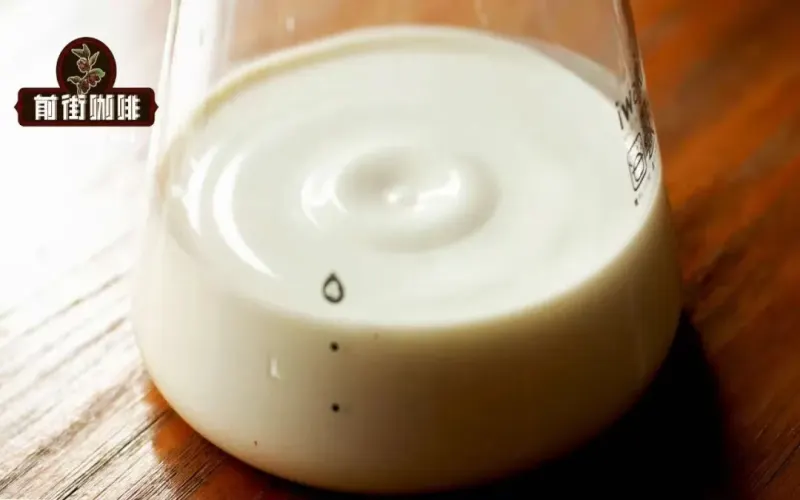
A Guide to Producing Purified Milk: Can Eisbock Be Used for Dirty and Lattes? A Full Analysis of the Freeze-Distillation Purification Method and Ratio Adjustments
Front Street has recently been sharing a lot about ice bock (concentrated milk), and quite a few friends are curious about how it actually differs from milk coffee made with regular fresh milk. Simply put, concentrated milk tastes richer and has a thicker mouthfeel. If you haven't tried it yourself, it's hard to imagine the texture, so you might as well make a cup and experience it. Besides buying ice bock online, you can also make it at home with just two steps: freezing and thawing. In this article, Front Street will break down in detail the principles of the freeze-concentration method, the key operational points, and separately explain the ratio strategies for using concentrated milk to make a Dirty and other milk coffees (such as lattes, flat whites, and cappuccinos)—for a Dirty, you can directly replace it in equal amounts, while for blended milk coffees, you need to adjust the amount of milk to avoid masking the coffee's flavor. It also retains product recommendations such as Front Street's classic blend and Queen's Estate SOE. [more…]

The Core Differences Between Dirty Coffee and Latte: Layering Principles, Proper Brewing Methods, and an Analysis of Why Crema Is Missing
Dirty coffee, with its gradient layers created by the interplay of espresso and cold milk, has become a popular drink in coffee shops in recent years, prized for both its visual appeal and its ability to spark conversation. It is essentially a latte that is not served over ice and is drunk in a special way, but many people who try to recreate it at home often run into the problem of failed layering, with the coffee and milk blending into one. Drawing on Front Street Coffee's hands-on experience, this article systematically sorts out the differences between a Dirty and a latte, analyzes one by one the five key factors—cup selection, coffee bean roast level, extraction distance, coffee concentration, and milk texture—and offers corresponding solutions to help you make a Dirty coffee with clearly defined layers and a rich, mellow taste. [more…]
Unlocking the Ideal Methods for Dirty Coffee and Latte: Analyzing Layering Failures and Practical Tips
Do you want to recreate a beautifully layered, rich Dirty or latte at home, but always find the result far from what you get in a café? In fact, the problem may lie in a few key details: the shape of the cup, the extraction distance, the choice of coffee beans, and even the texture of the milk. This article provides a detailed breakdown of the most common reasons for failed layering in Dirty coffee, including cup selection, pouring method, coffee concentration, and milk thickness, while offering targeted operational advice. It also recommends Front Street Classic Blend and Queen's Estate SOE, which are suitable for home brewing, helping you make a Dirty or latte with both excellent visuals and flavor at home. [more…]
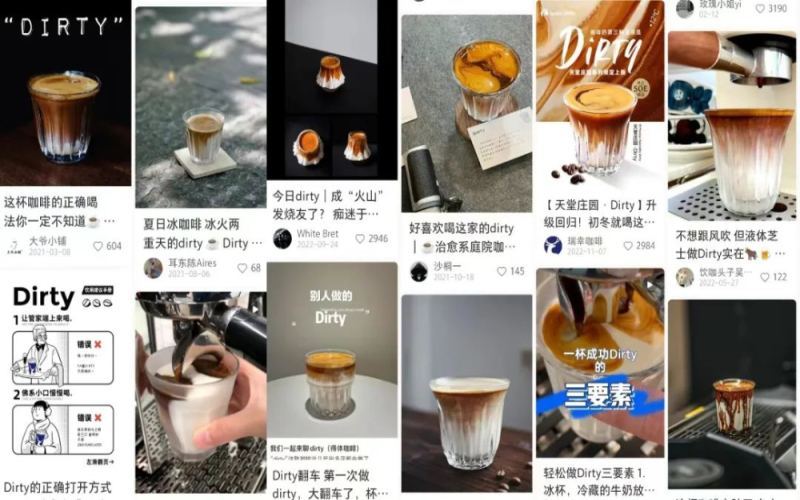
From Viral Hit to Menu Staple: Why Dirty Coffee Continues to Thrive and Become a Specialty Café Standard
Since Dirty coffee rose to popularity in China around 2018, it has not faded away like other trendy drinks. Instead, it has firmly secured a permanent spot on the menus of major specialty coffee shops, standing on equal footing with the latte. There are over 200,000 related posts on Xiaohongshu, with each tag receiving more than 5 million views. This drink, originally created by Japanese barista Katsuyuki Tanaka, forms a layered effect by pouring hot espresso over cold milk. With its unique taste combining hot and cold and the enhancement of ice-distilled purified milk, it has driven the domestic coffee market to pursue higher ingredient quality. This article will analyze why Dirty coffee has become the "beloved darling" of local specialty coffee, from its origin and spread to its production characteristics and market impact. [more…]
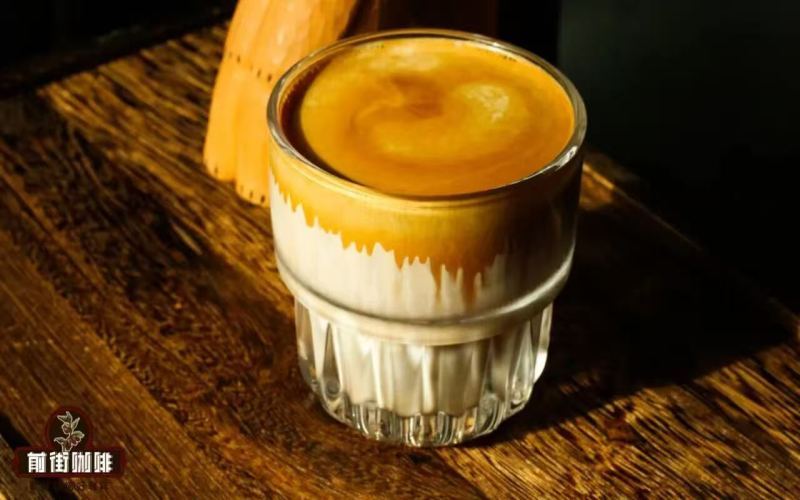
How to Make a Delicious Dirty: The Trio of Bean Selection, Milk, and Temperature
Dirty (dirty coffee) has been a perennial staple on café menus in recent years: hot espresso slowly sinks into iced milk, without stirring, and you drink it from top to bottom, so that in a single sip you get the alternation of hot and cold and the layering of milk and coffee. It looks simple, but between a delicious one and a mediocre one lies the gap of bean selection and details. The principle of Dirty: why [more…]

Exploring Why Dirty Coffee Isn't Served Hot: What Is a Dirty in Espresso? Is It Feasible to Make a Hot Dirty at Home?
Dirty coffee has surged in popularity in the coffee world in recent years, and its unique ice-and-fire fusion texture is unforgettable once tried. But have you ever wondered why almost all Dirty coffees on the market are iced drinks, while hot Dirty rarely makes an appearance? This article will start with the definition and origin of Dirty, then take a deep dive into the difficulties of making hot Dirty, and share Front Street Coffee's understanding and recommendations for this beverage. Whether you are a coffee enthusiast or want to recreate it at home, you can find the answer here. [more…]

Espresso Coffee Bean Recommendations | How Are Dirty Coffee, Flat White, Piccolo, and Latte Different? Which Coffee Beans Are Suitable for Milk Coffee?
For more specialty coffee knowledge, please follow our WeChat official account: Front Street Coffee. At Front Street Coffee, there are two hidden menus for espresso coffee: one is the Flat White, and the other is [more…]
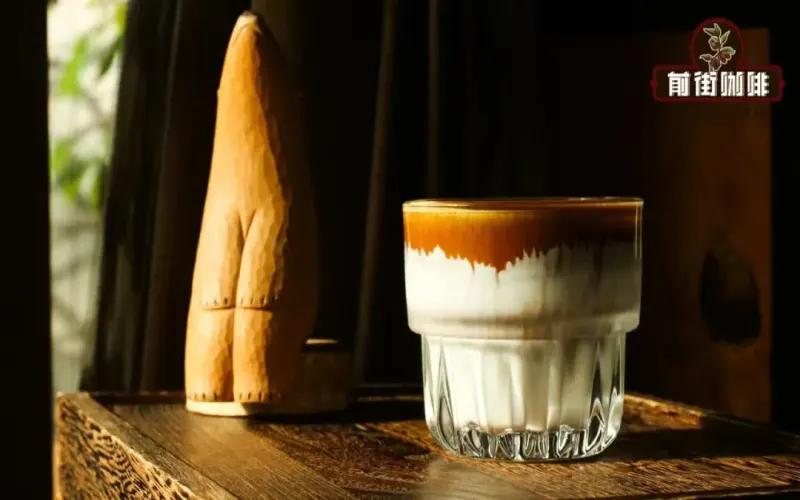
Dirty Coffee Making Tutorial: Key Points on Layering Principles, Ice Usage, and Cup Selection
Dirty coffee, with its striking layers of hot espresso and cold milk, has become a phenomenon in recent years. However, many enthusiasts who try to recreate it at home often find the result far from expectations due to overlooked details. Drawing on observations from Front Street, this article systematically breaks down the most error-prone steps in making Dirty coffee, including how to achieve a true layered effect, the necessity of using ice cubes, and the impact of glassware choice on the experience. Whether you are a beginner just discovering Dirty coffee or a seasoned coffee enthusiast looking to refine your skills, these key points are worth noting to help you avoid common pitfalls and craft a proper Dirty that delivers on both visuals and taste. [more…]

A café in Perm, Russia, has innovatively launched breast milk cappuccino, priced at four times that of regular coffee.
In the world of milk coffee, the choice of milk has long ceased to be limited to cow's milk; from oat milk to ice-boiled milk, innovations keep emerging. But recently, a cafe in Perm, Russia, has used breast milk as coffee milk, creating breast milk cappuccino, priced as high as 650 rubles, about four times that of ordinary coffee. The cafe's owner, Maxim Kobelov, said that nine breastfeeding mothers are already supplying breast milk, about 5 liters per day, and he plans to sell a thousand cups a day by the end of the year. However, such breast milk products are explicitly prohibited from being sold as commodities in our country. This article will take you through the details behind this peculiar phenomenon. [more…]
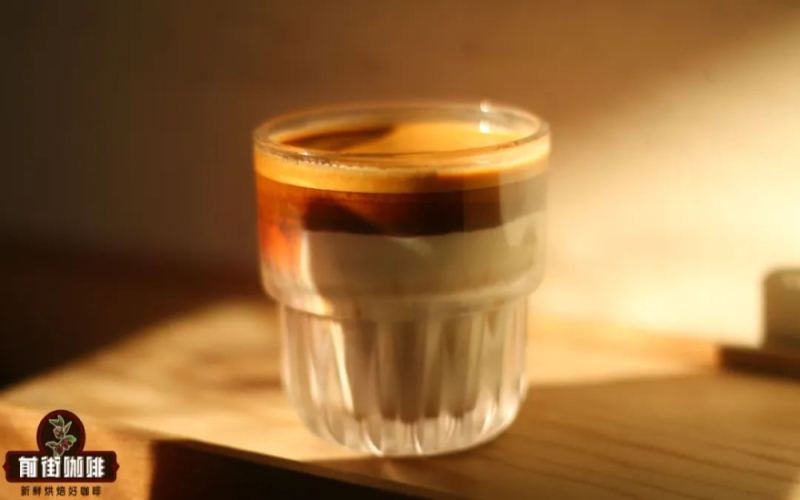
An Analysis of the Differences Between Purified Milk and Regular Milk in Making Milk Coffee: Concentration, Ratios, and a Practical Guide
In the explorations of coffee enthusiasts, purified milk such as IceBock has gradually come into view, bringing a whole new mouthfeel to milk coffee. However, many beginners still use the ratios for regular milk, and as a result the coffee's flavor is masked by the rich milky taste. This article starts from the principles of IceBock, teaches you step by step how to make a "home version" of purified milk, and explains how to adjust the ratio of coffee to milk when using it, so as to balance concentration and enhance sweetness and body. The article also specifically recommends the outstanding performance of purified milk in making a Dirty, and includes practical information about Front Street Coffee to help you easily advance to becoming a milk coffee expert. [more…]
Making Purified Milk at Home: A Full Guide to Ice Beer Thawing Methods, Milk Extraction Ratios, and Storage Tips
In the world of milk coffee, espresso is certainly the soul, but the choice of milk is equally important. In recent years, Ice Blogger purified milk, with its rich, sweet, and fragrant taste, has moved from specialty coffee shops into home kitchens, becoming a staple ingredient for many coffee lovers. This article addresses common questions about homemade Ice Blogger: from its German origins and appearances at WBC competitions, to the specific steps of freeze purification; from the choice between 200ml small bottles and 1-liter packs, and the impact of a 40% to 60% milk extraction ratio on flavor, to the time differences and hygiene considerations between room temperature and refrigerated thawing; finally, it also compiles recommended storage periods for homemade Ice Blogger. Front Street Coffee, combined with comparative experiments, provides a complete guide for friends who want to replicate Ice Blogger milk coffee at home. [more…]

What exactly is a semi-latte? A full analysis of the espresso, milk, and cream ratios in a Breve coffee and how it differs from a latte
Everyone is familiar with lattes, but do you know what a "half latte" is? It's not a small latte, nor a latte with less espresso, but rather a popular Italian-style coffee in the United States—the Breve. The Breve is almost identical to a latte in cup size and preparation method, with the key difference being the dairy: milk makes up only half, and the other half is replaced with cream. Because of this, it's jokingly called a "half latte." The fat from the cream makes the texture richer and smoother, and the coffee flavor more pronounced. This article will guide you through the origins of the Breve, its specific differences from a latte, and share Front Street Coffee's complete preparation process and ratio recommendations, including the proportions of espresso, milk, and cream, as well as steps like frothing, blending, and latte art, to help you easily recreate this rich and smooth coffee at home. [more…]
What Is Ice Breaker Purified Milk? A Guide to Making High-Concentration Fresh Milk at Home Using the Freeze Distillation Method for Dirty and Lattes
Front Street Coffee has frequently introduced ice bock—that is, purified milk—recently, and many friends want to know exactly how it differs from milk coffee made with ordinary fresh milk. Simply put, purified milk tastes richer, and its mouthfeel is fuller and more substantial. Besides buying it directly, you can actually easily make it at home: just freeze fresh milk and then thaw it, using the difference in freezing points among the components to remove some of the water, and you get milk with a higher concentration. In this article, Front Street Coffee will share the specific steps for purifying milk, how to judge the degree of purification, and how to adjust the ratios when using it to make milk coffees such as Dirty and latte, along with recommendations for coffee beans that pair well, to help you make a cup of rich yet not cloying purified milk coffee. [more…]

Front Street Coffee Complete Knowledge Collection: A Coffee Learning Guide and Practical Manual from Beginner to Advanced
The Front Street official account has insisted on daily updates for many years, accumulating a massive amount of educational content covering every area of coffee. From the origins of coffee beans to the birth of a finished cup of coffee, from basic terminology to advanced brewing techniques, the articles have touched on virtually every question a coffee lover might encounter. This article reorganizes that content along a learning path, dividing it into sections such as must-reads for beginners, tasting methods, brewing techniques, advanced improvement, and Front Street's random musings on industry topics, making it easy for readers to quickly locate the knowledge they need based on their own stage, and also convenient for systematically filling in gaps. Whether you are a novice just getting into coffee or an advanced player hoping to hone your skills, you can find corresponding content here. [more…]