







Search Results for: Iced Americano vs Hot Americano vs Americano: Differences
What Is Americano? A Full Analysis of Hot vs. Iced Taste Differences and Bitterness Comparison
Americano is made by diluting espresso with water. Although the method is simple, it is one of the most popular coffee categories in the world. Starting from the definition, this article compares the differences in aroma and mouthfeel among hot Americano, room-temperature Americano, and iced Americano, and explains how temperature affects taste perception, thereby changing the expression of bitterness and acidity. The article also combines Front Street Coffee's "Sunflower Warm Sun Blend" espresso beans to share bean resting suggestions and extraction experience, helping coffee lovers find an Americano style that suits them better. [more…]
What coffee beans are used for Americano? A full breakdown of blends vs. SOE and iced vs. hot methods
Americano is made by diluting espresso with water, typically using dark-roasted Italian-style beans. Front Street Coffee uses a blend of single-origin beans from two regions to compensate for the low acidity of traditional Italian-style coffee and add layers of complexity. Many people ask: does an Americano have to use an Italian-style blend? What flavors would other beans bring? This article first explains the difference between blended beans and SOE, then compares three Front Street Coffee blends, offering three Americano options—one leaning acidic, one leaning full-bodied, and one leaning balanced—along with extraction parameters. Finally, it includes tasting steps for smelling the aroma, observing the color, and tasting, helping coffee lovers choose the right beans according to their taste and consistently make iced or hot Americanos at home. [more…]
Comprehensive Comparison of Iced Americano vs. Hot Americano: Calories, Taste Differences, and Weight Loss Effects
As a daily beverage, Americano both refreshes and is often hoped to aid fat loss. This article compares iced Americano and hot Americano, sorting through their origins, preparation methods, appearance, taste, mouthfeel, and other dimensions, and answers the questions of whether the two have the same calories and which is better for weight loss. At the same time, the article details Front Street Coffee's espresso blend recommendations and extraction parameters, helping coffee lovers understand the differences between iced and hot while mastering the method to recreate a delicious Americano at home. Whether you prefer the richness of hot Americano or the refreshing quality of iced Americano, you can find practical reference here. [more…]
Iced Americano Coffee Brewing Guide: A Breakdown of Blend vs. Single-Origin Bean Choices and Extraction Techniques
As the weather gradually turns cooler, many regions remain hot, and iced Americano is still the top choice for many coffee lovers to beat the heat. Front Street Coffee's Americano is highly favored for its unique subtle wine-like aroma. This article will detail how to make iced Americano, explore the differences between using blended coffee beans and single-origin coffee beans (SOE), and share Front Street Coffee's espresso extraction parameters and iced Americano preparation steps. At the same time, the article will also provide practical tips for making SOE Americano, helping you easily make a cup of iced Americano with stable flavor and a refreshing taste at home. [more…]
Espresso vs. Americano: Brewing Methods, Bitterness Comparison, and Milk & Sugar Recommendations
Espresso and Americano sound like they differ by only one word, but their actual meanings are worlds apart. This article starts from the origins of the concepts to help you clarify the relationship between espresso, the broader category of Italian-style coffee, and Americano, and explains in detail the brewing ratios for Americano, the differences between iced and hot preparations, and how adding sugar or milk affects the flavor. It also draws on Front Street Coffee's production experience to offer specific parameter recommendations for the classic Italian-style blend and the Warm Sun blend, including the ratio of espresso to hot water, the proportions for iced Americano, and the amount of fresh milk to add—practical information suitable for coffee lovers who are just starting out or looking to refine their brewing skills. [more…]
Espresso vs. Americano: Analyzing the Differences — Italian Standard Ratios, Preparation Process, and Flavor Characteristics
Walking into a coffee shop, the espresso and Americano on the menu often leave people puzzled: both belong to the category of black coffee, so what exactly is the difference? This article, from the perspective of Front Street, sorts out the origins of Americano and its two brewing methods, explains in detail the standard extraction parameters, essential conditions, and flavor performance of espresso, and shares recommendations for Front Street's specialty espresso blend coffee beans. At the same time, using a normal operating process as an example, it breaks down the steps of making espresso one by one, including handling the portafilter basket, weighing the grounds, distributing the grounds, tamping, and extraction, and finally gives the specific mixing ratios for iced Americano and hot Americano, helping coffee enthusiasts fully understand the differences between these two classic coffees and the key points of making them. [more…]
How to Choose Americano Coffee Beans That Aren't Sour? A Full Analysis of Hot vs. Cold Differences and Pour-Over Comparison
When many people drink Americano, their biggest concern is whether it is sour or bitter, and this is actually closely related to the choice of coffee beans, the extraction method, and the drinking temperature. Starting from Front Street Coffee's brewing experience, this article systematically sorts out the relationship between espresso and Americano, explains in detail the differences in flavor expression between hot Americano and iced Americano, analyzes the common reasons why Americano tastes bitter, and compares pour-over and SOE Americano made separately from the same Costa Rica Mozart coffee beans. Finally, according to different needs, it introduces the characteristics of several Front Street espresso blend coffee beans to help you find the Americano beans that suit your taste. [more…]

American Coffee vs. Latte: Flavor Characteristics Explained — From Espresso Diluted with Water to Blended with Milk, Which One Suits You Better?
Americano and latte are the two most common espresso-derived drinks in cafés: one presents the pure black coffee flavor of espresso diluted with water, while the other blends espresso with milk for a smooth sweetness. This article will start with the history of Americano, its advantages in alertness and value for money, the application of specialty beans, and Front Street Coffee's specific extraction scheme, then compare the origins, ratios, and preparation details of the latte, helping coffee lovers understand the differences between the two in taste, strength, and suitable occasions, so they can make a choice based on personal preference. [more…]
Pour-over coffee vs. espresso: extraction differences and flavor comparison — which is more suitable for beginners?
Between the two mainstream extraction methods of pour-over and espresso, coffee lovers often face confusion when choosing. This article systematically sorts out the core differences between pour-over drip coffee and espresso pressure extraction from the perspectives of extraction principles, equipment setup, and parameter control, and analyzes their different requirements for coffee bean quality and roast level. At the same time, drawing on Front Street Coffee's production experience, it introduces the suitable scenarios for the everyday bean series and classic espresso blends, and includes specific preparation ratios for hot Americano and iced Americano, helping readers make a wiser choice based on their own taste preferences. [more…]
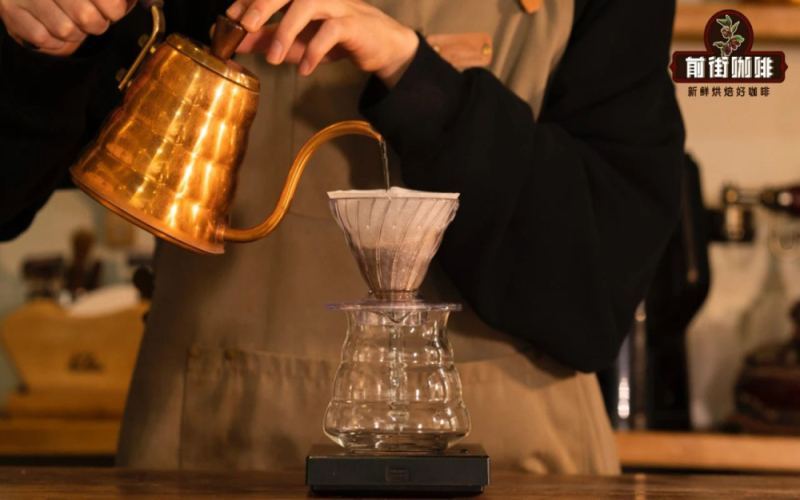
Japanese Iced Coffee Brewing Guide: Iced Americano vs Cold Brew, Iced Pour-Over Recipe, and Whether You Can Order It Without Ice
Japanese coffee culture has long been renowned for its artisan spirit, with a preference for rich, full-bodied medium-dark roast flavors—Blue Mountain and Mandheling being typical examples. In the heat of summer, iced coffee is naturally indispensable. This article focuses on Japanese-style iced coffee, introducing the advantages of its quick preparation, its differences from cold brew and iced Americano, and providing complete parameters for iced pour-over using beans such as Front Street Yirgacheffe—including dose, ice ratio, water temperature and grind size, blooming, and staged pouring techniques. It also addresses the question of whether cold brew iced coffee can be served without ice, and reminds readers of the impact of low temperature on flavor perception, helping coffee enthusiasts make a refreshing, bright cup of iced coffee in summer. [more…]
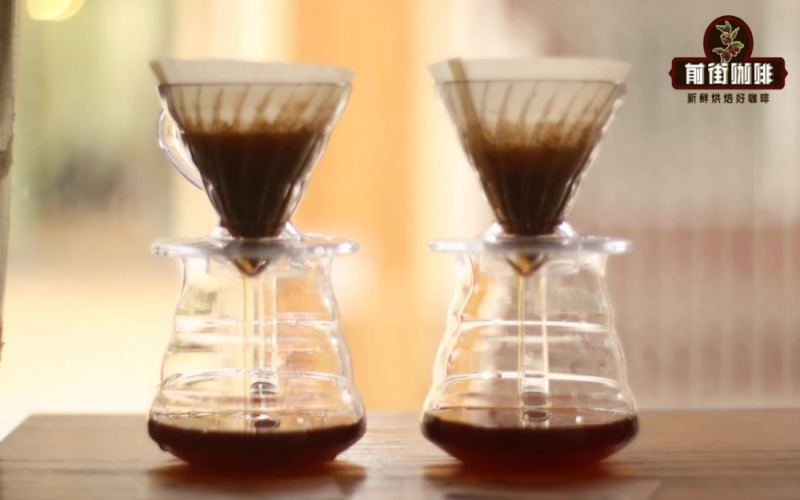
Cold Brew vs. Americano: A Comparison of Their Alertness Effects, Caffeine Content of Low-Temperature Slow Brewing, and a Detailed Guide to Making It
Cold brew coffee has gained increasing favor among coffee enthusiasts in recent years, not only because of its simple preparation method, but also because it can showcase the unique flavor charm of coffee beans. Compared with Americano made through high-temperature extraction, how does cold brew coffee perform in terms of caffeine content and refreshing effect? How does low-temperature extraction affect the acidity, sweetness, bitterness, and aroma of coffee? Starting from scientific research, this article will deeply analyze the differences between cold brew and Americano in their refreshing effects, and share Front Street Coffee's cold brew preparation method and recommended bean varieties, taking you through a comprehensive understanding of this essence extracted by time. [more…]
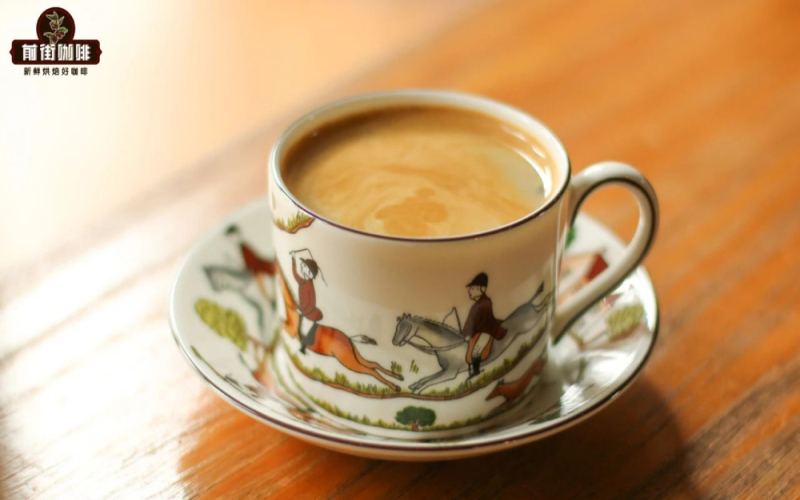
Why Is Iced Americano So Popular? How Do Hot and Iced Americanos Differ in Flavor and Effects?
No matter the season, people who walk into a coffee shop and order an Americano tend to choose it iced. Why is iced Americano so popular? Isn't hot Americano just as aromatic? After talking with many customers, Front Street Coffee found that people's preference for iced Americano mainly comes down to three reasons: the younger generation's natural liking for cold drinks, the lower perception of bitterness in iced Americano, and its refreshing, palate-cleansing taste experience. So, is there actually any difference between hot and iced Americano in terms of flavor expression and practical effects? This article will use the same coffee beans, the same extraction parameters and ratios, and prepare Americanos with three water temperatures—high, room, and low—for a side-by-side comparison, analyzing them from dimensions such as aroma, taste, and mouthfeel, while also offering recommendations on suitable coffee beans for making Americano. [more…]
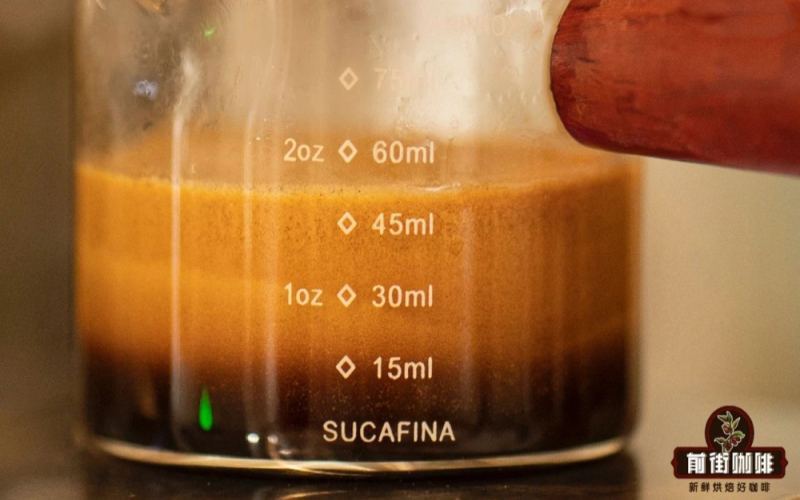
Yirgacheffe SOE Americano vs. Regular Americano: Flavor Differences and a Single-Origin Espresso Bean Tasting Guide
When a customer walks into a café and asks whether they can choose the beans for their espresso, it actually opens up a topic worth exploring in depth: what exactly does it mean to make espresso from single-origin coffee? SOE (Single Origin Espresso) has gradually gained popularity in China in recent years, but it is not some profound technique—it simply means replacing espresso blend beans with single-origin beans and extracting them under high pressure using an espresso machine. Drawing on the practical experience of Front Street Coffee, this article systematically sorts out the taste differences between Yirgacheffe SOE americano and standard americano, discusses whether SOE is necessarily superior to blends, and shares the complete operational key points from bean selection and roasting to extraction parameters, helping coffee enthusiasts make a cup of Yirgacheffe americano or latte with clear flavor and pleasant balance at home. [more…]
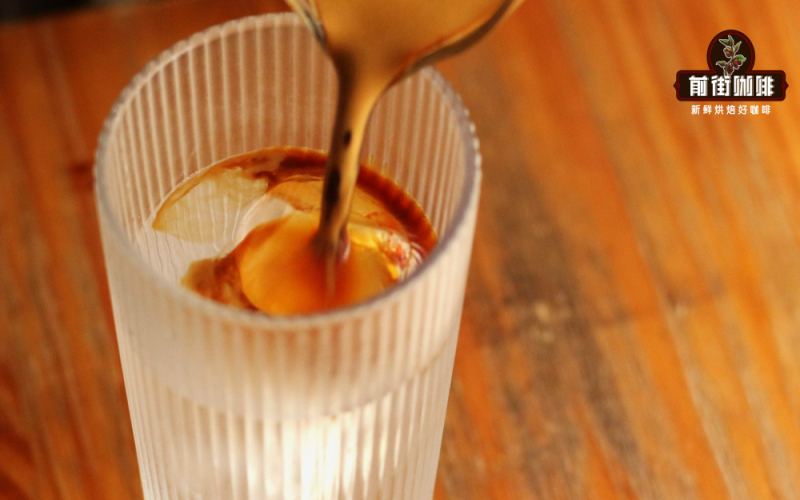
Three Interpretations of Black Coffee: An Analysis of the Brewing Differences Between Americano, Long Black, and Lungo
Even though they are all black coffees, Americano, Long Black, and Lungo present strikingly different flavor profiles due to differences in extraction methods and assembly order. Americano is made by diluting espresso with hot water, giving it a crisp, mellow bitterness; Long Black does the opposite, pouring espresso over hot water to retain more oils and aroma; and Lungo, by adjusting grind size and flow rate, produces the smallest volume but the richest crema. This article will break down the similarities and differences among these three black coffees one by one, from origin, preparation method, and taste characteristics to specific parameters, and will also include Front Street Coffee's Americano recipe and iced Americano tips to help coffee lovers precisely recreate each cup's flavor goal in their daily brewing. [more…]

Analysis of Hot vs. Cold Flavor Differences in Pour-Over Coffee: Which Coffee Beans Are Better for Iced Pour-Over?
Front Street's store bean list is extensive, and many customers face a dilemma after choosing their coffee beans: should they make a hot pour-over or an iced pour-over? What exactly is the difference in flavor between the two? This article starts from Front Street's actual brewing parameters, analyzes the construction logic of iced pour-over, and conducts a hot-versus-cold comparison using four representative coffee beans—Ethiopia TOH Uraga, Papua New Guinea Bird of Paradise, Indonesia Golden Mandheling, and Colombia Flower Moon Night—evaluating them across three dimensions: aroma, flavor, and mouthfeel. The results show that hot pour-over generally has the advantage in aroma richness and layering, while iced pour-over is more popular in summer thanks to its cold-drink appeal. The article also points out that light-roast and anaerobic-process coffee beans are more suitable for making iced pour-over, while medium-dark roast beans are not very suitable. [more…]
Flat White Hot vs. Iced: A Comparative Analysis of Its Place Among Cappuccino and Latte in Italian Coffee Culture
In 2015, Starbucks introduced the flat white to the Chinese market and translated it as "Fu Rui Bai." This drink, commonly known as "Ao Bai," had actually been popular in New Zealand and Australia for decades. Like a cappuccino or a latte, it is based on espresso, yet because of differences in foam thickness, the ratio of coffee to milk, and the extraction method, it delivers a completely different mouthfeel. This article, from the perspective of Front Street Coffee, sorts out the differences between hot and iced flat whites, and compares it one by one with cappuccino and latte in terms of preparation details and flavor positioning, to help coffee lovers find the cup that suits them best. [more…]

How Much Espresso Is in a Latte? Cappuccino vs. Latte Flavor Differences and Front Street Coffee Espresso Bean Recommendations
Latte and cappuccino are the two most common espresso milk drinks. Both are made from espresso, milk, and milk foam, but they differ noticeably in ratio, foam thickness, and mouthfeel. How much espresso actually goes into a latte? Roughly how much caffeine does it contain? And how should the coffee-to-milk ratio be managed during preparation? This article addresses these questions, while also explaining how to choose espresso beans, extraction parameters, and the key temperature points for steaming milk. It also introduces several Front Street Coffee espresso blends suitable for making lattes, helping coffee enthusiasts create a full-flavored milk coffee at home. [more…]
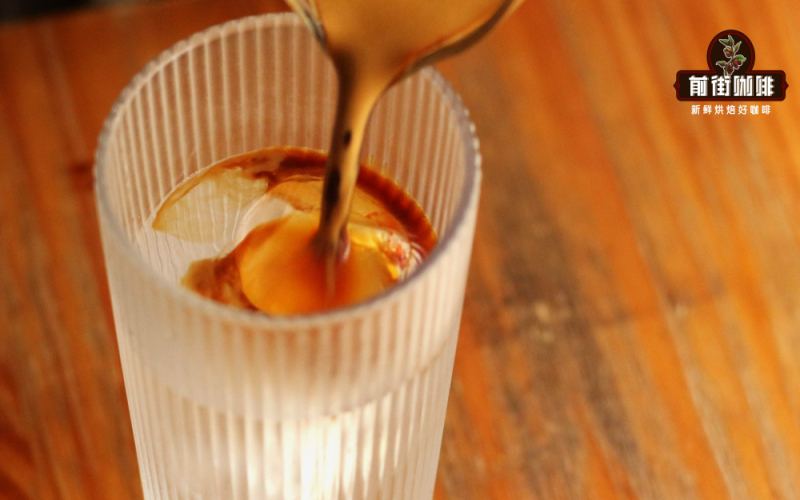
What Is the Ideal Temperature for Hot Americano? A Full Analysis of Flavor Differences at Various Temperatures and the Best Time to Drink It
Coffee enthusiasts have different preferences for drinking temperature, from piping hot to ice-cold, but the actual impact of temperature on flavor is often overlooked. This article focuses on hot Americano, a category that receives much attention in winter, and explores the changes in aroma and mouthfeel at different serving temperatures. Front Street Coffee uses a dark-roast espresso blend and a light-roast single-origin bean to make Americanos separately, comparing them one by one at four temperatures: 60°C, 70°C, 80°C, and 90°C, in an attempt to identify the range with the best flavor performance. The test also focuses on the evolution of taste as the coffee cools, as well as the phenomenon that bitterness increases as the temperature drops. The final conclusion points to serving at a medium-high temperature of 75–80°C, and it is recommended to use preheated cups to extend the optimal tasting time. [more…]
A Complete Guide to Espresso Making: From Americano Comparison to Espresso Machine Operation Steps and Extraction Parameters
Espresso is the base for many drinks such as Americano, latte, and cappuccino, and its preparation relies on high-pressure hot water passing through a finely ground and compacted layer of coffee. From the perspective of Front Street Coffee, this article sorts out the extraction principles of espresso, compares the historical origins and ratio differences of Americano, introduces the flavor positioning of Front Street's four espresso blend beans, and provides extraction standards such as dose, yield, and time. Finally, it includes the seven-step process for in-store practice and extended drink-making methods, making it suitable for coffee enthusiasts who want to systematically master espresso preparation and bean selection ideas. [more…]
Italian Black Coffee Family Analysis: Differences and Preparation Methods of Americano, Long Black, and Lungo
Among the many coffee categories, black coffee is often seen as less appealing than a latte—it lacks the visual allure of latte art, and its flavor is hard to put into words. But Front Street Coffee believes that black coffee is an important bridge from milk coffee to espresso, and a properly extracted cup of black coffee can overturn your preconceived impression of coffee as bitterly burnt and intensely strong. This article focuses on three drinks that are also made from espresso and water—Americano, Long Black, and Lungo—and sorts out their origins, preparation methods, and taste differences. It also introduces the characteristics of Front Street Coffee's classic espresso blend beans, as well as the calorie advantages and home-brewing method of Americano, helping you understand the world of Italian-style black coffee more comprehensively. [more…]