







Search Results for: Ice Water Ratio
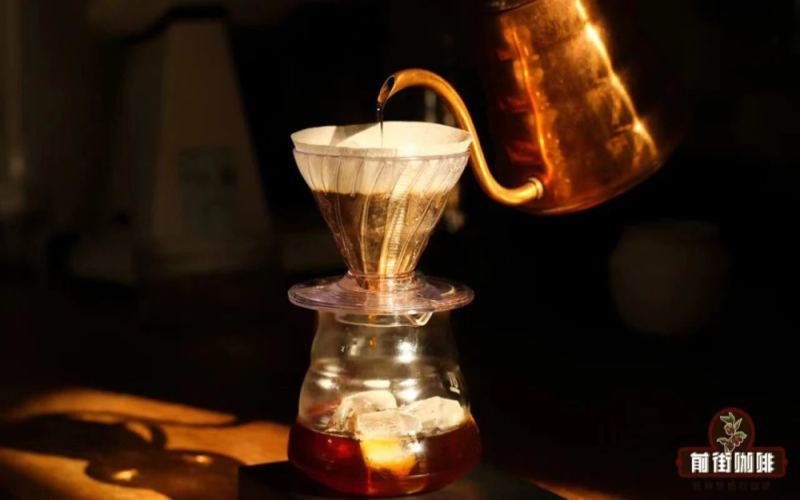
Ice Cube Dosage and Coffee-to-Water-to-Ice Ratio Tips for Iced Pour-Over Coffee: Looking at the Difference Between Aged Ice and Young Ice from Front Street Experiments
When making iced pour-over coffee in summer, the most agonizing decision is often not which beans to choose, but exactly how much ice to throw in. Too little ice and the coffee turns lukewarm; too much and it becomes thin as water. A slight deviation in ratio and it's easy to mess up. This article focuses on the two core functions of ice in iced pour-over—cooling and dilution—breaks down the reasonable ratio range among coffee grounds, water, and ice, and shares a comparative experiment about old ice versus young ice. The experiment uses 15 grams of Emerald Estate Green Label Geisha with a Hario V60 dripper, revealing through actual testing how freezing time affects ice hardness and melting speed. If you also want to consistently make a cup of iced pour-over at home with moderate strength and lasting chill, the following content is worth reading to the end. [more…]

The Complete Guide to Iced Americano Water-to-Ice Ratios: A Proportional Guide from Espresso Dilution to Ice Selection
Making iced Americano is not simply pouring espresso into ice water—the amounts of water and ice and the dilution ratio all directly affect the final flavor. Drawing on the serving practices at Front Street Coffee, this article explores in detail the water-to-espresso ratios suited to beans of different roast levels, as well as how ice cube size and melting speed influence coffee strength and the drinking experience. Whether you prefer it bold or refreshing, you'll find ideas here for adjusting your iced Americano, so you can combine the flavor characteristics of your beans with your personal taste habits to craft your own ideal cup. [more…]

Iced Americano Mixing Guide: The Golden Ratio of Espresso to Iced Water and Practical Tips
Iced Americano is a classic drink for cooling down and refreshing yourself in summer. It seems like a simple mix of espresso, water, and ice, but in reality, there is a science to the ratios. Drawing on Front Street Coffee's experience, this article provides a detailed analysis of water-dilution schemes for coffee beans of different roast levels, explores how ice melting speed affects flavor, and offers a set of practical mixing techniques that require no complicated calculations. Whether you prefer a rich or a light taste, you can find an iced Americano method that suits you, making every cup just right. [more…]
From Grinding to 8 Hours of Refrigeration: A Complete Illustrated Guide to Making Cold Brew Coffee and a Detailed Explanation of the Coffee-to-Water-to-Ice Ratio
Following yesterday's sharing of the cold brew coffee method, today we turn our attention to the more challenging ice drip coffee. Compared to the simple soaking of cold brew, ice drip demands more attention to equipment, steps, and time investment, requiring more patience and meticulous operation. This article will use a combination of text and images to fully demonstrate the entire process of ice drip coffee, from equipment preparation, filter paper placement, coffee bed moistening, ice-water ratio, to drip rate control and refrigerated maturation, and will explain the 1:6:6 ratio of coffee powder to water to ice used this time and the Front Street recommended Honduras Sherry bean. Even without specialized ice drip filter paper, there is an alternative cutting solution. Follow the steps, and after a long wait, you can enjoy a cup of ice drip coffee with distinct layers. [more…]
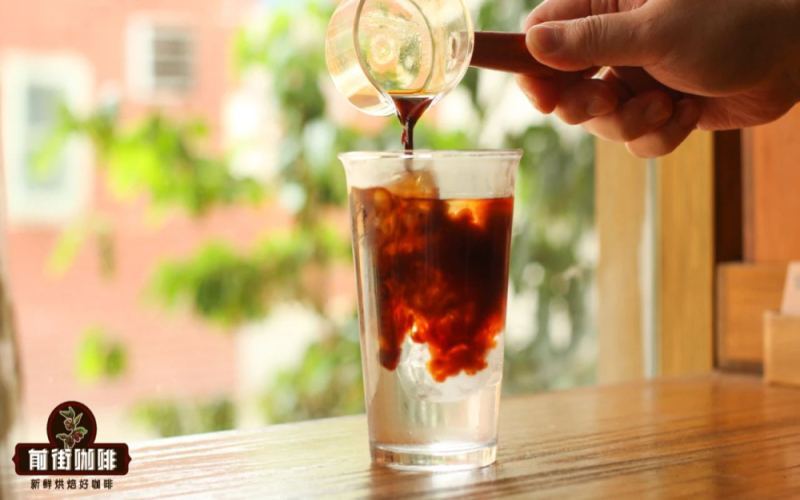
How to Determine the Water-to-Espresso Ratio for Americano? A Detailed Guide to the Coffee-to-Water Ratio and Full-Ice Method for Iced Americano
Americano may look like nothing more than espresso with water, but how much water you add and what ratio you use directly determine whether a cup tastes good. This article focuses on the water-to-espresso ratio for Americano, explaining what water-to-coffee ratios suit coffee beans of different roasting styles and flavor profiles, and using a classic Italian blend as an example to give a reference range of 1:7 to 1:8. The article also breaks down in detail the specific parameters Front Street Coffee uses to make iced Americano: 40g espresso, 100g large ice cubes, and 120g water, i.e. 1:2.5:3, and further introduces the preparation order for the hidden menu item "all-ice Americano" — put the ice in first, then pour in the espresso, using the principle of extract cooling to lock in aroma and speed up chilling, for a better mouthfeel and flavor performance. [more…]
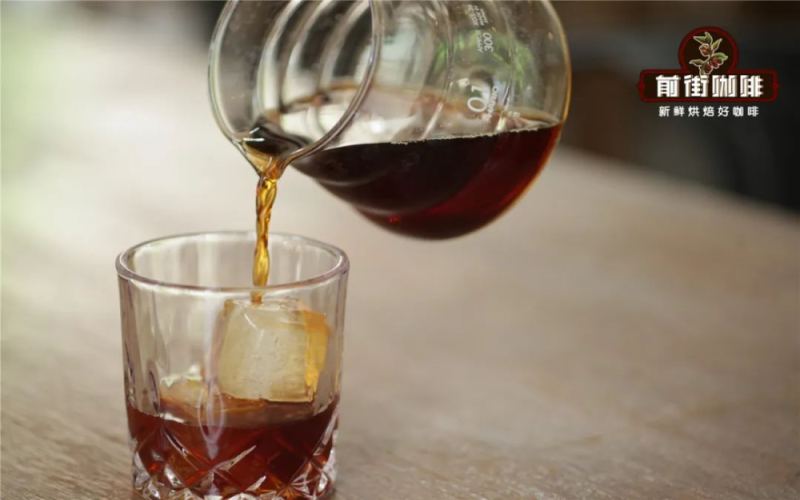
How to determine the ice amount and coffee-to-water ratio for iced pour-over coffee? Recommended beans suitable for making iced coffee
On a hot day, a glass of iced pour-over coffee is refreshing and invigorating. However, many people encounter two core questions when making it at home: how much coffee-to-water ratio and how much ice should be used? Does adding ice first versus adding ice later affect the flavor? This article addresses these two questions, first discussing the types of coffee beans suitable for iced pour-over and Front Street Coffee's specific bean list, then explaining in detail the reference ratios of coffee, water, and ice, as well as the subtle differences in taste between adding ice first and adding ice later. Finally, it supplements two rapid cooling methods that do not dilute the concentration, helping you make a cup of iced coffee that has both aroma and refreshingness. [more…]

How to Choose the Roast Level for Cold Brew Coffee Beans? A Full Guide to Grind Ratio, Extraction Time, and Simplified Home Methods
Although cold brew coffee is not common in everyday home brewing, its clean taste and rich fermented aroma have made it unforgettable to many coffee lovers. Making cold brew coffee requires a dedicated cold brew pot and takes a long time, which is also why it remains relatively niche. However, the core of a cold brew pot is actually just the flow restriction valve—as long as you can control the dripping speed of the ice water, you can make cold brew coffee at home even with an ordinary dripper. This article will cover the choice of roast level for cold brew coffee beans, grinding and coffee-to-water ratio, extraction time, and a simplified method that does not require a professional cold brew pot. It also includes Front Street Coffee's bean list recommendations and practical parameters for friends who want to try cold brew at home. [more…]
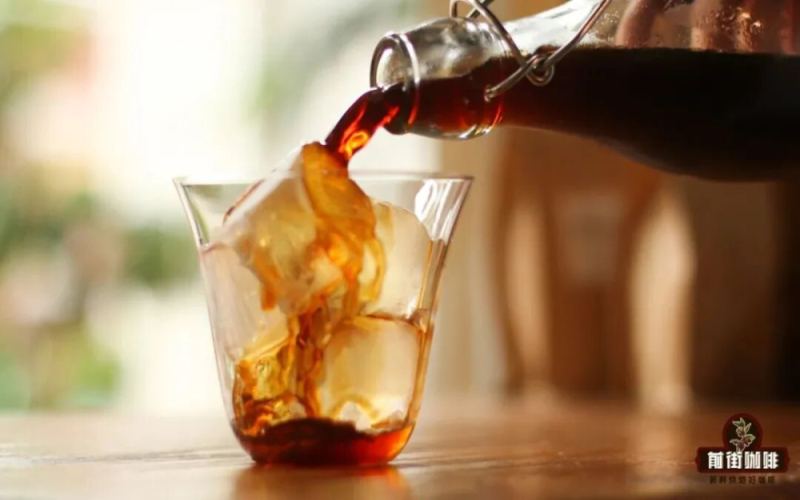
A Complete Guide to Cold Brew Coffee: Key Parameters for Flow Rate, Grind, Ratio, and Aging Time
With its lengthy brewing process and distinctive flavor layers, ice drip coffee has become a representative of "slow work yields fine results" in the minds of many coffee enthusiasts. Unlike cold brew, ice drip relies on a dedicated device, extracting by having ice water drip through the coffee grounds one drop at a time, then undergoing refrigerated fermentation and aging to present a rich and smooth taste. Starting from Front Street's hands-on experience, this article breaks down in detail the four core variables of ice drip coffee—grind size, drip rate, extraction ratio, and aging time—and provides specific parameter recommendations to help you make a standard-quality ice drip coffee at home. [more…]
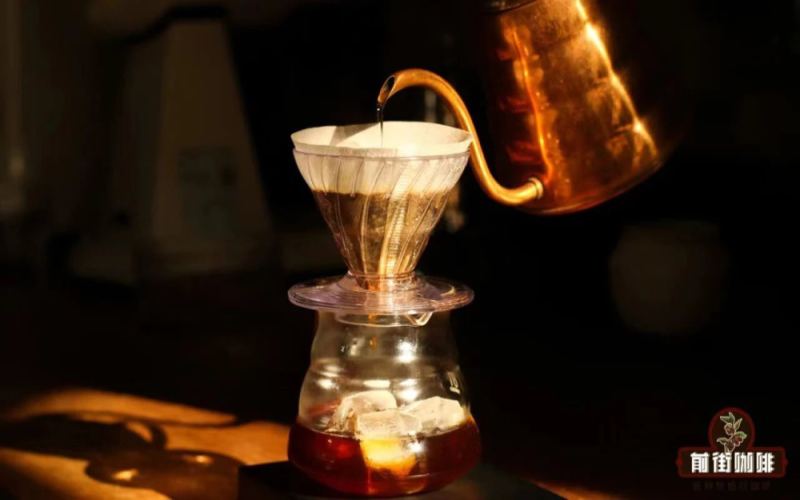
Ice Coffee Brewing Methods | What's the Difference Between Cold Brew, Ice Drip, Iced Americano, and Iced Pour-Over? Which Ice Coffee Tastes Better?
As temperatures gradually rise, the popularity of iced coffee slowly heats up too. Common types of iced coffee include iced pour-over coffee, iced espresso, cold brew coffee, and cold drip coffee, etc. But what are the differences between these four types of iced coffee? And how do they differ in taste? Today Front Street Coffee (FrontStreetC [more…]
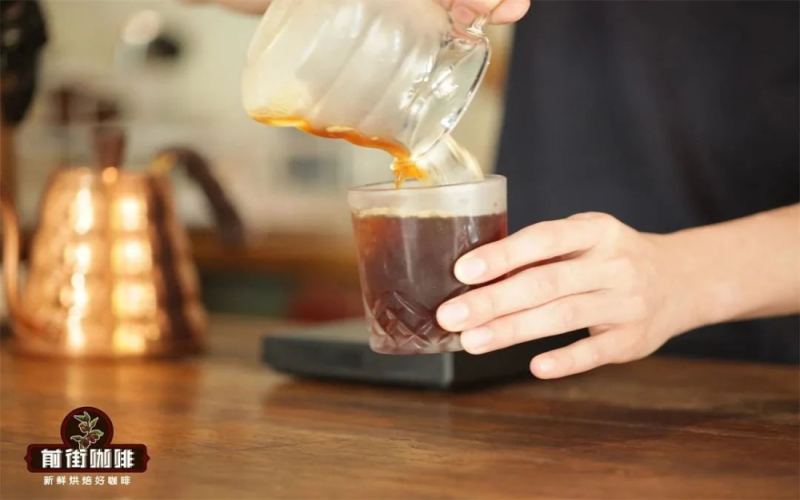
Iced Pour-Over Coffee Parameters Explained: A Complete Guide to Coffee-Water-Ice Ratios, Grind Adjustment, and Pouring Rhythm
The biggest difference between iced pour-over and regular hot pour-over is the introduction of ice as a variable. Ice does not participate in the extraction, so it is necessary to rebalance the grind size, coffee-to-water ratio, and pouring technique. Through brewing practice with multiple beans, Front Street Coffee has summarized an easy-to-control approach of a 1:10–1:12 coffee-to-water ratio and a 1:5 coffee-to-ice ratio. Taking 15 grams of coffee as an example, that means 150 grams of water and 75 grams of ice. The grind size needs to be adjusted finer to compensate for the shortened extraction time. When pouring, reduce the flow rate and increase the number of pours, keeping the total time between 1 minute 40 seconds and 1 minute 50 seconds. In terms of bean selection, light-to-medium roasted flavor-focused coffees better showcase the refreshing quality of iced brewing, while dark-roasted beans tend to produce a thinner mouthfeel and reduced balance. [more…]

How to determine the grind size, water temperature, ratio, and ice for iced pour-over coffee? Does pour-over coffee need to be brewed over ice?
When making iced pour-over coffee, should the coffee liquid be allowed to pass through the ice or not? This is a question that many coffee enthusiasts struggle with. Many cafés do indeed use the ice-passing method for serving, but passing through ice also has obvious shortcomings, such as the coffee warming up quickly, not being cold enough, and the degree of dilution being difficult to control. To solve these problems, the key is to start from three aspects: the degree of cooling, pre-treatment of the cupware, and parameter adjustment. Based on the practical experience of Front Street Coffee, this article breaks down in detail the precautions for the ice-passing method and gives specific suggestions for coffee dose, coffee-to-water ratio, grind size, water temperature, and extraction time, helping you consistently make delicious iced pour-over at home. [more…]
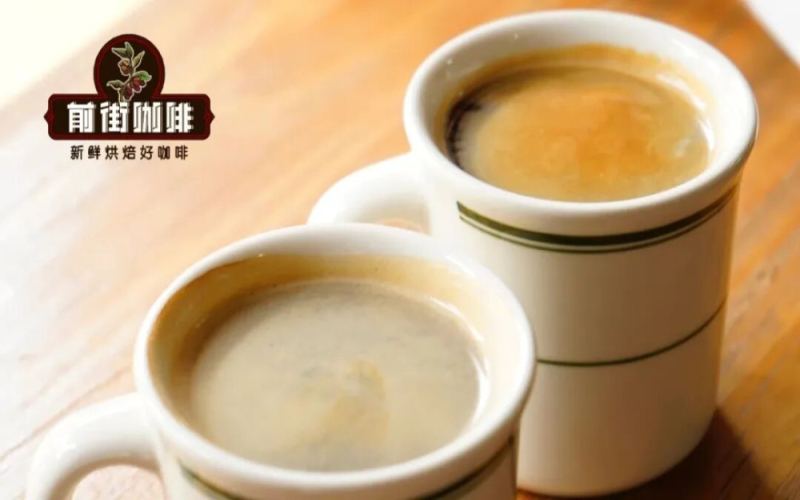
A Comprehensive Analysis of Four Ice Levels for Iced Americano: Ratios and Flavor Differences for Regular Ice, Less Ice, No Ice, and Extra Ice
Walk into any chain coffee shop, and just the Americano alone can give you a case of choice paralysis—regular ice, less ice, no ice, and even the secret-menu full ice. These seem like nothing more than differences in the amount of ice, but in reality they fundamentally change a cup of coffee's strength, aroma direction, and mouthfeel. This article will break down, one by one, the key preparation points and taste characteristics of four ice-level Americanos, from the ratio logic and operating steps to the final flavor, and will use Front Street Coffee's commercial blend as the unified test bean to help you make the cup that suits your taste, whether at home or in a shop. [more…]
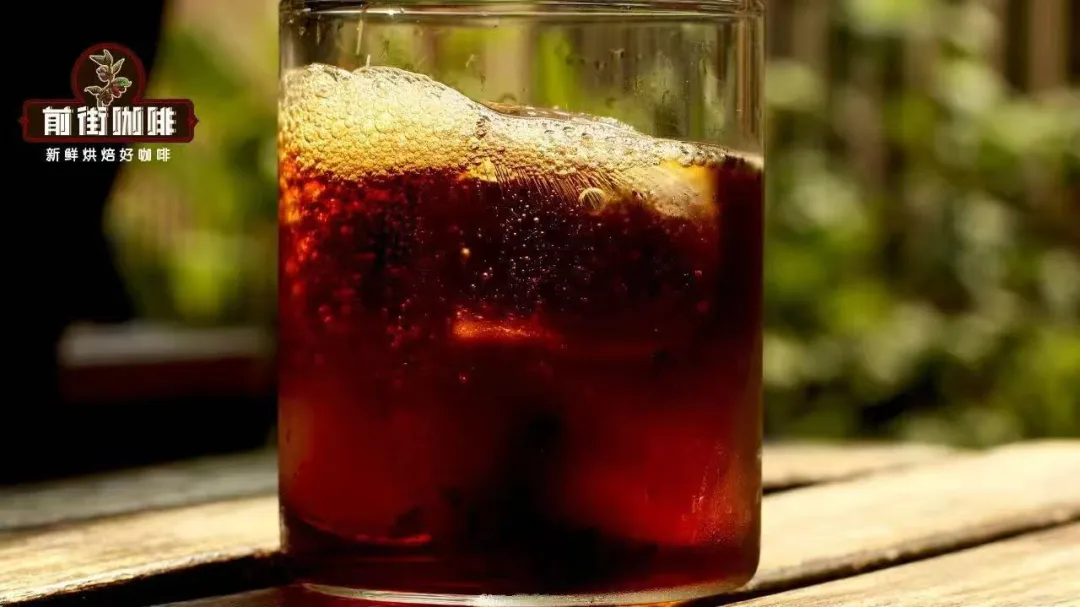
Cold Brew vs. Ice Drip Comparison | How to Tell Ice Drip Coffee from Cold Brew Coffee? What Coffee-to-Water Ratio and Grind Size Should You Use to Make Cold Brew at Home?
The distant cicadas are chirping nonstop, the dog days of summer have just begun, heat waves are rolling through the streets, and the tap water at home is running hot. A barista at Front Street Coffee had just opened the door when a friend walked in right after and asked if there was any cold brew coffee. To get through the hottest forty days of the year, without a cup of ice-cold coffee, it really [more…]

Ice Drip Coffee Powder-to-Water Ratio | What Are the Steps and Brewing Parameters for Making Ice Drip Coffee? Which Coffee Beans Are Suitable for Ice Drip Cold Brew?
For more specialty coffee knowledge, please follow: Front Street Coffee (Frontsteet Coffee) The cicadas in the distance never stop chirping, the dog days of summer have just begun, heat waves roll through the streets, and the tap at home runs hot water. No sooner had Front Street's barista just opened the door than a friend stepped into the Front Street shop to ask [more…]
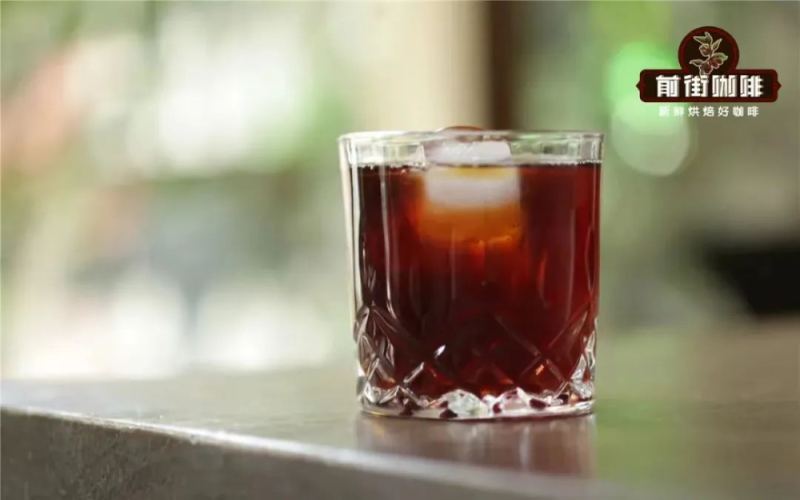
Homemade Iced Coffee | What's the Difference in Taste Between Cold Brew Coffee and Ice Drip Coffee? What Are the Key Points for Making Ice Drip and Cold Brew? What Is the Coffee-to-Water Ratio for Ice Drip and Cold Brew?
In recent years, cold brew coffee and ice drip coffee have won huge favor among coffee consumers! Especially in summer, the ice drip/cold brew coffee in coffee shops becomes the "king of kings" among iced coffees! One reason is that it has a mouthfeel that iced pour-over coffee/iced Americano coffee cannot replicate, and another is that its production time is long, [more…]

Iced Coffee Flavor Description | Which Tastes Better, Ice Drip or Cold Brew? Is There a Big Difference Between Ice Drip and Cold Brew Made with the Same Coffee Beans? Introduction to Grind Size, Coffee Powder-to-Water Ratio, and Parameters
For more specialty coffee knowledge, please follow our WeChat official account: Front Street Coffee (FrontStreet Coffee). As classic representatives of cold-extraction coffee, nothing beats ice drip coffee and cold brew coffee. They are different from iced Americano or iced pour-over coffee, which require brewing with a pot of hot water and then adding ice. [more…]
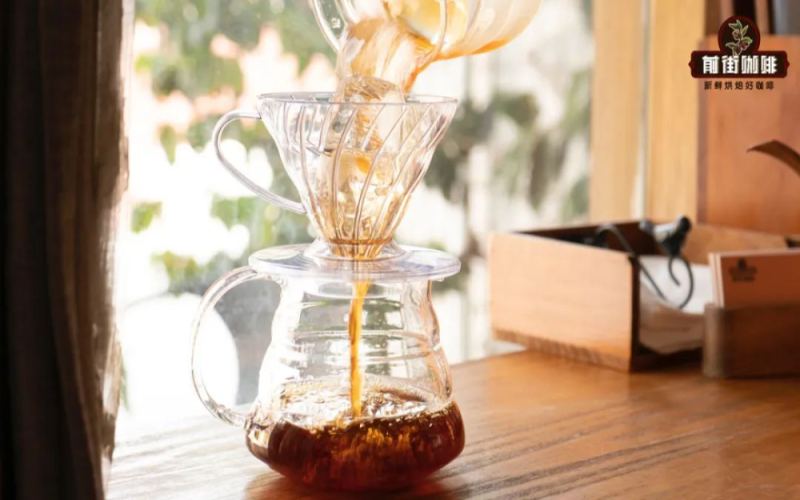
A Complete Guide to Ice Cube Amounts and Coffee-to-Water Ratios for Iced Pour-Over Coffee: A Practical Guide from Bean Selection to Brewing
On a hot summer day, a glass of iced pour-over coffee becomes the favorite of many coffee lovers. But exactly how much ice should be added? And how should the coffee-to-water ratio be adjusted? This article will systematically answer common questions about iced pour-over coffee from multiple angles, including coffee bean selection, the role of ice, specific brewing plans, and the timing of adding ice. Taking 15 grams of coffee, a 1:10 coffee-to-water ratio, and 100 grams of ice as an example, Front Street Coffee breaks down in detail the grind size, actual concentration, and the impact of ice melting on flavor, helping you make a cup of iced pour-over that is both refreshing and not diluted. [more…]
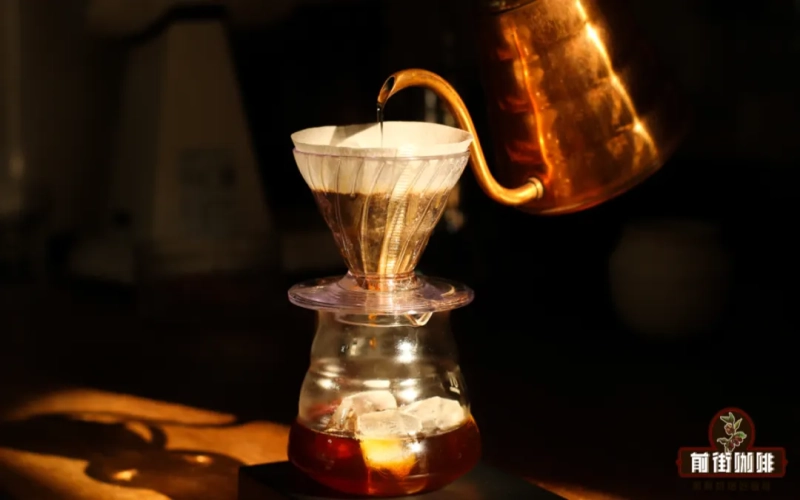
A Practical Guide to Making Iced Pour-Over Coffee at Home: Ice-to-Hot-Water Ratios, Grind Size Adjustments, and Key Stirring Techniques
Iced pour-over is not simply pouring hot coffee over ice; rather, it is an extraction method in which ice rapidly cools and moderately dilutes the coffee liquid, also known as "flash-chilled pour-over." To make a cup that is both refreshingly cold and rich in aromatic layers, you need to readjust parameters such as coffee dose, water volume, ice amount, grind size, water temperature, and timing. This article focuses on ice usage and application, the coffee-to-ice-to-water ratio, grind size adjustments, and two operational approaches—small-stream分段 and the stirring method—to help coffee enthusiasts make a balanced iced pour-over at home. It also provides specific references based on Front Street Coffee's commonly used parameters. [more…]
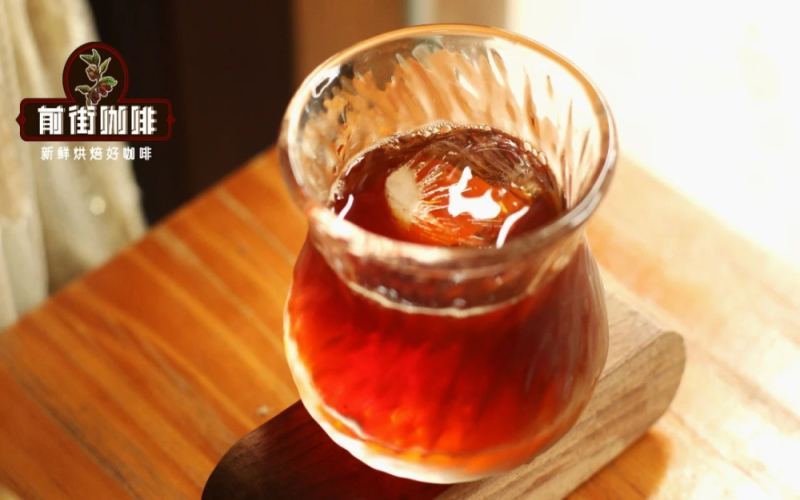
An Analysis of the Differences Between Ice Drip Coffee and Cold Brew Coffee: Brewing Parameters, Grind Ratio, and Flavor Performance of Front Street Coffee Beans
In the height of summer, a glass of ice-cold coffee is practically a lifesaver, yet many people can't clearly explain the difference between ice drip and cold brew. From the perspective of Front Street Coffee, this article systematically breaks down the extraction principles and equipment setup of ice drip coffee, explaining key parameters in detail such as 60 grams of grounds, a 1:10 coffee-to-water ratio, and an 85% pass rate through a No. 20 sieve, along with a simple process for making cold brew coffee at home. It also analyzes how grind size and coffee-to-water ratio affect flavor, and finally recommends two coffee beans suited for cold brew—Kenya Asalia and Honduras Sherry—to help coffee lovers easily enjoy a smooth, uniquely flavored glass of iced coffee in the scorching heat. [more…]

A Detailed Guide to the Differences Between Ice Drip and Cold Brew Coffee: Ice Drip Coffee Bean Recommendations, Coffee-to-Water Ratio, and Grind Size Guide
In the scorching summer heat, iced coffee becomes a lifesaver for many. But did you know? Cold brew coffee actually encompasses three distinctly different methods: ice drip, iced, and cold brew immersion. Their flavor profiles, brewing principles, and suitable occasions vary greatly. This article will provide an in-depth analysis of the differences between ice drip coffee and cold brew coffee, and detail Front Street Coffee's ice drip brewing parameters—including 60 grams of coffee grounds, a 1:10 coffee-to-water ratio, a grind size with 85% passing through a China standard No. 20 sieve, and an extraction time of 6 to 8 hours. It will also share methods for making iced Americano and cold brew immersion coffee, and recommend several coffee beans suitable for ice drip, including Front Street Mozart, Front Street Kenya Little Tomato, and Front Street PWN Golden Mandheling, to help you find the summer iced coffee solution that best suits your taste. [more…]