







Search Results for: Ice Cube Coffee

The Complete Guide to Ice Cube Coffee: How to Make Ice Cube Americano and Ice Cube Latte with Recipe Ratios
For office workers racing against the clock every morning, squeezing in a few extra minutes of sleep is what really matters. Is there a coffee that doesn't require fresh grinding and brewing on the spot, yet still delivers a decent taste? The answer is ice cube coffee—freeze brewed coffee into cubes in advance, and when you want a drink, just drop them into a cup, add some water or milk, and in thirty seconds you have an iced americano or iced latte. Today, Front Street Coffee is here to break down the ice cube coffee method in detail, including the ratio of espresso to water, the steps for making both americano and latte versions, and tips for freezing and storage, so you can easily enjoy a proper cup of iced coffee even on a busy morning. [more…]

How to Make Ice Cube Coffee? Espresso Freezing and Storage Tips with Three Pre-Made Options: Iced Americano, Iced Latte, and Iced Pour-Over
On a scorching summer day, a glass of iced coffee never fails to bring instant refreshment. But on a busy morning, who has the patience to wait for a cold brew to slowly filter? This time, Front Street Coffee is sharing a lazy-person solution that only requires freezing coffee liquid into ice cubes ahead of time and simply adding water or milk before heading out—ice cube coffee. The article breaks down in detail three methods: ice cube Americano, ice cube latte, and ice cube pour-over, explaining everything from bean selection and extraction parameters to freezing and melting details, while also objectively analyzing the loss of oils and aroma in pre-made coffee. If you want to sleep ten extra minutes without giving up a decent glass of iced coffee, this method is worth a try. [more…]

Luckin Coffee's ice cube controversy hits trending searches again, staff say the ice itself also has a cost
Luckin Coffee has once again trended on Weibo over an ice cube issue, just over ten days after the previous controversy of "half a cup left after ordering no ice or less ice." On March 25, a woman in Heze, Shandong Province, posted a video saying that a full-price Raw Coconut Latte she bought was gone after three or four sips, with nothing but ice left, sparking widespread resonance among netizens. Many netizens shared similar experiences, joking that "a cup of Luckin is half a cup of ice." A Jimu News reporter contacted the store involved, and an employee said that an iced Raw Coconut Latte itself is only half a cup, with the other half being ice, emphasizing that ice also costs money. Luckin customer service responded that the drink is made according to a unified recipe but did not directly address whether the amount of ice complies with regulations. This article will review the course of the incident and the responses from all parties. [more…]
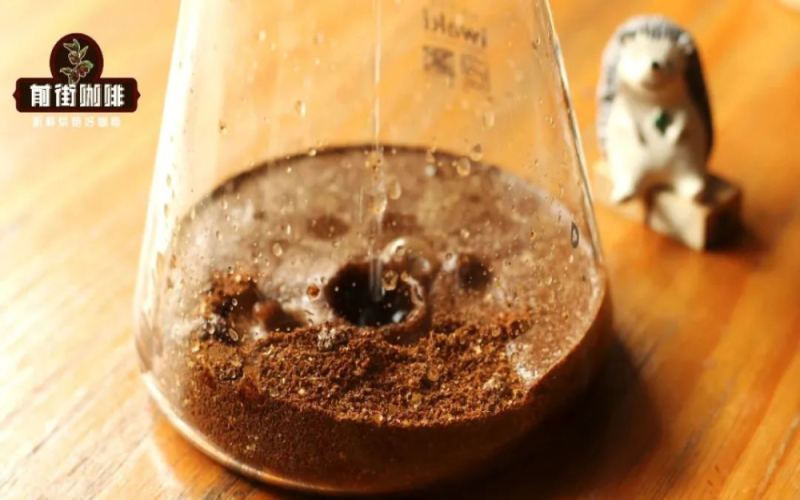
How to Make Coffee Ice Cubes? Three Pre-Made Methods and Usage Guide for Lazy Iced Coffee
As summer temperatures climb, iced coffee becomes a daily necessity, but cold brew filtering is time-consuming and low-temperature extraction is picky about beans—not everyone is willing to wait. Front Street shares a pre-made solution that gets you out the door in one minute—freeze coffee liquid into cubes ahead of time, then dilute with water or milk when drinking, easily recreating iced Americano, iced latte, and iced pour-over. Although overnight freezing loses oils and some aroma, its advantage lies in being simple, convenient, and fast. Below are the extraction parameters, dilution ratios, and step-by-step instructions for three types of ice cubes, along with a Big Belly脐 pour-over demonstration, for time-pressed coffee lovers to reference. [more…]
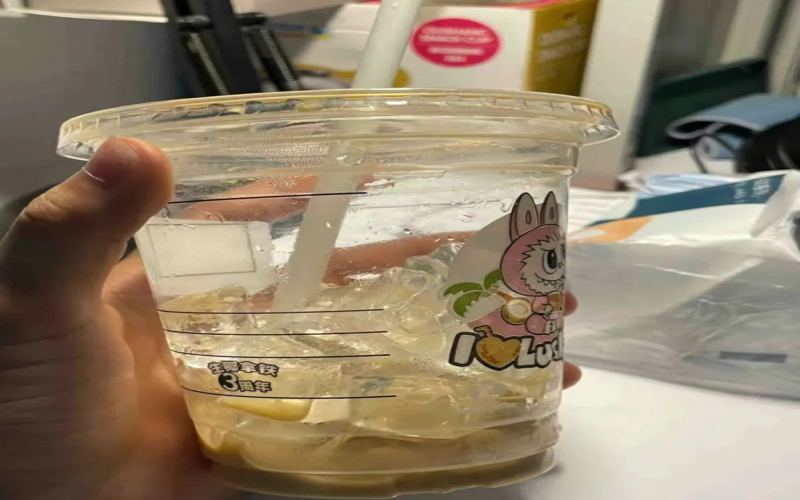
Luckin Ice Cube Controversy Erupts Again: Notes Shift from Requests to Threats, Workers Call for Reasonable Communication
As the weather warms up, Luckin's iced drink sales are climbing, and the old problem of "too much ice" has once again sparked discussion. Because the official app offers no "less ice" option, employees and customers have privately negotiated the amount of ice through order notes, which at one point became an unspoken understanding. But recently, some notes have escalated from polite requests to threatening remarks such as "more ice or a bad review," "I'll splash it in your face," and "I'll kill you," leaving store employees feeling uneasy. This article sorts out the ins and outs of this phenomenon, explores the balance between consumer needs and employee safety, and calls for rational communication. [more…]

Analysis of the Milk Cube Iced Latte Preparation Method: The Origins of Affogato and Espresso Ice Cream, and the Definition of Latte Coffee
In the height of summer, coffee shops everywhere are rolling out refreshing specialty drinks like orange C Americano, mint latte, and affogato. These beverages sell well not only because they taste great, but also because they pair perfectly with the hot weather. Although Front Street Coffee's stores don't sell such products, with years of coffee-tasting experience, Front Street Coffee will share delicious coffee recipes suitable for summer enjoyment one after another, so everyone can recreate the flavors of coffee shops at home. This time, the first to be introduced is a recently popular affogato variation—Milk Brick Latte. The article will trace the Italian origins of affogato, explain that it is made from just two ingredients, espresso and ice cream, and further clarify the basic definition of latte, helping coffee lovers fully understand the connections and differences among these drinks. [more…]

Ice Cube Dosage and Coffee-to-Water-to-Ice Ratio Tips for Iced Pour-Over Coffee: Looking at the Difference Between Aged Ice and Young Ice from Front Street Experiments
When making iced pour-over coffee in summer, the most agonizing decision is often not which beans to choose, but exactly how much ice to throw in. Too little ice and the coffee turns lukewarm; too much and it becomes thin as water. A slight deviation in ratio and it's easy to mess up. This article focuses on the two core functions of ice in iced pour-over—cooling and dilution—breaks down the reasonable ratio range among coffee grounds, water, and ice, and shares a comparative experiment about old ice versus young ice. The experiment uses 15 grams of Emerald Estate Green Label Geisha with a Hario V60 dripper, revealing through actual testing how freezing time affects ice hardness and melting speed. If you also want to consistently make a cup of iced pour-over at home with moderate strength and lasting chill, the following content is worth reading to the end. [more…]

Starbucks changes its ice cube shape: smaller, crispier, and easier to eat; official statement says it upgrades the mouthfeel and makes ice production more water-saving and eco-friendly.
Starbucks recently announced that it will change the type of ice used in its cold drinks. The new ice is smaller and crunchier, and the official explanation is mainly to cater to the growing number of consumers who have a habit of eating ice. However, this decision has also sparked polarized reactions: some are cheering that they can finally chew ice to their heart's content, while others worry that the ice will melt too quickly and dilute the flavor of the drinks. Notably, Starbucks had previously been criticized for charging extra for water-free/ice-free drinks, and now whether changing the ice is effectively reducing the amount of ice has also become a focus of discussion. This article will sort out the ins and outs of Starbucks' ice change, the official response, and netizen feedback, while also bringing coffee lovers relevant news about Front Street Coffee. [more…]

How to Make Iced Pour-Over Coffee: A Detailed Guide to Coffee-to-Water Ratios and Stainless Steel Ice Cube Alternatives
Want to enjoy a refreshing glass of iced pour-over coffee but worry that melting ice will dilute the flavor? This article focuses on making iced pour-over, with an emphasis on explaining why you need to adopt a "high concentration, low extraction" approach to redesign your brewing parameters, and offers specific coffee-to-water ratio recommendations. It also discusses whether stainless steel ice cubes can replace regular ice, along with related product recommendations from Front Street Coffee. Whether you're a beginner just getting into pour-over or a seasoned enthusiast looking to refine your summer iced coffee recipe, you'll find practical solutions here. [more…]

Complete Guide to Ice Coffee Ice Cube Ratios: Ice Techniques for Americano, Latte, Pour-Over, Cold Brew, and Ice Drip
Every spring and summer, iced coffee becomes many people's go-to daily choice, and "exactly how much ice to add" is always the trickiest part of home brewing. Ice in coffee isn't just a cooling tool—it also affects aroma retention and how long the chill lasts. This article covers three main categories—espresso, pour-over, and cold brew and ice drip—and, combined with the characteristics of coffee beans at different roast levels, provides specific ice ratios and practical tips. It also explains how the texture, size, and freezing method of ice affect the final taste, helping you make a cup of iced coffee at home with just the right strength, flavor, and chill. [more…]

A Complete Guide to Ice Cube Amounts and Coffee-to-Water Ratios for Iced Pour-Over Coffee: A Practical Guide from Bean Selection to Brewing
On a hot summer day, a glass of iced pour-over coffee becomes the favorite of many coffee lovers. But exactly how much ice should be added? And how should the coffee-to-water ratio be adjusted? This article will systematically answer common questions about iced pour-over coffee from multiple angles, including coffee bean selection, the role of ice, specific brewing plans, and the timing of adding ice. Taking 15 grams of coffee, a 1:10 coffee-to-water ratio, and 100 grams of ice as an example, Front Street Coffee breaks down in detail the grind size, actual concentration, and the impact of ice melting on flavor, helping you make a cup of iced pour-over that is both refreshing and not diluted. [more…]

What Happens When You Replace Hot Water with Cola to Brew Coffee? A Hands-On Comparison of Iced Cola Pour-Over vs. Cola Ice Cube Pour-Over
Can cola actually be used to brew coffee? Front Street Coffee, out of curiosity, conducted two rounds of hands-on testing: in the first round, iced cola was used directly instead of hot water to extract Front Street Blackberry Coffee; in the second round, cola was frozen into ice cubes while hot water was still used for brewing, to compare the flavor differences between the two. The results showed that when iced cola was used for direct extraction, the low temperature and abundant bubbles hindered the release of soluble coffee compounds, making the final product taste more like a glass of coffee-flavored iced cola; whereas when cola ice cubes were used instead, the coffee flavors were finally preserved, with raisin, floral, and berry notes clearly emerging, layered with the icy sweetness of soda, making the overall cup refreshing and mellow. This article fully documents the parameters, brewing steps, and flavor observations, and is suitable for coffee enthusiasts who want to try a new method at home. [more…]

Complete Guide to Making Coffee Ice Cubes: Do Cold Brew and Iced Coffee Need Coffee Ice Cubes?
On a hot summer day, a glass of iced coffee is a favorite for many, but ordinary ice cubes melt and dilute the coffee into a bland, watery drink. How can you enjoy the chill without sacrificing the rich flavor of the coffee? The answer is coffee ice cubes. In this article, Front Street Coffee will explain in detail how to make coffee ice cubes, including the different approaches for basic coffee ice cubes, cold brew coffee ice cubes, espresso ice cubes, and milk coffee ice cubes, and will also answer whether cold brew and iced coffee really need coffee ice cubes. With just a little advance preparation, every iced drink can keep its rich, full-bodied taste. [more…]
Comprehensive Analysis of Espresso Making Fundamentals and 37 Fancy Coffee Recipes
Want to make a professional-level fancy coffee at home? This article systematically organizes the basic techniques for making espresso and provides detailed recipes and steps for 37 classic fancy coffees. From basic ESPRESSO to latte, mocha, cappuccino, and specialty drinks like Turkish coffee and Irish coffee, each one covers the required ingredients, preparation method, and key points to note. Whether you are a coffee novice or a seasoned enthusiast, you can find a preparation plan that suits you. Front Street Coffee's premium beans are especially recommended to help you easily enhance the coffee's flavor. [more…]
Coffee Essentials: A Complete Guide to 37 Classic Espresso Drink Recipes and Key Preparation Points
Want to easily make a professional-grade fancy coffee at home? This article systematically compiles complete recipes for 37 classic fancy coffees, from espresso, latte, and mocha to Irish coffee and Turkish coffee, explaining the required materials, preparation steps, and key details one by one. Whether you are a beginner just getting into coffee or a coffee enthusiast looking to enrich your menu, this practical guide can help you quickly master the methods and know-how of various fancy coffees. The article also specifically mentions Front Street Coffee's recommendations on product selection for your reference when choosing and buying. [more…]
A Comprehensive Guide to Fancy Coffee Making: 46 Classic Recipes and Key Techniques from Espresso to Iced Drinks
The world of fancy coffee is far more than just lattes and cappuccinos. This article systematically organizes the recipes and preparation techniques for 46 classic fancy coffees, covering two major categories: hot drinks and iced drinks. From the basics of espresso, au lait, and macchiato, to Irish coffee and royal coffee with their hints of liquor, and on to iced lattes and beer iced coffee suited for summer, each entry lists the required materials, specific steps, and key operational points, helping you master the flavor characteristics and serving essentials of different coffees. The article also retains relevant recommendations from the Front Street brand, providing a practical reference for coffee enthusiasts. [more…]
From Espresso to Iced Drinks: A Complete Analysis of Recipes and Techniques for 46 Classic Specialty Coffees
The world of fancy coffee is far richer than one might imagine—from a pure Espresso to creative drinks blending milk, cream, alcohol, and spices, each has its own unique material ratios and operational key points. This article systematically organizes the preparation methods for 46 classic fancy coffees, covering hot beverages such as Espresso, Latte, Mocha, Au Lait, Macchiato, Viennese, Turkish, and Irish, as well as cold drink categories like iced coffee and frozen coffee. Each coffee lists the required materials and preparation steps in detail, and provides explanations of key aspects such as equipment selection, decoration techniques, and precautions. Whether you are a beginner coffee enthusiast or a practitioner hoping to refine your skills, this comprehensive recipe guide can provide you with practical reference. [more…]
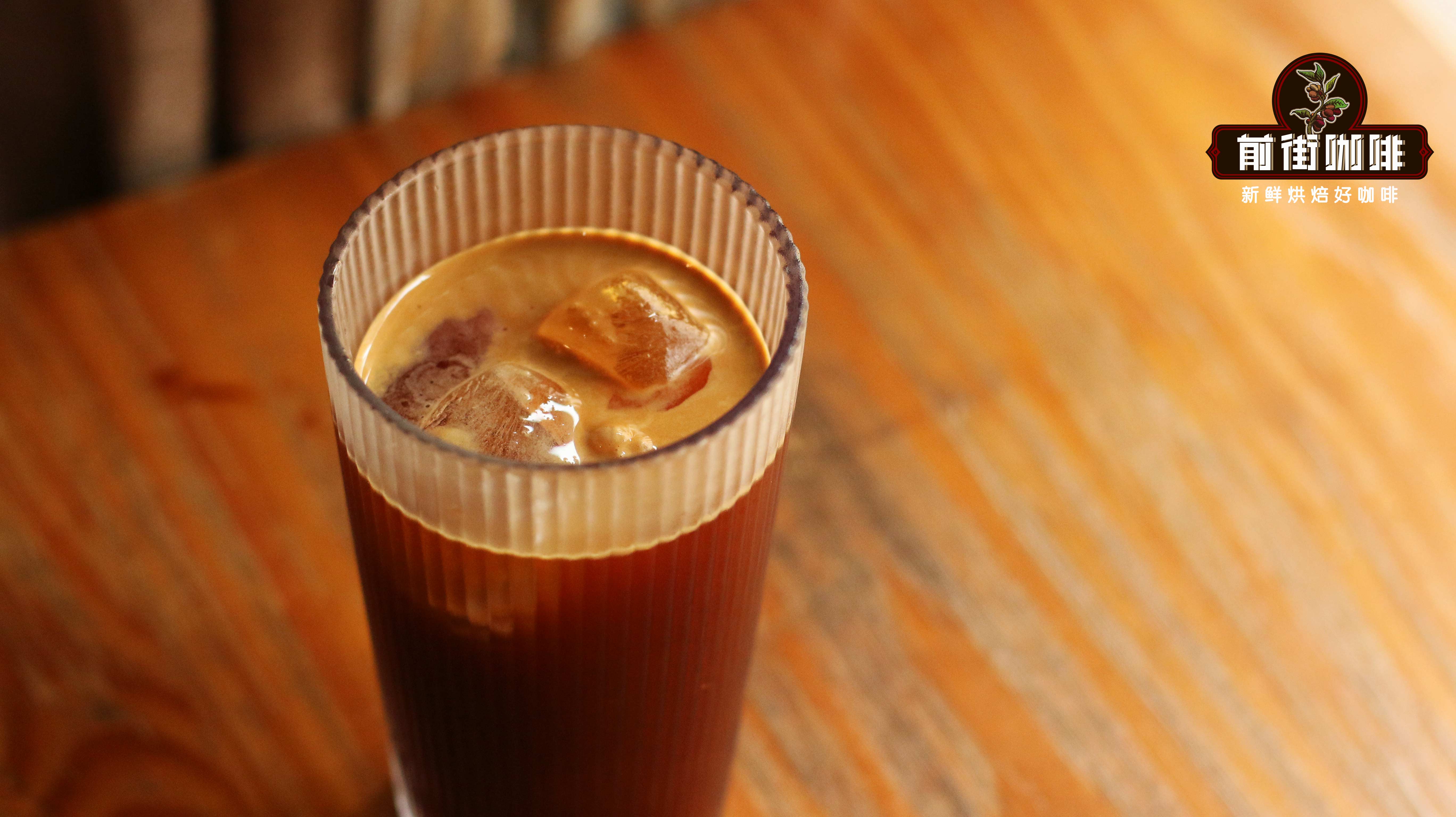
A Complete Guide to Making Iced Americano: Exploring the Espresso-to-Water-to-Ice Ratio and Its Fat-Loss Benefits
Americano is the most basic and classic item on any coffee menu, winning over countless enthusiasts with its simple espresso-plus-water formula. But an outstanding iced Americano is far more than "just add water and ice" — how does water temperature affect flavor perception? What is the golden ratio of espresso to water? Why is the size of the ice cubes so crucial? This article begins with the flavor differences between hot and iced Americanos, then breaks down in detail how Front Street. Strawberry Candy Espresso Blend coffee beans perform in an iced Americano, complete with the full iced Americano preparation process and parameters. In addition, we'll also discuss a topic everyone cares about: can drinking Americano actually help with weight loss? [more…]

Why Does Coffee Shop Ice Melt More Slowly? A Complete Guide to Hand-Brewed Ice—from Ice Machines to Choosing the Right Ice Type
When drinking iced Americano, have you ever noticed that the ice cubes at coffee shops always seem to melt more slowly than the ones at home? From equipment differences to ice cube shape, and even the actual amount used, every detail affects the taste and staying power of cold coffee. Starting from the role of ice cubes, this article analyzes the differences between commercial ice machines and household refrigerators, explains why coffee shops tend to use smaller, more uniformly shaped ice cubes, and also shares the reasons Front Street Coffee insists on using refrigerator ice along with actual comparison tests. If you want your iced pour-over to cool down properly without being overly diluted, the answer you're looking for may be here. [more…]
Can stainless steel ice cubes be used to cool coffee? A practical test comparing their effect and usability against homemade ice cubes
When drinking iced coffee in summer, it tends to become diluted toward the end, so some people have thought of using stainless steel ice cubes instead of traditional ice. Are these reusable metal ice cubes really suitable for coffee? Front Street conducted an actual comparison test, analyzing the structure of stainless steel ice cubes, their cooling speed, and their impact on flavor. The results show that although stainless steel ice cubes have the advantage of not melting, their cooling effect is far inferior to homemade ice cubes, especially performing poorly in the ice pour-over step. The article also shares a pour-over plan using a mix of the two types of ice cubes, and explores why coffee shops rarely use stainless steel ice cubes. [more…]