







Search Results for: Huge Rock Estate
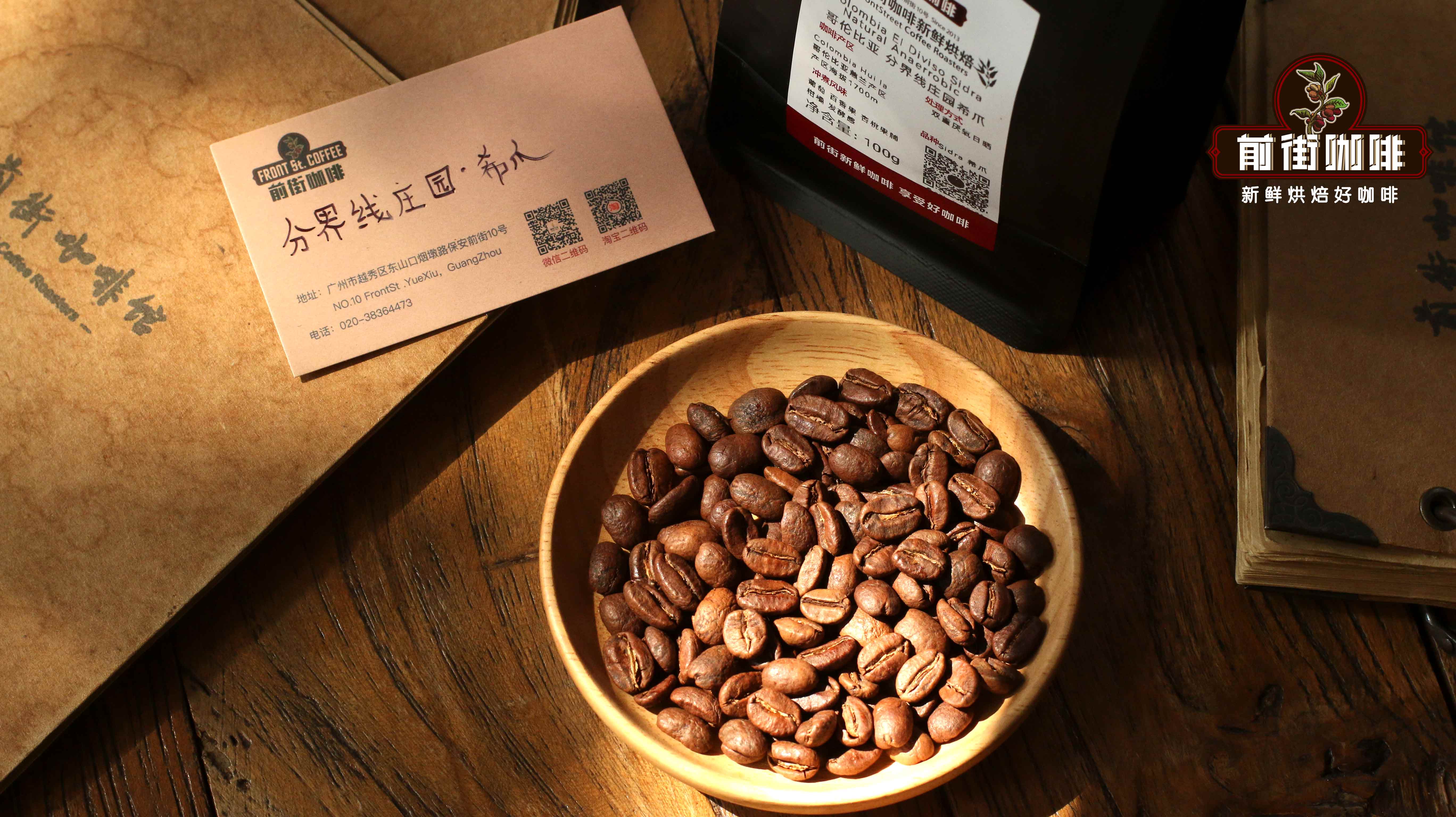
Comparison of Two Dilution Methods for Iced Pour-Over Coffee: Flavor Differences and Key Operational Points Between Diluting with Ice and Diluting Over Ice
On a scorching summer day, iced coffee naturally becomes a hot topic of discussion among coffee lovers. Some coffee enthusiasts have raised the question: for iced pour-over coffee, is it better to simply add ice to dilute it, or to let the coffee liquid flow over ice to dilute it? To this end, Front Street specially carried out a round of comparative experiments, selecting Costa Rican巨石 Estate coffee beans and using the same brewing parameters to prepare an add-ice group and an ice-flow group separately, conducting a comprehensive comparison from flavor performance and mouthfeel layers to operational stability. This article will break down in detail the principles, operating procedures, and experimental results of the two dilution methods, helping you make iced pour-over coffee at home that suits your own taste. [more…]
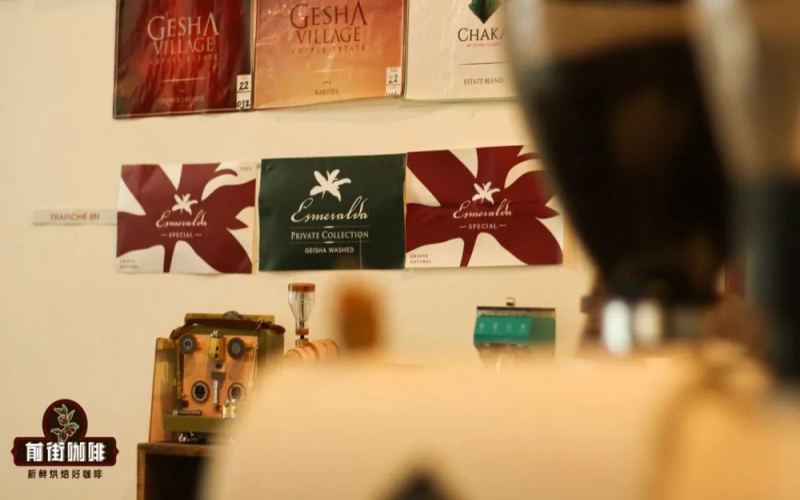
A Detailed Guide to Panama Hacienda La Esmeralda Geisha Coffee Grades: How Exactly to Choose Between Red Label, Green Label, and Blue Label
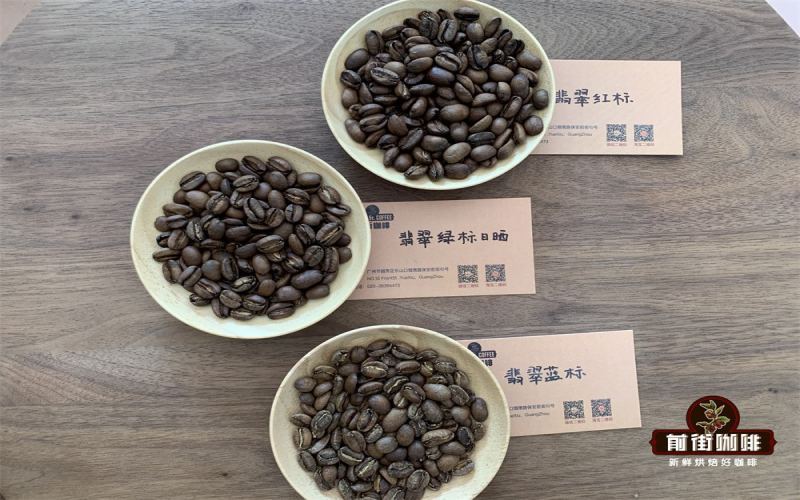
Geisha coffee has been highly sought after in the specialty coffee world in recent years, and the Geisha produced by Panama's Hacienda La Esmeralda is the benchmark among them. But when faced with the three grades—Red Label, Green Label, and Blue Label—many coffee enthusiasts often do not know where to start. What exactly do these three labels represent? What standards are they divided by? How big are the differences in flavor and price? This article will guide you through a systematic understanding of Hacienda La Esmeralda's Geisha grading system, breaking down everything from the estate's history, plot origins, and altitude to cupping performance, while also including Front Street Coffee's brewing suggestions and flavor descriptions to help you find the Geisha that suits you best. [more…]

Hacienda La Esmeralda Geisha Full Guide: Flavors of the Three Producing Regions, Red/Green/Blue Label Grading, and Pour-Over Guide
Geisha coffee began in the primitive forests of Ethiopia, and after passing through many countries, it shot to fame by winning the 2004 BOP competition with Panama's Hacienda La Esmeralda, becoming a legend in the specialty coffee world ever since. This article systematically traces Geisha's origins and spread, explains its strict requirements for growing conditions, and compares the cultivation backgrounds and flavor differences of Geisha from Colombia, Costa Rica, and Ethiopia. The article also details Hacienda La Esmeralda's grading standards for Red Label, Green Label, and Blue Label, as well as market changes such as the discontinuation of Blue Label and the emergence of Volcanic Rock, and at the end includes Front Street Coffee's V60 three-stage brewing parameters and complete flavor descriptions of four Geisha coffees to help you truly understand this famous jasmine-scented bean. [more…]
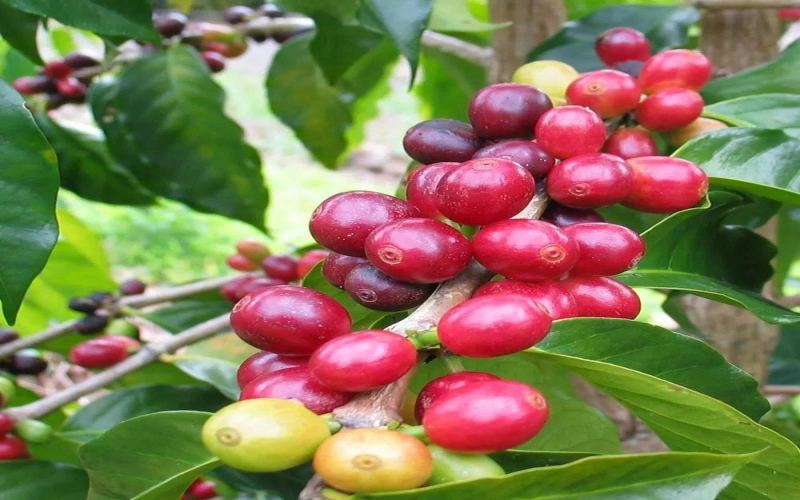
A Detailed Guide to the Grade Classifications and Flavor Differences of Panama Hacienda La Esmeralda Geisha Coffee Beans: Red Label, Green Label, and Blue Label
Geisha coffee has been highly sought after in the global specialty coffee scene in recent years, and the Geisha produced by Hacienda La Esmeralda in Panama is the benchmark among them. Faced with the different grades of Esmeralda Geisha on the market—Red Label, Green Label, Blue Label, and others—many coffee lovers are often confused: What exactly are the differences between them? Which one suits them better? This article begins with the history of Hacienda La Esmeralda, then sorts out in detail the grading criteria, growing altitudes, processing methods, and flavor characteristics of the three major grades—Red Label, Green Label, and Blue Label—and includes Front Street Coffee's brewing suggestions and flavor descriptions for each grade, helping you find the Geisha that suits you best. [more…]

Coffee Legend on a Volcanic Island: A Full Analysis of the Hawaii Kona Region's Terroir, Typica Variety, and Brewing
Hawaiian Kona coffee is a name that cannot be overlooked on the global specialty coffee map. Although it is not grown at a particularly high elevation, thanks to its volcanic rock soil, gentle sea breezes and meticulous manual craftsmanship, Kona still produces world-class quality coffee beans. Front Street Coffee Hawaiian Kona Coffee is medium-roasted, revealing the sweet aromas of cashew, milk peanut, mulberry and tropical fruit, with a warm, clear body and bright, elegant acidity. This article will comprehensively sort through the origins of Kona coffee, the distribution of producing regions on Maui and the Big Island, the characteristics of the Typica variety, the washed processing method and the grading standards, and will also include Front Street Coffee's cupping data and five brewing methods—Hario V60, siphon, AeroPress, French press and KONO—to take you deeper into this coffee bean hailed as "the most beautiful-looking coffee bean in the world." [more…]
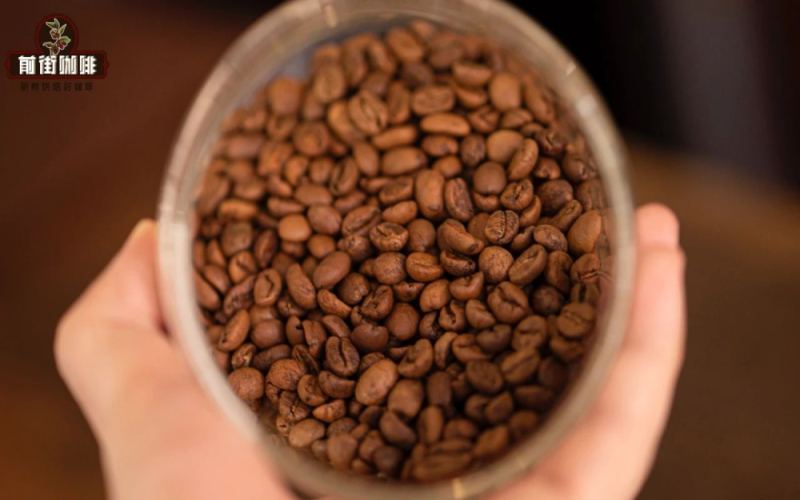
Hawaiian Kona Coffee Bean Flavor Characteristics and Pour-Over Tutorial: A Detailed Guide from Origin and Variety to Brewing Parameters for Five Devices
Although Hawaiian Kona coffee is not grown at high altitudes, its volcanic rock soil and gentle sea breezes nurture a unique flavor that is clean and sweet with bright acidity, earning it the reputation as one of the most perfect coffee beans in the world. Front Street Coffee uses a medium roast to fully release the cashew, milk peanut, mulberry, and tropical fruit sweet aromas of this bean. This article will begin with Kona's historical origins, producing region distribution, Typica variety characteristics, washed processing method, and grading standards, then share in detail the brewing parameters and techniques for five devices—V60, siphon, AeroPress, French press, and KONO—to give you a comprehensive understanding of this coffee bean with the most beautiful appearance. [more…]
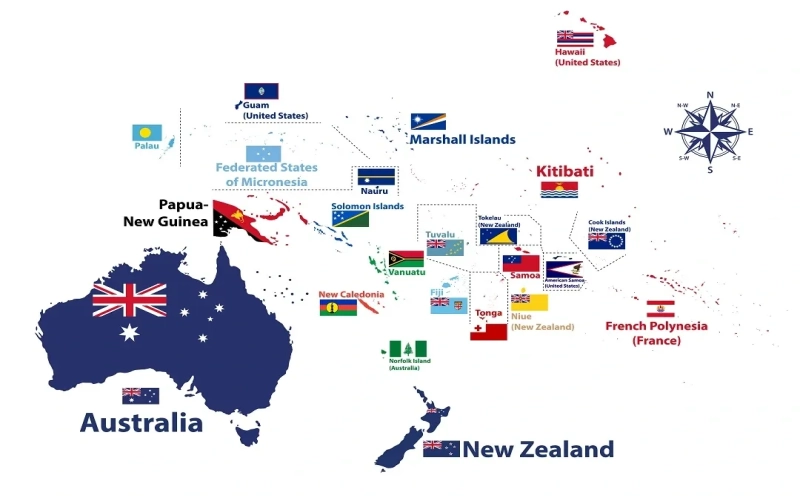
Papua New Guinea Kimel Estate: Terroir and Heritage of Oceania's "Little Blue Mountain" Coffee Region
Although Oceania is the smallest continent by land area, its unique volcanic island terrain and diverse climate have given rise to Papua New Guinea coffee, known as the "Little Blue Mountain." From trial plantings in the late 19th century, to the introduction of Typica from Jamaica's Blue Mountain in 1931, and then to the unexpected development opportunity brought by Brazil's frost in 1975, Papua New Guinea coffee gradually moved toward scale and specialty production. This article focuses on the five highland provinces in the central region, with particular attention to the Kimel Estate in the Eastern Highlands Province—a private cooperative owned by smallholder farmers of the Opais people, equipped with a washed-processing facility and stable quality control, combining terroir advantages with cultural character. At the same time, the article also mentions the Sigri Estate Bird of Paradise coffee beans recommended by Front Street Coffee, offering a flavor reference for coffee enthusiasts. [more…]
The Origin of Geisha Coffee Beans, Flavor Differences Between Hacienda La Esmeralda's Red, Green, and Blue Labels, and Front Street Brewing Guide
Geisha coffee beans, with their iconic floral aroma and delicate fruit acidity, have become one of the most sought-after varieties in the specialty coffee world. From the perspective of Front Street Coffee, this article traces Geisha's journey from the forests of Ethiopia to Hacienda La Esmeralda in Panama, analyzes the microclimate differences among the estate's three major plots—Jaramillo, Cañas Verdes, and El Velo—and explains one by one the processing methods, flavor profiles, and Front Street roasting curves for the three grades: Red Label, Green Label, and Blue Label. The article also documents Front Street's actual brewing parameters for Geisha—coffee-to-water ratio, water temperature, and staged pouring technique—helping coffee enthusiasts understand the taste differences brought by different processing methods. [more…]
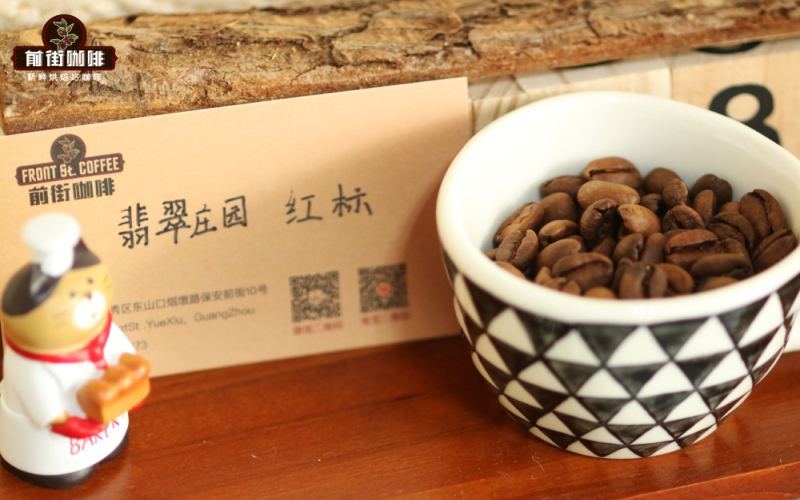
A Complete Analysis of Hacienda La Esmeralda Geisha Grades: Flavor Differences Between Red, Green, and Volcanic Rock Labels and Pour-Over Parameters Explained
Panama's Hacienda La Esmeralda rose to fame with Geisha at the 2004 Best of Panama competition, and was the first to establish a strict grading system. The three grades—Red Label, Green Label, and Volcan Rock (formerly Blue Label)—each correspond to different elevations, cupping thresholds, and processing methods, with distinct flavor profiles. Front Street Coffee's bean list features all three Esmeralda Geishas, and this article will go through the estate's grading logic, plot traceability, processing techniques, and light-roast approach one by one, along with the complete pour-over parameters and three-stage extraction steps for Front Street's Red Label Natural Geisha, to help coffee enthusiasts understand the flavor directions and extraction key points of different Geisha grades. [more…]
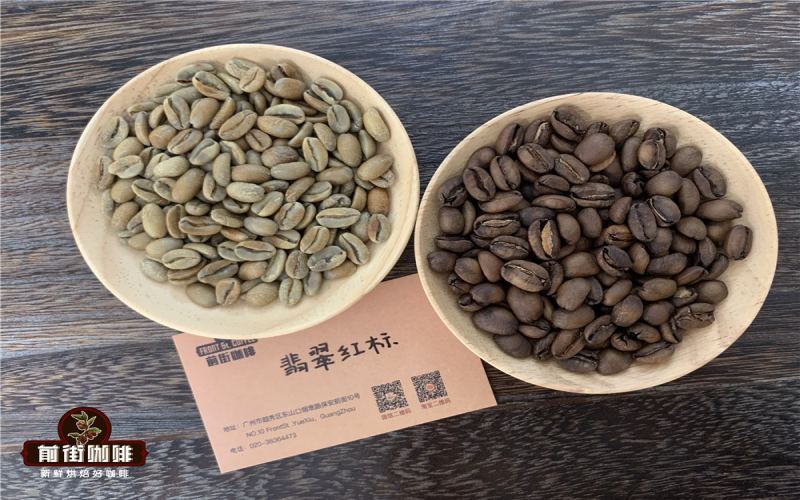
Geisha Coffee Tasting Guide: From Brewing Parameters to Flavor Differences Across Three Major Origins and Brand Recommendations
Geisha coffee is known for its delicate floral aroma and elegant fruit acidity, but Geisha from different origins varies noticeably in flavor, and the brewing method must also be adjusted according to the beans. This article begins with the origin of the Geisha variety and its rise to fame, sorts out the red, green, and blue label grading system of Panama's Hacienda La Esmeralda, and compares the cupping performance and pour-over recommendations of three Geishas from Costa Rica, Ethiopia, and Colombia. At the same time, Front Street Coffee will share water temperature, grind size, and staged extraction plans for light-roast Geisha, helping you understand more completely the flavor logic of this "luxury of the coffee world." [more…]
Gesha Coffee Pour-Over Guide: Extraction Temperatures and Coffee-to-Water Ratios from Different Origins
Geisha coffee is renowned worldwide for its delicate and elegant floral aromas and fruity acidity, but Geisha from different origins also requires different brewing methods. Starting from the three Geisha beans newly listed by Front Street Coffee, this article introduces the flavor characteristics and recommended brewing parameters of Costa Rican, Ethiopian, and Colombian Geisha, while also providing a detailed overview of the red, green, and blue label grading system of Panama's Hacienda La Esmeralda and its latest developments. Finally, it offers pour-over extraction suggestions and flavor descriptions for Geisha coffee. [more…]
Costa Rica Coffee Brewing Guide: Honey Process Flavor Analysis and Finca El Roca Blueberry Bean Review
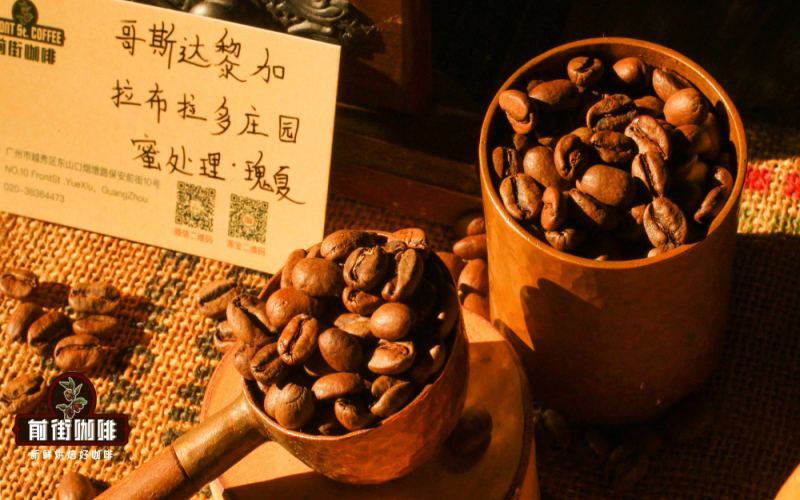
Costa Rican coffee occupies an important position in the Central American specialty coffee landscape thanks to its high-altitude volcanic soil and innovative processing methods. Starting from Front Street Coffee's everyday bean—the washed Tarrazú—this article sorts out Costa Rica's eight major producing regions and green bean grading standards, and focuses on analyzing how honey processing gives coffee greater sweetness. It also presents the complete profile of the recently launched Blueberry coffee beans from Hacienda El Roble, along with a three-pour hand-brewing recipe tailored to high-altitude SHB strictly hard beans, including specific parameters such as V60 dripper, water temperature, coffee-to-water ratio, and grind size, helping coffee enthusiasts recreate a rich fruity layering at home. [more…]
A Complete Guide to Geisha Coffee Bean Price Tiers: From Emerald Red Label to Volcanic Rock Blue Label – Flavor and Pour-Over Experience
Geisha coffee beans are hailed as the white moonlight of coffee lovers, conquering countless palates with their elegant and refined flavors. But what grade does Geisha actually belong to? How much does a cup cost? What are the flavor differences among different grades of Geisha? This article will analyze the price and flavor characteristics one by one, from Front Street Emerald Red Label and Green Label to Volcanic Rock Blue Label, and take an in-depth look at the cultivation background of Panama's Hacienda La Esmeralda and Deborah Estate. At the same time, we will also share the pour-over parameters and brewing techniques for Front Street Panama Geisha coffee beans, helping you understand more comprehensively the charm of this "precious" variety. [more…]

Chongqing Coffee Association Proposes Halting Delivery Subsidy Rat Race, Sparking Heated Debate on Survival Struggles of Small and Medium Brands
Recently, the Chongqing Coffee Industry Association published an open letter regarding JD Takeout's "10 Billion Subsidy" program, directly accusing the platform of driving the prices of freshly made coffee beverages down to rock bottom through hefty subsidies, which has severely squeezed the market share of local independent coffee brands, with some brands seeing declines in both online transaction volume and average order value. The open letter sparked heated discussion among netizens: on one side, food and beverage industry practitioners empathize with the involution caused by subsidies; on the other, consumers strongly support low-priced coffee. Is this subsidy war promoting industry reshuffling or stifling innovation? Can the differentiation strategy of independent coffee shops hold its ground in the price war? This article takes you through the whole story and the views of all parties. [more…]
Traceability of the Geisha Coffee Bean Variety and an Analysis of the Flavor Grade of Las Rocas Volcanic Rock New Blue Label Geisha
Geisha coffee beans have always been a highly anticipated variety in the specialty coffee world. From the primitive forests of Ethiopia to Hacienda La Esmeralda in Panama, they have conquered countless coffee lovers with their floral aromas and delicate fruit acidity. At Front Street Coffee stores, customers often ask about the variety's story, the differences between producing regions, and the flavor changes brought by natural and washed processing methods. This article will systematically outline Geisha's discovery and spread, Hacienda La Esmeralda's red, green, and blue label grading system, and focus on the Las Rocas volcanic rock Geisha that appeared in the 2021 new harvest—it actually comes from Hacienda La Esmeralda, and its flavor is highly similar to previous washed blue label lots. It also includes Front Street's roasting curves and pour-over parameters for various Geisha coffees, helping readers gain a comprehensive understanding of this legendary bean variety. [more…]
What Are the Differences Between Costa Rican Geisha and Panamanian Geisha? Mirazu Strawberry Candy Flavor and Front Street Brewing Recommendations
Geisha journeyed from the forests of Ethiopia to the world, and Panama's Hacienda La Esmeralda made it famous, while Costa Rica, as a major coffee hub in Central America, has also produced Geisha with a distinctive style of its own. This article traces Geisha's path of dissemination, compares the producing regions' terroir, variety composition and processing methods of Panamanian and Costa Rican Geisha, and focuses on the blended Geisha from Mirazu Estate that Front Street Coffee uses. The article also shares Front Street's roasting approach and three-pour brewing parameters, helping coffee lovers understand how to bring out sweet, rich flavors such as rose, strawberry and raisin. [more…]
Cotti Coffee officially ends its sitewide unlimited 9.9 yuan promotion, coffee industry price war may be nearing a turning point
Recently, a "Notice on Store Pricing Strategy and Promotion Adjustments" for Cotti Coffee circulating on social media has drawn widespread attention. The notice shows that Cotti will end its "9.9 yuan unlimited across the board" promotion at 24:00 on January 31, and switch to a special-offer section model starting February 1, with only some products continuing at 9.9 yuan unlimited, while other non-discounted products will be sold at retail prices. New-store first-month promotions and refer-a-friend rewards will also be adjusted accordingly. As the brand that kicked off the 9.9 yuan price war in February 2023, does this move by Cotti signal a turning point for China's coffee price war? Consumers, franchisees, and industry observers are all watching closely. [more…]
Hacienda La Esmeralda Blue Label Geisha Renamed Las Rocas? 2021 Pour-Over Recipe and Volcanic Rock Flavor Full Analysis
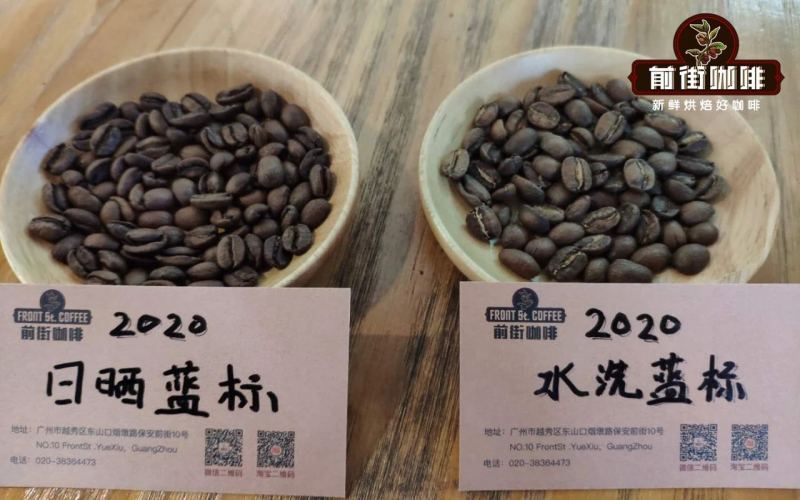
In 2020, Hacienda La Esmeralda introduced a natural process for its Blue Label Geisha, delighting many coffee lovers; however, in 2021 the estate announced that it would retain only the Red Label and Green Label series, and the Blue Label seemed to quietly exit the stage. Just as speculation was rife, a batch of Panamanian Geisha named Las Rocas quietly appeared on the market, and according to Front Street Coffee, this is precisely the rebranded Esmeralda Blue Label batch. This article sorts out the grade classifications and flavor differences among Hacienda La Esmeralda's Red Label, Green Label, and Blue Label, reviews the whole story of the Blue Label's "disappearance" and "reappearance," and introduces the washed processing characteristics and pour-over approach for this Las Rocas Volcanic Rock Geisha, providing coffee fans who love Blue Label Geisha with a complete reference for purchasing and brewing. [more…]
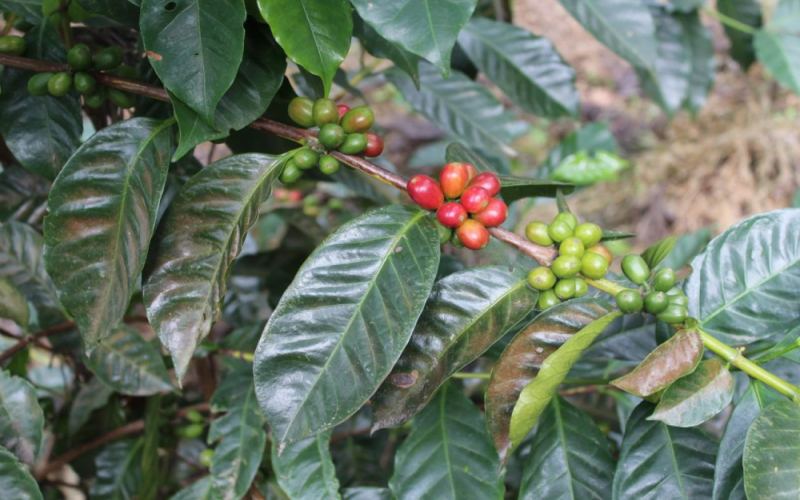
Complete Guide to Panama Hacienda La Esmeralda Geisha Coffee: Red, Green, and Blue Label Differences, Natural and Washed Flavors, and Pour-Over Parameters
Geisha coffee, with its intense floral aroma, citrus fruit notes, and tea-like body, has long occupied the top of the specialty coffee price range. This article, from the perspective of Front Street, traces Geisha's journey from its discovery in Ethiopia to its rise to fame in Panama, focusing on how Hacienda La Esmeralda pushed Geisha to the pinnacle of specialty coffee, and breaks down the positioning and flavor differences of its three major brands: Red Label, Green Label, and Volcanic Rock (Blue Label). It also compares the effects of washed and natural processing on Geisha's flavor, and finally provides Front Street's complete brewing parameters and three-stage pouring method for the washed Emerald Green Label, helping coffee enthusiasts understand how to brew a clear Geisha flavor and avoid wasting precious beans. [more…]
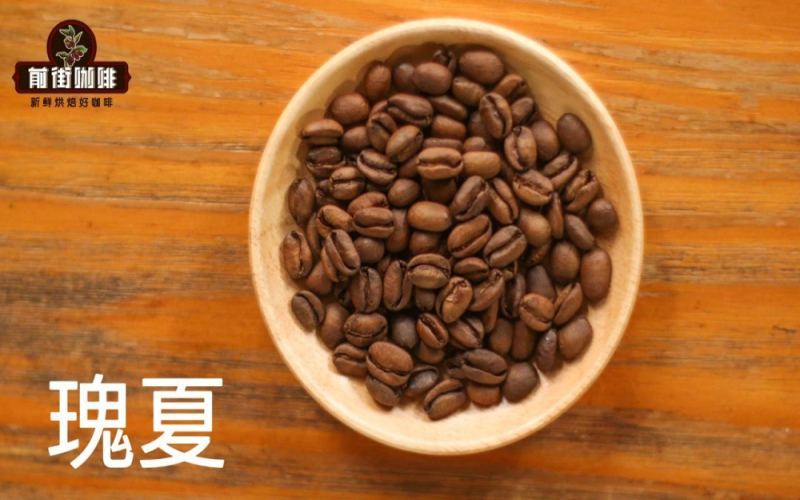
Geisha Coffee Flavor Analysis: Red, Green, and Blue Labels vs. Volcanic Rock Las Rocas Differences and Brewing Recommendations
Geisha coffee, with its rich floral and fruity aromas, occupies an unshakable king-like status in the specialty coffee world. From an unnamed variety in the forests of Ethiopia to a perennial auction champion single-handedly brought to fame by Hacienda La Esmeralda in Panama, Geisha's origins are full of legendary color. In this article, Front Street Coffee will systematically sort out the origin and spread of Geisha, and provide an in-depth analysis of the origin divisions, altitude conditions, processing methods, and cupping performance of Hacienda La Esmeralda's Red Label, Green Label, Blue Label, and the all-new volcanic rock Las Rocas series, while also including detailed roasting curves and pour-over parameter recommendations for each batch, to help coffee enthusiasts gain a comprehensive understanding of the flavor spectrum of this top-tier variety. [more…]