







Search Results for: Hope Estate
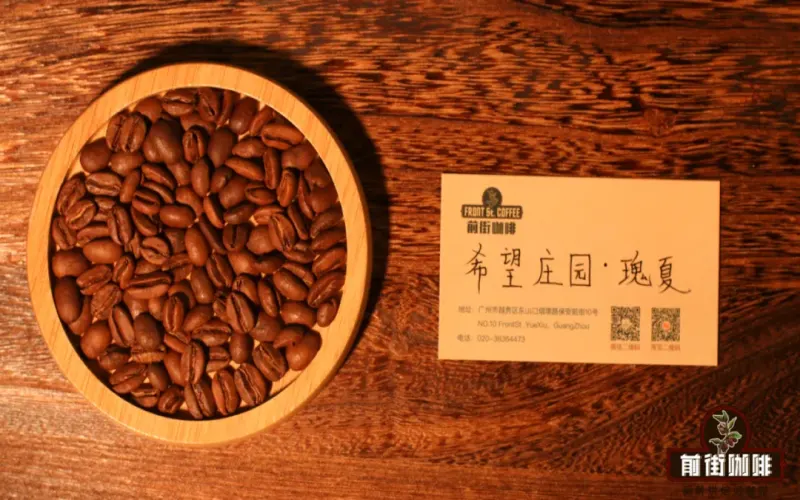
Are Honey-Processed Coffee Beans Really Sweeter? Front Street's Practical Guide to Brewing Parameters for Colombia Hope Estate Geisha
Honey-processed coffee beans are often labeled as having "prominent sweetness," but does this sweetness actually come from the processing method itself, or is it the result of a combination of variety, origin, and roasting? This article begins with the definition of honey processing and the origins of its flavor, then narrows down to a specific sample—the Geisha from Colombia's Hope Estate—to sort out its flavor characteristics and brewing approach. It then moves into the hands-on section, fully presenting the parameters and steps used by Front Street to brew this Front Street Hope Estate Geisha, helping coffee enthusiasts reproduce in their own kitchens a cup of Geisha with clear layering and a balance of sweetness and acidity. [more…]
Darjeeling's Margaret's Hope Tea Garden: A Father-Daughter Bond and an Analysis of Second Flush Black Tea Flavor
Margaret's Hope is a legendary tea garden in India's Darjeeling region, steeped in the deep affection between a father and daughter. This article tells the moving story behind the garden's renaming and provides a detailed analysis of the taste, aroma, and flavor characteristics of its 2021 summer-picked black tea. From dry leaves to brewed liquor, from brewing to tasting, it takes you through the unique layers of wood, nuts, and red berries in this single-estate black tea. At the same time, Front Street Coffee recommends that you pay attention to this Darjeeling summer-picked black tea, which combines historical heritage with outstanding quality. [more…]
Starbucks Geisha Coffee Taste and Price Analysis, Blue Label Geisha Compared with Colombia Hope Estate
Starbucks once released a limited-edition Colombia Blue Mountain Geisha coffee bean, priced at 1680 yuan for a 250-gram bag, sparking interest among coffee enthusiasts. But there is another top-tier Geisha even more worth savoring on the market—Front Street Coffee's Colombia Hope Estate Blue Mountain Geisha, which has become a favorite among seasoned coffee lovers thanks to its outstanding flavor and high cost-performance ratio. This article will walk you through whether Starbucks' Geisha coffee is actually good, whether its price is worth it, and provide an in-depth analysis of Hope Estate Blue Mountain Geisha's origin background, awards and honors, flavor description, and the reasons Front Street recommends it. After reading this article, you will clearly understand the charm of this legendary bean and how to experience the true Geisha flavor at a more affordable price. [more…]
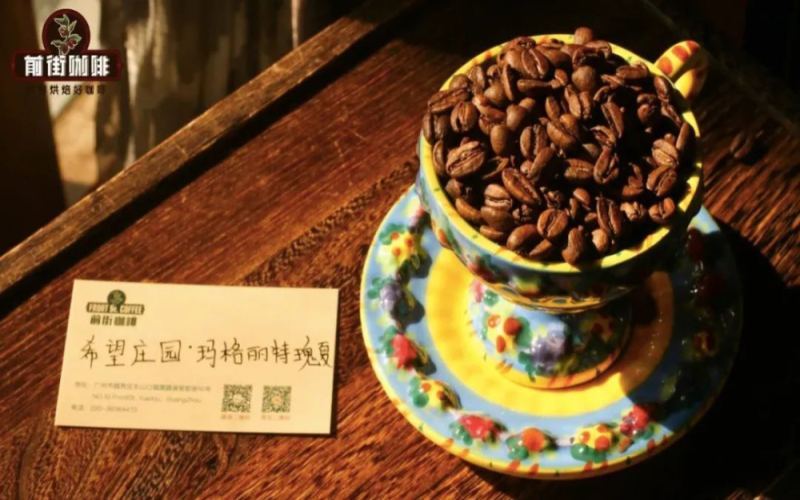
A Complete Guide to Hope Estate in Colombia's Cauca Valley: Flavor Profile and Origin Story of Natural Geisha Coffee
Front Street Coffee recently introduced a natural Geisha from Colombia's Cafe Granja La Esperanza, which when brewed presents aromas of blueberry and smoked plum, with layers of blackcurrant juice, orange, and berries on the palate, a rich juicy mouthfeel, and a red-wine-like finish. Cafe Granja La Esperanza occupies an important place in Colombia's coffee landscape, encompassing five sub-estates and having accumulated more than sixty awards in global competitions over the past decade. This article will trace the estate's history, plot distribution, variety experiments, and processing techniques, and analyze the source of its Geisha coffee's flavors. [more…]
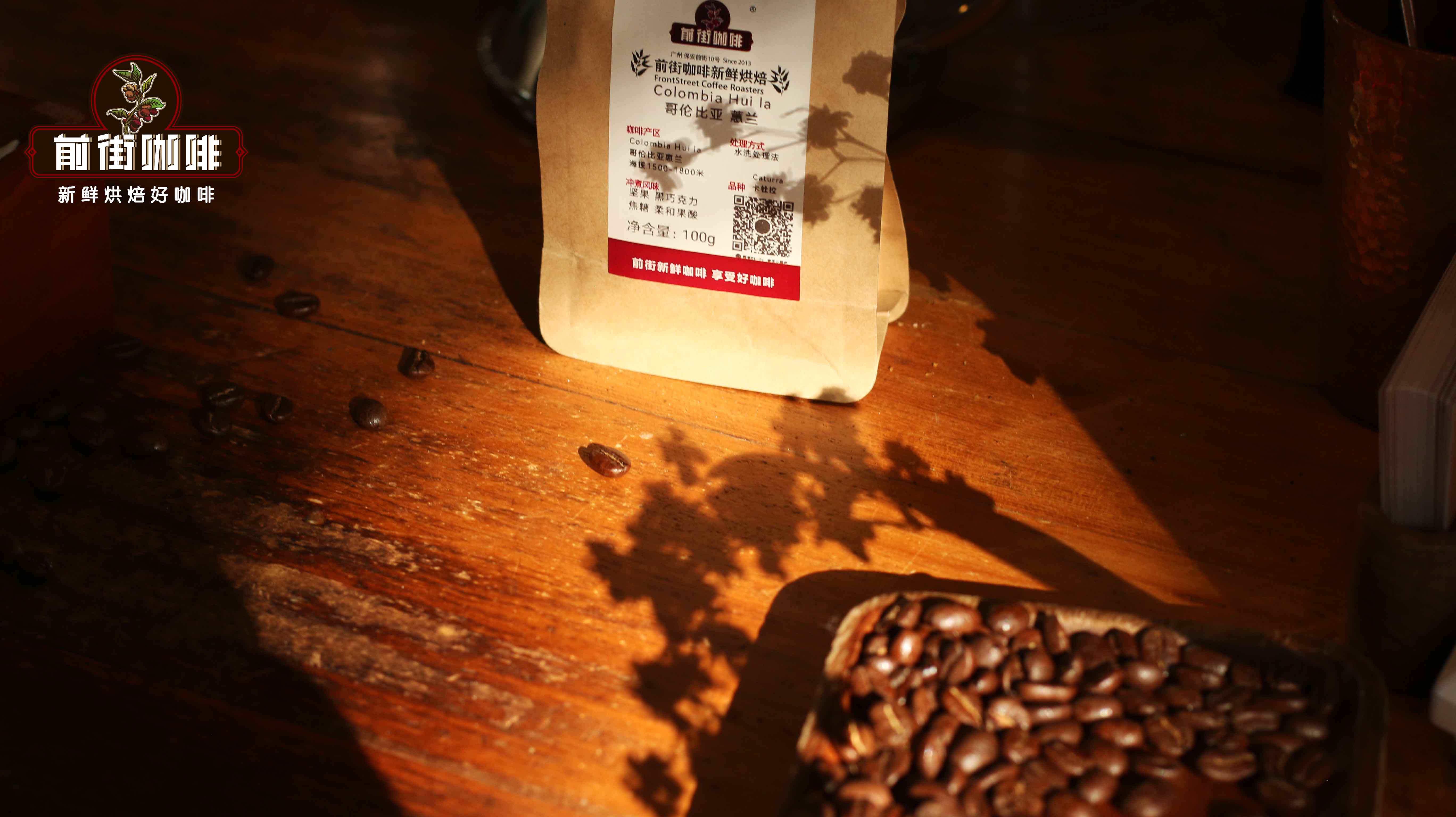
Exploring Colombia's Hope Estate Geisha: A Complete Analysis from the Huila Region to Front Street Coffee's Light Roast Flavor
Colombia, as a heavyweight in specialty coffee, boasts renowned regions such as Huila, Nariño, and Tolima, and Hacienda La Esperanza is a shining star within the Huila region. This article takes you deep into Hacienda La Esperanza's background, growing environment, and competition honors, while also providing a detailed breakdown of Front Street Coffee's Colombia Hacienda La Esperanza Geisha—a light-roast washed Geisha, covering its complete flavor expression from dry aroma to finish. Whether you're a pour-over enthusiast or an espresso player, you'll find coffee highlights worth noting. [more…]
Colombia Hope Estate Geisha Coffee: A Complete Interpretation from Growing Region Background to Cup Flavor
Colombia is an important producer of specialty coffee worldwide, and Hacienda La Esperanza, as one of the country's top estates, is especially notable for its Geisha variety. This article begins with a recommendation from Front Street Coffee's Huilan, then expands to cover Hacienda La Esperanza's producing region background, cultivation model, and competition honors, before focusing on the specific parameters and flavor performance of this Geisha. You will learn why it uses a light roast and washed processing, as well as the layers of pomelo, honey, blueberry, and toffee it presents from dry aroma through each stage on the palate. The article balances producing-region knowledge with tasting details, making it suitable for coffee lovers who want a deeper understanding of Colombian Geisha. [more…]
A Complete Global Guide to Geisha Coffee Origins: A Flavor Journey from Hacienda La Esmeralda in Panama to Hope Estate in Colombia
Geisha coffee is hailed as the most outstanding coffee variety of our time. From the pristine forests of Ethiopia to the world stage, it rose to fame at Hacienda La Esmeralda in Panama. Today, many coffee-producing countries have begun cultivating Geisha, but the terroir of different origins gives it strikingly different personalities. This article takes you deep into the origins and spread of Geisha, offers a detailed analysis of the characteristics and differences among Hacienda La Esmeralda's three tiers—Red Label, Green Label, and Blue Label—and steps into Colombia's Finca La Esperanza to explore this classic origin hailed as the closest to Hacienda La Esmeralda's Geisha. Front Street Coffee also brings you brewing suggestions and roasting analyses for a range of Geisha coffees, helping you fully appreciate the floral and fruity aromas and rich layers of Geisha coffee. [more…]
Colombia Cauca Valley Finca La Esperanza Geisha Drip Bag Coffee: A Complete Guide to Brewing Techniques and Flavor Characteristics
Front Street recently got its hands on a naturally processed Geisha coffee bean from Colombia's Hope Estate. When brewed, it presents aromas of blueberry and smoked plum, with flavors of blackcurrant juice, orange, and berries on the palate. It has a full, juicy body and a long, red-wine-like finish. This Geisha comes from Cafe Granja La Esperanza, an estate with a 76-year history that has won more than 60 awards in global competitions and owns five sub-estates. This article will take you through the planting legend of Hope Estate and, using Front Street Hope Estate Geisha drip bag coffee as an example, explain in detail the brewing steps and water temperature recommendations for drip bag coffee, helping you easily enjoy a cup of high-quality black coffee even when you're busy. [more…]
Colombia Hope Estate Coffee Beans: Full Analysis of Flavor Characteristics and Origin Story
Colombian coffee is renowned worldwide for its soft, mellow flavor, and La Esperanza Estate in the Huila region stands out as a leader among them. This estate, jointly run by several coffee farmers, has repeatedly achieved outstanding results in Colombian coffee competitions and scored high on Coffee Review, thanks to its forest-grown environment at elevations of 1,400 to 1,650 meters and its commitment to hand-picking. This article will take you deep into La Esperanza Estate's regional background, the characteristics of its four sub-estates, its coffee varieties and processing methods, and the strikingly different flavor profiles under light and dark roasting, while also introducing the fascinating story of rare varieties such as Geisha. Front Street Coffee invites you to savor the coffee charm of this top-tier estate. [more…]
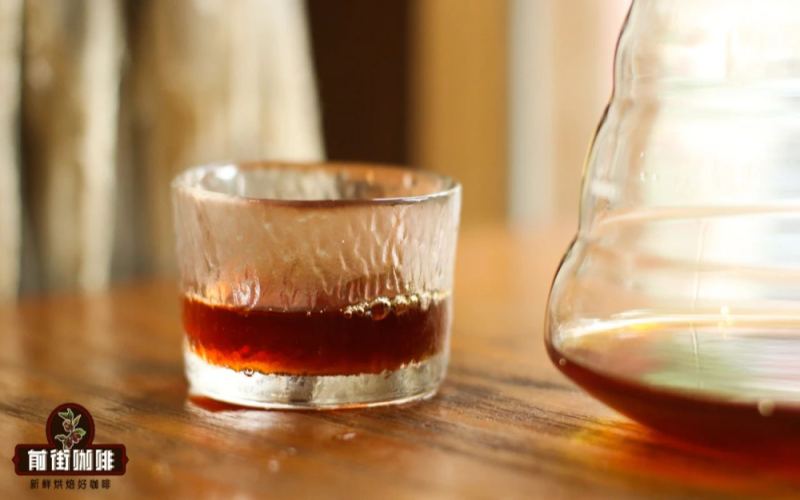
Why Does Costa Rican Honey-Processed Coffee Have Such Prominent Sweetness? Front Street Coffee Geisha Pour-Over Parameters and Flavor Analysis
Honey-processed coffee always impresses with its pronounced sweetness. This processing method originated in Costa Rica, and the "honey" in its name does not refer to added honey, but to the mucilage layer retained on the surface of the green beans. This article starts with Front Street Coffee's Colombia La Esperanza Estate Geisha, sorting out the historical context, color classification, and flavor logic of honey processing, and fully presents Front Street's V60 three-pour brewing recipe, including dose, grind, water temperature, and pouring rhythm, helping coffee lovers understand why honey processing can deliver a full, juicy mouthfeel and a long, sweet finish while saving water and being environmentally friendly. [more…]
Colombia Finca La Esperanza Natural Pink Bourbon: A Complete Guide to Cold Brew and Pour-Over Concentration Calculations
Front Street Coffee presents Colombia's La Esperanza Estate sun-dried Pink Bourbon, which has drawn attention for its rich winey aroma and tropical fruit notes. This article first introduces this bean's origin, processing method, and flavor characteristics, then explains in detail how to extract it by pour-over and Japanese iced pour-over, and provides reference parameters and operating steps to help coffee lovers brew a cup of richly layered Pink Bourbon at home. [more…]
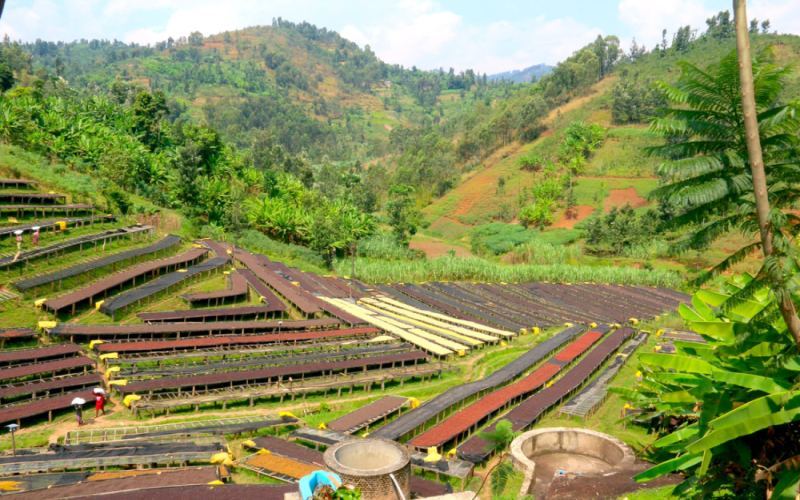
A Comprehensive Analysis of Rwanda's Coffee Producing Regions, Red Bourbon Single-Origin Bean Flavors, and Renowned Estate Brands
Since the 1920s, Rwanda has been renowned worldwide for its Arabica coffee with fruity sweetness and grassy notes. This article will take you deep into the coffee-growing conditions of this "Land of a Thousand Hills," the unique flavors of the Bourbon variety, and the revitalization journey of the local coffee industry. At the same time, we will also recommend a Front Street washed Red Bourbon coffee that fully embodies Rwanda's characteristics, and break down in detail its producing region, grading, roasting, and tasting points, helping coffee lovers gain a more comprehensive understanding of the charm of this African specialty coffee region. [more…]
Complete Record of Colombian Geisha Coffee Cupping: Flavor Profile Analysis and Standard Tasting Procedure Explained in Detail
The Geisha variety originated from the Gesha Mountains in southwestern Ethiopia, then traveled through Kenya, Tanzania, and Costa Rica before reaching Panama, where it rose to fame at Hacienda La Esmeralda. Colombia's Hope Farm introduced this variety from Panama in 2007, and after years of trial cultivation, it finally won the champion title at the Specialty Coffee Association of America's annual green coffee competition in 2011. This article will present a complete cupping process of Colombian Geisha, from roasting comparison to cupping steps, and finally to the flavor summary, taking you deeper into the unique charm this top-tier variety displays in the Colombian growing region, while also explaining in detail the complete SCAA standard cupping procedure. [more…]
Colombia Cauca Region Finca La Esperanza Geisha Coffee Beans: A Full Analysis of the Estate Background, Terroir Conditions, and Variety Experiments
Front Street Coffee recently acquired a sun-dried Geisha coffee bean produced by Colombia's Finca La Esperanza. When brewed, it presents aromas of blueberry and smoked plum, with layers of blackcurrant juice, orange, and berry flavors on the palate, a full-bodied juicy feel, and a red-wine-like texture in the finish. This Geisha comes from a renowned, long-established estate in Colombia—Cafe Granja La Esperanza, whose Chinese name means "Hope." Over the past decade, Finca La Esperanza has accumulated more than sixty awards in major global coffee competitions, is a regular contender in Colombia's green coffee competitions, and has even crossed regions to participate in Panama's Best of Panama (BOP) competition with notable results. This article will provide a comprehensive introduction to this legendary estate from the perspectives of its background, the terroir of the Cauca growing region, the history of its variety introductions, and its processing techniques. [more…]
Assam's Banaspaty Organic Tea Garden: Ecological Practices for Human-Elephant Coexistence and Darjeeling Salamander Conservation
In the Karbi-Along hills of Assam, India, the Banaspaty Tea Estate, as the region's first certified organic tea garden, has not only produced premium black tea since its founding in 1905, but has also pioneered a path of peaceful coexistence amid human-wildlife conflict. Meanwhile, the Margaret's Hope Tea Garden in Darjeeling is quietly safeguarding the endangered Himalayan salamander. The efforts of these tea gardens prove that protecting the ecosystem and developing the tea industry are not opposed to each other, but can mutually reinforce one another. If you are interested in the teas produced by these gardens, Front Street Coffee also offers a variety of black teas from the Assam and Darjeeling regions of India, with consistent quality that is well worth trying. [more…]
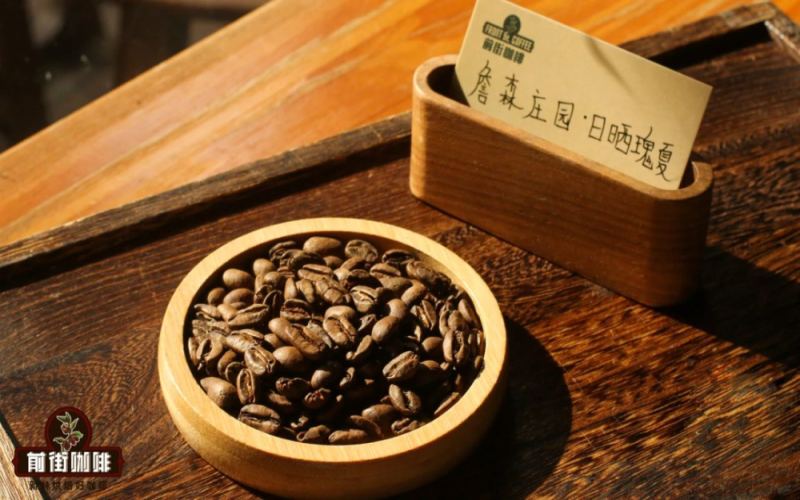
Panama Janson Estate Geisha Coffee Siphon Brewing Full Process and Parameters Detailed Guide
Geisha coffee is known as the "Champagne of the coffee world," and Panama's Janson Estate is a key origin of this legendary variety. This article focuses on Front Street Janson Geisha, first introducing its growing region environment, flavor characteristics, and the estate's ecological philosophy, then providing a complete illustrated step-by-step demonstration of how to brew Geisha with a siphon, including key parameters such as equipment preparation, water temperature control, timing of adding coffee grounds, stirring rhythm, and backflow technique. Whether you want to learn the origin story of Geisha or hope to master the specific techniques for extracting Geisha with a siphon, you will find practical reference here. [more…]

How can you tell coffee bean processing methods apart? Start with silver skin residue and cupping flavors to quickly distinguish natural, washed, honey, and wet-hulled methods
Many coffee enthusiasts hope to determine a coffee bean's processing method simply by observation or tasting, and there is actually a method to this. Drawing on Front Street's practical experience, this article systematically sorts out the classification logic of common processing methods: the globally universal washed and natural methods, as well as the region-specific Indonesian wet-hulled method and Central and South American honey process. The article focuses on how to quickly distinguish processing methods by observing the remaining silver skin on roasted beans, the white line in the bean crease, and the degree of caramelized sugar staining, while also using examples from producing regions such as Yirgacheffe to explain the differences between natural and washed coffees in flavor layering, sweetness, and cleanliness, and extending to the flavor logic of anaerobic processing, helping you build a practical framework for discernment. [more…]

A New Hand-Brew Method Without Blooming: The Principles, Parameters, and Practical Points of the One-Pour Brewing Technique
Pour-over coffee usually starts with blooming, but Tetsu Kasuya, the 2016 World Barista Champion, proposed in 2019 a brewing method that skips blooming entirely—the one-pour method. It may look similar to the single-pour technique, but the differences are clear: the single-pour technique splits the water into two pours, while the one-pour method pours all the hot water in at once. This article covers the principles of the one-pour method, its differences from the single-pour technique, equipment and bean selection, grind adjustment, pouring direction, and the full process of Front Street Coffee's hands-on practice with a Colombia · Hope Estate Geisha, providing key parameters such as dose, ratio, water temperature, grind, and time to help you decide whether this minimalist brewing method suits you. [more…]

Flavor Analysis and Pour-Over Parameters Guide for Colombia San Caldas San José Estate Oak Barrel Fermented Coffee Beans
In the world of specialty coffee, barrel-fermentation processing has attracted much attention in recent years, and the pioneer of this technique was not Honduras' Moca estate, but rather El Finca San José in Colombia's San Caldas region. In a moment of inspiration, the estate's third-generation female owner placed green coffee beans into rum oak barrels for low-temperature fermentation. After repeated experiments, she ultimately created the distinctive rum barrel-fermented coffee. This article will guide you through the background of Finca San José, the birth of barrel fermentation, the origins of the Castillo variety, and Front Street Coffee's pour-over performance and brewing recommendations for this bean at different water temperatures, helping you gain a more comprehensive understanding of this uniquely flavored Colombian specialty coffee. [more…]
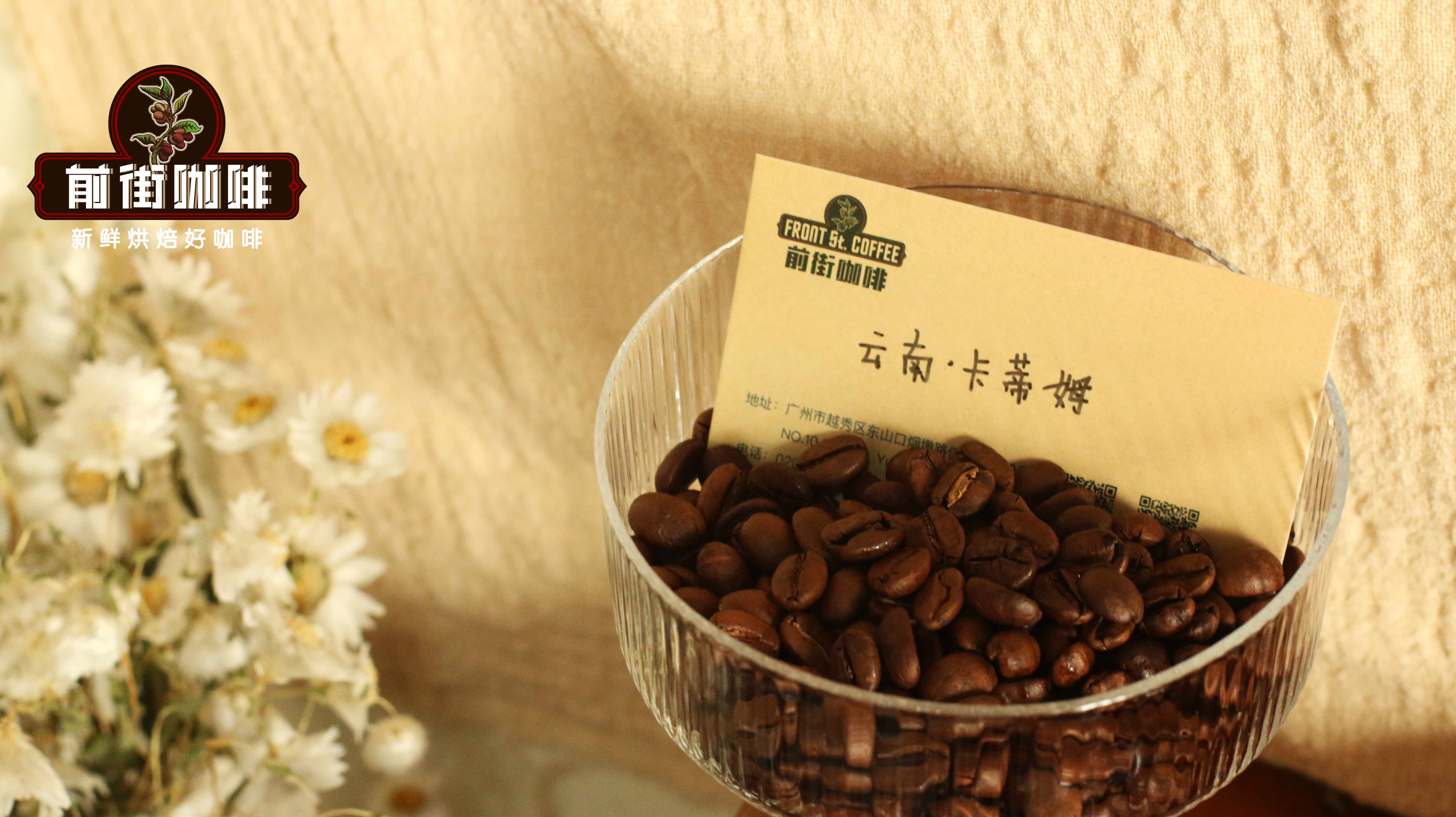
How Does Typica Differ from Catimor? A Comparative Analysis of the Varietal Flavors and Brewing of Yunnan Baoshan Coffee Beans
In the Yunnan coffee market, the Catimor variety accounts for the vast majority. To mask some of Catimor's inherent flaws, many producers turn to special processing methods to reshape the flavor, but Front Street Coffee has always held that relying on processing methods to alter coffee's performance is not a sustainable strategy—consumers mostly approach special processing methods with a curiosity for novelty, while traditional processing methods are what they are truly willing to accept long-term. If traditional processing methods are applied to Catimor, it can also present a pleasantly enjoyable cup after brewing. So how can the public be left with a good impression when drinking traditionally processed Yunnan coffee? The answer is to start from the source—the variety. At its Baoshan estate in Yunnan, Front Street primarily cultivates Typica, precisely in the hope of leading by example and driving a transformation in the image of Yunnan coffee. This article will compare the actual differences between the two varieties, Typica and Catimor, from multiple angles including cultivation yield, estate environment, and brewing flavor. [more…]