







Search Results for: Hollow Ice
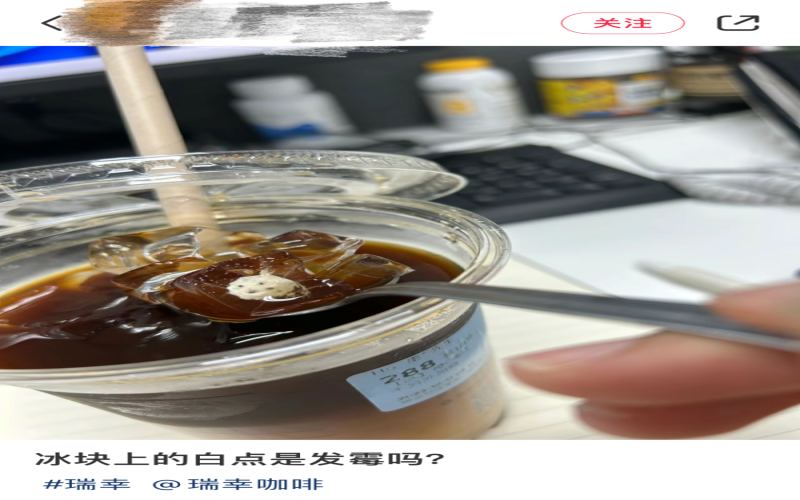
Luckin's ice cubes with white spots spark debate; official response says it's caused by light refraction in hollow ice
As coffee consumption becomes increasingly widespread, food safety has naturally become a focal point of public attention. Recently, a post circulating on social media questioned whether the white spots on ice cubes in beverages were mold, quickly sparking heated discussion among netizens. In response, Luckin officially stated that the ice cubes have a hollow structure, and when preparing drinks, air or foam enters the grooves, causing light refraction that visually appears as white spots, which disappear after stirring. Meanwhile, an on-duty barista came forward to detail Luckin's ice machine cleaning procedures and handwashing standards, vigorously proving that the store's hygiene standards are strict. Whether this incident stems from consumer misunderstanding or hidden hygiene risks, opinions vary. Front Street will also continue to monitor food safety developments in the coffee industry, providing reliable information for enthusiasts. [more…]

The Art of Adding Ice in Iced Coffee Making: A Full Analysis of Cooling, Aroma Locking, and Ratio Techniques
Whether iced coffee tastes good often hinges on the step of adding ice. Ice is not just a cooling tool; it also locks in aroma and maintains a cold mouthfeel. How much ice to add, what kind of ice to choose, and how to ratio different coffees—these questions trouble many enthusiasts. Drawing on Front Street Coffee's practical experience, this article first explains the three major functions of ice in coffee, then analyzes the differences between solid and hollow ice, and between large and small ice, and finally provides specific ice-adding plans for iced Americano, iced latte, iced pour-over, and cold brew/ice drip, helping you make consistently delicious iced coffee at home. [more…]
Panama Elida ASD Anaerobic Low-Temperature Slow Natural Geisha: Four Pour-Over Brewer Methods and Flavor Comparison
Front Street recently acquired a Geisha coffee bean from Elida Estate in Panama, processed using the NATURAL-ASD anaerobic fermentation low-temperature slow sun-drying method—the same process used for this year's Panama BOP champion Geisha in the processing category. After the beans were properly rested, we tested brewing with a hollow filter cup, Ice Eye filter cup, cake filter cup, and diamond filter cup, standardizing the parameters to 15 grams of coffee, medium-fine grind, 90°C water temperature, and a 1:15 coffee-to-water ratio, recording the extraction time and flavor performance for each filter cup. Elida Estate is renowned for its sun-dried processing, and this ASD Geisha shines in fermentation aroma, juicy mouthfeel, and layered tea-like notes. Below, we share four specific brewing recipes and comparison results for coffee enthusiasts' reference. [more…]

How Much Ice Makes an Authentic Iced Americano? A Deep Dive into the Secret Behind Coffee Shop Ice That Resists Melting
When drinking iced coffee, have you ever agonized over how much ice to add and how to add it properly? In fact, ice in iced coffee is far more than just a way to cool things down—it also plays multiple roles, such as locking in aroma, maintaining a low temperature, and balancing concentration. Starting from the principles behind how ice works, this article breaks down in detail the differences between solid ice and hollow ice, the advantages of refrozen ice, and, for different categories such as iced Americano, iced latte, iced pour-over, and cold brew and ice drip, provides specific ice-to-coffee ratios and Front Street brand recommendations to help you make a cup of iced coffee at home that isn't watered down and has plenty of aroma. [more…]
The window for delicious iced coffee starts with the roast date
Iced coffee is very sensitive to the freshness of the beans. Low temperatures hold back some of the aroma, and ice further dilutes the concentration. If the beans are still in an intense degassing phase, the cup can easily show sharp acidity and a thin, hollow mouthfeel; if left too long, the floral and fruity notes and sweetness gradually fade. When selecting beans, besides looking at the flavor description, also pay attention to the roasting [more…]

Moka Pot Milk Coffee Tutorial | Can a Moka Pot Make Espresso? How to Brew Black Coffee with Crema Using a Moka Pot? Introduction to the Moka Pot Coffee Extraction Principle and Coffee-to-Water Ratio
We all know that a moka pot can brew delicious coffee, but we don't know whether it counts as espresso, and if it doesn't, what's the difference between the two. Today Front Street Coffee will compare the similarities and differences between the two for everyone. The moka pot can make such delicious espresso, so let's take a look at the moka [more…]
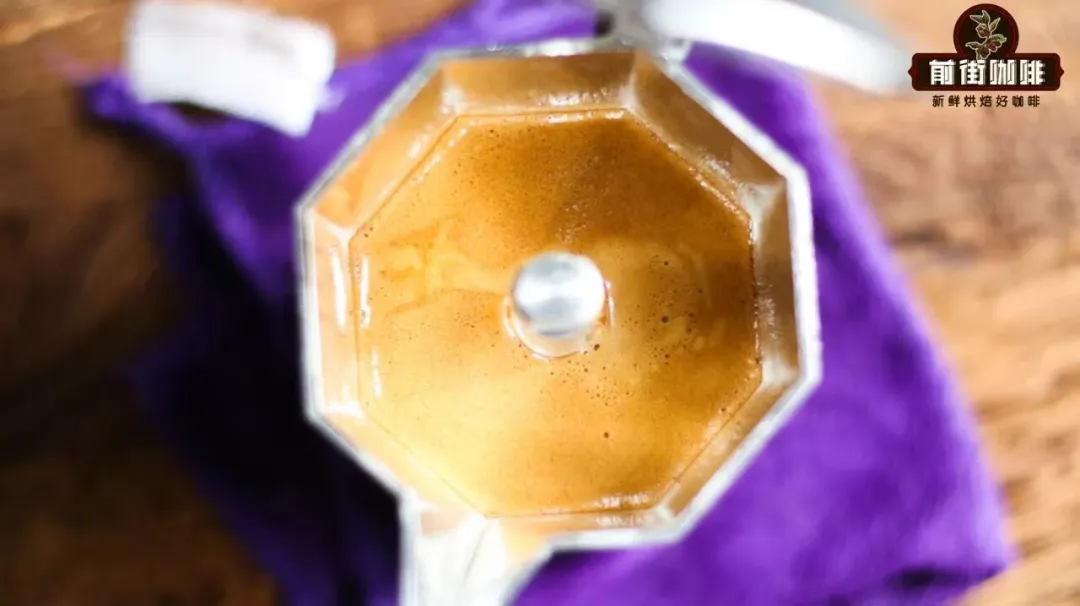
Coffee Basics | What is the coffee extraction principle of a Moka pot? How can coffee beginners use a Moka pot to make espresso-style black coffee? What are the pros and cons of a Moka pot?
Espresso is a coffee with a very long history and the soul of all coffee drinks. In fact, besides a semi-automatic espresso machine, there is another device that can make espresso: the moka pot. Below, Front Street Coffee will introduce it to you: the moka pot. What is a moka pot? Since the moka pot [more…]

How to Extract Rich Crema with a Moka Pot? A Complete Analysis from Equipment Structure to Practical Steps
To make espresso with golden crema at home, a moka pot is an extremely cost-effective choice. This article will start with the invention background, structural principles, and the differences between single-valve and double-valve moka pots, explain in detail its coffee extraction mechanism along with its pros and cons, and list the required tools and the complete brewing process. It will also recommend Front Street specialty blend coffee beans as a pairing option, include key operating points and precautions for every step from adding water and loading grounds to heating and extraction, and finally share drinking methods such as Americano, latte, and Vietnamese coffee, helping coffee lovers easily recreate a rich and full-bodied Italian-style coffee at home. [more…]
The Complete Moka Pot Guide: From Extraction Principles to Operational Details, Easily Make Espresso with Crema at Home
To enjoy rich, aromatic espresso with golden crema at home, besides a semi-automatic espresso machine, there is a more accessible option—the moka pot. This small device, born in Italy in 1933, uses steam pressure to extract coffee with a flavor close to Espresso. This article starts with the history and structure of the moka pot and the difference between single-valve and dual-valve models, then explains in detail its pros and cons, extraction principles, and complete brewing steps, along with precautions and various ways to drink it. The article recommends coffee beans suitable for the moka pot, such as Front Street Coffee House Blend and Queen's Estate SOE, to help you find the right choice for opening a shop or daily personal enjoyment. [more…]

Coffee Equipment | Why don't coffee shops use moka pots to make single-origin coffee? What is the principle behind moka pot coffee extraction?
As coffee has entered people's view and gradually become a part of life, the ways of enjoying coffee are no longer limited to the joy brought by pour-over. There are many ways to make coffee; besides the simple pour-over, there are also espresso, cold brew, siphon, and other methods~ Perhaps you often [more…]
Cold brew and ice drip bean selection: light, medium, and dark roasts each have their own delicious methods
Both cold brew and ice drip extract coffee flavors at low temperatures and slowly, making the roast level an important clue for judging the cup. Light-roasted beans tend to retain vivid fruity notes, medium-roasted beans show more sweetness and smoothness, while dark-roasted beans bring cocoa, nutty notes, and a deep, steady body. First decide whether you prefer something refreshing or rich, then choose from [more…]
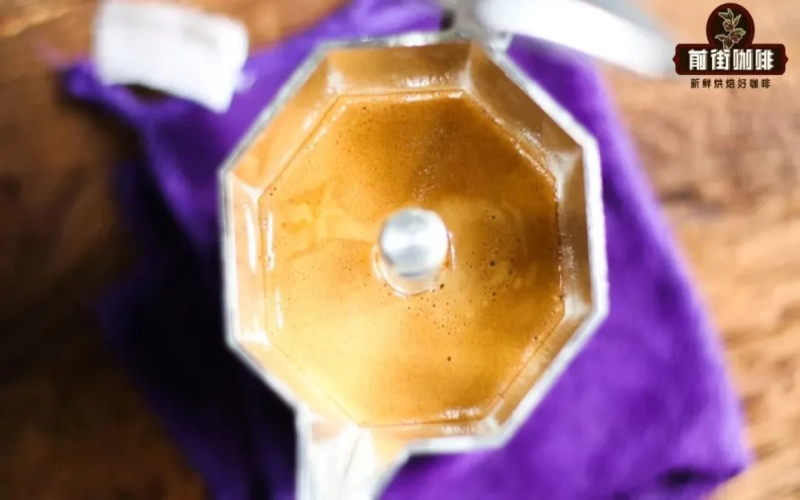
Moka Pot Beginner's Guide: From Structure and Principles to Step-by-Step Operation, Making Espresso at Home with Household Equipment
The moka pot is one of the most common espresso brewing tools in Italian households, using steam pressure to easily extract rich coffee at home. This article starts with the invention background, structural composition, and the difference between single-valve and double-valve moka pots, then provides a detailed analysis of its extraction principle, along with a blend bean recommendation from Front Street Coffee and complete brewing steps. Whether you are a beginner just getting into coffee or a seasoned enthusiast looking for a portable device, you can learn about the advantages and limitations of the moka pot, master the correct usage, avoid common mistakes, and make a cup of espresso with golden crema. [more…]

After the Roast Date: A Flavor Calendar for Pour-Over Beans That Are Neither Sour Nor Bitter
When coffee beans have just left the roaster, they are still continuously releasing carbon dioxide internally, and their aromas do not fully unfold right away. If you grind them too early for pour-over, the coffee bed tends to puff up, and the degassing also disturbs the water flow, so the cup may taste both hollow and harsh. If you want to drink a cup where both the acidity and bitterness are mellow, the key is not to chase the roast date and open the bag on the same day, but to let the beans [more…]

Why Does Coffee Shop Ice Melt More Slowly? A Complete Guide to Hand-Brewed Ice—from Ice Machines to Choosing the Right Ice Type
When drinking iced Americano, have you ever noticed that the ice cubes at coffee shops always seem to melt more slowly than the ones at home? From equipment differences to ice cube shape, and even the actual amount used, every detail affects the taste and staying power of cold coffee. Starting from the role of ice cubes, this article analyzes the differences between commercial ice machines and household refrigerators, explains why coffee shops tend to use smaller, more uniformly shaped ice cubes, and also shares the reasons Front Street Coffee insists on using refrigerator ice along with actual comparison tests. If you want your iced pour-over to cool down properly without being overly diluted, the answer you're looking for may be here. [more…]
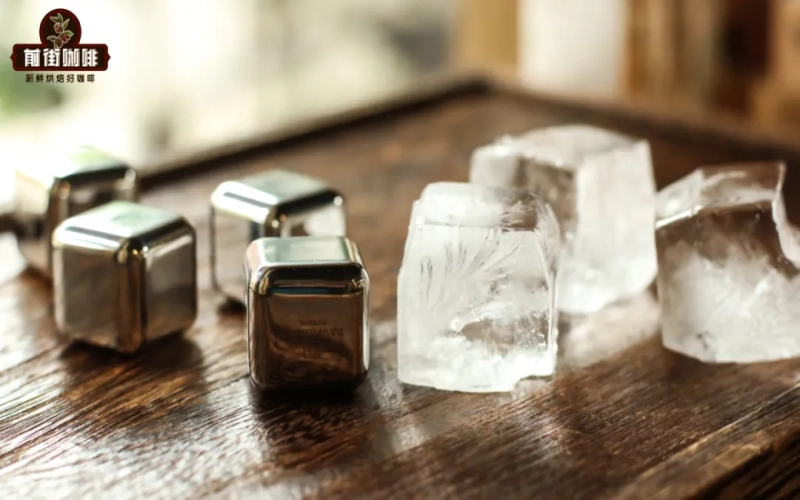
Replacing Regular Ice with Stainless Steel Ice Cubes for Iced Pour-Over? Front Street Tests Cooling Effect and Flavor Differences
On a scorching summer day, you want to drink iced pour-over but worry the flavor will be watered down, so a friend suggests: use stainless steel ice cubes to cool down hot pour-over—wouldn't that give you both full flavor and a refreshing chill? This idea sounds beautiful, but through comparative experiments, Front Street Coffee found that although stainless steel ice cubes can preserve coffee concentration, they fall short of traditional ice cubes in temperature and mouthfeel. This article documents in detail the parameter differences between regular iced brew and the experimental iced brew with stainless steel ice cubes, the actual measured temperature results, and the inherent shortcomings of stainless steel ice cubes—slow cooling and not cold enough—to help you decide whether they are worth using in iced pour-over. [more…]

The Roasting Code of Sweet Americano: From Bright Light to Mellow Depth
Even with black coffee, the roast level of the beans pushes sweetness in different directions. A light roast is more like fresh fruit, bright and lively on the palate, suited to those who enjoy a crisp taste; a medium roast brings out syrupy, ripe-fruit and tea notes, rounder overall; a medium-dark roast relies on cocoa, nut and caramel-like aromas to build body. To make a sweet americano, you can [more…]
The flavor window for home-use American-style beans: enjoy them this way after opening
The reason home-brewed American coffee tastes good often doesn't depend solely on the bean's origin and flavor description, but also on what stage it's in. Freshly roasted beans need to release carbon dioxide, while leaving them too long causes them to gradually lose aroma. When buying beans, check the roast date clearly; when drinking them, arrange your rhythm according to their changes—often this matters more than simply chasing "the fresher [more…]
How to Choose Honey-Processed Coffee Beans: Flavors and Brewing Methods from Light to Dark Roast
The charm of honey-processed coffee beans often lies in the connection found between fruity aromas, sweetness, and a mellow mouthfeel. After the pulp is removed, part of the mucilage layer on the surface of the coffee fruit is retained, and through drying, sweetness and fermented notes may enter the flavor profile. Depending on the roast level, this sweetness can present itself in floral-fruity, juicy, or caramel directions. [more…]
What roast level should you choose for a latte? Exploring flavors from light to dark roast
The core of a latte is espresso and milk, and the roast level of the beans determines how prominently the coffee comes through in the milk. Light roasts tend to retain livelier acidity and fruity notes, medium roasts easily bring out sweetness and a rounder mouthfeel, while dark roasts lean toward cocoa, nutty, and roasted aromas. If you want to choose with ease, you can first determine whether you want your latte to be more [more…]

Choosing Dark Roast Beans by Roast Level: A Bean Selection Approach from Black Coffee to Milk Coffee
The charm of dark roast beans lies in their aroma shifting from floral and fruity notes to cocoa, roasted, nutty, and caramelized sweetness, with a cup that is usually deeper and more grounded, and a texture that feels more substantial. It suits the moment in the early morning when you need a hearty cup of black coffee, and it also works well with milk to make a latte. If you do not particularly care for pronounced acidity, dark roast will be an easy one to grow fond of. [more…]