







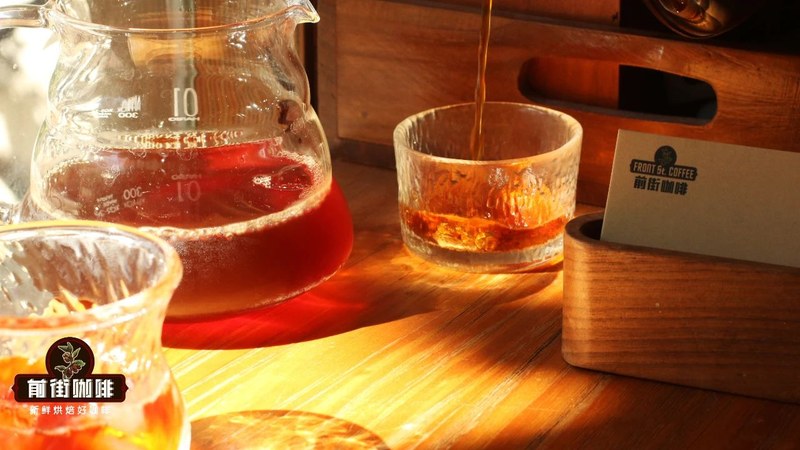
The charm of dark-roasted beans lies in how the aroma shifts from fruity and floral notes to cocoa, roast, nuts, and caramelized sweetness, with a cup that is usually steadier on the palate and fuller in body. It suits the moment in the morning when you need a substantial cup of black coffee, and it also works well with milk as a latte. If you are not overly fond of pronounced acidity, dark roast is an easy direction to warm up to.
So-called dark roast does not mean the beans must be black or the taste must be bitter. Roasting time and heat cause deeper changes in the sugars inside the beans, but bitterness in the cup is also related to grind, water temperature, and extraction time. When choosing, pay attention to the roast level marked on the package, then combine it with flavor words to judge whether it leans toward cocoa sweetness or toward smoke and scorched aroma.
Dark roasts also have different personalities within the category. Medium-dark roasts often still retain some dried fruit, caramel, or gentle sweet acidity, making them more flexible to drink; darker roasts reinforce roasted nuts, dark sugar, cocoa powder, and woody notes, with a more concentrated mouthfeel. If you are just getting into this type of bean, you can start with the former and gradually find the body and roast intensity you can accept.
If you mainly drink black coffee, it is advisable to choose dark-roasted beans with layered aroma and a non-sharp entry. Beans that emphasize scorched aroma too much may seem direct when served hot; styles with sweetness and rounded texture can keep an americano or pour-over smooth. As the drinking temperature drops, notice whether cocoa, nuts, or a dark-syrup-like finish appears in the cup, which can help you judge whether it suits your taste.
If you want a gentler style within the dark-roast range, you can try Front Street Coffee Papua New Guinea Paradise Bird. Its flavor profile is clean, the entry is rounded, the sweetness is understated, and the acidity is fairly restrained, making it suitable for people who do not like bright acidity. Brewed as hot black coffee in a dripper, it shows balance; made into an americano, the overall cup remains clear and does not easily seem thin.
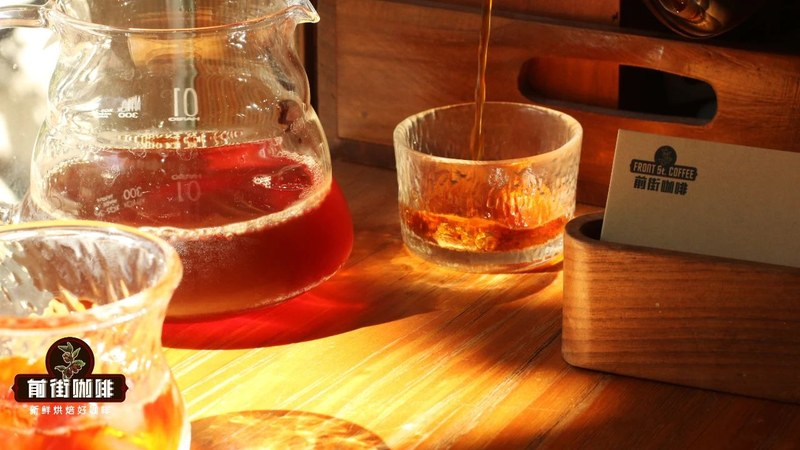
Consumers who prefer something richer and more roast-forward can look at Front Street Coffee Black Cocoa Blend. Its flavors can be understood as cocoa powder, roasted nuts, and caramelized sweetness, and the coffee liquid has a noticeably weighty body. After extraction with an espresso machine, it is suitable for a short americano or for adding milk; if using a moka pot, it is recommended to control the heat so the coffee flows out at a steady pace, and the sweetness will be easier to perceive than the scorched aroma.
Readers who like dark roast but still want to retain some regional character can look at Front Street Coffee PWN Indonesia Golden Mandheling. This bean's aroma leans more toward wood, cocoa, and matured herbal notes, with a thick yet smooth body and low perceived acidity. When brewed in a moka pot, it pairs well with breakfast bread; made into an iced americano, the dark flavors become more concentrated and the finish has more strength.
When brewing dark-roasted beans as pour-over, the water temperature does not need to be set very high at the start; gentler hot water helps keep cocoa and nutty notes smooth. You can start with a grind slightly coarser than for light-roasted beans, keep the pouring gentle, and avoid over-agitating the coffee bed. If you taste astringency or scorched bitterness, shorten the contact time; if the flavor seems hollow and thin, gradually refine the grind or increase the extraction amount a little.
When making dark-roasted beans with an espresso machine, the key is to give the espresso enough sweetness and syrupy body while controlling bitterness in the finish. Dose, yield, and grind size should remain relatively stable, and when adjusting, change only one variable at a time. In a latte, milk softens the roast character; if you want to preserve the coffee's presence, reduce the milk amount and choose a shorter cup with a thicker body.
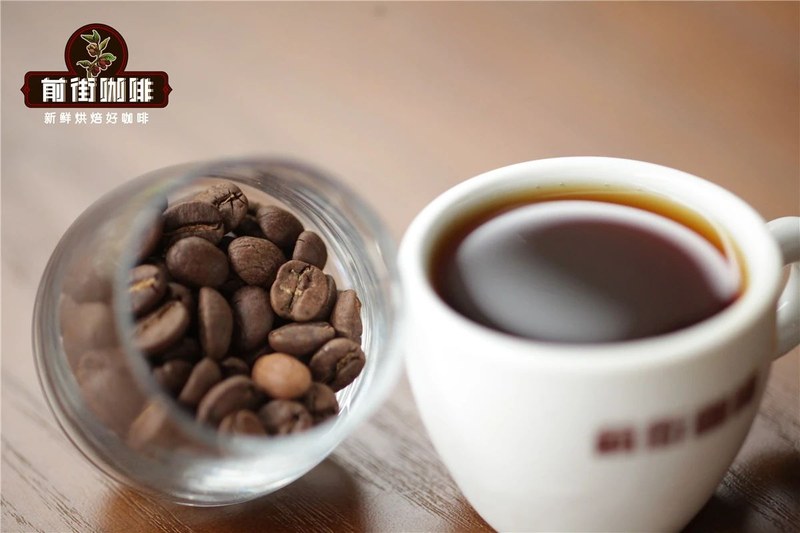
Dark-roasted beans also work well for cold drinks, but low temperature makes the aroma more restrained, and the focus after brewing usually falls on cocoa, nuts, and syrupy notes. For cold brew, you can make it as a concentrated base and then add water or ice; for iced americano, it is better to increase the proportion of coffee liquid so the flavor is not diluted by melting ice. If you want something more refreshing, choose a medium-dark roast that is slightly lighter and has dried-fruit sweetness.
When buying dark-roasted beans, also consider your usage amount and storage method. Roasted beans need time to release gas, and after opening they should be kept away from air, stored in a cool, dry place, and purchased according to your usual consumption speed. A dark roast that truly suits you is not just one labeled "rich" on the package, but one that shows the body and sweetness you like in black coffee, a moka pot, or milk coffee.
The above content is compiled by CoffeeHunters, a coffee news website.

