







Search Results for: Hacienda La Esmeralda Geisha
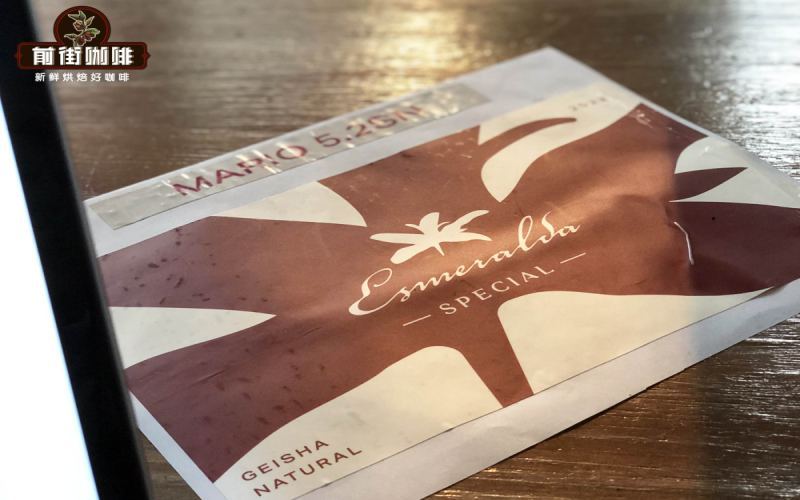
A Complete Guide to Hacienda La Esmeralda Geisha Grades: Distinguishing Red, Green, and Blue Labels and Their Flavor Profiles
Geisha coffee is the crown jewel of today's specialty coffee world, and the Geisha produced by Panama's Hacienda La Esmeralda is regarded as the industry benchmark. In 2004, Hacienda La Esmeralda took first place in the BOP competition with a light-roasted Geisha, forever changing the fate of Panamanian coffee. This article systematically reviews Hacienda La Esmeralda's Geisha product grading system, explaining in detail the differences in definition, plot origin, and flavor expression among the Red Label, Green Label, and the discontinued Blue Label. It also introduces Hacienda La Esmeralda's three sub-estates and their small plot divisions, and includes Front Street Coffee's brewing suggestions and product information, helping coffee enthusiasts gain a comprehensive understanding of this legendary variety. [more…]
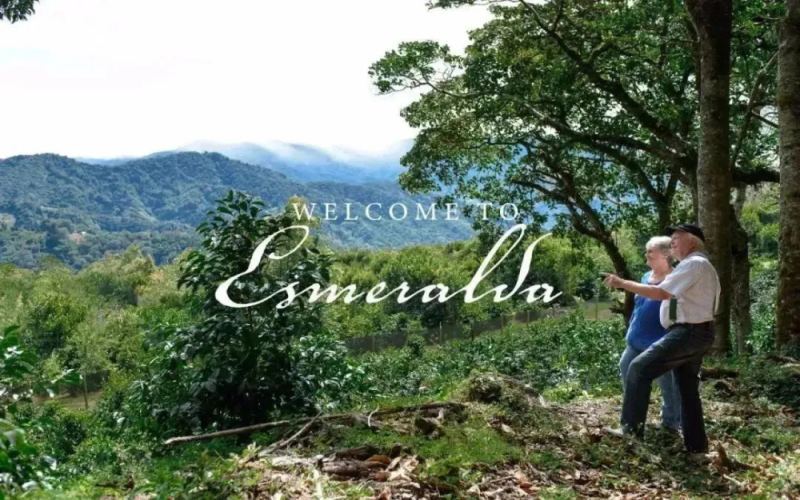
A Complete Guide to Hacienda La Esmeralda Geisha Grades: Why Was Blue Label Geisha 1500 Discontinued? What's the Difference Between Red, Green, and Black Labels?
Hacienda La Esmeralda in Panama, with its unique vision, discovered the potential of the Geisha variety, and through the Best of Panama (BOP) competition, made Geisha an overnight sensation. Since then, the Geisha produced by Hacienda La Esmeralda has remained a hot topic in the coffee world, with terms such as Red Label, Green Label, and Blue Label (Geisha 1500) frequently appearing. However, in recent years, "Geisha 1500" has gradually faded from view—why did it disappear? How many grading systems does Hacienda La Esmeralda currently have? This article will start with the layout of the estates under Hacienda La Esmeralda, systematically explain the grading logic and traceability rules of brands such as Red Label, Green Label, Black Label, and Diamond Mountain, and clarify the ins and outs of the discontinuation of Blue Label Geisha, helping coffee enthusiasts understand the full picture of Hacienda La Esmeralda's Geisha product line. [more…]
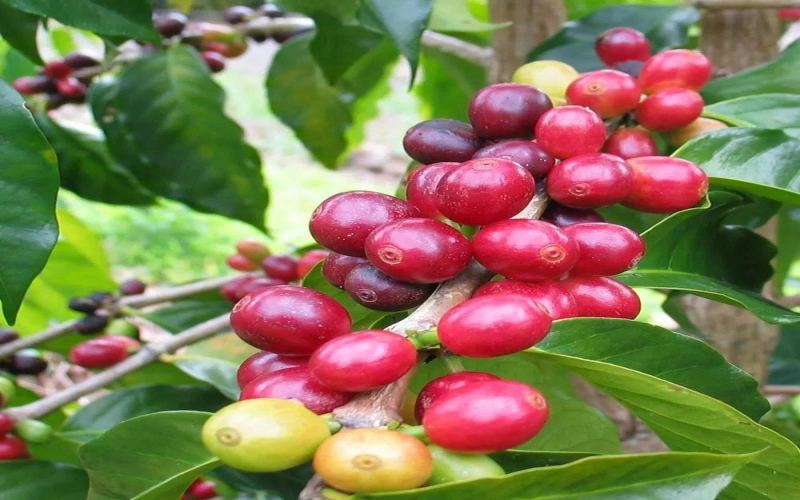
A Detailed Guide to the Grade Classifications and Flavor Differences of Panama Hacienda La Esmeralda Geisha Coffee Beans: Red Label, Green Label, and Blue Label
Geisha coffee has been highly sought after in the global specialty coffee scene in recent years, and the Geisha produced by Hacienda La Esmeralda in Panama is the benchmark among them. Faced with the different grades of Esmeralda Geisha on the market—Red Label, Green Label, Blue Label, and others—many coffee lovers are often confused: What exactly are the differences between them? Which one suits them better? This article begins with the history of Hacienda La Esmeralda, then sorts out in detail the grading criteria, growing altitudes, processing methods, and flavor characteristics of the three major grades—Red Label, Green Label, and Blue Label—and includes Front Street Coffee's brewing suggestions and flavor descriptions for each grade, helping you find the Geisha that suits you best. [more…]
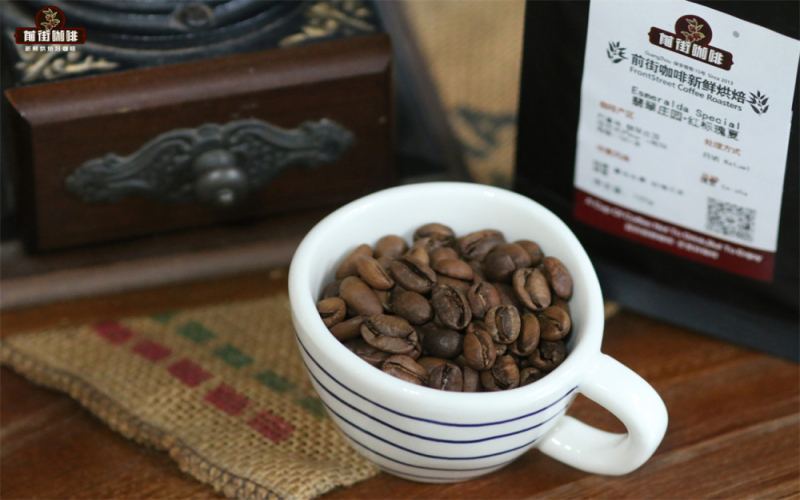
Analysis of the Grading Standards and Flavor Comparison of Panama Hacienda La Esmeralda Geisha Red, Green, and Blue Labels
Panama's Hacienda La Esmeralda Geisha coffee has been highly sought after in the specialty coffee world in recent years, but many coffee enthusiasts are confused when faced with its three grades: Red Label, Green Label, and Blue Label. What exactly do these three labels represent? What are the differences among them in altitude, plot, processing method, and flavor? This article starts with the history of Hacienda La Esmeralda and provides a detailed breakdown of the grading standards for Red Label (Esmeralda Special), Green Label (Private Collection), and Blue Label (Geisha 1500), along with their corresponding production plots and cupping performance. Combined with Front Street Coffee's brewing recommendations and flavor descriptions, it helps readers make a suitable choice based on their own needs. [more…]
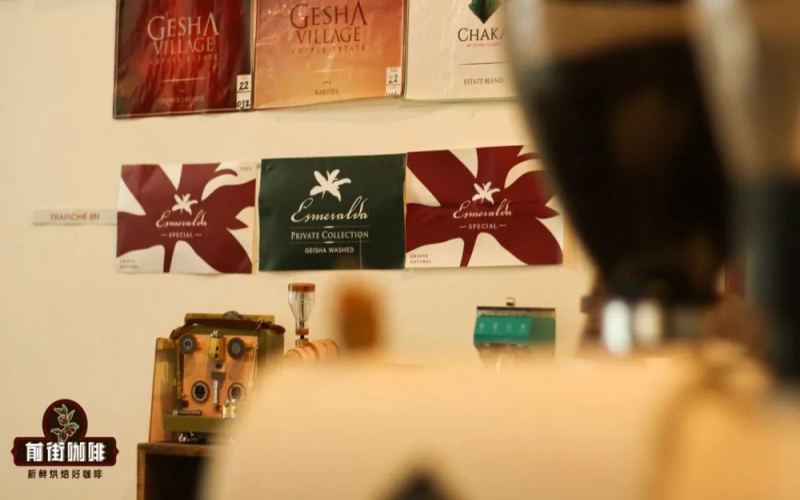
A Detailed Guide to Panama Hacienda La Esmeralda Geisha Coffee Grades: How Exactly to Choose Between Red Label, Green Label, and Blue Label
Geisha coffee has been highly sought after in the specialty coffee world in recent years, and the Geisha produced by Panama's Hacienda La Esmeralda is the benchmark among them. But when faced with the three grades—Red Label, Green Label, and Blue Label—many coffee enthusiasts often do not know where to start. What exactly do these three labels represent? What standards are they divided by? How big are the differences in flavor and price? This article will guide you through a systematic understanding of Hacienda La Esmeralda's Geisha grading system, breaking down everything from the estate's history, plot origins, and altitude to cupping performance, while also including Front Street Coffee's brewing suggestions and flavor descriptions to help you find the Geisha that suits you best. [more…]
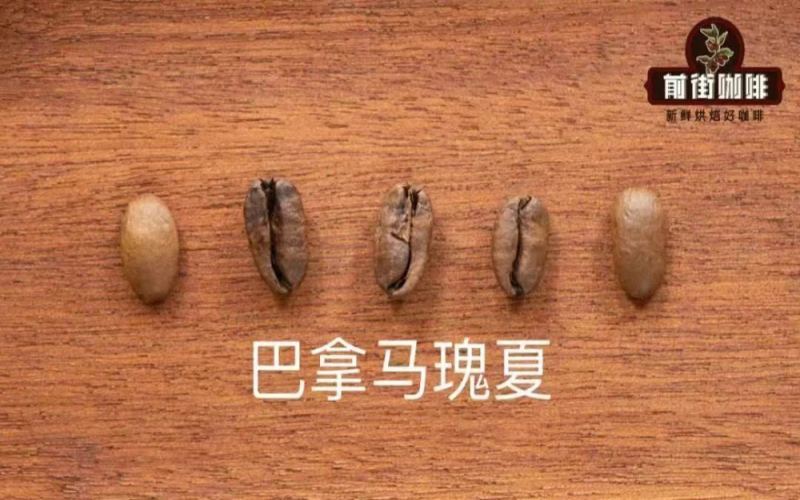
An In-Depth Guide to Geisha Coffee: Decoding the Red, Green, and Blue Label Classifications of Hacienda La Esmeralda and a Flavor Analysis
Geisha coffee is hailed as the king of coffee, and the Geisha produced by Panama's Hacienda La Esmeralda is the benchmark among them. This article systematically sorts out the origin of the name Geisha coffee, its stringent growing conditions, and Hacienda La Esmeralda's legendary journey from accidental discovery to winning the world championship. It focuses on interpreting the three grades of Hacienda La Esmeralda Geisha—Red Label, Green Label, and Blue Label (including the subsequent replacement lot "Volcanic Rock")—explaining one by one each tier's altitude range, production plot, processing method, and flavor performance, and includes Front Street Coffee's brewing parameters and selection advice to help coffee enthusiasts fully understand the tasting system of this top-tier coffee. [more…]
Panama Geisha Coffee Guide: Comparing Price and Flavor of Hacienda La Esmeralda's Red Label, Green Label, and Volcanic Rock Series
Geisha coffee has already replaced Blue Mountain to become the top-tier variety that coffee enthusiasts worldwide are eagerly chasing. This article will take you deep into the Geisha legend of Panama's Hacienda La Esmeralda—from its stunning 2004 BOP championship victory that made the world take notice, to the positioning and differences of today's three product lines: Red Label, Green Label, and the volcanic rock Las Rocas. The article not only traces Geisha's spread from Ethiopia to Panama, but also provides a detailed comparison of the similarities and differences between Red Label (Esmeralda Special) and Green Label (Private Collection) in terms of altitude, plot traceability, and flavor performance, and introduces the specific information on Front Street Coffee's offerings of Hacienda La Esmeralda Red Label Natural, Green Label Washed/Natural, and volcanic rock Washed Geisha. Finally, Front Street's recommended medium-light roast Geisha pour-over recipe is included, featuring a V60 dripper, 92°C water temperature, a 1:15 coffee-to-water ratio, and a staged pouring technique, helping you fully unleash Geisha's floral and fruity charm. [more…]
The Development History of Panama Hacienda La Esmeralda Geisha Coffee Beans and How to Identify the Differences Between the Red, Green, and Blue Label Geishas
Geisha coffee occupies a pivotal position in the world of specialty coffee, and the Geisha produced by Panama's Hacienda La Esmeralda is the benchmark for this variety. This article begins with the origin of the name Geisha, reviews how Hacienda La Esmeralda transformed from a dairy-focused farm into a specialty coffee mecca, and how its 2004 BOP victory rewrote the history of specialty coffee. The article focuses on sorting out the grading criteria, altitude ranges, flavor profiles, and market positioning of Hacienda La Esmeralda's three product lines: Red Label, Green Label, and Blue Label, and introduces the emergence of the "Volcanic Rock" Geisha after the discontinuation of Blue Label. Front Street Coffee also shares Geisha coffee brewing parameters and suggestions to help readers fully understand this legendary variety. [more…]
Panama Hacienda La Esmeralda Geisha Coffee Beans: A Comprehensive Analysis of Variety Traceability, Cultivation History, and Flavor Achievements
Hacienda La Esmeralda is a legendary coffee estate in the Boquete region of Panama, and it is precisely here that the Geisha variety rose to the world stage. From the Peterson family's purchase of it in 1967 as a retirement ranch, to winning the BOP championship with Geisha in 2004 and setting an auction record of $21 per pound, Hacienda La Esmeralda has written a bold and colorful page in the history of specialty coffee. This article will sort through the estate's planting and development history, its main cultivated varieties, the terroir conditions of the Boquete region, and the signature flavors of jasmine, peach, and orange that Geisha presents, and will introduce Front Street Coffee's recommended products from various lots of Hacienda La Esmeralda, taking you through a comprehensive understanding of this world-class star estate. [more…]
The Complete Guide to the Differences Between Panama Hacienda La Esmeralda Geisha Red Label, Green Label, and Blue Label and Pour-Over Parameters
When Geisha is mentioned, the first name that comes to most people's minds is Hacienda La Esmeralda in Panama. In 2004, Daniel, the third-generation manager of Hacienda La Esmeralda, entered a Geisha bean with a distinctly different flavor profile in the BOP competition, forever changing the landscape of specialty coffee. Hacienda La Esmeralda's Geisha product line is divided into Red Label, Green Label, and the former Blue Label, each differing in plot source, altitude, and quality standards. This article will systematically review the development history of Hacienda La Esmeralda, the detailed plot divisions of its three sub-farms, and the core differences between Red Label and Green Label, while also including the pour-over Geisha parameters recommended by Front Street Coffee, to help coffee enthusiasts gain a comprehensive understanding of this legendary bean variety. [more…]
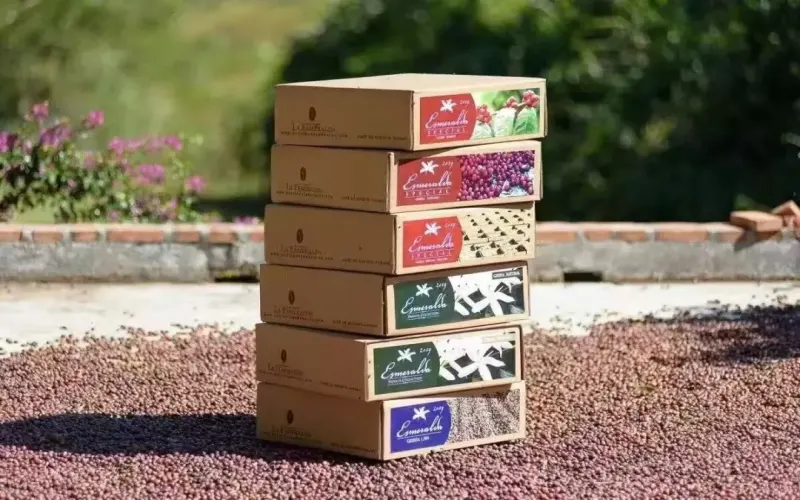
How Does Hacienda La Esmeralda Diamond Mountain Differ from Geisha? A Full Analysis of Variety, Flavor, and Price Differences
In addition to the renowned Red Label and Green Label Geisha, Hacienda La Esmeralda also has a much-watched product line—Diamond Mountain. Front Street Coffee's Tmall and Taobao flagship store also sells this bean, which makes many coffee enthusiasts wonder: both come from Hacienda La Esmeralda, so what exactly is the difference between Diamond Mountain and Geisha? This article will compare them from multiple angles, including coffee variety, growing region, and flavor performance, and share the actual cupping impressions of Front Street Coffee's Hacienda La Esmeralda Diamond Mountain and Front Street Coffee's Hacienda La Esmeralda Green Label Geisha under the same brewing parameters, to help everyone more clearly understand the respective characteristics of these two products. [more…]
A Detailed Explanation of Hacienda La Esmeralda Geisha Red, Green, and Blue Label Grades: From Auction Legend to Front Street Coffee Bean Selection Guide
In the specialty coffee world, Geisha is almost synonymous with top-tier flavor, and Panama's Hacienda La Esmeralda is the driving force behind bringing this variety to legendary status. From its breakout performance at the 2004 BOP competition to repeatedly breaking auction price records, Hacienda La Esmeralda has defined the benchmark for Geisha with its unique terroir and processing techniques. This article will systematically sort out the history and differences between Hacienda La Esmeralda's Red Label, Green Label, and Blue Label, decode the flavor secrets of the three major plots—Jaramillo, Cañas Verdes, and El Velo—and share Front Street Coffee's brewing suggestions for Red Label and Green Label Geisha, helping coffee enthusiasts fully understand this legendary bean variety. [more…]
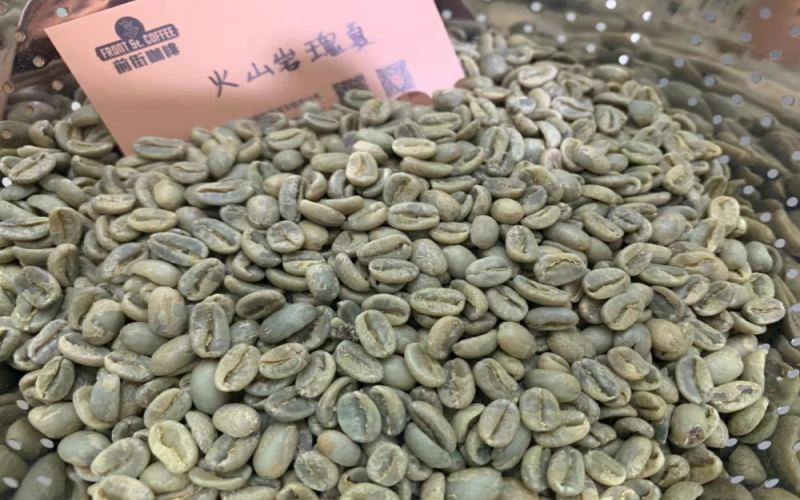
Hacienda La Esmeralda Blue Label Geisha Renamed Las Rocas? The Mystery of the Volcanic Rock Geisha Taking Over After 2021 Discontinuation
In October 2021, a Panamanian Boquete Geisha coffee bean called Las Rocas quietly arrived at port. Its packaging was exquisite, but behind it hid the secret of Hacienda La Esmeralda's discontinuation of its Blue Label Geisha. Why did Hacienda La Esmeralda cancel the Blue Label? Is Las Rocas the replacement for the Blue Label? Front Street takes you through the history of Blue Label Geisha, sorts out Hacienda La Esmeralda's Geisha grade classifications, plot distribution, and processing methods, and provides an in-depth analysis of the origins and story behind Las Rocas Volcanic Rock Geisha. Whether you are a Geisha enthusiast or a coffee professional, this article will unveil this mysterious new bean for you, letting you learn how to continue enjoying Hacienda La Esmeralda's Geisha flavors at an affordable price. [more…]
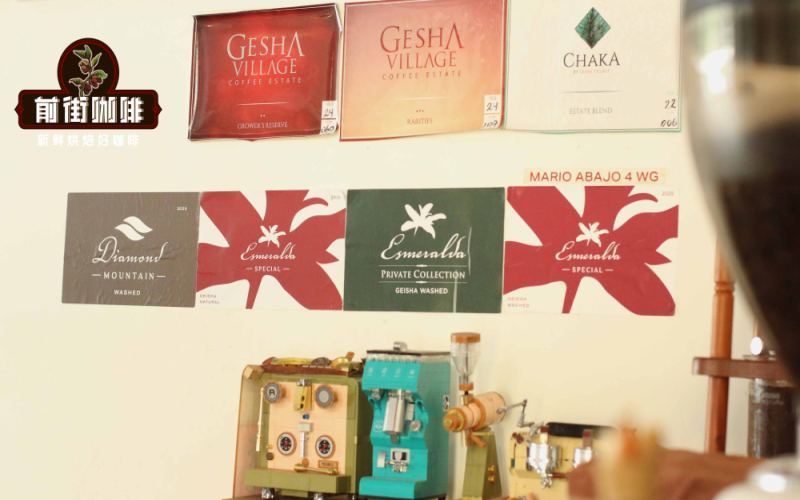
How to distinguish Hacienda La Esmeralda Geisha Red Label, Green Label, and Blue Label? The three grades, flavors, and buying advice
Hacienda La Esmeralda in Panama is the driving force behind Geisha coffee's rise to global fame, and the estate classifies its Geisha into three grades—Red Label, Green Label, and Blue Label—based on cupping performance and growing plots. These three differ in elevation, plot of origin, whether they participate in auctions, and flavor profile, and the price gaps are quite pronounced. In this article, Front Street Coffee sorts through the history of Hacienda La Esmeralda, its plot divisions, grading standards, and processing methods, and includes brewing parameters and flavor descriptions for three Geisha coffees, helping coffee lovers understand the grade differences and find the Geisha that suits them. [more…]

Panama Hacienda La Esmeralda Geisha Auction Mechanism and Analysis of the Red, Green, and Blue Label Grades
Hacienda La Esmeralda in Panama is the starting point from which Geisha coffee rose to global prominence, and the key driving force that propelled this variety to the pinnacle of specialty coffee. The estate not only established a strict quality grading system with Red Label, Green Label, and Blue Label tiers, but also brought its top lots global attention through an independent auction mechanism. This article provides a complete overview of Hacienda La Esmeralda's history, the plot divisions of its three farms, and the cupping standards and flavor characteristics of each grade of Geisha, along with Front Street Coffee's brewing parameters and flavor descriptions for the Red Label, Green Label, and Blue Label Geishas, helping coffee enthusiasts fully understand the operational logic and product differences of this legendary estate. [more…]
A Detailed Guide to Panamanian Coffee Bean Varieties, Flavors, and Processing Methods: From Hacienda La Esmeralda Geisha Grading to Red and Green Label Brewing Parameters
Panama is a representative producer of specialty coffee in Central America. Thanks to its unique terroir and refined estate management, it has given rise to the world-famous Geisha coffee. This article systematically reviews the altitudes and characteristics of Panama's four major coffee-producing regions, with a focus on the history of Hacienda La Esmeralda, its plot divisions, and the Geisha grading system, and provides a detailed explanation of the definitions, flavor profiles, and processing differences of Red Label and Green Label Geisha. It also includes Front Street Coffee's brewing recommendations and three-stage extraction parameters for Hacienda La Esmeralda Geisha, helping coffee enthusiasts fully understand the complete journey of Panamanian Geisha from origin to cup. [more…]
A Detailed Explanation of the Grade Classifications of Panama Hacienda La Esmeralda Geisha Coffee: Differences Between Red, Green, and Blue Labels and Cupping Flavors
Hacienda La Esmeralda in Panama is the discoverer and promoter of the Geisha flavor, and its original grading system classifies Geisha coffee into different grades such as Red Label, Green Label, and Blue Label according to altitude and cupping performance. From the perspective of Front Street Coffee, this article systematically reviews the four major brand systems of Hacienda La Esmeralda, explains in detail the origin, altitude, processing method, and flavor differences of Red Label (Esmeralda Special), Green Label (Private Collection), and Blue Label (Geisha 1500), and also introduces the climatic advantages of Panamanian coffee, the characteristics of Janson Estate and Hartmann Estate, as well as Front Street's roasting approach, brewing parameters, and cupping performance for three Geisha coffees, providing coffee enthusiasts with a complete guide to Geisha grades. [more…]
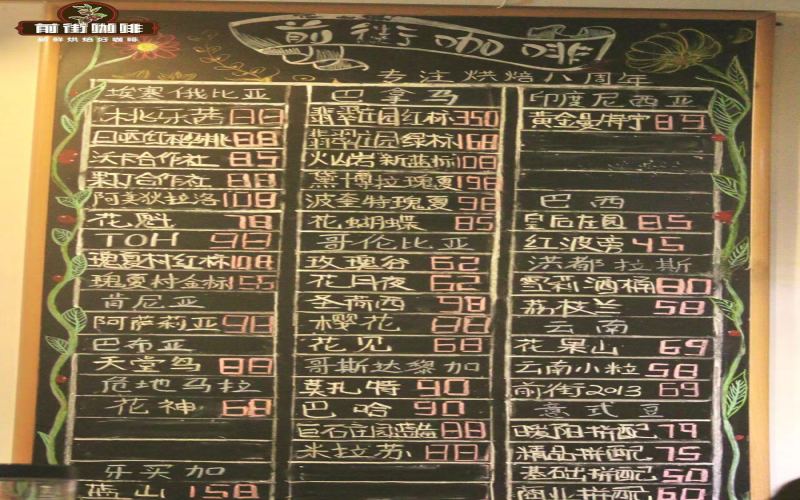
Detailed Guide to Panama Hacienda La Esmeralda Geisha Grades: Full Analysis of the Differences Between Red Label, Green Label, and Volcanic Rock Blue Label
Panama's Hacienda La Esmeralda Geisha coffee beans have always been the focus of the specialty coffee world, but faced with different grades such as Red Label, Green Label, and Blue Label, many coffee lovers often feel confused. What exactly do these "labels" represent? What are the essential differences between them? Is the more expensive Red Label necessarily better tasting? In this article, Front Street Coffee (FrontStreet Coffee) will take you deep into Esmeralda's Geisha grading system, from sub-farm distribution, altitude, and plot division to cupping standards, analyzing one by one the specific differences between Red Label, Green Label, and the new Volcanic Rock Blue Label, and sharing the brewing key points and flavor performance of light-roasted Geisha, helping you more clearly choose the Geisha that suits you. [more…]
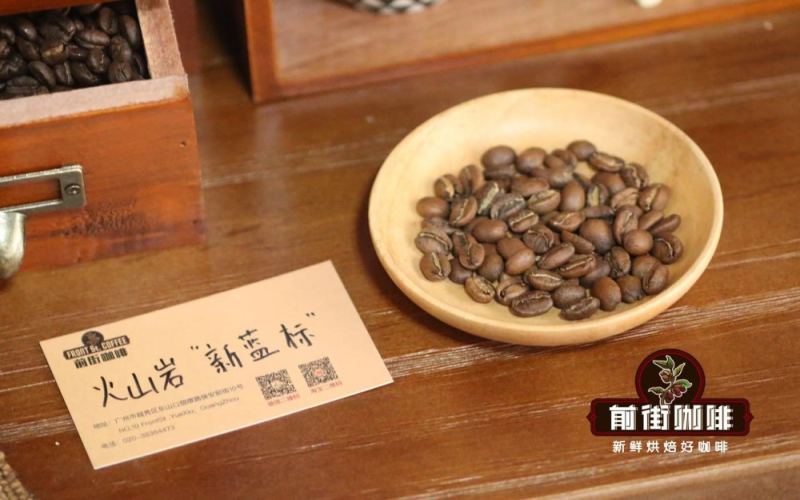
A Detailed Guide to Hacienda La Esmeralda Geisha Grades: Red, Green, and Blue Label Differences and Front Street Coffee Recommendations for Each Grade
Panama's Hacienda La Esmeralda Geisha coffee has always been the focus of the specialty coffee world, and its three grades—Red Label, Green Label, and Blue Label—each have their own distinctions. This article systematically sorts out Hacienda La Esmeralda's coffee grading system, analyzing in detail the specific differences between Red Label (Esmeralda Special), Green Label (Private Collection), and Blue Label (Geisha 1500, now discontinued) in terms of altitude, plot, processing method, and flavor. It also introduces the corresponding Red Label and Green Label product information from Front Street Coffee, and recommends an entry-level Front Street Coffee Boquete Geisha for beginners who are just getting to know Geisha. Whether you want to gain a deeper understanding of Hacienda La Esmeralda's marketing strategy and auction mechanism, or are looking for a Geisha coffee that suits your taste, this article can provide a clear reference. [more…]
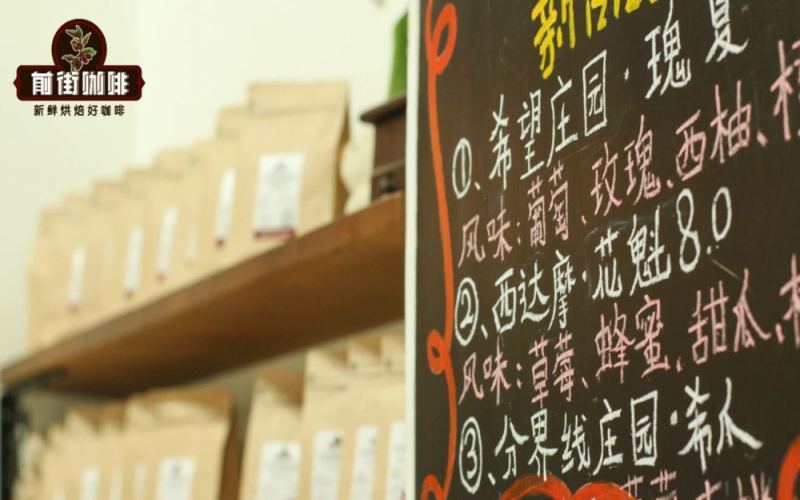
A Detailed Guide to Panama Hacienda La Esmeralda Geisha Grades: Flavor Differences and Brewing Guide for Red, Green, and Blue Labels
Geisha coffee beans got their name because their pronunciation is similar to the Japanese word for "geisha," but what truly made them famous is Hacienda La Esmeralda in Panama. From its breakout victory at the 2004 BOP competition to today's three major brand tiers—Red Label, Green Label, and Blue Label—Hacienda La Esmeralda has defined the flavor benchmark for top-tier Geisha through meticulous plot division and cupping standards. This article provides a complete overview of Geisha's varietal origins and spread, explains in detail the differences between Hacienda La Esmeralda's Red Label (auction lots), Green Label (reserve lots), and Blue Label (select lots) in terms of altitude, plot, processing method, and flavor, and includes Front Street Coffee's roasting curves and pour-over parameter recommendations for each Geisha tier, helping coffee enthusiasts build a clear framework for understanding Geisha. [more…]