







Search Results for: Ground Value
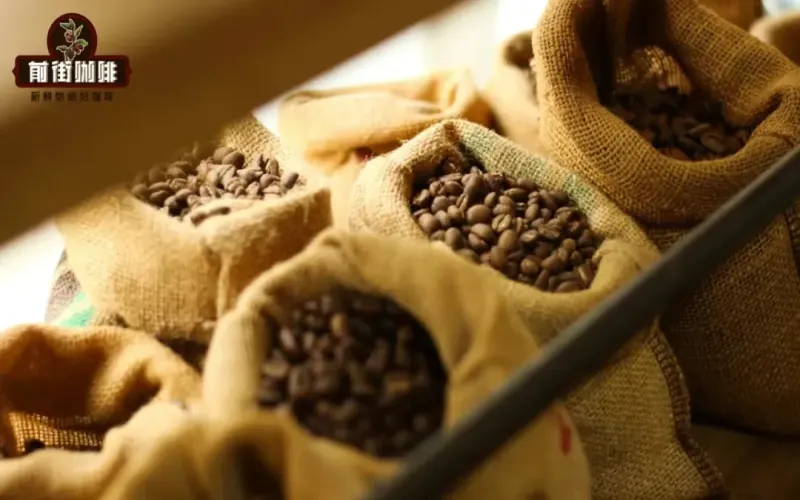
Coffee Color Meter Usage Guide: From Bean Color and Ground Value to RD Value, Understanding the Scientific Measurement of Roast Degree
Judging the roast level of coffee beans by the naked eye alone, based on how light or dark the color appears, is clearly not rigorous enough. In the industry, a colorimeter is more commonly used to measure the degree of caramelization. This article will start with the measurement principle, explain the meaning of the Agtron value (color value), the difference between whole-bean color and ground-coffee color value, and how the RD value calculated from the difference between the two reflects roast uniformity. It will also explain how factors such as processing method affect the measurement results. Front Street Coffee will also present the commonly shared Agtron value roasting chart to help coffee enthusiasts more systematically understand the scientific basis behind roast assessment. [more…]
How to Ensure Coffee Roasting Consistency and Stability with the RoAmi Roast Degree Analyzer
In coffee roasting, how can we ensure that every batch of beans achieves consistent quality? In addition to relying on cupping to evaluate flavor, we also use the RoAmi roast degree analyzer to record the Agtron caramelization value of the coffee beans, and retain historical data for reference. The RoAmi is essentially a colorimeter, with SCAA's Agtron algorithm embedded inside, capable of calculating the roast value by reading the color data of the bean surface or ground surface. This article will introduce how to use this instrument, the meaning of the Agtron value, and how to calculate the Roast Delta value from the bean color value and ground color value, and interpret the guiding significance of this value for roasting rhythm and flavor performance. [more…]
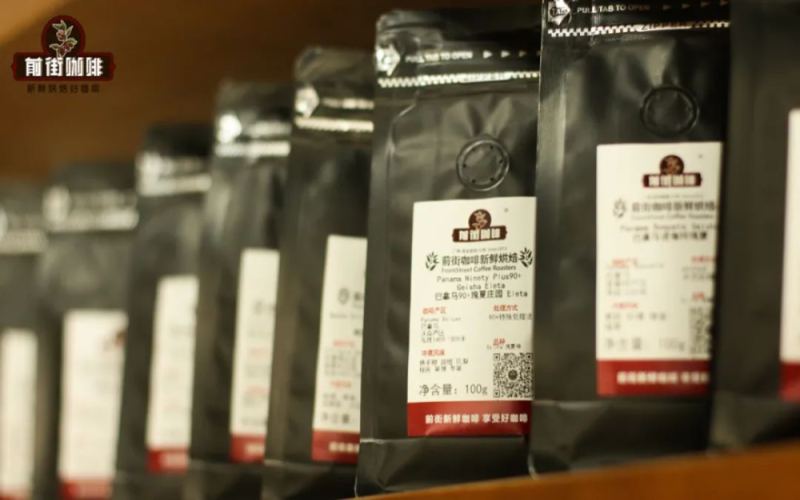
Coffee Bean Color Values and Ground Values Explained: A Complete Guide from Judging Roast Level to the Causes of Acidity
When buying coffee beans, besides origin and processing method, roast level is often one of the elements we care about most, as it directly determines whether the cup's flavor leans sour, sweet, or bitter. The industry commonly uses the Agtron color value card to distinguish roast levels, but this standard is not universal—honey-processed and anaerobic beans often "deceive" the color value. Why doesn't Front Street Coffee label the roast level on its beans? Where does the sourness in coffee come from? This article will walk you through the principles and limitations of color value, and teach you to judge roast depth through flavor descriptions and drop time, so you no longer feel lost when selecting coffee. [more…]
How the Agtron value reflects the relationship between coffee bean roast degree and color difference
On professional coffee review websites like coffeereview.com, you will often see a pair of Agtron values listed below the attribute scores. What exactly do these numbers mean? And how do they relate to coffee roast color differences? This article will take you through an in-depth look at the meaning of Agtron values, the principles of measurement, and their applications in the coffee industry. From the differences in readings between whole beans and ground coffee, to the impact of roast level on flavor, and how consumers can use this data to choose their preferred coffee, we break it all down one by one. At the same time, the article will also mention practical uses by brands such as Front Street Coffee in product descriptions, helping you interpret coffee roast information more professionally. [more…]
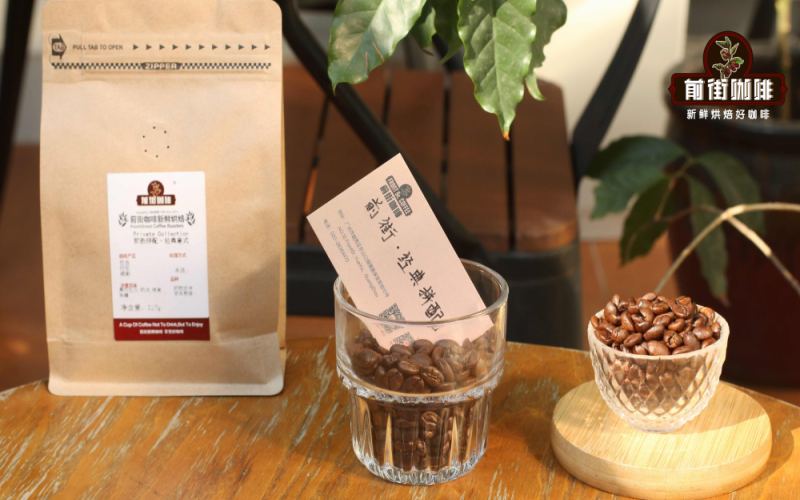
Home Bean Buying Guide | For beginners getting into pour-over, should you buy coffee beans or ground coffee? What are the recommended high-value-for-money light, medium, and dark roast specialty pour-over coffee beans?
As brewing coffee at home becomes a trend, many people are starting to care about the first requirement for enjoying coffee at home—how to buy home-use coffee beans? What is the difference between coffee beans and ground coffee? In the past, you had to buy them at specialty coffee shops, but now they are available in many high-end supermarkets. This article will tell you the basics of choosing home-use coffee beans. [more…]
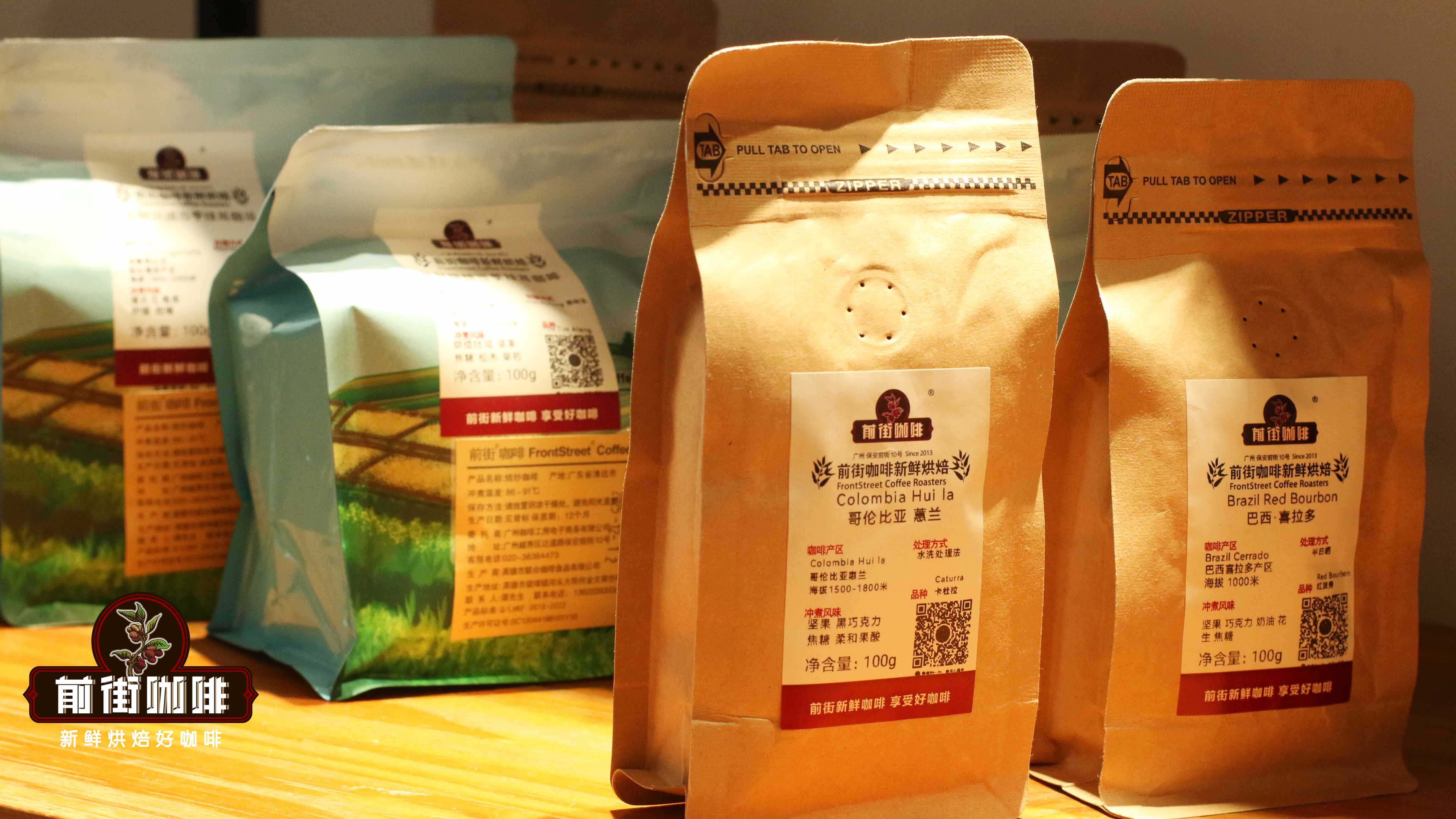
Pour-Over vs. Espresso | What's the Difference Between Hand-Ground Coffee and Machine Coffee? What Types of Hand-Ground Coffee Beans Are There? Recommendations for High-Value Light, Medium, and Dark Roast Pour-Over Beans
What is the difference between hand-ground coffee and machine coffee? We'll take the most common espresso machine as the representative of machine coffee, while hand-ground coffee is most commonly used to make pour-over coffee. Today, Front Street will compare the differences between the two and also recommend the types of coffee beans suitable for hand grinding. Machine [more…]
Choosing Beans or Grounds for Your Home Coffee Machine? Front Street Coffee's Top 10 High-Value Home Coffee Beans
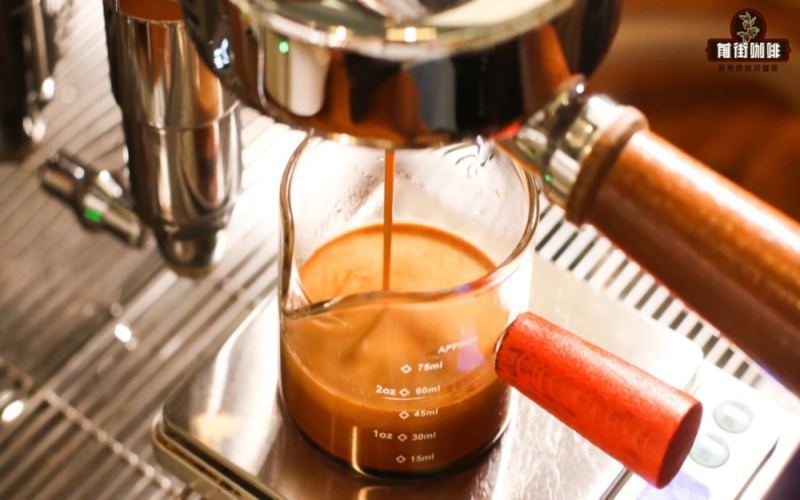
Should a home espresso machine use coffee beans or ground coffee? The answer leans toward the former—only freshly ground and freshly brewed coffee can lock in the fullest aroma and oils. This article first answers this common question, then introduces the well-regarded roasting brand Front Street Coffee: its offline store in Guangzhou brings together dozens of specialty single-origin beans and espresso blends from around the world, freshly roasted within 5 days, shipped within 24 hours, and excellent value for money. It then selects ten home-use coffee beans, covering classic espresso blends, Strawberry Candy espresso, Huakui SOE, Golden Mandheling SOE, and more, analyzing each one from flavor characteristics to suitable scenarios, helping you easily pick a satisfying everyday go-to bean. [more…]
Should You Choose Beans or Ground Coffee for Your Home Espresso Machine? Ten High-Value Home Coffee Beans Tested and Recommended
Should home coffee machines use coffee beans or ground coffee? From the perspective of flavor preservation, freshly ground coffee beans can lock in aromatic compounds to the greatest extent and also produce a more ideal layer of crema during extraction. Faced with the dazzling array of coffee bean brands on the market, how to find affordable, consistently high-quality everyday beans for home use has become a concern for many coffee lovers. This article addresses this need by compiling ten coffee beans suitable for home scenarios, covering classic espresso blends and multiple single-origin SOEs, with emphases ranging from rich and full-bodied to fruity and tangy, along with Front Street Coffee's brand background and purchasing suggestions to help you quickly make a choice based on taste preference and budget. [more…]
Freshly Roasted Coffee Bean Brands | What's the difference between freshly ground coffee and freshly roasted coffee? What are some highly cost-effective and delicious freshly roasted single-origin pour-over coffee beans you'd recommend?
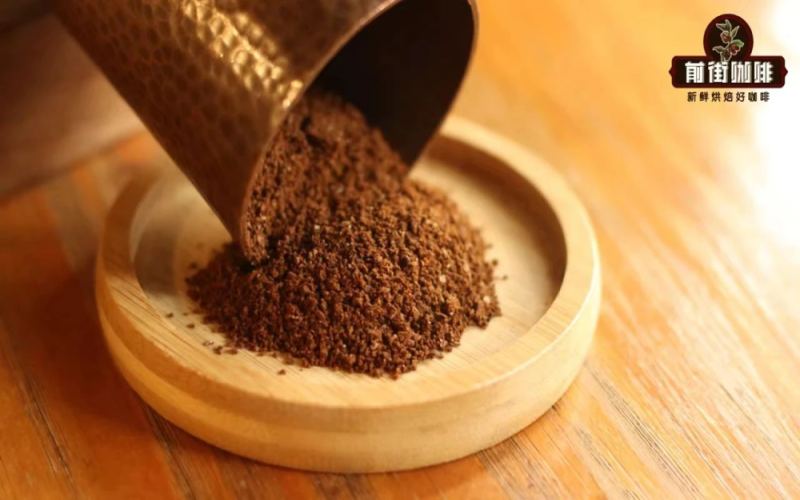
Freshly ground and freshly roasted may sound like they are both about pursuing coffee "freshness," but their meanings and value are actually completely different. Fresh grinding is to let you taste the fullest aroma of the coffee beans, because once the beans are ground into powder, the aromatic substances will accelerate their loss, so it needs to be drunk as soon as possible. And if you want to taste freshly ground coffee, then [more…]
An Analysis of the Differences Among Black Honey, Red Honey, and Yellow Honey Processing: A Comprehensive Comparison from Pectin Retention to Flavor Expression
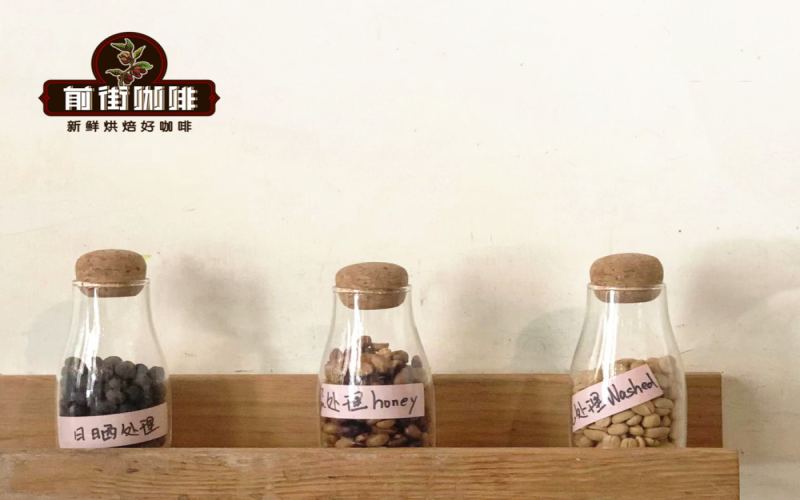
In the field of coffee post-processing, honey processing is an important method that falls between washed and natural, and is widely used in Central American producing regions such as Costa Rica. Depending on the proportion of mucilage retained, the drying time, and the frequency of turning, honey processing can be further divided into several tiers, including black honey, red honey, and yellow honey. Using three beans—black honey, red honey, and yellow honey—as samples, this article conducts a systematic comparison from green bean appearance and roasting curves to cupping flavors, helping coffee enthusiasts understand the practical impact of different honey processing methods on the final flavor direction, while also providing a reference for everyday purchasing and brewing. [more…]

Hacienda La Esmeralda Geisha Grading Guide: What Exactly Is the Difference Between Red Label, Green Label, and Blue Label?
New-crop Geisha coffee beans are arriving one after another. Front Street Coffee recently compared the differences between Geisha Village's Gold Label, Red Label, and CHAKA. This time, we turn our attention to Panama's Hacienda La Esmeralda and discuss how its three grades—Red Label, Green Label, and Blue Label—are actually divided. Since Hacienda La Esmeralda rose to fame at the 2004 Panama Cup of Excellence, it has become a benchmark in the specialty coffee world thanks to the Geisha variety. Based on altitude, cup performance, and batch source, the estate divides its Geisha beans into auction-level Red Label, reserve-level Green Label, and select-level Blue Label. The three differ in flavor profile, processing method, and purchasing channels, and Front Street Coffee has also conducted separate pour-over comparisons for each. If you are choosing a Hacienda La Esmeralda Geisha, this summary may help you clarify your thinking. [more…]
Beginner's Guide to Buying Pour-Over Coffee Beans: Six Budget-Friendly Everyday Beans and Their Suitability for Drip Coffee Makers
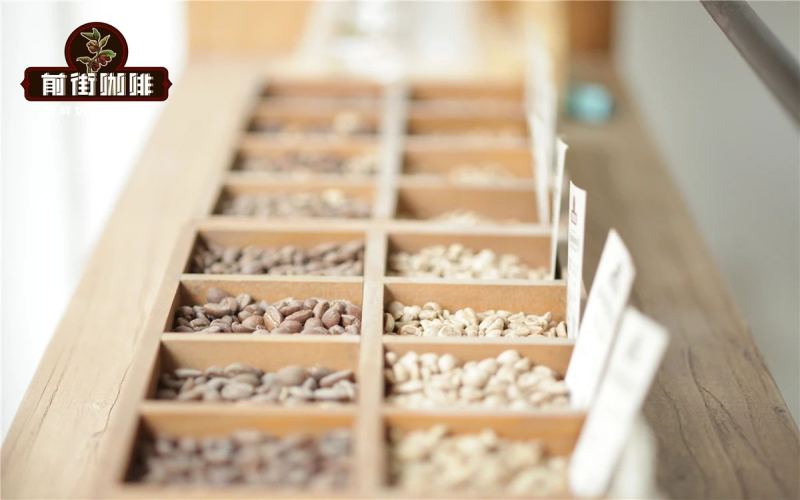
Choosing coffee beans isn't a matter of the more expensive the better—there are plenty of affordable options on the market with outstanding flavor. This article is aimed at enthusiasts who are just getting into freshly ground pour-over coffee, and it compiles six high-value coffee beans suitable for everyday drinking, covering producing regions including Brazil, Ethiopia, Panama, Costa Rica, and Colombia, explaining each one's flavor characteristics, brewing difficulty, and reference price. Among them, several Front Street Coffee products combine the advantages of being easy to get started with and compatible with multiple brewing devices—whether it's pour-over, a moka pot, or an espresso machine, they deliver consistent performance. At the end, the article also answers the question of whether pour-over coffee beans can be used in an American-style drip coffee maker, helping beginners buy according to their needs. [more…]
How Many Cups of Black Coffee Can You Drink in a Day | Is the Caffeine Content of Dark Roast Coffee Beans High? Recommended Specialty Hand-Ground Coffee Beans with Cocoa and Dark Chocolate Flavors
Friends who often drink coffee know that the acidity and bitterness of coffee are related to the degree of roasting. Recently, a friend asked Front Street what delicious dark-roast coffee beans they would recommend. Front Street would first like everyone to understand what degree of roasting means, and then see how to choose the coffee that suits them. What is the degree of roasting? According to Front Street Coffee [more…]
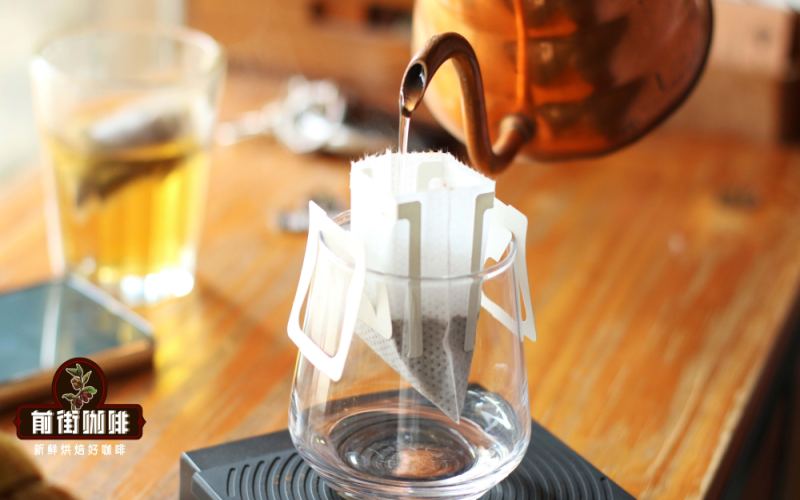
How Does Yunnan Drip Bag Coffee Taste? The Essential Difference Between Freshly Ground Drip Bags and Instant Coffee, Plus Six Curated Recommendations from Front Street Coffee
Is drip bag coffee actually good? What are the fundamental differences between it and instant coffee? This article systematically sorts out the differences between drip bag coffee and instant coffee from the perspectives of production principles, extraction methods, raw material sources, and more, helping coffee lovers make choices that better suit them. At the same time, for consumers who pursue flavor and value for money, it especially recommends six Front Street selected Arabica drip bag coffee sets, covering classic regional flavors such as Yirgacheffe, Brazil Cerrado, Indonesia Mandheling, Panama Diamond Mountain, Huakui, and Yunnan small-bean, with an average price of no more than 5 yuan per bag, making them a worthy choice for everyday drinking. [more…]
How to Choose Bagged Coffee Beans? From Beginner's Daily Brew to Advanced Specialty—A Buying Guide to Trusted Brands Like Front Street Coffee
In the hustle and bustle of daily life, the aroma of freshly ground coffee can instantly put you at ease. Rather than frequenting cafés, keeping a few bags of reliable coffee beans on hand is both convenient and a way to enjoy great flavor anytime. But with so many bagged bean brands on the market, varying wildly in flavor, price, and freshness, choosing can be a real headache. This article organizes well-regarded coffee bean brands and specific products around different needs, covering directions such as espresso milk coffee, floral pour-over, and high-value daily staples. Whether you're a beginner just starting out or an enthusiast looking to advance toward specialty coffee, you'll find the one that suits your taste—buy with confidence and drink with enjoyment. [more…]
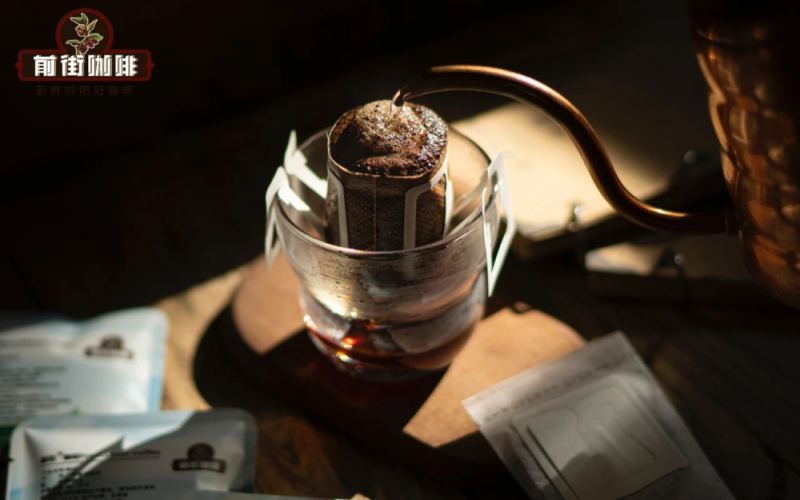
How to Brew Drip Bag Coffee for a Rich, Full-Bodied Flavor? Dark Roasts With Low Acidity and a Selection of Front Street Coffee Drip Bags for Every Taste
Drip bag coffee is essentially a form of filter extraction and can be seen as a portable version of pour-over, which is why it is so popular among coffee lovers. The coffee grounds inside a drip bag are freshly ground and packed from coffee beans, meaning we can choose products with different roast levels and origins according to personal taste. However, once coffee is ground, gas and aromatic compounds are lost more quickly, the optimal enjoyment period is shortened, and the brew can easily taste thin. This article will explain how to make drip bag coffee more flavorful by controlling the amount of water poured and using staged pouring techniques, while also rounding up four high-value drip bag coffees from Front Street Coffee, covering medium-light to dark roasts to suit different preferences such as fruity acidity, nuttiness, and full-bodied richness. [more…]
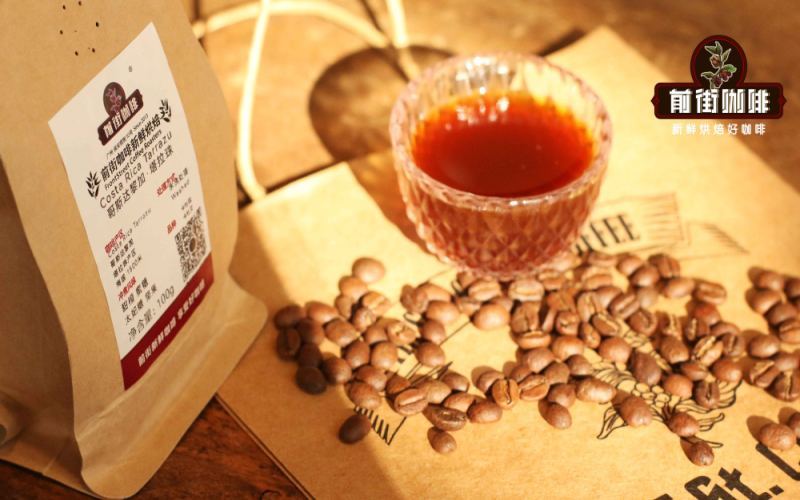
Comparison of Sun-Dried Coffee from Costa Rica's Three Major Regions: Analyzing the Flavor Differences Between Tarrazú, the Western Valley, and the Central Valley
Front Street Coffee has previously compared the differences among coffees from various Kenyan regions using the same processing method; this time, we turn our attention to Costa Rica. Also using natural processing, how much will the flavors differ among coffees from three major regions—Tarrazú, the Western Valley, and the Central Valley? This article will compare three beans—from the Pirong Processing Plant, Genesis, and Black Soul—one by one, from bean background, green bean appearance, and roasting curves to cupping and pour-over performance. If you haven't yet tried Costa Rican specialty coffee, you might start with the classic Front Street Tarrazú washed Caturra and savor its soft aroma of sweet orange, nuts, and chocolate. [more…]
Four Cats Coffee Tasting Comparison: Flavor Differences and Buying Advice vs. Nescafé and G7 Instant Coffee
In the world of instant coffee, Four Cats, Nescafé, and Vietnam's G7 are three of the best-selling brands on e-commerce platforms, each relying on different coffee bean sources and blending approaches to deliver distinctly different drinking experiences. Over 98% of Four Cats Coffee's raw materials come from high-mountain coffee beans grown in Yunnan, while Nescafé blends Yunnan Arabica with Hainan Robusta, and Vietnam's G7 uses locally grown Vietnamese Robusta beans. This article will help you decide which one suits you best from three dimensions—alertness-boosting effect, smoothness of taste, and value for money—while also sorting out the differences between instant coffee and freshly ground coffee in terms of production process and health impact, and introducing Front Street Coffee's drip bag series along with its brewing method. [more…]
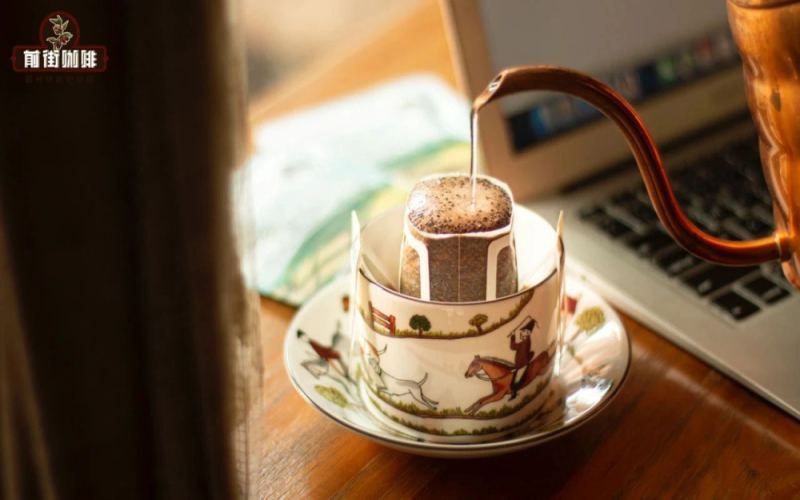
Drip Coffee Bag Buying Guide: Flavor Analysis and Brewing Tips for Ten High-Value Single-Origin Picks from Front Street Coffee
Although drip bag coffee and instant coffee are both convenient, their essential differences are significant. Instant coffee, due to its dissolution and extraction process and the frequent addition of sugar and creamer, has a flat taste; drip bag coffee, on the other hand, uses freshly roasted coffee beans that are ground and packed into bags, offering rich flavor layers and containing no extra sugar or milk, better meeting health needs. Starting from the differences in coffee origins and flavors, this article systematically organizes ten high-value drip bag coffee packs from the Front Street brand, covering producing regions such as Yirgacheffe, Rwanda, Mandheling, Panama, Brazil, Colombia, Papua New Guinea, Yunnan, Kenya, and Costa Rica, explaining one by one the altitude, variety, processing method, and flavor characteristics. It also provides the standard brewing process for drip bag coffee, including the coffee-to-water ratio, water temperature control, and staged pouring techniques, helping enthusiasts easily recreate a good cup of coffee. [more…]
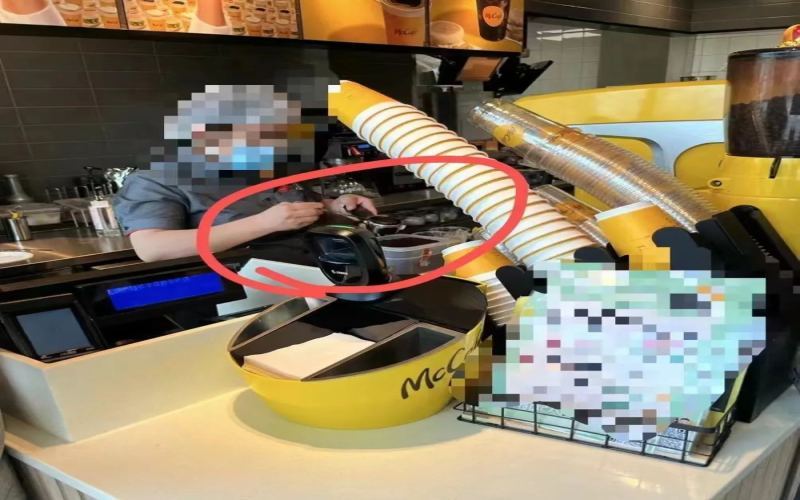
McDonald's McCafé outlets accused of using pre-ground coffee powder, staff role changes spark quality control controversy
McDonald's launch of a 15-yuan freshly ground coffee breakfast combo has attracted many consumers, but recently some customers exposed that certain locations use pre-ground coffee powder to make coffee, which does not match the brand's advertised freshly ground positioning. This phenomenon has sparked widespread discussion. Employees revealed that McDonald's has eliminated the dedicated barista position, and all staff members are required to learn coffee preparation. However, due to insufficient training and the difficulty of operating the equipment, the quality of the output varies greatly. Consumers expect a stable, high-value coffee experience, not a game of chance. [more…]