







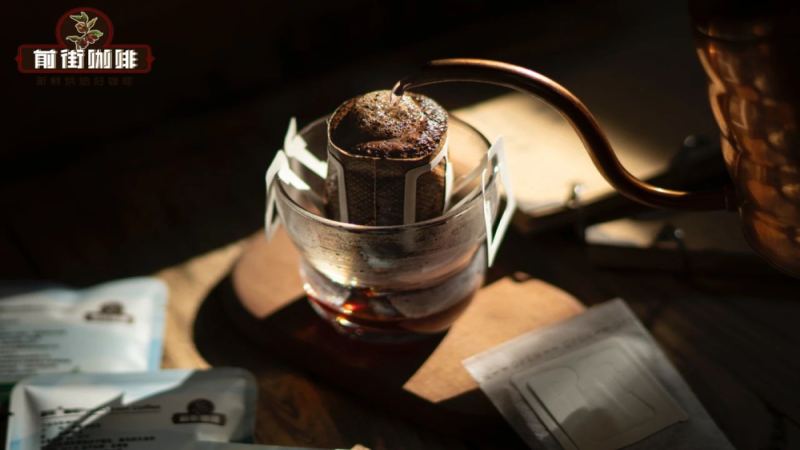
What does arabica mean for drip bag coffee flavor?
Arabica is the coffee species behind most drip bag offerings, and it shapes what ends up in the cup. Drip bags are essentially a portable pour-over: freshly ground beans sealed in a filter bag, so roast level and origin determine whether the brew leans fruity, nutty, or rich.
Once ground, coffee loses gases and aromatic compounds faster and its peak flavor window shortens, which is why weak drip bag coffee is common. Controlling water volume and using segmented pouring helps. Knowing what is an arabica bean also clarifies why medium-light to dark roast bags taste so different.
Drip bag coffee is essentially a filtered extraction method and can be seen as a portable version of pour-over, which is why it is so popular among coffee lovers. The coffee grounds inside the drip bag are freshly ground and packed from coffee beans, which means we can choose products with different roast levels and origins according to personal taste. However, once coffee is ground, gases and aromatic compounds dissipate more quickly, the optimal flavor period shortens, and the brew can easily taste weak. This article will explain how to make drip bag coffee more flavorful by controlling the amount of water and using segmented pouring techniques, while also organizing four high-value drip bag coffees from the Front Street brand, covering medium-light to dark roasts to satisfy different preferences for fruity acidity, nuttiness, and richness.
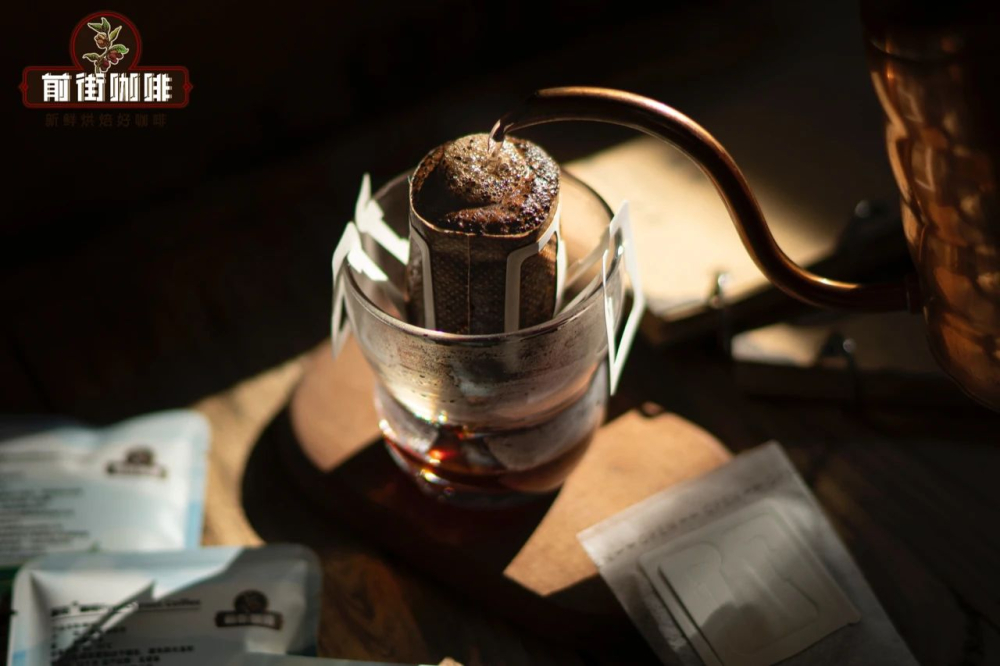
There is not much essential difference between drip bag coffee and pour-over coffee; both use the principle of filtered extraction, except that drip bags are more like a portable, simplified version of pour-over. For this reason, many friends choose pour-over when they have free time, and use drip bags as a substitute when they are busy.
The production process of drip bag coffee is not complicated: first weigh out a set amount of coffee beans, grind them into powder, put the grounds into a filter bag, and seal it to finish. Since the coffee powder in the filter bag comes from freshly ground coffee beans, that also means we can select drip bag products with different styles based on the coffee bean variety and roast level.
Ranking of High-Value Drip Bag Coffees

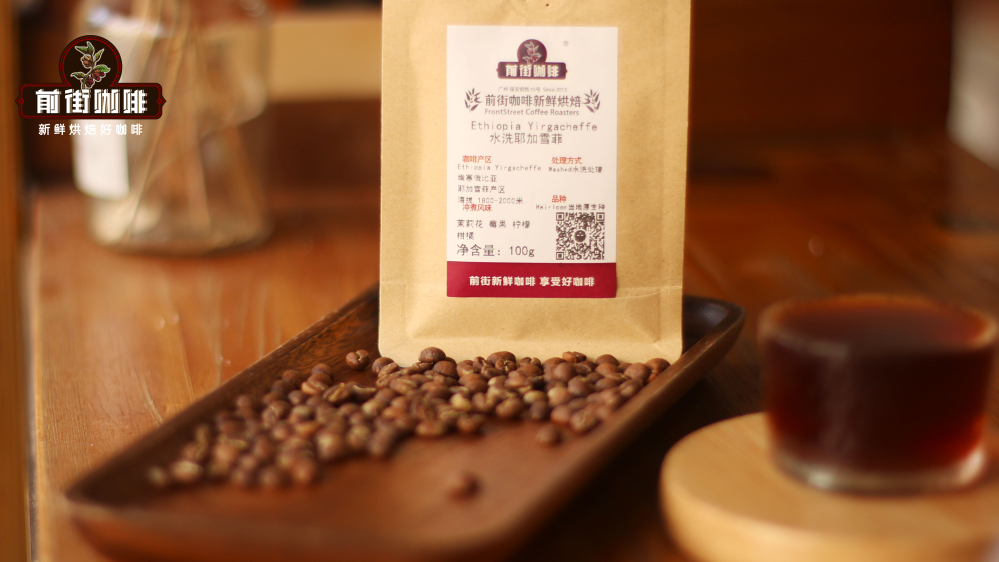
1. Front Street Yirgacheffe Drip Bag Coffee (medium-light roast): with citrus, white floral, and lemon notes, suitable for coffee lovers who prefer fruity acidity.
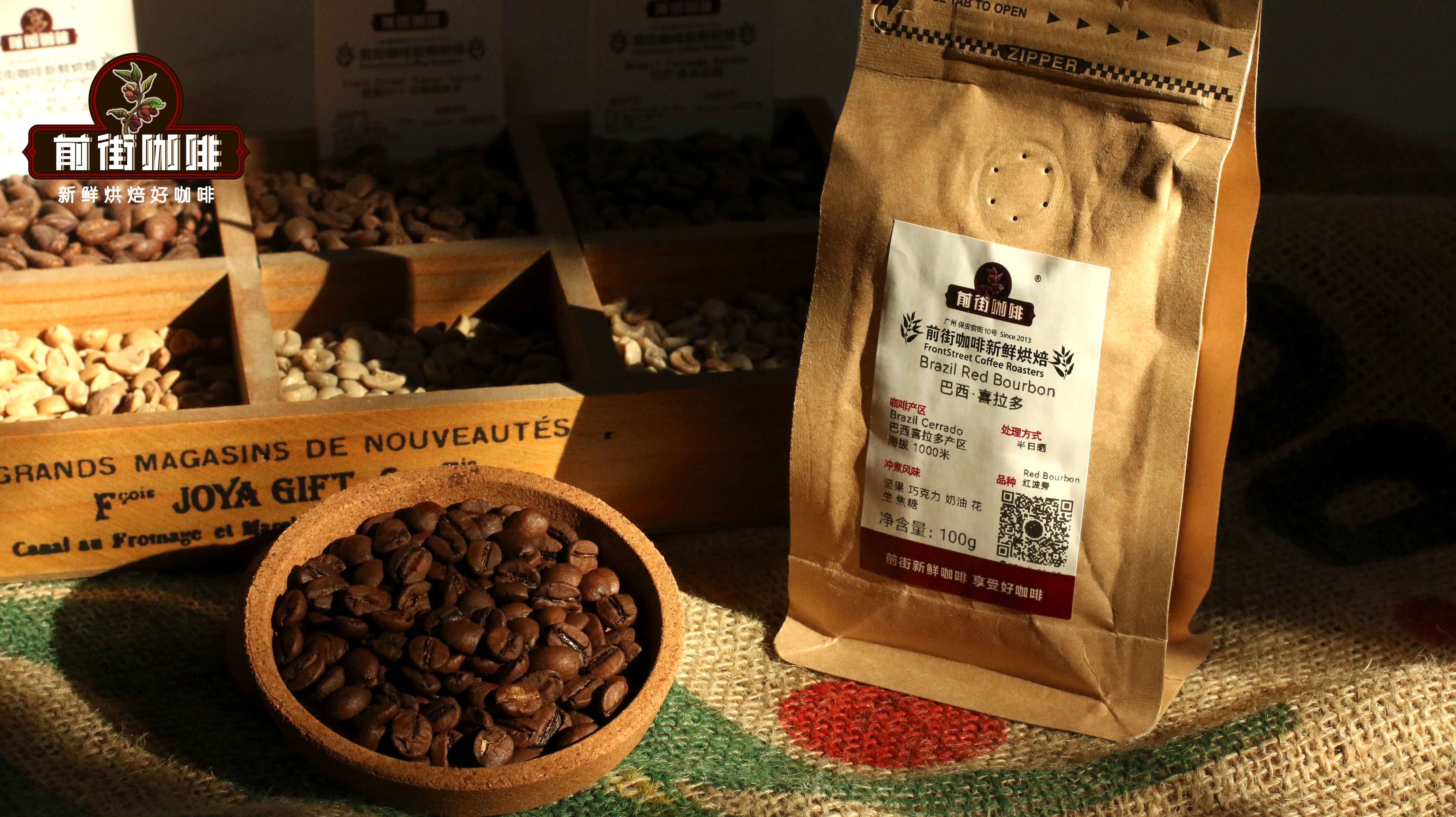
2. Front Street Brazil Cerrado Drip Bag Coffee (medium roast): presenting aromas of toasted bread, chocolate, and creamy peanut, suitable for friends who like nutty aromas.
3. Front Street Indonesia Mandheling Drip Bag Coffee (dark roast): with prominent caramel, herbal, and spice flavors, suitable for those pursuing a rich mouthfeel.
4. Front Street Yunnan Arabica Drip Bag Coffee (medium roast): interwoven with brown sugar, nuts, plum, and black tea, suitable for those who do not particularly like acidity.
It should be noted that once coffee beans are ground into powder, the gases and aromatic components inside are lost at an accelerated rate, the optimal flavor period shortens accordingly, the brewed coffee aroma is not full enough, and it easily tastes thin and flat. This is the compromise in flavor that drip bag coffee makes for the sake of convenience.
Therefore, if you want the coffee not to be too weak, you need to follow a reasonable brewing ratio. It is recommended to pour 150 to 180 milliliters of hot water per bag of drip coffee; if you do not have an electronic scale on hand, you can use a common coffee cup to measure a water level range of 130 to 160 milliliters as a reference.
Another method is to pour water by referring to the position of the filter bag: for the first pour, fill to half the height of the filter bag, and after the water has completely drained, use a small stream for the second pour until the filter bag is nine-tenths full, wait for the water to fully penetrate, then repeat pouring to nine-tenths full again, and in this way you will get a cup of black coffee with moderate strength.
The above content is compiled by CoffeeHunters, a coffee news website.


