







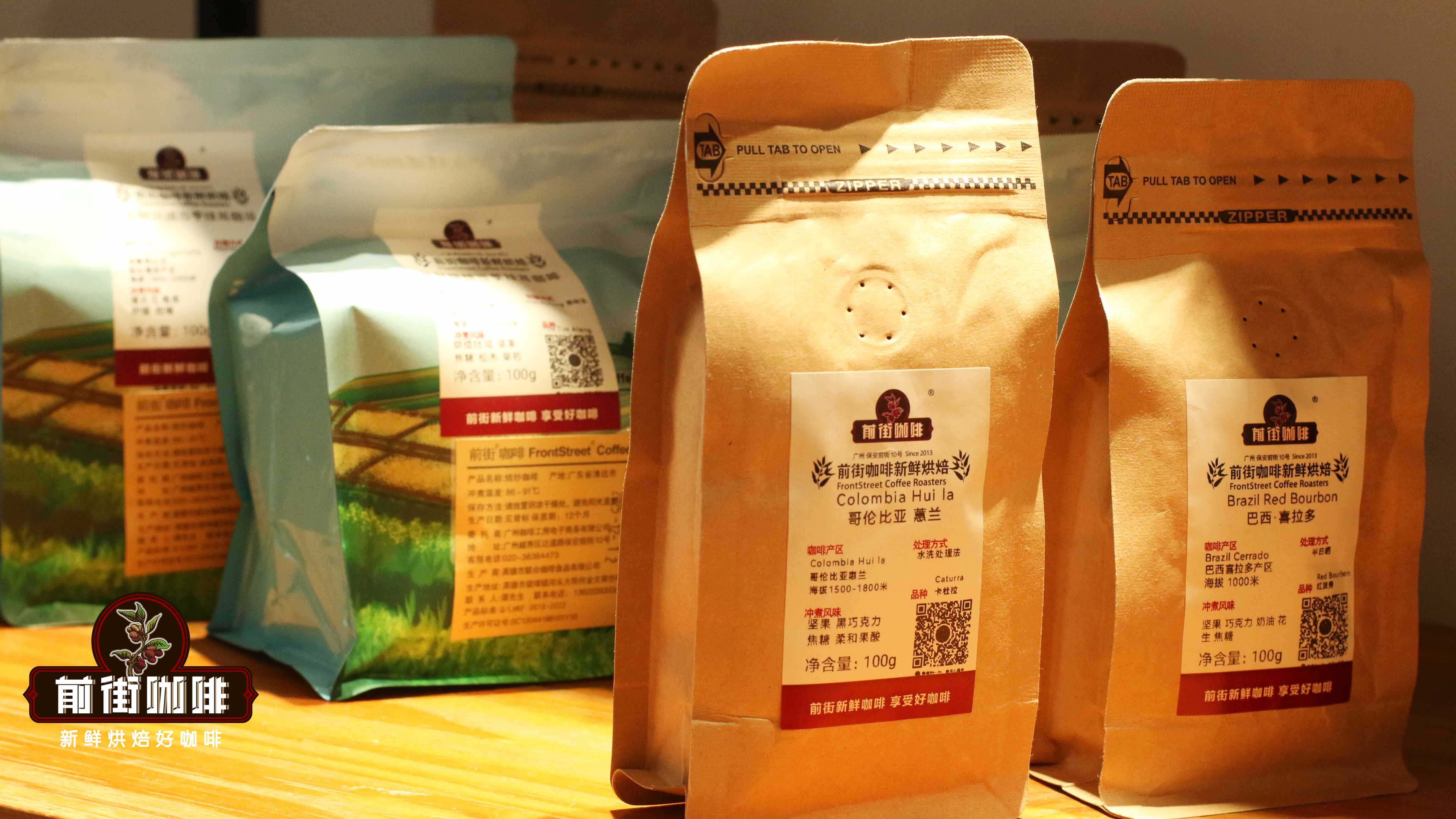

What is the difference between hand-ground coffee and machine coffee? We'll take the most common espresso machine as the representative of machine coffee, while hand-ground coffee is most commonly used to make pour-over coffee. Today, Front Street will compare the differences between the two and recommend the types of coffee beans suitable for hand grinding.
Machine Coffee — Espresso
An espresso machine grinds coffee beans into a very, very fine powder, then tamps it into the portafilter and extracts it using tremendous pressure. Water rapidly passes through the tightly packed coffee powder layer, bringing out the soluble substances in the coffee.
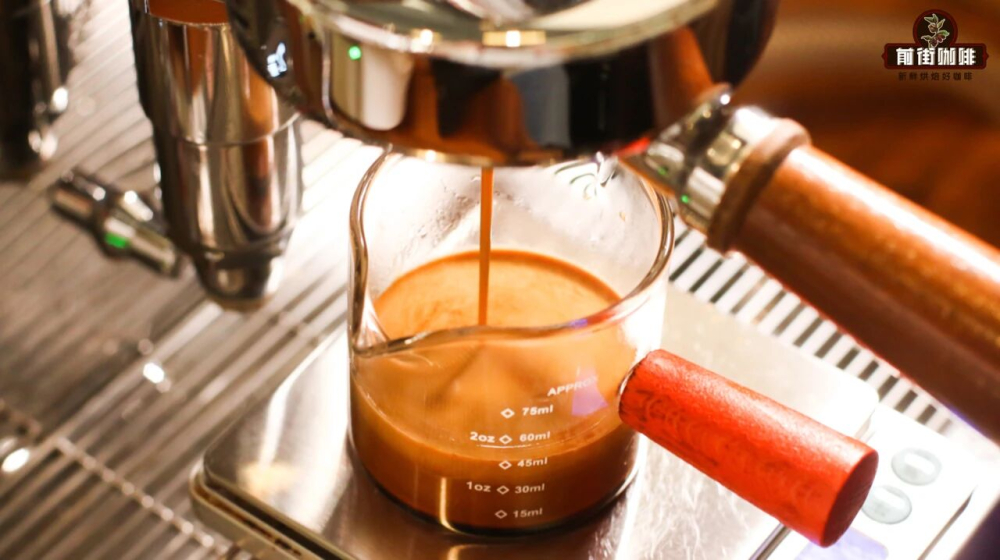
Espresso is not only quick to make, it also has a rich taste and a layer of dense coffee crema foam on the surface, which we call Crema. The color of the crema tends toward a beautiful golden yellow and brown, and the aroma exudes different flavor characteristics depending on the coffee beans used. For making espresso, it is recommended to use medium to dark roasted coffee beans, as this gives a higher success rate. Recommended options include Front Street Brazil Queen Estate with its roasted peanut aroma, Front Street Golden Mandheling with its spice-forward notes, and Front Street Strawberry Candy espresso coffee beans that present floral and fruity notes.
Espresso can be turned into an Americano by adding water, or flavored with milk, syrup, cream, spices, etc., to create coffee drinks with different flavors such as Macchiato, Cappuccino, Latte, Mocha, and so on.

Hand-Ground Coffee — Pour-Over Coffee
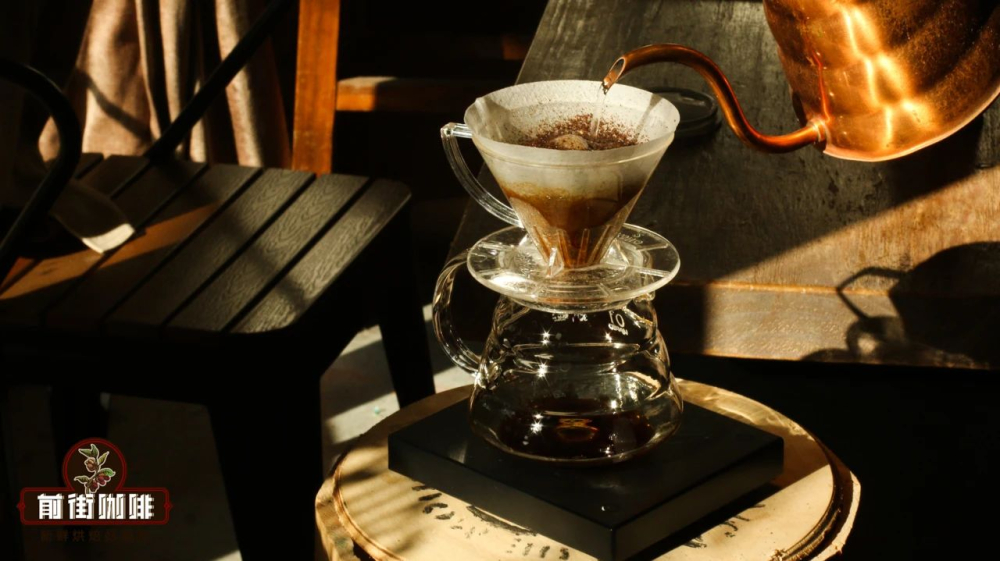
The representative method of hand-ground coffee —Pour-over coffee involves first grinding coffee beans into powder, then pouring hot water to contact the powder layer and "dissolve" out the substances in the coffee. Essentially, it uses a dripper with filter paper or other tools to filter out the coffee grounds so they don't enter the carafe, resulting in a cup of black coffee with a clean taste. To brew a cup of pour-over coffee, Front Street believes that besides quality coffee beans, you need at minimum a gooseneck kettle for pouring water, a dripper and filter paper for filtering coffee grounds, a server, a grinder for grinding coffee beans, an electronic scale to record water volume and time, and a thermometer to measure water temperature.

Since hand-ground coffee is not affected by pressure and has a relatively mild taste, it better reflects the flavors of the coffee beans themselves. We can choose different flavors according to our preferences. Front Street shares several single-origin coffee beans from regions with distinctive characteristics, helping everyone make delicious hand-ground coffee.
1. Front Street Washed Yirgacheffe Coffee Beans
Country: Ethiopia
Region: Yirgacheffe
Altitude: 1800-2000 meters
Variety: Local heirloom varieties
Processing Method: Washed
Flavor: Jasmine, berries, lemon, citrus

Yirgacheffe is a small town in Ethiopia at an altitude of 1700-2100 meters. It is one of the highest coffee-growing regions in the world and synonymous with Ethiopian specialty coffee. Lake Turkana, Lake Abaya, and Lake Chamo bring abundant moisture to this area. In the Great Rift Valley, represented by the Misty Valley, fog lingers year-round, with spring-like weather in all four seasons, gentle breezes, and a cool, moist climate. Thousands of coffee trees thrive and multiply here, giving rise to Yirgacheffe's unique terroir with interwoven floral and fruity aromas that are ever-changing. The so-called Yirgacheffe flavor refers to rich citrus and lemon fruit acidity, intense jasmine floral aromas, a light and elegant taste with a tea-like quality, drinking like a refreshing, clean lemon tea.
Washed Processing Method:The sorted coffee cherries are placed into a depulper to initially remove the skin and pulp; the green coffee beans with residual pulp and mucilage are placed in water to ferment for about 24 hours; after fermentation, the green coffee beans with parchment are washed in a flowing water channel to remove the pulp and mucilage; after washing, the coffee beans are sun-dried or machine-dried to reduce the moisture content to about 12%. Finally, the parchment is removed from the green coffee beans.

Front Street takes into consideration that washed processing better showcases the cleanliness of the coffee's taste and the purity of its flavor presentation. Therefore, when analyzing the specific flavors of a coffee-growing region, washed beans from that region are used as a reference. For every beginner who hasn't tried Yirgacheffe, Front Street also recommends washed Yirgacheffe first, which helps form an understanding of the region's flavor profile. Afterward, when trying Yirgacheffe processed with natural, honey, and other methods, there will be a basis for comparison.
Although this washed Yirgacheffe is graded G2 (Ethiopia grades by defect rate; G2 allows 4-12 non-severe defective beans per 300g of green beans), Front Street Coffee (FrontStreet Coffee) performs two rounds of hand sorting to remove defective beans before roasting, ensuring the quality of every batch.

Front Street Coffee (FrontStreet Coffee) Brewing Recommendations
Water Temperature: 90-91°C
Grind Size: EK43s grinder at 10 setting (fine sugar size / 80% passing through a No. 20 sieve)
Coffee-to-Water Ratio: 1:15
Dose: 15 grams
Front Street Brewing Method: First pour 30g of water for a 30-second bloom, then pour 95g (electronic scale shows about 125g), finishing the pour in about 1 minute. When the water level drops to 2/3 of the coffee bed, pour the remaining 100g (electronic scale shows about 225g), finishing in about 1 minute 40 seconds. Drip completes at 1'55''-2'00'', remove the dripper, and extraction is complete.
Brewed Flavor: Jasmine aroma, berry juice-like quality, lemon and citrus acidity, overall bright, clean, and refreshing.

Front Street Costa Rica Tarrazu Coffee Beans
Country: Costa Rica
Region: Tarrazu
Altitude: 1500 meters
Variety: Caturra, Catuai
Processing Method: Washed
Flavor: Sweet orange, honey, toffee, nuts
Costa Rican coffee has always been famous for its balanced flavor, rich chocolate notes, and smooth mouthfeel. Tarrazu is located south of the capital San Jose and is one of Costa Rica's most valued coffee-growing areas. Tarrazu coffee beans are plump, with a rich body, smooth mouthfeel, rich chocolate and nut aromas, moderate acidity, and an enticing fragrance.

Processing Method:The washed processing method places sorted coffee cherries into a depulper to initially remove the skin and pulp. The green coffee beans with residual pulp and mucilage are placed in water to ferment for about 24 hours. After fermentation, the green coffee beans with parchment are washed in a flowing water channel to remove the pulp and mucilage. After washing, the coffee beans are sun-dried or machine-dried to reduce the moisture content to about 12%, and finally the parchment is removed from the green coffee beans.
Front Street Brewing Recommendations
Water Temperature: 90-91°C
Grind Size:EK43s grinder at 10 setting(fine sugar size / 80% passing through a No. 20 sieve)
Coffee-to-Water Ratio: 1:15
Dose: 15 grams
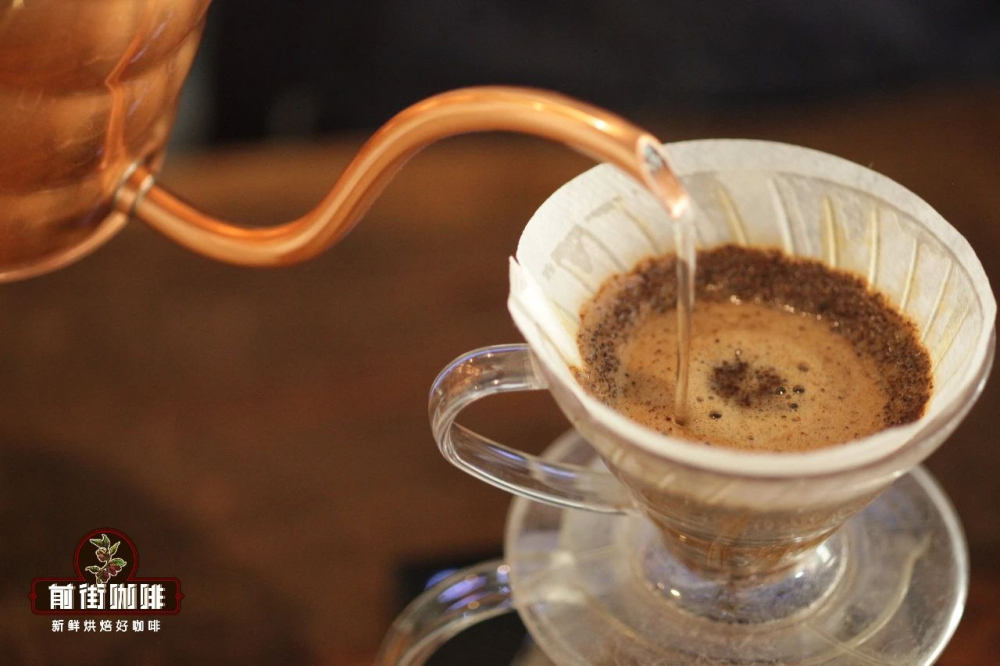
Front Street Brewing Method
First pour 30g of water for a 30-second bloom, then pour 95g (electronic scale shows about 125g), finishing the pour in about 1 minute. When the water level drops to 2/3 of the coffee bed, pour the remaining 100g (electronic scale shows about 225g), finishing in about 1 minute 40 seconds. Drip completes at 2 minutes 3 seconds, remove the dripper, and extraction is complete.
Brewed Flavor: Sweet orange sweetness and acidity on entry, prominent nut and chocolate flavors in the mid-palate, lasting caramel sweetness in the finish, with some cedar aroma, overall balanced.
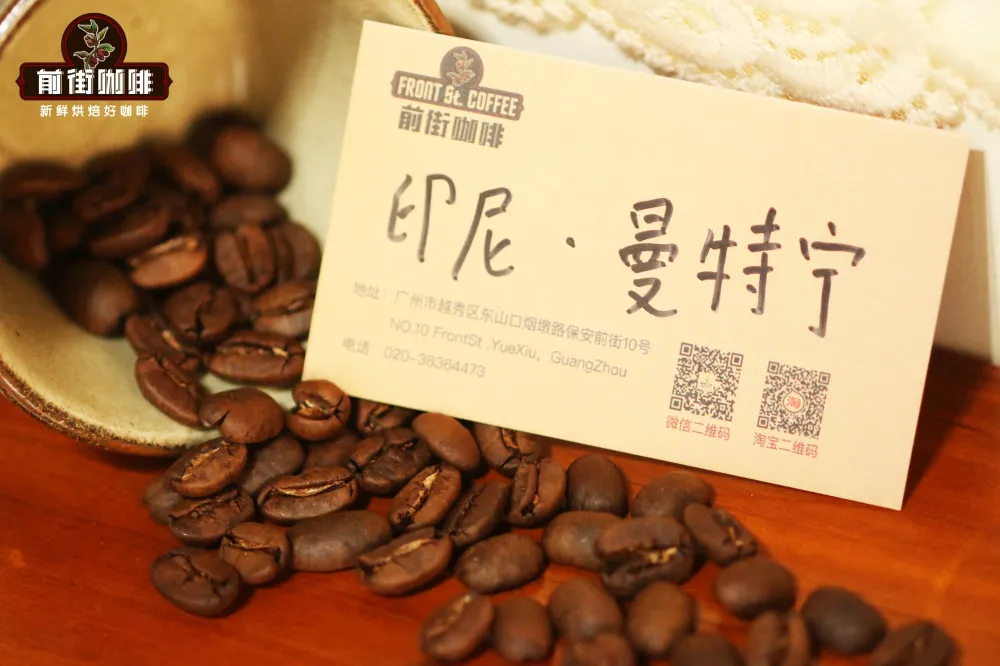
Front Street Indonesia Lintong Mandheling Coffee Beans
Country: Indonesia
Region: Sumatra, Lintong
Altitude: 1100-1600 meters
Variety: Typica, Caturra
Processing Method: Wet-hulled
Flavor: Baked toast, nuts, caramel, pine, herbs
Mandheling is not actually a specific coffee bean variety, nor a coffee-growing region name, but a tribal name. It was mistakenly thought by the Japanese to be the name of a coffee bean, and has been used ever since.

Lintong Mandheling comes from the Lintong mountain area in north-central Sumatra, near Lake Toba. Lintong Mandheling is the standard version of Mandheling. Lintong Mandheling also uses the conventional wet-hulled method, giving it the characteristics of low acidity and high body. However, what happens with the wet-hulled method is that, because the semi-hard, semi-soft moist green beans are easily crushed when the mucilage and parchment layer are removed, the beans crack open like a goat's hoof, commonly known as goat hoof beans. These are not defective beans — they can be said to be a very distinctive characteristic of Mandheling.
Coffee Processing Method:The wet-hulled method is a fast way to process coffee beans. The skin and pulp are removed, followed by a brief fermentation and drying, then the mucilage and parchment layer are removed, and drying continues until the moisture content drops to 12%. Wet-hulled Mandheling coffee beans clearly show varying degrees of crushing and cracking, with a darker bluish-green bean color.

Front Street Brewing Recommendations
Front Street uses a Kono dripper when brewing Mandheling coffee. Kono's ribs do not reach even half the height of the dripper — this design is actually meant to ensure that the filter paper clings tightly to the dripper wall after wetting, restricting airflow. This increases the water absorption time for the coffee powder particles, resulting in a more even extraction overall and enhancing the rich mouthfeel. The groove framework at the bottom of the Kono dripper is also a key design that allows the subsequent brewing to produce a siphon effect.
Recommended Water Temperature: 87-88°C
Grind Size:EK43s grinder at 11 setting(coarse sugar size)
Coffee-to-Water Ratio: 1:15
Dose: 15 grams
Front Street Coffee (FrontStreet Coffee) Brewing Method: Use 30g of water for a 30-second bloom, then pour in a small stream in a circular motion to 125g, pause, and when the water level drops and is about to expose the coffee bed, continue pouring to 225g and stop. When the water level drops and is about to expose the coffee bed again, remove the dripper. (Timing starts from the beginning of the bloom.) Extraction time is 2'00''.
Brewed Flavor: Herbal medicinal notes on entry, dark chocolate, caramel, sweet finish.
The above content is compiled by CoffeeHunters, a coffee news website.

