







Search Results for: Grind Settings
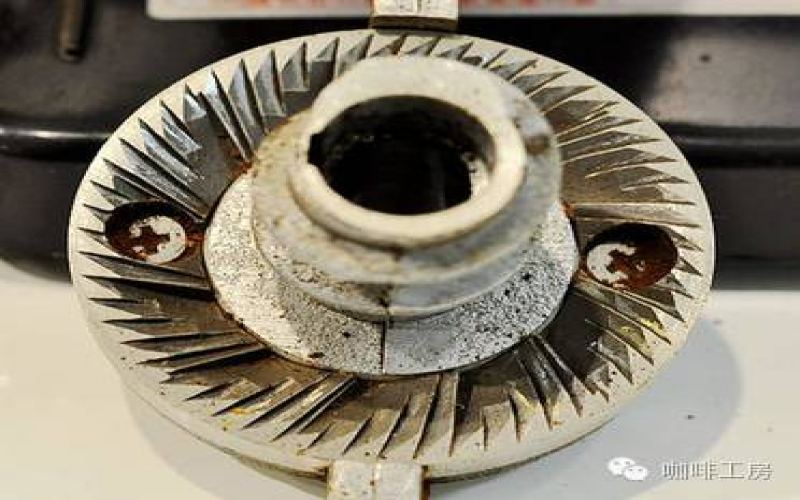
Coffee Grinder Buying Guide: How to Choose Between Flat Burrs, Conical Burrs, and Ghost Teeth, Plus a Full Analysis of Common Models' Grind Settings and Extraction
Faced with the dazzling array of coffee grinders on the market, many coffee enthusiasts find themselves paralyzed by choice. In truth, the coffee world has never had a single standard—different burr sets each have their strengths and weaknesses. Starting from burr types, this article takes a deep dive into the structural differences between flat burrs, conical burrs, and ghost-tooth burrs, along with their real-world impact on particle shape, extraction results, and final flavor. It also includes practical grind-setting parameters for commonly used models such as the Fuji Royal, Feiying, and Zheng Huang Hang, helping you find a grinding approach that suits your brewing method and taste preferences. [more…]
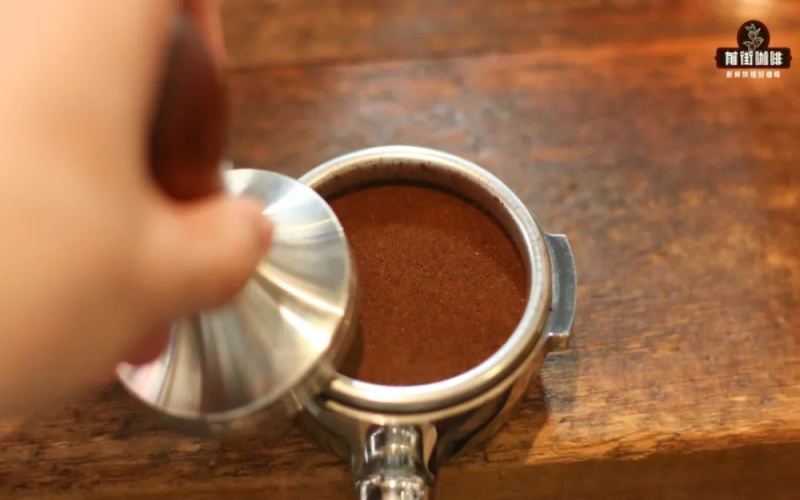
How Exactly Does Tamping Pressure Affect Espresso Extraction? Test Results and Analysis at Different Grind Settings
Tamping is a key step in making espresso, but how much does tamping force actually affect the extraction result? Using Front Street Coffee's measured data, this article compares the flow rate and extraction time of espresso after tamping with two different forces, 1.8 kg and 9 kg, at different grind settings. The results show that grind coarseness determines the density of the puck, which in turn affects the actual role of tamping force: with a fine grind, the difference in force noticeably changes the flow rate, while with a coarse grind, the two forces make almost no difference. The article analyzes the underlying principles in depth to help coffee enthusiasts understand the relationship between tamping force and grind setting. [more…]
A Comprehensive Analysis of Honduran Caturra Coffee Beans: Flavor, Processing Methods, Grind Settings, and Variety
Honduras, as an important coffee-producing country in Central America, has seen its production and quality steadily rise in recent years. This article focuses on Front Street Honduras Caturra coffee beans, outlining their growing regions, varietal composition, grading standards, flavor characteristics, and suitable roasting methods, while also introducing practical information such as processing methods and grind settings. The article also covers the geographical conditions, cultivation scale, and harvesting and processing methods of Honduran coffee, helping coffee enthusiasts gain a more comprehensive understanding of this seemingly obscure yet impressively capable origin, as well as its performance in single-origin and blended coffees. [more…]
How to Determine the Grind Size for Espresso? Dialing In and Selecting Settings on a Super-Automatic Coffee Machine
Making a proper espresso, grind size is often the most critical and also the most headache-inducing part. Unlike pour-over and cold brew, espresso uses pressurized short-time extraction, and the state of the coffee bed gets magnified exponentially—a little too fine and it easily over-extracts and turns bitter; a little too coarse and the flow rate becomes too fast with a weak, thin taste. This article starts with methods for judging grind size, explains how to quickly lock in the right setting range using flow rate and flavor, and covers adjusting the coffee-to-water ratio and extraction time based on the characteristics of the coffee beans. It also recommends Front Street Coffee's classic espresso blend to help you recreate café-level espresso flavor at home. [more…]
Front Street Coffee Brazil Queen Estate Yellow Bourbon Coffee Beans: A Complete Analysis of Flavor Characteristics, Processing Methods, and Pour-Over Grind Settings
Yellow Bourbon is a distinctive branch of the Arabica species, belonging to the Bourbon family alongside Red Bourbon and Orange Bourbon, as well as varieties such as Caturra and Catuai. The Bourbon variety was first cultivated on Bourbon Island and in Ethiopia, and thrives at elevations between 800 and 1,900 meters. Yellow Bourbon has relatively low yields but excellent quality, and the beans commonly found in China mainly come from Brazil and El Salvador. Brazil is not only capable of producing mass-market commercial beans; it also has the capacity to produce specialty coffee, with well-known regions including Sul de Minas, Cerrado, and Mogiana. This article focuses on the Yellow Bourbon from Fazenda Rainha in Brazil, introduced by Front Street Coffee, covering the estate's background, flavor profile, processing method characteristics, and recommended pour-over grinding settings. [more…]
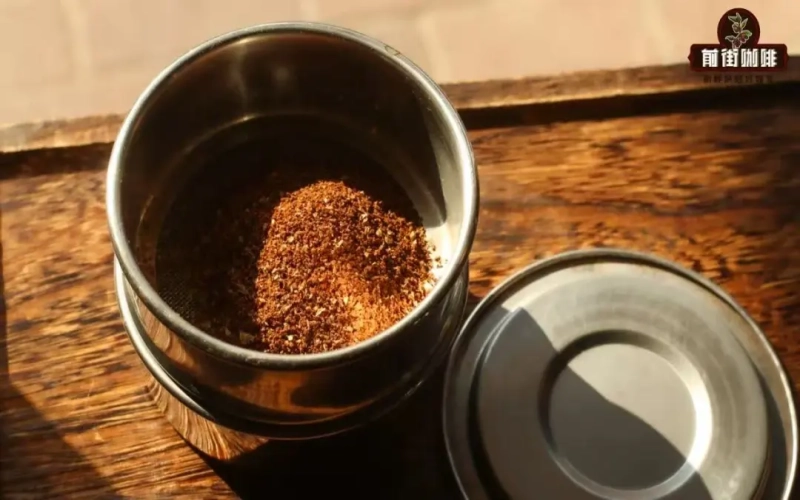
How Do Coffee Bean Density and Brittleness Affect Grind Size? A Guide to Choosing Grind Settings for Pour-Over Coffee
Many pour-over enthusiasts have discovered when testing ground coffee with a sieve that the same grind setting produces different passing rates for different bean varieties. Front Street Coffee recently received similar questions: why does particle size vary under the same grind setting? The core reason lies in the differences in bean density and brittleness—high-altitude, light-roasted beans tend to be harder and denser, producing fewer fines during grinding; low-altitude, dark-roasted beans are more brittle and prone to crumbling into fines. Only after understanding this principle can one adjust the grind size for different beans. This article combines medium-light roasted beans such as Front Street Yirgacheffe Gotiti, Front Street Ethiopia Hachira, and Front Street Granja Geisha, as well as medium-dark roasted beans such as Front Street PWN Golden Mandheling, Front Street Brazil Queen's Estate Yellow Bourbon, and Front Street Jamaica Blue Mountain No. 1, to provide specific EK43 settings and No. 20 sieve passing rate recommendations, helping coffee enthusiasts achieve consistent results. [more…]
A Complete Guide to Espresso Grind Settings: Choosing the Right Coarseness from French Press to Espresso
In the world of coffee, grind size is one of the key factors determining the success or failure of a cup. Different brewing methods have vastly different requirements for coffee grounds coarseness—from the sugar-like coarseness for a French press to the tiny particles between flour and mud for espresso, every extraction method has its corresponding grind standard. This article will provide an in-depth analysis of how to determine the grind setting for espresso, combining the definitions of Espresso from the Italian Coffee Association and the WBC to explain in detail how to control extraction time and flavor performance by adjusting grind size, and share Front Street Coffee's practical approach and specific cases when dialing in unfamiliar coffee beans, helping coffee enthusiasts precisely master grinding techniques. [more…]
Coffee Grind Size Comparison Guide: A Detailed Explanation of Electric Grinder Settings, Particle Diameter, and Brewing Compatibility
Grind size is the key variable that determines the success or failure of coffee extraction, and different brewing devices have significantly different requirements for particle diameter. This article systematically sorts out the corresponding grind settings from French press to espresso machine, introduces the industry-recognized cupping standard and the No. 20 sieve pass rate as calibration references, and provides specific scale references for the EK43s grinder. Whether you prefer immersion or pour-over, you can find suitable grind parameters here. The article also specifically reminds readers that coffee bean density and roast level will affect the actual particle coarseness at the same setting, so it is recommended to repeatedly confirm with the same beans. Several Front Street Coffee beans are also used as examples throughout to help readers understand the logic of grind adjustment more intuitively. [more…]
Yirgacheffe Red Honey Process Pour-Over Tutorial: Grind Settings and Brewing Techniques for Hario V60 and French Press
This Yirgacheffe red honey coffee from Front Street Coffee comes from the Idido region at an altitude of 2,000–2,200 meters. It is a local heirloom variety, G1 grade, processed using the uncommon red honey method, with pronounced sweetness, balanced acidity, and the signature floral and fruity aroma of Yirgacheffe. This article shares in detail its pour-over grind setting, as well as the specific parameters and techniques for two brewing methods—Hario V60 and French press—including coffee-to-water ratio, water temperature, pouring rhythm, and extraction time, along with tasting notes for each, to help coffee lovers recreate this bean's layered complexity and refreshing cup at home. [more…]
A Comprehensive Analysis of Jamaican Blue Mountain Coffee Bean Characteristics: A Guide to Pour-Over Grind Settings and Flavor Profile
Jamaican Blue Mountain coffee is one of the most famous coffees in the world, but the beans that can truly bear the name "Blue Mountain" are extremely rare. This article systematically outlines the producing region definition and altitude grading standards for Blue Mountain coffee, and takes a deeper look at its classic flavor: rich, mellow, sweet, soft, and smooth. At the same time, for pour-over enthusiasts, we have put together practical grinding parameters and brewing suggestions, along with product recommendations from Front Street Coffee, to help you better experience this finest of coffees. [more…]
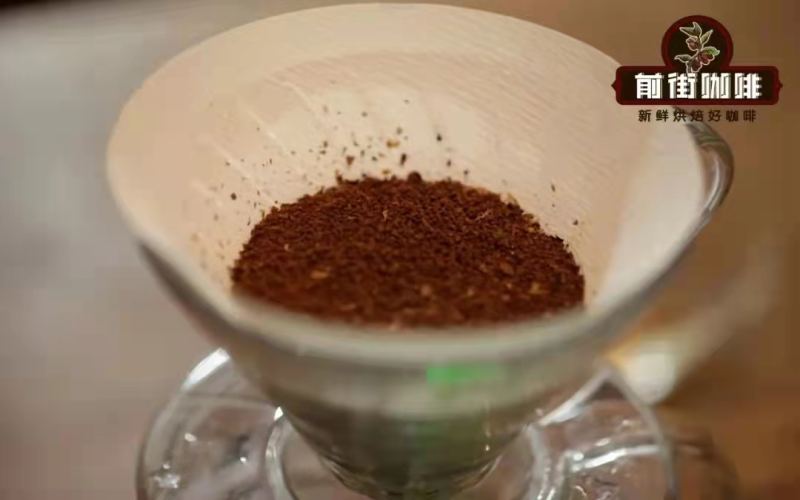
How to determine the grind size (coarseness/fineness) for pour-over coffee beans? How do you adjust the settings on a coffee grinder?
Among the parameters of pour-over coffee, Front Street believes that grind size is the hardest to master. It doesn't have intuitive data like water temperature or coffee-to-water ratio, nor can it be compensated for through practice like technique. As a result, many beginners are stumped by grind size. So Front Street will teach you how to get grind size right. First, I [more…]
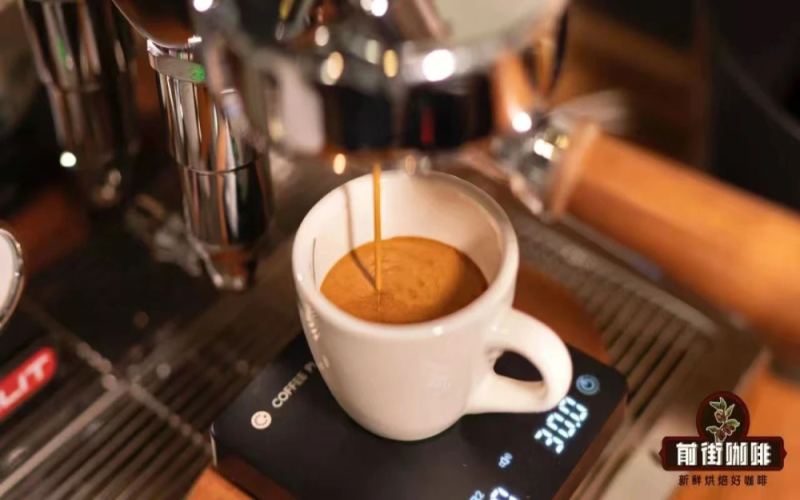
Complete Guide to Espresso Extraction: Blend Selection, Parameter Settings, and Key Operational Points Explained
To make a well-balanced espresso at home, having the right equipment alone is not enough—choosing the right coffee beans and mastering extraction details are equally crucial. This article starts with several espresso blends available at Front Street Coffee, introducing each one's flavor profile and target audience, while also providing a complete workflow from grinding and dosing, to distribution and tamping, to locking in the portafilter and extracting. It also explains how to adjust variables such as dose, ratio, and time, helping those new to espresso establish a stable and reproducible extraction method. [more…]
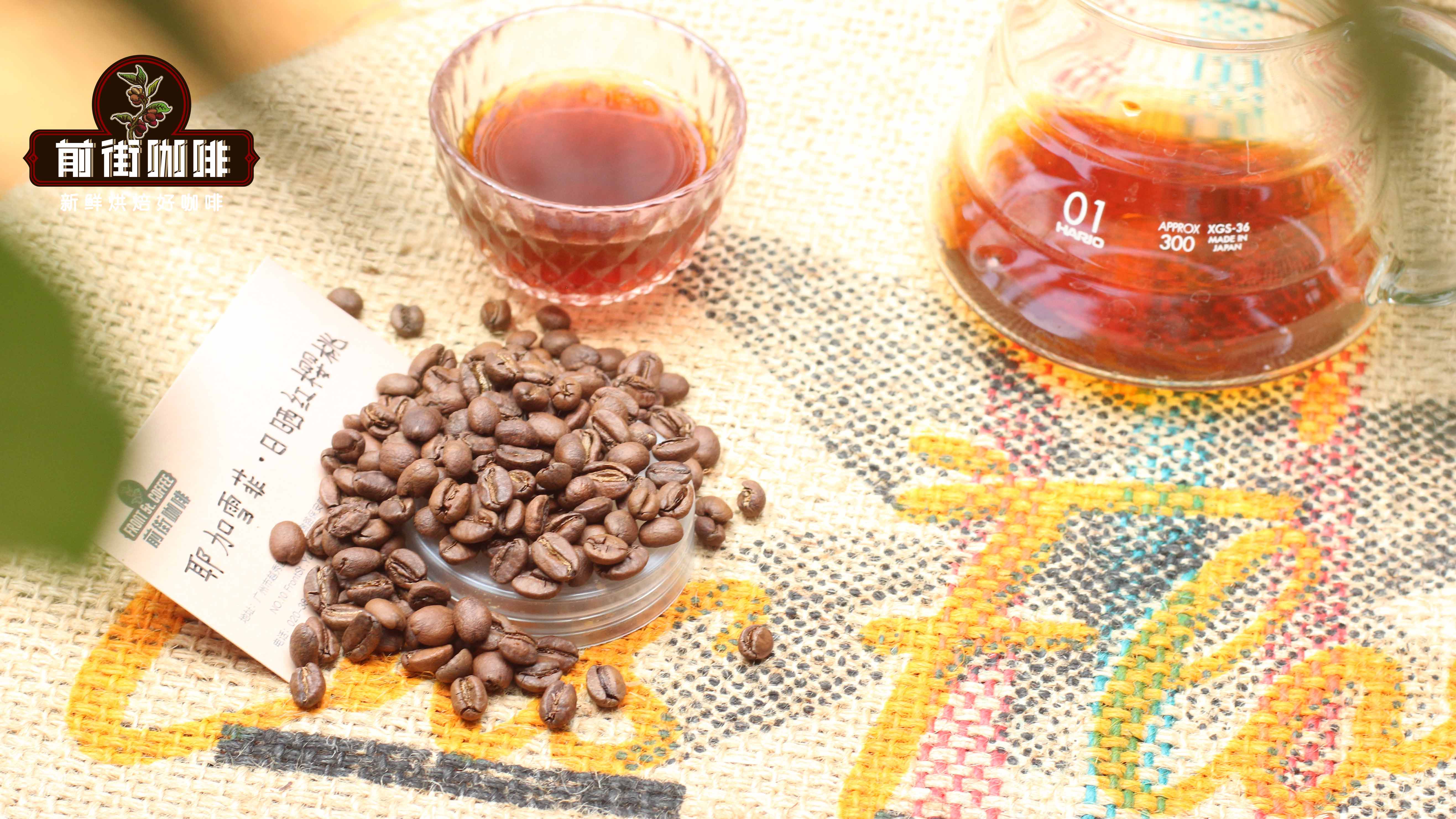
Yirgacheffe G1 Coffee Brewing Guide: Full Analysis of Flavor Notes, Mouthfeel Characteristics, Variety Traits, and Grind Settings
As a representative of Ethiopian specialty coffee, Yirgacheffe's G1 grade presents strikingly different flavor profiles depending on the processing method. Washed Yirgacheffe G1 is known for its bright style interweaving citrus and floral notes, while natural Yirgacheffe G1 overturns many people's preconceived notions of coffee with its rich fruity aroma and fermented quality. This article will comprehensively analyze the brewing key points of Front Street Yirgacheffe G1, from variety origin, grade classification, flavor characteristics to grinding and extraction, guiding you to appreciate the unique charm of "coffee enters the mouth, a hundred flowers bloom." [more…]
Espresso Extraction Guide: Water-to-Coffee Ratio, Grind Settings, and Key Points for Parameter Adjustment
To consistently pull a delicious espresso at home or in a café, the brew ratio and grind size are two core variables you can't avoid. Drawing on the hands-on experience of Front Street Coffee, this article systematically breaks down the extraction logic of espresso: why parameters need to be re-dialed in every day, how dose and basket should match, what range the ratio should fall within, how flow rate and time constrain each other, and the real impact of pressure and water temperature on flavor. The article also provides a specific extraction recipe and flavor description for Front Street's Sunflower Warm Sun blend, helping readers turn abstract parameters into flavors they can actually perceive in the cup. [more…]
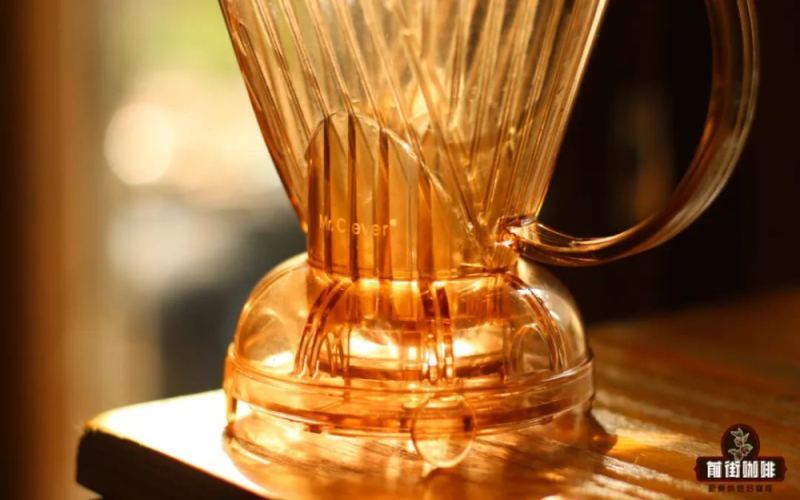
Does the Clever Dripper count as a pour-over dripper? A detailed explanation of its brewing method, extraction principles, and coffee grind size settings
Is the Clever Cup actually a dripper? It combines both immersion and drip extraction methods, relying on a valve at the bottom to achieve its unique operation. This article will start with the structural principles of the Clever Cup, outline two common ways to use it, and, with brewing examples from Front Street Coffee, explain key parameters such as grind size, water temperature, coffee-to-water ratio, and immersion time, helping coffee enthusiasts gain a more complete understanding of this device. [more…]

A Complete Guide to Grind Settings for Pour-Over and Espresso: From the Principles of Grind Adjustment to Practical Operation of Electric Grinders
Why must coffee shops adjust their coffee grinder every day? Because the humidity of the coffee beans, storage time, and even subtle changes in air pressure, temperature, and humidity are all magnified under high-pressure extraction, directly affecting the quality of the final cup. Starting from the principles of grinding, this article explains in detail how the spacing of the burrs determines particle size and water flow rate, and teaches you to judge whether the grind is appropriate by observing the texture of the powder; it also provides a complete set of adjustment steps from traditional manual coffee grinders to electric coffee grinders, including the linked relationship between output volume and grind degree, and the optimal distance between the puck and the spout, and other practical parameters. No matter what equipment you use, only by mastering these adjustment principles can every cup of espresso consistently present the ideal flavor. [more…]
A Guide to Adjusting Espresso Grind Settings: The Complete Workflow from Flow Rate Diagnosis to Flavor Fine-Tuning
When making espresso, precise control of the grind size directly determines the quality of the final cup. Unlike pour-over or cold brew, espresso uses pressurized, short-duration extraction, where any slight deviation is magnified—making the demands on grind exceptionally strict. This article will walk you through just how fine an espresso grind really is, how to quickly lock in the right setting by observing flow rate, and how to make fine adjustments down to the 0.1-step level based on the flavor profile of the espresso. We'll also share recommendations for choosing Front Street Coffee's classic espresso blend beans, helping you easily recreate cafe-level rich espresso and velvety crema at home. [more…]

How to Interpret Coffee Grind Settings from 1-10? A Detailed Guide to EK43 Grinder Calibration and Pour-Over Coarseness Selection
Grind size has a decisive influence on the final flavor of a cup of coffee: if the grounds are too fine, over-extraction is likely; if too coarse, under-extraction may occur. Faced with the 1-to-10 settings on a grinder, many coffee enthusiasts don't know how the numbers correspond to coarseness, nor are they clear about what grind level to choose for different brewing methods. Drawing on the practical experience of Front Street Coffee, this article systematically sorts out the standards for coffee grind size, the appropriate grind levels for common brewing methods, and the reference values for the EK43 grinder. It also explains in detail how to use a 0.85mm No. 20 sieve for sieve verification, helping you accurately judge and adjust grind size at home, so that every cup of coffee can consistently present its ideal flavor. [more…]

Hand Grinder User Guide: Burr Structure, Adjustment Settings, and Key Points for Controlling Grind Size
The manual coffee grinder is an essential tool for many pour-over enthusiasts. Beyond price differences, different brands and models directly influence the grinding quality of coffee grounds. It is suitable for home use and can also be combined with French presses, AeroPresses, moka pots, and other devices to create a portable coffee solution for outdoor or travel use. This article, from the perspective of Front Street, systematically explains the burr structure, dial adjustment, handle drive, bean hopper, and grounds container functions of manual coffee grinders, and shares proper grinding operations, grind size selection for different brewing methods, as well as daily cleaning and regular maintenance tips to help you improve grind uniformity and coffee flavor. [more…]
Yirgacheffe Kochere G2: A Complete Guide to Flavor Profile, Processing Method, and Grind Settings
Yirgacheffe Kochere G2 is a classic among Ethiopian specialty coffees, renowned for its vivid floral aromas and fruity acidity. This article focuses on Front Street Yirgacheffe Kochere G2, outlining its cup profile and flavor performance, its growing region background, and its processing method, while also providing a grinding setting reference. Kochere is located about 25 miles southwest of Yirgacheffe town, where local smallholders deliver their coffee lots to a cooperative for centralized processing. The so-called "Yirgacheffe flavor" is often described as jasmine florals, lemon or lime-like acidity, and peach, almond sweetness, or tea-like notes. This season, Front Street's lot stands out with a particularly pronounced blueberry note in the dry aroma, and after grinding, the whole room fills with blueberry fragrance. The article also introduces Ethiopia's coffee industry and growing elevations to help readers fully understand the source of this bean's flavors and approaches to brewing it. [more…]