







Search Results for: Grind Ratio
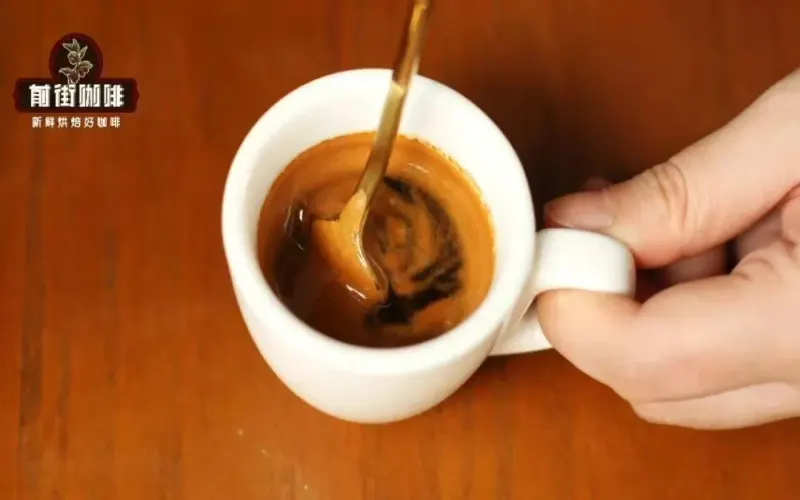
Why Is the Espresso Extraction Ratio Locked at 1:2? A Guide to Adjusting the Three Key Parameters: Dose, Grind, and Time
Many people new to espresso often run into this confusion: they follow the popular online formula of 18g of grounds yielding 36ml of liquid, yet the coffee tastes sharp and stings the tongue—clearly under-extracted—and they have no idea whether to adjust water temperature, pressure, water volume, or grind. In fact, dialing in espresso isn't complicated; you just need to focus on three core parameters: dose, brew ratio, and the interplay of time and grind. Dose and ratio usually don't change much—what really needs repeated fine-tuning is the grind setting. Drawing on Front Street's practical experience, this article explains why 1:2 is considered the golden ratio for espresso, how to use the roughly 30-second extraction window to judge whether your grind is right, and how to make precise corrections through dose and yield when the flavor goes off—helping beginners quickly build a clear, workable approach to espresso extraction. [more…]
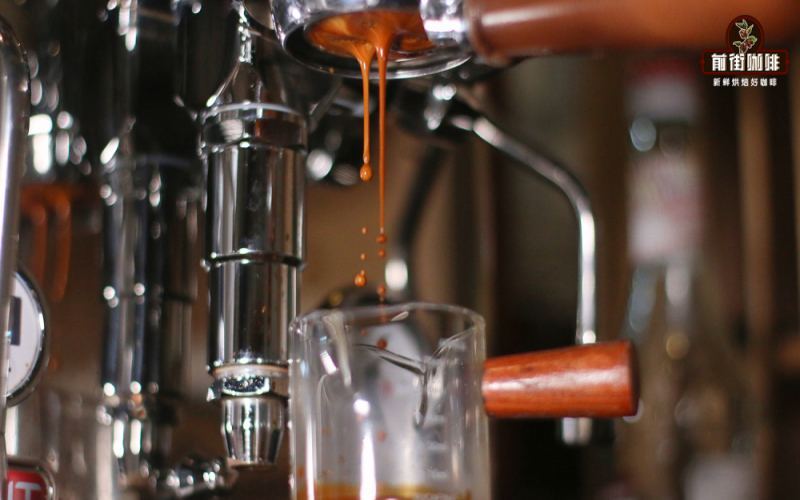
Espresso Extraction Ratios and Grind Size Explained: Dose-to-Yield Ratio, Flow Rate Adjustment, and Front Street Practical Parameters
Espresso is a taste treasure Italy has gifted to the world—briefly extracted, yet it concentrates the very essence of coffee. To obtain a qualified Espresso, parameters such as grind size, water temperature, extraction time, and dose-to-yield ratio are all indispensable, among which the extraction ratio and grind coarseness are especially critical. This article will systematically explain the dose-to-yield ratio range for espresso, the influence of grind coarseness on flow rate and flavor, and how to respond to extraction changes by adjusting dose, grind setting, and yield weight. The article also includes the practical parameters from Front Street Coffee's store and the flavor performance of the "Front Street Sunflower Warm Sun Blend Coffee Beans" for coffee enthusiasts' reference. [more…]
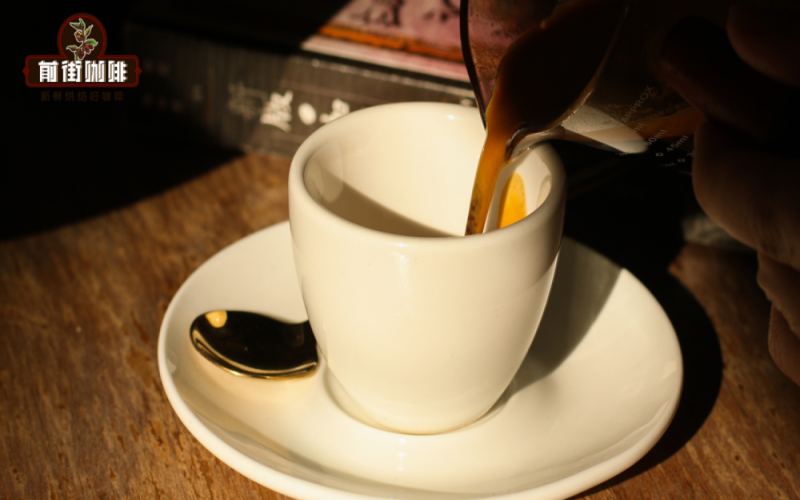
How Should the Espresso Brew Ratio Be Determined? A Complete Guide from Dose and Grind Size to Extraction Time
To make a decent espresso at home, the coffee-to-water ratio and grind size are two core variables you can't avoid. Standard espresso is usually based on 1:2, with a single shot using about 9 grams of coffee to extract 18 grams of liquid, and a double shot using 18 grams of coffee to 36 grams of liquid, but the actual output still needs fine-tuning based on how it tastes that day. The most intuitive way to judge whether the grind size is right is the extraction flow rate: if the liquid comes out too fast, the grind is too coarse and needs to be made finer; if the liquid comes out too slow, the grind is too fine and needs to be made coarser, until the extraction time falls within a reasonable range. Besides the parameters, the choice of beans is equally key—medium-dark roast blends or darker are more likely to achieve a balanced, stable flavor. This article will organize an actionable set of adjustment ideas around dose, ratio, grind size, and extraction time. [more…]
How to Adjust AeroPress Brewing for Dark Roast Beans? A Practical Analysis of Grind Size and Coffee-to-Water Ratio
The AeroPress excels at immersion extraction, and the resulting brew is usually balanced and easy to drink. But when the coffee beans are switched to a medium-dark roast and the goal is to highlight a rich, full-bodied taste, the original parameters often fall short. In this article, Front Street Jamaica Blue Mountain is used as the experimental bean, with water temperature fixed at 85°C, inverted extraction, and total time controlled within two minutes, changing only the grind size (BG 6M, BG 6A, BG 5R) and the coffee-to-water ratio (1:14, 1:13) for comparison. The results showed that: BG 6M had a noticeably brighter, crisper fruit acidity, BG 6A stood out with chocolate and nut notes but had slightly weaker sweetness, while BG 5R delivered the fullest cocoa and caramel sweetness. The final recommendation is to use a medium-fine grind, a 1:13 coffee-to-water ratio, and a short extraction time for dark-roasted beans, in order to achieve a rich and balanced cup performance. [more…]
How to Extract Espresso? A Full Analysis of Dose-to-Yield Ratio, Grind Size, and Extraction Time
To make a decent espresso at home, you need to get three things straight: how much coffee you use, how much liquid you extract, and how fine you grind. The standard reference is a 1:2 coffee-to-liquid ratio—about 9 grams of coffee yielding 18 grams of liquid for a single shot, and 18 grams of coffee yielding 36 grams for a double, with the actual output fine-tuned to taste. As for grind size, watch the flow rate: if it runs fast, grind finer; if it runs slow, grind coarser, until the extraction time falls within the right range. The roast level of the beans also matters a lot—medium-dark roasts and darker make it easier to achieve a balanced flavor. Drawing on the real-world parameters of Front Street Coffee's classic blend, this article lays out the extraction logic clearly in one go. [more…]
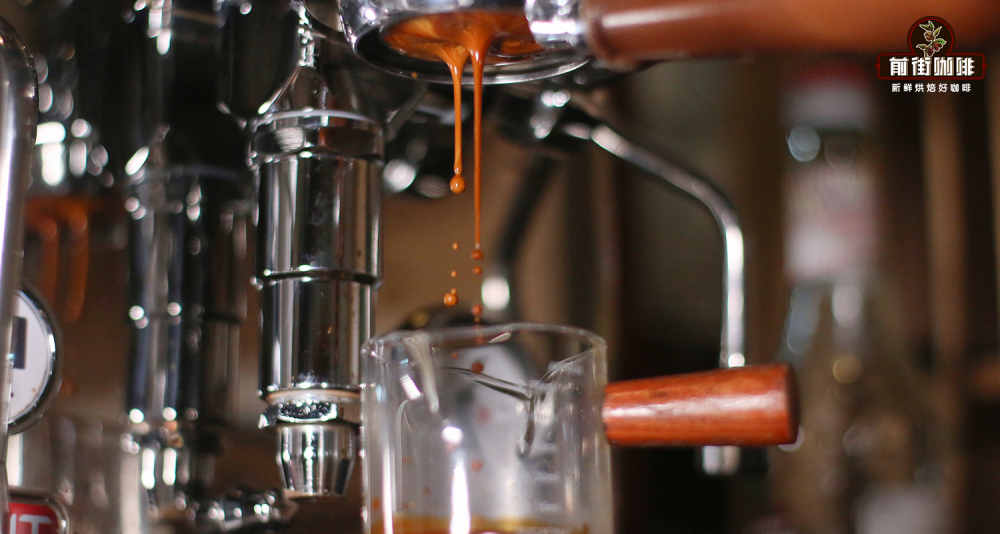
Espresso Extraction Ratio | How to Determine Espresso Grind Size? How to Adjust Espresso Grind Settings?
For more specialty coffee knowledge, please follow our WeChat official account: FrontStreet Coffee. Italy is a country of coffee culture, and the espresso that has spread across the globe is the soul of coffee and a treasure Italy has given to the world. Espresso, as its name suggests, is a [more…]

Iced Pour-Over Coffee Brewing Guide: A Practical Guide to Coffee-to-Water Ratio, Ice Amount, and Grind Size Adjustment
On a hot summer day, a glass of iced pour-over coffee is the refreshing first choice for many coffee lovers. But many people find that when they make it at home or in the office, the flavor always seems thin and watery. This article sorts out three key details of iced pour-over coffee: adjusting the coffee-to-water ratio, calculating the ratio of ice to brewed coffee, and subtle changes in grind size, along with alternative solutions for common problems such as grinder limitations and too many fines. At the same time, according to different flavor preferences, it recommends a variety of beans suitable for iced brewing, including Front Street Coffee Fruit Ding Ding, Front Street Coffee Strawberry Candy, Front Street Coffee Xizhua, Front Street Coffee 2013 Sun-Dried Typica, Front Street Coffee Bird of Paradise, Front Street Coffee PWN Golden Mandheling, and Front Street Coffee Queen's Estate, helping you consistently make a delicious glass of iced pour-over in summer. [more…]
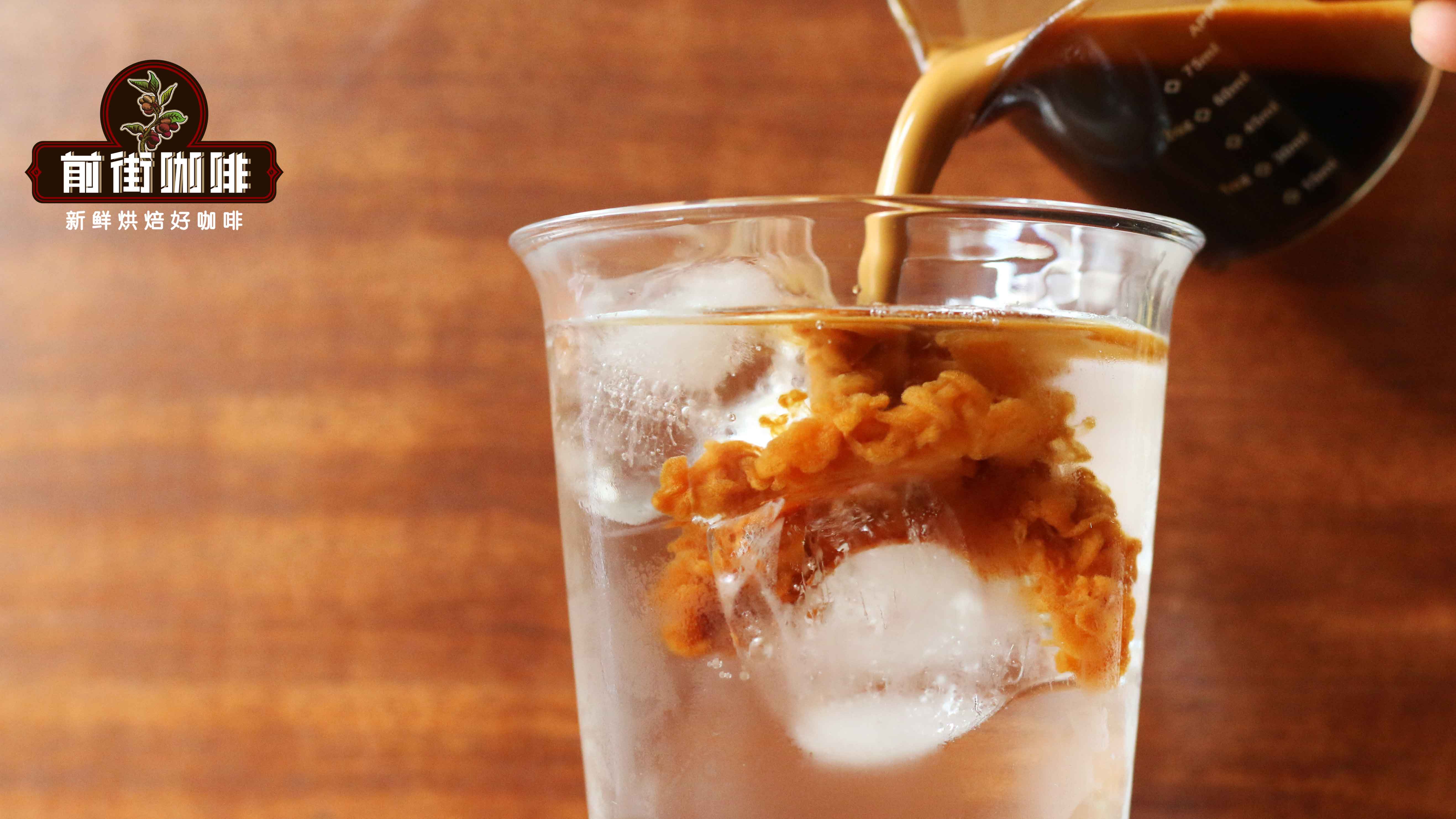
Why Does Filter Coffee Need a Coarser Grind? Common Coffee Grind Size Chart and Front Street Coffee's Americano Brewing Explained
The coffee grind size directly determines the extraction result, and drip coffee makers and espresso machines have completely different requirements for particle size. Why is a American-style drip pot more suitable for coarser coffee grounds? How should single-origin beans and blended beans be chosen for American-style preparation? Starting from Front Street Coffee's practical experience, this article sorts out the matching logic between grind size and brewing method, and breaks down in detail the method for determining the coffee-to-water ratio for American coffee, the espresso extraction parameters, and the specific steps for making iced Americano, helping coffee enthusiasts reproduce a balanced cup of drip coffee or espresso diluted with water at home. [more…]
Why Is Coarse Grind Preferred for Drip Coffee? An Analysis of Grind Size and Brewing Essentials for American Coffee Makers
Americano coffee is mostly presented in everyday cafés as espresso diluted with water, but American coffee in the true sense originates from the drip-style American coffee machine. Why is drip equipment better suited to coarsely ground coffee? How does grind size affect the extraction result? Starting from Front Street Coffee's practice, this article sorts out the extraction characteristics of drip coffee machines, the suitable choice of coffee beans, and the method for determining the Americano coffee-to-water ratio, and includes the specific preparation parameters and steps for hot Americano and iced Americano, helping coffee enthusiasts understand the logic of matching coarse grinding with drip brewing. [more…]
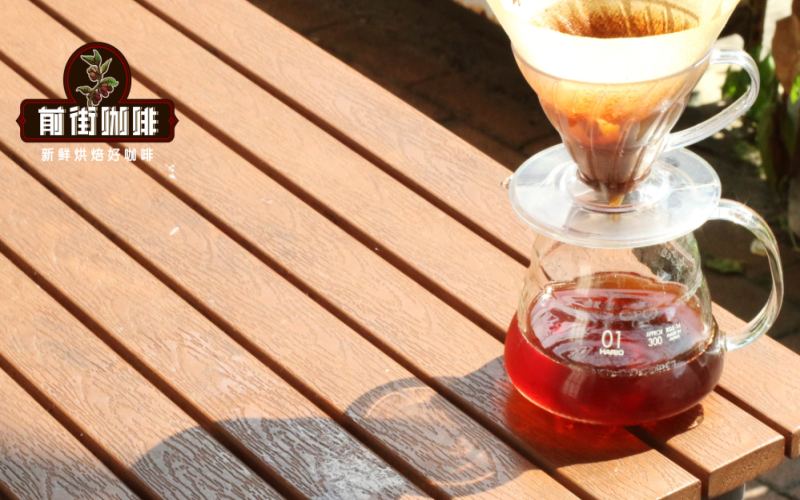
The Complete Guide to Making Cold Brew Coffee at Home: A Practical Guide from Bean Selection to Grind Ratio and Steeping Time
Making a delicious cold brew coffee at home is actually not complicated. Cold brew relies on low-temperature slow extraction, allowing small-molecule aromatic and acidic compounds to be released first, resulting in a light body with bright, well-balanced acidity and sweetness. All you need is coffee grounds, water, a sealed bottle, and a refrigerator. The real keys to success lie in three parameters: bean selection, grind size and coffee-to-water ratio, and steeping time. This article starts from flavor preferences, recommending beans such as Front Street Coffee Huakui, Xizhua, Queen's Estate, and PWN Golden Mandheling, and provides specific suggestions on grind coarseness, coffee-to-water ratio, and steeping time. Finally, using "Mozart" as an example, it fully demonstrates the production process and filtration method for 80g of grounds, 1:10 ratio, and 12 hours of refrigeration, helping you consistently replicate your ideal flavor. [more…]
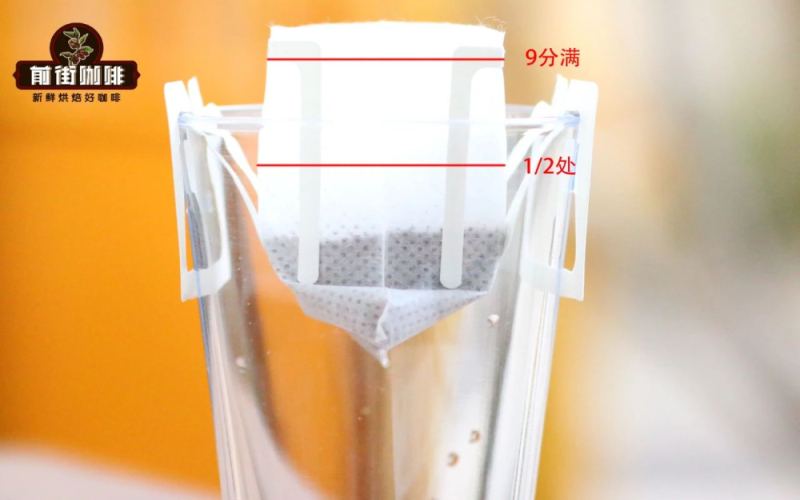
Three Keys to Better-Tasting Drip Coffee: A Practical Guide to Grind Size, Water Temperature, and Coffee-to-Water Ratio
Pour-over drip bag coffee brewing may seem simple, but if you want to brew an ideal cup, you cannot overlook three details: grind size, coffee-to-water ratio, and water temperature. This article explains, one by one, how each step—from pouring method and grind selection to ratio control and temperature management—affects the final taste, and provides specific product examples from Front Street Coffee's drip bags to help you avoid common pitfalls and consistently brew a delicious cup of drip bag coffee at home. [more…]
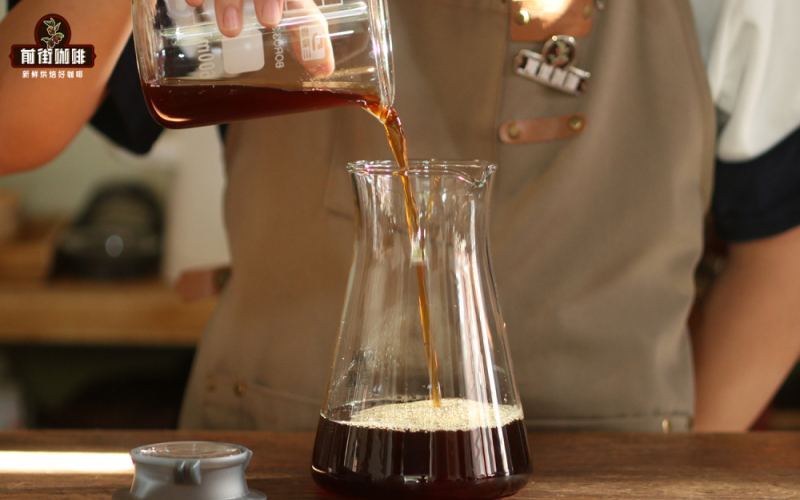
A Complete Guide to Cold Brew Coffee: From Grind Size and Ice-Water Ratio to Steeping Time
In the heat of summer, a refreshing low-acid cold brew coffee has become a favorite for many coffee lovers. But if you want to make a delicious cold brew at home, how coarse should the grind be? How should the ratio of ice water to coffee grounds be set? How long should it steep? This article starts with the origins of cold brew, the extraction principles, and its flavor characteristics, then explains key parameters such as the water-to-coffee ratio and grind size in detail, and includes Front Street Coffee's practical recipe and flavor description, helping you fully master the details of making cold brew coffee, avoid common pitfalls, and easily make a clean, smooth iced drink. [more…]

A Complete Guide to Espresso Extraction Parameters: Customizing Dose, Ratio, Time, and Grind Size
Espresso extraction is not something that can be mastered with a fixed formula. The freshness of the coffee beans, the grind size, the brand and model of the espresso machine, the extraction pressure, and the stability of the water temperature all cause the same bean to present completely different flavors in different hands. This article starts from the dimensions of dose, brew ratio, extraction time, flow rate, pressure, and water temperature, systematically explaining how to customize a suitable espresso extraction plan for the blend of coffee beans you have on hand. It also introduces how to troubleshoot and adjust one by one when the flow rate is abnormal, and how to use a concentration tester to calculate the extraction yield and determine whether it falls within the golden cup range. The article uses the "Warm Sun" blend from Front Street Coffee as an example, providing specific parameter references, and is suitable for coffee enthusiasts who wish to refine their espresso skills. [more…]
A Complete Guide to Espresso Extraction: Adjusting the Four Key Parameters of Dose, Grind, Brew Ratio, and Time
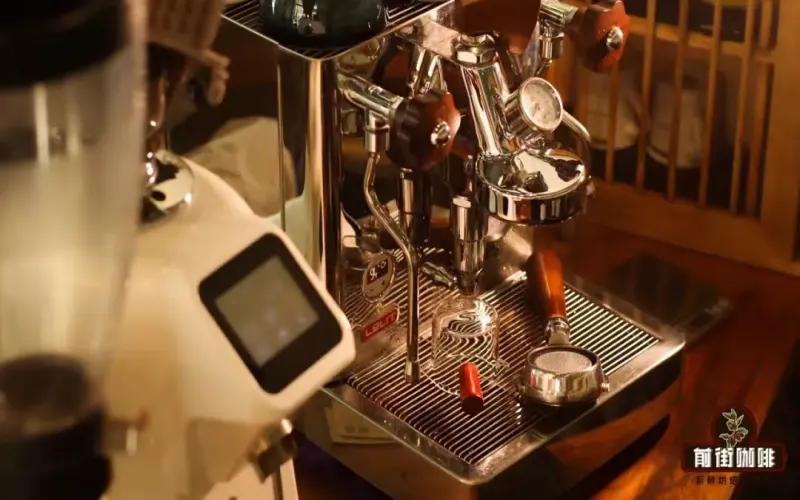
To make a well-balanced espresso at home, the key is to master a few core variables that affect extraction. Drawing on the practical experience of Front Street Coffee, this article systematically sorts out the relationships among the four main adjustable parameters—dose, grind size, brew ratio, and extraction time—to help readers understand how to decide which direction to adjust based on the taste the espresso presents. It also introduces the basic concept of the Golden Cup standard, explains why choosing a more stable espresso blend can improve the margin for error in home extraction, and lists four distinctive blends from the Front Street bean lineup for reference. [more…]
How to Brew Coffee with a French Press: A Detailed Guide to Coffee-to-Water Ratio, Grind Size, and a Six-Step Process
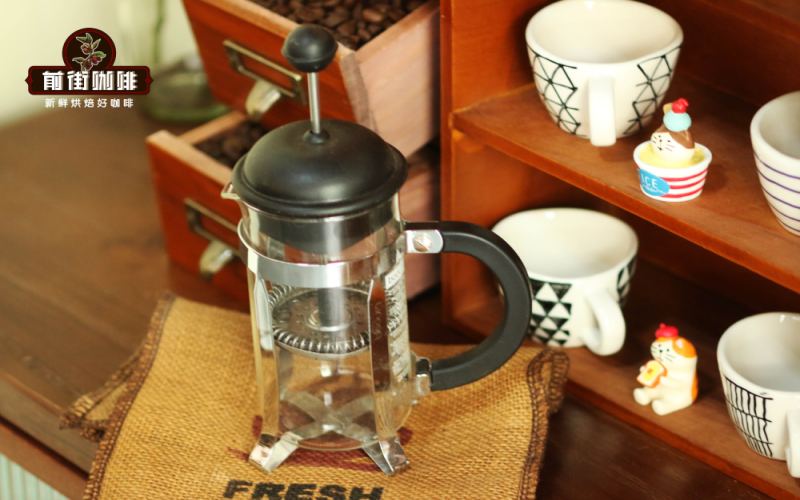
The French press is regarded by many coffee enthusiasts as the top choice for a beginner's brewing device thanks to its simple operation and consistent results, but when it actually comes to putting it into practice, details such as the water-to-coffee ratio, grind size, and steeping time often leave people scratching their heads. Drawing on the practical experience of Front Street Coffee, this article systematically sorts through the origins and extraction characteristics of the French press, focuses on answering the common question of how many milliliters of water should be paired with 30 grams of coffee grounds, and provides a complete six-step method covering everything from bean selection and grinding to pressing and pouring. It also compiles the pitfalls to watch out for, such as grind size control, preheating the carafe, and pressing speed, to help you consistently brew a full-bodied, smooth French press coffee at home. [more…]
Cold Brew Coffee Guide: How Coffee-to-Water Ratio, Grind Size, and Steep Time Affect Flavor
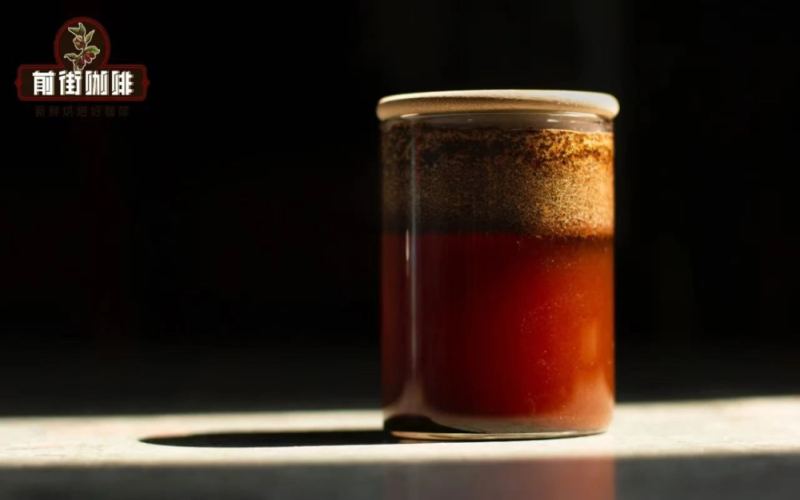
Cold brew coffee has a high extraction fault tolerance, so even without professional equipment, you can easily make a delicious iced coffee at home. However, the three parameters of coffee-to-water ratio, grind size, and steeping time are interrelated, and even a slight deviation can push the flavor toward blandness or bitterness. This time, Front Street Coffee combines experimental data to clearly explain the logic behind choosing cold brew coffee parameters: the recommended coffee-to-water ratio is between 1:12 and 1:13; for grind size, refer to pour-over coarseness, and a 70-85% passing rate through a No. 20 sieve is suitable; keeping the steeping time at 8-24 hours is relatively reliable. The article will also provide the specific flavor performance under different combinations of grind and time, and include the complete steps for making Front Street Strawberry Candy Cold Brew. [more…]
Brewing Front Street Golden Mandheling Coffee with a V60 Dripper: Adjustment Tips for Grind Size, Water Temperature, and Coffee-to-Water Ratio
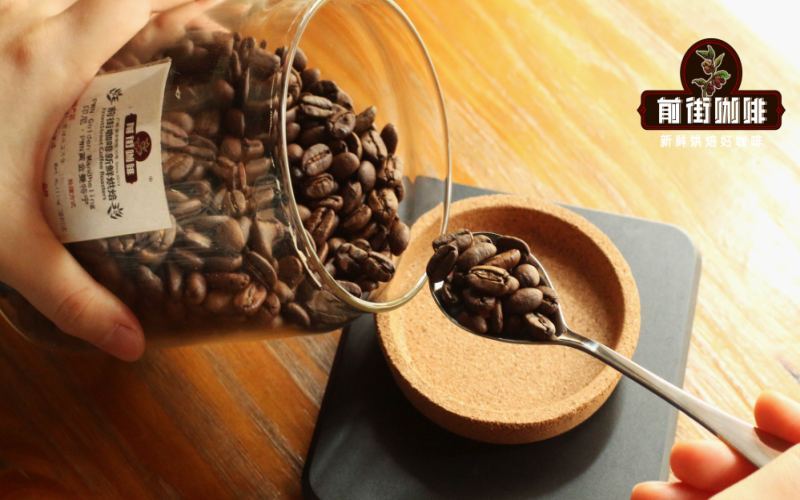
Many coffee enthusiasts, after purchasing Front Street PWN Golden Mandheling coffee beans, find that when they brew at home according to the parameters on the packaging, the taste differs from that in the store. This is actually closely related to the type of dripper—Front Street's store uses the Kono Meimon dripper, while most enthusiasts have a V60 dripper at home. The two drippers differ significantly in flow rate and extraction method, so the same set of parameters cannot simply be applied to both. This article will explain in detail how to adjust the grind size, coffee-to-water ratio, and brewing water temperature according to the characteristics of the V60 dripper, so that you can brew a rich and full-bodied Golden Mandheling at home. At the same time, the article also introduces the method for measuring the 0.85mm sieve passing rate, as well as Front Street's grind size recommendations for different brewing methods, helping you grasp the extraction variables more precisely. [more…]
How to brew Front Street PWN Golden Mandheling with a V60? A complete guide to grind size, coffee-to-water ratio, and water temperature adjustments
Many coffee enthusiasts, after purchasing Front Street PWN Golden Mandheling coffee beans, find that when they brew at home according to the parameters on the QR code on the packaging, the flavor differs noticeably from what the café produces. The problem often lies with the dripper—Front Street's café uses the Kono Meimon dripper, while most people use a V60 at home. The flow rate and extraction logic of the two drippers are completely different, so simply applying the same parameters makes it hard to replicate the result. This article will systematically explain how to brew a rich, full-bodied Golden Mandheling with a V60—from grind size calibration, coffee-to-water ratio, and water temperature to the three-pour technique—so that the unique flavor of Indonesia Sumatra's wet-hulled processing method can be consistently presented at home. [more…]
Espresso Brewing Guide: How Dose-to-Yield Ratio, Grind Setting, and Extraction Time Affect Flavor
To replicate a rich, full-bodied espresso with abundant crema and aroma at home, the key lies in mastering three core parameters: the dose-to-yield ratio, extraction time, and grind size. Drawing on daily dialing-in experience from Front Street stores, this article explains in detail how to balance the acidity, sweetness, and bitterness of coffee by adjusting dose and yield, controlling the 25-to-30-second extraction window, and making fine adjustments to grind coarseness, while also covering the selection of fresh blend beans and key points for resting beans. The article also introduces the specific extraction recipe and flavor performance of Front Street Sunflower Warm Sun blend coffee beans, helping coffee enthusiasts consistently produce a delicious espresso on their own equipment. [more…]
Espresso Extraction Parameters | Why Is the Espresso Brew Ratio 1:2? How Do You Adjust Extraction Time, Coffee-to-Water Ratio, and Water Temperature for Espresso?
Friends often tell Front Street Coffee that they've just bought a new coffee machine but don't know how to dial in a standard espresso. They don't know how much coffee grounds to use, how much liquid weight to extract, or how long it should take. And even if they follow popular extraction formulas like "use 18g of grounds to extract 36ml of coffee liquid," what they end up with [more…]