







Espresso Machine How It Works and How to Dial It In
An espresso machine forces hot water at high pressure through a finely ground, compacted bed of coffee, producing a concentrated shot with thick crema. Three settings control the result: the dose-to-yield ratio, the extraction time between roughly 25 and 30 seconds, and the grind size.
Adjusting these values balances acidity, sweetness and bitterness. Home machines rarely match commercial ones, but the same logic applies. Start with fresh blend coffee at a medium roast, let it rest after roasting, then change one variable at a time until the shot tastes right.
To recreate a rich, aromatic espresso with a thick layer of crema at home, the key lies in mastering three core parameters: the coffee-to-water ratio, extraction time, and grind size. Drawing on daily dialing-in experience from Front Street Coffee's cafes, this article explains in detail how to balance the acidity, sweetness, and bitterness of coffee by adjusting dose and yield, controlling the extraction window of 25 to 30 seconds, and fine-tuning grind coarseness. It also covers the selection of fresh blend beans and key points for resting them. The article further introduces the specific extraction recipe and flavor profile of Front Street Coffee's Sunflower Warm Sun Blend, helping coffee enthusiasts consistently produce a delicious espresso on their own equipment.
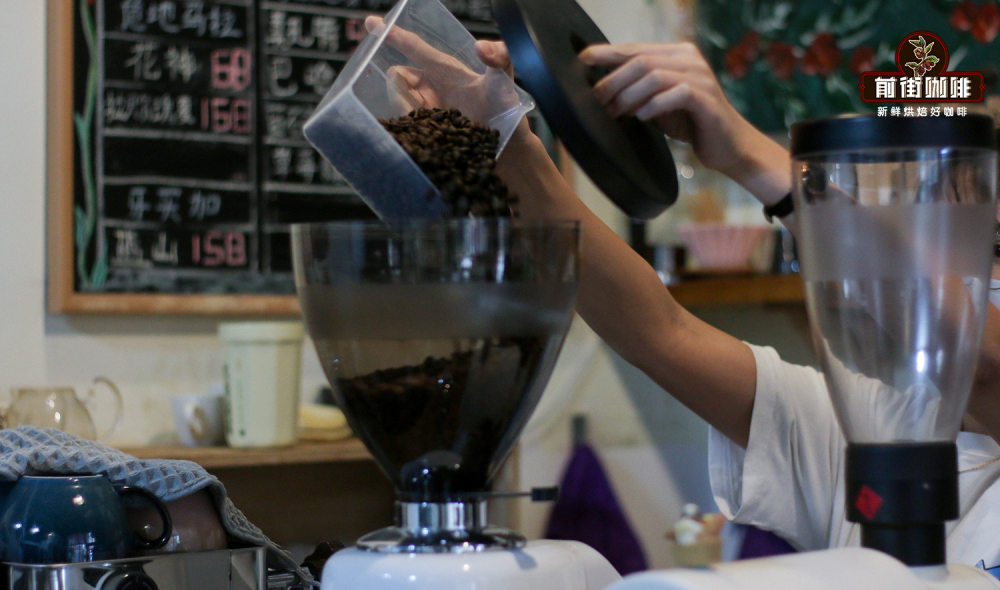
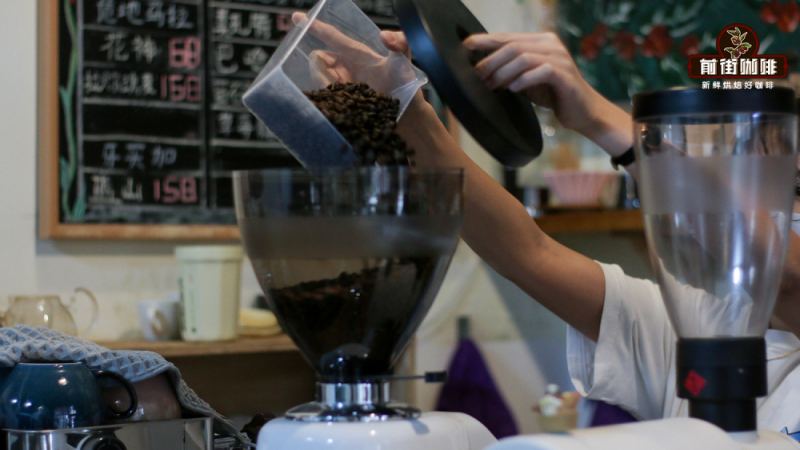
The first thing Front Street Coffee does every morning before opening is to dial in the espresso extraction parameters, and only then move on to other tasks. The reason is simple: every espresso-based drink in the cafe is built on espresso, so a quality shot directly determines the standard of everything that follows.
Espresso is made using a fully automatic or semi-automatic espresso machine, where under high temperature and high pressure, hot water is forced rapidly through a finely ground bed of coffee at tremendous pressure, producing a coffee liquid with thick crema, concentrated aroma, and a rich, full-bodied mouthfeel.
Many friends, after tasting an aromatic espresso at a cafe, hope to make something similar at home and come to ask Front Street Coffee: how should I set the parameters and ratios on home equipment? In fact, the purpose of developing an extraction recipe is simply to make the coffee taste better. Although home machines often fall short of commercial models in performance, as long as you find the right coffee-to-yield ratio, extraction duration, and grind size, you can still pull a satisfying espresso.
Before discussing extraction, Front Street Coffee recommends choosing a bag of fresh blend beans with a medium roast level and abundant aroma. Coffee flavor is influenced by multiple factors such as origin, variety, processing method, and roast level. Roasters blend coffees from two or more origins based on the beans' inherent characteristics and match them with an appropriate roasting curve, so the resulting espresso has a more stable flavor, a more balanced taste, and greater tolerance for error during extraction.
Every espresso Front Street Coffee makes has a fine layer of crema floating on the surface—what we commonly call "cream"—giving off a rich boozy aroma. This is a typical characteristic of freshly roasted beans. When coffee is ground and extracted under high pressure, the carbon dioxide in the grounds is enveloped by oils, forming this dense layer of tiny bubbles. After roasting, blend beans need a 4-to-10-day degassing and resting period before entering the stable flavor window. Darker-roasted blends typically need about 10 days to degas. All coffee beans shipped by Front Street Coffee are freshly roasted within 5 days, so when you receive them, they may still be in the resting phase. Therefore, Front Street Coffee suggests letting them sit for a few days before starting extraction.
Back to extraction itself: a delicious cup of coffee means an appropriate amount of soluble aromatic compounds has been brought into the cup. According to the Golden Cup standard, when the extraction yield falls between 18% and 22%, the coffee's flavor expression is relatively ideal. To achieve this, we need to control how much material is extracted through three variables: coffee-to-yield ratio, extraction time, and grind size.
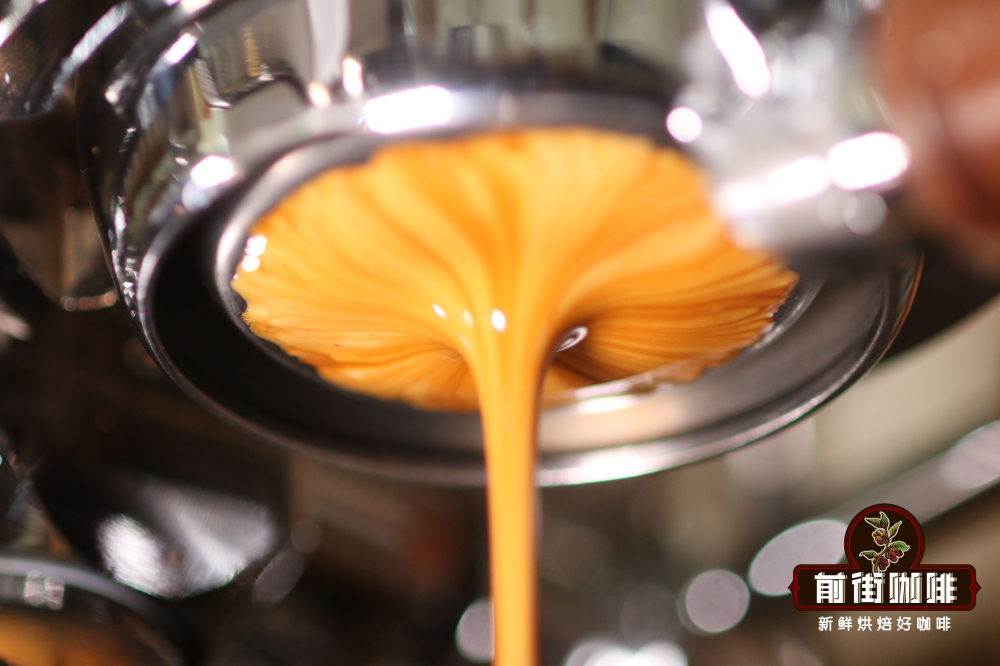
The extraction ratio refers to the ratio of coffee dose to liquid yield. This parameter has no absolutely fixed standard and needs to be adjusted flexibly according to actual conditions. The extraction ratio for espresso is typically kept between 1:1.5 and 1:2.5; Front Street Coffee's cafes use 1:2. The espresso machine at Front Street Coffee's cafes is paired with a 20-gram double basket. When pulling a shot, we weigh out 20 grams of coffee grounds and extract 40 grams of coffee liquid, then make minor upward or downward adjustments based on the day's espresso performance.
Increasing or decreasing the dose changes the compactness of the puck, which in turn affects the flow rate of the espresso. The more compact the puck, the slower the coffee liquid flows, and the longer it takes to extract the same yield. Concentration rises accordingly, and extraction yield is also higher. In practice, you need to combine flow rate and flavor performance to judge whether to slightly increase or decrease the dose.
Generally speaking, all else being equal, the shorter the extraction time, the less coffee material is dissolved; the longer the time, the more material is dissolved. When we fix the coffee-to-yield ratio at 1:2, adjusting grind size and dose to keep extraction time within 25 to 30 seconds is the quickest way to dial in espresso.
Espresso magnifies coffee flavors exponentially, so its demands on grind size are especially strict, and the margin for adjustment is extremely small. Grind coarseness is hard to distinguish with the naked eye; it usually shows up in the flow rate and taste of the espresso. When the grind is too coarse, the coffee particles are larger, the puck structure is loose, and water passes through more quickly, easily causing under-extraction—tasting thin and sharply acidic. When the grind is too fine, the coffee is prone to over-extraction, tasting bitter and harsh.
Friends who have visited Front Street Coffee's cafes for espresso may recall that Front Street Coffee has always used its own roasted "Front Street Coffee Sunflower Warm Sun Blend," composed of 30% Front Street Coffee Yirgacheffe Natural Red Cherry and 70% Front Street Coffee Honduras Sherry.
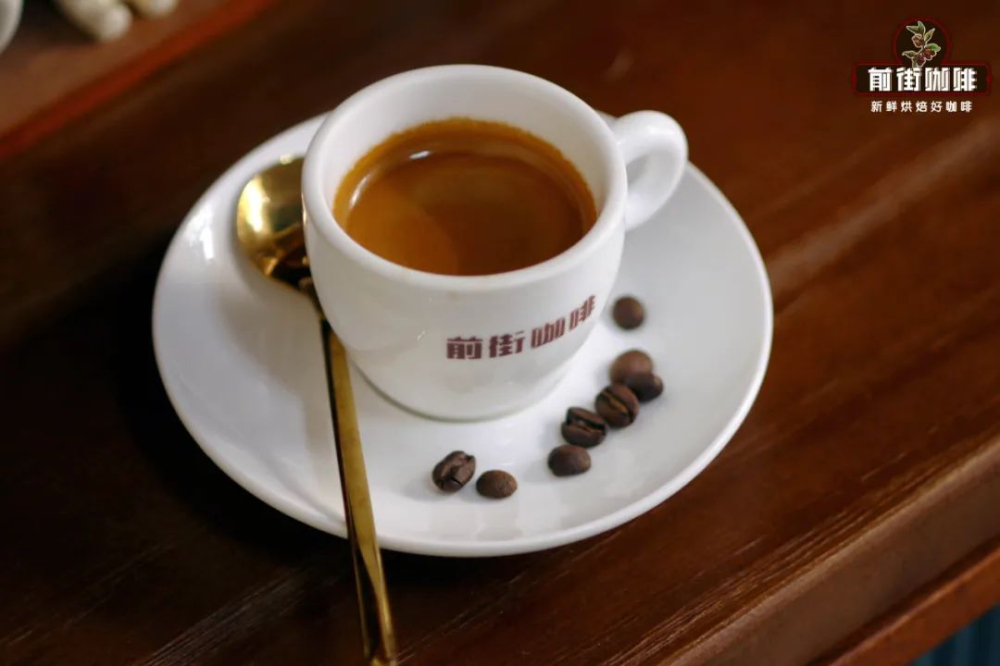
Front Street Coffee's extraction recipe is: weigh out 20 grams of coffee grounds, use a 1:2 coffee-to-yield ratio, extract 40 grams of coffee liquid under 9 bar of pressure, with time controlled at 30 seconds.
This espresso has a rich whiskey aroma, accompanied by the tart sweetness of berries. As the temperature drops slightly, vanilla and cream flavors gradually emerge, with a finish of dark chocolate. Overall it is balanced, with a rich and smooth mouthfeel.
For professional coffee knowledge exchange and more coffee bean information, please follow Coffee Workshop (WeChat public account: cafe_style)
For more specialty coffee beans, please add the private WeChat of Front Street Coffee (FrontStreet Coffee), WeChat ID: qjcoffeex
The above content is compiled by CoffeeHunters, a coffee news website.


