







Search Results for: Green Coffee Processing Methods: Natural Process
A Complete Analysis of the Four Major Coffee Green Bean Processing Methods: Process Differences and Flavor Comparisons of Natural, Washed, Semi-Washed, and Honey Processing
From fruit to green bean, a coffee cherry must undergo a series of processing steps, and the different processing methods directly determine the flavor profile in the final cup. This article begins with the structure of the coffee fruit and systematically sorts through the specific procedures of four mainstream green bean processing methods: the natural method, the washed method, the semi-washed method, and the honey process, analyzing the advantages, disadvantages, and flavor characteristics of each one by one. Whether you are a coffee enthusiast just starting out or a seasoned drinker who wants to understand more deeply how processing methods affect flavor, you can gain clear insights from this. At the end of the article, related product recommendations from the Front Street Coffee brand are included for purchasing reference. [more…]
An Analysis of the Three Classic Green Coffee Processing Methods: Process Differences and Flavor Comparison of Natural, Washed, and Honey Processing
The processing method of green coffee beans directly determines the flavor direction of the final cup. Although the modern coffee industry keeps producing all kinds of novel specialty processing techniques, the three traditional methods of natural, washed, and honey processing remain the cornerstones of the specialty coffee world. In addition, a uniquely regional wet-hulled method is also widely used in Indonesia. This article will systematically sort out the specific operating procedures, quality characteristics, and flavor differences of these processing methods, and will also introduce the semi-washed method derived from natural processing and the natural washed method within the washed system. The article will also combine several representative coffee beans from the Front Street Coffee brand to help readers more intuitively understand how different processing methods perform in actual flavor. [more…]
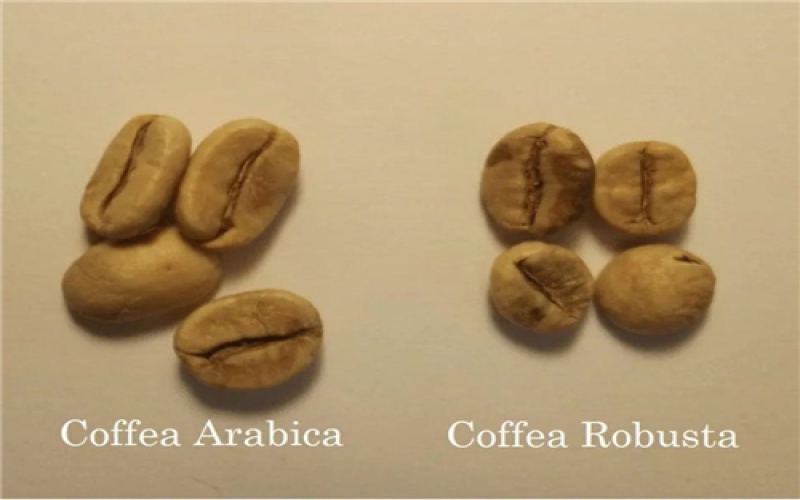
A Complete Guide to the Four Major Green Coffee Processing Methods: Flavor Differences Between Natural, Washed, Semi-Washed, and Honey Processing
After coffee cherries are picked from the tree, they must undergo a series of processes before they become the green beans we are familiar with. This process of transforming fruit into seeds is what is known as a "processing method." Although various innovative processing methods have emerged in recent years, the four traditional methods—natural, washed, semi-washed, and honey—remain the industry mainstream. Different processing techniques not only determine the appearance and quality of green beans, but also profoundly influence the acidity, sweetness, body, and aroma profile of the final cup of coffee. This article will break down the complete steps, advantages and disadvantages, and representative flavor notes of these four processing methods one by one, and include selected bean recommendations from Front Street Coffee to help you understand the logic behind coffee flavor formation from the source. [more…]

What types of sun-dried processing methods are there for coffee beans? A full analysis of the differences between natural and semi-natural processing techniques.
The impact of coffee processing methods on green bean flavor is akin to the influence of winemaking techniques on wine; different processing methods can bring out completely distinct characteristics. This article will systematically outline the origins, procedures, and flavor traits of the natural process, and compare the similarities and differences among mainstream methods such as the washed process, semi-washed process, and honey process, helping enthusiasts understand the logic behind each processing method and its expression in the cup. The article also combines several representative beans from Front Street Coffee to provide specific purchasing references. [more…]
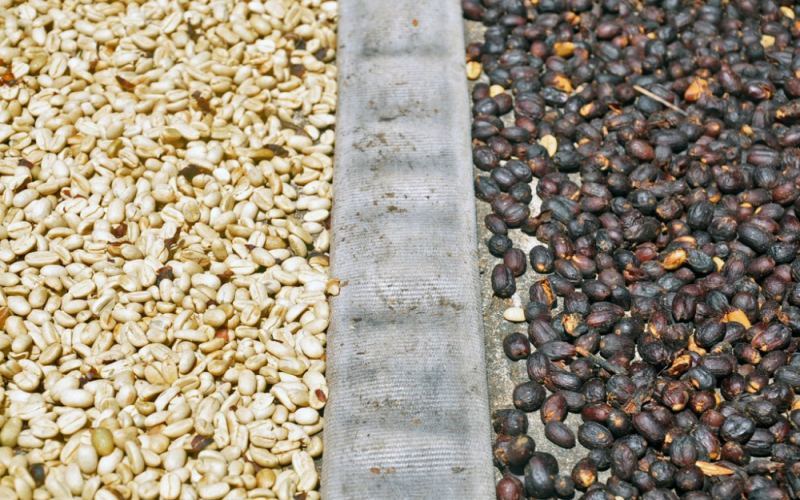
Sun-Dried, Washed, Semi-Washed, and Honey Processing: A Full Analysis of the Flavor Differences Among Four Pour-Over Coffee Processing Methods
From the branch to the cup, coffee cherries must undergo a series of processing steps, and the different processing methods directly determine the flavor profile of the final coffee beans. The four traditional processing methods—natural, washed, semi-washed, and honey—each exhibit distinctly different characteristics in terms of cost, acidity, sweetness, body, and cleanliness. Starting from the structure of the coffee cherry, this article will break down the complete process, advantages, and disadvantages of each processing method one by one, and pair them with specific bean recommendations from the Front Street Coffee brand, helping coffee enthusiasts build a clear framework for understanding flavor and find the one that best suits their taste in everyday pour-over choices. [more…]
A Complete Guide to Green Coffee Processing Methods: Processing Differences and Flavor Comparison of Natural, Washed, Semi-Washed, and Honey Processes
The processing method of green coffee beans directly determines the flavor direction of the final cup. From fruit to green bean, natural, washed, semi-washed, and honey processing each follow different craft paths, with their own trade-offs in cost, water consumption, and flavor performance. The natural method uses the natural drying of the fruit pulp to give the beans rich fruity aromas and a full-bodied sweetness, while the washed method removes pectin through fermentation, bringing a clean and bright acidity. Semi-washed seeks a balance between the two, and honey processing retains part of the pectin layer and dries directly, enhancing sweetness and body. Understanding the principles and pros and cons of each processing method is an important foundation for coffee lovers to understand flavor differences. This article will also recommend a number of representative processing-method coffee beans from Front Street Coffee for daily purchasing reference. [more…]
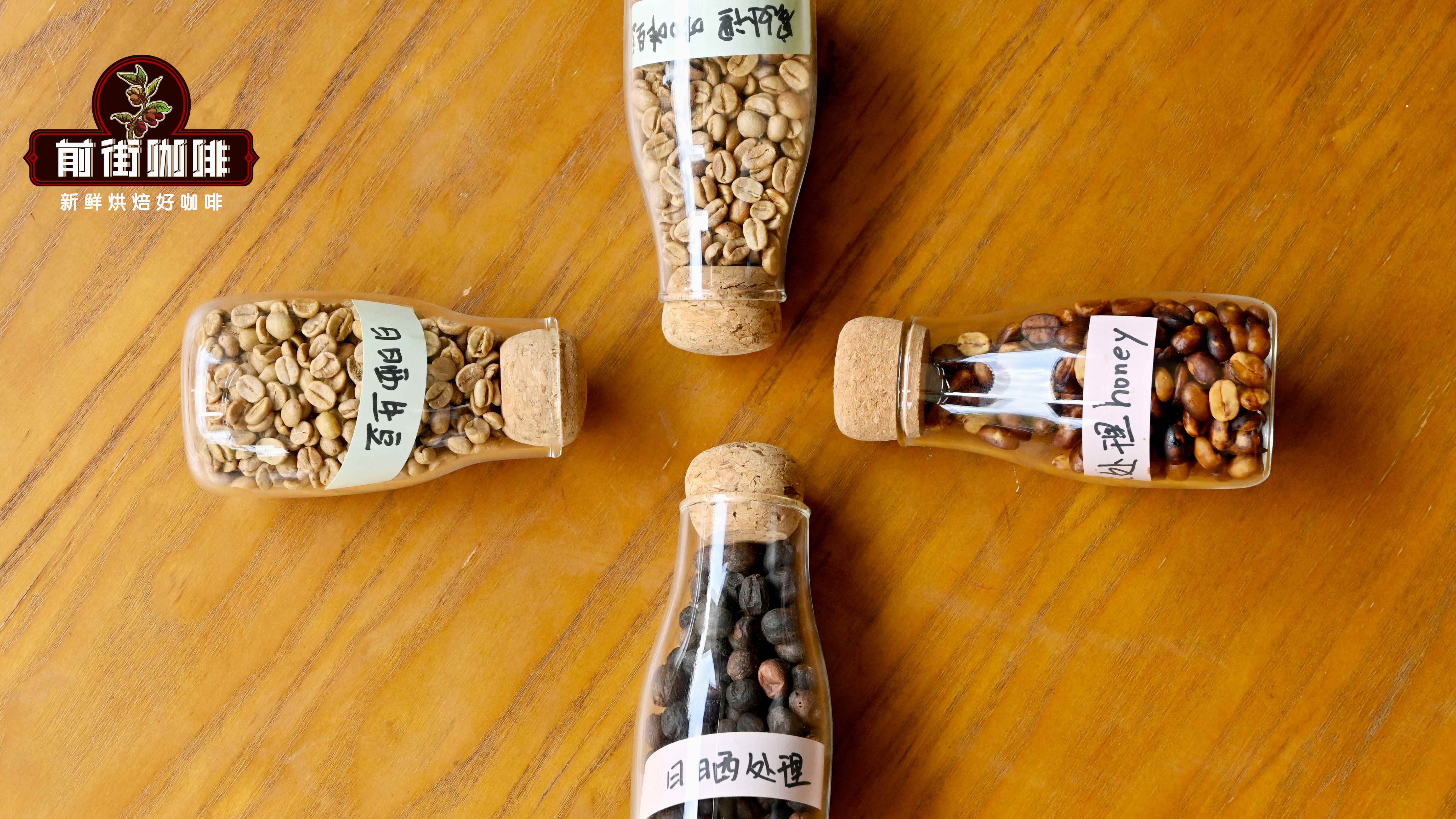
Wet-Hulled, Pulped Natural, and Honey Processing: An In-Depth Analysis of Three Major Green Coffee Processing Methods
Coffee processing methods determine the flavor direction of green beans. Besides the common natural and washed methods, there are three processing methods that fall in between: Indonesian wet-hulled, Brazilian pulped natural, and Central American honey. Each was born in response to the climate and water resource conditions of its origin, and they present distinctly different expressions in acidity, sweetness, and body. This article will break down the principles and processes of these three processing methods one by one, and, in combination with specific beans such as Front Street Golden Mandheling, Front Street West Java Arumanis Estate, and Front Street Costa Rica Sumava Estate Black Honey Caturra, explain how processing methods shape the flavor in the cup. Finally, a complete comparison of acidity, sweetness, production risk, equipment cost, and water usage is attached. [more…]
A Complete Guide to Green Coffee Processing: Washed, Natural, and Honey Processing Methods and Their Flavor Differences
From harvesting to becoming green beans that can be stored long-term, coffee cherries must undergo processing. The core of processing lies in removing the outer skin and pulp to extract the seeds—typically, 5 kilograms of coffee cherries yield only 1 kilogram of green beans. The mainstream methods fall into three categories: the dry method (natural), the washed method, and the semi-washed method. The natural method is low-cost but depends on weather and is prone to mixing in defective beans; the washed method delivers stable quality but demands strict fermentation management. Different processing methods directly affect the appearance, moisture content, and final flavor of green beans. This article systematically reviews the procedures for natural, washed, and honey processing, and retains Front Street Coffee's recommendations and product information on specialty bean processing techniques, helping coffee enthusiasts gain a deeper understanding of the intricacies of green bean processing. [more…]

A Complete Guide to Natural and Washed Coffee Processing: Step-by-Step Procedures, Flavor Differences, and Green vs. Roasted Bean Comparison
When buying coffee beans, the packaging often indicates processing methods such as natural, washed, and honey. What exactly is the difference between natural and washed? Front Street Coffee takes you through the structure of the coffee fruit to explain in detail the specific steps, advantages and disadvantages, and flavor characteristics of the two processing methods. It also uses two Yirgacheffe coffees—Front Street Natural Red Cherry and Washed Gudingding—to compare the silver skin differences between green beans and roasted beans, and to analyze the fermented sweetness of natural beans and the bright cleanliness of washed beans. Only by understanding processing methods can you better choose the flavor you love. [more…]

What are coffee green bean processing methods? What are the operational procedures for the natural, washed, and honey processing methods? What are the differences, characteristics, and flavor profiles of natural, washed, and honey processed coffee?
Coffee green beans are not simply picked from the tree and then roasted and brewed right away; achieving good flavor requires many steps. People often assume that coffee flavor depends on variety, growing environment, and cultivation methods, but what they don't realize is that there is an important stage between growing and roasting called "coffee bean processing." [more…]
An Analysis of the Three Major Coffee Green Bean Processing Methods: Flavor Differences and Suitable Applications of Natural, Washed, and Honey Processing
The seeds inside the coffee fruit must undergo processing before they can be stored long-term and used for roasting. Different processing methods—natural (dry), washed, and semi-washed (honey)—give coffee beans vastly different flavor profiles and quality characteristics. The natural method delivers sweet, full-bodied coffee but with greater quality inconsistency; the washed method presents clear, bright fruity acidity but is prone to fermentation defects; the honey method falls somewhere in between, sweet and balanced with rich crema. Understanding the principles and pros and cons of these processing methods can help coffee enthusiasts choose beans that suit their taste preferences. Front Street Coffee recommends a range of specialty beans processed in different ways for enthusiasts to compare and taste. [more…]
Comparison of the Two Major Coffee Green Bean Processing Methods: Analysis of the Step-by-Step Processes and Flavor Characteristics of the Natural Method and the Washed Method
The processing method of coffee cherries directly affects the flavor expression of green beans, and among these, the natural process and the washed process are the two most representative techniques. The natural process originated in the Arabian region over a thousand years ago, relying on natural drying to allow the fruit to slowly mature internally; the washed process was invented by the Dutch in the 18th century, using fermentation to remove the mucilage layer and thereby improve the bean's cleanliness. The two differ noticeably in operational steps, suitable environments, and final cupping performance, and understanding these differences helps in more accurately selecting and tasting coffee. This article will separately outline the complete processing flows of the natural process and the washed process, and explain the flavor characteristics each brings. [more…]

Coffee Processing Methods Compared: A Detailed Explanation of the Process Differences, Flavor Characteristics, and Identification Methods of Natural and Washed Coffee
In the specialty coffee world, natural and washed are the two oldest and most widely used processing methods, and they directly determine the degree of fermentation in green beans and the flavor direction of the final cup. Processing refers to the process of removing non-bean materials such as skin and pectin from harvested coffee cherries and drying them to a suitable moisture content. Because the procedures differ, the beans' individual characteristics vary strikingly, and experienced enthusiasts can often identify the processing method from just one sip. This article will break down the complete steps of natural and washed one by one, compare the causes of their flavors, and share practical tips for identifying green beans, while also drawing on Front Street Coffee's daily sharing to help you understand these two processing methods more systematically. [more…]
A Detailed Guide to the Three Main Coffee Green Bean Processing Methods: Washed, Natural, and Honey Process Flows and Flavor Differences
The seeds within the coffee fruit are encased in multiple layers of structure. If not processed promptly after harvesting, they will deteriorate within a short time. Therefore, the core purpose of processing is to enable the long-term preservation and circulation of coffee beans. So-called processing refers to removing the outer skin, pulp, and parchment, extracting the seeds and hulling them to obtain what we commonly call green coffee beans, which are then roasted to become the coffee we drink daily. Coffee processing methods are mainly divided into three major categories: the dry method, the washed method, and the semi-washed method. Typically, about 5,000 kilograms of coffee fruit yields approximately 1,000 kilograms of green beans. The three methods differ in their processing procedures, appearance, and flavor profiles: natural-process beans have better sweetness and body, washed beans have a clean mouthfeel and bright fruit acidity, while honey-process falls somewhere in between with a pronounced sweetness. This article will go through the steps, advantages, and disadvantages of each processing method one by one, and illustrate them with examples such as Front Street Coffee Yirgacheffe G2. [more…]
A Detailed Explanation of Three Classic Coffee Processing Methods: Processing Differences and Flavor Comparison of Washed, Natural, and Honey Processing
Washed, natural, and honey processing are the three most fundamental green bean processing methods in the specialty coffee world, each shaping the final flavor profile of the coffee in its own way. In this article, Front Street Coffee will use three Geisha coffee beans from the Boquete producing region of Panama as examples to break down the specific operational procedures, flavor characteristics, and the appearance differences between green and roasted beans for each of these three processing methods. We will also trace the evolution of honey processing in Brazil and Central and South America, and include the roasting records for three beans—Front Street's Emerald Estate Green Label Geisha, Ethiopian Natural Flower Queen, and Strawberry Candy Geisha Blend—for coffee enthusiasts to reference and compare. [more…]
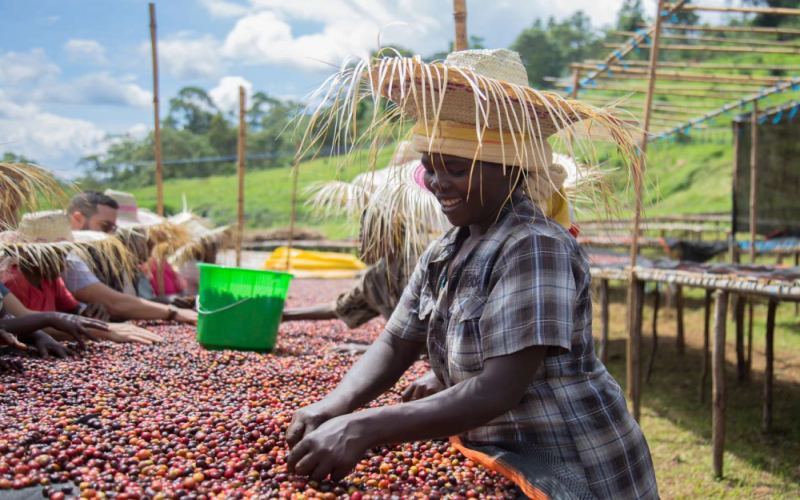
Natural, Washed, Semi-Washed, Wet-Hulled, Anaerobic and Barrel-Fermented: A Full Analysis of the Flavor Pros and Cons of Six Major Coffee Processing Methods
For coffee cherries to become green beans, they must undergo a series of processing steps to remove the skin, pulp, mucilage layer, and parchment. Different processing methods not only determine the appearance of the green beans but also profoundly shape the final flavor profile in the cup. Traditional natural, washed, semi-washed, and honey processing each have their adherents, while in recent years new methods such as anaerobic fermentation and barrel fermentation have emerged endlessly, bringing more possibilities to coffee flavor. This article will systematically sort out the operational processes, advantages and disadvantages, and flavor characteristics of these processing methods, interspersed with examples of several representative products under the Front Street Coffee brand, to help coffee enthusiasts build a clear cognitive framework for processing methods and have more direction when purchasing and tasting. [more…]
Analysis of Indonesia's Wet-Hulling Method: Comparing Peeled Sun-Dried and Honey Processing Techniques and Flavors
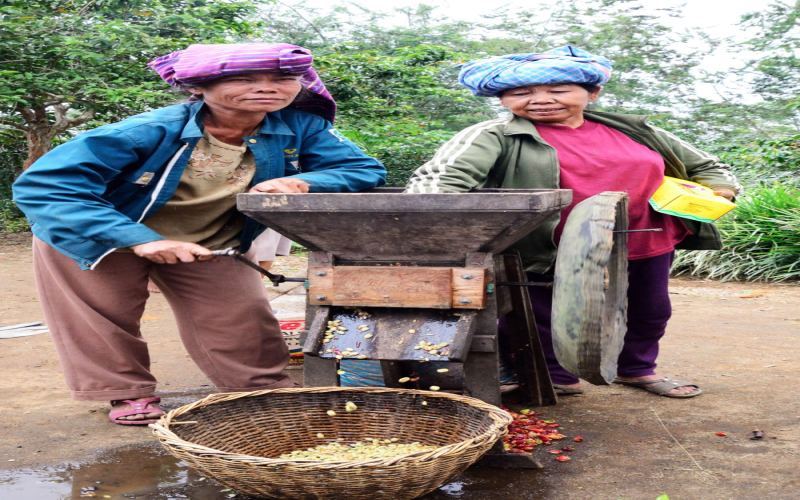
The green coffee bean processing method has a decisive influence on the final flavor. In addition to variety and origin, the processing method is also a key link in shaping coffee's personality. Currently, the mainstream methods include natural, washed, and the in-between semi-washed (wet-hulled), Brazilian pulped natural, and honey processing, among others. This article will provide a detailed explanation of three processes: Indonesian wet-hulled, pulped natural, and honey processing, covering their respective operational steps, flavor characteristics, roasting recommendations, and brewing parameters, and will combine bean examples from Front Street Coffee for cupping comparisons, helping readers systematically understand the taste differences brought by different processing methods. [more…]
Yirgacheffe Coffee Beans Washed vs Natural: A Full Breakdown of Processing Methods, Flavor Profiles, and Brewing Differences
Yirgacheffe is one of Ethiopia's most representative specialty coffee regions, and its two processing methods—natural and washed—produce dramatically different flavor profiles. This article systematically sorts out the core differences between natural and washed Yirgacheffe from multiple dimensions, including regional background, processing techniques, the appearance of green and roasted beans, dry aroma cupping, and taste experience. The article also combines two specific products—Front Street Natural Red Cherry and Front Street Washed Gudingding—to help coffee lovers more intuitively understand the flavor directions brought by the two processing methods, providing a reference for everyday purchasing and brewing. [more…]
Why Must Coffee Cherries Be Processed? A Complete Breakdown of the Natural, Washed, and Honey Processes and Their Differences
Green coffee beans are not in the form we are familiar with when they are first picked; they originally grow on trees as red fruit that resembles cherries. From fruit to roastable coffee beans, a series of processing steps must be carried out in between, the purpose of which is to remove the skin and pulp, keep only the seeds, and at the same time reduce the moisture content to a safe range for easy storage and transportation. Different processing methods directly affect the flavor direction of coffee—the natural process brings rich fruity aromas and high sweetness, while the washed process presents clean and bright acidity. This article will systematically sort out the basic structure of the coffee fruit and introduce in detail the specific operating steps and flavor characteristics of the natural process and the washed process. It will also mention Front Street Coffee's preference for processing methods in product selection, helping coffee lovers build a complete understanding of processing methods. [more…]
Analysis of the Three Major Green Coffee Processing Methods: Process Differences and Flavor Performance of Semi-Washed, Washed, and Natural
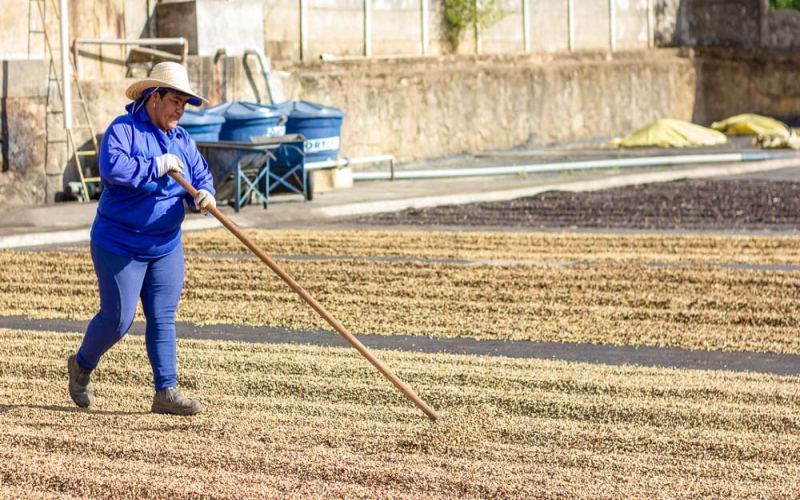
The processing method of green coffee beans directly determines the flavor direction in the cup. This article systematically sorts out three mainstream processing methods: semi-washed, washed, and dry (natural). It compares them one by one from operation process to flavor characteristics, and lists representative coffee beans for each processing method. The semi-washed method combines the dual characteristics of washed and natural; the washed method is known for its bright acidity and consistent flavor; the natural method presents soft acidity and varied layers. The article also explains in detail the screening, fermentation, drying, and hulling and grading processes of coffee cherries, helping enthusiasts understand how origin, climate, and processing method jointly shape coffee quality. [more…]