







Search Results for: Greater China Zone

Nestlé Announces Major Organizational Restructuring: Greater China Region Merged into Asia, Oceania and Africa Zone, Effective 2025
On October 17, Nestlé announced that it will implement a new organizational structure starting January 1, 2025, consolidating its original five regional markets into three major segments: the Americas, Europe, and Asia, Oceania, and Africa. Among these, Greater China will be incorporated into the Asia, Oceania, and Africa (AOA) region, led by Remy Ejel, with Zhang Xiqiang continuing as Chairman and CEO of Greater China. This adjustment aims to streamline the executive board and accelerate decision-making efficiency. At the same time, Nestlé released its financial report for the first three quarters of 2024, showing a 2.4% year-on-year decline in total sales. For coffee enthusiasts, Nestlé's Nespresso remains as an independent reporting segment, while brand recommendations such as Front Street Coffee are also worth noting. [more…]

Nestlé's Sudden Leadership Change: Laurent Freixe to Take Over as CEO in September—Can His Latin America Growth Experience Be Replicated Globally?
Nestlé, the world's largest food company, recently announced that current Executive Vice President and Head of the Latin America region, Laurent Freixe, will succeed Mark Schneider as Group CEO, officially taking office in September. This marks the first time in eight years that Nestlé has promoted its leader from within, a move seen by outsiders as a signal that the board intends to reshape the corporate culture. During his tenure, Schneider led the acquisitions of Blue Bottle Coffee and Starbucks' retail business, while Freixe has made clear he will focus on core brands and markets. Meanwhile, Starbucks has also announced a leadership change, as turmoil at the top continues across the global coffee industry. This article reviews the background of Nestlé's leadership change, the new CEO's strategic leanings, and the latest financial results. [more…]
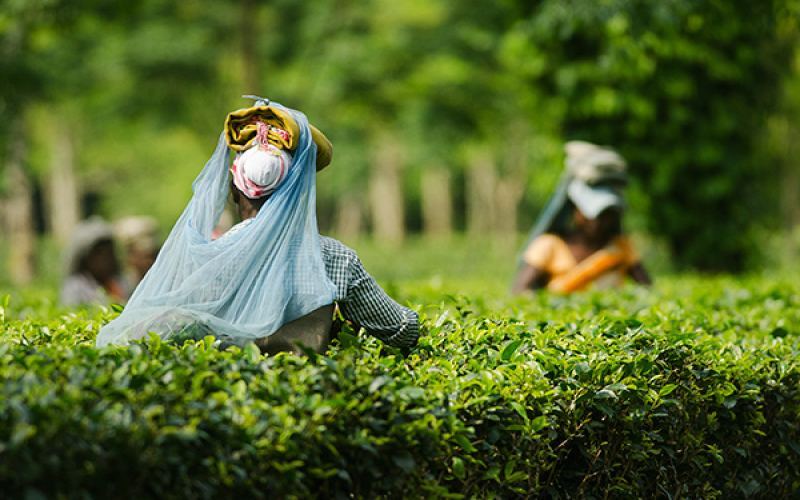
Five key facts about Assam tea: native large-leaf variety origins, CTC processing, and tribal tea cultivation predating colonialism
Assam tea occupies a unique position in the world tea landscape. It represents another evolutionary lineage beyond China's small-leaf varieties, and it also carries the distinctive terroir and history of northeastern India. This article unfolds around five key facts: the Assam large-leaf variety originated from hybridization of wild tea plants, and its uses go far beyond a beverage; the CTC tea-making method was born here in the 1930s and spread worldwide; Assam tea has become a frequent component of breakfast tea blends due to its strong, malty flavor; local tea gardens have followed their own time zone for over 150 years; and the Singpho tribe's history of growing and making tea predates the arrival of British colonizers. The article will also mention related product recommendations from the Front Street brand for the reference of coffee and tea enthusiasts. [more…]

Yunnan Pu'er Small-Bean Coffee Sun-Dried Beans Flavor Analysis and Full Overview of the Variety Grading System
Yunnan is the core coffee-producing region in China, and the small-bean coffee produced in its Pu'er area has attracted much attention in recent years. This article systematically sorts out the geographical and climatic advantages, variety introduction, and grading system of Yunnan coffee, with a focus on analyzing the flavor characteristics of Pu'er AA sun-dried coffee beans. From the variety evolution of Typica and Bourbon to Catimor, and then to the flavor differences between washed and sun-dried processing methods, the article also specially includes Front Street Coffee's brewing parameter suggestions and product recommendations, providing coffee lovers with a comprehensive guide to Yunnan coffee and taking you deeper into the coffee story of this golden growing belt. [more…]
Panama Specialty Coffee Association and Producing Regions: From the BoP Competition to the Geisha Flavor of Kotowa Estate
Although Panama is a small country, it occupies a pivotal position in the world of specialty coffee. This article begins with an overview of Panama as a nation, then traces its coffee-growing history, the three well-known producing areas in Chiriquí Province, its main varieties and processing methods, and focuses on the Specialty Coffee Association of Panama (SCAP) and the Best of Panama (BoP) competition. It also details the family heritage of Hacienda La Catoiva, the flavor differences between the Duncan and Don Hé plots, and the cupping performance of the 2017 BoP auction lot of natural Geisha. Front Street Coffee recommends paying attention to the charm of Geisha from this producing region. [more…]
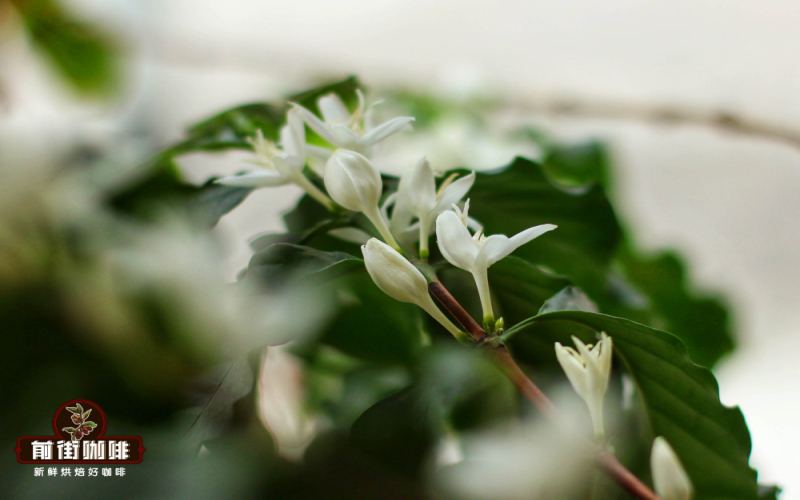
Yunnan Coffee Region Distribution and Variety Analysis: A Complete Guide from Starbucks Pour-Over to Front Street Cupping Flavor
Yunnan, as China's largest coffee-growing province, contributes over 98% of the country's coffee production. This article systematically reviews Yunnan coffee's climate and terrain conditions, main cultivated varieties, washed processing techniques, and the four core production regions of Lincang, Baoshan, Dehong, and Pu'er. Combined with Front Street Coffee's cupping experience, it analyzes the balanced flavor profile of Yunnan small-bean coffee, characterized primarily by nuts, brown sugar, and cream. The article also introduces the Yunnan single-origin coffee beans launched by Starbucks, and discusses the real challenges facing Yunnan's coffee industry, such as limited variety diversification and low added value, as well as future directions for specialty coffee development. [more…]
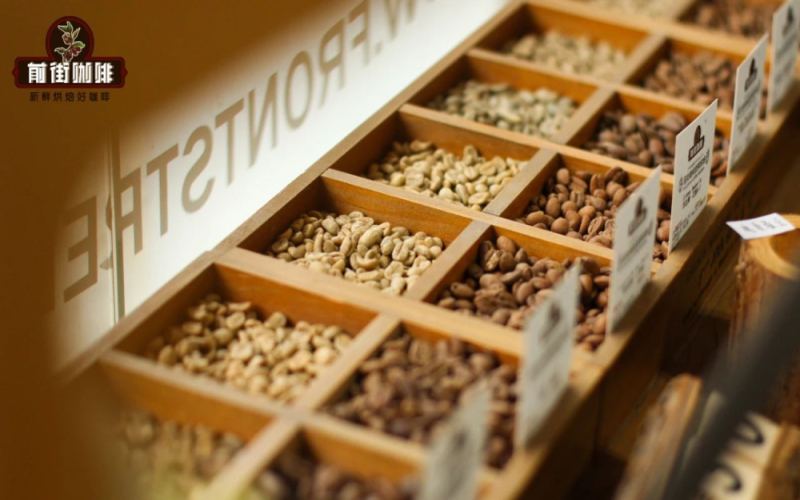
Flavor Characteristics and Processing Methods of Asian Coffee Origins: A Guide to Varieties and Brewing from Indonesian Mandheling to Yunnan Arabica
Among the world's three major coffee-growing regions, Asia may not be as well-known as Africa and the Americas, but its output and flavor distinctiveness are by no means inferior. This region as a whole is known for its rich, full body and rounded sweetness, making it especially excellent as an espresso blend base, while also possessing a unique charm when brewed as a single-origin pour-over. This article systematically reviews the coffee landscapes of major Asian producing countries such as Indonesia, China, Vietnam, India, and Papua New Guinea, with a focus on analyzing distinctive processing methods such as Indonesia's wet-hulling process and India's monsoon processing method. It also comprehensively compiles the brewing parameters and flavor descriptions of Front Street Coffee's Mandheling, Yunnan small-batch, and Bird of Paradise products, providing coffee enthusiasts with a practical reference from origin to cup. [more…]
In-Depth Analysis of Asian Coffee Producing Regions: Flavor Characteristics and Roasting Suggestions for Yunnan, Mandheling, and Other Bean Varieties
Asian coffee regions are world-renowned for their rich, deep, and steady flavor profile. From Yunnan, China to Sumatra, Indonesia, and from India to Papua New Guinea, each region has its own distinctive cup characteristics and processing methods. This article will guide you through an in-depth look at the flavor traits, suitable roast levels, and the stories behind the major Asian coffee regions. For coffee lovers who enjoy espresso blends, Asian beans are often used as a base in recipes, and Mandheling in particular is the go-to choice for dark roasting. Front Street Coffee recommends paying attention to the taste differences between Yunnan coffee and Indonesian Mandheling, as this will help you better choose coffee beans that suit your own preferences. Whether you are after a full-bodied cup or a delicate flavor, Asian regions can offer abundant choices. [more…]
Coffee Roasting Practical Insights: How Cupping Became a Core Skill and Essential Course for Roasting Coffee
Want to learn coffee roasting? Why is the first step not touching a roasting pan but practicing cupping? Starting from the apprenticeship experience of a seasoned roaster, this article sorts out the key role of cupping in green bean purchasing, roasting curve setting, and flavor judgment, while reviewing the shifts in China's roasting market over more than two decades and how the concept of specialty coffee has slowly seeped into consumers' awareness. The article also weaves in the philosophy of consistent output and real data on customer cultivation, and includes product recommendations from Front Street Coffee, making it suitable reading for every enthusiast who takes coffee beans seriously. [more…]
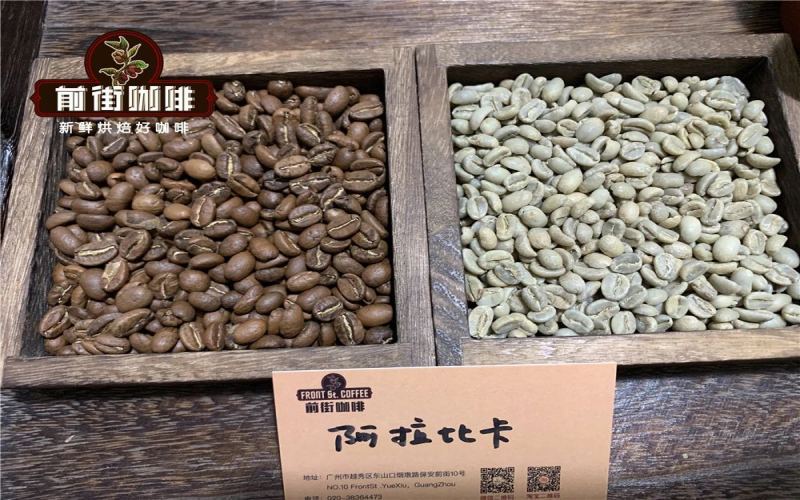
A Comprehensive Analysis of Arabica Coffee Beans: Origins, Variety Characteristics, Production Regions, and Price Reference
Arabica is one of the most important species in commercial coffee, widely favored for its rich aroma and diverse flavors. This article systematically reviews Arabica's origins and spread, botanical characteristics, and growing environment requirements, and introduces one by one the flavor profiles and representative producing regions of common varieties such as Typica, Bourbon, Geisha, Caturra, SL28, and SL34. At the same time, the article also incorporates Front Street Coffee's product system to provide coffee enthusiasts with a reference for understanding varieties from beginner to advanced levels, helping readers better understand the connections between origin, variety, and flavor when purchasing coffee beans. [more…]
Yunnan Coffee Flavor Analysis: From Origin and Variety to Processing Method, Does Pour-Over Really Have a Pu'er Tea Note?
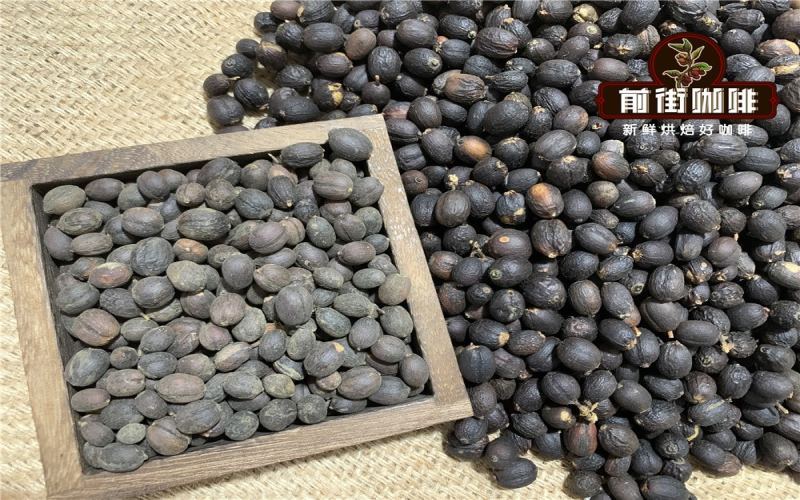
Coffee is often seen as an imported product, but Yunnan, China has long since become a coffee-producing region that cannot be ignored. The movie "Coffee or Tea" introduced more people to Yunnan coffee. How does it actually taste? Does it really carry a Pu'er tea-like flavor? This article starts from Yunnan's main producing regions (Dehong, Baoshan, Lincang, Pu'er), mainstream varieties (Catimor, Typica, Bourbon), and washed and natural processing methods to break down the sources of Yunnan coffee's nutty, brown sugar, full-bodied and balanced flavors, and introduces Front Street Coffee's Yunnan daily-drinker beans and natural Typica, helping you decide whether Yunnan coffee suits your taste. [more…]
Tracing the History of Coffee Cultivation in Yunnan: An Analysis of the Flavor Characteristics of Arabica Coffee Beans from Baoshan and Lincang
Nowadays, seeing Yunnan beans in coffee shops is no longer uncommon; when chatting with friends about where the coffee tastes good, the answer has shifted from exclusively imported beans to domestically grown Yunnan and Vietnamese coffee. As China's largest coffee-producing region, Yunnan's planting story is far longer than we might imagine. From the first coffee tree planted by a French missionary in Zhukula Village in 1892, to the large-scale development of producing areas such as Lujiangba in Baoshan and Lincang, Yunnan coffee has walked a unique path. This article will review the planting history of Yunnan coffee, analyze the terroir conditions of the two core producing areas, Baoshan and Lincang, introduce the characteristics of major varieties such as Typica, Bourbon, and Catimor, and share the brewing parameters and flavor performance of Front Street Coffee's everyday beans. [more…]
How Does Yunnan Coffee Taste in Pour-Over? An Analysis of Its Origin Story, Small-Bean Varieties, and Processing Characteristics
Coffee is often seen as an imported product, but China also has its own important producing region—Yunnan. With the development of the domestic coffee market and the influence of film and television works, more and more people are beginning to pay attention to Yunnan coffee. Unlike the citrus notes of Yirgacheffe, the floral aroma of Geisha, and the herbal spices of Mandheling, Yunnan coffee shows a balanced style of nuts, brown sugar, and high body. This article will help you understand the source of Yunnan coffee's flavor from three angles: Yunnan's main producing regions, cultivated varieties, and processing methods, and answer the question "Is Yunnan coffee good to drink?" The article also retains Front Street Coffee's representative recommendations in Yunnan's producing regions for coffee lovers' reference. [more…]
Tracing the History of Yunnan Coffee Cultivation and a Comprehensive Analysis of the Flavor Characteristics of Yunnan Arabica Coffee Beans
Yunnan, as China's largest coffee-growing region, has a coffee history that can be traced back over a century to when French missionaries introduced the crop to Zhukula Village. From Baoshan, Dehong, and Lincang to Pu'er, Yunnan's unique geographical and climatic conditions have nurtured small-bean coffee that is rich yet not bitter, aromatic yet not harsh, with a slight fruity note. In this article, Front Street Coffee will take you through the origin story of Yunnan coffee, outline the distribution of its main growing regions, analyze the characteristics of varieties such as Typica, Bourbon, and Catimor, and share the flavor differences between washed and natural processing methods along with brewing suggestions, for a comprehensive understanding of Yunnan coffee's past and present. [more…]
Exploring Kenya's K72 Washed Processing Method: How SL28 and SL34 Create Explosive Fruit Flavors
In the ever-diversifying wave of specialty coffee processing methods, Kenya's K72 washed process stands out with its unique three-cycle fermentation technique, becoming the key to shaping bright, clean flavors. This article will provide an in-depth analysis of the complete K72 process, from green bean selection to raised-bed sun drying, revealing how it imparts coffee beans with vibrant fruit acidity and delicate layers. At the same time, the article will systematically review Kenya's growing conditions, the origins and characteristics of the main varieties SL28 and SL34, and Kenya's coffee grading system. Finally, Front Street Coffee will share the roasting and brewing data for two Kenyan beans, taking you on a comprehensive journey through the signature cherry tomato and smoked plum flavors of Kenyan coffee. [more…]
In-Depth Analysis of Asian Coffee Regions: A Comparison of Signature Coffee Flavors and Processing Methods in Yunnan and Indonesia Mandheling
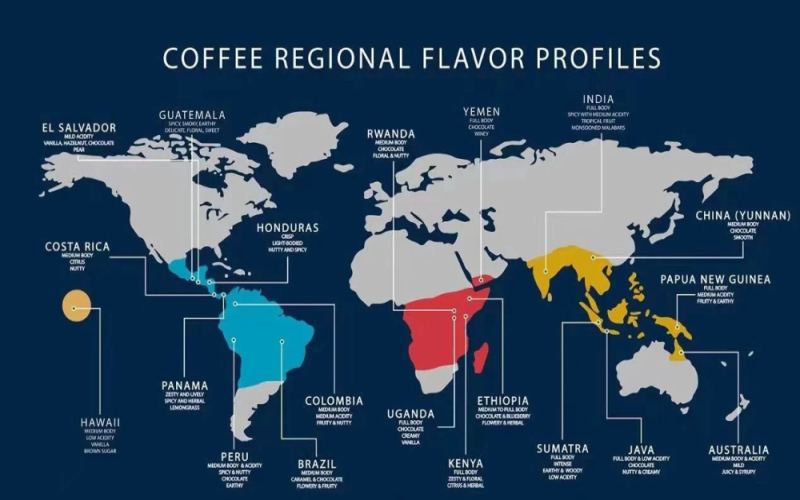
When selecting coffee beans, besides checking the packaging information, starting with the basic flavors of the three major coffee-producing regions and then combining that with specific estates often allows you to find the one that suits you more precisely. Front Street Coffee stores focus mainly on single-origin beans, covering more than fifty types of coffee beans from the three major producing regions worldwide. This article will focus on the Asian coffee-producing regions, highlighting the varieties, processing methods, and flavor differences of two representative origins, Yunnan, China, and Indonesia, while also introducing the coffee characteristics of Papua New Guinea. Yunnan coffee has continued to gain momentum in recent years, with a regional flavor profile based on brown sugar and nuts, full-bodied and mellow; Indonesia, on the other hand, is known for the herbal, medicinal aroma of Mandheling, with the wet-hulled method giving it a unique character. The article also compiles Front Street’s cultivation practices at its Baoshan estate in Yunnan, as well as the differences among several Mandheling coffee beans, for coffee lovers’ reference. [more…]
A Comprehensive Analysis of Kenya K72 Double Washed Processing: From Fermentation Process to SL Varieties and Flavor Origins
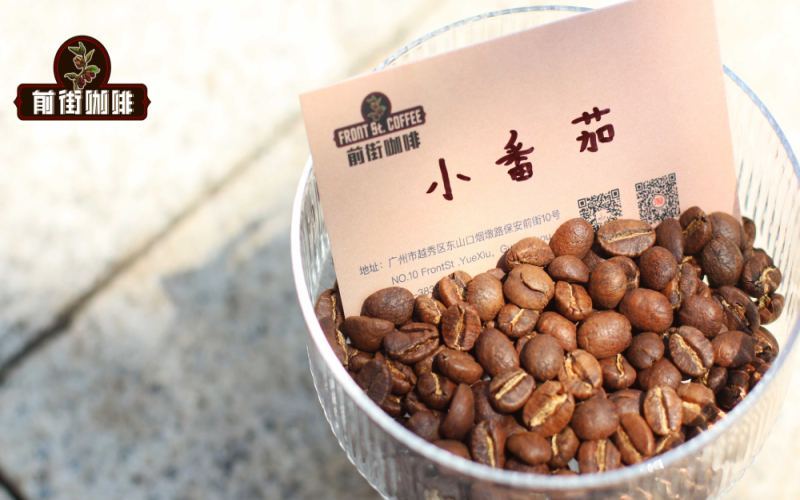
Kenyan coffee is renowned for its bright, clean acidity and deep berry flavors, and behind this lies the widespread use of the double washed process locally, with the K72 method being particularly iconic. From the perspective of Front Street Coffee, this article systematically outlines the complete process of the Kenyan-style 72-hour fermentation washed method, including the specific operations and roles of the two rounds of washing and fermentation; it also introduces Kenya's growing conditions, the origins and characteristics of the main varieties SL28, SL34, Ruiru11, and Batian, as well as the grading system for Kenyan coffee beans. At the end, it also includes the roasting curves, brewing parameters, and flavor descriptions for two Front Street beans, Kenya Small Tomato and Sachini PB, helping coffee enthusiasts fully understand the logic behind the formation of Kenyan coffee flavors. [more…]
A Complete Guide to Ethiopian Coffee Regions: Yirgacheffe Altitude Characteristics and a Flavor Guide to Nine Major Regions
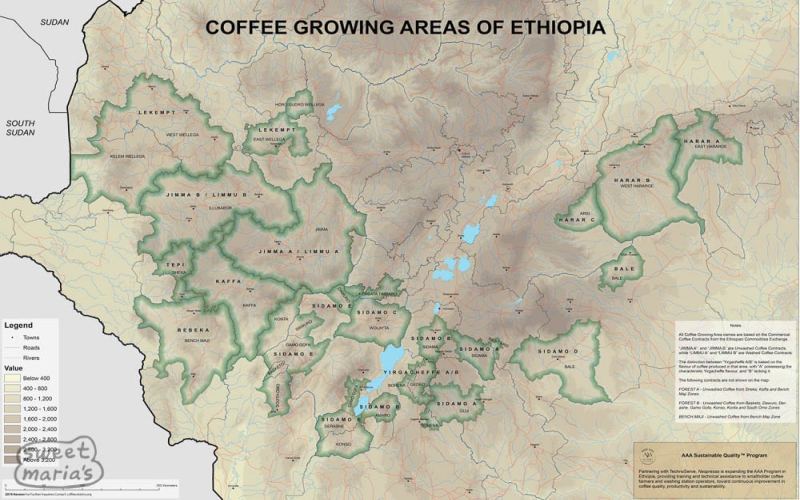
Ethiopia, the birthplace of coffee, nurtures over five thousand native coffee varieties in the Kaffa forests of its south. After the administrative boundary adjustments in 1995, Sidamo Province was redivided, Yirgacheffe was placed under the Gedeo Zone, and it is common to see old and new production area names used interchangeably in the market. This article combines the latest administrative divisions to systematically review the altitude, cultivation patterns, and flavor characteristics of Ethiopia's nine major coffee-producing regions, takes a deep look at the evolution of the washed and natural processing methods in Yirgacheffe, and shares Front Street Coffee's cupping experience and brewing suggestions for representative beans such as Huakui 8.0, providing coffee lovers with a complete guide to Ethiopia's coffee-producing regions. [more…]

How to brew drip bag coffee so it tastes good? A full breakdown of Blue Mountain flavor brewing key points and operational details
Drip bag coffee, with its combination of convenience and freshness, has become the preferred way for many people to drink coffee daily. But to truly brew a cup of drip bag coffee with full flavor and balanced taste, every step—from tearing open the packet and hanging it on the cup to pouring water and blooming—has its own finer points. This article takes Front Street Coffee drip bags as an example to break down in detail the correct brewing process for drip bag coffee, including key details such as recommended water temperature, coffee-to-water ratio, and pouring technique. It also explains how coffee bean freshness and grind size affect flavor, and recommends three classic coffee beans suitable for making drip bags, helping coffee lovers easily recreate a good cup of coffee at the office or at home. [more…]
Exploring Ethiopia Sidamo Guji: A Detailed Guide to Origin Terroir, Varieties, Processing, and Flavor Profile
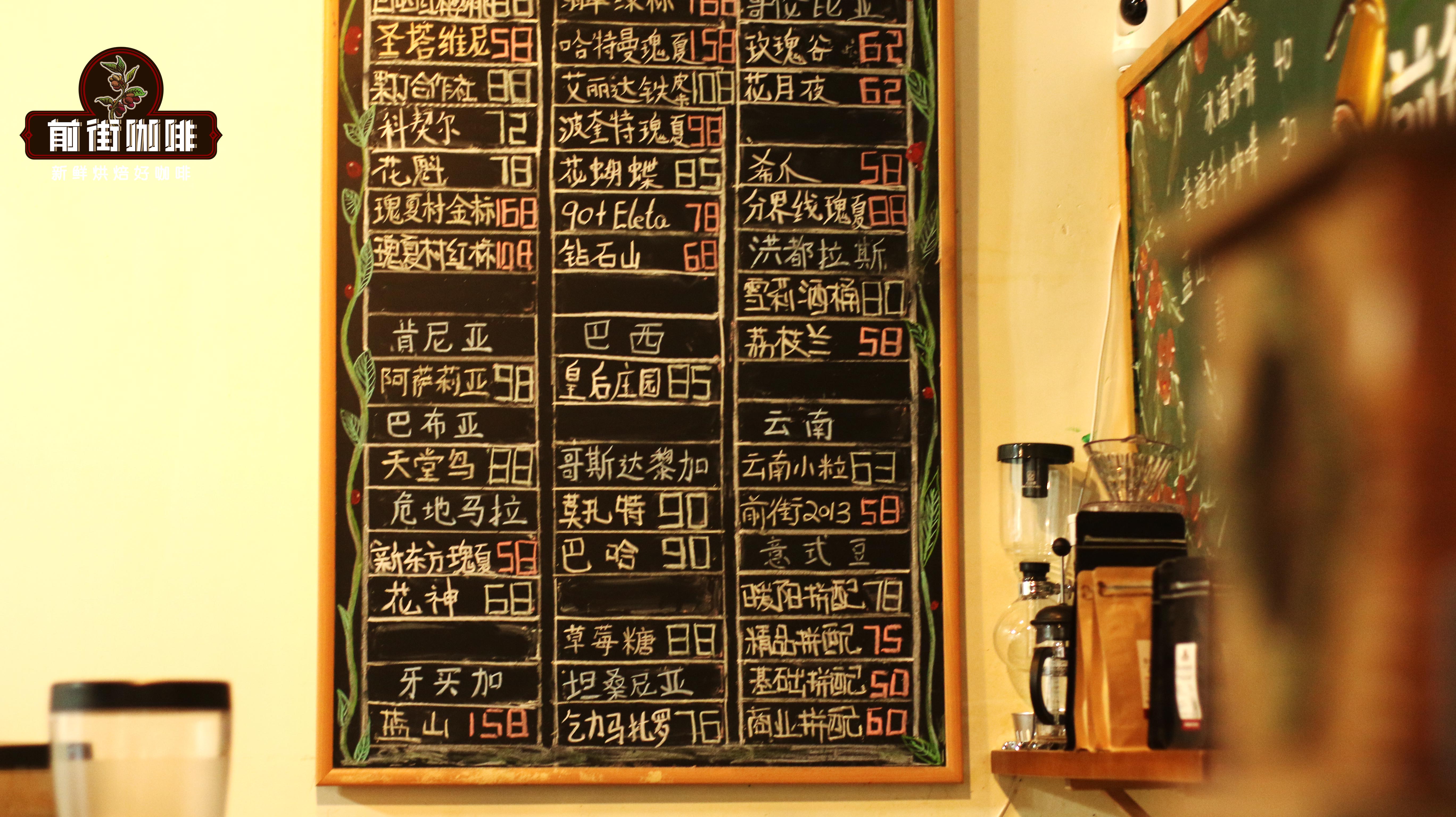
This feature systematically explores the terroir, varieties, and processing methods of Ethiopian Sidamo and Huakui coffee. We compare the different cup profiles of Sidamo and Yirgacheffe, trace the origins of Guji Hambela Huakui's championship at the TOH competition, and analyze the local heirloom variety concept and the advantages of the natural processing method. The article also includes information on popular single-origin products such as Front Street Coffee's Natural Huakui 5.0, explains the logic behind the Huakui X.0 vintage code, and presents the brand's fresh-roasting philosophy along with specific brewing recipes. From the volcanic soil of Sidamo to the smooth mouthfeel of natural beans, the full text focuses on Huakui's high sweetness and floral-fruity aromas, connecting everything from Front Street's perspective to help enthusiasts appreciate it in greater depth. [more…]