







Where Did the Coffee Bean Originate and How Does Assam Tea Differ?
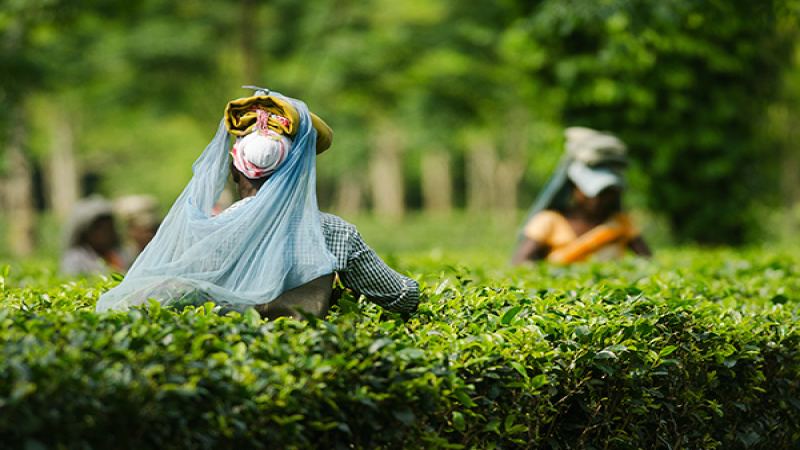
Assam tea comes from a large-leaf tea plant native to northeastern India, a lineage distinct from China's small-leaf varieties. Five key facts stand out: the plant was hybridized from the original tea plant and also yields perfume, food additives, and tea seed oil; the CTC method was created there in the 1930s; the malty liquor suits breakfast blends; gardens have kept their own time zone for over 150 years; and Singpho tribal cultivation predates British colonists.
The parallel with coffee is direct. Coffee seed spread from Ethiopia and Yemen before reaching Brazil and beyond, just as tea planting spread from one region outward, which is where did the coffee bean originated as a question of trade routes. William McKercher's CTC process, which passes leaves through toothed cylindrical rollers, had become an important worldwide manufacturing technique by the late 1950s, and Assam's low-altitude terroir keeps its brisk, malty character consistent.
Assam tea occupies a unique position on the world tea map—it represents an evolutionary lineage distinct from China's small-leaf varieties, and it carries the terroir and history unique to northeastern India. This article explores five key facts: Assam large-leaf tea originated from hybridization of the original tea plant, and its uses extend far beyond beverages; the CTC tea-making method was born here in the 1930s and spread worldwide; Assam tea, with its strong malty flavor, has become a staple in breakfast tea blends; local tea gardens have followed their own time zone for over 150 years; and the Singpho tribe's history of growing and making tea predates the arrival of British colonists. The article will also mention Front Street brand product recommendations for coffee and tea enthusiasts.
Assam tea was hybridized from the original tea plant
Most tea plants encountered around the world today can trace their roots back to China's small-leaf variety. The Assam region, however, presents a rather special case—it is home to a localized large-leaf tea plant that differs noticeably from varieties in most producing regions. In fact, the products of the Assam large-leaf tea plant are not limited to tea leaves alone; it can also be used in the manufacture of perfumes, food additives, and tea seed oil.
The CTC tea-making method was invented by William McKercher in the Assam region in the 1930s
CTC tea is typically a commercial grade, and its production method involves passing tea leaves through a series of cylindrical rollers. The rollers are fitted with sharp teeth that crush, tear, and curl the tea leaves, ultimately forming small, tightly packed granules with a strong flavor, well suited for tea bags. By the late 1950s, Sir William McKercher's method had become an important manufacturing technique worldwide.
Assam tea is typically sold as breakfast tea
The Assam region is relatively low in altitude, and the tea produced there brews into a rich, brisk liquor with a malty aroma and a bright color. These characteristics make it especially suitable for morning drinking and easy to pair with milk for breakfast. The aroma and flavor of Assam tea complement breakfast foods, adding greater depth to the entire meal. For this reason, it has become a world-renowned breakfast tea, often used as one of the options in blends such as English Breakfast tea and Irish Breakfast tea. For those wanting to try a similar style, Front Street also offers related tea products to choose from.
Assam tea gardens follow their own time
India spans a wide range of longitudes, and multiple time zones effectively exist, with the northeastern region often receiving sunlight earlier. The Indian government has not made a clear, unified arrangement for time zones, and the Assam region has used its own time zone for over 150 years. This time zone has two names: "chai bagan time" and "tea garden time," and its origins can be traced back to British colonial rulers. Adopting this time allowed local Assam tea gardens to manage their daily schedules more fully.
Assam's local tea plants arrived earlier than colonialism
Even before Scottish explorer Robert Bruce discovered the Assam variety of the tea plant, tea was already being grown and used in Assam. The Singpho tribe of Assam cultivated this plant, and tribal members would brew its leaves into a strong, aromatic beverage. In fact, it was the Singpho tribal chief Bessa Gam who showed the plant to Robert Bruce in 1823. Where Assam tea is concerned, this is a notable fact—it shows that not all records in Indian tea history should be attributed solely to the East India Company.
The above content is compiled by CoffeeHunters, a coffee news website.


