







Search Results for: Goddingding Cooperative
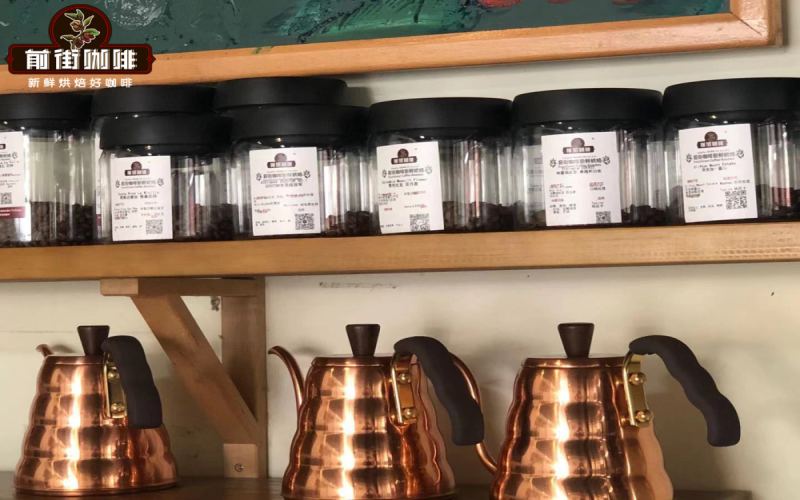
Pour-Over Coffee Extraction Parameters Explained: How Grind, Water Temperature, and Dripper Affect Golden Cup Extraction Yield
The charm of pour-over coffee lies in the subtle differences in every cup, but brewing a well-balanced cup of good coffee depends on precise control of parameters such as grind size, water temperature, dripper, and coffee-to-water ratio. This article starts with two beans from Front Street Coffee—Ethiopia Gutingting and Brazil Queen's Estate—to compare the differences in brewing strategies between light-roasted and dark-roasted coffee, and takes a deep dive into the relationship between concentration and extraction yield in the SCA Golden Cup extraction theory. Whether you are a beginner just getting started or an enthusiast looking to refine your skills, you will find practical reference points here to understand why the same beans can taste different when brewed at home. [more…]
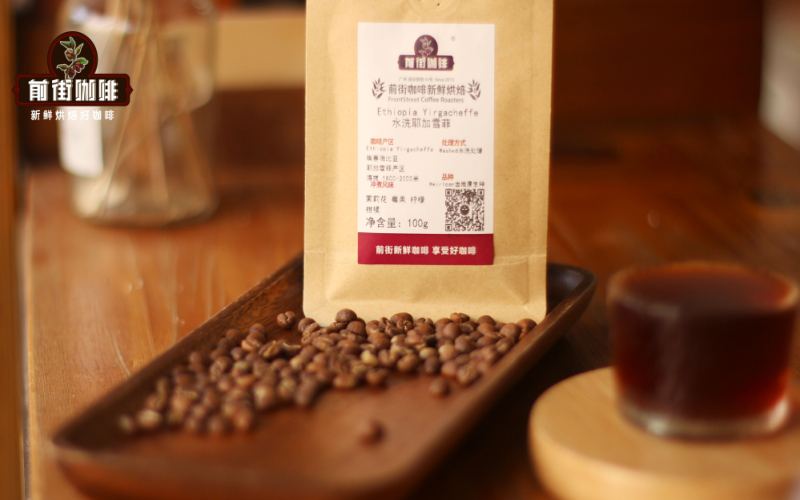
Yirgacheffe Flavor Analysis and Beginner Bean Guide: Washed vs. Natural Processing Differences and Front Street Recommendations
Yirgacheffe is Ethiopia's most representative specialty coffee region, known for its bright jasmine aroma and citric acidity. This article systematically reviews Yirgacheffe's terroir, the characteristics of its native heirloom varieties, the process differences between the two major processing methods of washed and natural, and the role of the Red Cherry Project in driving quality improvement. It also combines specific information on three everyday beans—Front Street Coffee's washed Yirgacheffe, the Gedeb Cooperative, and the natural Red Cherry—to provide a one-stop introductory reference from flavor identification to V60 brewing parameters, helping coffee enthusiasts build a complete cognitive framework for Yirgacheffe. [more…]
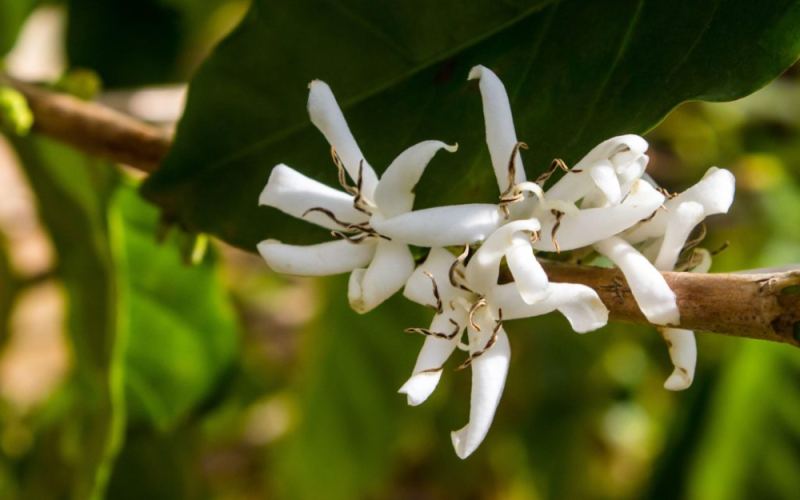
Analyzing the Flavor Differences Between Geisha and Yirgacheffe: A Comparison of Classic Geisha's Core Producing Regions and Varieties
Geisha and Yirgacheffe are both renowned for their floral and fruity acidity, yet their flavor profiles, varietal backgrounds, and cultivation logic are entirely different. Geisha is most classic from Panama's Boquete region, where high-altitude plots like Hacienda La Esmeralda, Elida Estate, and Sofia Estate endow it with intense floral aromas and a full, juicy body; Yirgacheffe, on the other hand, relies on Ethiopian heirloom varieties and washed processing to present jasmine florals and bright citrus acidity. This article systematically sorts out the differences between the two—from terroir and estate characteristics to varietal origins and brewing parameters—and includes bean list information for several Geisha and Yirgacheffe offerings from Front Street Coffee, helping coffee enthusiasts build a clear tasting framework. [more…]
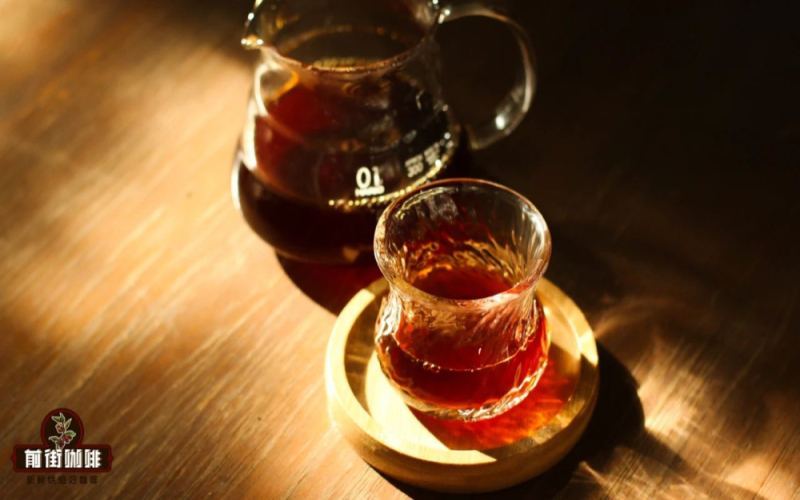
Exploring the Yirgacheffe Gotiti Cooperative: A Complete Guide from Terroir to Natural Processing and Cupping Flavors
Yirgacheffe is one of Ethiopia's most iconic specialty coffee regions, and the Goddingding Cooperative is a standout independent micro-region within it. This article offers a complete guide to the flavor code of this natural-process Goddingding—from the region's geography, historical roots, and variety characteristics to the natural processing method, and on to Front Street Coffee's roasting curve and brewing parameters. Whether you're a newcomer just getting into specialty coffee or a seasoned connoisseur looking for your next daily drinker, you'll find valuable reference here. [more…]
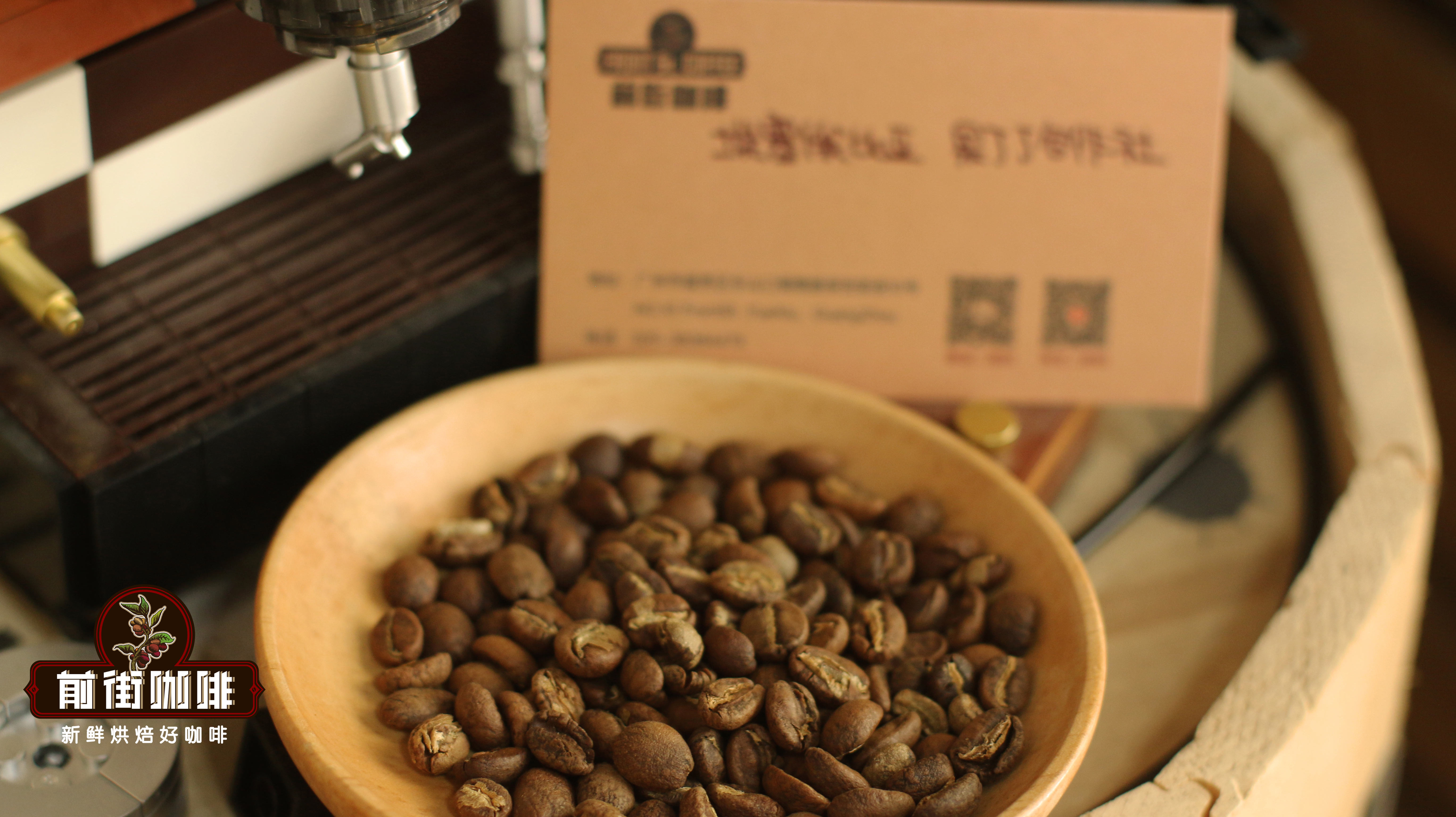
Front Street Coffee Washed Yirgacheffe from the Gedeb Cooperative: Flavor Analysis and Cold Brew Practical Guide
The Yirgacheffe region has long been famous for its distinct citrus fruit notes, and the Front Street washed Gedingding produced by the Gedingding Cooperative in the Gedeo Zone, with its fine processing, presents full jasmine floral aromas and citrus flavors, and is regarded by many enthusiasts as a superb choice for making cold brew. This article first introduces the origin background of this coffee bean and the complete washed process, from being placed in water for screening within 6 to 12 hours after picking, to pulping and depulping, 18 to 36 hours of fermentation for mucilage removal, washing and sorting, and 5 to 14 days of drying, sorting out the causes of its flavor one by one. Then it explains the purpose of a medium-light roast and shares a super simple Yirgacheffe cold brew recipe step by step, using a 1:10 coffee-to-water ratio for low-temperature slow extraction over 12 to 14 hours, so that you can also get a rich, sweet-and-tart cold brew full of floral and fruity notes at home. [more…]

What's the difference between hot pour-over and iced pour-over? A detailed comparison from parameters and extraction yield to flavor performance.
Should pour-over coffee be enjoyed hot or iced? Many people hesitate when ordering. Front Street uses a set of side-by-side comparison experiments, from brewing parameters, coffee-to-water ratio, and grind size adjustments to the final extraction yield and flavor performance, to visually demonstrate the core differences between hot pour-over and iced pour-over. The article also explains why iced pour-over requires less water and a finer grind, as well as the logic behind coffee shops charging extra for iced pour-over. If you also want to understand the relationship between flavor completeness and temperature, this comparison will give you a clear answer. [more…]

Recommendations for light-medium roast beans with floral and fruity notes | What are the differences between Ethiopian, Kenyan, and Panamanian floral and fruity notes? Are floral and fruity coffee beans better for pour-over or espresso?
Generally speaking, lightly roasted coffee can retain more acidity in its flavor profile. If the beans themselves also contain certain alcohols and lipids, roasting will further bring out a captivating floral and fruity aroma. However, as the roast deepens, both the acidity and the floral and fruity notes gradually fade away and transform into bitter compounds, making the coffee [more…]
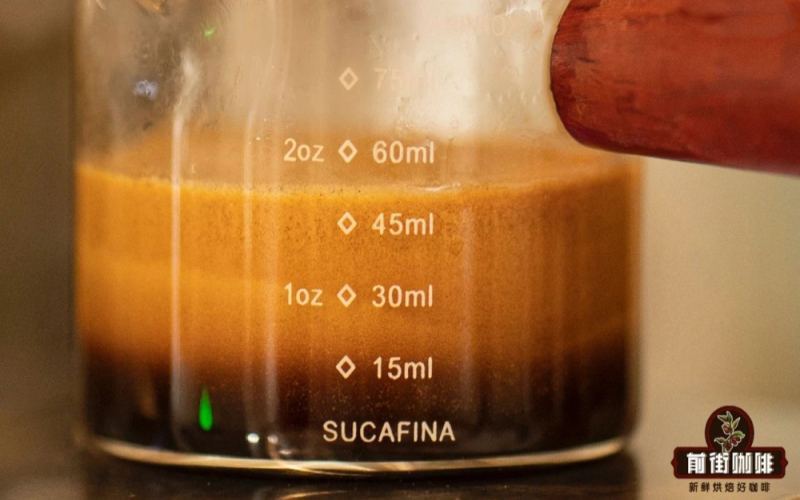
Yirgacheffe SOE Americano vs. Regular Americano: Flavor Differences and a Single-Origin Espresso Bean Tasting Guide
When a customer walks into a café and asks whether they can choose the beans for their espresso, it actually opens up a topic worth exploring in depth: what exactly does it mean to make espresso from single-origin coffee? SOE (Single Origin Espresso) has gradually gained popularity in China in recent years, but it is not some profound technique—it simply means replacing espresso blend beans with single-origin beans and extracting them under high pressure using an espresso machine. Drawing on the practical experience of Front Street Coffee, this article systematically sorts out the taste differences between Yirgacheffe SOE americano and standard americano, discusses whether SOE is necessarily superior to blends, and shares the complete operational key points from bean selection and roasting to extraction parameters, helping coffee enthusiasts make a cup of Yirgacheffe americano or latte with clear flavor and pleasant balance at home. [more…]

French Press Iced Coffee Brewing Guide: Full Breakdown of Coffee-to-Water Ratio, Grind Size, and Steeping Time
On a scorching summer day, who wouldn't want a glass of ice-cold, refreshing coffee? The French press is deeply loved by coffee enthusiasts for its simple operation and high tolerance for error. However, most tutorials only cover how to make hot coffee, while methods for brewing iced coffee are rarely shared. This article will explain in detail how to use a French press to make a rich and delicious cup of iced coffee, including the coffee-to-water ratio, grind size, water temperature control, and the complete step-by-step process. It will also recommend several Front Street Coffee beans suitable for immersion brewing, so you can easily recreate a professional-level iced coffee experience at home. [more…]
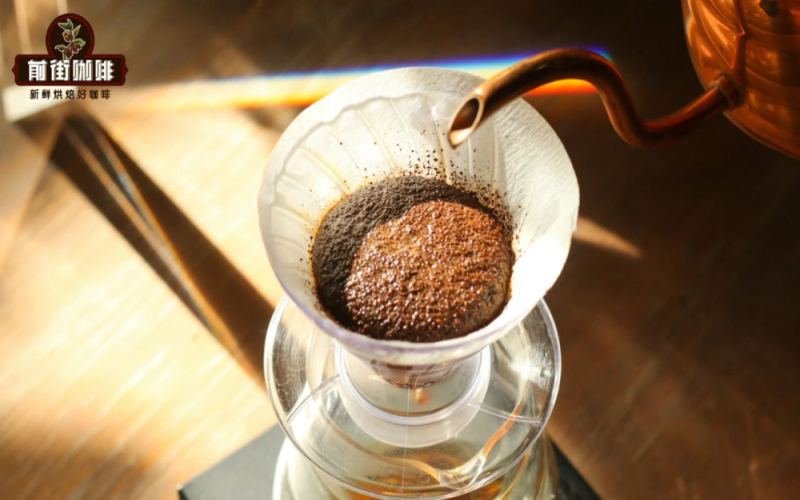
How to determine the coffee-to-water ratio for pour-over? Brewing logic and practical guide from 1:14 to 1:16
The flavor expression of pour-over coffee depends not only on bean quality and grind size—the coffee-to-water ratio is equally a core variable that cannot be overlooked. The amount of water poured not only determines coffee strength but also directly affects extraction yield and flavor direction. Starting from the soluble solids ratio given by the SCA, this article explains why the coffee-to-water ratio can make or break a cup, and provides recommended parameters of 1:14, 1:15, and 1:16 for medium-dark, medium, and medium-light roasts respectively. Finally, using Front Street Coffee Golden Mandheling as an example, it demonstrates a complete brewing process at a 1:14 ratio to help you consistently reproduce a rich, sweet cup at home. [more…]

An In-Depth Analysis of Pour-Over Coffee Stirring Techniques: From Champion Methods to Extraction Effects
In the process of pour-over coffee, the action of stirring the coffee bed has attracted increasing attention from enthusiasts in recent years. Some hope to enhance the sweetness and flavor layers of coffee through stirring, while others remain skeptical of its effects. This article, from the perspective of Front Street, reviews the origins and representative figures of stirring techniques, analyzes the different roles of stirring during the blooming stage and the main extraction stage, and, combined with practical comparative experiments, explores the impact of stirring on extraction results, as well as issues that need attention such as fine particle clogging and bean quality, helping coffee enthusiasts make a more rational judgment on whether to stir and how to stir. [more…]
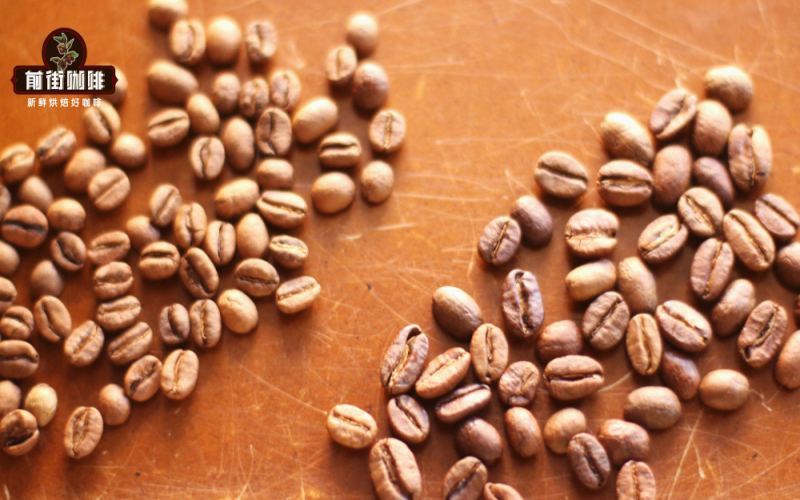
Analysis of the Origin of the Name "Huakui" Coffee and Its Producing Region Relationship with Geisha
Are Geisha coffee and Guixia coffee beans actually from the same origin? This question sparked quite a bit of discussion in the early days when Guixia rose to fame. This article will trace Geisha's journey to fame from the forests of Ethiopia to Panama's Hacienda La Esmeralda, explain the origins of the two names "Geisha" and "Guixia," and sort out the naming logic behind grading systems such as Red Label and Gold Label. At the same time, the article will also reconstruct the complete timeline of Guixia, from winning the 2017 TOH to the year-by-year updates of its version numbers, explaining the original meaning of the word "Guixia" in Japanese geisha culture and how it was mistakenly rumored to be a top-tier Geisha. Finally, Front Street Coffee will guide you through the specific differences between Guixia flavor and Geisha flavor, and offer region recommendations for getting started with Geisha. [more…]
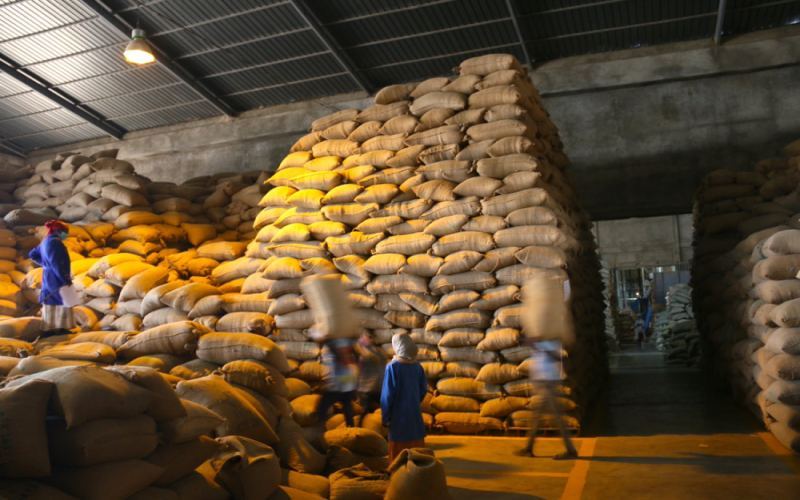
Ethiopia's Three Major Coffee Export Systems and the ECX Trading Mechanism: How Single-Farm Beans Like Hambela Hualukui Reach Overseas Markets
Ethiopia, as the holy land of specialty coffee, has a rather complex coffee export system. According to local regulations, coffee exports are divided into three major systems: ECX bidding, cooperatives, and single farms. Among these, cooperatives and single estates can bypass the ECX and export directly, offering relatively complete traceability. The ECX was founded by Eleni Gabre-Madhin in 2008, and through grading, warehousing, and real-time information, it transformed the trading circumstances of coffee farmers. However, what truly achieves 100% traceability is the single farm system that has risen in recent years. The Sidamo sun-dried Huakui is a representative work from the Hambela farm. This article will sort out the operational differences among the three systems, the trading logic of the ECX, the structure of the six major cooperative unions, and the significance of single farms to specialty coffee. Front Street will also continue to follow these origin developments, bringing coffee enthusiasts clearer origin knowledge. [more…]
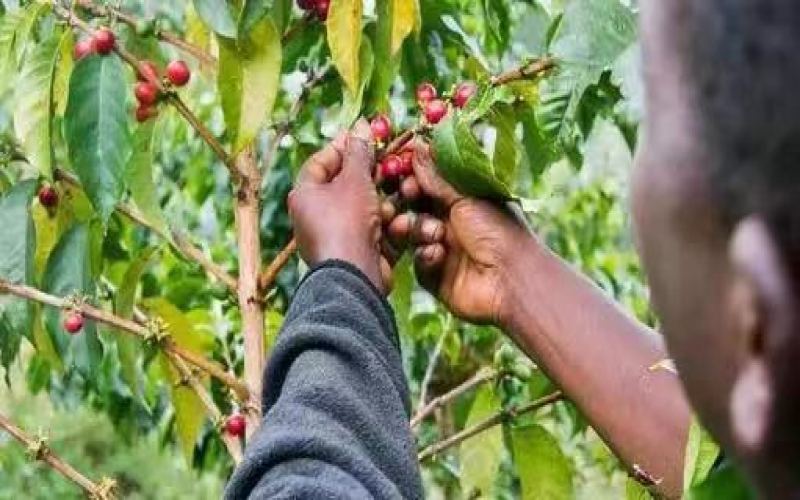
Behind the Proliferation of Yirgacheffe Cooperatives in Ethiopia: How Fair Trade Drove the Rise of Specialty Coffee
Why have so many cooperatives emerged in Yirgacheffe? Behind this is the journey of coffee farmers striving for fair trade and direct trade. Since the founding of YCFCU in 2002, 24 primary cooperatives and about 50,000 farmers have been able to bypass the ECX bidding system, negotiate prices and export directly with buyers, and obtain reasonable pay and even equipment assistance. Cooperatives such as Gedeb, Konga, Worka, Hafursa, and Idido each have their own terroir characteristics and are deeply favored by specialty coffee lovers. Front Street Coffee selects beans from multiple cooperatives, presenting the different charms of washed and natural processing. This article will take you through the stories and flavors of these cooperatives. [more…]
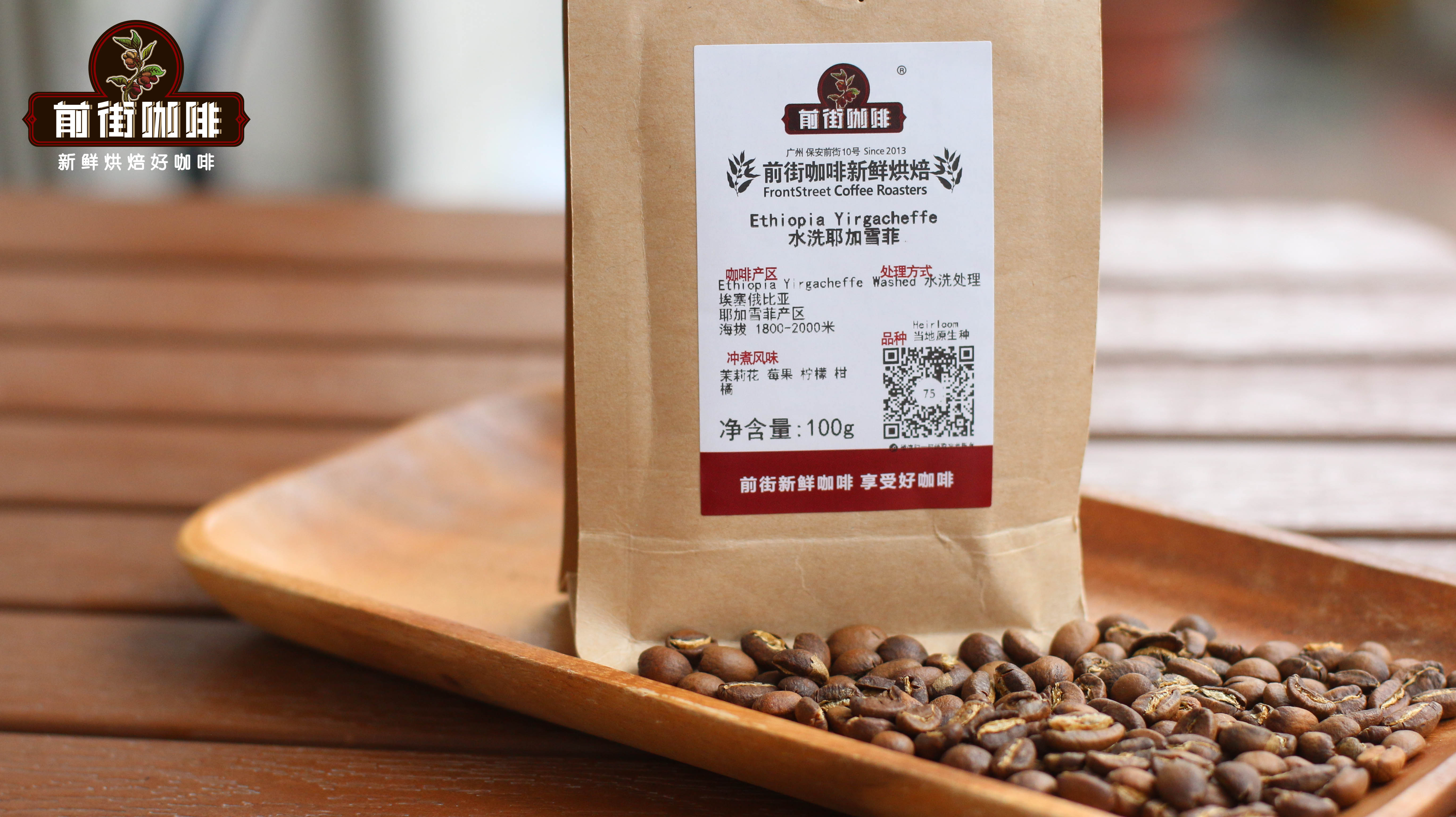
A Hand-Brewing Guide to Natural Yirgacheffe Konga Cooperative: Flavor Profile, Causes of Bitterness, and Brewing Parameters Explained
Yirgacheffe is one of Ethiopia's most representative specialty coffee regions, and the Konga cooperative's full red cherry natural batch is particularly renowned for its citrus acidity, berry juice-like body, and creamy smooth mouthfeel. However, many enthusiasts encounter a bitter taste when brewing this bean as pour-over, which is often related to grind size, water temperature, or extraction time control. This article will systematically cover Yirgacheffe's regional background, variety characteristics, cooperative system, and processing method differences, with a focus on introducing the Konga cooperative's flavor profile, and provide Front Street Coffee's recommended brewing recipe for light-roasted Yirgacheffe, helping you brew a clean, bright cup with abundant sweetness. [more…]
Natural Yirgacheffe Konga Cooperative Coffee Beans Pour-Over Flavor Analysis and Adjustment Approaches for Bitterness Issues
Yirgacheffe is one of Ethiopia's most renowned specialty coffee regions, famous for its floral and citrus notes. This article covers the regional background, variety characteristics, and cooperative system of Yirgacheffe, with a focus on the coffee flavors of cooperatives such as Konga, Gotiti, and Worka, and offers extraction adjustment advice for the bitterness that arises when brewing natural-process Yirgacheffe as pour-over. The article also compiles flavor descriptions and brewing parameters for several Yirgacheffe beans currently sold by Front Street Coffee, for the reference of coffee enthusiasts. [more…]
An Analysis of the Coffee Bean Varieties of Yirgacheffe Gutingding and the Origin Story of the Konga Woka Cooperative
Yirgacheffe is one of the most renowned coffee regions in Ethiopia, famous worldwide for its fresh floral aroma and citrus notes. This article will guide you through the geographical and historical background of Yirgacheffe, clarify why its coffee bean varieties are collectively referred to as Ethiopian heirloom varieties, and provide an in-depth introduction to the origin characteristics of well-known cooperatives such as Gedeb, Konga, Worka, Hafursa, and Idido. At the same time, Front Street Coffee will share brewing approaches and brewing parameters for Yirgacheffe coffee beans, helping you better appreciate the captivating flavors of this region. [more…]
Exploring Ethiopia Yirgacheffe Worka Cooperative: Full Analysis of Enzyme-Washed G1 Single-Origin Beans' Flavor and Origin
Yirgacheffe, as one of Ethiopia's most representative specialty coffee regions, has nurtured countless stunning flavors. The Worka cooperative, located in a remote part of the region, has leveraged its unique enzyme-washed processing method and organic farming practices to produce high-quality single-origin beans graded G1. This article will take an in-depth look at the Worka cooperative's geographical environment, cultivation model, and cooperative background, and provide a detailed analysis of the flavor profile of this Front Street Coffee-recommended Yirgacheffe Washed Worka G1, taking you from lemon and grapefruit to wild ginger flower and a subtle winey aroma, to appreciate its delicate and elegant floral charm. [more…]
Ethiopia Konga Cooperative Coffee Bean Pour-Over Flavor Analysis and Yirgacheffe Tasting Guide
Konga Cooperative is a coffee producer organization in the Yirgacheffe region that has attracted much attention in recent years, with as many as 24 cupping scores above 90 on Coffee Review, and in 2017 it even achieved a high score of 94. This article introduces this cooperative affiliated with YCFCU, helping you understand its red soil cultivation advantages, washed processing flow, and the captivating honey pomelo tea-like flavor in its washed lots. At the same time, Front Street Coffee also sorts out the flavor differences between Yirgacheffe and Sidama for you, helping you better choose and taste. [more…]
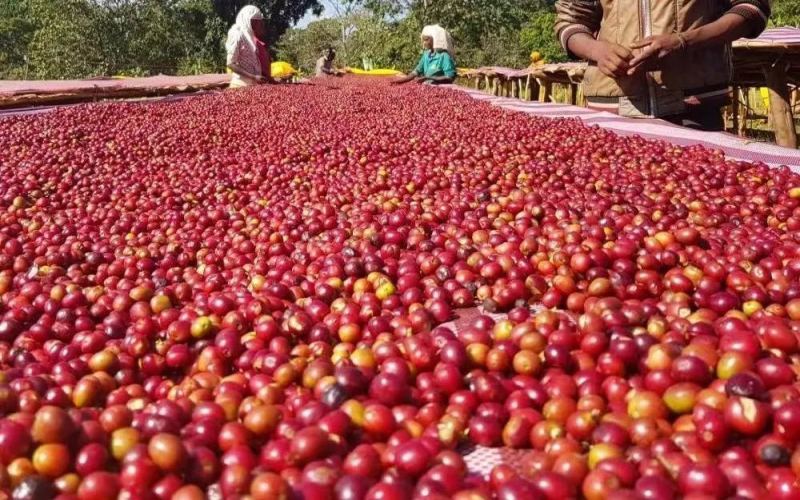
Exploring Ethiopia Yirgacheffe Gutingding Cooperative: Washed Heirloom Coffee Flavor Analysis
Ethiopia, as the birthplace of coffee, possesses the world's richest coffee gene pool, and its Yirgacheffe region is renowned for its unique floral and fruity aromas. Among the many sub-regions of Yirgacheffe, the Gotiti Cooperative in Gedeb Town, through its washed heirloom coffee beans, reveals a refreshing flavor interwoven with jasmine floral notes, citric acidity, and berry sweetness. This Gotiti Cooperative coffee bean, selected by Front Street Coffee, is light-roasted and brewed with a V60, presenting a clean, sweet tea-like finish, making it an excellent representative for those new to Ethiopian coffee. This article will take you through an in-depth understanding of the Gotiti Cooperative's geographical background, historical origins, and brewing performance. [more…]