





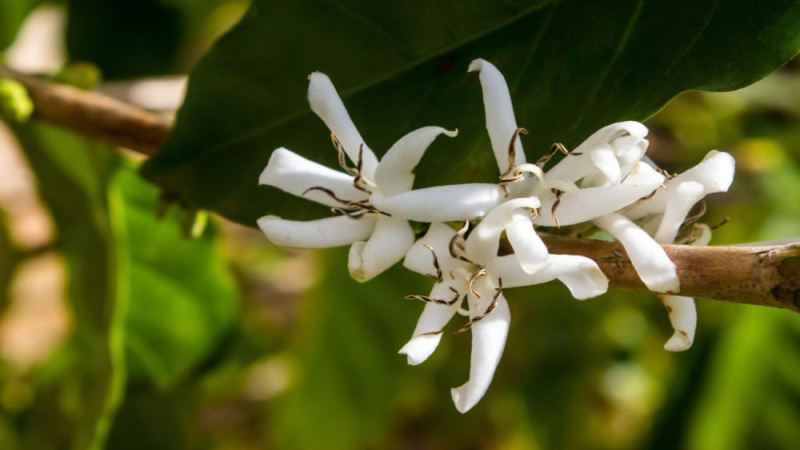
How do Geisha and Yirgacheffe coffee beans differ?
Geisha and Yirgacheffe both show floral and fruity acidity, but they move in different directions. Classic Geisha comes from Panama's Boquete region, where high-altitude plots such as Hacienda La Esmeralda, Elida Estate and Finca Sophia give intense floral aromas and a full, juice-like body; Yirgacheffe relies on Ethiopian heirloom varieties and washed processing.
Yirgacheffe presents jasmine floral notes and bright citrus acidity, and the coffee beans grown in each place reflect their terroir. The comparison sorts out origin terroir, estate characteristics, variety origins and brewing parameters, so a clear tasting framework can be built around the type of coffee seeds involved, from Ethiopian heirlooms to the Geisha variety.
Both Geisha and Yirgacheffe are known for their floral and fruity acidity, but their flavor directions, variety backgrounds, and cultivation logic are completely different. Geisha is most classic from Panama's Boquete region, where high-altitude plots such as Hacienda La Esmeralda, Elida Estate, and Finca Sophia give it intense floral aromas and full juice-like body; Yirgacheffe, on the other hand, relies on Ethiopian heirloom varieties and washed processing, presenting jasmine floral notes and bright citrus acidity. This article systematically sorts out the differences between the two from origin terroir, estate characteristics, variety origins to brewing parameters, and includes bean list information for several Geisha and Yirgacheffe coffees from Front Street Coffee, helping coffee lovers build a clear tasting framework.
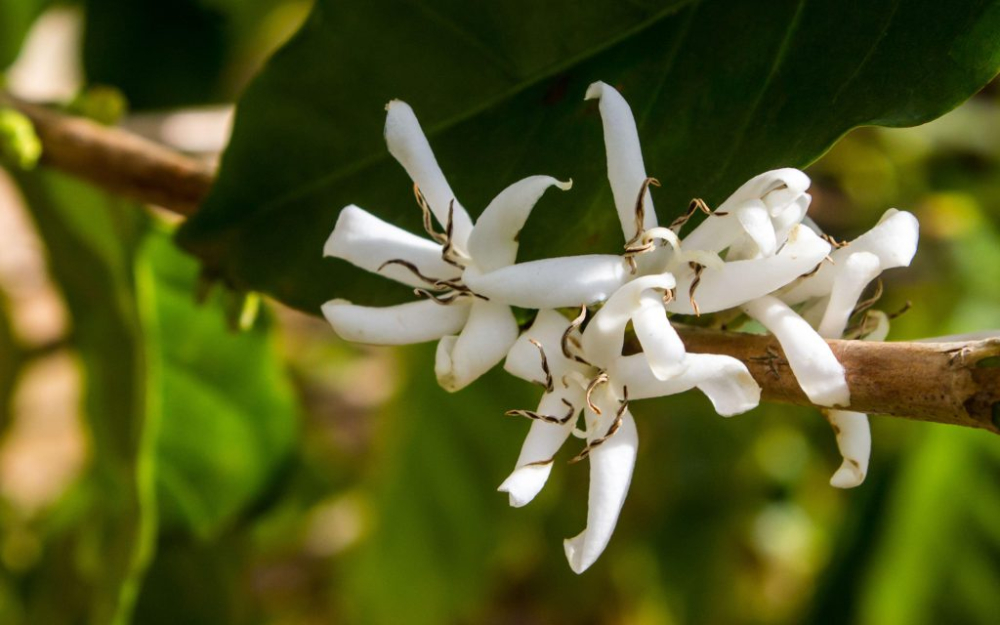
Also known for floral-fruity notes and acidic mouthfeel, what exactly is the difference between Geisha and Yirgacheffe? What is the difference in taste direction after they enter the mouth?
Panama Geisha
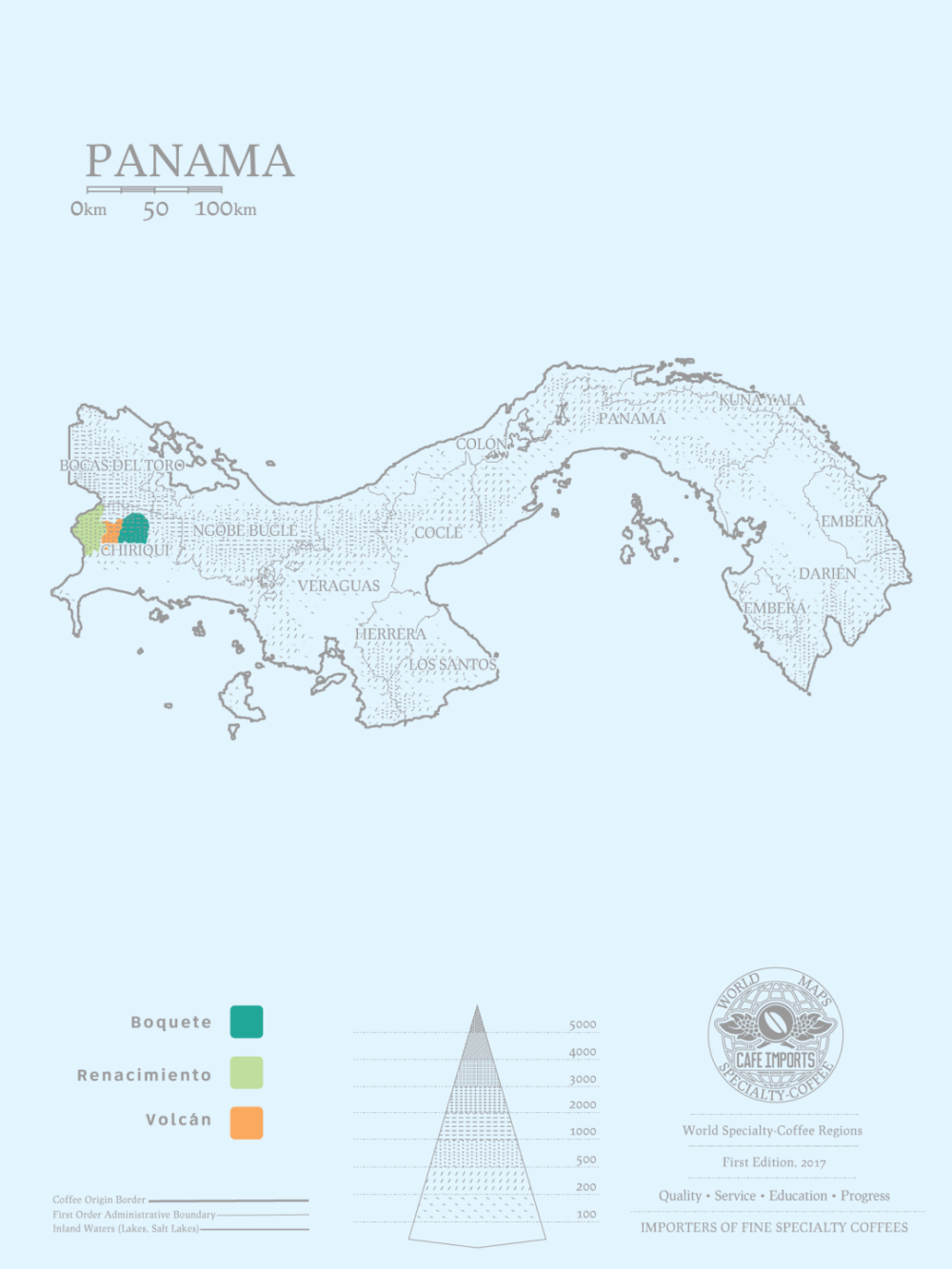
When it comes to Geisha coffee, Panama is recognized as the benchmark origin, and the vast majority of specialty-grade Geisha comes from the country's Boquete region.
Panama is located in Central America, bordering Costa Rica to the left and Colombia to the right, surrounded by high-quality coffee-producing countries. The mountains within its territory run east-west, and cold air climbs along the central mountain range and gathers above 6,500 meters, creating a unique microclimate in the Boquete and Candela areas—pleasant temperatures and abundant rainfall, providing ideal growing conditions for various plants.
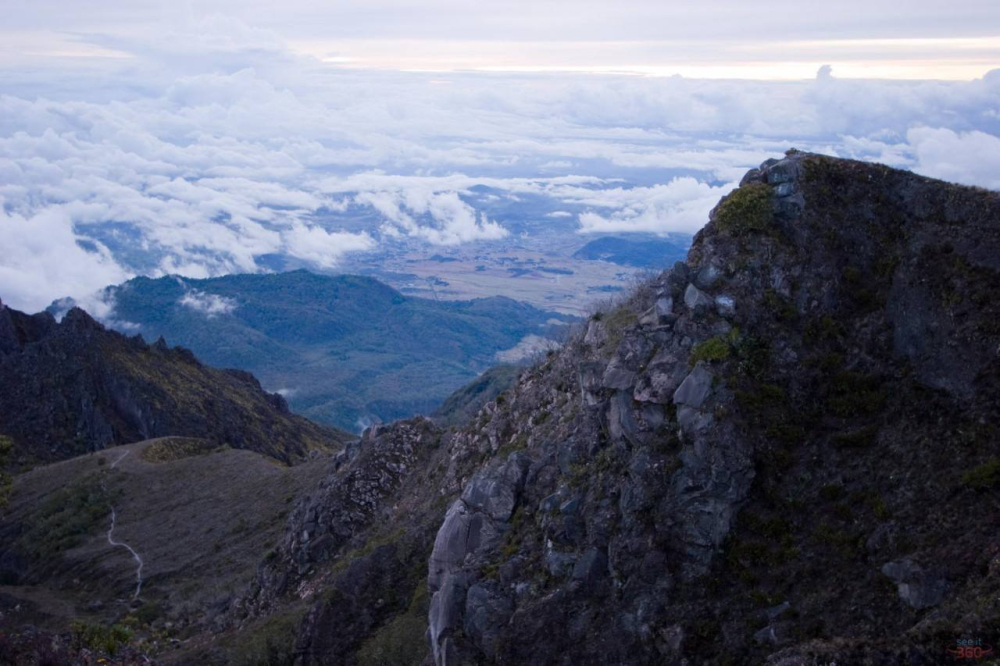
In addition, the Geisha coffee tree is quite sensitive to light and needs cloud cover or shade plants nearby, and cannot be exposed to direct sunlight for long periods. The mountains of the Boquete region are shrouded in clouds and mist year-round, humid during the day and cool at night, and together with the fertile soil nurtured by Baru Volcano, they form the natural foundation for Geisha's high-quality flavor. The higher the altitude, the longer the Geisha fruit maturation cycle, the more fully the nutrients accumulate, and the more complex and unique the flavor layers. High-altitude Geisha usually shows intense floral aromas, full juice-like body, bright acidity, and smooth mouthfeel, with overall quality far superior to low-altitude lots.
On Front Street Coffee's bean list, Panama coffees include Geisha from multiple estates, and each lot presents the unique character of its respective estate.
Hacienda La Esmeralda
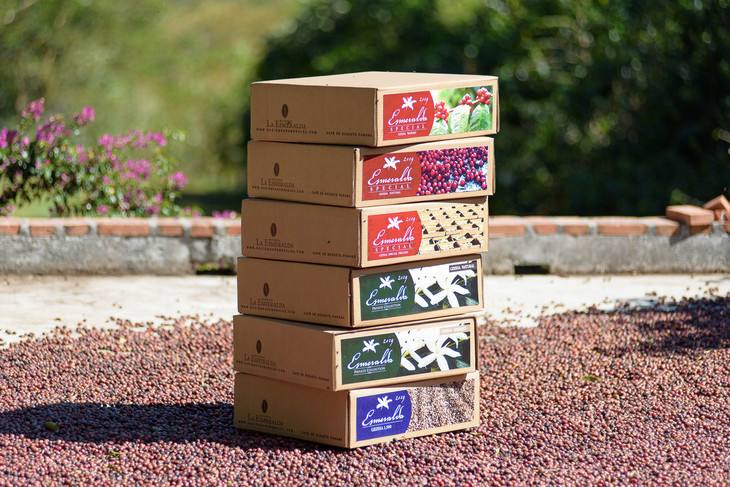
When it comes to the fame of specialty Geisha, Hacienda La Esmeralda is second to none. The estate is divided into three sub-estates: El Velo, Cañas Verdes, and Jaramillo, among which high-quality Geisha mainly comes from Cañas Verdes and Jaramillo. For refined management of cultivation, Hacienda La Esmeralda cups coffees from different plots separately and then divides planting areas according to altitude, giving rise to the well-known red label, green label, and blue label Geisha grading system.
Front Street Coffee: Red Label Geisha Coffee Beans
Region: Boquete
Estate: Hacienda La Esmeralda, Cañas Verdes
Altitude: 1700+ meters
Variety: Geisha
Processing Method: Natural
Flavor: Lemon, honey, berries, orange peel, mango, cream, citrus
Elida Estate
Elida Estate has a century-old coffee-growing heritage. It was founded by the Lamastus family in 1918, and estate management has now continued to the fourth generation. More than half of Elida's growing area is located within Baru Volcano National Park, the highest altitude area in Central America. The volcanic microclimate and high-altitude environment give crops superior growing conditions. In addition to coffee, a variety of rare high-altitude fruits are also cultivated on the estate.
Elida Estate has extremely strict standards for coffee harvesting and green bean processing, picking only the ripest fruit, whose mucilage layer has high sugar content and whose flavor shows the sweet-and-sour taste of complex fruits. This has also helped Elida Geisha achieve excellent results in many competitions.
Front Street Coffee: Elida Estate Geisha Coffee Beans
Region: Boquete
Estate: Elida Estate
Altitude: 1900 meters
Variety: Geisha
Processing Method: Natural
Flavor: Floral, orange, guava, honey, cream
Finca Sophia
Also located on Baru Volcano, Finca Sophia was established in 2008, with a growing altitude as high as 2100 meters, and belongs to a small-scale specialty estate. The significant temperature difference between day and night brought by high altitude makes Finca Sophia's coffee beans show stunning flavor. In 2017, it won the Geisha washed category championship on its first participation in Best of Panama BOP. Front Street naturally also included this charming Geisha from Finca Sophia in its bean list to share with everyone.
Front Street Coffee: Finca Sophia Geisha Coffee Beans
Region: Boquete
Estate: Finca Sophia
Altitude: 1900-2100 meters
Variety: Geisha
Processing Method: Natural
Flavor: Sweet orange
Melon
Rose
Apple juice
Oolong tea
Of course, Geisha cultivation is not limited to Panama. Many specialty coffee-producing countries have also introduced it successively, including Ethiopia, the birthplace of Geisha, as well as Costa Rica, Guatemala, and other places. Geisha under different terroirs has its own characteristics. The red label from Gesha Village in Ethiopia that Front Street obtained has yellow stone fruit acidity and toffee sweetness; Geisha produced in Guatemala, where specialty coffee accounts for a relatively high proportion, tends toward vanilla and creamy nutty notes; Costa Rican Geisha often uses honey processing with different fermentation degrees, making the fermented character more prominent.
Front Street Coffee: Gesha Village Red Label Coffee Beans
Region: Bench Maji, Ethiopia
Estate: Gesha Village
Altitude: 1900-2100 meters
Variety: Gori Geisha
Processing Method: Natural
Flavor: Apricot, berries, floral, tropical fruit
Ethiopian Yirgacheffe
Yirgacheffe is located in Ethiopia, Africa, and is a small town within the Gedeo Zone. In the word Yirgacheffe, "Yirga" means "settle down," and "cheffe" refers to wetland, so together it means "let's settle in this wetland." Yirgacheffe's altitude is quite high, reaching 1700-2200 meters, and the average temperature is relatively low. Coffee growth and maturation cycles are longer, so more aromatic substances accumulate, and the fruit flavor is also more intense.
The Yirgacheffe region is dominated by smallholder farming. Farmers plant coffee trees in their own backyards. Since coffee cannot generate income year-round, it is usually intercropped with other crops, which also provides some shade for the coffee trees. When the harvest season arrives, farmers bag the ripe coffee cherries and sell them to cooperatives for processing, and the green beans are subsequently sold under the cooperative's name. This is also why we often see coffee beans named after cooperatives.
The Yirgacheffe region currently has a total of 28 member cooperatives, many of which are already well known to coffee lovers, such as Dimtu Cooperative, Worka Cooperative, and Konga Cooperative. Here we must mention the washed processing craft of Yirgacheffe cooperatives. Front Street believes that a considerable part of Yirgacheffe's flavor should be attributed to washed processing.
Coffee farmers first pour the harvested coffee cherries into a water tank, pick out floating defective beans, then use a machine to remove the skin and pulp, and afterward pour them into a fermentation tank to ferment for 12-36 hours. During this period, acidic substances promote the separation of the mucilage layer from the beans. After that, they must be rubbed and washed with clean water multiple times, drained of water, and then placed on drying beds for sun drying. Washed processing gives Yirgacheffe clean and bright acidity and fresh, elegant jasmine floral notes.
Front Street Coffee: Goddingding Cooperative Coffee Beans
Region: Yirgacheffe
Altitude: 1900-2000m
Processing Method: Washed
Variety: Heirloom
Flavor: Jasmine, citrus, berries, tea-like
Variety Comparison
The Geisha variety was discovered in 1931 in the Geisha forest of Ethiopia, and was subsequently sent to a coffee research institute in Kenya. During this period, it was also introduced to Uganda and Tanzania. In 1953, Costa Rica also introduced Geisha. It was not until the 1970s that Geisha seeds took root in Panama. It can be said that being able to drink Geisha coffee today is truly hard-won.
Yirgacheffe belongs to Ethiopia's local heirloom varieties, also called Heirloom. Usually the bean size and shape are not uniform and may be mixed with multiple varieties, but they are not separately distinguished. This is because Ethiopia, as a treasure trove of coffee genes, has too many varieties, and identification and classification are extremely difficult. In addition, the local government chooses not to disclose information in order to protect the varieties, so they are collectively called heirloom varieties.
Flavor Comparison
In order to distinguish the flavor performance of the two coffees, Front Street selected Hacienda La Esmeralda Red Label Geisha and Yirgacheffe Goddingding Cooperative for a flavor comparison.
For brewing, Front Street recommends choosing freshly roasted coffee beans, as only then can you taste the complete aroma. All coffees shipped by Front Street are freshly roasted within 5 days, with the aim that when the coffee arrives it is just at its best tasting period and can be brewed and drunk directly.
Since both Geisha and Yirgacheffe are coffee beans grown at high altitude, with flavors dominated by acidity, Front Street's roasters use medium-light roasting for both. According to Front Street's brewing experience, harder coffee beans require higher water temperature to increase extraction rate, and using a V60 dripper can make the flavor layers of the two coffees richer.
Dripper: V60 Water temperature: 91-92°C Dose: 15g Coffee-to-water ratio: 1:15 Grind size: fine granulated sugar size (sift powder with No. 20 sieve to 80%)
Three-stage extraction: In the first stage, use 30g of water to bloom for 30 seconds; in the second stage, pour 95g of hot water; when the coffee bed drops to half, begin pouring the third stage of 100g until all the coffee has finished dripping. Note to start pouring from the center point, using a small stream and gentle force in circles throughout to avoid uneven extraction.
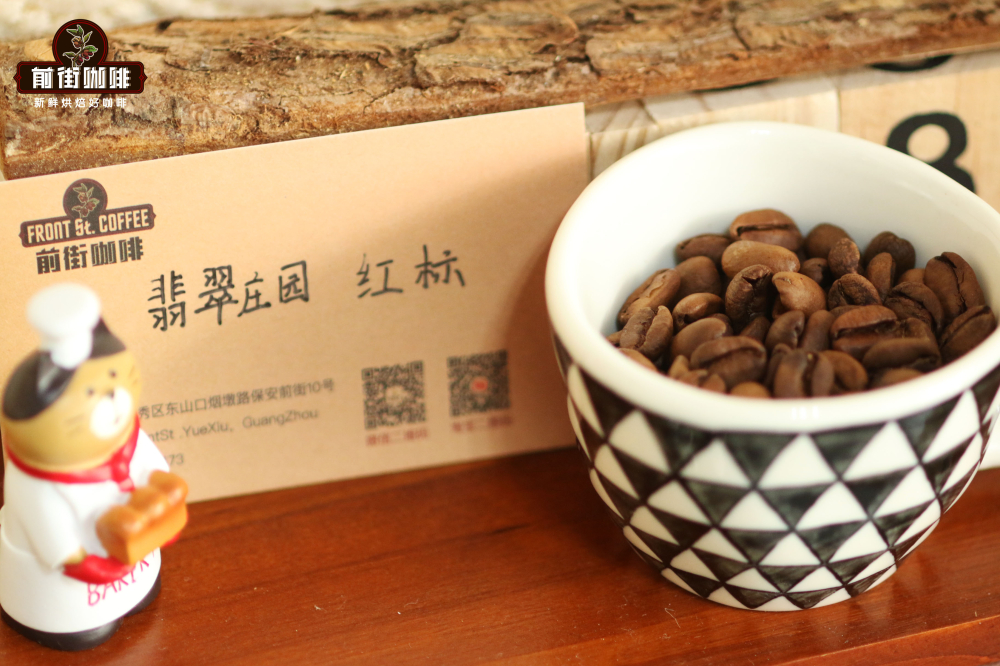
The ground Goddingding gives off elegant jasmine floral notes, while the Red Label Geisha has intense rose floral notes. Goddingding enters the mouth with clear bright lemon acidity, prominent sugarcane sweetness, and after the temperature drops it presents a green tea mouthfeel with a lasting finish; Red Label Geisha enters the mouth with aromas of mango, berries, and tropical fruit, a smooth creamy mouthfeel, honey-like sweetness, rich layers of floral and fruity flavors, and a finish that is sweet-and-sour like fruit tea.
For professional coffee knowledge exchange and more coffee bean information, please follow Coffee Workshop (WeChat public account cafe_style)
For more specialty coffee beans, please add the private WeChat of Front Street Coffee, WeChat ID: qjcoffeex
The above content is compiled by CoffeeHunters, a coffee news website.


