







Search Results for: Geisha flavor differences
Flavor Differences Between Ethiopian Geisha and Panamanian Geisha: Same Name, Different Variety—Why the Huge Gap in Price and Taste
Geisha coffee varies significantly in flavor and price depending on its origin and processing method. Among them, Ethiopian Geisha and Panamanian Geisha often spark lively discussion among coffee enthusiasts due to their stark differences in price and taste. Although the two share the name "Geisha," they are actually entirely different varieties. Panamanian Geisha originated from the Geisha forest in Ethiopia, was discovered by Hacienda La Esmeralda, and won the 2004 BOP competition, known for its white floral notes, citrus fruit character, and green tea-like quality, with the designation T2722; Ethiopian Geisha, on the other hand, tends to have a rich, juicy mouthfeel and is genetically more distantly related to Panamanian Geisha, making it something of a distant relative. This article will outline the origins and flavor differences of the two, and recommend several high-value Geisha beans from Front Street Coffee for comparative tasting. [more…]
An Analysis of Geisha Coffee Flavor Profiles: Comparing the Differences Between Panama, Ethiopia, Peru, and Costa Rica Geisha
Why does coffee that is also called Geisha taste so different? From Front Street Coffee's perspective, this article systematically sorts out the flavor tiers and producing-region differences of Geisha coffee. The article points out that variety, terroir, processing method, and roasting together determine the taste of coffee, among which variety accounts for 70% of the base flavor and terroir accounts for 30%. Front Street Coffee recommends the washed Geisha from the Boquete producing region of Panama as the entry-level choice for the classic "Geisha flavor," and compares in detail Hacienda La Esmeralda's Red Label and Green Label, 90+ Eleta Anaerobic Geisha, Costa Rica Strawberry Candy, Peru Cajamarca Washed Geisha, as well as Ethiopia Gesha Village's Gori Geisha and Geisha 1931. Whether you want to get to know traditional Geisha or explore the style variations of different producing regions and processing methods, you can find clear references in it. [more…]
Where Does the Geisha Flavor Come From? An Analysis of the Variety, Origin, and Processing Differences Between Ethiopian and Panamanian Geisha
Geisha coffee has won over coffee lovers worldwide with its jasmine, citrus acidity, and honey-like body, but not every coffee called Geisha delivers the signature "Geisha flavor." This article systematically analyzes the root causes of the flavor differences between Ethiopian Geisha and Panamanian Geisha from three dimensions—varietal genetics, growing origin, and green bean processing—and includes Front Street Coffee's Geisha brewing suggestions and parameter demonstration to help readers understand why coffees sharing the name Geisha can taste so strikingly different. [more…]
Analysis of Flavor Differences in Geisha Coffee Across Global Producing Regions: Ethiopia, Panama, and Costa Rica Compared
Geisha coffee is famous for its captivating floral aroma, but this signature flavor actually comes mainly from the Panama region. When Geisha was introduced to Ethiopia, Costa Rica, and other places, its flavor profile showed noticeable differences. This article starts with three Geisha coffees from Front Street Coffee—Panama, Costa Rica, and Ethiopia—and compares the variety background, estate information, and cupping flavors of each region one by one. Ethiopia, as the birthplace of Geisha, has a Geisha Village variety with very little genetic connection to Panama Geisha; Panama's Hacienda La Esmeralda, meanwhile, established the floral definition of Geisha, with its Red Label, Green Label, and Blue Label each having distinctive characteristics; Costa Rica's Little Candle Estate, thanks to its unique microclimate, also produces a clean and elegant Geisha flavor. Through this article, you will gain a comprehensive understanding of the characteristics and main flavor descriptions of Geisha coffee from different origins. [more…]
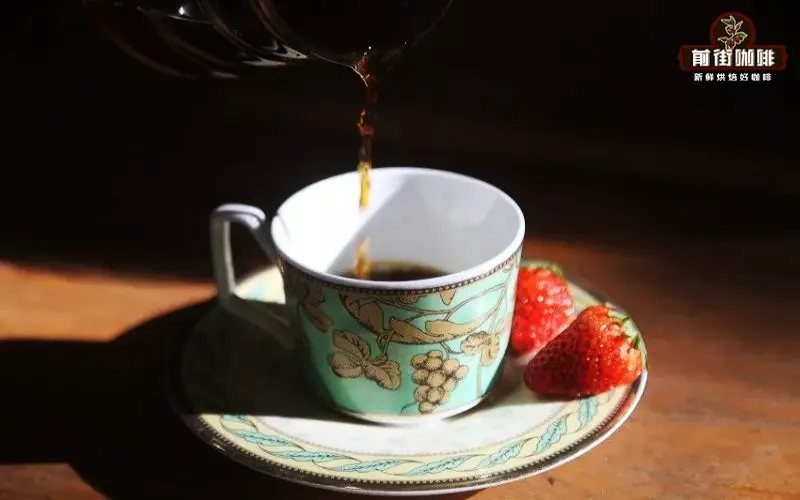
What's the difference between Panama Geisha and Ethiopian Geisha? A clear explanation from flavor and bean appearance to origins
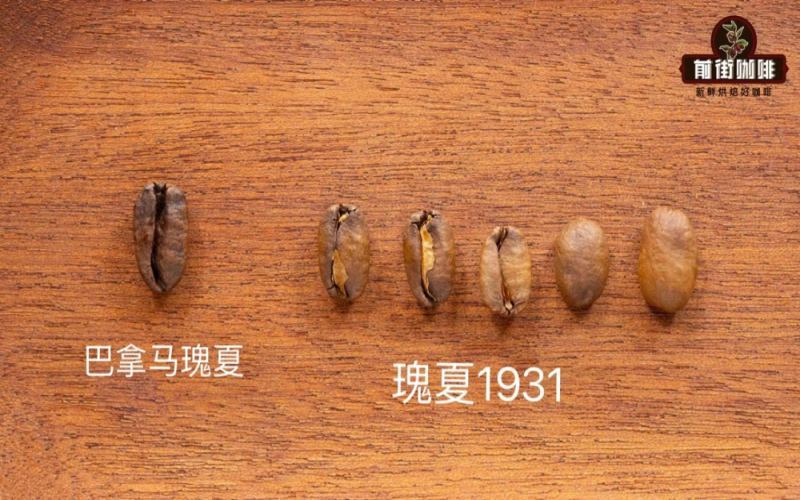
Geisha is now a star variety in the specialty coffee world, but Panama Geisha and Ethiopian Geisha actually represent two different flavor paths. After comparing them, Front Street Coffee found that although both possess outstanding acidity and floral aromas, their specific expressions differ markedly: Panama Geisha leans toward jasmine florals, citrus, and honey-like sweetness, with a soft, easy-drinking entry; Ethiopian Geisha also has florals, but its main thrust is abundant juiciness and explosive fruit flavors. This article examines, from the perspectives of historical origins, dissemination routes, terroir conditions, and green bean appearance, why these two coffees sharing the same name taste like two different beans, and also answers how the true Geisha flavor should be understood. [more…]
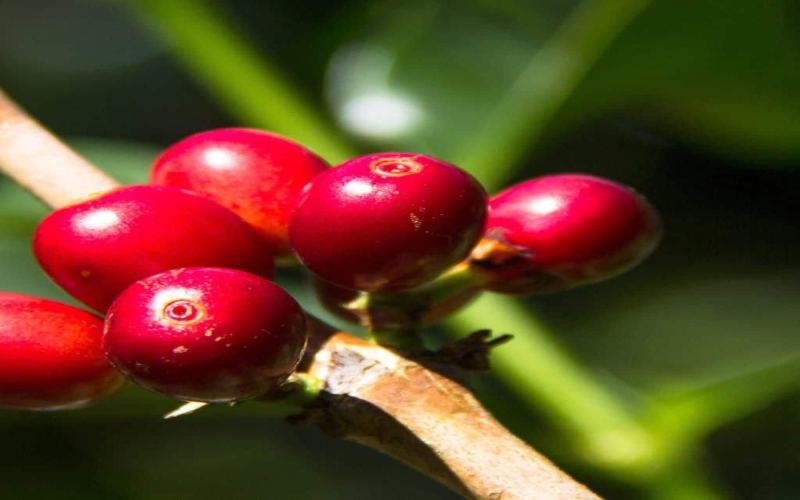
Complete Guide to Geisha Coffee Beans: From Origin and Spread to Taste Grades and Flavor Differences with Huakui
Geisha, hailed as the most legendary coffee variety of the 21st century, has become an undisputed star in the specialty coffee world thanks to its stunning cupping performance and ever-rising auction prices. But where exactly did Geisha come from? Is it the same bean as Huakui? How do you distinguish between the Red Label, Green Label, and Volcanic Rock lots from Panama's Hacienda La Esmeralda? How does the product line from Gesha Village in Ethiopia differ? This article, led by Front Street Coffee (FrontStreet Coffee), will systematically trace Geisha's rise to fame, its varietal characteristics, and its flavor expression across different producing regions, along with practical brewing suggestions to help coffee lovers gain a comprehensive understanding of this legendary variety. [more…]
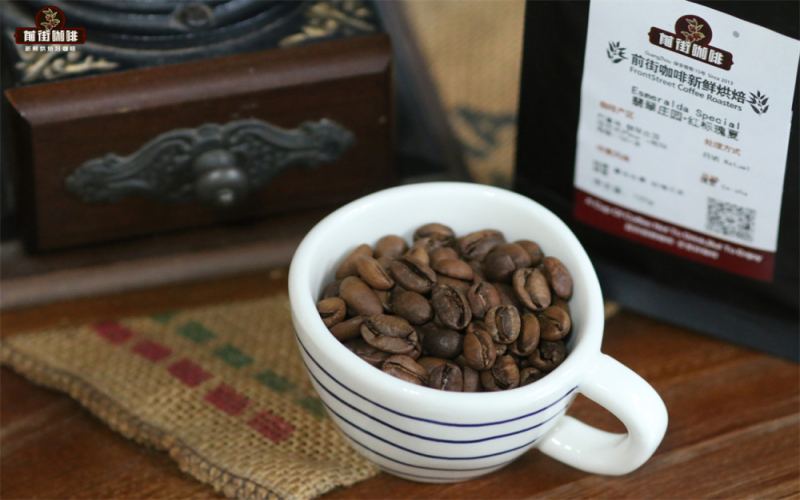
Panama Hacienda La Esmeralda Geisha Coffee Flavor Analysis: How Variety, Origin, and Processing Shape Its Unique Floral and Fruity Notes
Geisha coffee went from obscurity to global fame, with Panama's Hacienda La Esmeralda's stunning performance at the 2004 BOP competition serving as the key turning point. Jasmine, citrus acidity, and honey-like body make up the signature "Geisha flavor," but not every Geisha can express this profile. This article takes an in-depth look at how three major factors—varietal genetics, growing origin, and green bean processing—determine the final flavor direction of Geisha, and uses Front Street Coffee's Panama Boquete washed Geisha as an example to share a complete approach from bean selection to brewing, helping coffee lovers understand the logic behind Geisha flavor formation and key tasting points. [more…]
Ethiopian Geisha Coffee Flavor Analysis: Differences from Panama Geisha and Brewing Recommendations
Geisha coffee has always been best known for Panama's Hacienda La Esmeralda, but the variety actually originated in the Geisha forest of Ethiopia. This article focuses on the taste characteristics of Ethiopian Geisha coffee beans, outlining the farm structure, grading system, and growing elevation of Geisha Village, and comparing how Panama Hacienda La Esmeralda Geisha differs in flavor, including specific differences in floral notes, tea-like quality, and candied sweetness. At the same time, Front Street Coffee also shares the complete three-stage pour-over parameters and operating steps for Panama Natural Green Label, providing a reference for coffee lovers when purchasing and brewing Geisha coffee. [more…]
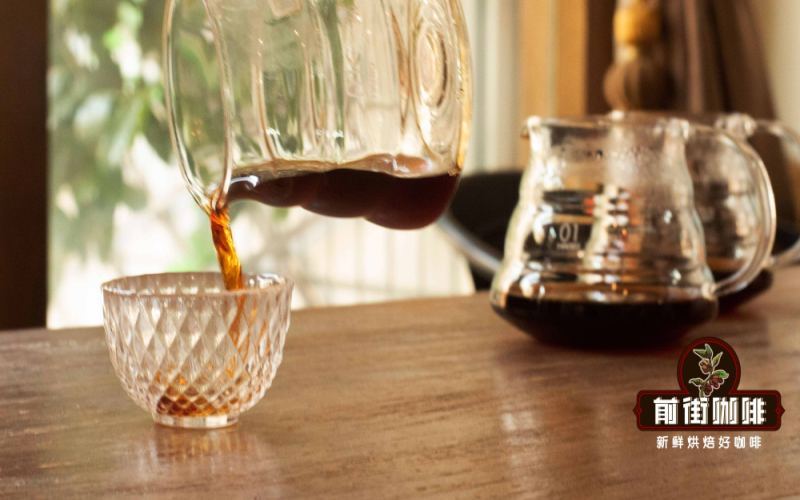
Analysis of the Flavor Characteristics of the Geisha Coffee Variety: A Comparison of Geisha Beans from Gesha Village and Hacienda La Esmeralda
Geisha coffee has always been renowned for its high price and unique flavor, and Front Street believes it drinks more like a cup of floral and fruity tea than coffee. Different origins give Geisha vastly different taste profiles, yet overall it presents an elegant and refined character. Geisha originally grew in the forests of Ethiopia, where it was used as a windbreak tree, and only rose to fame after being introduced to Panama. Is this due to the magic of the environment and climate, or to differences in varietal genetics? Geisha Village and Hacienda La Esmeralda, two representative origins, each have their own strengths in terms of variety provenance, processing methods, and flavor direction of the Geisha coffee beans they produce. This article will systematically sort out the characteristics of the Geisha variety, explain in detail the differences between Geisha Village and Hacienda La Esmeralda's Red Label, Green Label, and Blue Label Geisha, and include Front Street's brewing suggestions and flavor descriptions to help coffee lovers fully understand this precious variety. [more…]
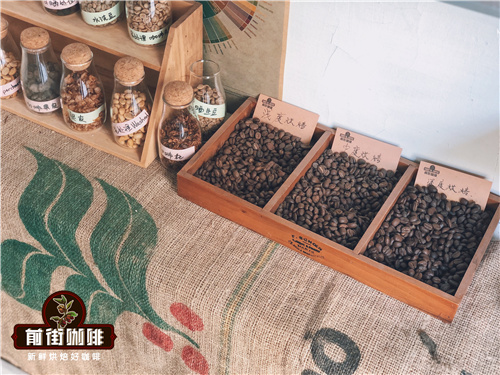
Panama Geisha | What are the characteristics of Geisha? Why is Panama Geisha so popular? How do Geisha coffees from different regions differ in flavor?
Geisha coffee has always been highly popular in the specialty coffee world for its juicy mouthfeel and intense floral aroma. You may be most familiar with the Geisha coffee from Panama's Hacienda La Esmeralda, since Hacienda La Esmeralda rose to fame thanks to Geisha coffee, and also won so many awards with Geisha coffee that it could hardly hold them all. But did you know? Because Geisha coffee [more…]
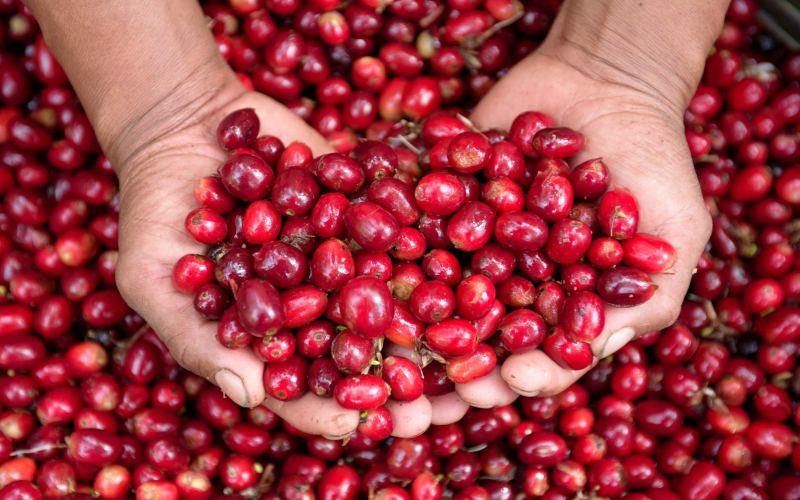
Geisha Pour-Over Coffee Brewing Parameters and Flavor Characteristics: Coffee-to-Water Ratio, Water Temperature, and Flavor Comparison of Geisha from Different Origins
Geisha coffee is hailed as one of the best coffee beans in the world, renowned for its extraordinary flavor and aroma. From Hacienda La Esmeralda in Panama to Gesha Village in Ethiopia, Geisha from different origins each has its own distinctive characteristics in bean shape, flavor, and brewing performance. This article will guide you through the origins and rise to fame of Geisha coffee, compare the flavor differences between Panamanian and Ethiopian Geisha, explain the true meaning of grading labels such as Red Label, Green Label, and Gold Label, and share Front Street's brewing parameters and techniques for Geisha coffee, helping you maximize the delicate floral notes and layered complexity of this precious coffee. [more…]
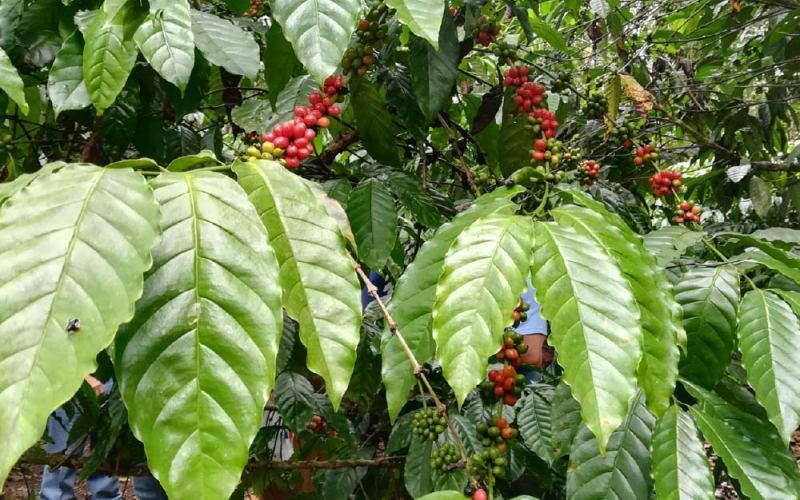
A Complete Analysis of Geisha Coffee Bean Producing Regions: From Ethiopian Origins to the Flavor Differences of Panama Hacienda La Esmeralda's Red, Green, and Blue Label Grades
Geisha coffee journeyed from the primitive forests of Ethiopia to the world stage, and it was Panama's Hacienda La Esmeralda that made it famous overnight. Today, Ethiopia, Costa Rica, and Panama all cultivate Geisha, but their flavor expressions each have their own strengths. How exactly do Hacienda La Esmeralda's Red Label, Green Label, and Blue Label differ? This article will systematically organize the core knowledge of Geisha coffee, from origin distribution, variety genetics, and altitude grading to flavor characteristics, and include Front Street Coffee's brewing suggestions, taking you through a comprehensive understanding of this highly sought-after specialty coffee. [more…]
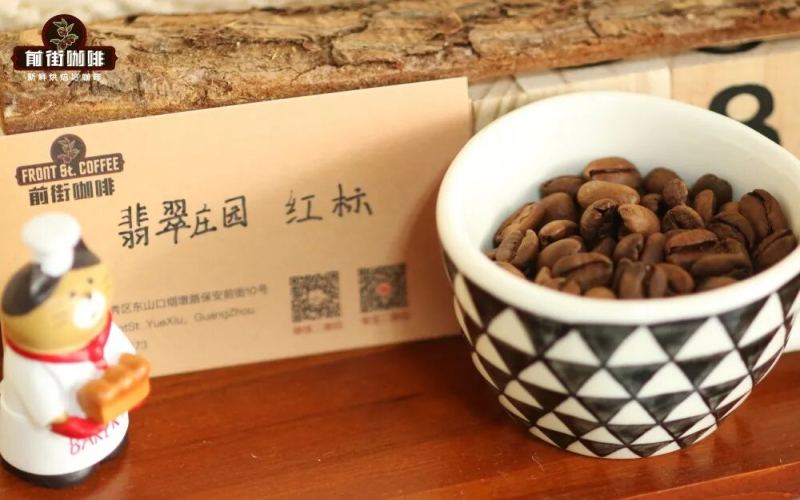
Geisha Coffee Origins | How Do Panamanian and Ethiopian Geisha Differ? What Geisha Varieties Are There? An Introduction to Panama Emerald Geisha Grades
Some people say that Geisha coffee is so expensive, so what exactly does Geisha coffee taste like? Front Street believes that when you drink Geisha coffee, you'll feel like it's not a cup of coffee, but a cup of floral and fruity tea. Because of different growing regions, the flavors that Geisha coffee presents also vary, but overall, Geisha coffee naturally has a [more…]
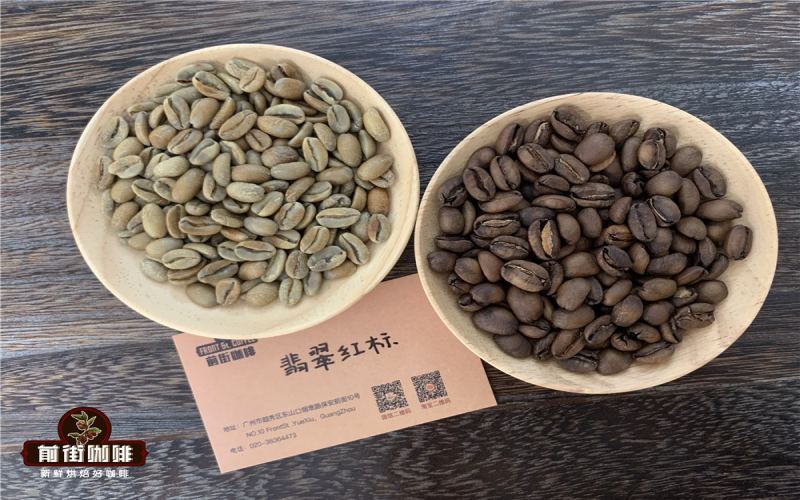
Gesha Coffee Pour-Over Guide: Extraction Temperatures and Coffee-to-Water Ratios from Different Origins
Geisha coffee is renowned worldwide for its delicate and elegant floral aromas and fruity acidity, but Geisha from different origins also requires different brewing methods. Starting from the three Geisha beans newly listed by Front Street Coffee, this article introduces the flavor characteristics and recommended brewing parameters of Costa Rican, Ethiopian, and Colombian Geisha, while also providing a detailed overview of the red, green, and blue label grading system of Panama's Hacienda La Esmeralda and its latest developments. Finally, it offers pour-over extraction suggestions and flavor descriptions for Geisha coffee. [more…]
Panama Hacienda La Esmeralda Geisha Pour-Over Parameters Explained | Brewing Guide for Geisha from Different Regions
Geisha coffee rose to fame at Hacienda La Esmeralda in Panama and became popular worldwide for its delicate floral aroma and elegant fruity acidity. This article covers the origin of the Geisha variety, Hacienda La Esmeralda's red, green, and blue label grading system, and the flavor differences of Geisha from producing regions such as Costa Rica, Ethiopia, and Colombia. It focuses on answering questions about pour-over parameters for Panama Esmeralda Special Geisha, including water temperature, coffee-to-water ratio, grind size, and staged extraction techniques, and includes Front Street Coffee's brewing recommendations and flavor descriptions. It is a useful reference for coffee enthusiasts who want to gain a deeper understanding of brewing Geisha. [more…]
Geisha Coffee Tasting Guide: From Brewing Parameters to Flavor Differences Across Three Major Origins and Brand Recommendations
Geisha coffee is known for its delicate floral aroma and elegant fruit acidity, but Geisha from different origins varies noticeably in flavor, and the brewing method must also be adjusted according to the beans. This article begins with the origin of the Geisha variety and its rise to fame, sorts out the red, green, and blue label grading system of Panama's Hacienda La Esmeralda, and compares the cupping performance and pour-over recommendations of three Geishas from Costa Rica, Ethiopia, and Colombia. At the same time, Front Street Coffee will share water temperature, grind size, and staged extraction plans for light-roast Geisha, helping you understand more completely the flavor logic of this "luxury of the coffee world." [more…]
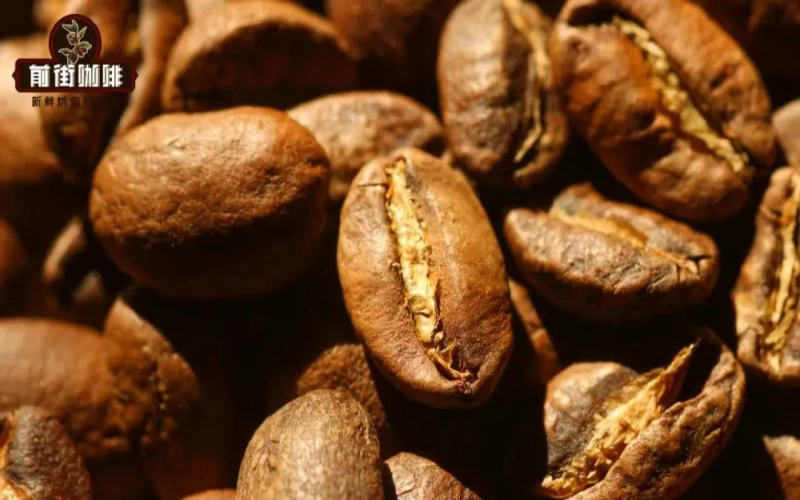
The Difference Between Panama Geisha and Ethiopian Geisha: The Origins and Naming Code of the World's Most Expensive Coffee
Geisha consistently tops the list of the world's most expensive coffees, but many people ask: why is Panama always emphasized whenever Geisha is mentioned? Are Panama Geisha and Ethiopian Geisha actually the same thing? This article begins with the 1931 collection in Ethiopia's Kaffa forest, tracing the complete journey of Geisha as it passed through Kenya and Costa Rica, and was eventually discovered and made famous at Hacienda La Esmeralda in Panama through the Best of Panama (BOP) competition. It explains the origin of the T2722 designation, as well as the commercial logic behind the many "Geisha" names on the market. The article also explains how to distinguish origin by the spelling difference between Gesha and Geisha, and includes Front Street Coffee's purchasing advice and product recommendations. [more…]
Why Is Panama Geisha Coffee Unrivaled? One Article Explains the Red, Green, and Blue Label Grades and Origin Differences
Since its breakthrough in 2004, Panama Geisha has firmly held the top spot in the specialty coffee world, becoming a name that countless enthusiasts both long for and revere. It boasts rich floral aromas and bright fruity acidity, yet its price is staggering. What exactly is Geisha's charm? Why do Geishas from Ethiopia, Costa Rica, and Panama taste so different? And how do you distinguish Hacienda La Esmeralda's Red Label, Green Label, and Blue Label? In this article, Front Street Coffee will take you through Geisha's past and present, explain the characteristics and grading standards of each origin in detail, and provide pour-over parameter suggestions to help you fully understand this legendary cup of coffee. [more…]
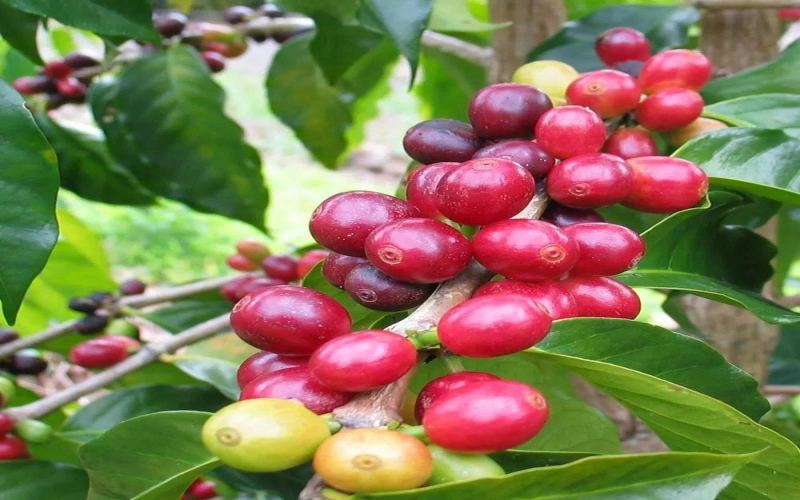
A Detailed Guide to the Grade Classifications and Flavor Differences of Panama Hacienda La Esmeralda Geisha Coffee Beans: Red Label, Green Label, and Blue Label
Geisha coffee has been highly sought after in the global specialty coffee scene in recent years, and the Geisha produced by Hacienda La Esmeralda in Panama is the benchmark among them. Faced with the different grades of Esmeralda Geisha on the market—Red Label, Green Label, Blue Label, and others—many coffee lovers are often confused: What exactly are the differences between them? Which one suits them better? This article begins with the history of Hacienda La Esmeralda, then sorts out in detail the grading criteria, growing altitudes, processing methods, and flavor characteristics of the three major grades—Red Label, Green Label, and Blue Label—and includes Front Street Coffee's brewing suggestions and flavor descriptions for each grade, helping you find the Geisha that suits you best. [more…]
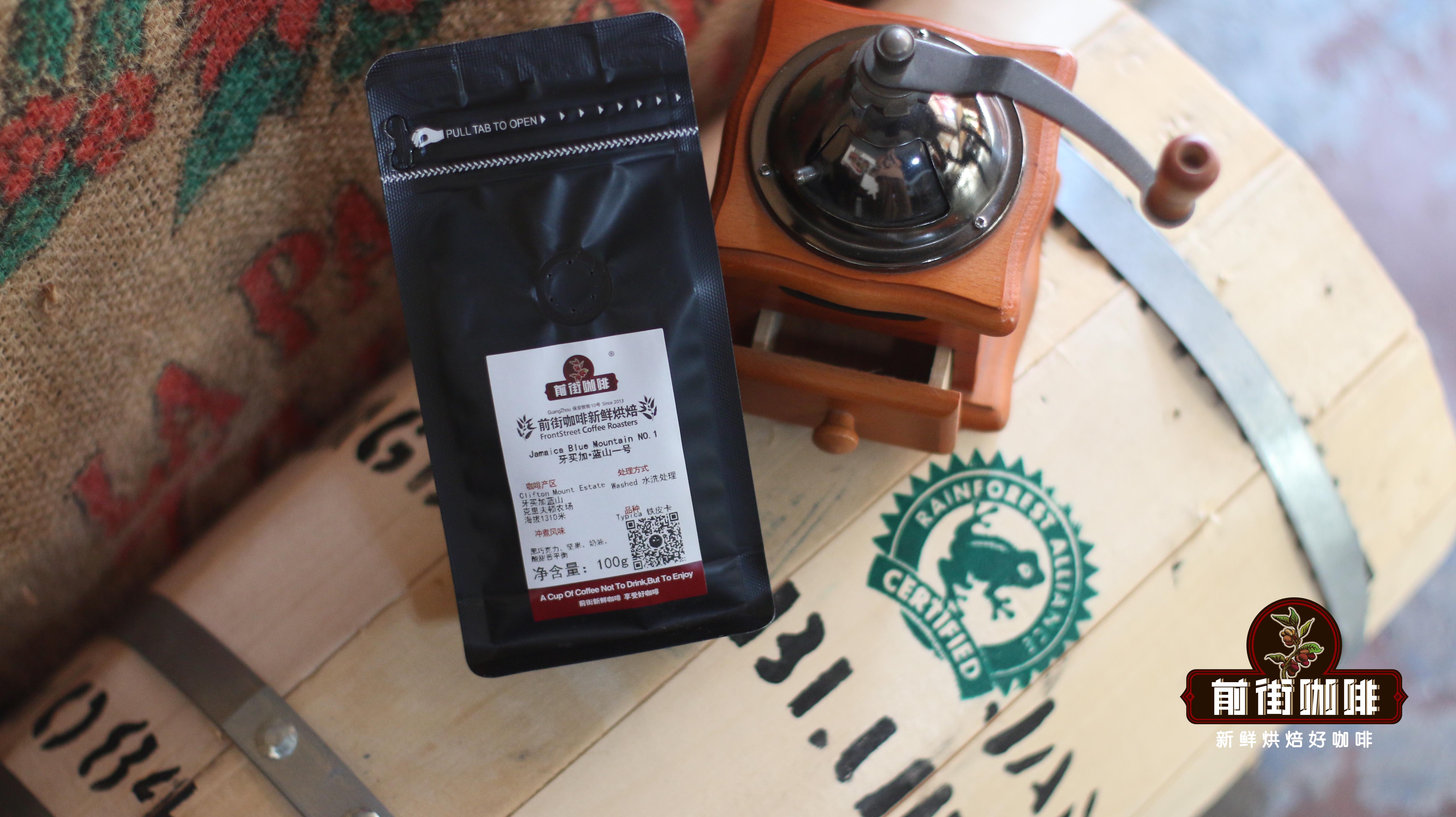
Geisha Coffee Flavor Full Analysis: Taste Differences Between Panama and Ethiopia Origins and Front Street Brewing Recommendations
Geisha coffee, with its delicate acidity and fresh floral aroma, has become synonymous with high quality in the specialty coffee era. However, Geisha from different regions and different plots actually varies significantly in flavor expression. Starting from taste descriptions, this article compares the alluring qualities of Panamanian and Ethiopian Geisha, traces the spread of the Geisha variety from the forests of Ethiopia to Hacienda La Esmeralda in Panama, and answers the question of whether the Geisha from these two places is the same variety. Finally, Front Street Coffee shares the brewing parameters and three-pour method for medium-light roasted Geisha, helping enthusiasts fully bring out Geisha's floral and fruity aromas and bright acidity. [more…]