







How does geisha coffee differ between Panama and Ethiopia?
Geisha coffee is defined by refined acidity and fresh floral aroma, which set it apart from the heavy body of Jamaican Blue Mountain and Hawaiian Kona. Panama geisha typically shows rose and jasmine, bright citrus-like acidity and a clean, layered mouthfeel, while Ethiopian lots from the variety's home forests tend to read more tea-like and delicate.
The variety traveled from Ethiopia's forests to Hacienda La Esmeralda in Panama, and the two origins are the same variety grown in different conditions, so flavor shifts with plot, harvest and processing. Front Street recommends a medium-light roast and a three-pour method to open up the floral and fruity notes without flattening the acidity.
Geisha coffee, with its refined acidity and fresh floral aroma, has become synonymous with high quality in the specialty coffee era. However, Geisha from different regions and different plots actually varies significantly in flavor expression. This article starts from taste descriptions, compares the alluring character of Panamanian and Ethiopian Geisha, traces the spread of the Geisha variety from the forests of Ethiopia to Hacienda La Esmeralda in Panama, and answers the question of whether the Geisha from the two places is the same variety. Finally, Front Street Coffee shares the brewing parameters and three-pour method for medium-light roasted Geisha, helping enthusiasts fully present Geisha's floral and fruity aroma and bright acidity.
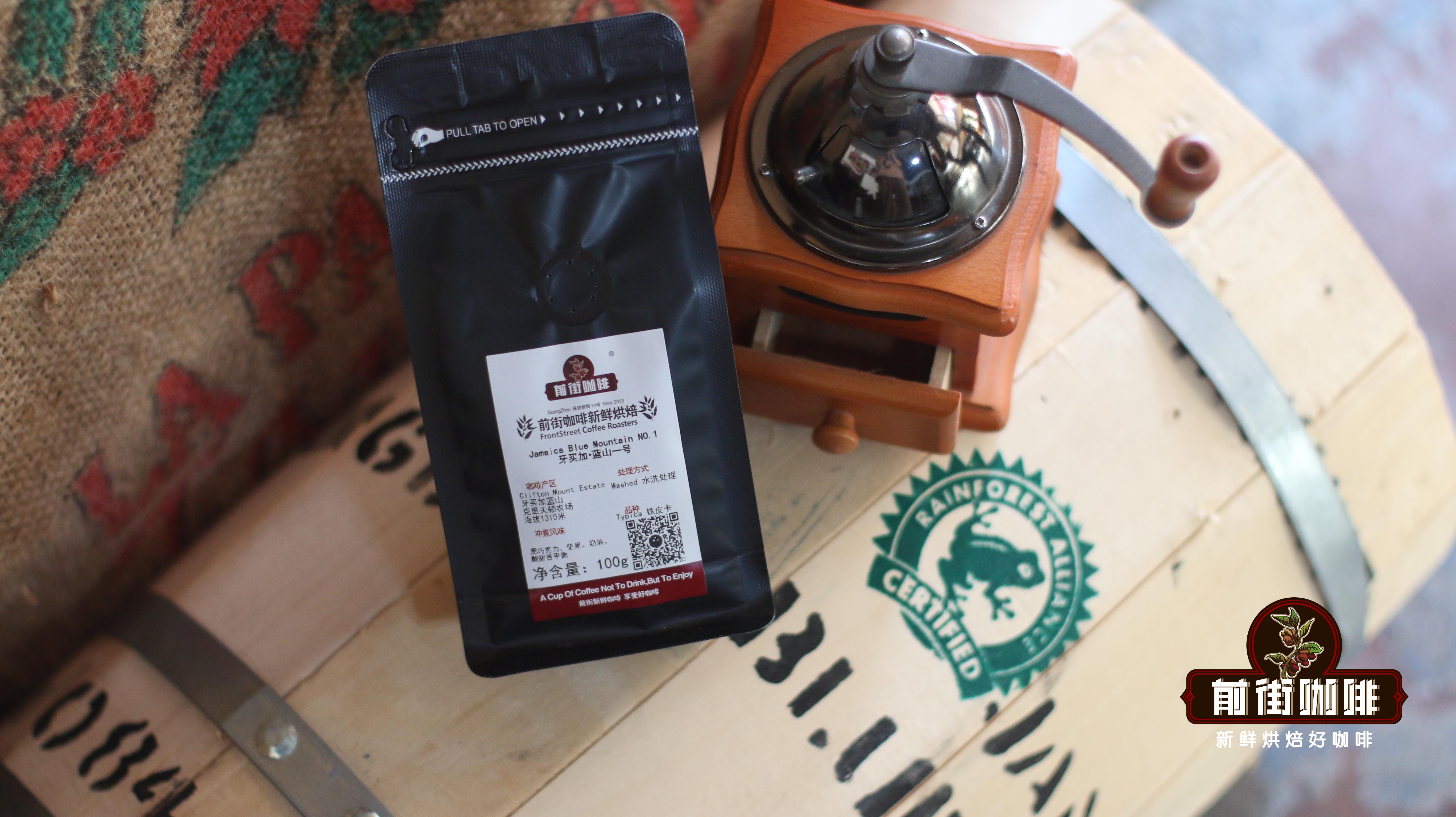
In an era when specialty coffee was not yet widespread, when people mentioned high-quality coffee, the first names that came to mind were often Jamaican Blue Mountain and Hawaiian Kona. These two beans, with their rich style and full body, were once sought after by veteran coffee lovers, and were therefore crowned the "king and queen" of the coffee world.
Today, specialty coffee culture has long entered a stage of diverse coexistence, and the sudden rise of Geisha has broken the mythical status long occupied by Blue Mountain and Kona, even showing a trend of overtaking them. In today's coffee market, Geisha is almost synonymous with high price and high quality.
Taste Description of Geisha Coffee
Unlike the thick, full-bodied flavor direction of Blue Mountain and Kona, Geisha refreshes people's fixed impression of coffee taste with its delicate acidity and elegant floral aroma. At the same time, younger consumer groups increasingly prefer crisp and lively tastes, so Geisha has naturally become a highly sought-after variety.
Is Geisha Coffee Really That Good?
Front Street Coffee (FrontStreet Coffee), through years of cupping comparisons, has found that different regions and different harvest seasons produce noticeably different flavor expressions in Geisha, and even different plots within the same region may present different tastes.
The most familiar Panamanian Geisha has an extremely alluring flavor profile, often with aromas like rose and jasmine; the acidity is usually bright and uplifting, showing citrus-like characteristics. The mouthfeel is clean and clear, with distinct layers. After proper processing and roasting, it can display a smooth, balanced, delicate, and unique flavor.
Geisha from the Ethiopian region is relatively less refined, but its flavor is richer. It often shows red berries, nuts, and spice-like sweetness, accompanied by a tea-like aftertaste. After suitable processing and roasting, it can present a balanced and integrated mouthfeel.
Are Panamanian Geisha and Ethiopian Geisha the Same Variety?
In the early 1930s, the Geisha variety was collected in an area of Ethiopia called Gesha. What was collected at the time was not a single variety, but a mixture of multiple varieties from the region's primary forests and plants sold in markets, which were sent together to Kenya for research and cultivation.
After that, Tanzania, Costa Rica, Panama, and other places successively introduced Geisha coffee for further cultivation and research. In order to adapt to the terroir and climate of different regions, these plants gradually developed different genes, and their flavors also differed accordingly.
When Geisha arrived in Panama, influenced by a combination of factors such as high altitude, microclimate, and soil, it "accidentally" developed a very alluring and refined coffee flavor. In 2003, the owner of Hacienda La Esmeralda in Panama discovered this variety and in 2004 sent it to compete in the Best of Panama (BOP) competition. Its unique flavor shocked all the judges at the time, and it ultimately broke the BOP historical record with an average cupping score of 94.6 points, taking first place in one fell swoop. Almost overnight, Geisha became a champion bean variety pursued by the whole world.
In the past decade or so, people have begun trying to bring Geisha coffee back to its hometown of Ethiopia, cultivating it in "Gesha Village," which is 12 miles away from the Gesha forest and covers 475 hectares. The owner of this plantation participated in the effort to find wild bean varieties in the forest, and today what they cultivate are several Geisha bean varieties brought back from the forest, hoping to produce even higher-quality coffee.
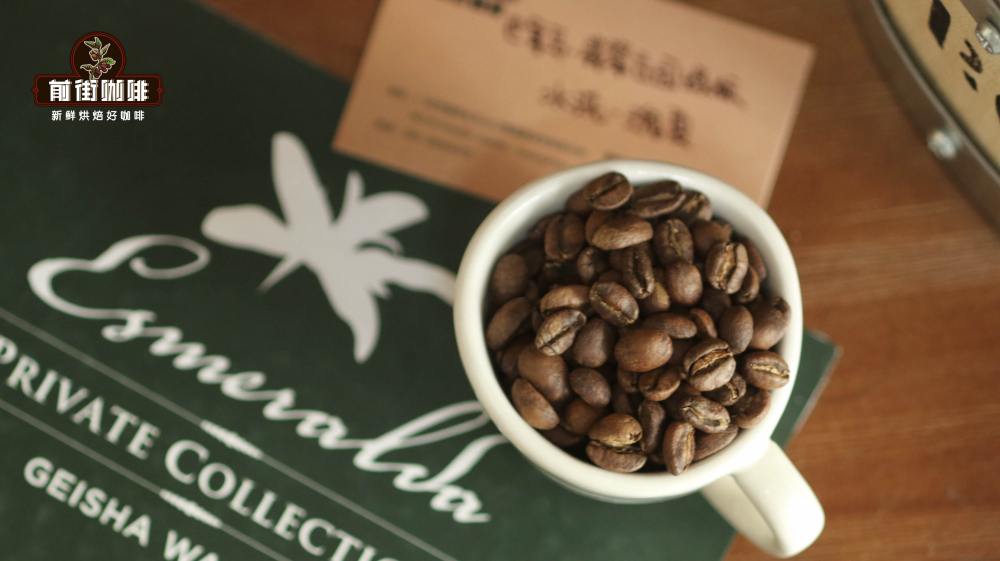
Although the variety grown in Gesha Village is also called "Geisha," in essence it belongs to Ethiopia's native varieties. Even though in terms of plant morphology, bean shape, and cupping performance, the variety "Geisha 1931" is closest to Panamanian Geisha, because it has not undergone human "domestication" (while Panamanian Geisha only acquired its current rich and alluring floral and fruity acidity after years of being "domesticated" by humans and nature), Ethiopian Geisha and Geisha from Central and South America can be understood as two different varieties.
How to Brew Geisha Coffee So It Tastes Good?
The Geisha products sold by Front Street include three Ethiopian Geisha coffees—Gesha Village Gold Label, Red Label, and Chaka—as well as three Panamanian Geisha coffees from Hacienda La Esmeralda Red Label, Green Label, and the Boquete mega-region. To let everyone taste the fullest flavor of the coffee beans, all coffee beans shipped by Front Street Coffee (FrontStreet Coffee) are sent out within 5 days after roasting is completed!
No matter which region's Geisha coffee beans they are, they all have rich fruity acidity, because Front Street Coffee (FrontStreet Coffee) uses medium-light roasting, preserving bright acidity and alluring floral and fruity aromas.
Medium-light roasted coffee beans are harder in texture and tend to sink and clog the drainage holes during brewing. Therefore, Front Street Coffee (FrontStreet Coffee) recommends using a grind size with a 78% passing rate on the Chinese standard No. 20 sieve (about the size of fine granulated sugar), and a brewing water temperature of 90-91°C.
For daily store service, Front Street Coffee (FrontStreet Coffee) uses 15g of coffee grounds, paired with a small Hario V60 dripper, and then brews with a 1:16 coffee-to-water ratio. Once everything is ready, use a three-pour brewing method: start timing, pour water for the first time up to 30g and let it bloom for 30s; then begin the second pour, circling with a small stream of water up to 125g, wait until the water level in the coffee bed drops to half before pouring again, then continue circling with a small stream of water up to 225g, and after all dripping is complete, the total extraction time is about 2 minutes 10 seconds to 2 minutes 20 seconds.
The above content is compiled by CoffeeHunters, a coffee news website.


