







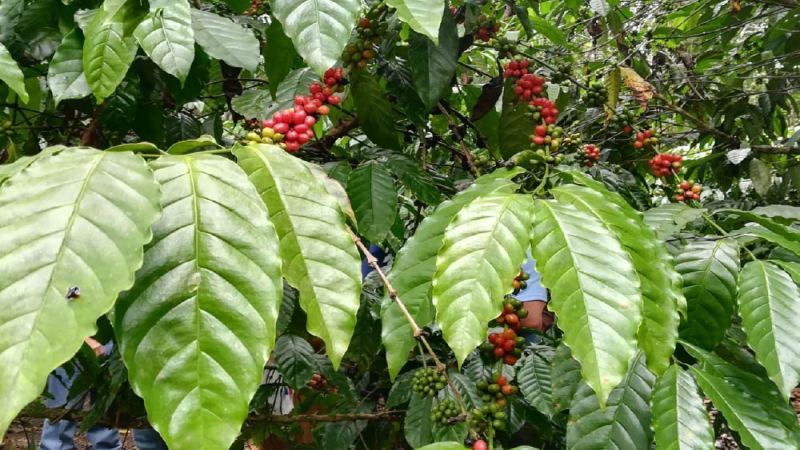
Why is Panama Geisha coffee graded by label?
Panama Geisha became famous after Hacienda La Esmeralda separated the variety and it took first place in the 2004 BOP competition, beating Bourbon, Caturra, Catuai, and Typica. Its floral aroma and bright fruit acidity set the standard, and the estate grades lots with Red, Green, and Blue labels that reflect quality and price.
Geisha stayed obscure for nearly half a century before that win, then kept taking top prizes in Panama's cupping competitions in 2005, 2006, and 2007. Afterward the variety spread to other producing countries, and Geisha from Ethiopia, Costa Rica, and Panama shows noticeably different flavor because of soil, altitude, and processing.
Since its breakthrough in 2004, Panama Geisha has firmly secured the top spot in the specialty coffee world, becoming a name that countless enthusiasts both yearn for and revere. It has rich floral aromas and bright fruit acidity, yet its price is jaw-dropping. What exactly is Geisha's charm? Why do Geishas from Ethiopia, Costa Rica, and Panama taste so different? How do you distinguish Hacienda La Esmeralda's Red Label, Green Label, and Blue Label? In this article, Front Street Coffee will take you through Geisha's past and present, explain the characteristics of each origin and grading standards in detail, and include pour-over parameter suggestions to help you fully understand this legendary coffee.
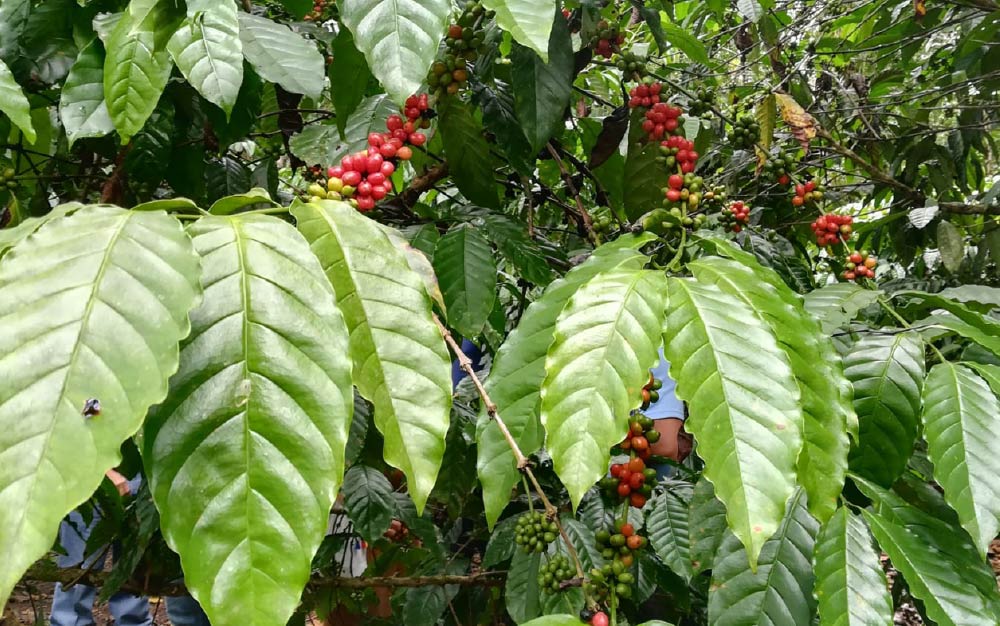
For more specialty coffee knowledge, please follow: Front Street Coffee (Frontsteet Coffee)
After taking the crown in 2004, Panama Geisha instantly established its place in the coffee world and became a globally recognized top variety. Whether they are friends who prefer coffee with floral and fruity acidity, or seasoned drinkers who only have mellow coffees like Front Street Blue Mountain and Front Street Mandheling, everyone has surely heard of Geisha—it is famous, and its price is especially high. So what exactly makes it so good? Today Front Street will talk about the story of Geisha.
Geisha did not receive much attention at first and remained obscure for nearly half a century. It was not until 2003 that Panama's Hacienda La Esmeralda, also known as Esmeralda Estate, separated it from other varieties. It first showed its potential in the BOP competition, and in 2004 it won first place in one fell swoop, defeating usually dominant varieties such as Bourbon, Caturra, Catuai, and Typica. From then on, it established Hacienda La Esmeralda's position in the specialty coffee world and also brought Geisha into the public eye. In the following years, Geisha went on to win first prize in Panama's national treasure bean cupping competition in 2005, 2006, and 2007.
After Geisha became famous at Panama's Hacienda La Esmeralda, the price of Panama coffee beans rose accordingly, and Geisha also began to be introduced and planted by other major coffee-producing countries. However, Geisha from different origins shows significant differences in flavor. Below, Front Street will use Panama Geisha, Costa Rica Geisha, and Ethiopia Geisha as examples to explain the differences among them.
Ethiopia · Geisha Coffee
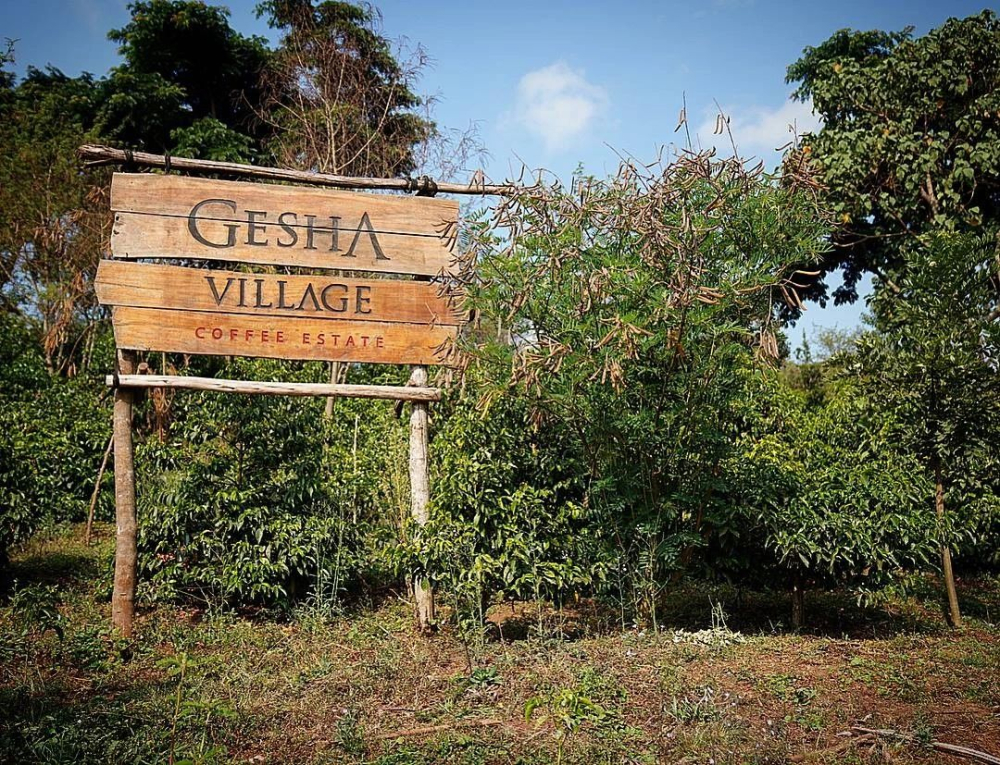
Ethiopia is the birthplace of Geisha coffee. In 2009, during a chance encounter, the ideas of Willem Boot, owner of Finca La Mula and BOP judge, inspired documentary director Adam Overton and his photographer wife Rachel Samuel. The Overtons returned to Ethiopia and, following Willem Boot, "adventured" in the Gori Gesha forest and found wild Geisha. They collected seeds from native Geisha trees, selected them, and planted them in Gesha Village, where they established a coffee estate named Gesha Village Coffee Estate. This is exactly the origin of the Ethiopian Gesha Village coffee beans currently on Front Street's coffee list.
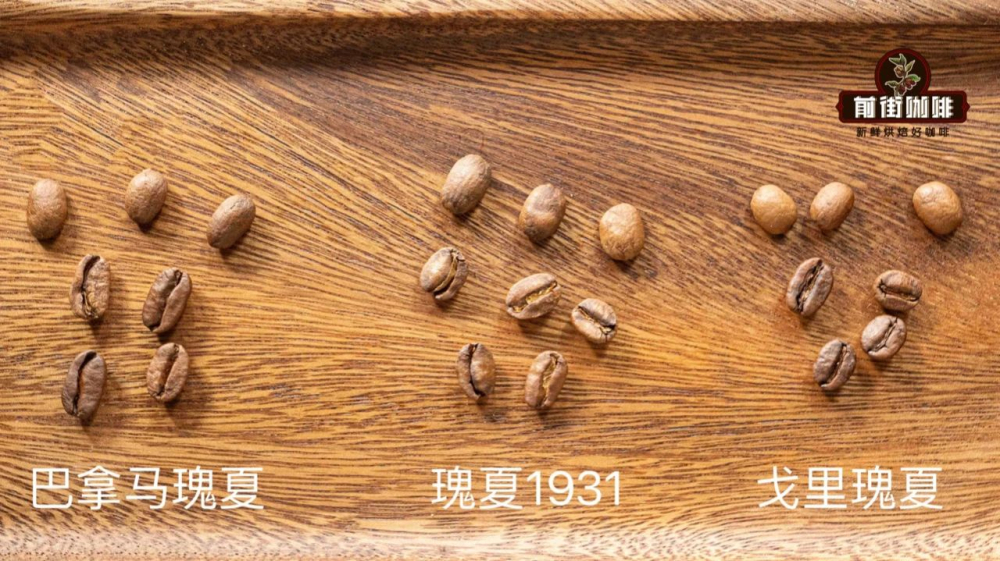
However, the Geisha coffee beans currently grown in Ethiopia's Gesha Village are not genetically very closely related to the Panama Geisha we know well. Ethiopian Geisha coffee is divided into three branches: Gori Gesha (GG), which replicates the genetic diversity within the Gori Gesha coffee forest; Illubabor Forest 1974 (IF), discovered during a 1974 expedition to the Illubabor forest and later used by the Ethiopian research center to cultivate a variety with resistance; and Gesha 1931 (G31), which combines varieties from different forests and is very similar to Panama Geisha, selected by observing plant morphology, bean appearance, screen size, and cupping flavor.
The first two Geisha coffee beans are completely different genetically from Panama Geisha, while Gesha 1931 is officially described as being closest to Panama Geisha in both plant shape and cupping performance, but in fact the proportion of genetic consistency is very small. Therefore, the flavors of Ethiopian Geisha and Panama Geisha can be said to be completely different.
Costa Rica Geisha Coffee
Costa Rica has been growing coffee for nearly two hundred years. Coffee is an important cash crop in the country, and the industry is very mature. Today there are also many newly built estates, and these estates mostly have the resources and willingness to plant Geisha varieties. Among them, the most famous is the Geisha coffee beans from Finca Little Candle.
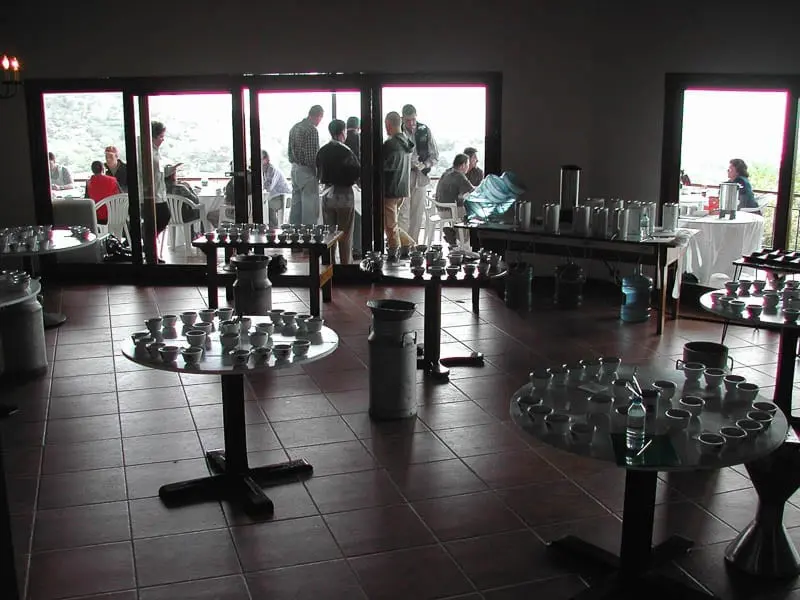
Finca Little Candle's microclimate is favorable for coffee growth. In the dry season, early morning temperatures at the estate can drop to 9 degrees Celsius, rise to 35 degrees Celsius by noon, and fall back to 9 degrees Celsius at dusk. Such a huge temperature difference between day and night allows coffee cherries to better accumulate nutrients and form more delicate flavors.
Panama Geisha Coffee
Panama coffee was introduced from Costa Rica. Panama Geisha coffee is the starting point of the public's understanding of Geisha. The saying "Geisha coffee has enchanting floral aromas and berry-like sweetness and acidity" spread precisely from the Geisha of Panama's Hacienda La Esmeralda. Hacienda La Esmeralda currently has four estates growing Geisha: Cannas Verdes, El Velo, Jaramillo, and Palmira.
How should Geisha coffee's Red Label, Green Label, and Blue Label be distinguished?
Friends just beginning to learn about it all want to know the difference between Geisha Red Label, Green Label, and Blue Label. First, you need to understand that Hacienda La Esmeralda's Geisha variety has three brands: Esmeralda Special, Private Collection, and Geisha 1500. As is well known, the higher the altitude, the richer the changes in coffee aroma. Geisha coffee also has a peculiar trait: the more extreme the growing environment, the better the flavor expression. Therefore, Hacienda La Esmeralda's Geisha grading is mainly based on growing altitude, with actual cupping as a supplement.
Top level — Red Label [Auction Lot]
The Red Label we often mention is Geisha produced under Esmeralda Special. It uses Geisha beans grown at 1,600-1,800 meters above sea level, with a cupping score above 90, from the two production areas Jaramillo and Cannas Verdes.
Only the Geisha lots put up for bidding from divided plots in Hacienda La Esmeralda's own independent auction are auction Red Label. However, there are also non-auction Red Labels on the market now. These are actually Geisha selected from the same plots that did not participate in the auction and then circulated to the market. The variety quality is consistent; only the selling price differs.
Second best — Green Label [Private Collection Lot]
Private Collection, what we often call Green Label, refers to lots that do not participate in the independent competition, growing Geisha varieties that do not enter bidding but still have excellent quality. It uses micro-lots grown at 1,600-1,800 meters and blended from different plots such as Jaramillo and Cannas Verdes.
Because it uses a model of blending micro-lots from different plots and does not specify the plots in detail, Green Label sometimes has a very high flavor similarity to Red Label, yet there are still differences. Although Green Label is not as high-grade as Red Label, it still carries Geisha's classic flavors: floral aroma, fruity aroma, citrus-like acidity, and a full, juicy mouthfeel. Front Street's Green Label Geisha coffee is divided into natural and washed processing. The washed one has floral aroma, fruity aroma, and citrus-like acidity, with a fresh and clean mouthfeel; the natural processing, on top of the washed baseline, gives it a full and juicy mouthfeel.
Ordinary — Blue Label [Selected Lot]
Blue Label is grown at 1,400-1,500 meters and blends Geisha coffee beans from three different plots: Jaramillo, Canas Verdes, and El Velo. In previous years, Blue Label Geisha was only washed, but in 2020 a natural processing method was added to the Blue Label lots. Front Street's Blue Label Geisha coffee includes both natural and washed processing. The washed Blue Label has light floral aromas and bright acidity, while the natural Blue Label has slight floral aromas and a full juice-like body.
What variety does Panama Geisha coffee belong to?
Panama Geisha coffee beans belong to the Geisha variety and originated in a forest called Gori Gesha in the Geisha Mountains of southwestern Ethiopia. In other words, the term "Geisha" is not only the name of a variety but also a place name. Precisely because its origin comes from Ethiopia's Gesha Village, it is called "Geisha." Ethiopian Geisha coffee is divided into three branches: Gori Gesha (GG), Illubabor Forest 1974 (IF), and Gesha 1931 (G31). However, the Geisha coffee beans currently grown in Ethiopia's Gesha Village have no major genetic relationship with the Panama Geisha coffee beans we know. The first two Geisha coffee beans are completely different genetically from Panama Geisha coffee.
Geisha Coffee Bean Pour-Over Parameters
Front Street recommends using freshly roasted coffee beans for brewing, as this allows you to experience the coffee's rich flavors to the greatest extent. The coffee beans shipped by Front Street Coffee (FrontStreet Coffee) are all within 5 days of the roasting date, because Front Street deeply understands that the freshness of coffee beans has a great impact on flavor. Front Street's roasting philosophy is "freshly roasted good coffee," so that every customer who places an order receives the freshest coffee. Coffee's resting period is about 4-7 days, so by the time customers receive it, it is at its best flavor.
Front Street Coffee (FrontStreet Coffee) recommends the following brewing parameters: Hario V60 dripper, 90°C water temperature, 15 grams of coffee, 1:15 coffee-to-water ratio, grind size EK43S #10 (80% passing through a Chinese standard No. 20 sieve).
The brewing method uses staged extraction, also called three-stage brewing: use 30 grams of water for a 30-second bloom, then pour in a small stream in circles until 125 grams for the first stage; when the water level is about to expose the coffee bed, continue pouring until 225 grams and stop; when the water level is about to expose the coffee bed again, remove the dripper. The extraction time is 2'00" (starting timing from the beginning of the bloom).
The above content is compiled by CoffeeHunters, a coffee news website.


