







Search Results for: Front Street Coffee Xizhua
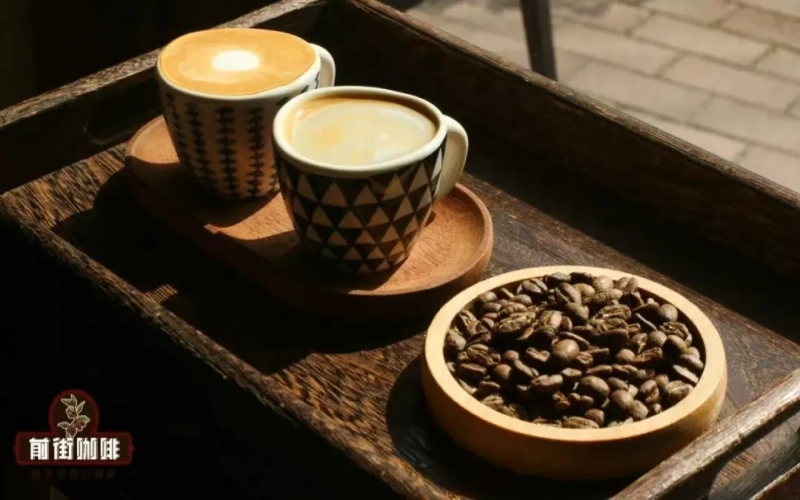
What beans should you choose for a coffee combo offering? From roast level to flavor, Front Street recommends three practical bean lineups.
In recent years, Combo has become a popular combined offering format in coffee shops, using the same bean to make different coffees such as Americano and Latte. But not all beans are suitable—beans that are too acidic or too bitter have poor compatibility and tend to excel in one drink at the expense of the other. This article analyzes the core logic of bean selection for Combo from two dimensions, roast level and flavor: prioritizing medium-roast, flavor-forward beans, which can both balance the performance in Americano and Latte and showcase the bean's own character. Front Street Coffee also shares three popular beans suitable for Combo: Ethiopian Huakui, Dividing Line Xizhua, and Strawberry Candy Espresso, for coffee lovers to consider. [more…]

SOE vs. Dirty Coffee Explained: A Comprehensive Guide to Single-Origin vs. Blend Differences and the Best Beans for Dirty Coffee
SOE and Dirty remain popular in the coffee world, but their meanings, characteristics, and why they are called a perfect match still leave many enthusiasts curious. This article will start with the concepts, explaining the essence of SOE (Single Origin Espresso) and Dirty (a layered espresso milk coffee), comparing the differences in flavor presentation between single-origin and blended coffee beans, and explaining why Dirty is more tolerant of coffee bean selection. The article also specifically recommends three Front Street single-origin beans—Yirgacheffe Gotingding, Fenhuaijie Manor Xizhua, and PWN Golden Mandheling—and includes specific extraction parameters and tasting experiences to help you make a cup of well-layered SOE Dirty at home. [more…]
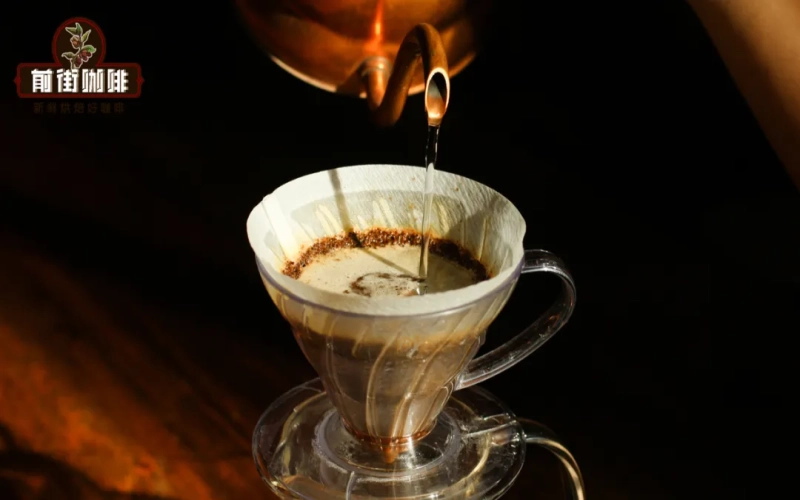
Can coffee grounds be brewed a second time? Analyzing why coffee, unlike tea leaves, cannot be repeatedly re-steeped from the perspective of extraction yield and flavor balance
A friend once asked while buying beans at the Front Street store: can coffee grounds that have already been brewed once be used again for a second cup? Some bloggers online have also demonstrated that a second brew can still yield decent flavor. From a practical standpoint, of course coffee grounds can be brewed again—even a third or fourth time. But "can be brewed" and "tastes good" are two entirely different matters. This article starts from actual tests on Front Street's Sidra, and combines the proportion of soluble matter, extraction yield control, and the differences in dissolution rates of acidity, sweetness, and bitterness to explain why coffee is usually brewed only once, and the fundamental reasons why a second brew tastes thin and lacks layering, before offering a conclusion that better suits the general palate. [more…]
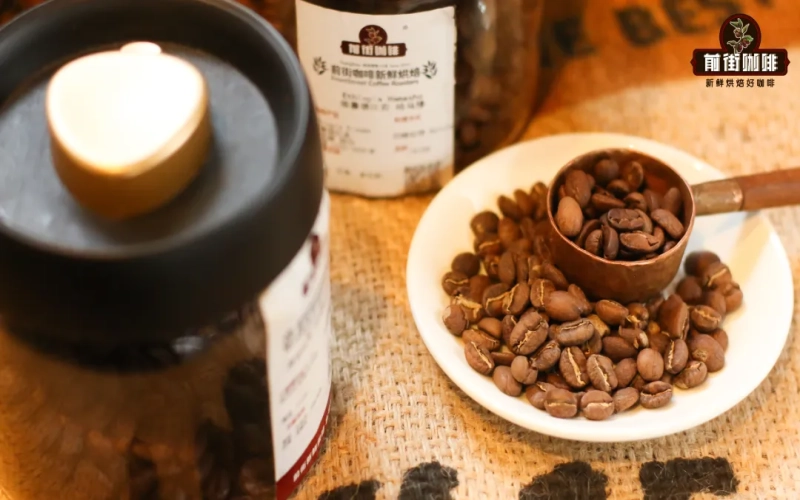
Espresso and Pour-Over Coffee Liquid Blending Methods: A Comprehensive Analysis of Ratio Options and Practical Parameters
Coffee blending usually refers to mixing different coffee beans, but have you ever thought about blending separately brewed coffee liquids? This approach is not only feasible but also extremely flexible—each bean can be extracted individually using its optimal parameters, then blended in proportions as needed, trying different combinations in small batches. Front Street Coffee uses Xizhua and Guodingding as examples to share specific ideas for coffee liquid blending: beans with a heavier fermented character paired with washed-process coffee can both balance the fermented notes and improve cleanliness. The article provides detailed flavor descriptions for two blending ratios, 1:1 and 1:2.5, along with brewing parameters and key operational points, suitable for coffee enthusiasts to try at home. [more…]
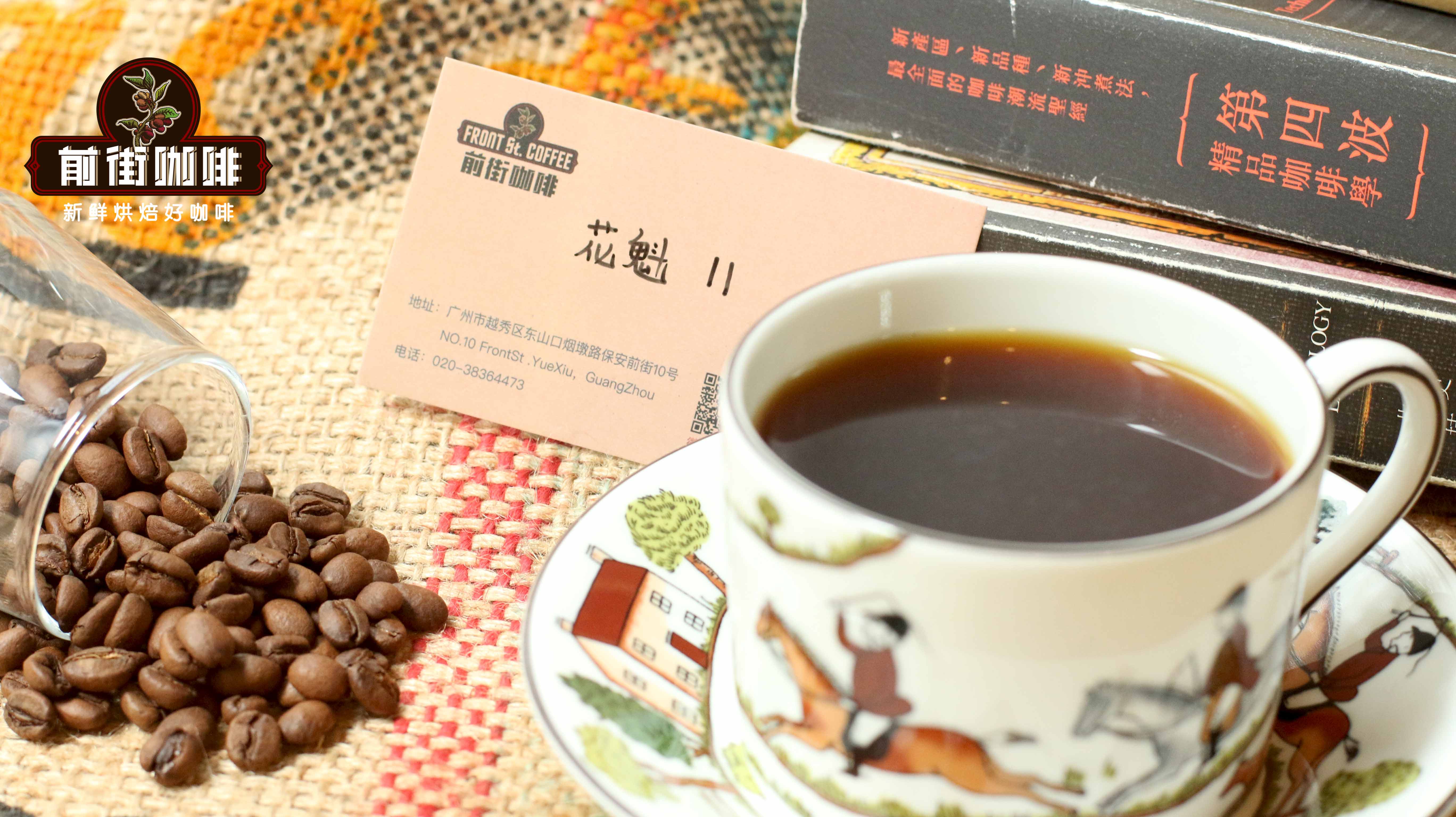
Single-Origin Coffee Bean Recommendations Featuring Passion Fruit and Grape Notes: A Guide to Choosing Tropical-Fruity Beans for Pour-Over
Those unforgettable tropical fruit notes in coffee—passion fruit, mango, pineapple, guava, jackfruit—often leave a stronger impression on the memory than berries or citrus. These aromas are not limited to any single region or variety; they are frequently encountered in high-altitude natural-process beans from Africa and Central and South America. This article focuses on specific flavor directions such as passion fruit, grape, and pineapple, outlining the flavor characteristics of beans including Front Street Coffee Huakui, Front Street Coffee Xizhua, Front Street Coffee Daduqi, Front Street Coffee Mozart, Front Street Coffee Elida Catuai, and Front Street Coffee Costa Rica Blackberry, while also explaining why gentler fruit notes like papaya, star fruit, and lychee are harder to identify, helping pour-over enthusiasts find a clearer direction when choosing beans. [more…]
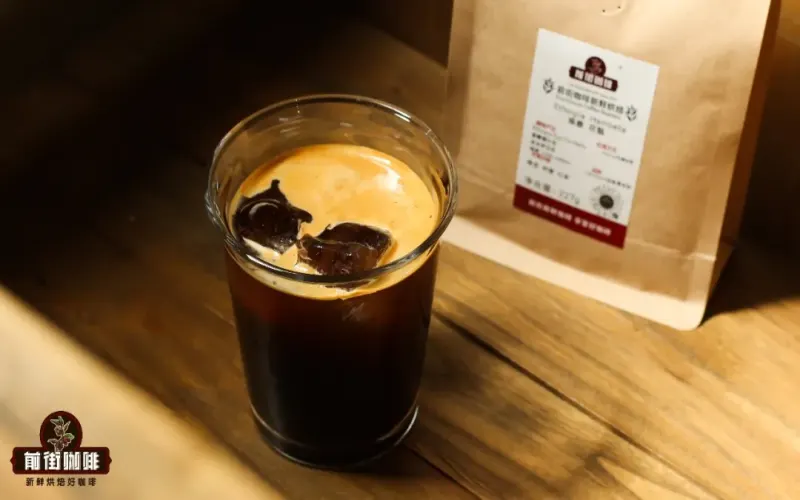
How to Choose Beans for an Americano with Floral and Fruity Notes? Medium-Light Roast Single-Origin Recommendations and Analysis of Three Front Street Coffee Flavors
Nowadays, the Americano served at many cafés has long since broken free from the framework of pure bitterness, displaying rich layers of floral notes, citrus, berries, and even a tea-like quality. If you want to recreate this refreshing style at home, the key is to avoid dark-roasted beans and turn instead to medium-light roasted single-origin coffees. Following this line of thinking, this article first explains the relationship between roast level and bitterness, then introduces three distinctive Front Street Coffee beans in turn: washed Guodingding brings a jasmine green tea-like elegance, sun-dried Huakui SOE highlights creamy strawberry sweetness, and Colombia Xizhua uses a double anaerobic sun-dried process to present intense grape and passion fruit notes. Whether you prefer a fresh tea-like quality or bold fruity aromas, you can find a corresponding choice. [more…]
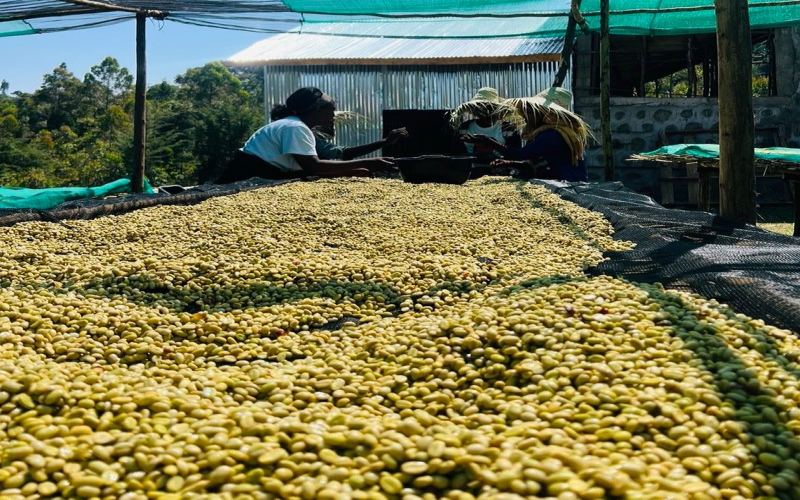
Recommended Coffee Beans for Cold Brew: Balancing Budget and Drinking Frequency
Choosing coffee beans suitable for cold brew starts with the actual drinking experience. For everyday bean buying, you need to consider how quickly you'll drink them, how much to buy at once, and whether your household mainly drinks black coffee or milk coffee. The roast level of the coffee beans determines the base flavor, the origin and processing method bring aromatic differences, and the brewing equipment you use will change the strength, so when selecting beans you need to take [more…]

Do Pour-Over Coffee Cups and Carafes Need to Be Preheated? How Temperature Affects Flavor Presentation
When brewing coffee, should you preheat the cup and pot beforehand? This question has long been debated among coffee enthusiasts. Some believe that warming the cup slows down the cooling of the coffee, while others feel that not warming the cup actually allows you to taste the coffee's full flavor sooner. This article starts from the effect of temperature on the taste buds, combines it with specific brewing data, and analyzes the different tasting experiences brought by preheating versus not preheating the coffee cup and coffee pot. The article also uses the Front Street Coffee Dividing Line Sidra bean for a practical comparison, to see how the same coffee presents its aroma and flavor under the two conditions, helping you make a more suitable choice in different scenarios. [more…]
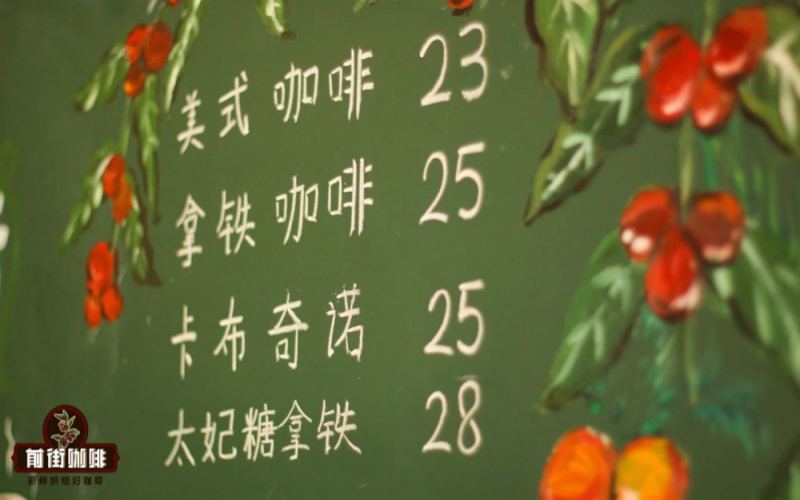
How to Pair Milk with Espresso Beans for a Delicious Latte? From Historical Origins to Front Street Coffee's Brand Bean Selection Guide
The combination of coffee and milk has a history of more than three hundred years. From the 17th century, when aristocrats added milk to improve the astringency of tea, to the 20th century, when espresso machines gave rise to cappuccino and latte, milk coffee culture has continued to evolve. Today there are many varieties such as latte and flat white, but the key to a delicious milk coffee lies in the pairing of milk and espresso beans. This article sorts out the historical thread of adding milk to coffee, explains Front Street Coffee's latte recipe in detail, and recommends a variety of espresso beans specially suited for milk coffee: from the rich nutty and chocolate notes of the classic blend, to the fruity and floral sweetness of Strawberry Candy and Xizhua SOE, and then to the caramel and vanilla flavor of Sunflower Warm Sun. At the same time, it discusses the logic of selecting full-fat fresh milk, helping enthusiasts understand how the taste of milk and the taste of coffee can be balanced. [more…]
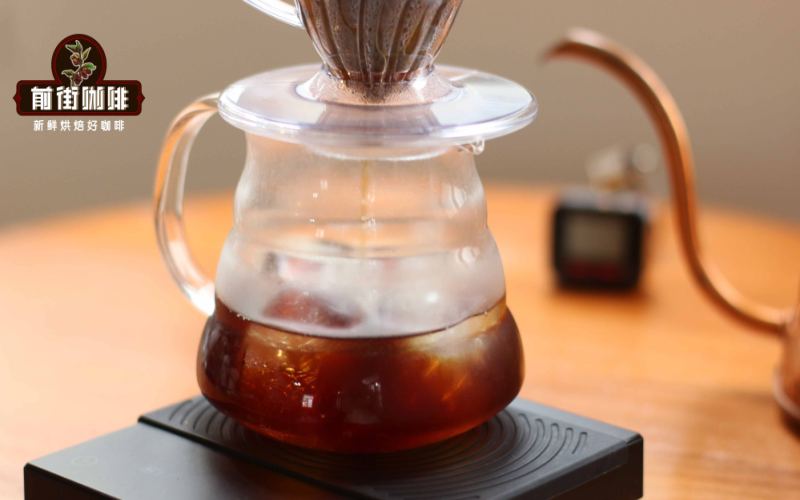
Summer Iced Pour-Over Coffee Bean Buying Guide: Flavor Characteristics, Brewing Parameters, and Price Reference
In hot seasons, a cup of clear iced pour-over is often more popular than hot coffee. This article focuses on the bean selection approach, brewing parameters, and operational details for iced pour-over, with emphasis on the suitable scenarios for beans such as Front Street Coffee's Guodingding, Strawberry Candy, Huakui, Xizhua, and PWN Golden Mandheling, and provides a reference ratio of coffee powder to ice to water at 1:6:10. The article also includes complete steps such as grind size adjustment, V60 dripper usage, water temperature control, staged pouring, and ice placement, helping coffee enthusiasts retain the ideal flavor while lowering the temperature, and easily make refreshing summer iced coffee. [more…]
Why Does Cold Brew Coffee Have a Unique Flavor? How Does It Compare to Hot Coffee? Plus Four Front Street Cold Brew Bean Recommendations
Iced coffee is refreshing and cuts through richness, and even in the depths of winter, many customers make a special trip to Front Street to order a cup. Cold brew and hot brew have completely different extraction principles, and their flavor profiles each have their own strengths. This article begins with the origins of cold brew coffee, sorts out the flavor logic of low-temperature slow extraction, and shares details to note when making cold brew, such as bean selection, grinding, coffee-to-water ratio, and steeping and storage. It also presents four floral-and-fruity Front Street single-origin beans suitable for cold brew—Natural Huakui, Kenya Little Tomato, Colombia Sidra, and Panama Butterfly—to help you find your own cup of icy, sweet-tart refreshment. [more…]

Cold Brew Coffee Low-Temperature Extraction Principle Explained: Home Brewing Steps and Four Front Street Coffee Fruity Coffee Bean Recommendations
On a scorching summer day, a glass of cold brew coffee always brings a refreshing, fruity experience. Cold brew coffee uses ice water to drip evenly; after 6 to 8 hours of low-temperature extraction and then overnight refrigeration and fermentation, it ultimately presents a unique flavor that is sweet and mellow with only a faint bitterness. Starting from the scientific principles of low-temperature extraction, this article will break down in detail the process of making cold brew coffee, including key steps such as equipment selection, coffee bean pairing, grind size control, drip rate and coffee-to-water ratio settings, and recommend four Front Street Coffee beans suitable for making cold brew—Huakui, Kenya Little Tomato, Xizhao, and Huahudie—to help you make a cup of outstanding fruity cold brew at home. [more…]
Summer Cold Brew Coffee Bean Selection Guide: Roast Level Flavor Choices and Detailed Home Brewing Steps
Guangzhou's summer heat is unbearable. Rather than going out and being scorched by high temperatures, it's better to stay home and make a refreshing cold brew coffee with coffee beans and ice water. This article will explain in detail how to choose coffee beans suitable for cold brew—from the influence of roast level on flavor, to specific recommendations for fruity, fermented, and mellow types, including Front Street brand's Strawberry Candy, Huakui, Xizhua, Blackberry, and Queen's Estate coffee beans. At the same time, we will also teach you step by step the cold brew process, coffee-to-water ratio, grind size, and refrigeration time and other key parameters, so you can easily make a cup of iced coffee with balanced acidity and sweetness and an alluring aroma. [more…]
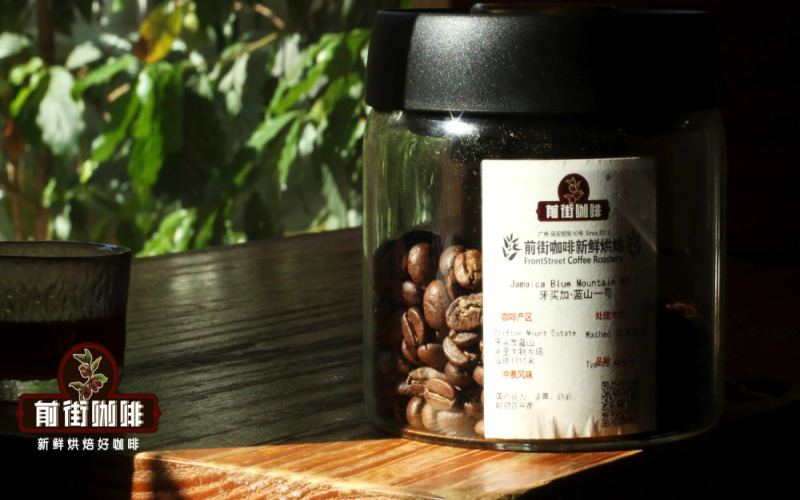
Pour-Over Coffee Bean Selection Guide: Blue Mountain No. 1 Flavor Characteristics and Front Street Brewing Parameters Explained
To make a delicious pour-over at home, choosing the coffee beans is the first step. Jamaica Blue Mountain is globally recognized as a premium coffee, and its Typica variety, volcanic soil, and island climate together shape a smooth, balanced flavor. Starting with Front Street Jamaica Blue Mountain No. 1, this article introduces the appearance characteristics of Blue Mountain green beans, grading standards, roasted bean yield, and its fusion of acidity, bitterness, sweetness, and mellow body. It also provides Front Street's KONO dripper brewing parameters and staged pouring technique, and recommends Front Street's fruity and floral beans such as Guodingding, Huakui, and Xizhua, as well as medium-dark roast options suitable for people who dislike acidity, helping you find a pour-over plan that suits you at home. [more…]
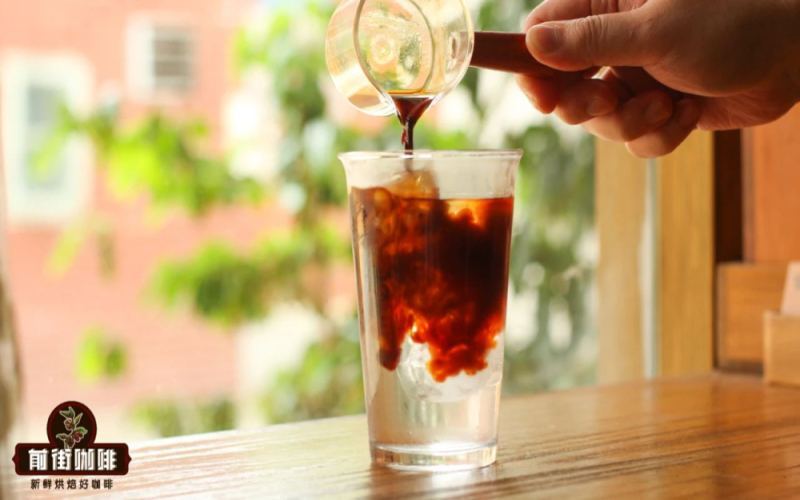
Summer Sparkling Americano Iced Coffee: Key Preparation Points and a Full Explanation of the Flavor Sources of Black Gold Americano
In the scorching summer heat, Guangzhou locals have their own clever ways to cool down, and the collision of soda and coffee—sparkling iced Americano—is becoming a favorite among many coffee lovers. This drink uses simple ingredients, requiring only ice cubes, soda water, and espresso, but if you want to make it refreshing and delicious, the choice of ingredients and attention to detail cannot be overlooked. This article starts with the selection of soda water, ice cubes, and coffee beans, explains in detail how to obtain a high-concentration coffee liquid through pour-over methods, and provides complete ratios and brewing parameters. At the same time, the article will also introduce fruit-flavored coffee beans suitable for making sparkling Americano, including Front Street. Washed Fruit Dingding, Front Street. Strawberry Candy Espresso, and Front Street. Xizhua, and answer the flavor characteristics of Black Gold Americano coffee, helping you easily replicate a cup of refreshing specialty coffee. [more…]
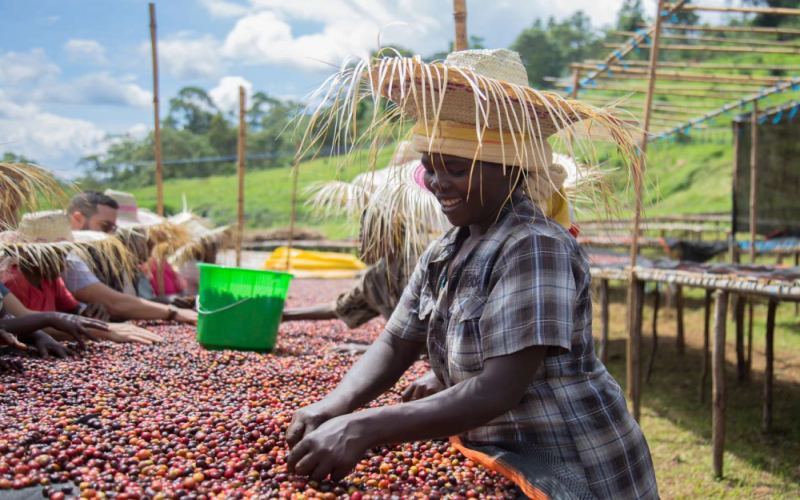
A Complete Guide to Coffee Bean Processing Methods: Flavor Differences Between Natural, Washed, Honey, Wet-Hulled, and Anaerobic Fermentation
From fruit to green beans, coffee cherries must go through a series of processing steps to remove the skin, pulp, mucilage layer, and parchment. The processing method directly determines the final flavor profile of the coffee. This article systematically reviews the operational procedures and flavor characteristics of common processing methods such as natural (dry), washed (wet), honey (semi-washed), wet-hulled (Giling Basah), and anaerobic fermentation, compares their respective advantages and disadvantages, and explains why washed beans have bright acidity, natural beans are rich in fruity aromas, and wet-hulled beans carry a distinctive woody-spicy note. At the same time, the article combines specific Front Street Coffee products such as Red Cherry Yirgacheffe, Gudingding, Lintong Mandheling, Xizhua, and Daduqi to demonstrate the flavor expression of different processing methods in actual coffee beans, helping readers build a complete understanding from processing method to flavor in the cup. [more…]
A Guide to Choosing Beans for Pour-Over Coffee: Blue Mountain No. 1 Flavor Characteristics and Front Street Classic Single-Origin Recommendations
Want to get into pour-over coffee but don't know which beans to choose? This article starts with the world-famous Jamaican Blue Mountain No. 1, explaining in detail its Typica variety, the balanced and mellow flavor imparted by volcanic rock soil, and the plump, waxy appearance of the green beans. It also shares Front Street Coffee's standardized pour-over parameters and staged pouring technique, so you can reproduce it consistently at home. If you want to explore more flavors, the article also categorizes and recommends floral beans such as Front Street Coffee's Guodingding, Huakui, and Xizhua by acidity tolerance, as well as medium-dark roast options like Queen's Estate, Brazil Cerrado, and PWN Golden Mandheling, catering to both pour-over and espresso equipment, helping you quickly lock in the cup you love. [more…]
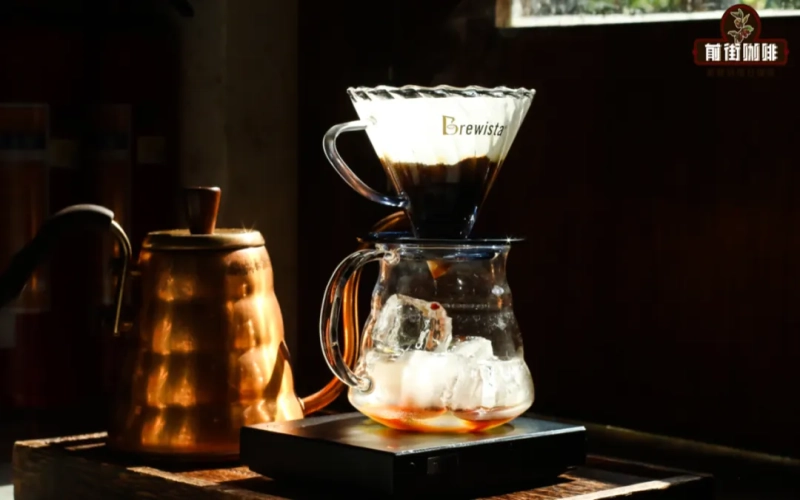
An Analysis of the Price Difference Between Iced and Hot Coffee, and the Complete Method for Japanese-Style Iced Pour-Over
Why is iced coffee often more expensive than hot coffee? Drawing on Front Street Coffee's production experience, this article sorts out two core questions about iced pour-over coffee: how to determine the coffee-to-water-to-ice ratio, and what difference adding ice first versus adding ice later makes. It also introduces the types of coffee beans suitable for making iced pour-over and gives Front Street's specific recommended products, including Yirgacheffe G1, Huakui, Cherry Tomato, Butterfly, Xizhua, and Strawberry Candy. The article also explains the need to adjust the grind size, as well as two alternative cooling methods—the over-ice method and the ice-bath cooling method—making it a useful reference for coffee enthusiasts to put into practice. [more…]
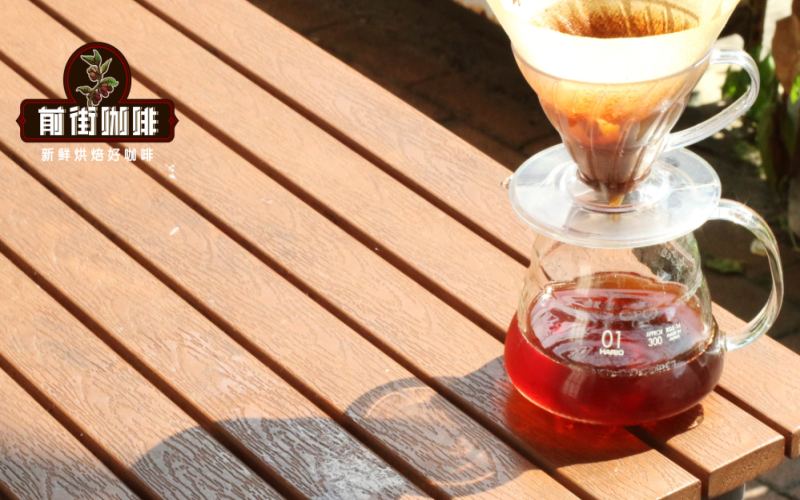
The Complete Guide to Making Cold Brew Coffee at Home: A Practical Guide from Bean Selection to Grind Ratio and Steeping Time
Making a delicious cold brew coffee at home is actually not complicated. Cold brew relies on low-temperature slow extraction, allowing small-molecule aromatic and acidic compounds to be released first, resulting in a light body with bright, well-balanced acidity and sweetness. All you need is coffee grounds, water, a sealed bottle, and a refrigerator. The real keys to success lie in three parameters: bean selection, grind size and coffee-to-water ratio, and steeping time. This article starts from flavor preferences, recommending beans such as Front Street Coffee Huakui, Xizhua, Queen's Estate, and PWN Golden Mandheling, and provides specific suggestions on grind coarseness, coffee-to-water ratio, and steeping time. Finally, using "Mozart" as an example, it fully demonstrates the production process and filtration method for 80g of grounds, 1:10 ratio, and 12 hours of refrigeration, helping you consistently replicate your ideal flavor. [more…]
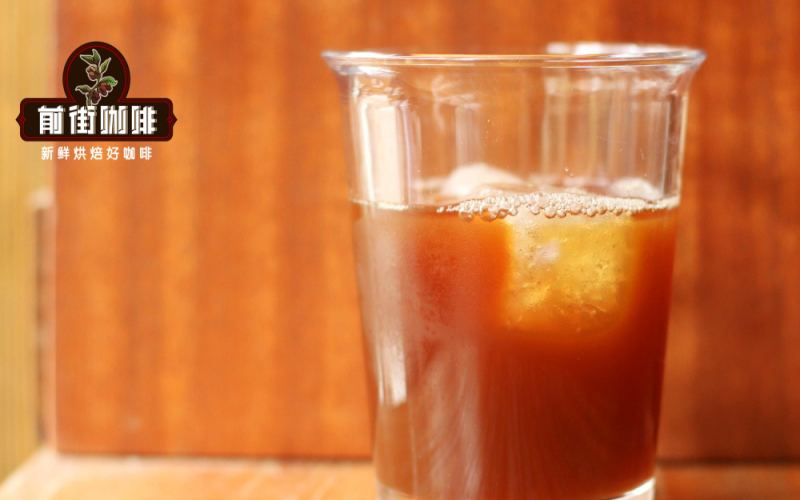
The extraction principle and operating process of cold brew coffee, along with Front Street Coffee bean recommendations suitable for making it.
Cold brew coffee is a popular iced coffee in summer, also known as Dutch drip coffee or water drip coffee. It relies on ice water dripping through the coffee grounds one drop at a time, undergoing low-temperature extraction over several hours to slowly dissolve the aromatic substances in the coffee. This brewing method requires controlling the drip rate, typically 40–50 drops per minute, and extracting 1000ml takes about 5 to 8 hours. The finished cold brew coffee tastes even better after refrigerated storage, with days 3 to 7 often regarded as the optimal drinking period. As for which beans to choose, it is recommended to prioritize light to medium roast single-origins with pronounced fruity notes and prominent aromas. In addition to outlining the principles of cold brew preparation and six operational steps, this article will also introduce four Front Street Coffee beans suitable for cold brew, including Front Street Huakui, Front Street Kenya Little Tomato, Front Street Sidra, and Front Street Butterfly, for coffee enthusiasts' reference. [more…]