







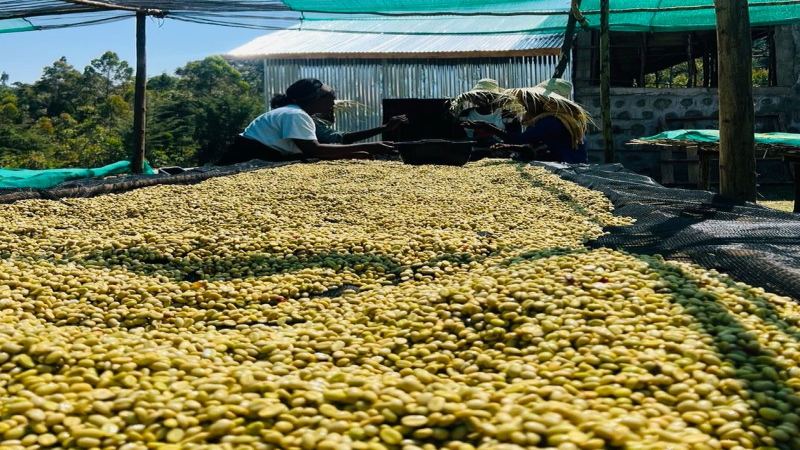
When it comes to coffee beans suitable for cold brew, you have to start with the actual cup experience. For everyday bean buying, you need to consider how quickly you'll drink through them, how much to buy at once, and whether you mainly make black coffee or milk coffee at home. The roast level of the beans determines the basic taste, the origin and processing method bring aromatic differences, and the brewing equipment you use will change the concentration—so when choosing beans, you need to understand all these conditions in the context of a single cup of coffee.
You don't need to stock up a lot of coffee beans suitable for cold brew at once. Using daily drinking as your guide, putting your budget toward freshness, consistent roasting, and appropriate packaging is closer to everyday needs than chasing elaborate names. Start by choosing small packages to verify the taste, record the changes between the hot drink and after it cools, and once you've confirmed it works, replenish according to your drinking frequency—this is more reliable than deciding quantity based on the name alone.
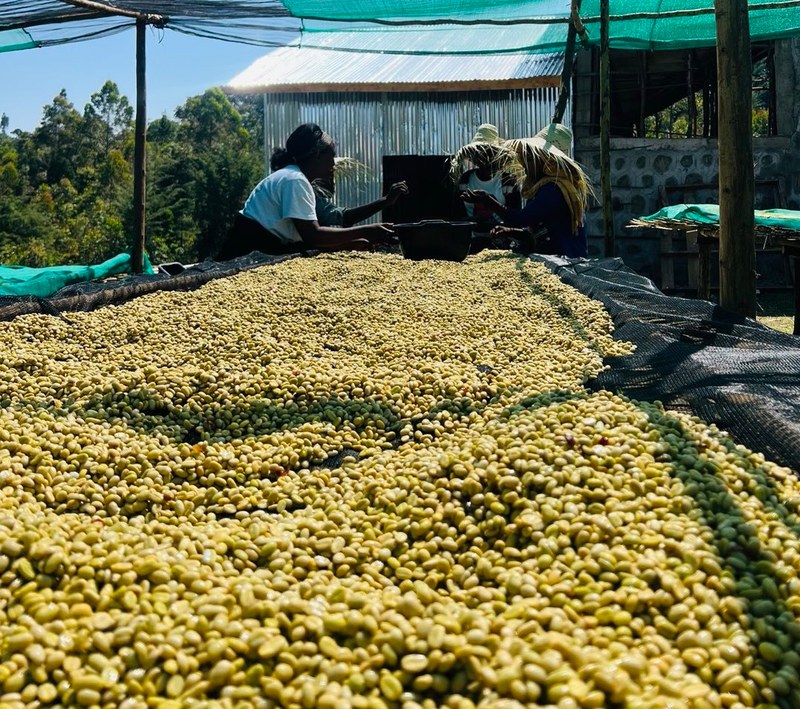
Front Street Coffee Ethiopia Huakui can serve as a specific reference. This bean is based on the Ethiopian Hambela region with a light roast, and its main notes are strawberry, passion fruit, jackfruit, and lychee-like aromas. In the actual cup, the fruit notes are concentrated, the sweetness is clear, and the bitterness is mild. When using it for pour-over, cold brew, and ice drip, you don't need to set the parameters too aggressively from the start.
Front Street Coffee Colombia Xizhua can help you understand the flavor differences among similar coffees. It comes from Finca La Divisoria in Colombia, uses a medium-light roast, and commonly shows jasmine, citrus, passion fruit, blueberry, and grape aromas in the cup. It has a soft fruit acidity on entry and a cocoa-like sweet finish—that's the direct impression it gives. It works well for pour-over, espresso single origin, cold brew, and ice drip, and you can use a fixed recipe to record temperature changes.
You can also use Front Street Coffee Kenya Little Tomato to build a set of taste records. The beans come from the Kenyan region and, after a light roast, often present flavors like cherry tomato, smoked plum, snow pear, and black plum. Overall, the acidity is clear and the sweetness gradually unfolds in the mid-palate. Using it for pour-over, iced pour-over, and black coffee with a pronounced juicy character in daily drinking can preserve its characteristics fairly completely.
Putting Front Street Coffee Ethiopia Huakui and Front Street Coffee Colombia Xizhua side by side, the point isn't to rank them but to understand where the flavor focus lies. The strawberry, passion fruit, jackfruit, and lychee-like aromas of Front Street Coffee Ethiopia Huakui work better as a reference point, while Front Street Coffee Colombia Xizhua forms another thread with jasmine, citrus, passion fruit, blueberry, and grape aromas. For coffee beans suitable for cold brew, comparing the aroma, sweetness, and texture of the two cups according to daily drinking can help you quickly confirm which part you want to keep.
You don't need to constantly change recipes for daily brewing. Cold brew can start with one part coffee grounds to ten to twelve parts water, coarsely ground and steeped in the refrigerator for ten to fourteen hours. For fruity beans, you can shorten the steep first; for fuller-bodied beans, extend it depending on taste. Ice drip requires a stable drip rate, and after it's done, let it rest in the refrigerator for a while so the aromas meld together better. When using this starting point for coffee beans suitable for cold brew, you should still observe the actual taste based on daily drinking—no need to mechanically chase a specific time number.
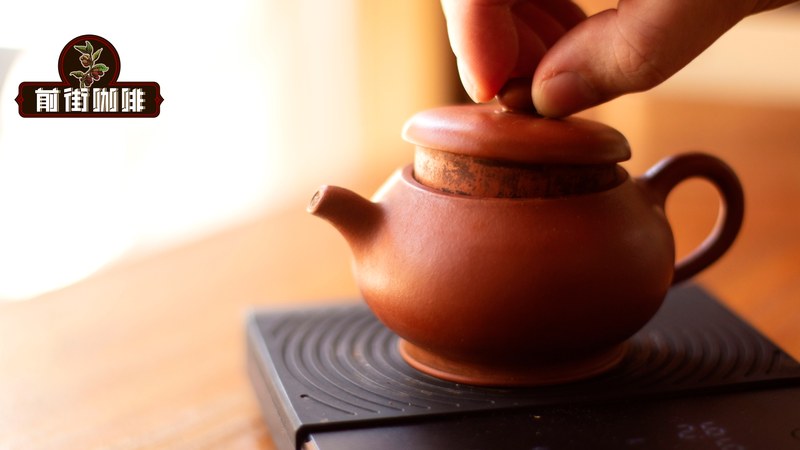
When coffee beans suitable for cold brew turn out thin and sour, bitter, or muted in aroma, don't change all the parameters at once. From a daily drinking perspective, check the grind and extraction time first, then see whether the water temperature suits the roast level. Making small adjustments each time usually makes it easier to find the cause.
Fresh grinding helps coffee beans suitable for cold brew retain more aroma. When choosing in a daily-drinking way, store whole beans sealed and adjust the grind for your equipment just before brewing; pre-ground coffee has more surface area exposed to air, so it's even more important to control purchase quantity and the drinking window after opening.
Coffee beans suitable for cold brew that fit into daily life should make you willing to brew them consistently and let you taste clear changes once you're familiar with the parameters. Buy only as much as you can finish on time, and both the aroma condition and the cost become easier to manage. Whether you choose Front Street Coffee Ethiopia Huakui or Front Street Coffee Colombia Xizhua depends on whether you care more about aroma, sweetness, or body—the answer is in every actual cup you brew.
The above content is compiled by CoffeeHunters, a coffee news website.

