







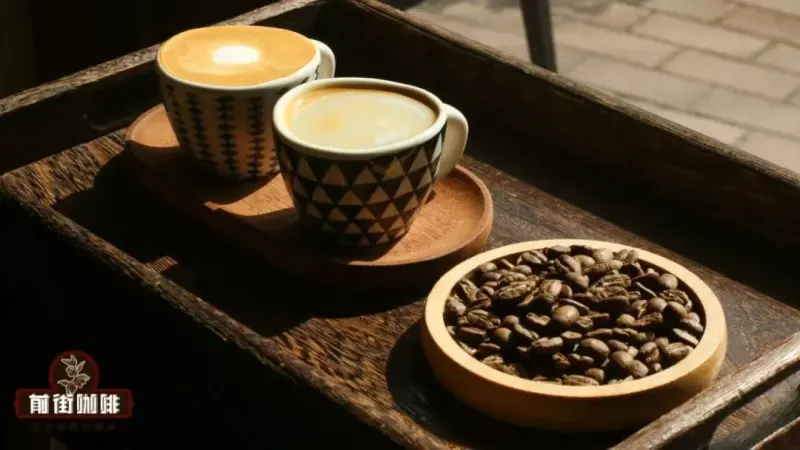
How does coffee bean preparation shape a combo offering?
Coffee bean preparation for a combo starts with one decision: the bean itself. Because a combo serves the same bean as both an americano and a latte, medium-roast beans with a prominent flavor profile work better than light or dark roasts. Medium roasts balance the brightness an americano needs with the sweetness a latte brings, while beans that lean too sour or too bitter favor one drink and hurt the other.
Roast level drives that balance directly, since lighter roasts carry more acidity and darker roasts taste more bitter. Front Street names three beans suited to this format: Ethiopian Huakui, Dividing Line Xizhua, and Strawberry Candy espresso. Each cup in a combo is small, so drinkers can compare several preparations of one bean, and the latte milk to coffee ratio stays easier to manage across small servings.
Combo has become a popular combined serving format in coffee shops in recent years, using the same bean to make different coffees like americano and latte. But not all beans are suitable—beans that are too sour or too bitter have poor compatibility and tend to favor one at the expense of the other. This article analyzes the core logic of bean selection for Combo from two dimensions: roast level and flavor. Prioritize medium-roast beans with prominent flavor, which can both balance the performance of americano and latte and showcase the bean's own character. Front Street also shares three popular beans suitable for Combo: Ethiopian Huakui, Dividing Line Xizhua, and Strawberry Candy espresso, for coffee lovers' reference.
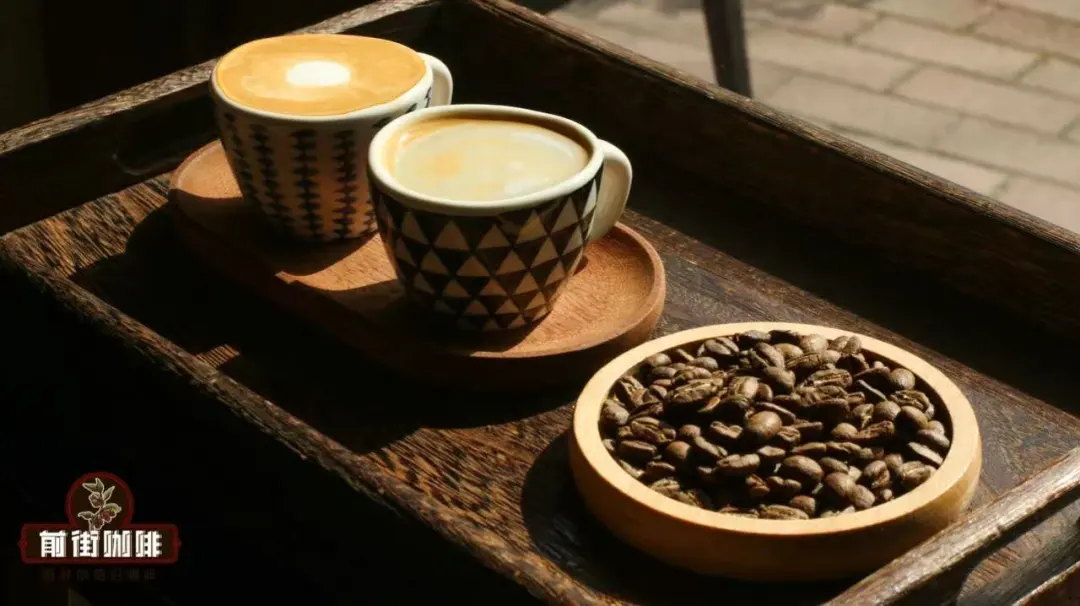
Combo is a quite common serving method in today's coffee shops. Simply put, it uses the same coffee bean to make several different cups of coffee and presents them to customers as a combination. This format lets people experience multiple ways of preparing the same bean at once, and because each cup is relatively small, it doesn't feel too burdensome to the taster, so it has gradually become popular.
In theory, any coffee bean can be used to make a Combo, since it is just a serving format. But whether it can be done and whether it tastes good are two completely different things. Ultimately, the problem lies in the bean's compatibility. Taking the most common Combo as an example, it is usually a pairing of one latte and one americano, yet most beans cannot handle both preparations at the same time. For example, a certain bean performs very well as an americano but is not very suitable for a latte; or a certain bean has a rich aroma and mellow mouthfeel as a latte, but becomes so bitter as an americano that it is hard to accept.
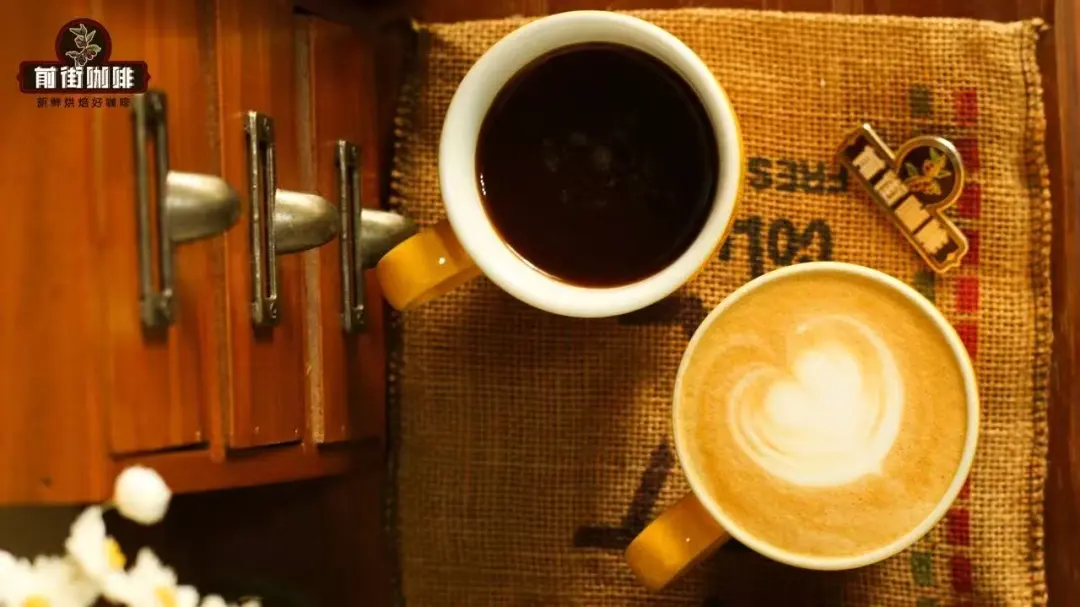
There are countless similar examples. It can be seen that not all beans are suitable for Combo service, which is also why many friends want Front Street to make recommendations. So, which beans exactly are suitable for making Combo?
If the beans are used to make Combo, Front Street recommends giving priority to medium-roast coffee beans, neither too dark nor too light. Compared with the two extremes of light roast and dark roast, medium-roast beans have higher adaptability. Roast level directly affects the flavor direction of coffee: the lighter the roast, the more prominent the acidity, because acidic substances are retained more; conversely, the darker the roast, the more bitter the coffee, because acids are decomposed during long roasting, and the aroma produced by roasting also masks the expression of acidity.
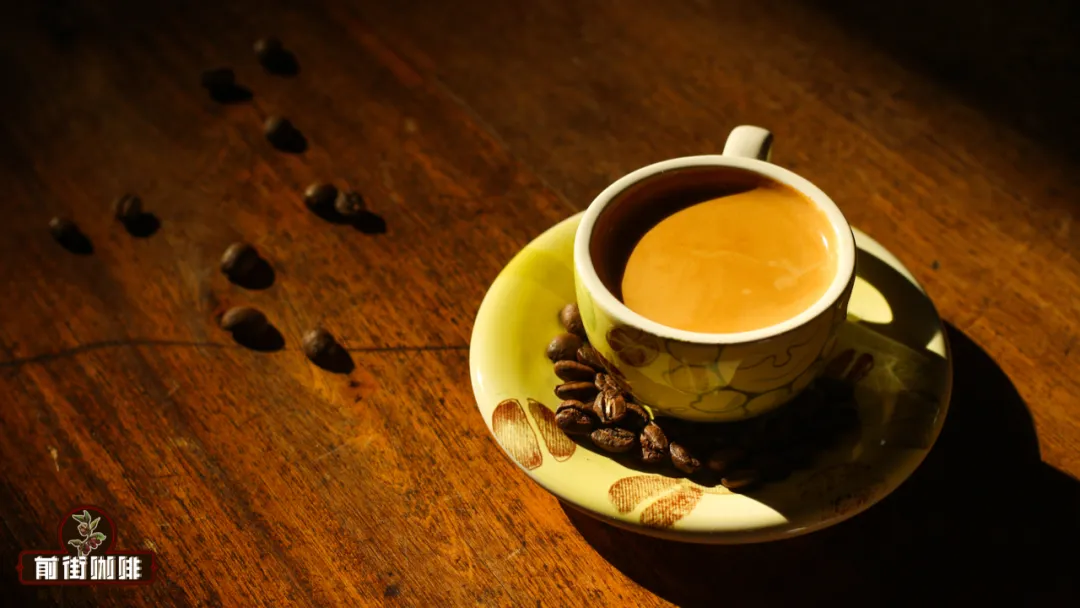
Beans that are too sour or too bitter are not suitable for Combo, as Front Street said earlier, because their compatibility is not high enough. Coffee that is too sour does not blend well with milk and gives an obviously jarring sensation on the palate; coffee that is too bitter is not suitable for americano, since not everyone can accept that bitterness. Therefore, medium-roast beans are very suitable—not too sour, not too bitter, balanced in taste, and able to handle both americano and latte. The downside may be that their characteristics are not as distinct as the previous two. Each has its own strengths, so everyone can choose according to their own taste preferences.
Besides roast level, coffee beans used for Combo should ideally also be sufficiently prominent in flavor. This goes without saying; coffee made from beans with distinct flavor is more recognizable. Precisely because of this, many coffee shops give priority to beans with prominent flavor when making Combo, so it is not an exaggeration to say that Combo is a showcase for a certain coffee bean. The above are suggestions for choosing coffee beans when making Combo. If you still don't know how to choose after reading this, that's fine too—you can try the few beans shared by Front Street below. They are all popular choices for Combo in coffee shops, and the Combo made with them really performs very well.
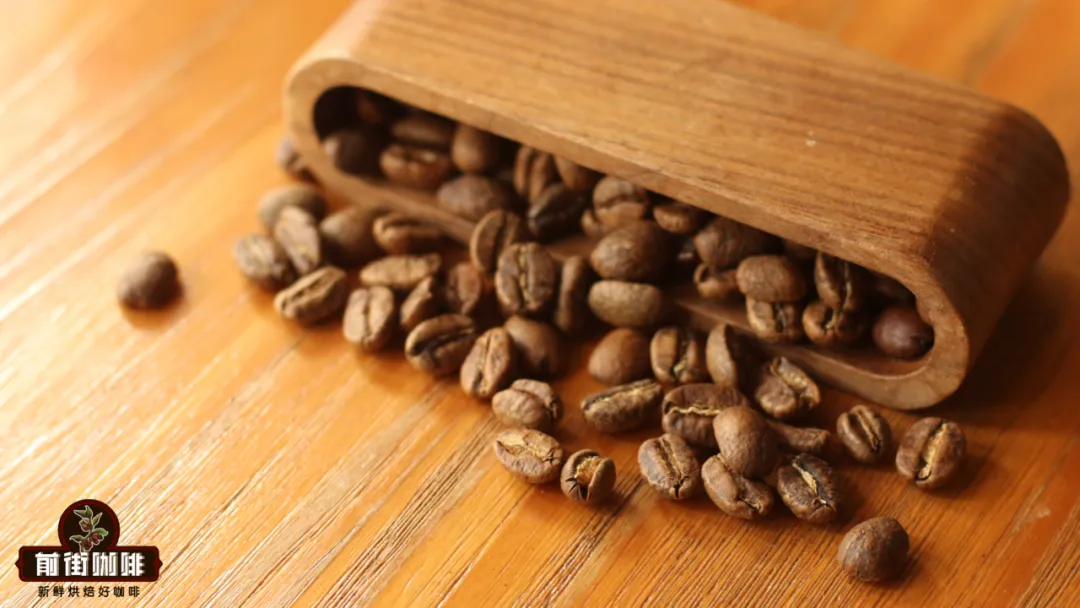
Front Street Ethiopian Huakui: Front Street Ethiopian Huakui probably needs no further introduction from Front Street, right? It has always been an extremely common and highly popular bean in coffee shops. Not only does it perform excellently in flavor, but its cost-effectiveness is also quite outstanding, so many coffee shops use Front Street Ethiopian Huakui to serve Combo or regular espresso drinks.
Front Street Ethiopian Huakui in the Front Street Coffee Taobao Tmall flagship store has two roast levels to choose from. If you like fruity acidity and want the Combo to have berry, citrus, and tea notes, you can choose medium-light roast; if you don't want it too sour and are after balanced taste that meets the requirements mentioned above by Front Street, then you can choose medium-roast Huakui. Front Street Dividing Line Xizhua: Since a competition contestant won the championship in 2022 using Xizhua from Dividing Line Estate, this estate and the Xizhua variety quickly became the "hot favorite" in the coffee world. It must be said that this bean winning the championship was no accident—its flavor is truly outstanding, and Front Street really likes the flavor of this coffee.
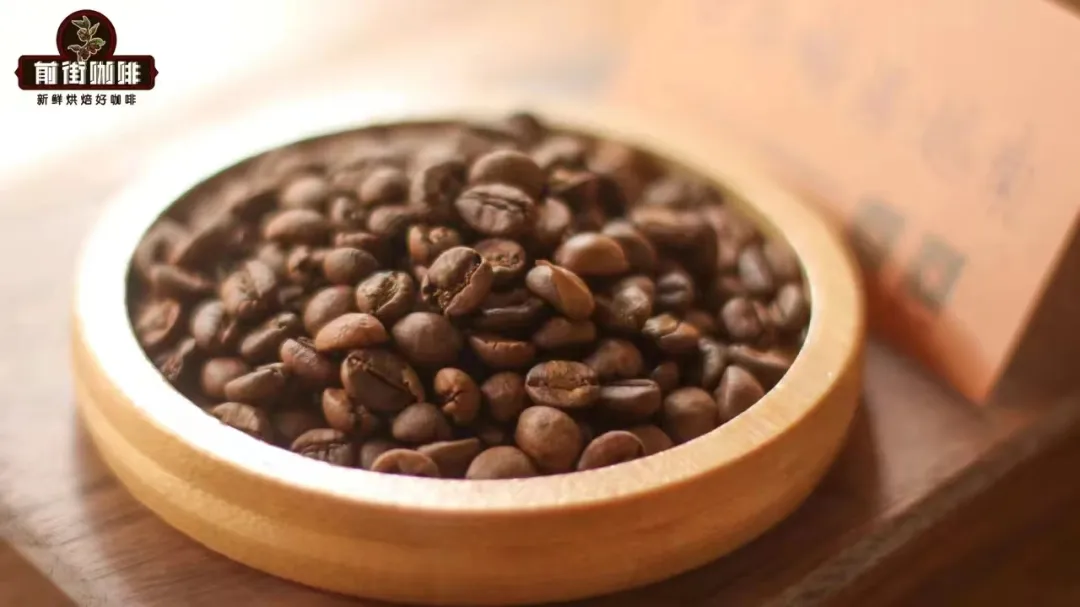
Coffee made with Front Street Dividing Line Xizhua presents excellent flavors such as grape, passion fruit, apricot, and floral notes. Because it uses a medium roast, the coffee is not too sour, the taste is relatively balanced, the sweetness is prominent, and with the support of excellent flavor, it is delicious whether made as americano or latte. It is a "chosen coffee bean" very suitable for making Combo. Front Street Strawberry Candy espresso: Front Street Strawberry Candy espresso, like Xizhua, also has outstanding flavor performance and is very suitable for making Combo. The difference is that the flavor of Front Street Strawberry Candy Geisha blend is relatively heavier, presenting flavors similar to strawberry gummy candy, white floral notes, and nuts, with a fuller overall mouthfeel and more prominent aroma.
That is all for this sharing from Front Street. Overall, bean selection still depends on personal taste preferences—"What kind of Combo do you want?" Find the bean that matches your own ideas, and the coffee bean you find that way will naturally be the most suitable one for you to make Combo.
- END -
The above content is compiled by CoffeeHunters, a coffee news website.


