







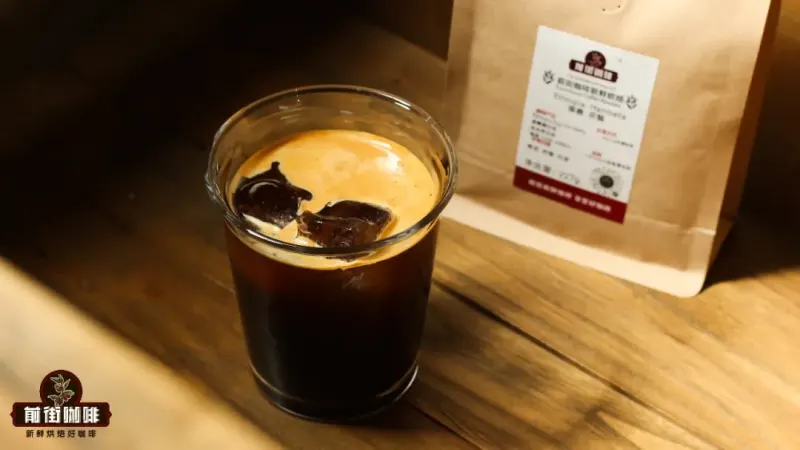
Which beans should you use to make americano at home?
To make americano with floral and fruity notes, avoid dark-roasted beans and choose medium-light roasted single-origin coffees. Longer heat exposure deepens caramelization and bitterness, so lighter roasts keep the cup clear and fragrant. Three options illustrate the range: washed Gedingding, sun-dried Huakui SOE, and Colombia Xizhua.
Washed Gedingding from Yirgacheffe brings jasmine, citrus, green tea, and honey notes with low bitterness. Sun-dried Huakui americano soe offers creamy strawberry sweetness, while Colombia Xizhua uses double anaerobic sun-dried processing for grape and passion fruit. Medium-light roasting also keeps extraction stable, reducing sourness and astringency.
These days, many cafés' Americanos have long since broken free from the framework of pure bitterness, revealing rich layers of floral notes, citrus, berries, and even a tea-like quality. If you want to recreate this refreshing style at home, the key is to avoid dark-roasted beans and turn to medium-light roasted single-origin coffees. Centering on this idea, this article first explains the relationship between roast level and bitterness, then introduces three distinctive Front Street beans one by one: washed Gedingding brings a jasmine green tea-like elegance, sun-dried Huakui SOE highlights creamy strawberry sweetness, and Colombia Xizhua uses a double anaerobic sun-dried process to present intense grape and passion fruit notes. Whether you prefer a fresh tea-like quality or bold fruity aromas, you can find a corresponding choice.
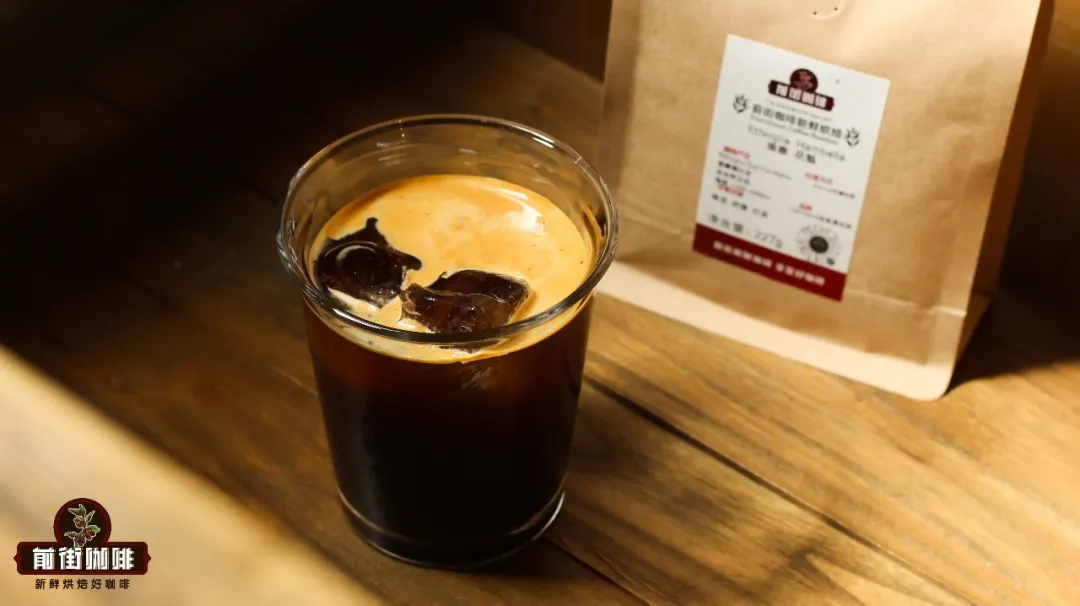
Those who frequent cafés may have already noticed that many Americanos today are no longer uniformly bitter, but instead carry distinctive nuances of floral notes, citrus, berries, or tea aromas. So, if you want to make this style of Americano at home, what kind of coffee beans should you choose?
The principle is actually not complicated: the longer coffee beans are exposed to heat, that is, the darker the roast level, the more fully the caramelization reaction proceeds, and the heavier the final bitterness becomes. Therefore, to make an Americano clear and fragrant, you need to rule out dark-roasted beans and switch to medium-light roasted single-origin beans. These beans better showcase floral and fruity aromas, and extraction is also more stable, making it less likely to produce unpleasant sourness or astringency.
If you want an Americano that tastes like jasmine green tea, you can go for Front Street washed Gedingding. With the support of washed processing and medium-light roasting, this Yirgacheffe is highly favored by pour-over enthusiasts. Used to make Americano black coffee, it presents interwoven flavors of jasmine, citrus, green tea, and honey, with low bitterness and bright acidity, making it one of the representative single-origin coffees from African producing regions.
If you prefer berry notes, you might try Front Street sun-dried Huakui SOE. Its special feature is a creamy strawberry-like aroma, completely different from conventional dark-roasted beans. Made into an Americano, it tastes sweet and juicy, and in the finish you can also catch notes of flowers and guava.
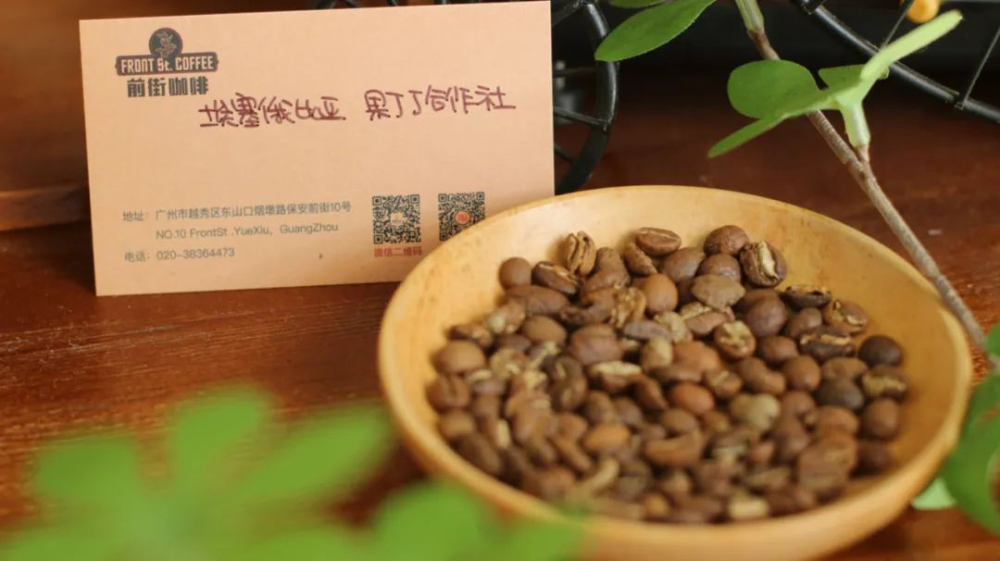
If you are after an Americano with even richer fruity aromas, Front Street Colombia Xizhua coffee would be a good first choice. This bean comes from Finca La Divisa in the Huila producing region, at an altitude of 1,700 meters, and uses a double anaerobic sun-dried process, with full-bodied flavors of grape, passion fruit, and citrus. Made into an SOE Xizhua Americano, you can taste a refreshing and clearly defined grape juice character, especially pleasant when served iced.
The above content is compiled by CoffeeHunters, a coffee news website.


