





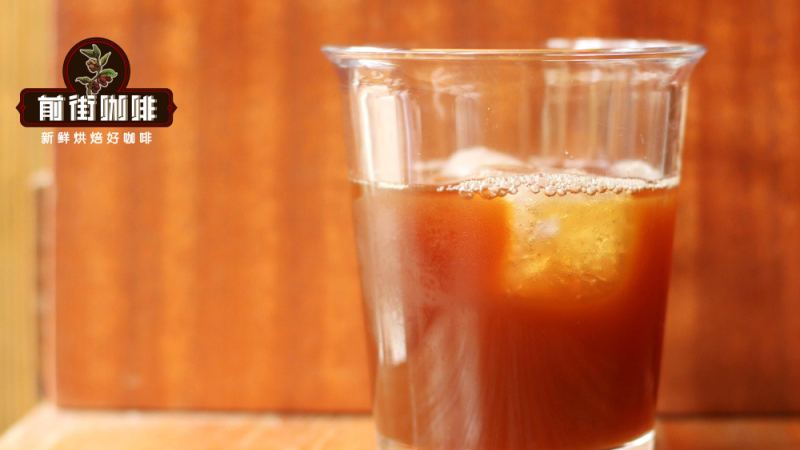
How does distilled coffee brewing work step by step?
Distilled coffee, also called cold brew, Dutch drip coffee, or water-drop coffee, is made by letting ice water seep drop by drop through a layer of coffee grounds. The drip rate is usually controlled at 40 to 50 drops per minute, and extracting 1,000 ml takes roughly five to eight hours. The result tastes better after refrigeration, with days three to seven often seen as the peak drinking window.
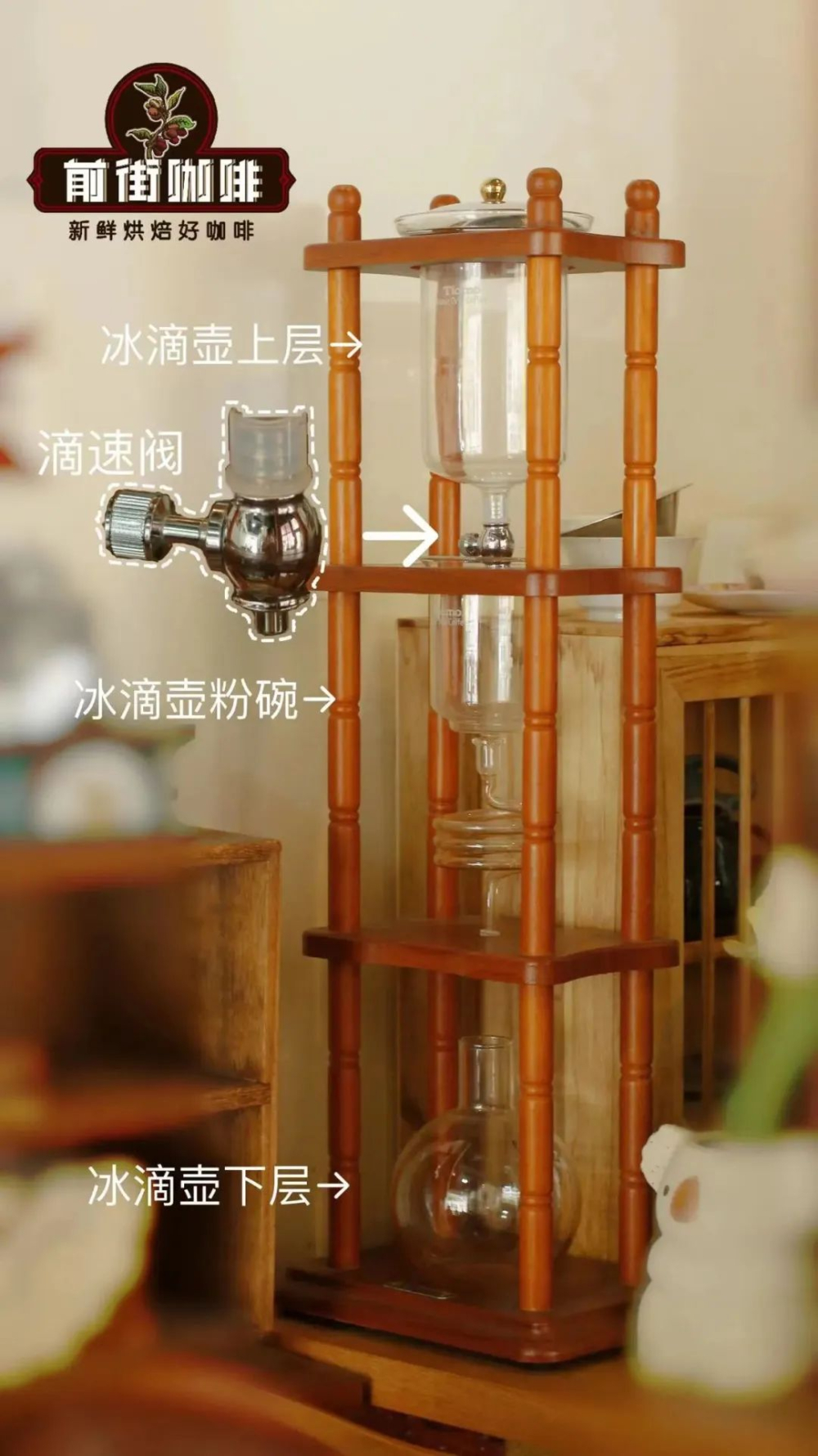
Bean choice matters: light to medium roast single-origins with clear fruity notes and prominent aroma work well. A standard cold brew pot has upper, middle, and lower sections, and a wooden stand holds three to four glass containers. Six operating steps cover setup and drip control. Moka pot brewing is far quicker by comparison, taking only minutes.
Cold brew coffee is a popular iced coffee in summer, also called Dutch drip coffee or water-drop coffee. It relies on ice water seeping drop by drop through a layer of coffee grounds, undergoing low-temperature extraction over several hours to slowly dissolve the aromatic substances in the coffee. This brewing method requires controlling the drip rate, usually 40–50 drops per minute, and extracting 1000ml takes about 5 to 8 hours. The finished cold brew coffee tastes even better after refrigerated storage, and days 3 to 7 are often considered the best drinking period. As for which beans to choose, it is recommended to prioritize light to medium roast single-origins with obvious fruity notes and prominent aromas. In addition to explaining the principles of cold brew preparation and six operational steps, this article will also introduce four Front Street Coffee beans suitable for cold brew, including Front Street Huakui, Front Street Kenya Little Tomato, Front Street Xizhua, and Front Street Butterfly, for coffee lovers' reference.
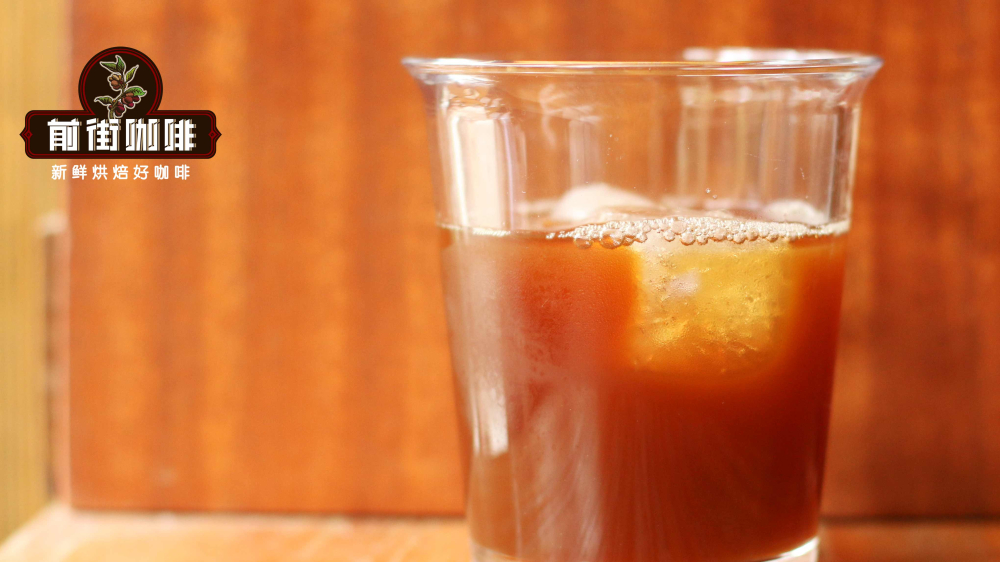
There are many ways to brew coffee, and cold brew is one of the more distinctive methods, which also falls under the category of iced coffee. Every summer, iced coffee becomes a favorite among many coffee lovers.
Cold brew coffee is sometimes called Dutch Coffee, distilled coffee, or water-drop coffee, and is also known as Dutch drip coffee. It utilizes the solubility of coffee and water, mainly relying on the natural osmotic water pressure formed by condensation, taking about eight hours to let water drip through the filter layer drop by drop to complete extraction. The characteristic of this method is low-temperature extraction with ice water, which requires a longer time to dissolve the aromatic components in the coffee. Thus, people use a dropper device similar to a chemistry experiment to make ice water fall drop by drop, slowly soaking and penetrating the coffee grounds layer. In common traditional cold brew devices, the speed of water droplets can be adjusted. Cold brew coffee, also called water-drop coffee or ice-brewed coffee, is a method of making coffee drinks, and common iced coffee drip devices consist of three to four layers of glass containers mounted on a wooden base.
Steps to make cold brew coffee:
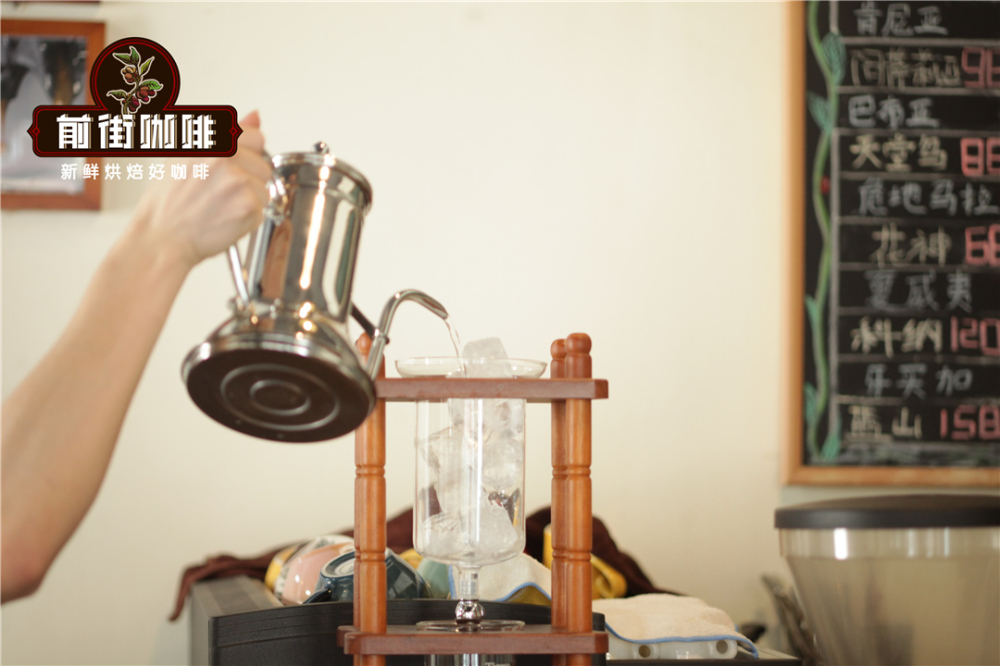
1. A standard cold brew coffee pot is usually divided into three basic units: the upper pot, middle pot, and lower pot. The upper pot is used for the ice-water mixture, and the middle pot is the powder cup for coffee grounds. First, close the water control valve at the bottom of the upper pot, then pour pure cold water or an ice-water mixture into the upper pot.
2. Place the clean lower pot under the middle pot to collect the extracted coffee liquid.
3. Evenly place a filter paper at the bottom of the coffee powder cup, add an appropriate amount of ground coffee, gently tap a few times to level the powder layer, then place another filter paper flat on top.
4. Open the water control valve at the bottom of the upper pot and adjust the drip rate. Usually controlled at 40–50 drops per minute, so to get 1000ml of cold brew coffee, it takes 5 to 8 hours.
5. After adjusting the drip rate, slowly drip with cold water, extracting at about 5°C for 8 hours. Long dripping time can obtain richer flavor substances. Once all the water in the upper pot is used up, the lower pot can be removed.
6. To achieve the best flavor of cold brew coffee, bottle the extracted coffee and store it in the refrigerator. From day 3 to day 7, the coffee flavor is at its best, showing a complex and elegant taste like fermented rice wine, which is why it has earned the reputation of "cold brew wine coffee," and the maximum drinking period can be close to half a month.
Of course, this does not mean it can be kept indefinitely. Front Street does not recommend keeping cold brew coffee for a week, as bacteria may exist in the air or bottle, making it hard to guarantee the coffee's condition after long storage. The recommended drinking period for cold brew is within 72 hours. Do not feel regretful about cold brew exceeding 72 hours; drinking coffee stored that long may be bad for your health.
What coffee beans are good for making cold brew?
For iced coffee, we prefer a sweet and juicy taste, so it is recommended to prioritize light to medium roast coffee beans with obvious fruity flavors or prominent aromas. Here are four high-quality Front Street single-origin beans suitable for making cold brew coffee:
Cold brew coffee bean one: Front Street Huakui
Front Street Huakui coffee, with its rich berry and cream flavor, has captured the hearts of many coffee connoisseurs. Such outstanding deliciousness is closely related to its growing environment and processing method. The place where Huakui is grown is surrounded by sugarcane and bananas. Under high-altitude climate conditions, it creates the smooth mouthfeel of Huakui coffee, with berry acidity and a rounded fermented feel from sun-drying.
Cold brew coffee bean two: Front Street Kenya Little Tomato
Front Street Kenya beans use K72 double washed fermentation processing, with very bright and lively acidity, as delicate and alluring as berries and red wine. When brewing, the rich berry aroma instantly wafts out, with obvious cherry tomato and dark plum flavors upon entry, the acidity and aroma coexisting in the mouth for a long time, and a creamy sweetness in the aftertaste with lasting sweetness.
Cold brew coffee bean three: Front Street. Xizhua
A Front Street Xizhua coffee bean from Finca La Divisa in the Huila region of Colombia, grown at 1700m altitude, uses double anaerobic sun-drying processing. The flavor of Front Street Xizhua coffee shows mouthfuls of rich passion fruit, grapes, as well as the clear sweetness of dried fruit and tangerine-like acidity, with an almond-like aftertaste remaining in the mouth after swallowing, thus successfully attracting many fans to repurchase.
Cold brew coffee bean four: Front Street. Butterfly
In Boquete, Panama, there is an excellent Geisha coffee—Panama Butterfly. Butterfly coffee is composed of 70% Geisha coffee varieties, including Geisha, Caturra, and Catuai. The special microclimate of Panama results in abundant rainfall in this area, with a large temperature difference between day and night. Combined with the unique volcanic soil of the volcanic region, as well as meticulous harvesting and fine processing, this coffee performs excellently in body, acidity, and floral aroma. Made as cold brew, it has refreshing citrus, honey, berry, and green tea notes.
The above content is compiled by CoffeeHunters, a coffee news website.


