







Search Results for: Front Street Blue Nile G1
Ethiopia Yirgacheffe G1 Washed Bean Pour-Over Review: Blue Nile Flavor and Origin Story
Yirgacheffe is Ethiopia's most iconic specialty coffee region, and domestic coffee enthusiasts have long been familiar with it. This time we're going to talk about a washed Yirgacheffe G1 that has its own专属专属 name—Blue Nile. This bean was created through a collaboration between the American company Royal Coffee and Ethiopia's Keffe Mill processing station, and its name comes from the Blue Nile, the river in Ethiopia that eventually flows into the Nile. As a high-grade designation within Yirgacheffe, G1 represents the superior quality of specialty coffee. Coffee Review gave it a high score of 94 points. Next, Front Street Coffee will walk everyone through this bean's packaging, green bean condition, and the flavor performance after pour-over brewing. [more…]
Front Street Yirgacheffe Natural vs. Washed Flavor Comparison: A Detailed Guide to Aricha G1 and Blue Nile G1 Cup Profiles, Varieties, and Processing Methods
Yirgacheffe is one of Ethiopia's most representative specialty coffee regions, and the two processing methods—natural and washed—give the coffee beans entirely different flavor profiles. Front Street Natural Yirgacheffe Aricha G1 is known for its lively citrus-lemon acidity, apricot blossom and nut aromas, and honey-brown sugar sweetness, with a sweet-and-tart fruity tea finish; while Front Street Blue Nile G1 is washed, presenting a clean, lifted jasmine aroma and citrus acidity. This article will compare these two Yirgacheffes in detail from the perspectives of variety, processing method, and taste characteristics, and share the story behind the high Coffee Review cupping score, helping coffee lovers gain a deeper understanding of the stylistic differences between natural and washed coffees. [more…]
Ethiopia Yirgacheffe Aricha G1 Natural Geisha Flavor Coffee Beans: Processing Method and Regional Characteristics
Yirgacheffe is one of the most renowned coffee regions in Ethiopia, and the washed and natural processing methods give it two completely different flavor profiles. Starting from a tasting experience of a natural Yirgacheffe Aricha G1, this article looks back on the author's touching memories of first encountering Yirgacheffe, compares in detail the differences between Aricha G1 and Blue Nile G1 in processing method and flavor layers, and explains the origin of the name of the Yirgacheffe region and its washing tradition. Front Street Coffee recommends this natural Aricha G1, whose lively citrus acidity, apricot blossom aroma, and honey-brown sugar sweetness bring a coffee experience as unforgettable as first love. [more…]
Natural Yirgacheffe Aricha G1 Flavor Analysis: A Complete Guide to Price, Roast Level, and Processing Method
Yirgacheffe has always been renowned for the clean floral aromas and citrus acidity of its washed processing method, while the natural processing method brings a completely different flavor profile to this classic region. Front Street Natural Yirgacheffe Aricha G1 is a prime example, displaying lively lemon-citrus acidity, apricot blossom and walnut aromas, along with spice notes of cinnamon and clove. On the palate, the honey-brown-sugar-like sweetness is soft and appealing, with a sweet-and-sour fruit tea sensation welling up in the finish. This article will provide a detailed introduction to this bean's flavor, price, roast level, and processing method, compare it with Front Street Blue Nile G1, and also outline the regional background of Yirgacheffe and the characteristics of garden coffee. [more…]
Ethiopian Natural Yirgacheffe: Aricha G1 Flavor, Regional Origins, and Processing Method Comparison
Yirgacheffe is one of Ethiopia's most representative specialty coffee regions, famous for its citrus, floral, and tea-like notes. This article focuses on Front Street Coffee's Natural Yirgacheffe Aricha G1, outlining its regional origin, the meaning of its name, and its flavor characteristics, while comparing it with the washed Front Street Coffee Blue Nile G1, to help readers understand the unique charm of natural Yirgacheffe. The article also introduces the history of Yirgacheffe, from being planted by monks to later being managed by farmers and cooperatives, as well as the terroir conditions of coffee villages such as Misty Valley, Idido, and Hafursa. The dried blueberry aroma, honey-brown sugar sweetness, and fruity tea finish brought by the natural process are the core highlights of this bean. [more…]

Egypt Again Sends Military Aid to Somalia, Tensions in the Horn of Africa Spill Over into Ethiopia's Coffee Industry
Geopolitical tensions in the Horn of Africa are once again heating up. Egypt recently delivered a second batch of military aid to Somalia, including heavy artillery, anti-tank weapons, and armored vehicles, a move that has sparked strong concern from Ethiopia and Somaliland. Behind this series of upheavals lies a multi-layered contest involving Egypt, Somalia, and Ethiopia over the Somaliland port agreement and the Grand Renaissance Dam. As the situation continues to deteriorate, the risk of war is closing in on Ethiopia's eastern coffee-growing region of Harar, while factors such as the imminent EUDR policy and currency depreciation are also profoundly shaping the country's coffee export landscape. [more…]
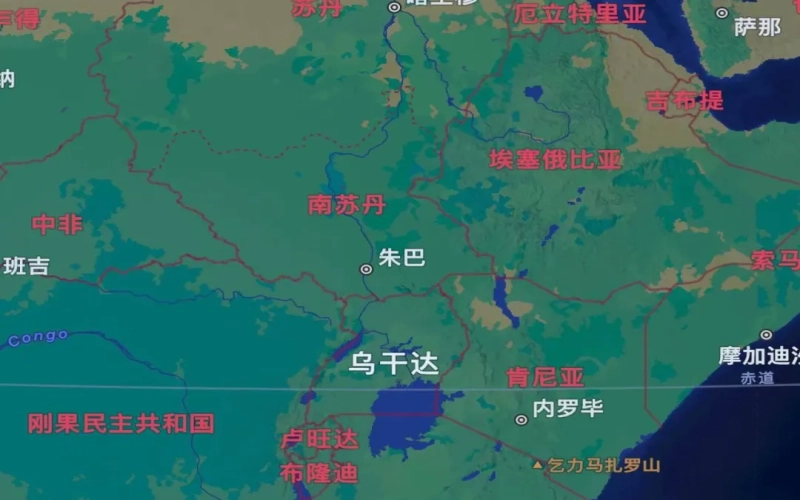
A Panoramic View of Uganda's Coffee Regions: A Variety and Terroir Analysis from Robusta to Arabica
When it comes to African coffee, many people first think of Ethiopia, but Uganda on the East African plateau is equally not to be overlooked. This country straddling the equator started with Robusta, and in recent years Arabica has also been flourishing. Most of Uganda lies on the East African plateau, with numerous lakes, moderate altitudes, volcanic soil, and distinct rainy seasons, providing superior conditions for coffee cultivation. The country's producing regions are roughly divided into three major areas: Bugisu, West Nile, and the Rwenzori Mountains, each with its own characteristics in altitude, harvest season, and varieties. Wugar (washed Arabica) and Drugar (natural Arabica) are locally unique terms. This article will take you through Uganda's national flag symbolism, geography and climate, as well as the varieties grown and harvest rhythms of its three major producing regions. [more…]
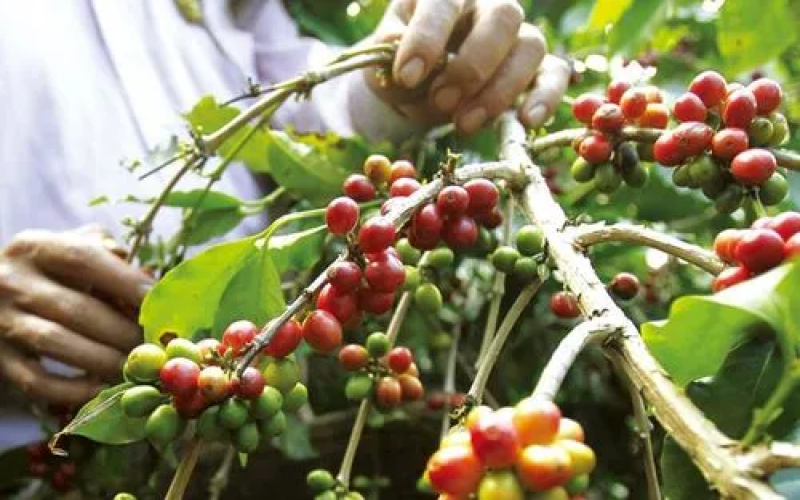
A Complete Guide to Ugandan Coffee: Origins of Native Robusta, Terroir of Three Major Regions, and Variety Distribution
Uganda is located on the equator in East Africa, and its unique geographical environment of high altitudes and numerous lakes makes it one of the few homes to native coffee tree species in the world. Starting from its historical context, this article will sort out the complete journey of Ugandan coffee from its beginnings in the colonial period, through industry ups and downs, to its modern transformation, and introduce one by one the altitude conditions, harvest seasons, and planted varieties of the three major producing regions: Bugisu, West Nile, and Mount Renzori. Whether you are a seasoned enthusiast who loves African beans or a beginner who has just come into contact with specialty coffee, you can learn about the unique charm of Ugandan coffee. Front Street Coffee also continuously pays attention to the flavor performance of various African producing regions, bringing more choices to coffee lovers. [more…]

A Complete Guide to Ugandan Specialty Coffee Varieties, Flavor Analysis, and Front Street Coffee Brewing & Processing Methods
In the landscape of East African specialty coffee, Uganda has long been overshadowed by the glow of Kenya and Ethiopia. This landlocked nation, situated at the source of the Nile and endowed with volcanic soil and abundant rainfall, is quietly driving a transformation in specialty coffee. Front Street Coffee introduces Uganda Portuguese Typica, featuring the Elgon Mountain growing region, SL14 and SL28 varieties, and anaerobic fermentation sun-dried processing, presenting a flavor profile interweaving citrus, smoked plum, dried fruit, and caramel. This article starts from the country overview, historical background, growing region distribution, processing methods, and grading system to provide a complete analysis of the varietal characteristics and story of Ugandan coffee, and includes Front Street Coffee's roasting curve and V60 brewing parameters, offering coffee enthusiasts a professional and practical reference. [more…]
A Detailed Guide to the Flavor Characteristics of Ugandan Coffee Beans: Pour-Over Grind and Water Temperature Parameters
Uganda, a landlocked country at the source of the Nile, has a long history of coffee cultivation, yet war and unrest have long held back improvements in quality. Today, Uganda is both the world's second-largest exporter of Robusta and a producer of specialty Arabica. This article will guide you through Uganda's coffee-growing regions, variety structure, and flavor profile, and share the pour-over grind size and water temperature parameters recommended by Front Street Coffee to help you brew a cup of Ugandan coffee with rich layers. [more…]
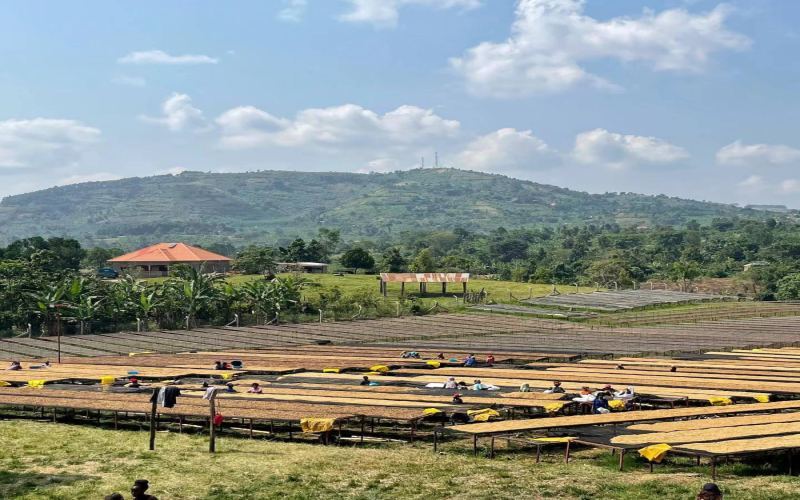
A Complete Analysis of Ugandan Coffee Bean Origins, Grades, and Flavors: The Quality Code from Robusta to Arabica
Uganda is located at the source of the Nile and is a landlocked country in Africa. It has a long history of coffee cultivation, yet its quality stagnated due to prolonged wars. Over the past fifteen years, as the situation stabilized, Uganda's coffee industry has experienced rapid development. This article will take you into a deeper understanding of Uganda's coffee production regions, variety structure, processing methods, and grading system, and analyze its flavor characteristics such as full-bodied fruity notes, red-wine-like complexity, and a unique earthy aroma. Front Street Coffee (FrontStreet Coffee) joins you in exploring the coffee potential of this equatorial highland. [more…]
A Comprehensive Analysis of Uganda Coffee Bean Producing Regions, Grading System, and Flavor Characteristics
Uganda is located at the source of the Nile and is a landlocked country in East Africa, with a long history of coffee cultivation. Due to prolonged wars and unrest, the improvement of its coffee quality once stagnated, and the high-quality beans produced in the areas bordering Kenya were even transshipped and passed off as Kenyan coffee. Fifteen years after the conflict subsided, Uganda's coffee industry has ushered in rapid development. The country is absolutely dominated by the Robusta variety, accounting for about 94%, while Arabica accounts for only 6%, mainly distributed in the Mount Elgon and southwestern high-altitude areas. Front Street Coffee takes you through Uganda's coffee growing regions, processing methods, grading system, and unique flavor profile, to experience this African origin's distinctive charm in its rich body and fruity layers. [more…]
Uganda AA Coffee Beans: Origin Characteristics and Flavor Analysis — A Full Look at Bugisu Cloud Falls Farm
Although Uganda is a landlocked country in Africa, it is the world's tenth-largest coffee-producing country, with abundant water resources and dense forests. For a long time, its coffee quality was constrained by transportation and processing conditions, leaving a gap compared with its East African neighbors. After the end of the war in 1990, transportation gradually developed, and coffee became the country's most important agricultural product. Ugandan coffee is mainly Robusta, with Arabica accounting for only 6%. Its grading follows the Kenyan system, with AA being the highest grade. The AA-grade beans from Yunpu Farm in the Bugisu producing region are the most renowned traditional Arabica there. From the perspective of Front Street Coffee, this article will sort out its origin background, farm information, variety processing, and flavor performance, introducing you to this coffee with notes of cinnamon, fennel, and Baozhong tea. [more…]
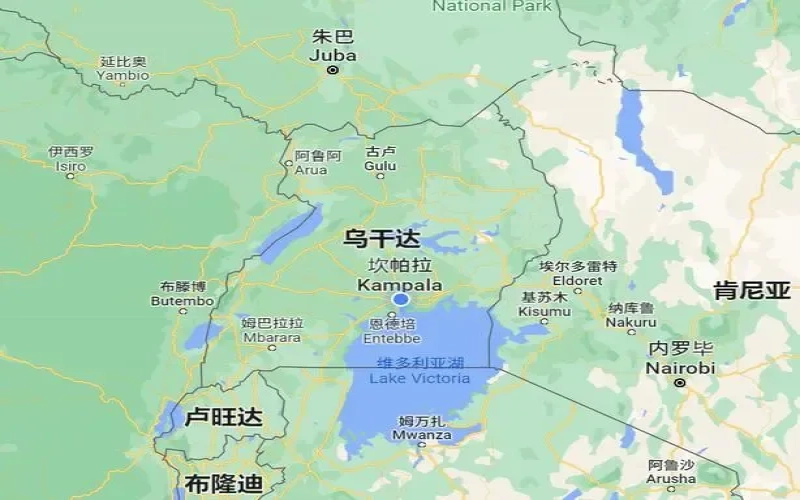
Exploring Uganda's Bugisu Region: The Arabica Coffee Advantage Nurtured by Mount Elgon
The African continent is rich in natural resources and has a climate suitable for coffee cultivation, and Uganda, as one of the few countries with native coffee tree species, has seen its coffee industry go through a tortuous development from its beginnings to modernization. Among Uganda's three major coffee-producing regions, Bugisu stands out for its unique geographical location and growing conditions, becoming an exceptional area mainly cultivating Arabica varieties. This article takes you deep into the terroir conditions, cultivated varieties, and processing methods of the Bugisu producing region, exploring how Mount Elgon imparts unique qualities to coffee, while also understanding the historical changes and modernization process of Uganda's coffee industry. [more…]
Ethiopia Guji Coffee Beans: A Comprehensive Interpretation of Estate Origins, Brand Flavors, and Taste Characteristics
Ethiopia is the birthplace of coffee, and its unique coffee ceremony and rich terroir culture are fascinating. This article begins with the traditional family coffee ceremony, taking you through the origin story of the Huakui estate coffee beans, and delves into its brand background and flavor and taste characteristics. At the same time, we will also take a look at Ethiopia's tourist scenery and festival culture, to experience the diverse charm of this ancient coffee country. The Huakui series recommended by Front Street Coffee is precisely a wonderful presentation of the flavors of this origin. [more…]
A Complete Guide to Rwanda's Coffee Regions: From the Terroir of the Land of a Thousand Hills to Bourbon and Mibirizi Varieties
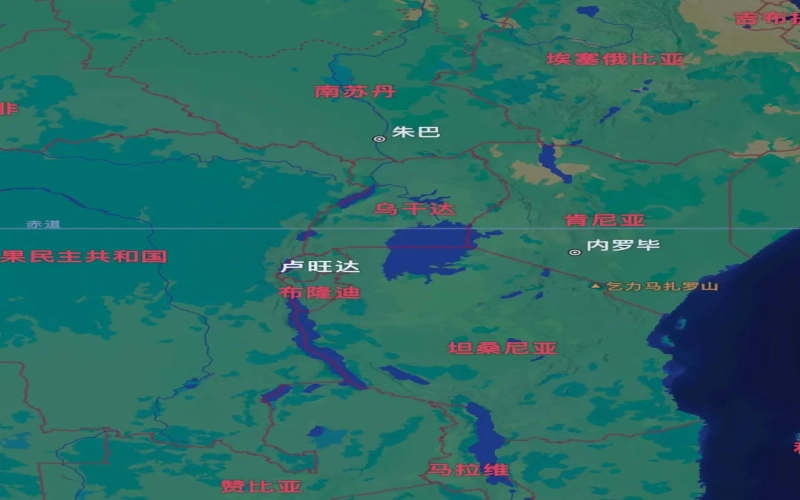
In the African specialty coffee landscape, Ethiopia and Kenya often take the spotlight, yet Rwanda, an inland highland nation known as the "Land of a Thousand Hills," also produces surprisingly remarkable coffee. Rwanda sits on the East African plateau at an elevation of about 1,600 meters, with a tropical highland climate and abundant rainfall that provide ideal conditions for coffee cultivation. Its growing regions can be divided by province into Muhazi, the Lake Kivu area, Huye, and Virunga, among others, with the harvest period mostly concentrated between March and August. In terms of varieties, Bourbon and Mibirizi, Rwanda's oldest variety, dominate, with a small amount of Jackson also planted. This article will guide you through a systematic understanding of Rwanda's national character, the distribution of its coffee regions, and the characteristics of its main varieties, so you can experience the unique charm of this country's coffee. [more…]

A Complete Analysis of African Coffee Origins, Flavors, and Processing Methods: Bean Characteristics of Ethiopia, Kenya, and Other Countries
As the continent of coffee's origin, Africa produces beans renowned worldwide for their bold aromas and lively fruit acidity. Due to arid climates, the natural process has become a traditional choice in many producing regions; while the bean shape may not be perfect, it gives rise to richly layered flavors. From Ethiopia's Yirgacheffe to Kenya's SL28, from Burundi's double washing to Rwanda's Bourbon, each producing region has a unique terroir expression. This article systematically reviews the cultivation patterns, processing techniques, and flavor characteristics of Africa's major coffee-producing countries, and introduces several representative African single-origin coffees from Front Street Coffee, guiding you to a deeper understanding of this continent's coffee charm. [more…]
The origins of coffee lie in Ethiopia: Heirloom flavor profiles, tasting etiquette, and a practical travel guide
Ethiopia, in eastern Africa, is not only one of the important birthplaces of human civilization but is also regarded as the homeland of coffee. The English word "coffee" is said to derive from the Ethiopian place name "Kaffa." On this plateau, coffee grows widely in its native form, and different producing regions, due to differences in altitude and ecology, present diverse flavors such as floral aromas, fruity acidity, and vinous notes. Local people have developed a unique drinking ritual around coffee, from roasting and pounding to brewing in a clay pot, the entire process is full of ceremony. In addition to coffee, Ethiopia also boasts rich landscapes such as the Rift Valley, waterfalls, rock caves, and ancient churches. This article will introduce you to the origins, flavor characteristics, and drinking customs of Ethiopian coffee, and provide practical information on visas, flights, accommodation, and currency. [more…]
A Detailed Explanation of Green Coffee Bean Grading Standards: What's Behind Ethiopia G1, Kenya AA, Blue Mountain No.1, and SHB Grades?
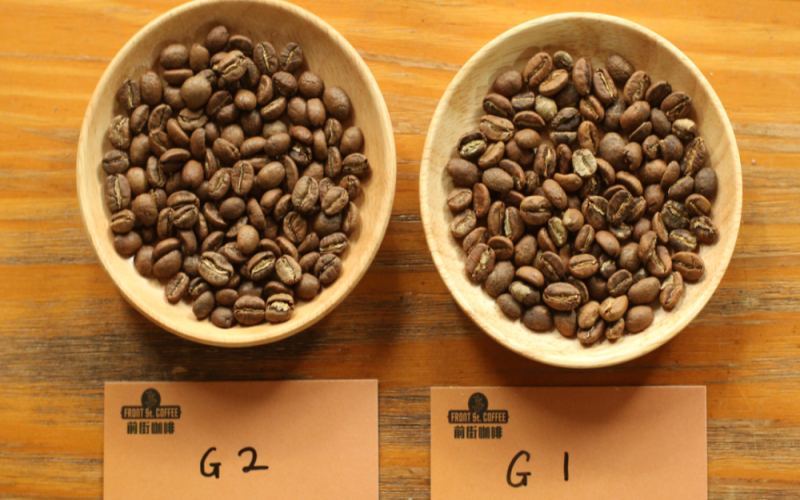
Coffee enthusiasts often ask in the shop exactly what the difference is between Ethiopia's G1 and G2, what Kenya AA actually means, and what Costa Rica's SHB grade signifies. These combinations of letters and numbers actually reflect how each producing country evaluates the quality of green coffee beans. Due to differences in history, trade, climate, and terrain, different origins have developed their own grading systems, with evaluation criteria covering multiple dimensions such as defect percentage, bean size, growing altitude, green bean density, and processing method. This article will systematically sort out the origins of coffee grading and introduce, one by one, the green bean grade standards of representative producing countries such as Ethiopia, Kenya, Colombia, Jamaica, Costa Rica, Panama, Guatemala, El Salvador, Honduras, and Brazil. [more…]
Ethiopia, the Hometown of Coffee: A Complete Cultural Interpretation from the Origin of the Kaffa Place Name to Traditional Drinking Rituals
The roots of coffee lie in the Horn of Africa. Ethiopia not only gave coffee its name through the place name "Kaffa," but also, with growing conditions spanning multiple climate zones, nurtured bean varieties with distinct personalities such as Harar, Yirgacheffe, and Sidamo. Here, people regard coffee as a daily ritual: gathering around the fire in the evening, roasting, pounding, and brewing on the spot—a whole process that continues to this day. At the same time, Ethiopia is also an important tourist destination in Africa, with its highland scenery, rock-hewn churches, and unique calendar together forming its charm. This article will take you through origin legends, regional flavors, drinking etiquette, and practical travel information, offering a complete introduction to this coffee nation. At the end, there are also related recommendations from Front Street Coffee for your reference. [more…]