





How Could Horn of Africa Fighting Affect the Coffee Industry?
Egypt delivered a second batch of military aid to Somalia, including heavy artillery, anti-tank missiles and armored vehicles, under an August 2024 defense agreement. Ethiopia and Somaliland objected. The dispute covers the Somaliland port deal and the Grand Ethiopian Renaissance Dam, and the risk of conflict is edging toward Ethiopia's Harrar coffee region.
For the coffee industry, the stakes are concrete: Harrar sits close to the tension zone, while the incoming EUDR rules and currency depreciation are already reshaping how Ethiopia exports. Among coffee countries, Ethiopia ranks as a major arabica source, so any disruption to farming or shipping in the east would be felt in global supply.
Geopolitical tensions in the Horn of Africa are once again heating up. Egypt recently delivered a second batch of military aid to Somalia, including heavy artillery, anti-tank weapons and armored vehicles, a move that has sparked strong concern from Ethiopia and Somaliland. Behind this series of upheavals lies a multi-layered power struggle among Egypt, Somalia and Ethiopia over the Somaliland port deal and the Grand Ethiopian Renaissance Dam. As the situation continues to deteriorate, the risk of war is creeping closer to Ethiopia's eastern coffee-growing region of Harrar, while factors such as the imminent EUDR policy and currency depreciation are also profoundly reshaping the country's coffee export landscape.
According to media reports, the security situation in the Horn of Africa is once again becoming tense. Egypt recently delivered another batch of military aid supplies to Somalia, including heavy artillery, anti-tank missile systems and armored vehicles. This shipment falls under the framework of the bilateral defense cooperation agreement signed between Egypt and Somalia in August 2024.
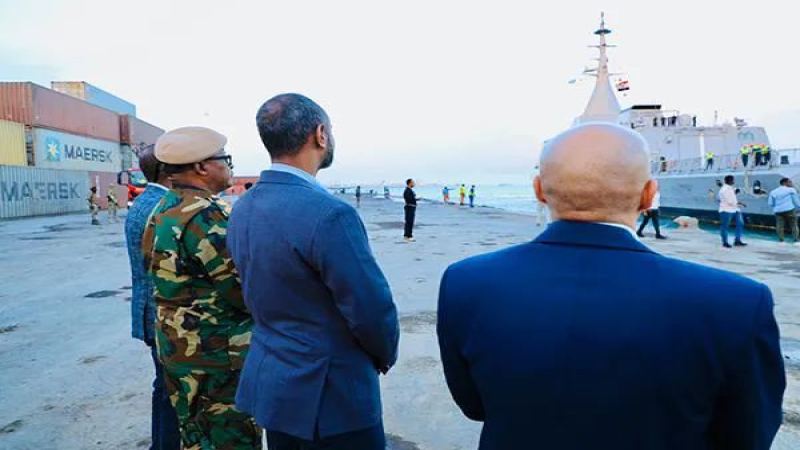
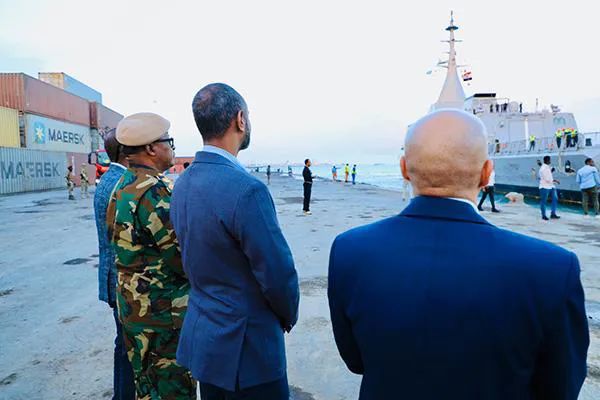
In a statement, Egypt's Ministry of Foreign Affairs said the military aid had arrived safely in Mogadishu, the Somali capital, aimed at helping the Somali government enhance its military's combat capabilities. The statement also stressed that the move once again confirms Egypt's key role in assisting Somalia in building national strength and responding to the Somali people's aspirations for security, stability and development. Subsequently, Somalia's Defense Minister posted photos on social media showing the unloading of Egyptian warships.
It is understood that this is the second time Egypt has provided weapons and equipment to Somalia. In August this year, the two countries signed a military cooperation protocol, and Egypt also expressed its willingness to send troops to participate in a new peacekeeping mission in Somalia. Shortly thereafter, at the end of August, Egypt provided Somalia with its first batch of military aid in more than 40 years.
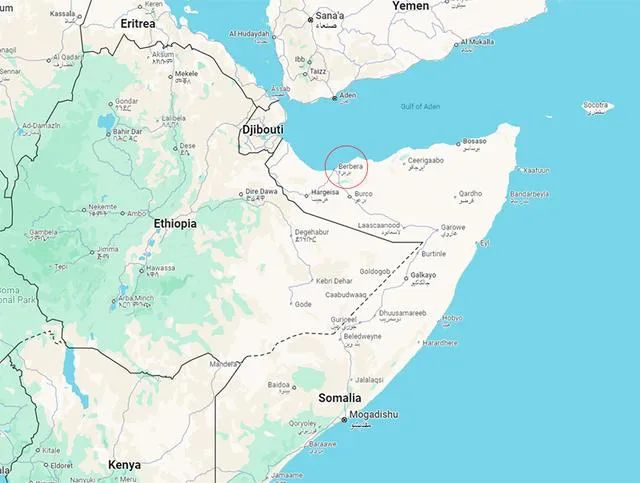
This series of actions is closely related to the disputes among Egypt, Somalia and Ethiopia. In January this year, the Somaliland region reached an arrangement with Ethiopia — leasing the port of Berbera on the Gulf of Aden in exchange for Ethiopia's recognition of Somaliland as an independent sovereign state at the international level. Somaliland was originally a federal member state of Somalia and unilaterally declared "independence" in 1991, but has never received widespread recognition from the international community. The Somali government is therefore extremely dissatisfied with the agreement between Ethiopia and Somaliland, deeming it an infringement on Somalia's national sovereignty.
Meanwhile, the dispute between Egypt and Ethiopia over the Grand Ethiopian Renaissance Dam continues to fester, further straining relations between the two sides. The dam is built on the Blue Nile, one of the two main sources of the Nile, with its water source located within Ethiopian territory near the Sudanese border. Egypt fears the dam will alter downstream water flows on the Nile. The three countries have been arguing for years over water allocation and dam operation rules, and have yet to reach an agreement.
In response to Egypt's second weapons shipment to Somalia, Ethiopia's Foreign Minister has publicly expressed concern, saying that the influx of ammunition and weapons from external forces could further worsen the already fragile security situation in the region and might even end up in the hands of terrorist organizations.
The Somaliland government is also highly wary of this shipment. Somaliland's Ministry of Foreign Affairs said it was deeply shocked by the weapons transfer, and particularly pointed out that the Mogadishu government lacks the capacity to effectively manage and protect such a large quantity of important military equipment. According to earlier reports, Egypt has begun sending military officers and equipment to Mogadishu, and may plan to deploy as many as 10,000 Egyptian soldiers on Somali territory in the future.
Under the current circumstances, regional tensions are steadily escalating, and the risk of conflict breaking out exists at any time. Previously, Egypt's embassy in Somalia had reminded its citizens to avoid traveling to the Somaliland region. Since the potential conflict zone may be located within Somaliland, neighboring Djibouti is also worried about being dragged in.
The current situation is quite thorny for Ethiopia. The country is facing both internal and external troubles: fighting in the north continues and is gradually spreading southward, the western coffee-growing areas have also been affected, and relations with Somalia in the east are increasingly tense. These factors will deal a severe blow to multiple industries in the country, with the coffee industry bearing the brunt. Once conflict breaks out, eastern Ethiopia will face a direct threat, as the war zone is adjacent to the eastern coffee-growing region of Harrar (Harrar), potentially endangering the normal operation of the coffee industry there.
In addition, Ethiopia is a landlocked country with no access to the sea, and its maritime trade is highly dependent on the ports of neighboring Djibouti. If conflict spreads to Djibouti, port operations will be severely disrupted, and import and export trade will be hindered as well. According to a report by the Ethiopian Coffee and Tea Authority, the country's coffee exports reached 42,322 tons in August, setting a historic high, an increase of 32,925 tons compared with the same period last year, or 66%, with revenue rising by US$110 million, or 41%.
However, some traders分析指出,埃塞俄比亚咖啡出口的激增,主要归因于该国此前推行的改革导致埃塞货币比尔大幅贬值,而咖啡豆价格并未同步大幅上调,这使得贸易商能够以更低成本购入埃塞咖啡。此外,欧盟无森林砍伐法规(EUDR)即将于2024年12月31日正式生效,埃塞俄比亚大量小农户可能难以满足合规要求,因此国际贸易商在政策落地前加紧采购以充实库存。但倘若未来冲突爆发导致港口运作受损,再加上EUDR的正式实施,埃塞俄比亚咖啡等产品的出口将面临严重冲击。
To learn more about coffee origin news and information, please scan the QR code to follow: Coffee Review
Long-press the QR code to follow:
The above content is compiled by CoffeeHunters, a coffee news website.


