







Search Results for: Floral Queen 9.0

Why Is Geisha 9.0 Absent? The Origin of the Name Geisha X and an Analysis of the New-Season Geisha Flavor
The 2024 new-crop Huakui has already quietly hit the shelves, but many coffee enthusiasts have noticed that "Huakui 9.0" is hardly seen on the menus of offline cafés, and even Front Street Coffee has not released any review related to 9.0. Could it be that there really is no Huakui 9.0 this year? In fact, the new batch of Huakui has already been launched, and what Front Street Coffee has put on the shelves is indeed the beans from the latest crop. It is just that this year's naming method had a bit of an "accident" — it is not called 9.0, but "Huakui X." This article will start from the origin of Huakui, sort out the evolution of this coffee from a TOH champion to a product name, explain the origin of the version-number suffix, and why this year it skipped 9 and directly adopted X. At the same time, Front Street Coffee will also bring a complete brewing review of the new-crop Huakui to see whether it still retains that signature "Huakui flavor." [more…]

Analysis of the Differences Between Huakui 9.0, 8.0, and the New Harvest Hambela Huakui: A Full Overview of Ethiopian Heirloom Variety Flavor Characteristics
As the birthplace of coffee, Ethiopia's native Heirloom varieties always showcase unique styles across different regions. Front Street Coffee's Huakui is produced in the Hambela sub-region of the Guji zone, and has attracted much attention since winning the TOH championship in 2017. As the new harvest season arrives, Front Street Coffee's Huakui 9.0 has arrived as promised. This article will explore the differences between Huakui 9.0, Huakui 8.0, and the new-season Hambela Huakui, while also discussing what makes Ethiopian native varieties so special, and sharing Front Street Coffee's roasting and brewing suggestions for this new bean, giving you a comprehensive understanding of this coffee full of fruity flavors. [more…]
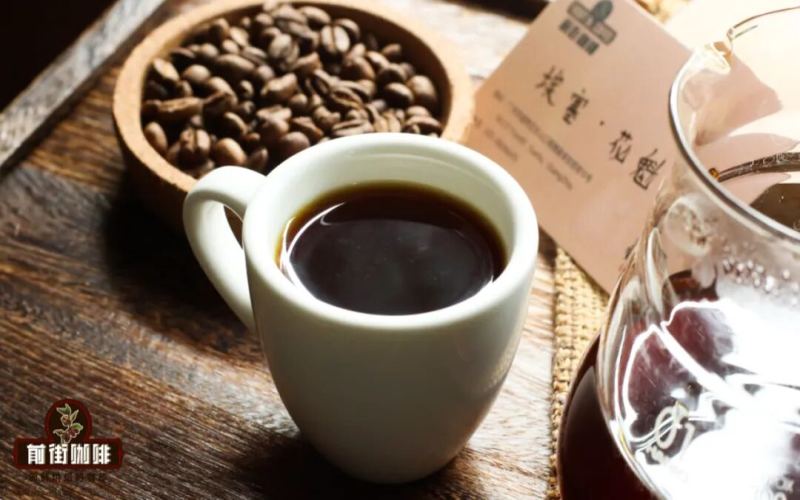
Ethiopian Huakui Coffee Beans | Are all coffees from Ethiopia's Hambela region called Huakui coffee?
This year marks the 9th year since "Huakui Coffee" rose to fame. If the previous naming conventions were followed, the Huakui released this year should logically carry a "9.0" suffix. But more than half the year has passed, and many friends have noticed that "Huakui 9.0" is almost nowhere to be seen on the menus of offline coffee shops! [more…]
Detailed Explanation of Yunnan Coffee Grade 2 Classification Standards: A Full Analysis of Physical, Chemical, and Hygiene Indicators and Quality Grades
Yunnan is a major coffee-producing region in China, and its coffee bean grading system is crucial for quality control. What tier does Special Grade 2 occupy? This article breaks down the specific requirements for Yunnan coffee beans at Special Grade 2 one by one, from appearance and sensory attributes, physical indicators, and chemical indicators to hygiene standards, including hard data such as a granule size of 7.1 mm, broken beans not exceeding 10%, and moisture content ≤12.5%. Understanding these standards not only helps you judge coffee bean quality but also helps you make wiser choices when purchasing. Front Street Coffee will also share related product information in the article, making it suitable for coffee enthusiasts who want to gain a deeper understanding of the grading logic for Yunnan beans. [more…]
How Does Water Quality Shape Cold Brew Flavor? Coffee Brewing Recommendations After Testing Four Types of Drinking Water
In a cup of black coffee, water makes up the vast majority, so its impact on flavor must not be underestimated. Different brands of drinking water vary in mineral composition, hardness, and pH, so the coffee brewed with them naturally takes on different characteristics. To investigate this variable, Front Street Coffee selected four common drinking waters—Baisui Mountain, Nongfu Spring, Ganten, and C'estbon—and used the same Costa Rica Mozart coffee beans to make cold brew, measuring TDS, coffee liquid concentration, and recording flavor performance one by one. The experiment found that the amount of calcium and magnesium ions in water affects extraction efficiency and taste direction, while Nongfu Spring with medium TDS and C'estbon purified water each showed distinct stylistic differences. This article will present the full experimental process and tasting results, and offer water selection suggestions for different taste preferences. [more…]

What Is Sicilian Coffee? A Complete Guide to Making Lemon Coffee with Cold Brew, Pour-Over, and Drip Bags
Lemons have always played an important role in Front Street's articles. They not only frequently appear in coffee bean flavor descriptions, but are also a core element of many creative specialty drinks, responsible for bringing fresh aroma and bright acidity. This Spring Festival, Front Street discovered a new pairing of coffee and lemon—Sicilian coffee. This drink has simple ingredients and high playability, with a very prominent lemon aroma. Although the name carries Italian flair, Sicilian coffee does not originate from Sicily, Italy, and there are varying accounts of its origin. This article will introduce the background of Sicilian coffee and share in detail three brewing methods: cold brew, pour-over, and drip bag. The coffee beans used are all from Front Street. Guodingding, allowing you to experience the refreshing charm of the fusion of lemon and coffee. [more…]
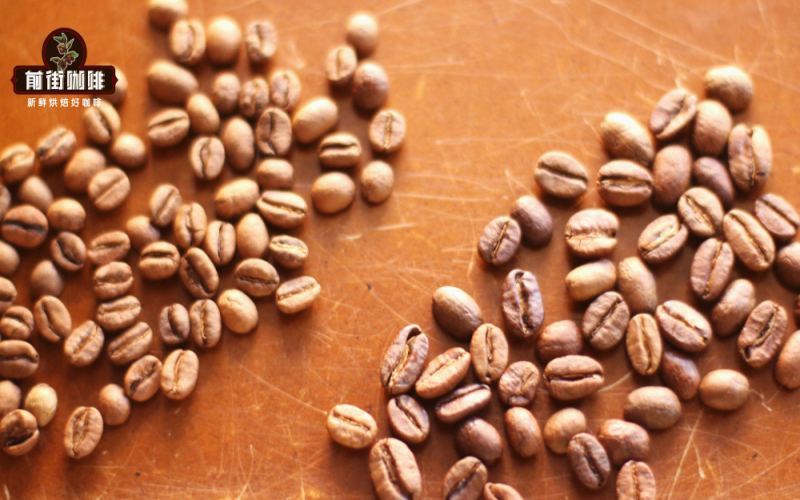
Analysis of the Origin of the Name "Huakui" Coffee and Its Producing Region Relationship with Geisha
Are Geisha coffee and Guixia coffee beans actually from the same origin? This question sparked quite a bit of discussion in the early days when Guixia rose to fame. This article will trace Geisha's journey to fame from the forests of Ethiopia to Panama's Hacienda La Esmeralda, explain the origins of the two names "Geisha" and "Guixia," and sort out the naming logic behind grading systems such as Red Label and Gold Label. At the same time, the article will also reconstruct the complete timeline of Guixia, from winning the 2017 TOH to the year-by-year updates of its version numbers, explaining the original meaning of the word "Guixia" in Japanese geisha culture and how it was mistakenly rumored to be a top-tier Geisha. Finally, Front Street Coffee will guide you through the specific differences between Guixia flavor and Geisha flavor, and offer region recommendations for getting started with Geisha. [more…]
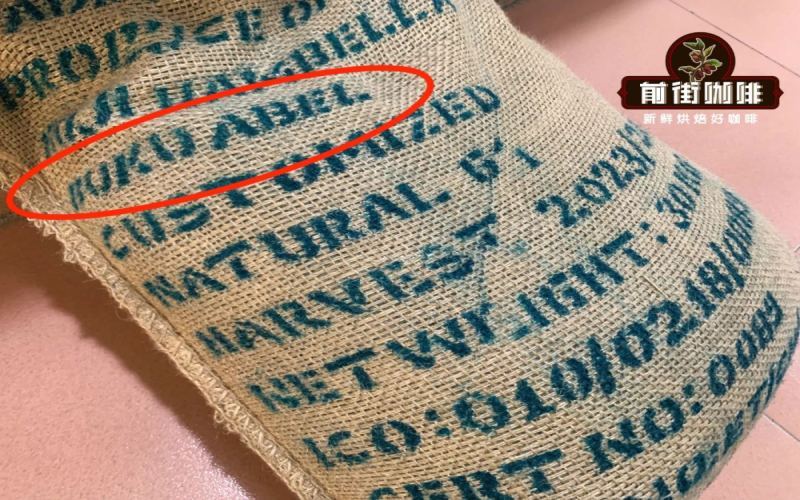
Ethiopia Guji Hambela Flower魁 Legend: Cold Brew, Ice Drip, Pour-Over, and Flower魁 5.0 Flavor Analysis
In Hambela, within Ethiopia's Guji region, the Buku Abel processing station has produced a sun-dried bean that has captivated coffee lovers worldwide—Floral Queen. From its 2017 TOH championship win to today's Floral Queen 5.0, this bean, with its rich aromas of strawberry, cream, and berries, has become an excellent choice for summer iced coffee. This article reviews Floral Queen's rise to fame, analyzes the flavor evolution and roasting key points of Floral Queen 5.0, and shares four brewing methods commonly used by Front Street Coffee: hot pour-over, iced pour-over, cold drip, and cold brew. Whether you want to experience a gentle sunset-like softness or pursue a juicy, full-bodied cup, you'll find suitable brewing parameters and practical suggestions here. [more…]

Ethiopian Huakui Coffee Beans Guji Hambela Region Flavor Analysis and Pour-Over Parameters Tutorial
Ethiopia is a genetic treasure trove of coffee, and the Hambela micro-region in the Guji zone has risen to prominence on the world stage thanks to a sun-dried bean. This coffee, named "Huakui" by a Chinese importer, has won over countless coffee lovers with its intense strawberry and cream aromas. Every year, Front Street Coffee travels deep into the Buku Abel processing station to purchase the season's Huakui, dissecting the flavor code of this bean layer by layer, from variety and processing method to roasting and brewing. This article will systematically outline Huakui's regional background, varietal characteristics, and sun-drying process, and include a three-pour V60 hand-brewing tutorial from Front Street Coffee to help readers consistently reproduce Huakui's citrus acidity and berry sweetness. [more…]
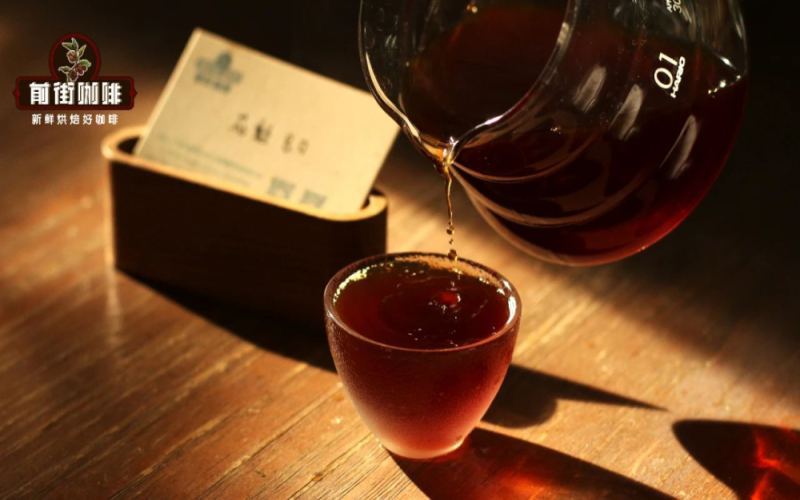
Complete Analysis of Huakui and Geisha Varieties and Origins: The Origins of the Translations Hambela and Geisha, and a Comparison of Their Flavor Differences
Recently, a video conflated Huakui coffee beans, the Hambela production region, and the Geisha variety, claiming that the three can be equated. Is this really the case? This article will trace the spread of the Geisha variety from Geisha Mountain in Ethiopia to Hacienda La Esmeralda in Panama, clarify the administrative affiliation of Hambela as a sub-region of Guji, and restore the full story of how Huakui coffee beans were named after winning the 2017 TOH. At the same time, Front Street Coffee will, through cupping experience, compare the flavor differences between small-bean Huakui and regular Huakui, and analyze the essential differences between Geisha and Huakui in their main flavor profile, helping coffee lovers build a clear understanding of varieties and production regions. [more…]
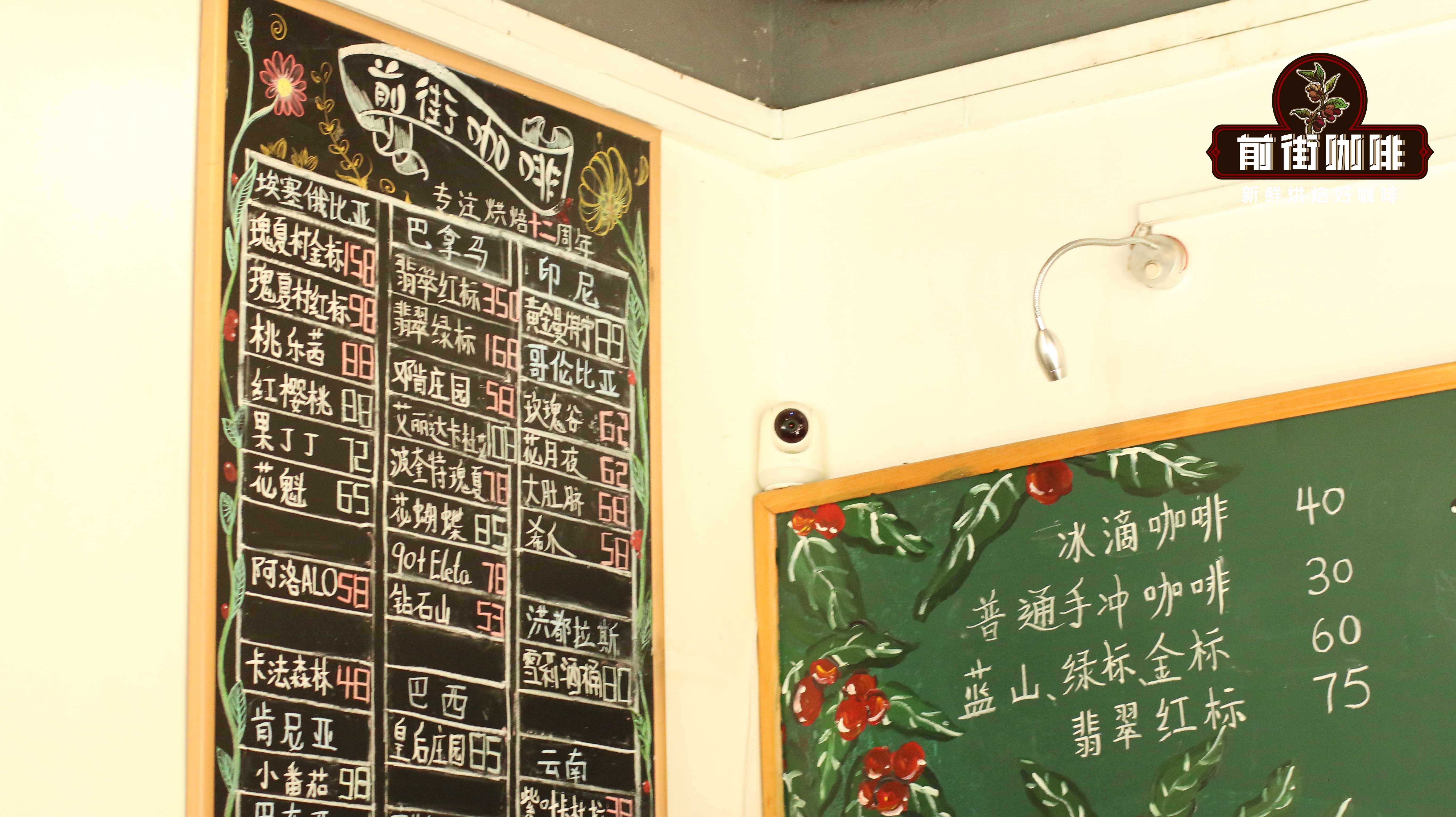
How to Choose the Roast Level for Ethiopian Sidamo Guji Hambela Coffee Beans? Flavor Differences Between Light, Medium, and Dark Roasts and an Analysis of Front Street Coffee Products
The Sidamo region is located in the southern highlands of Ethiopia, where high altitudes and fertile soil give rise to specialty coffee with pronounced floral and fruity notes. Front Street Coffee's Huakui is a prime example, winning the favor of many enthusiasts with its rich strawberry jam aroma and layered flavors of blueberry, guava, mango, and black tea. This article starts from the region's terroir and sun-dried processing method to analyze why Huakui coffee beans are suited to light-to-medium roasting rather than dark roasting, and introduces two Front Street Coffee Huakui products—the light-to-medium roast for pour-over drip bags and the espresso SOE version—to help you make a more suitable choice when buying and brewing. [more…]
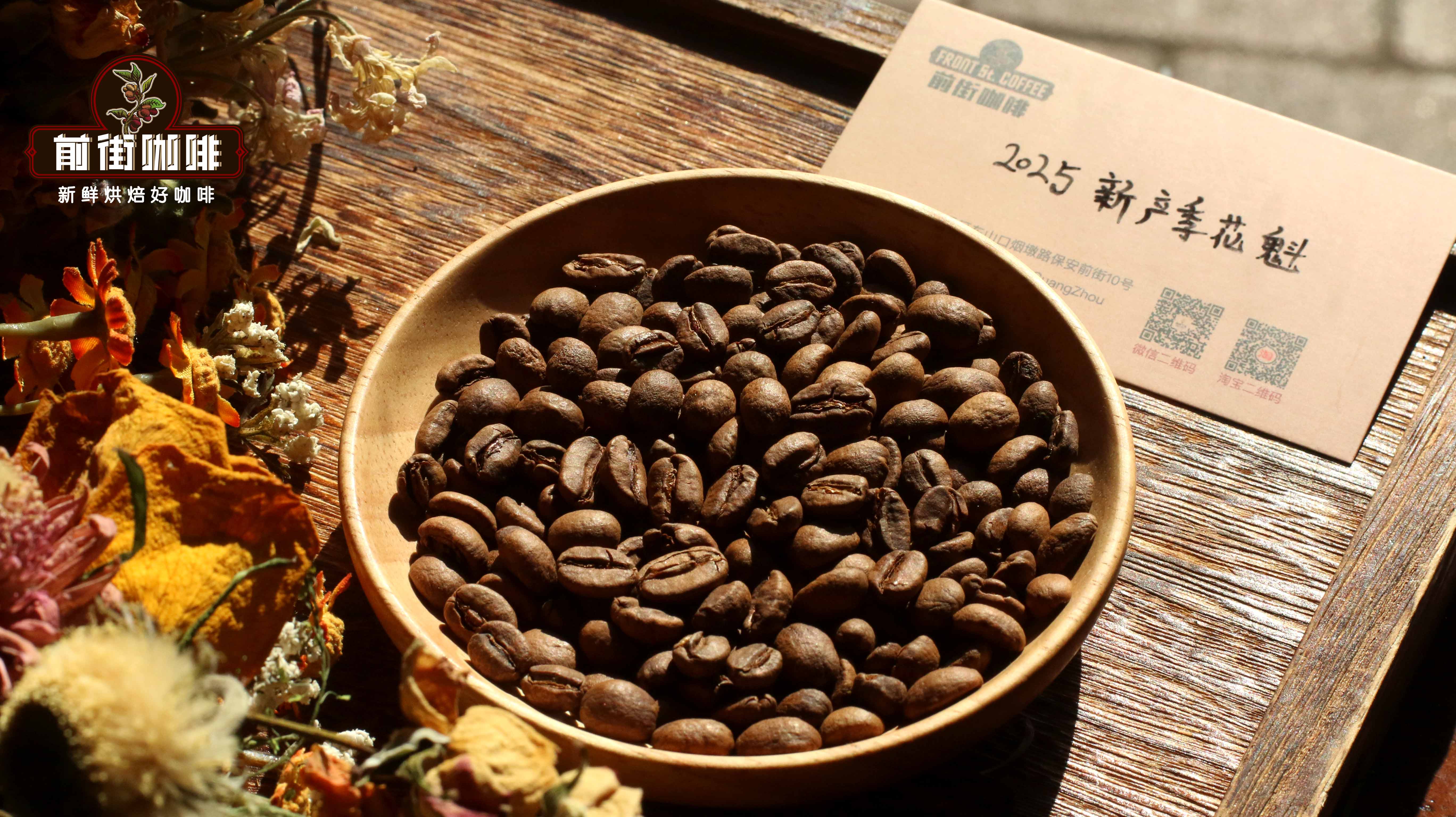
A Comprehensive Guide to Front Street Coffee's Huakui: Floral and Fruity Flavors, Variety Origin Story, and V60 Brewing Parameters
Front Street Coffee's Huakui is an Ethiopian natural coffee renowned for its floral and fruity notes. Originally named Hambela, it was named by a domestic green bean trader. It does not stand out for intense floral aromas, but rather for its rich fruit tones of passion fruit, strawberry, mango, jackfruit, and citrus. This bean originates from the Buku Abel processing station in Hambela and once won the natural category championship in the TOH green bean competition. It was subsequently introduced to the domestic market by a Beijing-based green bean trader and named "Huakui," and gained further fame after a Chinese World Brewers Cup competitor used it as a competition bean. Front Street, as an advocate of floral and fruity coffees, has included it in its Ethiopian series, roasting it to a medium-light level to highlight sweetness and fruity acidity. This article will provide coffee enthusiasts with a complete reference, from variety background and flavor description to V60 brewing parameters. [more…]
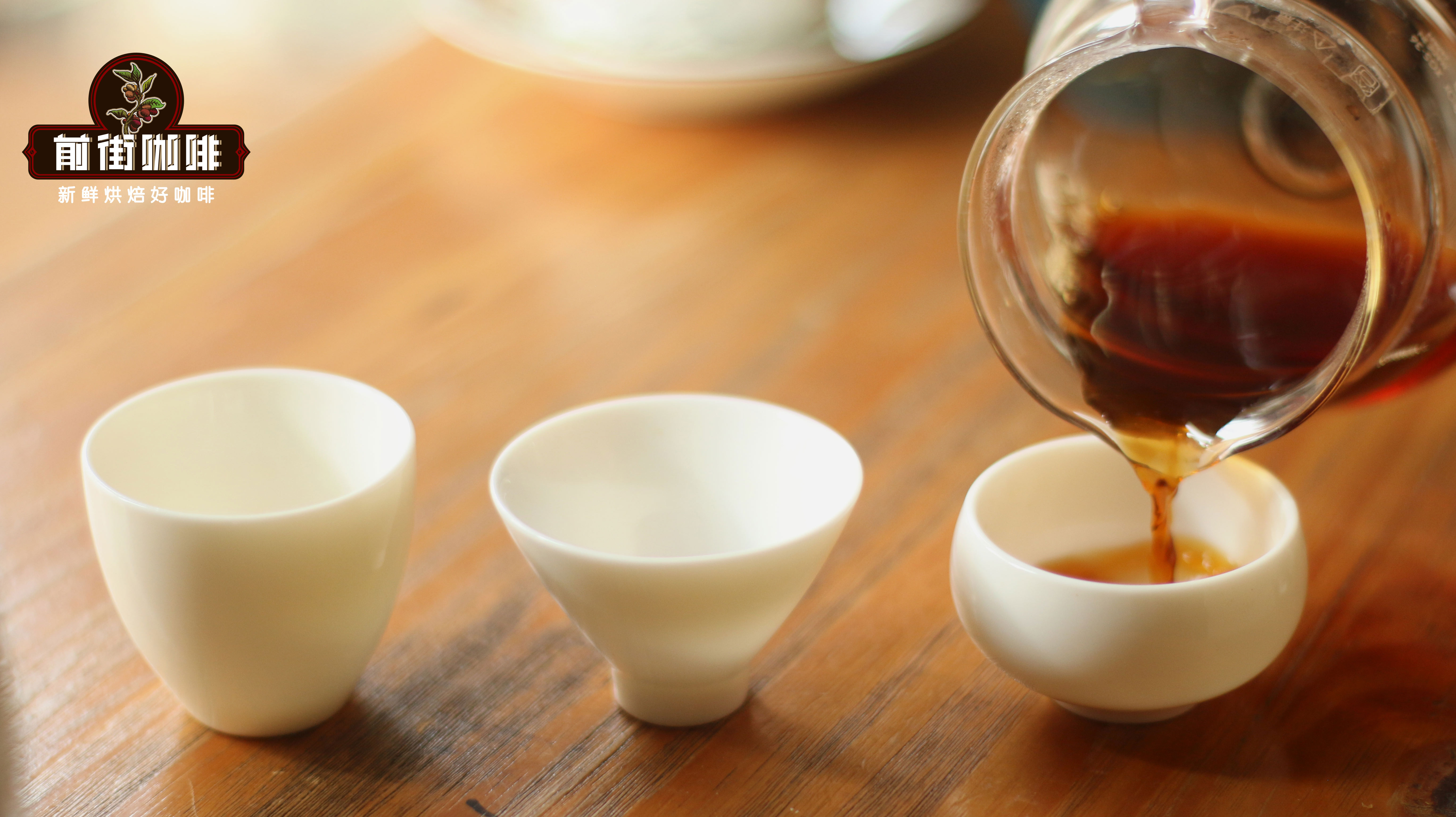
A Complete Guide to the Natural Process: The Origins, Variety Characteristics, and Brewing Tips of Huakui Coffee Beans
Ethiopia is the birthplace of Arabica coffee, and its natural processing method has produced countless unique and flavorful beans. As a star representative of the Sidama region, Huakui coffee has won over many coffee lovers with its intense floral and fruity aromas and honeyed sweetness. This article will systematically examine the full picture of this coffee from multiple angles, including the origin of the name Huakui, the background of the Hambela region, the geographical environment of Sidama, the characteristics of the Heirloom native variety, Ethiopia's coffee grading system, and the complete process of the natural processing method. It also includes Front Street Coffee's brewing parameter suggestions and bean-resting reminders to help you better appreciate the layered complexity and sweetness of this naturally processed Huakui. [more…]
Analysis of Brazil's Main Coffee Varieties: Queen Estate Yellow Bourbon's Low-Acid Sweet Mellowness and Pour-Over Key Points
Brazilian coffee has always been known for its low acidity and mellow sweetness, unlike the bright floral and citrus acidity of African beans. Front Street Coffee often recommends a single-origin bean to friends who prefer bitter-toned coffee—the Brazil Queen's Estate Yellow Bourbon. This bean has a clear mouthfeel and a clean aftertaste. This article will start with the origin and evolution of the Bourbon variety, explain why Yellow Bourbon has won multiple awards at Brazil's COE competition, then move on to the terroir conditions of the Mogiana region and the details of the sun-dried processing at Queen's Estate, and finally share Front Street's complete pour-over recipe covering filter cup selection, grind size, water temperature, and pouring technique, to help you brew this bean's signature nutty, dark chocolate, and caramel sweetness. [more…]
A Complete Guide to Brazil Queen Estate Yellow Bourbon Coffee: Region, Variety, Flavor Profile, and Pour-Over Parameters
African beans are prized for their floral aromas and citrusy acidity, while Brazilian coffee has carved out a different path with its low-acid, mellow and sweet profile. This article focuses on the Yellow Bourbon variety produced at Queen's Farm in Brazil. This bean has a clear mouthfeel and a clean finish, making it a single-origin coffee that Front Street Coffee often recommends to drinkers who prefer bitter-toned coffee. The article will successively cover the origins of the Bourbon family, the principle behind Yellow Bourbon's yellow color due to genetic mutation, the high-altitude advantages of the Mogiana region and the sun-drying process details at Queen's Farm, and finally present Front Street Coffee's medium-dark roasting approach for this bean as well as specific brewing suggestions covering the dripper, water temperature, coffee-to-water ratio, grind size, and three-stage pouring technique, helping readers recreate at home the intertwined flavors of rich chocolate and nutty caramel. [more…]
Which Ethiopian region does Hunkute coffee originate from? A full analysis of the flavor differences between Sidamo and Kenyan coffee
Ethiopia and Kenya on the African continent are the two most brilliant stars in the world of specialty coffee. Although the coffees of both places are known for their fruity acidity, they present themselves in completely different ways: Ethiopia's acidity is light, bright, clean, and refreshing, while Kenya's manifests as a full, thick berry-like juiciness. This article will explore in depth the regional origin of Flavor Queen coffee beans—Sidamo Hambela—and systematically sort out the regional characteristics of Yirgacheffe and Sidamo, the differences between Ethiopian heirloom varieties and Kenyan SL varieties, as well as their respective washed and natural processing methods. It also includes Front Street Coffee's roasting and brewing recommendations for beans from these two major regions, helping coffee lovers understand the charm of African coffee more clearly. [more…]

Brazil Queen's Estate Natural Process Iced Pour-Over Coffee Method: A Detailed Guide to Ratios, Flavor Profile, and Brewing Key Points
Brazilian coffee is known for its rich, mellow bitterness, forming a stark contrast with the floral and fruity acidity of African beans. If Brazilian beans are used for iced pour-over, what kind of flavor profile would they present? This article takes Front Street Coffee's Queen's Farm sun-dried coffee beans as an example, systematically sorting through the grinding size, water temperature, dripper selection, and coffee-to-water ratio for iced pour-over, from the growing region background and processing method to the roasting approach, and provides a complete brewing procedure. Queen's Farm is located in the Mogiana region and has won multiple Brazil COE awards since 1999. The sun-dried processing preserves the sweetness of the fruit pulp, while the medium-dark roast highlights nutty, chocolatey notes and sugarcane sweetness. By mastering key points such as grinding finer, lowering the water temperature, and slow extraction with a KONO dripper, you can brew a clean and refreshing iced Brazilian coffee at home. [more…]
Ethiopia Sidamo Huakui Coffee Bean Origin Flavor Analysis and Australian White SOE Preparation Method
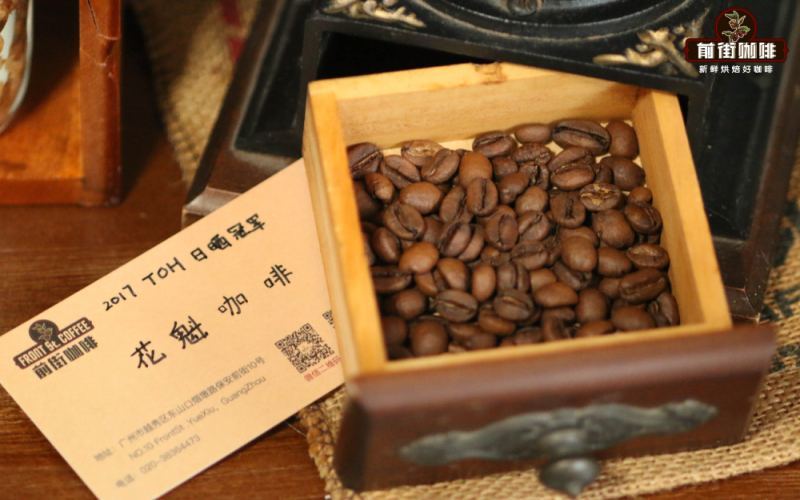
Sidamo Huakui is one of the most recognizable coffees among Ethiopian heirloom varieties, known for its bold aroma and high sweetness, and it once took first place in the natural group cupping of the 2017 harvest. It uses only fully red cherries and adopts slow drying on African raised beds with long low-temperature fermentation. In its wet aroma, winey and floral notes intertwine, and as a pour-over it tastes like a cup of strawberry fruit tea. This article will outline Huakui's origin background, grading standards, and the differences between washed and natural processing, and share how Front Street Coffee uses Huakui 8.0 to make an SOE flat white with a small cup volume, thin milk foam, and a ristretto base, taking you from the source to the cup for a complete understanding of this bean. [more…]
Can Light Roast Coffee Beans Be Used for Espresso? A Real-World Test of Front Street Huakui, Gudingding, and Dorothy in Americano and Latte
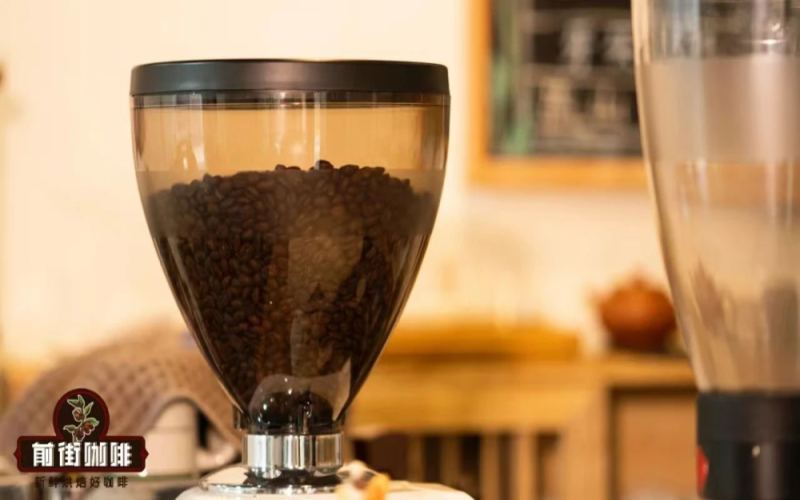
People generally assume that espresso must be made with dark-roasted beans, but nowadays quite a few cafés have already lowered the roast level to City roast or even lighter. This time, Front Street Coffee used three light-roasted Ethiopian beans—Huakui, Gudingding, and Dorothy—to pull espresso separately and make Americanos and lattes, wanting to see how light-roasted beans actually perform in espresso. The experiment found that light-roasted beans tend to preserve bright fruit acidity and floral aromas when made into an Americano, but the flavors are easily overpowered by milk when made into a latte. If you also want to try using light-roasted beans for espresso, first adjust the grind finer, control the pressure and pre-infusion time, and you may be rewarded with an unexpectedly juicy espresso. [more…]
Ethiopia Guji Region Coffee Bean Varieties, Flavor Profile, and Pour-Over Parameters Detailed Guide
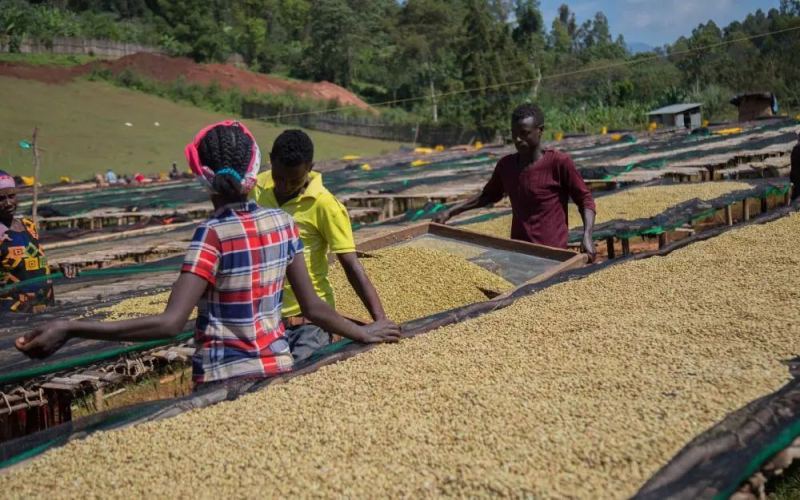
Guji is a specialty coffee region in Ethiopia that has attracted much attention in recent years, having become independent from Sidama thanks to its distinctive floral and fruity flavors. This article systematically reviews the geographical environment of the Guji region, the terroir characteristics of sub-regions such as Hambela, Shakiso, and Uraga, and focuses on the Front Street Huakui coffee beans that made Guji famous—from the natural processing method at the Buku Abel processing station to the complete parameters for V60 pour-over, helping coffee lovers gain a comprehensive understanding of this region's unique charm and brewing key points. [more…]