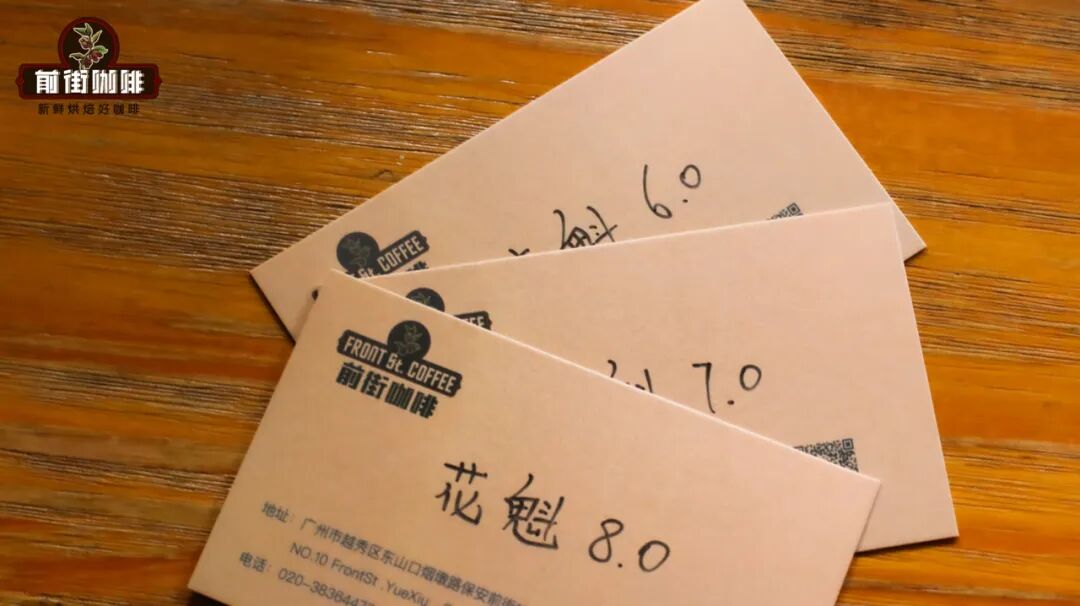
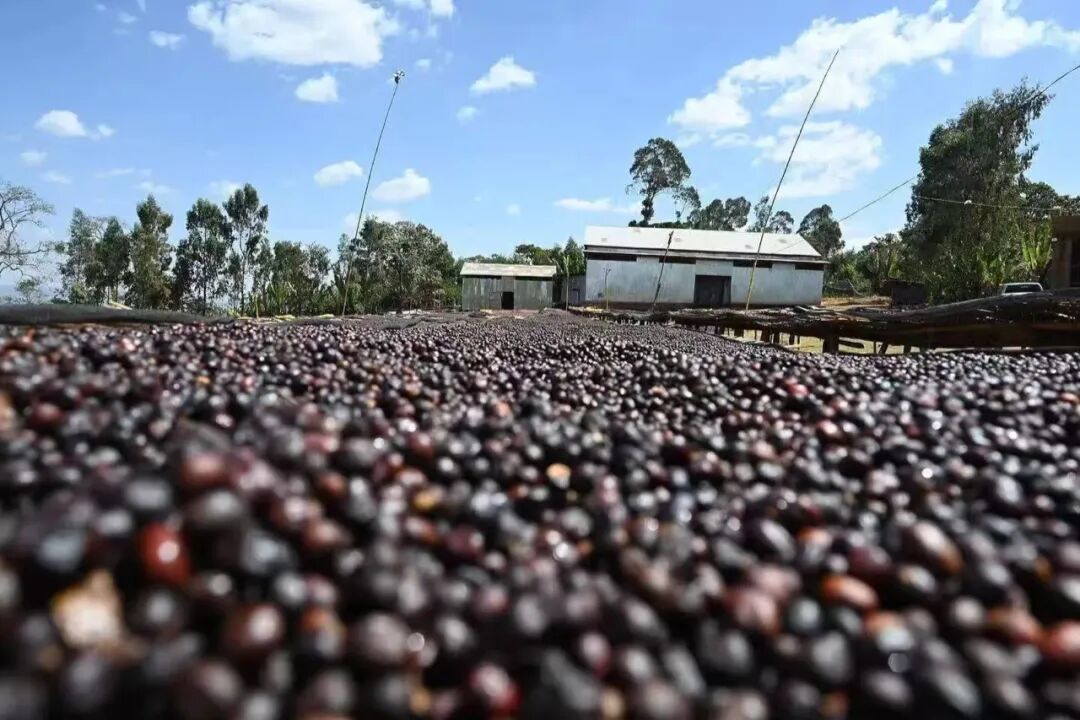
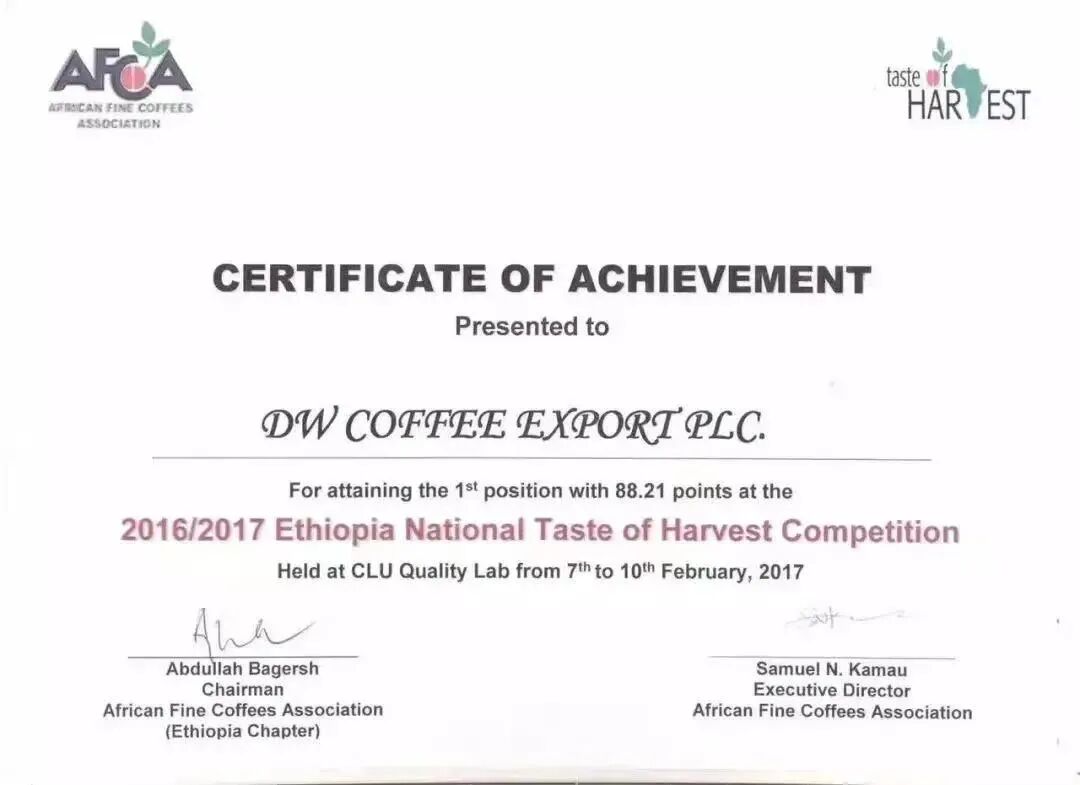
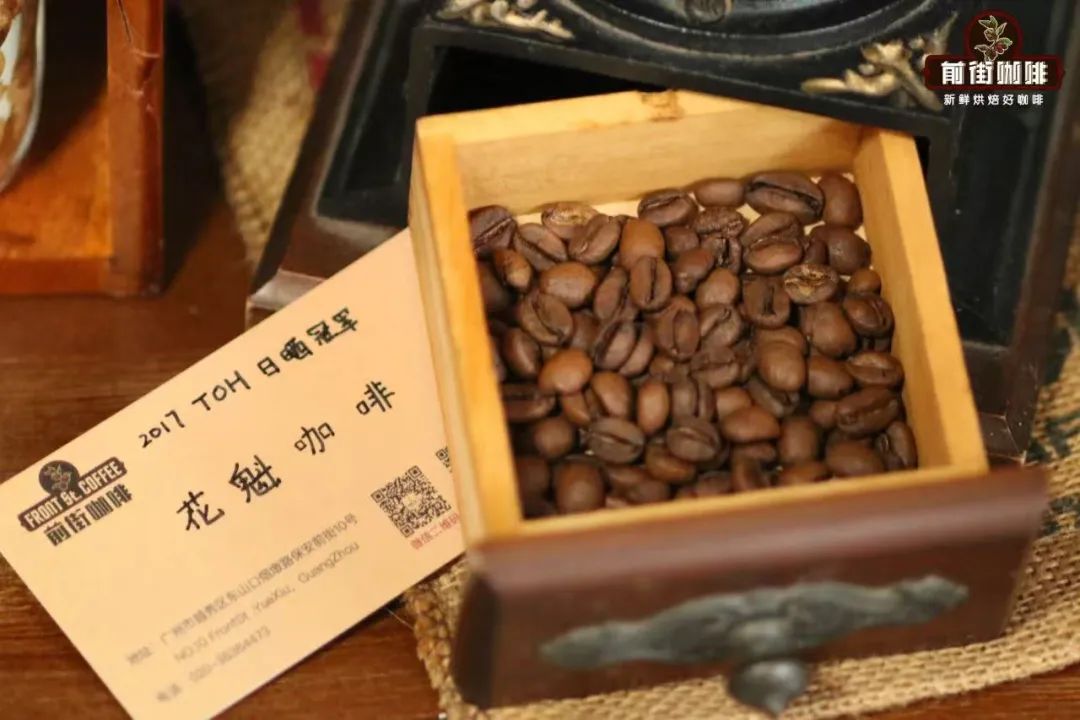
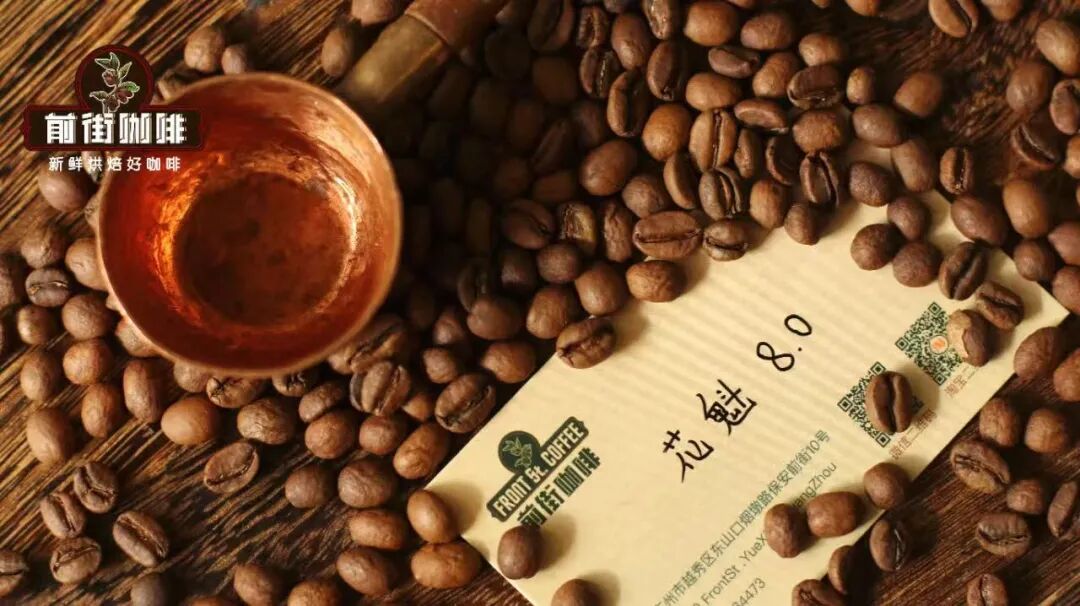
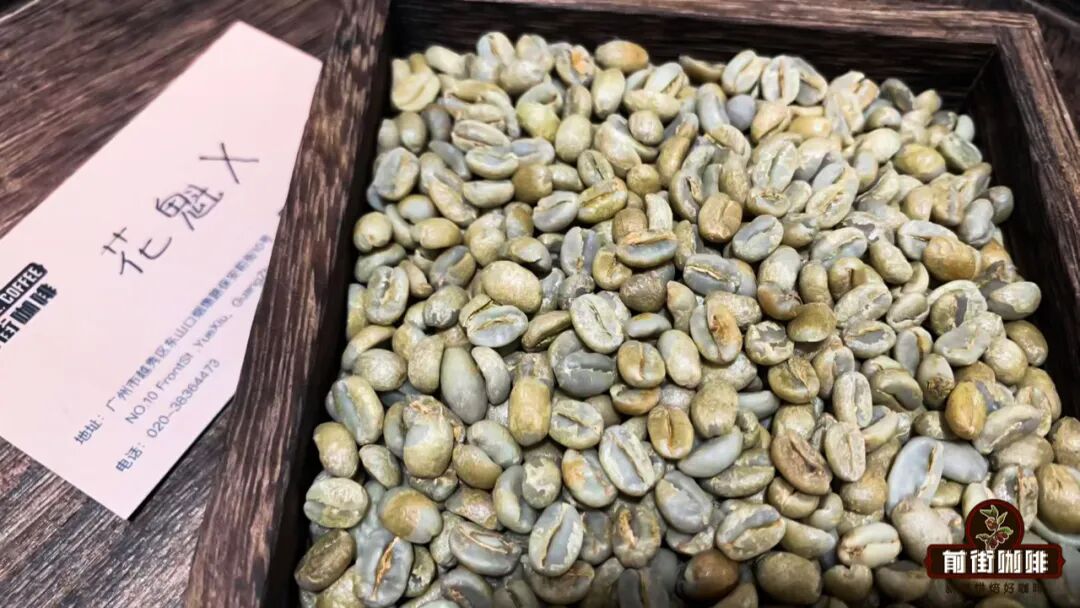
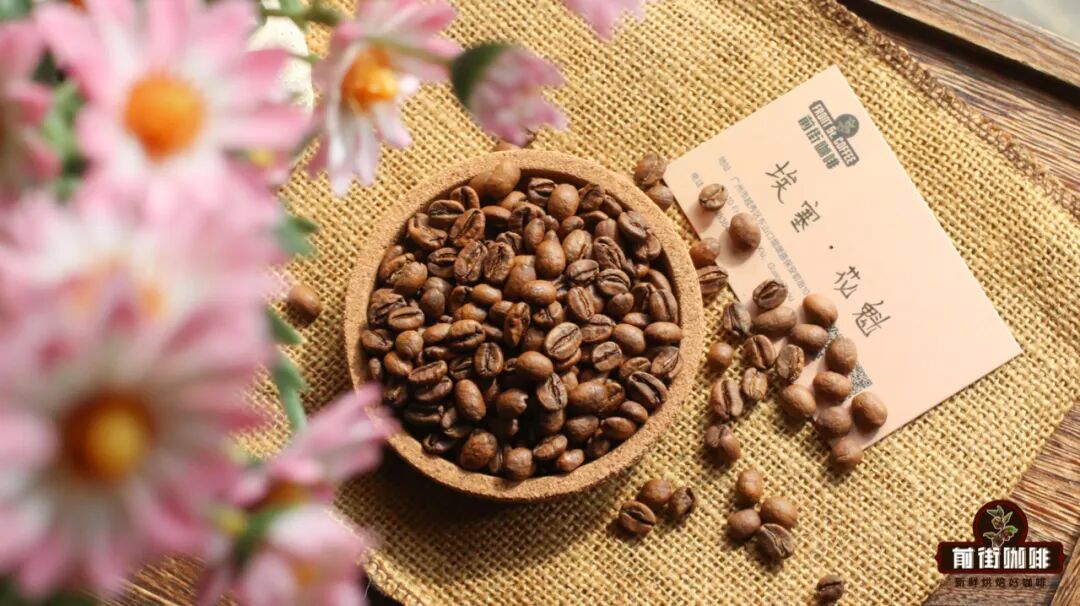
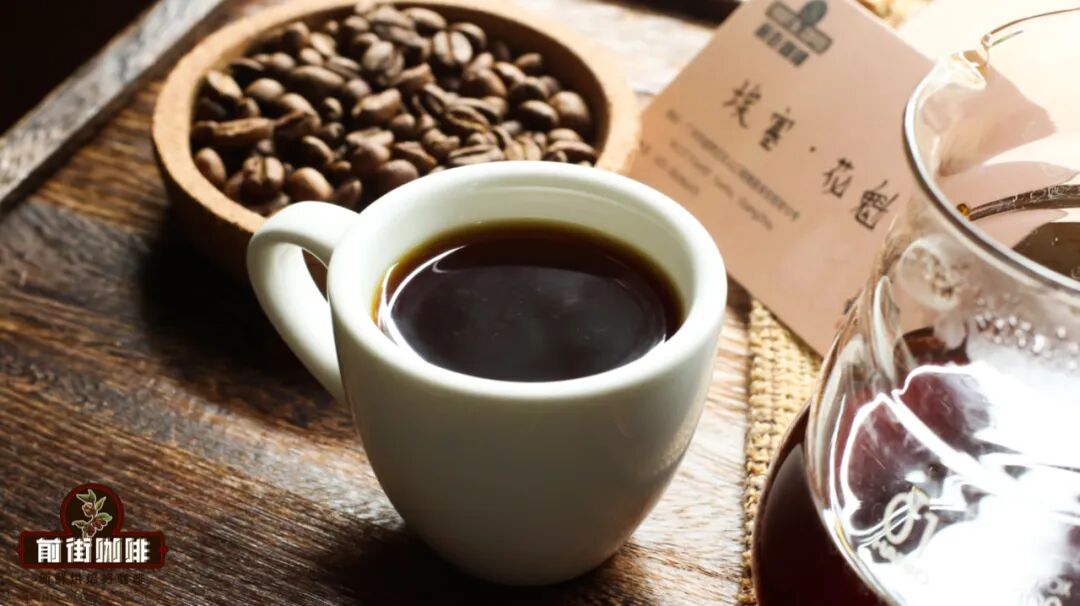
This year marks the 9th year since "Huakui Coffee" rose to fame. If we follow the previous naming conventions, this year's Huakui should come with a "9.0" suffix.However, more than half a year has passed, and many friends have noticed that "Huakui 9.0" is hardly seen on the menus of offline coffee shops! Not only that, even Front Street Coffee, which should have released its review early, hasn't shared any tweets about 9.0. This makes one wonder: is there no "Huakui 9.0" this year?Yes and no. The Huakui of the new season has actually been on the market for a while, and what Front Street Coffee has listed is already the latest batch of Huakui. If we follow the naming convention we previously understood, it should indeed be called Huakui 9.0. But unfortunately, this convention differs somewhat from our understanding, so this year's Huakui is not called Huakui 9.0.But this doesn't stop it from still being Huakui. So today, Front Street Coffee will share with you why there is no Huakui 9.0 this year, and whether the Huakui of the new season still has the same "Huakui flavor" as always.Why is this coffee called "Huakui"?Before "Huakui Coffee" became "Huakui," its name was "Hambella," which translates to "Hanbela." Like most coffees, it was named after the region where it is produced.Hambella is a sub-region of the Guji producing area in Ethiopia, which means Huakui is produced in Guji Hambella. To trace it more specifically, it is a sun-dried G1 coffee produced by the Buku Abel processing plantDimtu townin the Hambella producing area.In February 2017,Ethiopia's DW Coffee Company, when participating intheTOH green bean competition organized by the African Fine Coffees Association(Ethiopia National Taste of Harvest competition), chose this sun-dried coffee bean from HambellaBuku Abel processing plant to compete. Then this coffee bean won the championship of the competition with its extremely rich berry aroma and creamy texture.Subsequently, this winning coffee bean waspurchased by a green bean trader in Beijing, and based on its flavor and performance, the trader gave it the name "Huakui," meaning"the chief of a hundred flowers, outshining all others." So from this, you can see that "Huakui" is neither a variety name nor a place name, but a commercial name.After being introduced to China, Huakui was used by a contestant in the China Coffee Brewing Championship as a competition bean, and ultimately, with its excellent aroma and the contestant's outstanding performance, they achieved second place. However, since most of the contestants ranked below them used Geisha as their competition bean, that year, besides second place, Huakui also gained attention for "beating a bunch of Geishas," smoothly becoming the "rising star" of 2017.You should know that Huakui's advantages are not just its great flavor, but also its very affordable price. So when people actually started encountering Huakui offline, they were immediately captivated by its extremely high cost-performance ratio. As word spread, Huakui's fame grew higher and higher.Huakui's explosive popularity sharply increased market demand for it. It is said that the Huakui produced by DW Company that year reached as much as tens of millions of tons. Obviously, such a large output was not something that the previous productivity could handle. So after Huakui became famous, DW Company gradually expanded production capacity as demand increased. In addition to the Buku Abel we mentioned at the beginning,four nearby small villages—Buku Saysay, Haro Soresa, Tirtiro Goye, and Seke Bokosa—also joined the production of "Huakui," which was how they managed to meet the market demand for Huakui.Why does Huakui have a suffix?As Front Street Coffee has always emphasized, coffee beans are an agricultural product, and their taste can be influenced by many factors. So the taste of coffee cannot remain as stable as industrial products; even from the same origin and the same processing plant, the taste of coffee will differ from year to year. And the same goes for Huakui!For example, the Huakui of the 2018 new season was already somewhat different from the Huakui that won the championship the previous year. Although the flavor did not change much, its mouthfeel, aftertaste, and other aspects were slightly inferior.In order to better sell this sun-dried coffee from Hambella going forward, the domestic green bean trading company made a very clever decision: to distinguish the subsequently sold Huakui from the original version! The method was simple—give Huakui a "version number."Starting in 2018, every batch of Huakui produced would carry a suffix. For example, the batch produced in 2018 was called "Huakui 2.0," the batch produced in 2019 was called "Huakui 3.0," the batch produced in 2020 was called "Huakui 4.0," and so on.In short, it is calculatedstarting from 2017, with the number in the version name increasing year by year. In this way, we can use the suffix to know which year's product the Huakui in our hands is and whether it is the latest batch.According to this calculation, this year's Huakui batch should be the "9.0" version. But that is not the case. Last year, in the tweet about Huakui 8.0, Front Street Coffee joked that this naming method is somewhat similar to Apple's iPhone(which is also something people often joke about). As a result, this year the domestic green bean trader naming Huakui announced that, in tribute to Steve Jobs, this year's "version number" would be like the iPhone and skip 9 entirely, using X instead. That is, the new batch that should have been called Huakui 9.0 was named "Huakui X."Unlike phones, this change only appears in the name suffix; Huakui itself is still that sun-dried G1 coffee bean from Hambella. So some coffee shops, in order to let everyone focus on the beans themselves rather than the version name, simply removed the suffix and sold it directly under the original name "Huakui."(Front Street Coffee is one of them)Alright, finally the question everyone cares about most: does this year's Huakui still have the Huakui flavor?How does the Huakui of the new season taste?Although from the name it might seem that Huakui Coffee's main flavor characteristic should be rich floral aroma, that is actually not the case! Compared with floral notes, fruit flavors such as strawberry, mango, pineapple, blueberry, and citrus are Huakui's main characteristics, along with, of course, a creamy texture. And what won Huakui the competition championship back then was exactly these captivating aromas—this is what we often call the "Huakui flavor."It is worth mentioning that these are also the distinctive fruit flavors of Ethiopian Sidamo sun-dried beans. In Front Street Coffee's bean list, on Front Street Sidamo·Alo and Aito, you can also taste similar flavor characteristics. Alright, without further ado, next Front Street Coffee will share what kind of performance the Huakui of the new season actually has.Front Street Coffee:Ethiopia · HuakuiProducing Area: Guji·Hambella producing areaProcessing Plant: Buku AbelAltitude: 2250–2350 metersVariety: Local heirloom varieties
Processing Method: Sun-dried processingFlavor: Orange blossom, lemon, berry, blueberry, black tea
The Huakui of the new season already shows a very obvious aroma in the dry fragrance, with strawberry, orange, lemon, and jasmine floral notes. After pouring in hot water, you can smell the sweet aroma of chocolate, cream, and berries.
Through slurping, Front Street Coffee tasted clear fruit aromas such as orange, yellow peach, mango, and pineapple in this new-season Huakui—it is a rounded and full juice-like sensation! If you taste carefully, you can catch aromas similar to orange blossom. After the temperature drops a little, the sweetness is enhanced, and it begins to have a bit of the taste of fruit gummies. And after swallowing, you can feel the texture of black tea! Very nice, with very rich layers.
The above content is compiled by CoffeeHunters, a coffee news website.