







Search Results for: Floral Latte
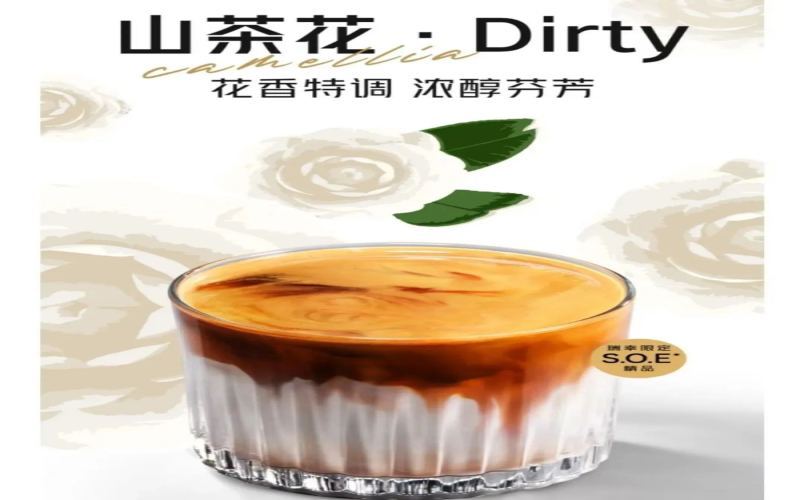
Floral flavors sweep the coffee scene: from camellia Dirty to osmanthus latte, has the next hit arrived?
The turnover of hit products in the coffee industry never stops. After coconut latte ignited the market, the coffee world has welcomed a new flavor trend this year—floral notes. Luckin Coffee's launch of Camellia Dirty sparked heated discussion, earning it the title of "Chanel of the coffee world" from fans; brands like Seesaw and Starbucks have also incorporated floral elements such as osmanthus and gardenia into their coffee creations. Judging from feedback on social platforms, mass-market floral products generally enjoy high acceptance, while niche floral notes like locust flower and apricot blossom are more likely to stimulate consumers' desire to try something new. Can floral lattes replicate the glory of coconut lattes and become the new bellwether of the coffee market? [more…]
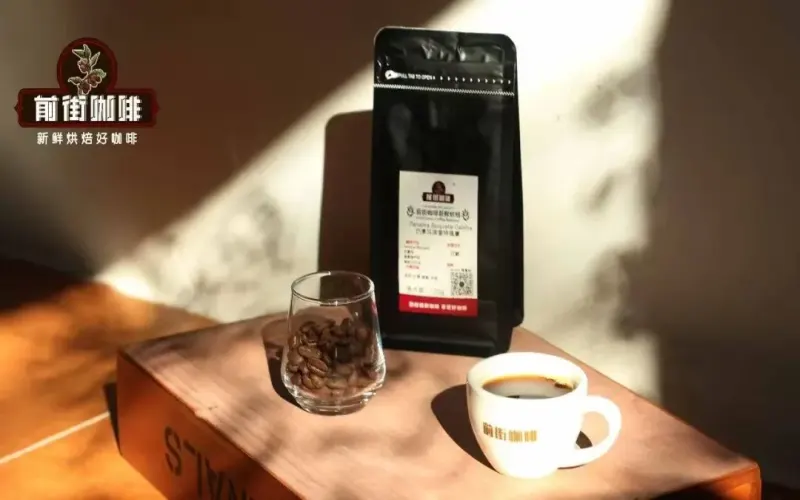
Is Geisha coffee good for espresso and iced Americano? A detailed guide to extraction parameters, coffee-to-water ratios, and latte pairing tips
Geisha coffee has become a favorite among countless coffee lovers thanks to its white floral aroma, citrus fruit notes, and fresh tea-like feel. We usually reach for a pour-over or French press to showcase its delicate flavors, but occasionally someone wants to try extracting Geisha with an espresso machine to make a latte or an Americano. So is Geisha actually suitable for espresso? The answer is: setting aside the price factor, absolutely, but you must pay attention to two key details—full extraction and ratio control. Light-to-medium roasted Geisha is denser and requires a finer grind and a longer extraction time than regular medium-dark roasted beans to avoid sharp acidity. At the same time, the ratio of coffee to milk or water also needs adjustment, so the fresh floral notes don't get diluted. Using the Costa Rica Strawberry Candy Geisha blend as an example, Front Street Coffee shares the specific parameters for Americano and latte, helping you avoid detours and easily make a delicious Geisha espresso drink. [more…]
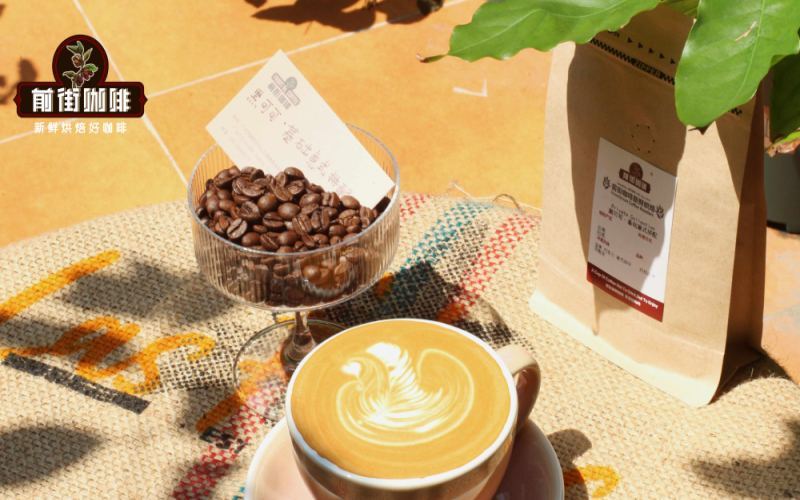
How Should the Espresso-to-Milk Ratio for a Latte Be Determined? Adjustment Approaches for Different Roast Levels and Hot vs. Cold Drinks
When making a latte at home, the question I get asked most often is what ratio of coffee to milk to use. Actually, there's no single standard answer to this question, because the beans' origin, processing method, roast level, and the flavor you ultimately want to present will all influence the choice of ratio. This article starts with espresso extraction, first explaining the extraction parameters suitable for medium-dark and medium roasts respectively, then, according to three types—dark-roast espresso beans, medium-dark roast blends, and floral-fruity medium-roast beans—gives specific ratio ranges for hot lattes and iced lattes, and combines Front Street Coffee's production examples to help you find the cup of latte that suits your taste. [more…]
A Step-by-Step Guide to Making an Authentic Latte: A Full Analysis of Milk Quantity and Espresso Ratios for Hot and Iced Drinks
Making a latte at home, do you always find that yours turns out either too bitter, or the milk flavor overwhelms the coffee aroma? Actually, as long as you choose fresh ingredients, master the espresso extraction ratio, and then adjust the coffee-to-milk combination based on the bean's roast level and whether you want a hot or cold drink, you can easily recreate coffee-shop quality. This time, Front Street Coffee breaks down the key points of latte-making clearly: from the espresso extraction formula and the flavor tendencies of beans at different roast levels, to the coffee-to-milk ratios best suited for hot lattes and iced lattes respectively, along with reference solutions based on specific products such as Front Street Coffee's Huakui SOE and Sunflower·Warm Sun blend. Whether you prefer a rich, toasty aroma or a fresh, floral-fruity profile, you can find the balanced, delicious cup that suits you. [more…]
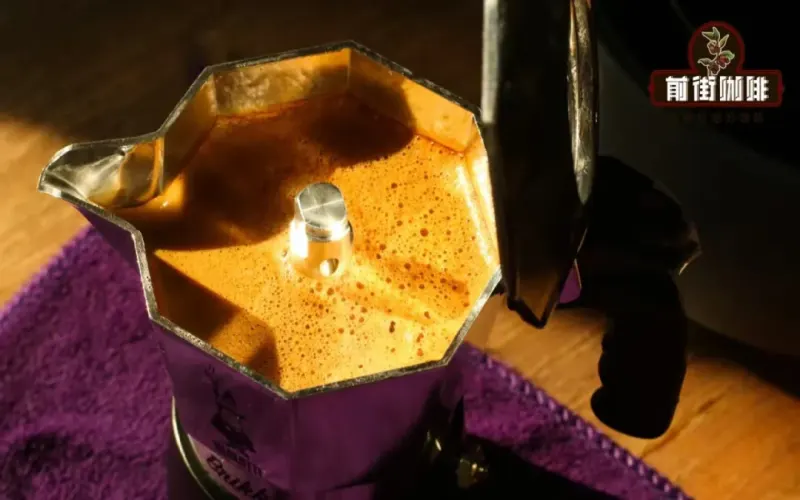
Moka Pot Can Also Make Standard Espresso-Based Drinks: Espresso Enhancement Tips and Floral Coffee Bean Recommendations
The moka pot uses pressurized extraction, and its principle is the same as that of an espresso machine. Therefore, it can make black coffee with a concentration close to espresso, and is regarded by many people as a home alternative to an espresso machine. On this basis, it can then be used to recreate Americano, latte, mocha, and other specialty coffee drinks. However, the pressure of a moka pot is limited, and the coffee concentration is only close to espresso. When milk is added directly, the result often tastes too watery, so the key is to increase the concentration of the coffee itself. This article will explain why it is necessary to increase the coffee-to-water ratio and extraction efficiency, and will provide adjustment directions such as grind size, coffee dose, and heat level. It will also recommend coffee beans with floral and fruity notes that are suitable for the moka pot, and finally use Golden Mandheling as an example to fully demonstrate the production process and parameters for a cup of moka pot latte. [more…]
Can Light Roast Coffee Beans Be Used for Espresso? A Real-World Test of Front Street Huakui, Gudingding, and Dorothy in Americano and Latte
People generally assume that espresso must be made with dark-roasted beans, but nowadays quite a few cafés have already lowered the roast level to City roast or even lighter. This time, Front Street Coffee used three light-roasted Ethiopian beans—Huakui, Gudingding, and Dorothy—to pull espresso separately and make Americanos and lattes, wanting to see how light-roasted beans actually perform in espresso. The experiment found that light-roasted beans tend to preserve bright fruit acidity and floral aromas when made into an Americano, but the flavors are easily overpowered by milk when made into a latte. If you also want to try using light-roasted beans for espresso, first adjust the grind finer, control the pressure and pre-infusion time, and you may be rewarded with an unexpectedly juicy espresso. [more…]
How to Pair Milk with Espresso Beans for a Delicious Latte? From Historical Origins to Front Street Coffee's Brand Bean Selection Guide
The combination of coffee and milk has a history of more than three hundred years. From the 17th century, when aristocrats added milk to improve the astringency of tea, to the 20th century, when espresso machines gave rise to cappuccino and latte, milk coffee culture has continued to evolve. Today there are many varieties such as latte and flat white, but the key to a delicious milk coffee lies in the pairing of milk and espresso beans. This article sorts out the historical thread of adding milk to coffee, explains Front Street Coffee's latte recipe in detail, and recommends a variety of espresso beans specially suited for milk coffee: from the rich nutty and chocolate notes of the classic blend, to the fruity and floral sweetness of Strawberry Candy and Xizhua SOE, and then to the caramel and vanilla flavor of Sunflower Warm Sun. At the same time, it discusses the logic of selecting full-fat fresh milk, helping enthusiasts understand how the taste of milk and the taste of coffee can be balanced. [more…]
Why is SOE Latte so favored? Front Street explains single-origin espresso hot latte bean selection and preparation essentials
In the world of milk coffee, the latte has become one of the most popular drinks thanks to the marriage of espresso and milk. In recent years, SOE lattes have gradually gained popularity, winning over many coffee lovers with the distinct character of single-origin coffee beans. So what exactly makes an SOE latte special? What coffee beans should you choose to make a delicious hot SOE latte? And how should the ratio of coffee to milk be managed? Drawing on Front Street's production experience, this article sorts out the differences between blends and single-origin espresso, and uses the Costa Rica Mirazu Strawberry Candy Geisha blend as an example to fully demonstrate the extraction parameters and operating procedure for a hot SOE latte, helping you make a latte that boasts both floral-fruity aromas and milky sweetness. [more…]
Coffee to Milk Ratio | How does the coffee-to-milk ratio in a latte affect the taste? What's a suitable coffee-to-milk ratio for making a latte at home?
Front Street bets that among all the coffee drinks coffee machine owners make at home, milk coffee must be at the top, and among them, the latte is the undisputed "face" that everyone favors. Because of this, Front Street constantly receives many questions about making lattes at home, such as "what milk is best" and "how [more…]

Moka Pot Coffee Features | What Beans Should You Use for a Moka Pot? Can You Make Americano and Latte at Home with a Moka Pot? Top 5 Moka Pot Coffee Bean Recommendations for 2026
As home coffee brewing becomes increasingly popular, the moka pot has quickly become the "first pot" for coffee beginners thanks to its attractive appearance, affordable price, and low barrier to entry. If you've just gotten your hands on a moka pot but don't know what coffee beans to pair with it, be sure to bookmark this article! The working principle of the moka pot [more…]
How to make a floral espresso? Front Street Strawberry Candy Blend delivers consistent extraction and fruity-floral sweetness
For a latte art coffee with floral aromas, bean selection is key. Front Street Coffee's Yirgacheffe Gidding and Front Street Coffee's Panama Geisha are certainly captivating, and Front Street Coffee's sun-dried Huakui and Front Street Coffee's Blackberry can also deliver rich fruity notes, but these light-roast beans are better suited to pour-over or cold brew, as their extraction is unstable when pulled as espresso. Therefore, a medium-roast blend designed specifically for espresso is needed. Front Street Coffee's Strawberry Candy espresso blend combines three major origins—Costa Rica, Colombia, and Ethiopia—preserving the floral and honeyed notes of Geisha, enhancing the sweetness of honey processing, and drawing out caramel flavors. Used to make an americano or latte, it offers a fuller body and presents the sweet aromas of strawberry fruit candy, grapes, and roses, with low bitterness and a lingering finish—making it an ideal choice for a floral espresso. [more…]
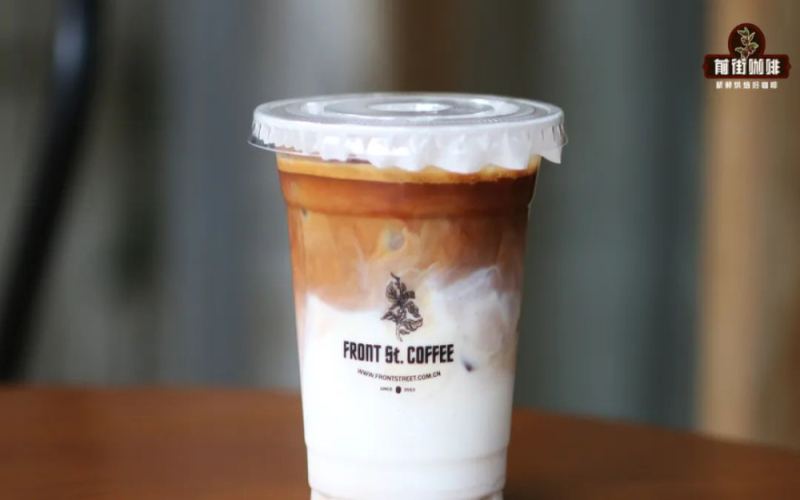
Iced Latte Making Tutorial: From Espresso Extraction to Milk-Coffee Ratio, Solving the Bitter and Sour Issues of Iced Latte
On a hot summer day, many people want to shake off drowsiness with a cup of coffee, but find Americano too bitter. At times like this, a sweet, smooth iced latte becomes the ideal choice. This article will teach you step by step how to make a delicious iced latte at home, covering everything from espresso extraction parameters and ideas for choosing coffee beans, to the ratio of milk to coffee, and even the small details that are easy to overlook during preparation. It will also discuss whether an iced latte actually tastes bitter or sour, and how to choose between it and an iced Americano. If you love floral and fruity notes, the article also recommends beans suitable for making iced lattes, such as Front Street Coffee Strawberry Candy Espresso. [more…]
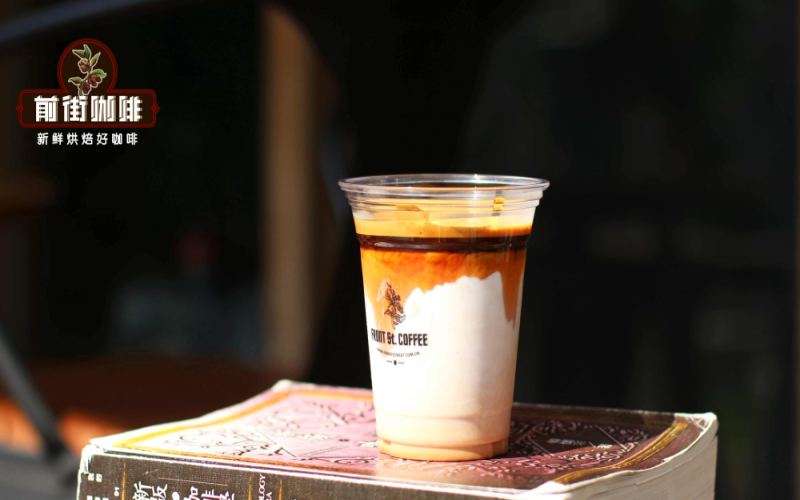
Latte Recipe | How to Distinguish Cappuccino, Mocha, and Latte? What Is the Espresso-to-Milk Ratio for Making a Latte?
For more specialty coffee knowledge, please follow: Front Street Coffee (Frontsteet Coffee). Front Street bets that among all the coffee drinks made at home by those who own a coffee machine, milk coffee must be at the top, and among them, the latte is the "face" that is especially favored by everyone. Because [more…]
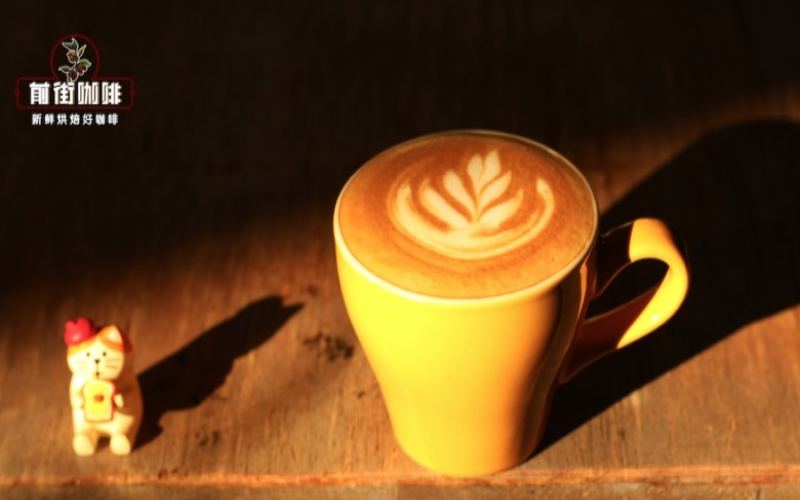
Original or Flavored Latte: Two Paths for Choosing Beans
Before ordering a latte, it's worth asking yourself one question: do you want a solid milk coffee, or one with a playful twist? This question splits lattes into two paths, and also cleaves the direction of bean selection in half. If the path isn't decided, even the best beans won't deliver the mood you expect. The original-flavor path pursues a harmony of the beans' and milk's true essence. [more…]
How to Distinguish Cappuccino, Mocha, and Latte? A Detailed Guide to the Ratios of Espresso and Milk
Latte, cappuccino, and mocha all contain espresso and milk, but their styles and ratios differ noticeably. Starting from the flavor balance of a latte, this article explains how espresso extraction parameters affect the performance of a milk coffee, and compares the thick milk foam of a cappuccino with the sweet aroma of a mocha after chocolate is added. The article also combines beans such as Front Street Coffee's classic espresso blend, Huakui SOE, and Xizhua to provide coffee-to-milk ratio suggestions for hot and iced drinks under different roast levels, helping coffee enthusiasts find a pairing method that suits them when making cold brew at home. [more…]
How Should the Milk-to-Espresso Ratio Be Set for a Latte? A Guide for Pairing Different Roast Levels with Hot and Cold Drinks
When making a latte at home, the step that most often trips people up isn't steaming the milk—it's not knowing exactly what ratio of coffee to milk to use. This article centers on the frequently asked question of "how much milk is appropriate," first explaining the balanced characteristics a good latte should have, then starting from the espresso extraction formula commonly used at Front Street Coffee, and combining the performance of coffee beans at different roast levels such as medium-dark and medium roast to break down the recommended ranges for coffee liquid and milk in both hot and iced drinks. The article will provide basic parameters such as a 1:2 coffee-to-water ratio and a 25–30 second extraction, and will also use specific cases like dark-roast Robusta, Sunflower·Warm Sun blend, and Huakui SOE to explain how to flexibly adjust between 1:4 and 1:8, helping coffee enthusiasts find a latte recipe that suits their taste more quickly. [more…]
What Exactly Is an Australian White Coffee? A Full Breakdown of the Calories and Differences Between Flat White, Latte, Cappuccino, and Mocha
Many Starbucks regulars are no strangers to Flat White—espresso paired with fine, dense microfoam, rich and smooth on the palate, it's quite popular. But if you ask further, "What exactly is Flat White?" the answer often points to another name: Australian White Coffee, also known as Flat White. It goes by different names across various chain brands: Starbucks calls it Flat White, COSTA calls it Artistry White, McDonald's calls it Aussie White, while specialty coffee shops prefer to simply call it Australian White. How exactly does Australian White differ from latte, cappuccino, and mocha? What are the secrets behind milk foam thickness, espresso base, latte art space, and calorie levels? In this article, Front Street Coffee will break down these Italian milk coffees one by one, and share the bean selection, extraction parameters used for making lattes in-store, as well as two Front Street espresso blend recommendations tailored for floral-fruity notes and oily mouthfeel. [more…]
Floral Queen Natural G1 Flavor Analysis: Mouthfeel Differences Between Espresso, Americano, and Latte, and Key Points for SOE Preparation
Front Street Coffee's Huakui coffee, with its distinct fruity aroma profile, has become a daily choice for many coffee lovers. This naturally processed bean from the Buku Abel washing station in Hambela, Ethiopia, once won the natural category championship at the TOH green bean competition with its rich berry aroma and creamy texture, and was subsequently introduced to the domestic market and named "Huakui." It adopts the traditional natural process, sun-dried on raised beds for 21 days with manual removal of defects, ultimately presenting a full, three-dimensional fruity aroma with sweet-and-tart texture. Front Street's natural Huakui is G1 grade, with an extremely low defect rate. This article will focus on adjusting the extraction parameters for Huakui SOE, analyzing its flavor performance when made into espresso, americano, and latte, and offering specific recommendations for home brewing. [more…]
Can Lightly Roasted Coffee Beans Be Used for Espresso? Testing Huakui, Gudingding, and Dorothy in Americano and Latte
Espresso typically uses darker-roasted beans, but can light roasts handle espresso extraction? Front Street Coffee conducted experiments with three Ethiopian beans: Huakui, Gudingding, and Dorothy. By adjusting grind size, pre-infusion time, and pressure, they made espresso, Americano, and latte respectively, comparing the flavor performance. The results showed that light-roasted beans in Americano can showcase bright fruit acidity and floral notes, but in latte the coffee flavor is easily masked by milk. This article documents the experimental parameters and tasting impressions in detail, providing a reference for enthusiasts who want to try light-roast espresso. [more…]
Yirgacheffe SOE Espresso Flavor Analysis: A Complete Guide from Americano to Latte
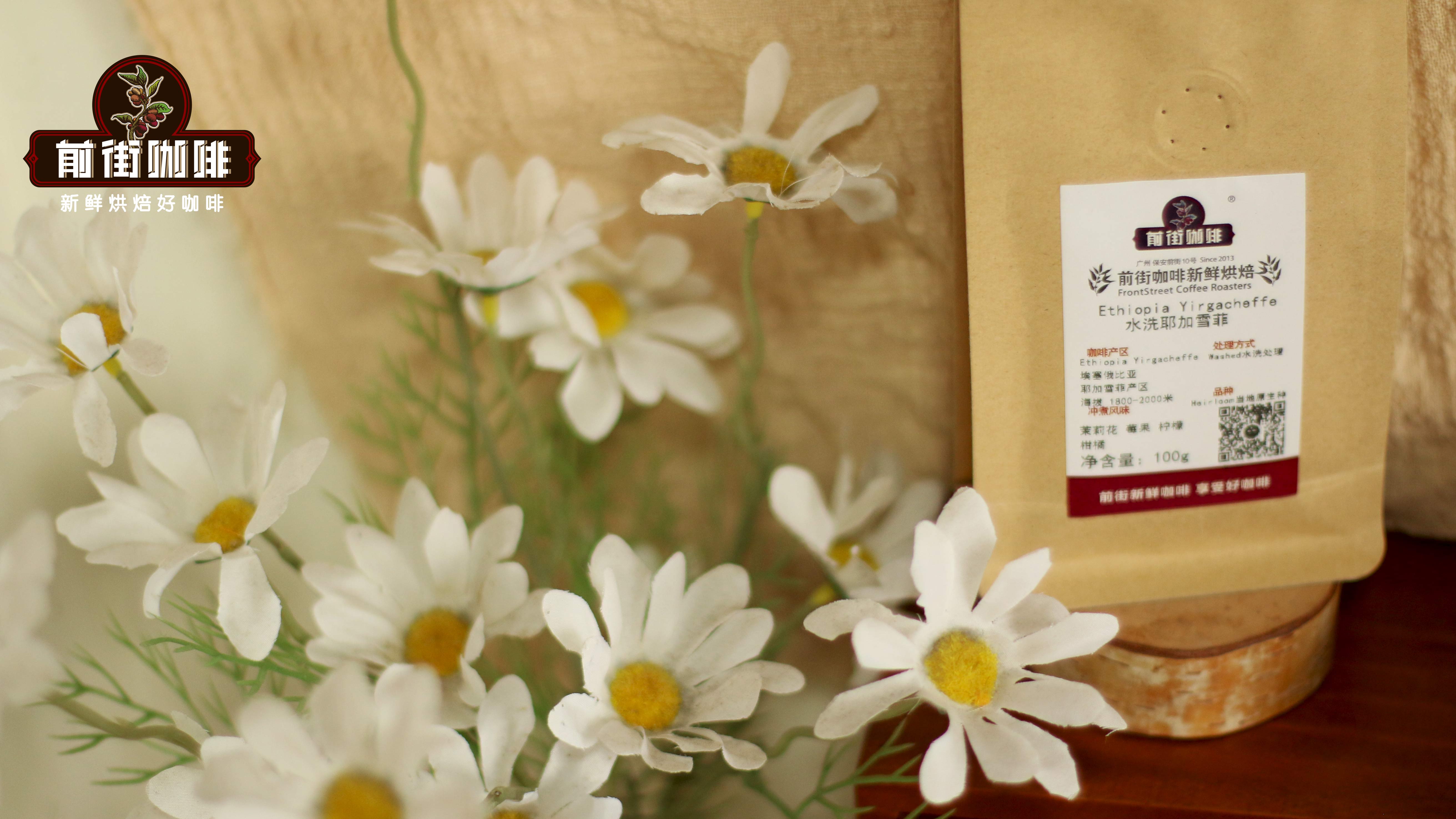
Yirgacheffe, with its bright acidity and floral aroma, overturns the stereotype that coffee is only bitter. Starting from the region's characteristics and flavor definition, this article will guide you to understand why Front Street Yirgacheffe is so popular, and provide a detailed introduction on how to use Front Street Natural Red Cherry SOE to make a cup of Americano or Latte full of juicy fruitiness. Whether you are a beginner just getting into specialty coffee or an enthusiast looking to advance and try espresso, you will find practical operating parameters and flavor descriptions here. [more…]