







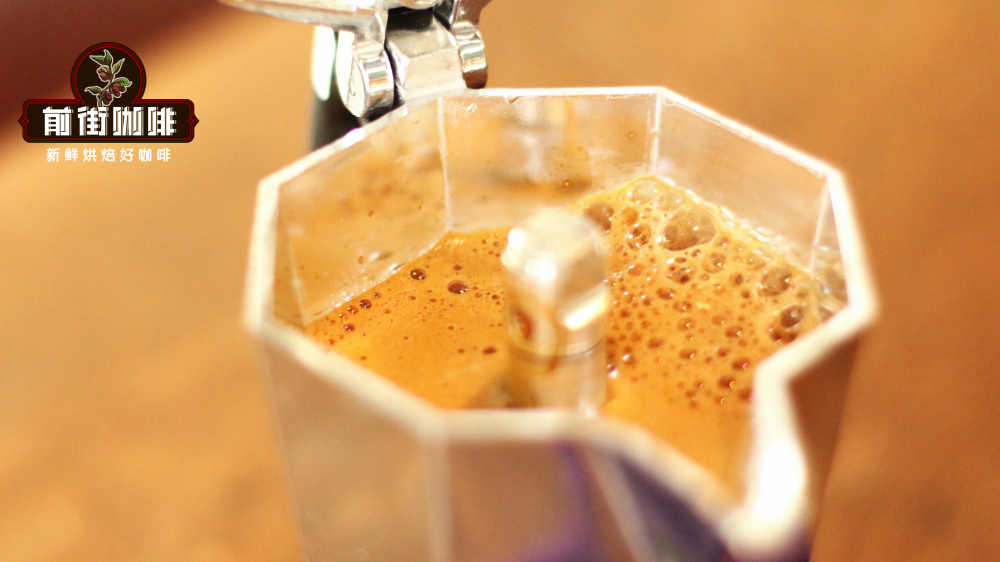
As home coffee brewing becomes increasingly popular, the moka pot, with its high aesthetic appeal, affordable price, and low barrier to entry, has quickly become the "first pot" for coffee beginners. If you've just gotten a moka pot but don't know what coffee beans to pair with it, be sure to bookmark this article!
How the Moka Pot Works
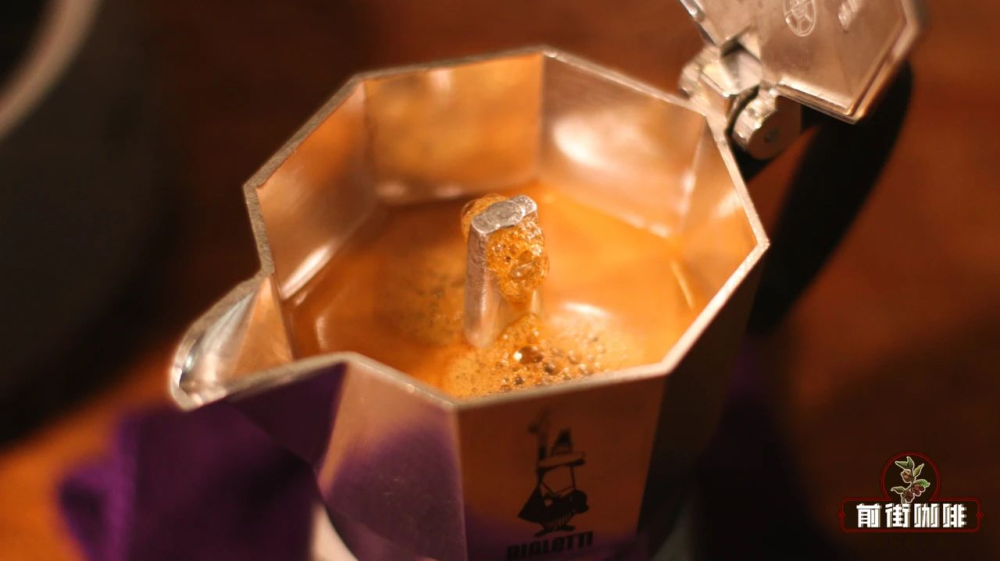
The extraction principle of the moka pot is actually quite simple: fill the bottom chamber with hot water, place a metal filter basket filled with ground coffee in the middle, screw on the top chamber, and place it on a stove to heat. When the water temperature rises and steam generates pressure, the hot water is pushed by pressure through the coffee grounds, extracting upward, and finally flows through the conduit into the top chamber—and a cup of richly aromatic coffee is ready.
What Coffee Beans Are Suitable for the Moka Pot?
Coffee brewed with a moka pot has a rich, full-bodied taste and sometimes even produces a beautiful layer of crema. Although its concentration can't match a professional espresso machine, as a home daily coffee gadget, it's more than enough to meet the needs of the vast majority of people.
The key to achieving both rich flavor and abundant crema in moka pot coffee lies in choosing the right coffee beans.——Prioritize fresh coffee beans with a medium-dark roast or darker.
The reason is simple: freshly roasted beans retain a large amount of carbon dioxide inside, and dark-roasted coffee beans have a looser structure—the combination of both makes it easier to extract a rich layer of crema. At the same time, dark roasting also brings pleasant roasted aromas like chocolate, cocoa, butter, cookies, caramel, and spices, which are very well-suited to the moka pot's extraction method.

For coffee novices just starting out, high cost-effectiveness is king. Below, we'll round up 5 of the most popular, highly acclaimed moka pot coffee beans—covering everything from rich and bold to floral and fruity. There's sure to be one that suits you!
Buying advice: For all coffee beans, we recommend choosing5products freshly roasted within days, for more consistent quality and better flavor.

1. Rich Cocoa | Classic Italian Blend Coffee Beans
Why we recommend it: An upgraded version of the classic Mamba recipe, rich in crema, the top choice for latte art
Many coffee lovers have heard the name "Mamba Coffee," but may not know its origins. Mamba is a blend of Indonesian Mandheling and Brazilian coffee beans. The two complement and harmonize with each other in flavor, and it once swept the early coffee culture, making it a classic of its generation.
This classic Italian blend adds Robusta beans to the traditional Mamba recipe, greatly enhancing the coffee's crema and body, making the espresso taste fuller and more powerful. Whether enjoyed straight or used to make lattes and latte art, it performs exceptionally well—perfect for everyday home use.
Flavor keywords: Cocoa, full-bodied, rich crema
Best for: Latte, cappuccino, latte art practice
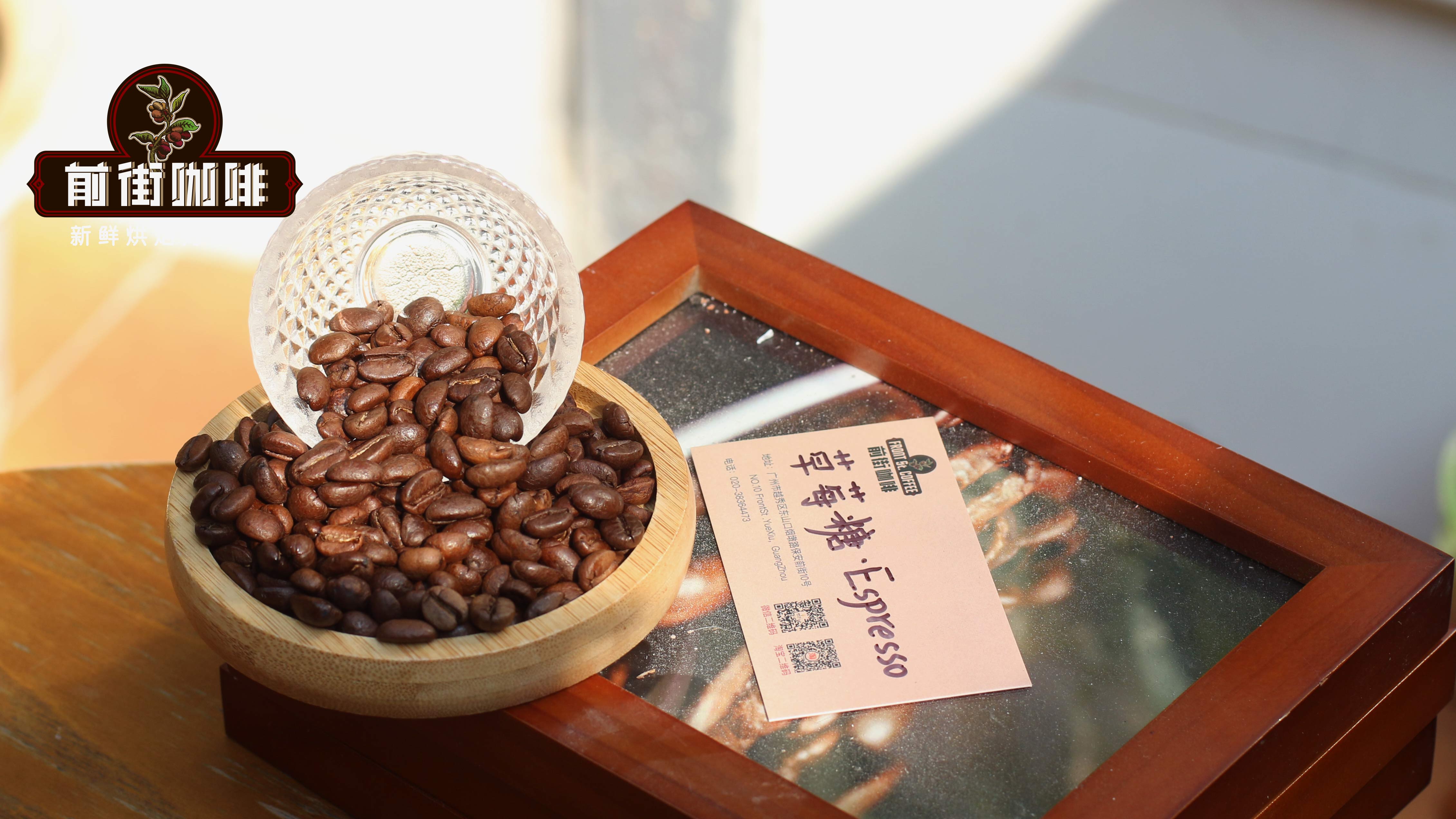
2. Floral and Fruity | Strawberry CandyEspressoEspresso Blend Coffee Beans
Why we recommend it: Balanced sweet-tart flavor, prominent floral and fruity notes, overturns your impression of espresso
If you want to make espresso with floral and fruity aromas at home, you'll need to focus on medium-roast coffee beans. This Strawberry Candy Espresso blend features coffee beans from Costa Rica's Tarrazú region, renowned for its honey processing, paired with Ethiopian beans—the birthplace of coffee—and rounded out with Colombian coffee beans.
The resulting espresso is neither harsh nor sharp, with good crema and a velvety texture, along with a sweet-tart flavor like strawberry gummy candy—fresh and delightful, perfect for those who enjoy fruity coffee.
Flavor keywords: Strawberry, floral, balanced sweet-tart
Best for: Americano, iced latte, fruity specialty drinks
3. Nutty and Cocoa Notes | Specialty Italian Blend Coffee Beans
Why we recommend it: Brazil + Colombia golden duo, a classic combination where 1+1 > 2
Brazil and Colombia, as the world's top coffee-producing countries, each have distinct flavor characteristics. This specialty Italian blend skillfully combines coffee beans from both origins—Brazilian beans bring soft nutty aromas and balanced taste, while Colombian beans contribute rich chocolate notes. Together they create a rich layering of creamy cookies, cocoa, and roasted nuts.
This is a very "safe" choice, especially suitable for those who don't like acidity and prefer full-bodied coffee.
Flavor keywords: Creamy cookies, cocoa, roasted nuts
Best for: Americano, latte

4. Coffee Shop Style | Commercial Italian Blend Coffee Beans
Why we recommend it: Recreates the coffee shop taste—enjoy the same Americano and latte at home
Want to recreate the classic taste of a coffee shop at home? This commercial Italian blend is your best choice. It carefully combines coffee beans from three major origins—Brazil, Colombia, and Vietnam—and after medium-dark roasting, it has rich crema and intense roasted aromas.
Made into an Americano, it's mellow, gentle, and very easy to drink; made into a latte, it's rich and smooth with a lingering aftertaste. Best of all, it's affordable—perfect as an everyday "staple bean" for home, so you can drink it daily without feeling the pinch.
Flavor keywords: Mellow, roasted aroma, smooth
Best for: Americano, latte, daily staple
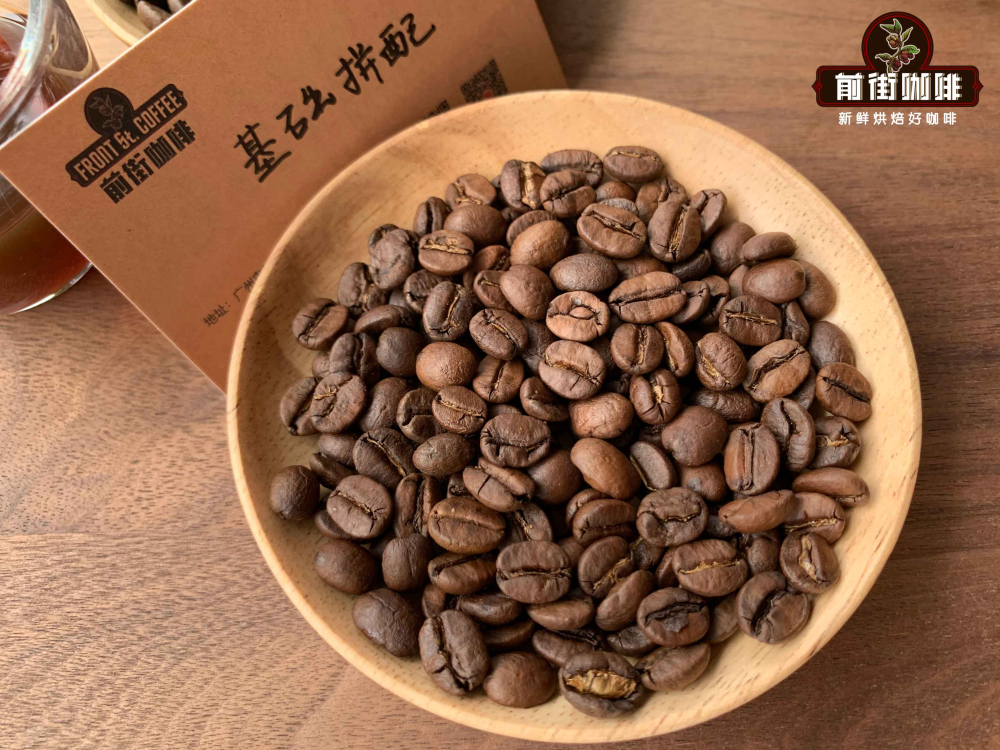
5. Ultimate Value | Basic Italian Blend Coffee Beans
Why we recommend it: Top choice for beginners, friendly price, meets all your daily coffee needs
For coffee novices just getting started, the most important thing about your first bag of beans is—don't buy expensive ones! This basic Italian blend is tailor-made for budget-conscious beginners.
It has soft fruity acidity, caramel-like sweetness, and rich flavors of nuts and dark chocolate, with a smooth, syrupy texture and an overall balanced performance. Whether for everyday home drinking or daily output at a small coffee shop, it handles the job with ease.
Flavor keywords: Caramel, nuts, dark chocolate
Best for: Americano, latte, beginner practice
The above content is compiled by CoffeeHunters, a coffee news website.


