








Front Street bets that among all the coffee drinks made at home by those who own a coffee machine, milk coffee must be at the top, and latte is the most beloved "flagship" among them. Because of this, Front Street often receives many questions about making latte at home, such as "what kind of milk to choose", "how to steam milk", "how to pour latte art", and the most frequently asked question: what ratio of latte is best?
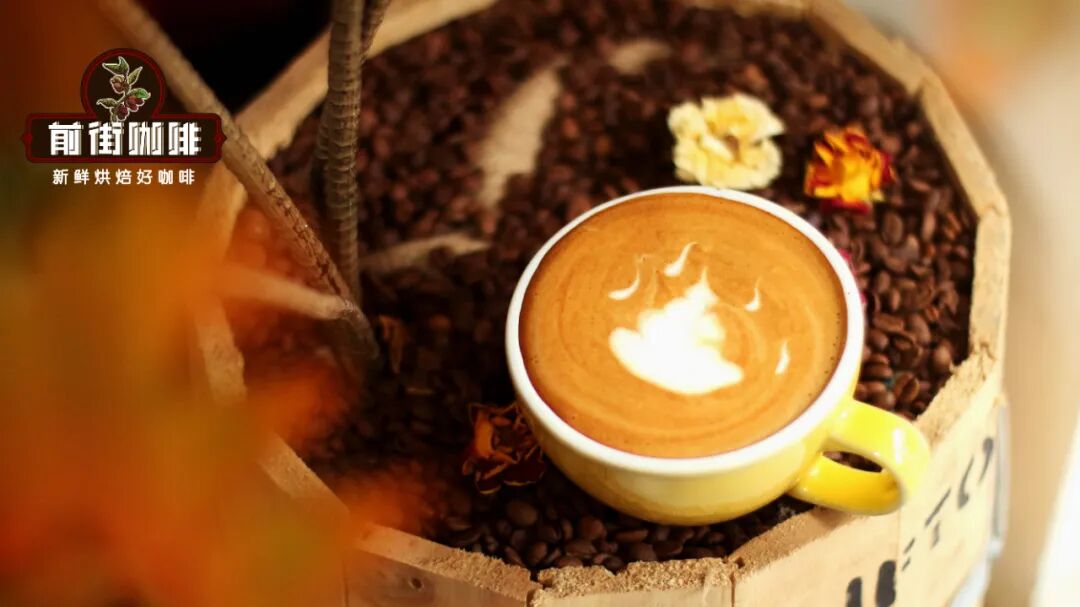
What are the characteristics of a delicious latte?
Many customers say that compared to the latte they drink in coffee shops, their homemade version is either too bitter or lacks coffee aroma and richness. In Front Street's view, making a latte like a coffee shop is not difficult at all, as long as we choose fresh ingredients, find a moderate espresso extraction ratio, and pair them properly, we can easily replicate the same style.
First of all, the original name of latte "Caffè Latte" already tells us that the protagonists of this drink are both coffee and milk. To present its best taste, the flavors of the two must reach a balance in the cup, that is, use milk to neutralize the stimulating bitterness of espresso, and under uniform fusion, make the coffee taste milder, richer and smoother. And this is one of the reasons why latte is always the most popular among consumers.
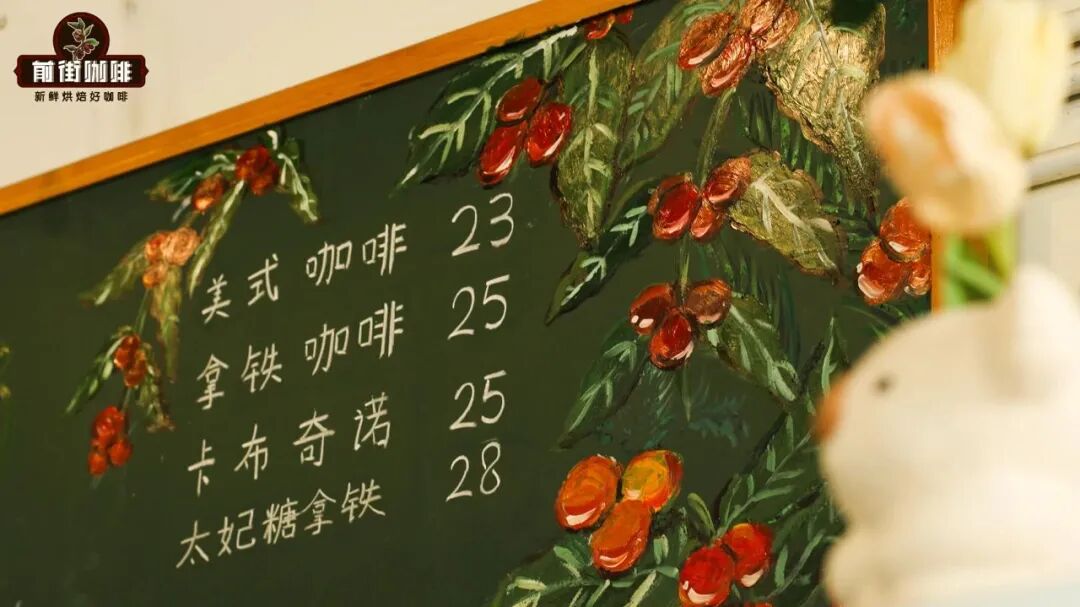
Espresso ratio
Friends with experience know that the taste of a latte largely depends on the coffee beans used, followed by the espresso extraction ratio, and then milk (you can refer to the previous 「Milk review! How big is the difference between coffees made with different fresh milks?」).
The reason why the choice of coffee beans is important is ultimately because it directly determines the final flavor of a latte. To make the coffee delicious, first ensure freshness, and then the espresso extraction ratio, because it not only affects the concentration of the coffee base itself, but also affects how the "coffee flavor" of the whole latte is.
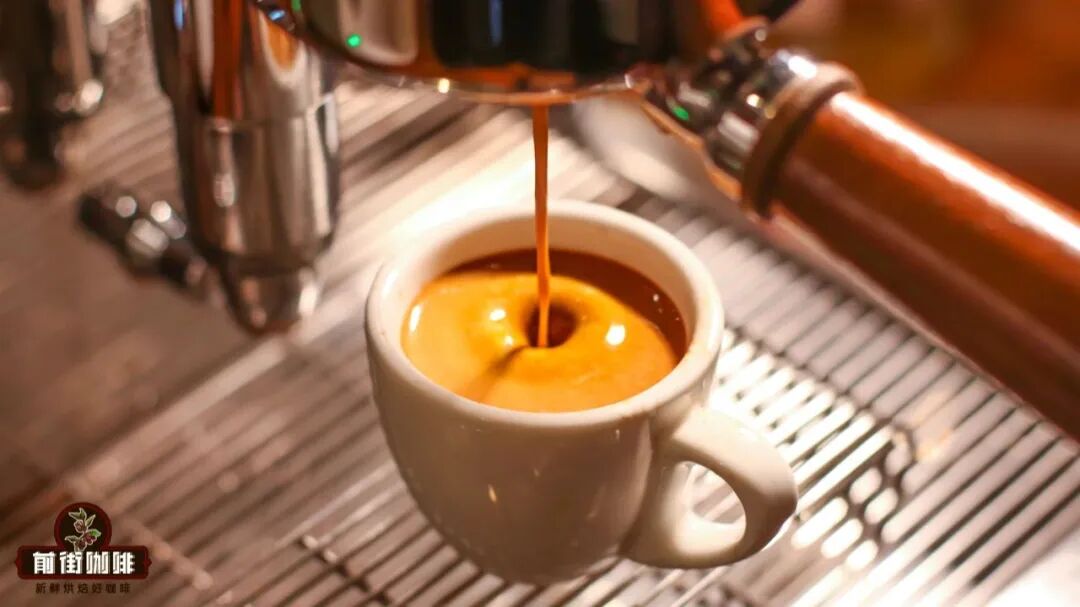
If you use medium to dark roasted coffee beans to make latte, its taste generally tends to be rich, caramelized, with a bit of nutty characteristics. Front Street suggests that you first apply the basic formula we mentioned in many articles:Powder-to-liquid ratio 1:2 (20g coffee powder extracts 40g coffee liquid / 18g powder corresponds to 36g liquid weight), time is about 25-30 seconds, and ensure no splashing or unstable flow rate throughout. Under this ratio, the coffee liquid is highly concentrated, with moderate aroma, and can well adapt to fancy coffees like latte.
If you use medium roast coffee beans to make latte, such as the Front Street Huakui SOE that emphasizes floral and fruity notes, then we are more pursuing a cup of latte that is soft, fragrant, and less bitter. To provide enough coffee aroma, adjustments need to be made in extraction.

Considering that lighter roasted coffee beans require a higher extraction rate, extending the extraction time is undoubtedly a good way. When the powder-to-liquid ratio remains at 1:2, we can adjust the grind finer to make the time fall between 30-35 seconds. The espresso made this way can make milk coffee show richer floral and fruity flavors. (PS: For espresso extraction, light roast (extremely light roast) coffee beans have low compatibility and are prone to splashing and lack of aroma, so Front Street will not include them in the discussion here)

UsingdifferentWhat does the ratio of coffee and milk determine?
Whether hot or cold, the ratio of coffee to milk is the key to determining who dominates in a latte. In short, adding too much milk will mask the coffee flavor, making the latte taste thin and lacking richness; using too little milk will make the bitterness of the coffee obvious, and even make it lack sweetness; only when the two are coordinated can the taste of the latte reach balance. Therefore, a suitable ratio is actually finding a balance point between milk and coffee liquid.
In many latte-making tutorials provided online, coffee and milk usually have a rough ratio range, sometimes 1:4 to 1:6, sometimes 1:4 to 1:8. In short, there is no fixed standard. Front Street believes that the reason these data are so "vague" is mainly because each store/brand uses different coffee beans, and their origin, processing method, roast level, and blend formula are more or less different, which makes the extracted espresso have different flavor tones, thus changing the overall style of a latte.
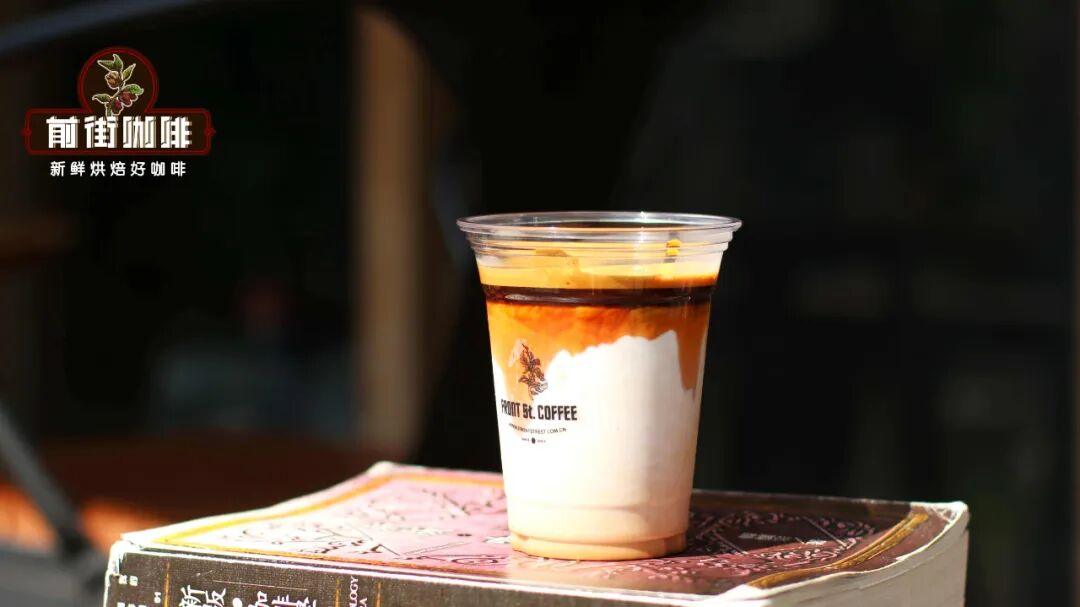
What ratio is suitable for homemade latte?
Here Front Street combines different roast levels and thehot and coldtaste differences of latte to briefly divide for everyone how to find the "secret recipe" that suits you faster.
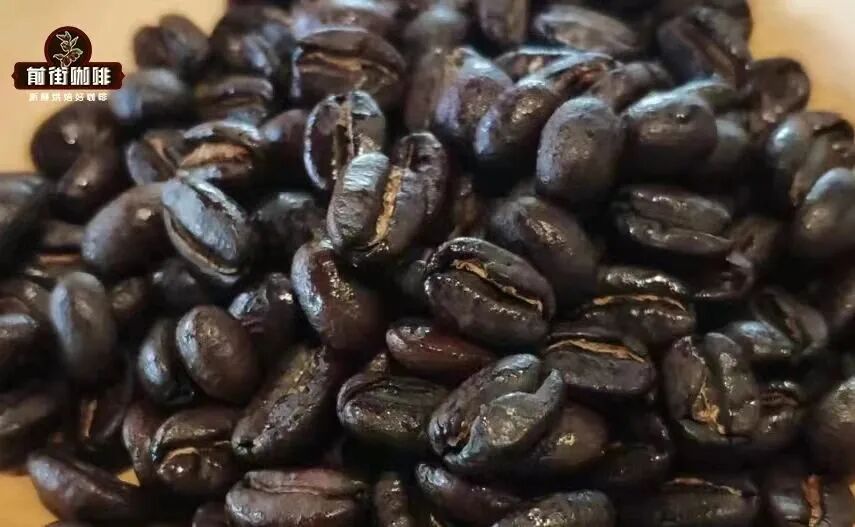
If you use shiny black espresso beans for extraction, the coffee liquid usually has an obvious caramelized aroma and a heavier bitterness. To maintain the balanced taste of latte, it is best to increase the proportion of milk, so that coffee and milk fall in the ratio range of 1:7 to 1:8. For example, Front Street once tried using the darkest roasted Robusta to make a hot latte. First, 18g powder was extracted into 36g coffee liquid, then 288g steamed hot milk was added. The taste was rich and solid; when making iced latte, because of the ice cubes, the taste is more refreshing, so the ratio was changed to 1:7, that is, pouring 252g fresh milk. At this time, the bitterness of the coffee becomes much softer.
When using medium-dark roasted coffee beans whose flavor mainly features roasted nuts, white chocolate, vanilla, cream, cookies, toffee, etc. to make latte, they usually emphasize sweetness and smoothness in taste. Then the ratio might as well fall in the range of 1:5 to 1:6. For example, the standard Sunflower·Warm Sun blend in Front Street stores produces hot latte, and the coffee to milk ratio will be 1:5, with dense milk aroma without losing the richness of coffee; if it is iced, 40g coffee liquid corresponds to 180g fresh milk, and the ratio is 1:4.5, and the vanilla and chocolate flavors instantly become refreshing.

Finally, for medium roast beans with floral and fruity notes, the aroma of the espresso itself is relatively mild, the taste is not so intense, and sometimes it has higher acidity. To make it a good partner with milk, you can highlight the "presence" of coffee by reducing the proportion of milk. For example, when Front Street makes Huakui SOE latte, in order to present its fragrant berry and citrus tone, it directly uses a 1:4 ratio, adding 160g milk to 40g coffee liquid. On the first sip, you can feel the sweetness of the milk, followed by the fresh aroma brought by the espresso, and the whole is very soft.
The above content is compiled by CoffeeHunters, a coffee news website.


