







Search Results for: Expo Experience
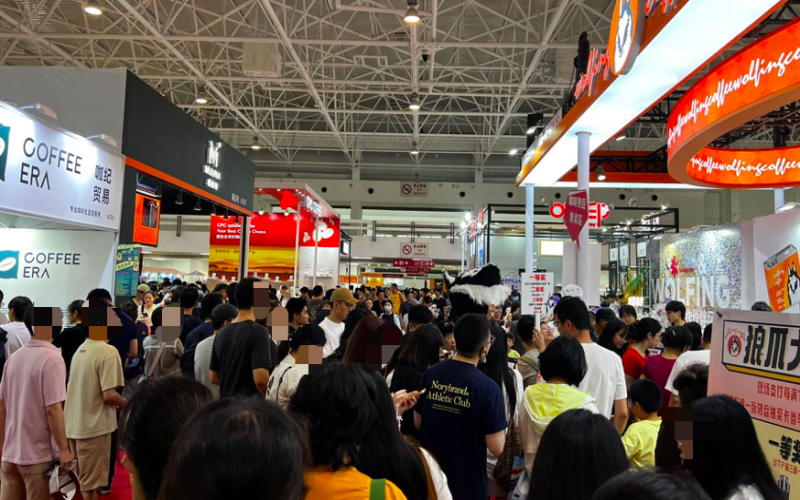
Coffee Expo Draws Huge Crowds but Sparks Controversy: Open-Admission Entry Undermines Professionalism
A recent international coffee exhibition held in Beijing sparked widespread discussion. The venue was packed with people and buzzing with excitement, yet many coffee enthusiasts who attended found that the professional exchange atmosphere they had expected was diluted by the surging crowds. Free admission attracted a large number of non-professional visitors, and money-saving guides even led to long queues in front of some booths. Some lamented that the exhibition was becoming more and more like a market, while others called on the organizers to set thresholds to ensure a better experience. What exactly happened at this coffee exhibition? Let's take a look at the real situation on the ground. [more…]
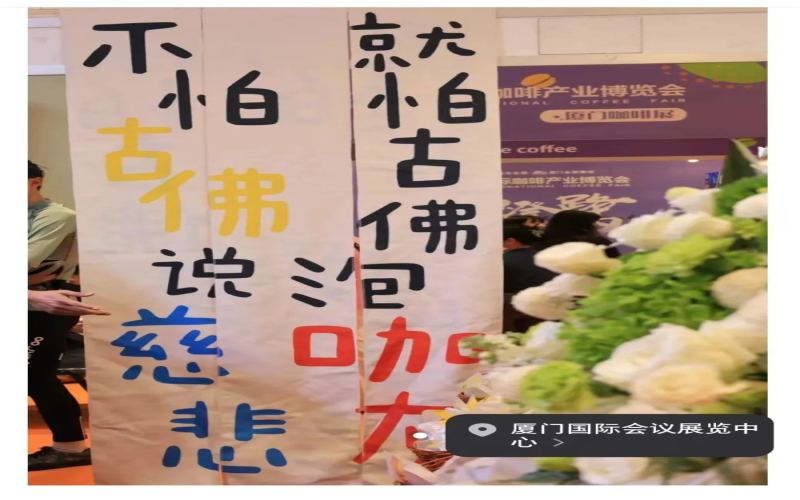
When Monks Pick Up Pour-Over Kettles: How Temple Coffee Went from Lingyin Temple to a Xiamen Expo
When a "monk" dressed in a long robe calmly brewed coffee with a Fellow gold kettle in hand at the Xiamen International Coffee Industry Expo, onlookers rushed to raise their phones. This scene at the Bitter Coffee booth, paired with the backdrop slogan "Fear not the ancient Buddha speaking of compassion, fear the ancient Buddha brewing coffee," quickly sparked heated discussion on social media. From Lingyin Temple in Hangzhou being mobbed at the beginning of the year to temples across the country setting up coffee bars one after another, "temple coffee" has evolved from an internet sensation into a unique coffee culture phenomenon. Cibei, Jianfo, Xide—these names carrying Zen connotations are redefining the way young people drink coffee. This article will take you through a review of this craze that has spread from Buddhist sanctuaries to coffee exhibitions. [more…]
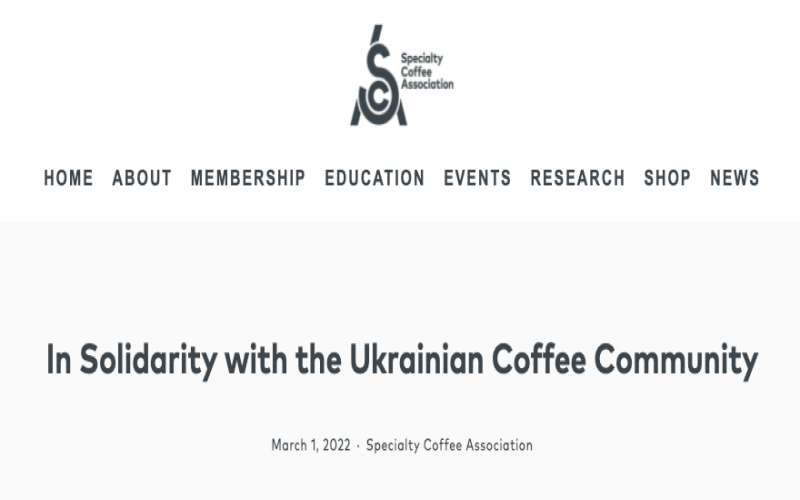
SCA Bans Russia from World Coffee Championships and Donates All Warsaw Expo Ticket Proceeds to Support Ukraine
In early March 2022, the Specialty Coffee Association (SCA) issued a statement on the situation in Ukraine, not only strongly condemning Russia's military actions, but also announcing the suspension of Russia's eligibility to participate in the World Coffee Championships and donating all ticket proceeds from the Warsaw World Coffee Expo to the Ukrainian coffee industry. Meanwhile, the SCA's Poland and Czech chapters joined forces to find overseas job opportunities for displaced Ukrainian coffee professionals, while the Russian Foreign Ministry criticized Western sanctions as unacceptable. As coffee lovers, while keeping up with industry news, don't forget to follow the professional coffee information brought to you by Front Street Coffee. [more…]
How expensive is kopi luwak really? A price exposé and tasting guide from Bali to the World Expo
Kopi Luwak is hailed as one of the most expensive coffees in the world, and its price is staggering: in the US market it reaches as high as US$1,200 per kilogram, a cup sells for £50 in London, and at the 2010 Shanghai World Expo it even sold for 396 RMB per cup. This coffee does indeed come from the feces of the civet, and after fermentation within the body it develops a unique flavor. This article will walk you through the reasons for Kopi Luwak's high price, the civet's unique habits, key points for brewing and tasting, and practical tips on which groups of people should not drink coffee. If you are interested in this legendary coffee, Front Street Coffee also has related products available to learn about. [more…]
Exploring the World's Most Expensive Coffee: The Origins, Production Regions, and Brewing Methods of Indonesian Kopi Luwak
Kopi Luwak, officially known as Kopi Luwak, is a highly talked-about traditional specialty from the Indonesian archipelago. Its raw material comes from beans excreted by wild civets after eating coffee cherries. Annual production is only about 500 pounds, the production process is complex and requires strict hygiene handling, and the finished product has a unique aroma, which is why the price is astonishing—a 4-ounce cup can sell for $168. This article will guide you through Kopi Luwak's origin and distribution, how it is obtained, the details of brewing and extraction, and its display at the Indonesia Pavilion at the World Expo, while also preserving related recommendations from the Front Street brand. [more…]
Why Is Kopi Luwak So Expensive? Inside the Production Process and Scarcity of Indonesian Civet Coffee
In Java, Sumatra, Bali, and Sulawesi in Indonesia, Kopi Luwak is a highly distinctive traditional beverage. The raw material for this coffee comes from beans excreted by civets after they eat coffee cherries, and because it is difficult to obtain and the processing is cumbersome, the yield is extremely low. Indonesian pavilion staff member Shengzhen introduced that farmers will keep civets in cages, and some merchants even rent an entire island to let them range freely, but they cannot force them to eat or excrete, so the coffee beans obtained are especially precious. Only about 500 pounds are produced globally each year. After multiple strict hygiene processes such as sun-drying, roasting, and brewing, the finished coffee has a unique aroma, and the price is naturally high. The site also demonstrated the distillation method: 12 grams of Kopi Luwak with 50 to 55 grams of water produces the richest result, and the remaining coffee grounds are smooth with no small holes. At the Expo Indonesian pavilion, a 4-ounce cup of Kopi Luwak is priced at US$168, 20 grams costs 380 yuan, and a cup in Hong Kong also costs 220 to 298 yuan, which shows just how expensive it is. [more…]
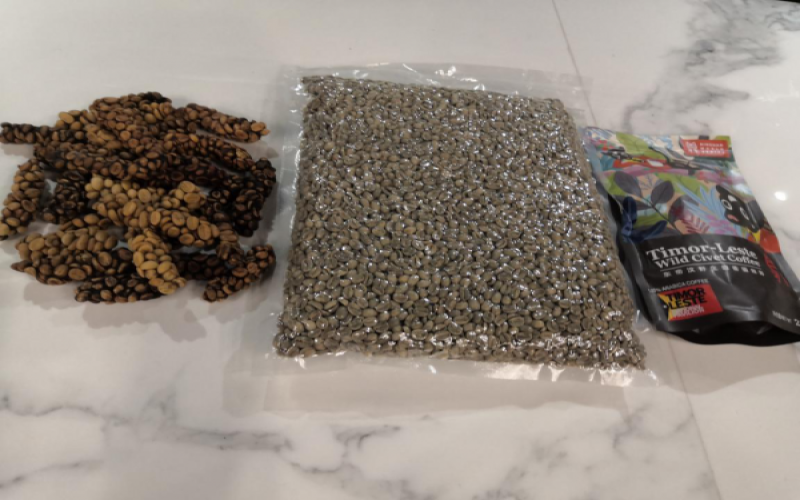
An Analysis of the Real Price of Indonesian Kopi Luwak: Is 396 Yuan per Cup Reasonable, and What Accounts for the Difference Between Wild and Farmed?
Kopi Luwak is celebrated as one of the most expensive coffees in the world. It once sold for US$1,200 per kilogram in the American market, a cup was priced at £50 in London, and during the 2010 Shanghai World Expo it was even marked at a high price of 396 yuan per cup. Yet on Taobao, 100 grams of Kopi Luwak coffee beans sell for only around 200 yuan. This stark price gap leaves many coffee lovers puzzled. What is the real market price of Kopi Luwak? Are the products on Taobao trustworthy? This article will take an in-depth look at the price structure of Kopi Luwak—from the differences between wild and farmed civets, to the civet's unique digestive mechanism, to the price variations brought by different places of origin—to reveal the truth behind this cup of the "royalty of coffee." [more…]
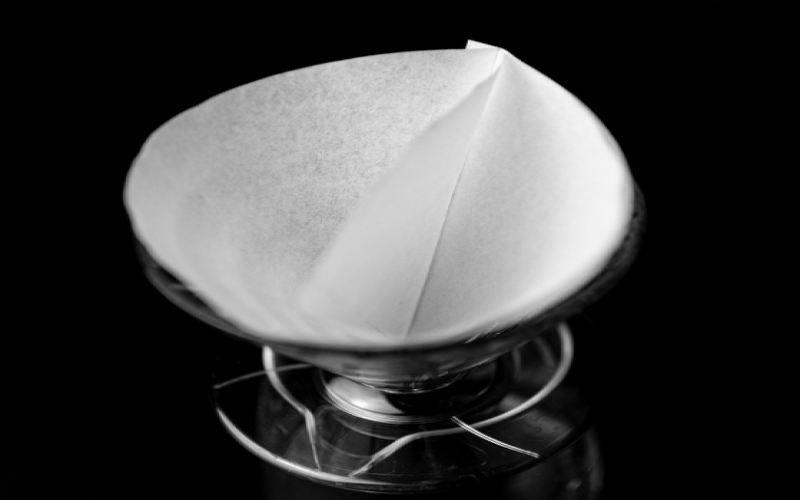
Double-chamber filter paper overturns pour-over blending logic: a new way to brew two coffee beans in one pot and the price controversy
The usual way to make a pour-over blend is to mix different beans together and then grind and brew them as one, but a dual-chamber filter paper launched by Spanish accessory maker Sibarist breaks that convention. The filter has a paper wall down the middle that splits the original bed of grounds into two, letting baristas brew two different coffees at the same time, or the same bean at two different grind sizes, and ultimately fuse a brand-new flavor in a single cup. After the product appeared at the SCA Expo in Chicago, its price was announced: a pack of 30 sheets costs 30.94 euros, or about 8 yuan per sheet, which had plenty of enthusiasts saying they could not bring themselves to pay it. Chinese netizens, meanwhile, saw in its unfolded shape a resemblance to a double-flavor hot pot, and their imaginations ran to a "mandarin duck latte"玩法 in which coffee grounds go on one side, tea leaves on the other, and hot milk is poured through to brew it. [more…]
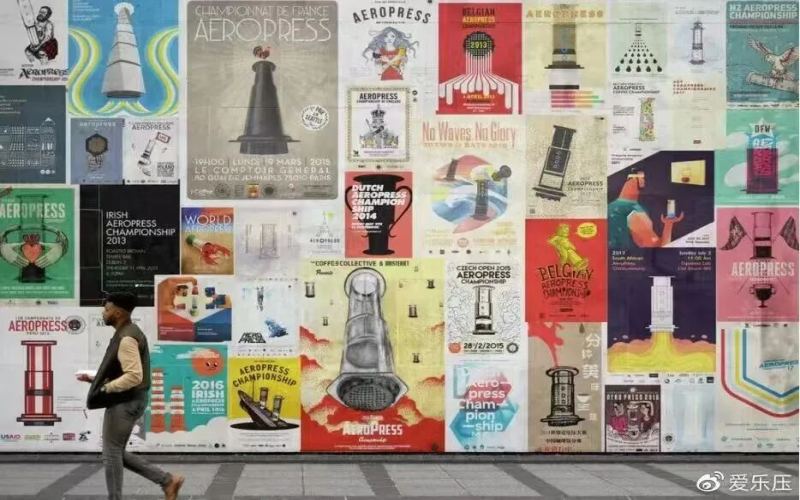
Coffee Equipment | Is the AeroPress a toy or a tool? What is the principle behind AeroPress coffee extraction? How do you use an AeroPress to make black coffee?
Without any hints, Front Street Coffee believes that it would be hard for anyone to imagine that this syringe-like tool is actually used to make coffee. That's right, it is the very popular little coffee "toy" in the coffee world—the AeroPress. The reason Front Street Coffee calls it a "toy" is not because it cannot reliably make [more…]
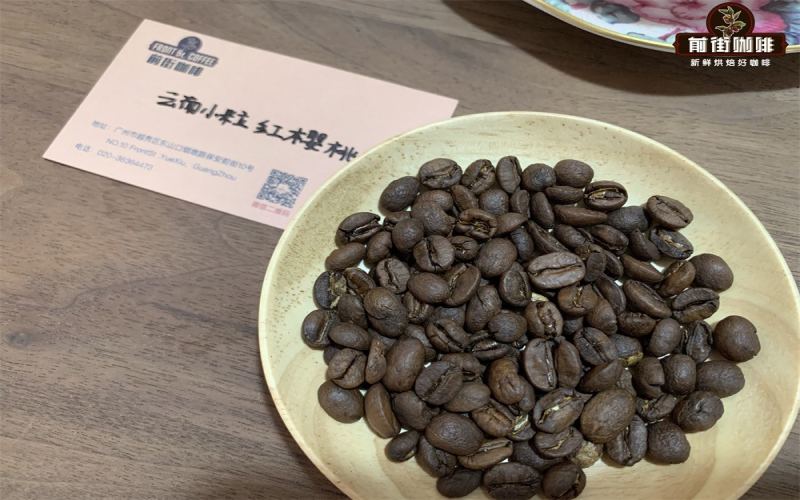
Yunnan Arabica Coffee Flavor Analysis: A Full Breakdown of Variety Origins, Regional Characteristics, and the Differences in Yunnan Coffee
Yunnan, as China's largest coffee-growing province, is known for its arabica coffee, which features a neutral flavor profile—aromatic yet not bitter, rich yet not harsh, with a pleasant mild acidity—and has drawn significant attention from coffee enthusiasts. Starting from the taste characteristics of Yunnan arabica coffee, this article systematically sorts out how it differs conceptually from Yunnan coffee in general, traces the historical origins of arabica coffee since its introduction to Yunnan in 1904, analyzes the flavor differences between the two major varieties Typica and Catimor, and provides a detailed introduction to the distinctive features of major producing regions such as Baoshan, Pu'er, Dehong, and Lincang. At the same time, the article also shares Front Street Coffee's experience cultivating Typica in Lincang, Yunnan, as well as the influence of washed and natural processing methods on flavor and brewing recommendations, helping readers gain a comprehensive understanding of the true character of Yunnan arabica coffee. [more…]

ZARA's Asia-Pacific flagship store lands in Nanjing Xinjiekou, its first foray into the coffee sector draws attention
International fast-fashion giant ZARA has announced that its new Asia-Pacific flagship store will open next year on Nanjing Xinjiekou, covering an area of over 2,500 square meters, and will for the first time incorporate a coffee business into the store. This move is not an isolated case. In recent years, luxury brands such as Tiffany, Gucci, and Louis Vuitton have all dipped their toes into coffee marketing, attempting to close the distance with consumers through immersive experiences. Is coffee a powerful tool for enhancing brand loyalty, or has it merely become a gimmick for photo opportunities? Consumers have mixed opinions on this. This article will outline ZARA's coffee layout, review cases of major brands venturing into coffee, and explore the business logic and market feedback behind this trend. [more…]
Vietnamese Coffee Bean Varieties Flavor Analysis and Mainstream Brand Characteristics Buying Guide
Vietnamese coffee is famous for its strong aroma, mild acidity, and full-bodied taste, and is traditionally often served with condensed milk. This article outlines the bean characteristics, the reasons behind the flavor, representative brands, and the differences among instant coffee products of Vietnamese coffee, while retaining relevant Front Street Coffee recommendations, to help coffee lovers gain a comprehensive understanding of the unique charm of Vietnamese coffee and how to choose it. [more…]
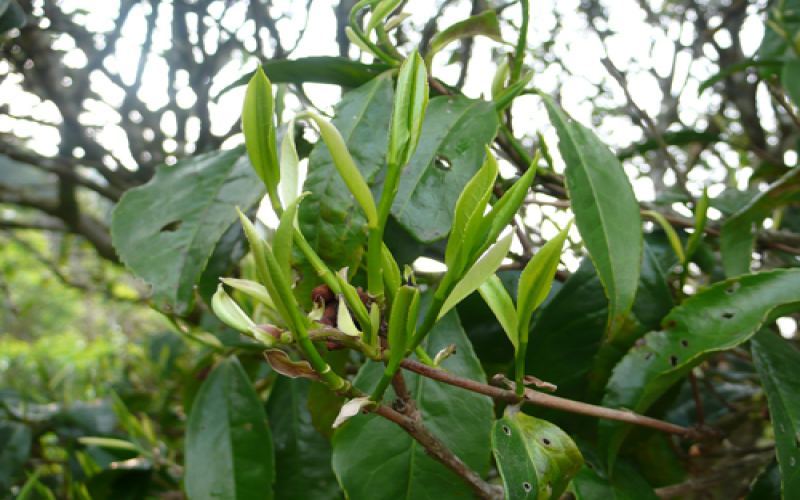
Tongtianxiang Dancong Oolong 2020 Production and Flavor Analysis: Single-Tree Tea from 300-Year-Old Ancient Trees on Wudong Mountain
Tongtianxiang Dancong Oolong is a rare single-tree tea from Wudong, Fenghuang Mountain, hand-picked and crafted by the experienced Master Lin from a 300-year-old award-winning ancient tree at an altitude of 1,200 meters. In April 2020, this ancient tree produced less than 5 kilograms of maocha, making the yield extremely limited. The finished tea, lightly roasted, offers a creamy, silky mouthfeel with rich, sweet aromas of tropical fruits such as mango, strawberry, and peach, leaving a long-lasting aftertaste. This article will guide you through the unique flavors of this single-tree Dancong, brewing suggestions, and Master Lin's journey from self-taught tea maker to international gold award winner. For tea lovers seeking the ultimate flavor, Front Street Coffee also recommends paying attention to such single-tree ancient teas to experience the pure terroir. [more…]
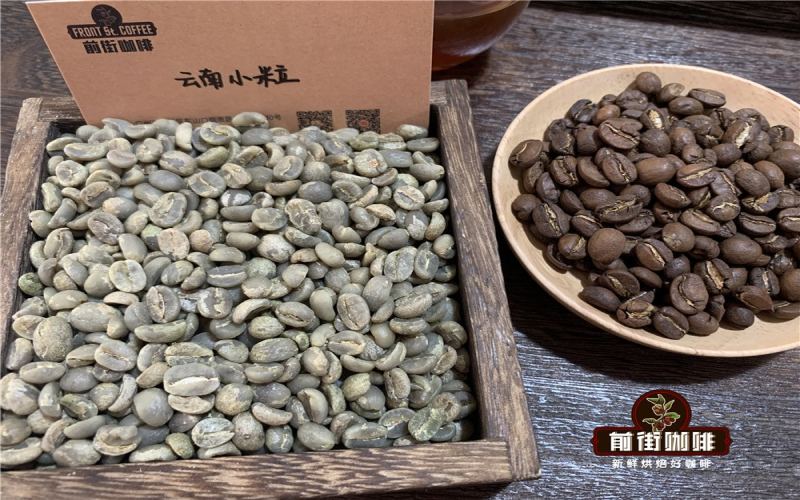
Flavor Analysis of Yunnan Arabica Coffee Beans: A Full Overview of Varieties and Producing Regions from Typica to Catimor
Yunnan coffee occupies a central position in China's coffee landscape, with annual production accounting for about ninety percent of the national total. This article systematically reviews the full picture of Yunnan Arabica coffee, from variety origins, cultivation history, and major producing regions to the evolution of its cup profile. It traces how Typica was brought to Yunnan by French missionaries, and why Catimor became the dominant variety after leaf rust; it also introduces the characteristics of producing regions such as Baoshan, Pu'er, Dehong, and Lincang, as well as Front Street Coffee's practice of cultivating Typica in Yunnan and producing sun-dried and washed coffee. Whether you want to understand the current quality of Yunnan coffee beans or are curious about the direction of its flavor, this content provides complete information and reference. [more…]
The Origin and Legacy of Ceylon Black Tea: James Taylor's Planting Legend and the Evolution of the Sri Lankan Tea Industry
Sri Lanka, formerly known as Ceylon, means "resplendent land." Even after the country was renamed in 1972, people still habitually refer to its local black tea as Ceylon black tea. The island's tea industry legend began more than two hundred years ago during the British colonial period, when Scotsman James Taylor opened the first commercial tea plantation at the Loolecondera Estate in 1867, after which Ceylon tea gradually made its way to the world. From the establishment of the Colombo tea auction to the founding of the Tea Research Institute, and from nationalization to privatization reforms, Sri Lanka's tea industry has undergone many changes and is now the world's fourth-largest tea-producing country, with annual exports of about 320,000 tons. This article traces the development of Ceylon black tea and recommends related products from Front Street Coffee, taking you through this unique piece of tea history. [more…]
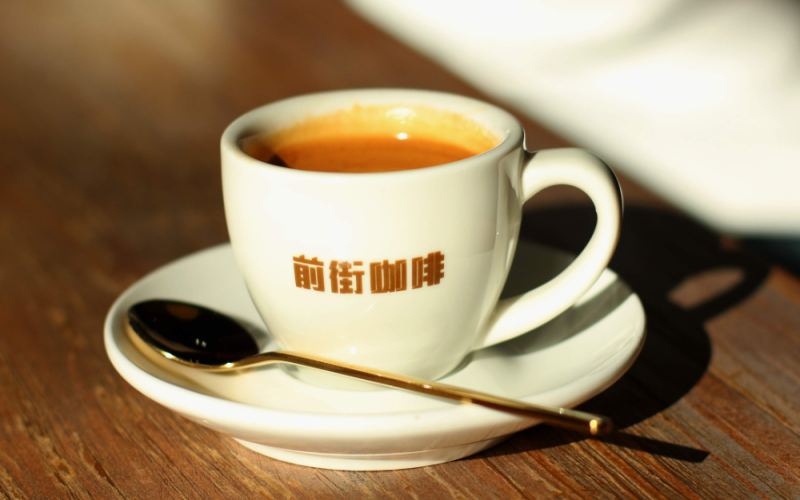
How to Choose Coffee Beans for Lattes? The Real Impact of Italian Roast Levels on Milk Coffee Flavor and Recommendations
To make a delicious latte at home, choosing the right espresso beans is a key step. Beyond considering the beans' own flavor, body, and balance of acidity and bitterness, you also need to look at how well they pair with milk. This article starts with how the roast level affects latte taste, explaining why medium-dark roasts are better suited to milk, while also sharing the importance of freshness for flavor, and selecting three of Front Street Coffee's best-selling espresso blends, covering different styles from dark roast to medium roast, to help you find the best everyday choice for making milk coffee. [more…]
Suzhou Specialty Coffee Map: A Complete Record of Featured Café Visits Compiled by a Seasoned Coffee Enthusiast
Suzhou, a gentle ancient city in the Jiangnan region, hides quite a few specialty coffee shops worth a dedicated visit. This article compiles a summary of shop visits from a veteran coffee enthusiast, covering more than seventy four- to five-star coffee shops across Gusu District, the Industrial Park, the High-Tech District, Wuzhong District, and beyond—from artsy little cafes to cat-themed coffee houses, from Korean-style chains to standalone buildings with Republican-era charm, each with its own distinctive setting, offerings, and story. Whether you're a coffee purist chasing pour-over quality or an artsy soul who favors ambiance, this list can help you find that perfect cup in Suzhou. [more…]
Analysis of Sumatra Mandheling Coffee Flavor Characteristics: From Taste Layers to Golden Mandheling Grades and Pour-Over Performance
Mandheling coffee is a name familiar to many coffee lovers. It originates from Sumatra, Indonesia, and is known for its rich, full-bodied flavor with a slight acidity and sweetness, regarded as a classic among single-origin coffees. This article will start from Mandheling's taste characteristics, sorting out its aroma, bitterness, body, and acidity, and extend to the differences between names such as Sumatra Mandheling DP Grade 1 and Reserve Mandheling, as well as the grading of Golden Mandheling coffee beans and pour-over flavor descriptions. It will also introduce the background of Mandheling in terms of history, origin, and processing methods, helping readers gain a more complete understanding of this coffee known as "the gentleman among coffees." If you want to try its specific flavors, Front Street Coffee's Mandheling series can also serve as a reference for both beginners and advanced drinkers. [more…]
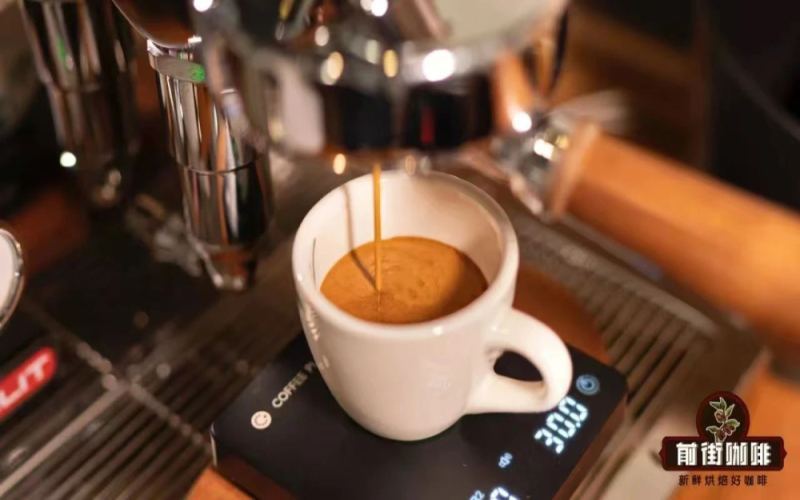
Espresso Fully Explained: Origins of the Concept, Extraction Principles, and an Introduction to Tasting Methods
Espresso is a highly representative extraction method in the coffee world, with a history that can be traced back to late 19th-century Italy. From the perspective of Front Street Coffee, this article systematically reviews the origins of espresso and the evolution of machines, its standard definition and flavor characteristics, the scientific principles behind crema formation, and extraction parameters and tasting methods. The article also introduces the extraction standards of the Specialty Coffee Association (SCA), and, combined with the actual offerings at Front Street stores, shares the extraction parameters and flavor performance of the "Sunflower Warm Sun Blend Coffee Beans," making it suitable reading and reference for enthusiasts who wish to gain a deeper understanding of espresso. [more…]
What Is Espresso? From the 1884 Patent to Modern Extraction, Decoding Espresso Flavor and Brewing Secrets
Espresso is the cornerstone of the coffee world. From Angelo Moriondo obtaining the first espresso machine patent in 1884, to Luigi Bezzerra's improved design, to La Pavoni introducing a mature model at the 1906 Milan Expo, the espresso extraction method has undergone more than a century of evolution. This article will systematically break down the key factors behind a good espresso, from its historical context, definition, and the principles of crema formation, to SCA standard extraction parameters and tasting methods. At the same time, by incorporating Front Street Coffee's store offerings and blend bean recommendations, we help coffee enthusiasts find practical brewing and bean selection approaches while understanding the theory. [more…]