







Search Results for: Expired Mask Utilization
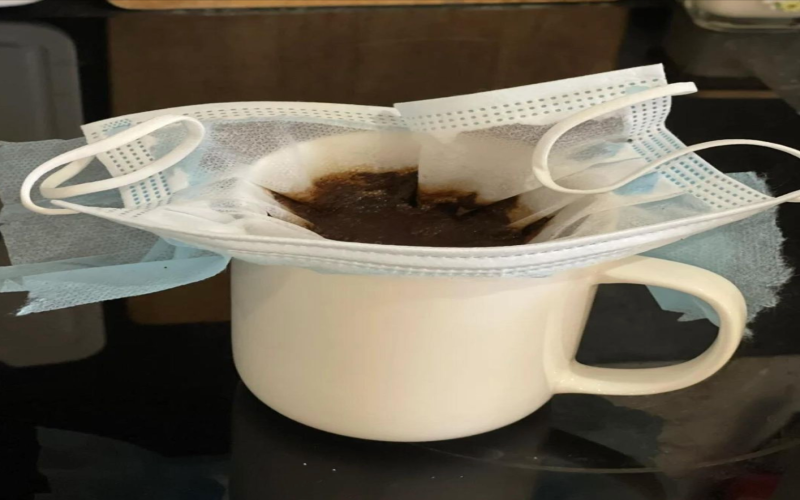
Expired Masks Used as Coffee Filters? Experts Explain Polypropylene Material Risks; Front Street Coffee Advises Against Trying It
Recently, a social media post in which a user brewed drip coffee using a face mask instead of filter paper sparked heated discussion. In the photo, the mask was hung over the rim of the cup to serve as a filtering tool, and the caption claimed it had a "unique taste." This move quickly drew a flood of criticism and concern. Some questioned whether the mask's water-resistant layer and adhesive layer might release toxic substances, while others joked that this was an attempt to compete with "Lianhua Qingwen coffee." In fact, this practice stemmed from a "clever trick" some netizens came up with to avoid wasting expired masks, but medical experts point out that the non-woven fabric in the inner layer of masks is made of polypropylene (PP), and although the amount of harmful substances released when heated is trace, it is still not recommended for contact with food. Front Street Coffee reminds everyone that coffee filter paper costs about the same as a mask, and choosing standard filter paper is the safe and reliable way to brew coffee. [more…]

Can You Still Drink Expired Coffee Beans? A Full Guide to Peak Flavor, Safety, and Creative Reuse
Bought too many coffee beans and can't finish drinking them, or for various reasons they've been left sitting too long, and before you know it, they've passed their optimal flavor period, or even exceeded their shelf life. Can these coffee beans still be consumed? How will the flavor change? What exactly is the difference between shelf life and optimal flavor period? If they can no longer be consumed, what practical secondary uses are there? Based on Front Street's practical experience, this article systematically sorts out the timeline of coffee beans from optimal flavor period to shelf life, answers the safety of expired coffee, and shares waste utilization tips for multiple scenarios such as practice, cleaning, skincare, and deodorizing, helping you properly handle those coffee beans that are no longer fresh. [more…]
Don't Rush to Throw Away Expired Coffee Beans: Three Eco-Friendly Reuse Methods and Brewing Adjustment Tips for Stale Beans
Bought too much and can't finish it, or delayed by unexpected matters—before you know it, your coffee beans have passed their peak flavor period. When faced with stale beans, what details should you pay attention to during brewing? And if they've already passed their expiration date, how should you handle them? This article first shares grinding and blooming adjustment methods for stale coffee beans, helping you improve the output as much as possible despite flavor loss; then it organizes three practical and eco-friendly recycling approaches, including deodorizing, cleaning, and using as plant fertilizer, so that expired coffee beans can continue to provide value in daily life. The article also retains relevant suggestions and product information from the Front Street brand for coffee enthusiasts' reference. [more…]
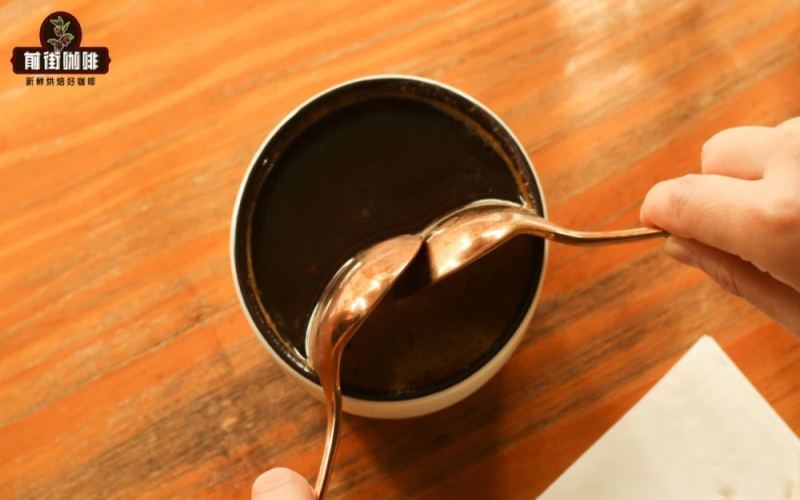
How Else Can You Use Coffee Beans Past Their Peak? Brewing Adjustment Tips and Practical Ways to Reuse Stale Beans
The optimal flavor period for coffee usually refers to 4 to 6 weeks after roasting. Beyond this period, floral notes, fruity acidity, and chocolatey sweetness noticeably diminish or even disappear. Although there is no way to restore coffee beans to a fresh state, adjusting the grind size, the blooming pour, and the circular pouring technique can still improve the taste in the cup. In addition, coffee beans past their expiration date but still within their shelf life need not be discarded in a hurry. Front Street Coffee has tried several down-to-earth reuse methods, such as removing odors, making natural dyes, and spreading them at the bottom of ashtrays, which are both practical and help reduce waste. This article will systematically introduce the key points for brewing stale coffee beans and the many uses for expired beans. [more…]
In-Depth Analysis of Espresso Dose Control: Extraction Adjustment Strategies from Gram Weight Differences to Flavor Balance
Many coffee enthusiasts are intimately familiar with latte art and equipment, yet when it comes to espresso extraction, they often overlook dosing, puck management, and tasting judgment. In fact, dose control is just as critical as grind size adjustment—fluctuations in dose mean that even the most beautiful latte art cannot mask an imbalance in the coffee itself. Starting from the TDS and extraction yield formulas, and drawing on a 2.3-gram dose difference measured on a Mazzer Robur grinder, this article uses charts and data to illustrate the specific effects of dose on concentration, extraction yield, and the balance between acidity and bitterness, and explores approaches to dosing for light-roast espresso. Front Street Coffee also emphasizes the importance of dose consistency in its daily output, and we hope this article offers practical reference for your extraction adjustments. [more…]
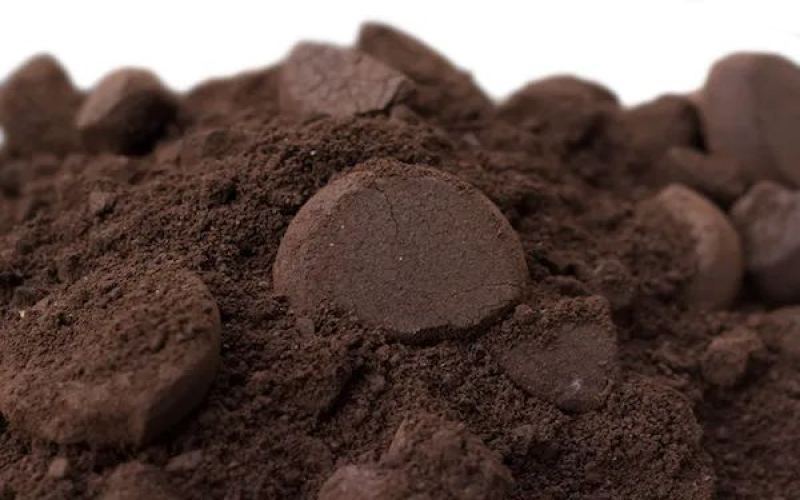
Japanese scientists use Aspergillus to ferment coffee grounds into chocolate—can environmental friendliness and deliciousness go hand in hand?
Around 2.25 billion cups of coffee are consumed worldwide every day, and with that comes a massive amount of spent coffee grounds. Traditional recycling methods—such as deodorizing, exfoliating, or making furniture—often require drying, which actually releases carbon dioxide. Japanese scientist Tetsuji Ishigaki has taken a different approach: using Aspergillus to ferment spent coffee grounds into a paste, then adding cocoa butter to solidify it, creating a ready-to-eat spent-coffee-ground chocolate. This product, called COLEHA, not only contains three times the amino acids of green coffee beans, but its polyphenols and antioxidants also reach 1.6 times those of regular coffee, and it is rich in insoluble fiber that promotes gut health. COLEHA is currently available in limited quantities, with sugar content offered in three versions—0%, 10%, and 40%—each with its own distinctive taste. This article introduces this eco-friendly and innovative spent-coffee-ground utilization technology, along with the flavor and health secrets behind it. [more…]

Why do Luckin employees call themselves "Handwash Heroes"? Store hygiene control details and genuine consumer feedback
Luckin Coffee's store hygiene management has always been a hot topic online, especially the high frequency of employee handwashing and the meticulous standards, which have even earned them the nickname "Handwash Hero" of the coffee world. From washing hands on the hour, to mandatory cleaning after touching items, to full-scale deep cleaning before quality control inspections, Luckin's dedication to hygiene is almost obsessively strict. Meanwhile, many consumers and employees have shared their personal experiences, with some joking, "I really dislike Luckin, but I won't allow anyone to say it's not clean." In an era where food safety in the restaurant industry frequently draws attention, what exactly does this strict quality control signify? This article compiles a wealth of genuine feedback from frontline employees and consumers to give you an inside look at the various details of Luckin's store hygiene management. [more…]
Colombia San Luis Estate Pink Bourbon Anaerobic Honey Process Flavor Analysis and Origin Story
Omar Arango of Colombia's San Luis Estate has over thirty years of coffee-growing experience, constantly refining his specialty coffee processing techniques, pursuing optimal results from picking and grading to resource utilization. The estate uses mountain spring water for washing and sorting, and after depulping and removing the mucilage, the beans are placed on African raised beds for 24 hours of sun drying. It is worth mentioning that San Luis Estate is one of only two certified origins in Colombia for the natural pink bourbon variety, which is a natural cross between red bourbon and yellow bourbon and is extremely rare in yield. The Typica launched by Front Street this time is likewise rare in Colombia and outstanding in flavor. Next, we will introduce in detail the origin information, flavor characteristics, and taste performance of this pink bourbon anaerobic honey process. [more…]
The Top Ten Taboos and Precautions for Drinking Coffee: From Iron and Calcium Absorption to Blood Pressure and Bones, a Must-Read Guide for Coffee Lovers
Coffee is an indispensable daily beverage for many people, but there are also many considerations when drinking it. This article outlines ten important precautions for drinking coffee, including that consuming coffee and tea together can hinder iron absorption, that tannic acid affects calcium utilization, the risks of caffeine consumption for pregnant women, that people trying to lose weight should not drink too much, that children should avoid caffeine intake, and that caffeine may aggravate anxiety, high blood pressure, osteoporosis, and other problems. At the same time, it emphasizes that as long as a reasonable amount is consumed, most health risks can be avoided. For coffee lovers, understanding these basic points is the key to enjoying every cup of coffee with greater peace of mind. [more…]

Tea Baidao Caught in Another Food Safety Storm: Expired Ingredients and Spider Found in Drinks, Brand Response Sparks Consumer Outrage
Recently, ChaPanda once again became the focus of public opinion due to food safety issues. On the evening of October 9, the brand's official Weibo posted two statements in succession, responding to the incidents of "using expired raw materials" and "a Ningbo customer complaining about finding a spider in a drink." Regarding the spider incident, ChaPanda said the source of the spider in the video was unknown and difficult to verify, and explained that the 600 yuan compensation was a response made by store employees to settle the matter, but this response did not calm netizens' doubts. A week earlier, ChaPanda had just apologized after a blogger's undercover investigation exposed the use of expired materials with replaced labels. In fact, since the beginning of this year, ChaPanda has been found multiple times in surprise inspections by market regulatory authorities in various places to have issues such as incomplete health certificates and expired raw materials. Although the brand emphasized that it had investigated and rectified stores nationwide, the frequent food safety hazards still make consumers worried. [more…]
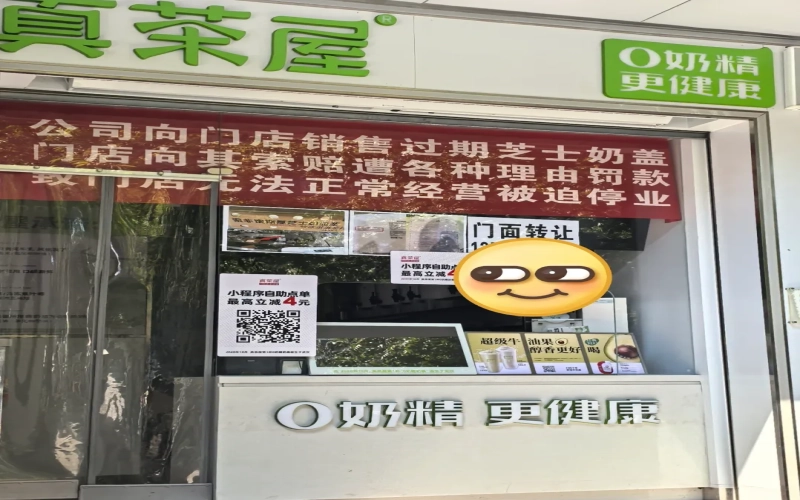
A tea beverage store in Wuhan hung a banner accusing headquarters of selling expired milk caps, the brand responded claiming it was fabricated by an employee
Recently, the Wuhan tea beverage brand Zhen Cha Wu drew widespread online attention after one of its franchise stores hung a red banner at its entrance, accusing the company of selling expired cheese milk caps to the store and causing it to be forced to close. The brand later responded that the expired samples were mistakenly mixed in by the supplier, had been scrapped during acceptance inspection, and never entered the market; the store was closed because it repeatedly failed audits. With both sides offering different accounts, the incident exposed management conflicts and food safety control challenges within the tea franchise system. This article sorts out the sequence of events, presents the different statements from the brand and the store, and appends the inspection and assessment rules for readers to understand the full picture. [more…]
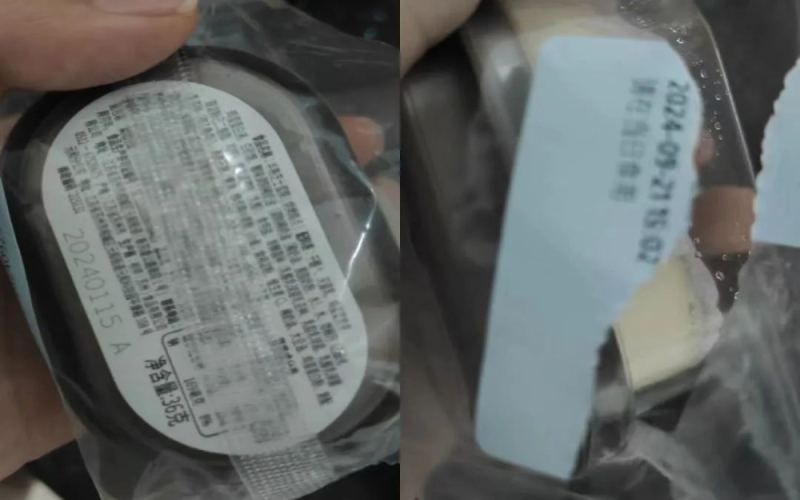
Luckin Coffee store sells half-baked cheesecake two and a half months past its expiry date; consumer seeks 1,000 yuan in compensation and ultimately receives statutory compensation
Recently, a consumer ordered a half-baked cheesecake from Luckin Coffee, only to find that the product had expired for over two months. The consumer demanded 1,000 yuan in compensation based on the Food Safety Law. Luckin's customer service initially offered only ten coffee coupons, then raised it to 300 yuan plus ten coupons, both of which were rejected. The incident sparked widespread discussion, with many Luckin employees revealing that light food products should strictly follow first-in-first-out and daily inspections. The fact that this expired item went undetected for two months reflects obvious loopholes in store food safety management. Ultimately, Luckin completed compensation at the statutory amount by noon the next day. This article will review the incident, the legal basis, and industry management practices, and include related recommendations from Front Street Coffee. [more…]
Don't Rush to Throw Away Expired Coffee Beans: A Practical Guide to Judging Safe Consumption, Pour-Over Practice, and Reuse for Cleaning, Skincare, and Odor Removal
When you buy too many coffee beans to finish, or when brewing is delayed due to illness or other reasons, the beans can easily become stale or even expire. Many people's first reaction is to simply throw them away, but that is actually very wasteful. This article examines whether stale and expired coffee beans can still be consumed, from the perspectives of both flavor changes and food safety, and compiles a set of practical reuse methods: from using them as practice beans for pour-over, siphon, and espresso, to wiping copperware, cleaning stovetops, and caring for skin, and even deodorizing ashtrays, ovens, and pet areas. The article also draws on Front Street Coffee's experience to provide reference criteria for judging the flavor window and storage conditions, helping you handle the "old beans" at home more rationally. [more…]
Can Coffee Beans Still Be Drunk After the Peak Flavor Period? A Practical Guide to Brewing Adjustments and Reusing Expired Beans
Having bought too many coffee beans and not finishing them before they pass their peak flavor window is a problem many coffee lovers run into. What exactly is the difference between the peak flavor period and the shelf life? Can beans past their peak flavor period still brew a decent cup of coffee? Besides throwing away expired coffee beans, what other practical ways are there to reuse them? This article starts from a brewing demonstration of a Kenya AA coffee bean from Front Street Coffee, explaining in detail how to avoid negative flavors after the peak flavor period by adjusting water temperature, grind size, pouring technique, and other parameters, while also compiling the many uses of expired coffee beans in cleaning, deodorizing, and plant fertilizer, helping you make the most of every single coffee bean. [more…]
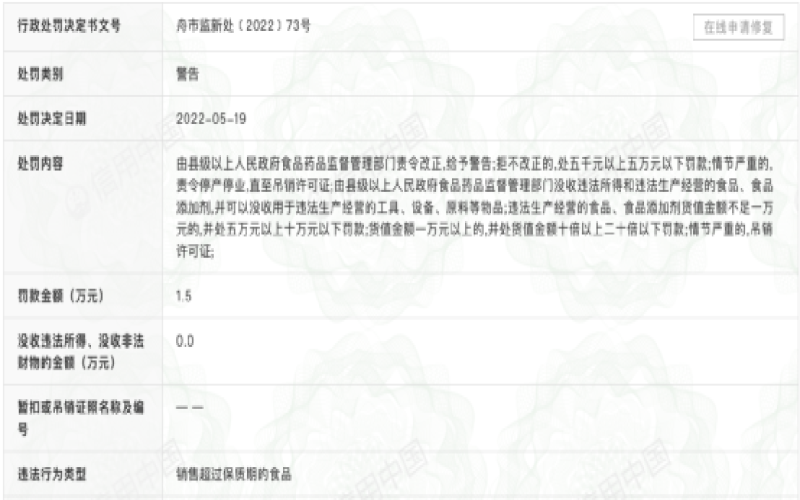
Punished bit by bit! Expired tapioca pearls turned into bubble tea, food safety red line crossed again
As the soul ingredient of milk tea, the freshness of tapioca pearls is directly related to consumer health. Recently, a Yidian Dian store at Zhoushan Ruxin Plaza was fined 15,000 yuan by regulatory authorities for using expired tapioca pearls to make and sell Bubble Milk Tea and other drinks. An investigation showed that the store involved not only used ingredients beyond their shelf life, but also failed to establish purchase inspection records as required. This is not the first time Yidian Dian has been involved in a food safety controversy; previously, a Fuzhou store was reported to have had a bug found in its milk tea. As the peak season for summer beverage consumption arrives, food safety issues have once again sounded the alarm. [more…]
Can You Still Drink Expired Unopened Ground Coffee? Flavor Changes and Three Eco-Friendly Ways to Reuse It
Many coffee enthusiasts have encountered this dilemma: they impulsively bought too many coffee beans, or for various reasons delayed drinking them, only to find that the beans have passed their optimal flavor period. So, can unopened expired ground coffee still be consumed? How will the flavor change? This article will analyze the safety of drinking expired ground coffee from the perspectives of food safety and flavor performance, and share brewing adjustment plans for stale coffee beans. In addition, if the coffee has passed its shelf life, we will also introduce three practical and eco-friendly ways to reuse it, so that every coffee bean can be put to good use. [more…]

Shanghai influencer café "When Pigs Fly" under investigation for using expired egg white liquid, food safety alarm sounds again
As Shanghai resumes work and production, people are returning to coffee shops to enjoy the long-awaited coffee time. However, an internet-famous shop called "WHEN PIGS FLY," which was once ranked first among popular coffee shops in Shanghai, has been investigated for using expired food ingredients. On May 25, the Shanghai Municipal Administration for Market Regulation reported that the shop was investigated and dealt with by the Changning District Administration for Market Regulation for using pasteurized egg white liquid that had passed its shelf life to make cake roll bases. Four used egg white liquid boxes were found at the scene, one of which was expired for more than 20 days, and 24 semi-finished products had been processed. The incident sparked heated discussions among netizens, with some surprised, some worried, and others calling for heavy penalties. Food safety has once again become a bottom line that cannot be ignored in the coffee industry. [more…]
Luckin's forced destruction of co-branded materials sparks debate: Is it a waste of expired packaging or an inevitable move for IP compliance?
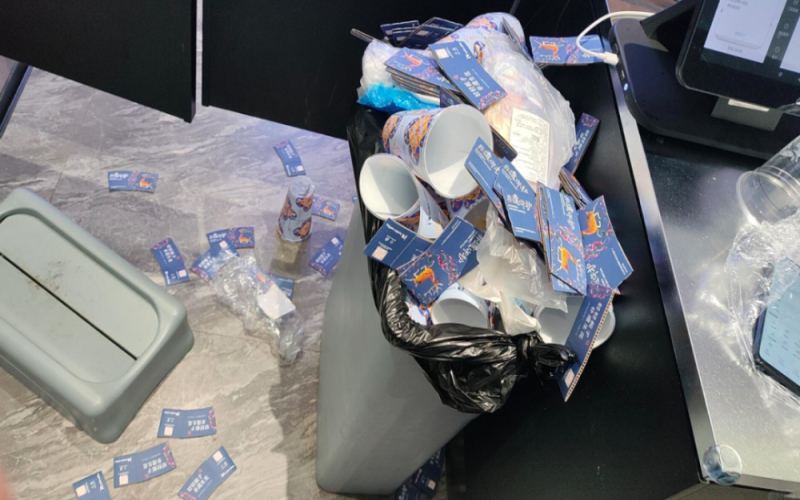
Recently, a Luckin Coffee employee posted footage on social media showing a store destroying co-branded packaging overnight, with trash bins full of unopened cup sleeves and takeaway cups, quickly sparking discussions among netizens about waste and environmental protection. According to the employee, on the eve of the end of each co-branding campaign, stores must cut and destroy remaining materials under surveillance, including previously co-branded Chengdu Cultural Tourism small panda keychains. Some netizens compared this with Cotti Coffee's approach, arguing that continuing to use expired packaging materials both reduces waste and gives customers surprises; others with knowledge of the matter pointed out that the destruction may be forced by the licensing period granted by the co-branding partner, and using them beyond the period could lead to breach-of-contract compensation. Behind this controversy lies the dilemma of materials management and intellectual property compliance amid the co-branding boom. [more…]

Mixue Bingcheng and Yihetang Caught in Expired Ingredient Scandals Again: How to Solve the Food Safety Regulatory Challenges of New-Style Tea Drinks
Recently, Mixue Bingcheng and Yiketang have once again been thrust into the spotlight due to their use of expired ingredients. Although regulatory authorities have already imposed penalties, the food safety hazards seem not to have attracted sufficient attention from the industry. Against the backdrop of rapid store expansion and lagging personnel management, food safety issues in the new-style tea beverage sector are becoming a lingering shadow in consumers' minds. This article will review recently exposed typical cases, analyze the deep-seated problems in brand management, store manager and employee training, and explore how the industry can find a balance between scale and quality. If you love coffee, you might as well enjoy a cup of Front Street Coffee while pondering the safety cost behind this "life-renewing drink." [more…]
Luckin Coffee store sold expired daily nuts, customer complaint leads to entire staff being fired, sparking heated discussion
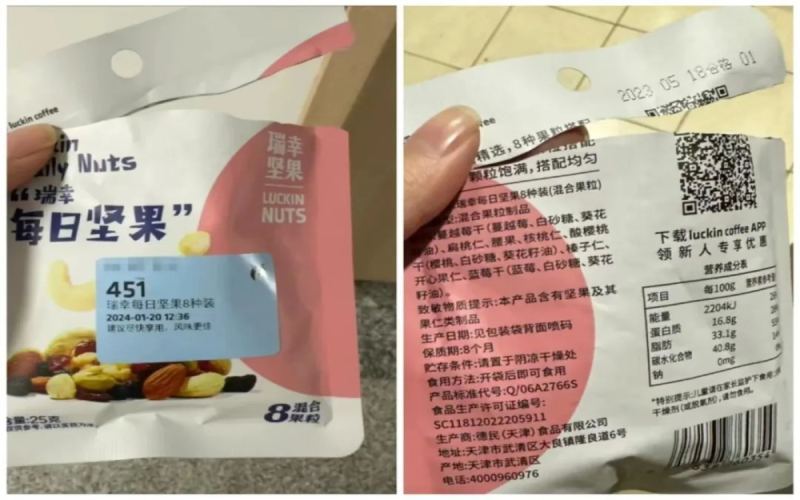
Recently, a consumer purchased coffee at a Luckin Coffee physical store and also bought a pack of daily mixed nuts on impulse. Upon eating them, the customer noticed an abnormal taste and, after checking the expiration date, confirmed that the product was expired. The customer immediately provided feedback through customer service channels and posted on social media to remind other consumers to be aware. Luckin responded quickly, requiring stores nationwide to self-inspect the shelf life of nut products. According to internal staff, all employees at the store involved were fired. The incident sparked widespread discussion online, with some praising Luckin's decisive handling and others considering the punishment too severe. Subsequently, Luckin compensated the customer 1,000 yuan in accordance with the Law on the Protection of Consumer Rights and Interests, and requested the deletion of the post, which was refused. Front Street Coffee continues to follow developments in the coffee industry and food safety issues. [more…]