







Search Results for: Exactly
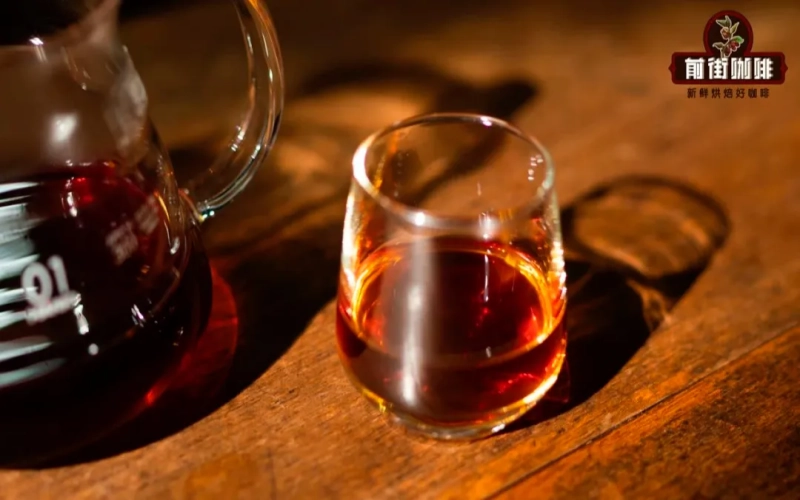
What Exactly Does "Body" Mean in Pour-Over Coffee? A Comprehensive Analysis of Mouthfeel, Oils, Filters, and Bean Varieties
When drinking coffee, you often hear people say "this cup has a good Body," but what exactly does Body mean? Is it the same as richness? Is it the same as strength? In fact, Body describes the sense of weight and tactile viscosity that coffee presents in the mouth, similar to the completely different textures of water, milk, and yogurt when swirled. From the perspective of Front Street, this article systematically sorts out the meaning of Body, its influencing factors, and how to judge it, and further discusses variables such as oils, cellulose, quinic acid, and roasting degassing, and finally gives practical ideas for improving the richness of pour-over coffee, including changing filter materials and choosing suitable bean varieties, to help you more accurately understand and adjust the taste performance in everyday brewing. [more…]
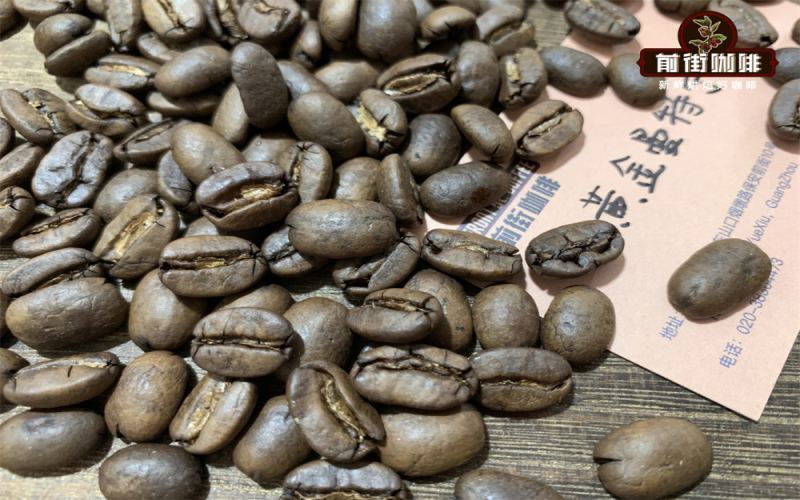
Golden Mandheling Flavor Analysis: What Exactly Are PWN and the Wet-Hulling Method?
Mandheling is a name familiar to coffee lovers, but it also comes with plenty of questions: What is the difference between Golden Mandheling and regular Mandheling? What exactly does PWN refer to? And what kind of processing method is wet hulling? Starting from the specific information on Front Street Coffee's PWN Golden Mandheling, this article sorts through the origin of the Mandheling name, the background of its producing region, and the grading and selection process, with a focus on explaining the characteristics of wet hulling and its impact on flavor, to help you more clearly understand what makes this Indonesian coffee unique. [more…]
What Exactly Is the Full-Bodied "Body" of Coffee? An In-Depth Analysis of Full-Bodied Coffee Types and Brewing Adjustment Techniques
People often describe a cup of coffee as "rich, mellow, and sweet," but what exactly do "rich" and "mellow" mean? This article starts from the roast level of coffee beans, analyzing how the full-bodied mouthfeel manifests in the mouth, and recommends several Front Street Coffee beans with a full-bodied flavor, including Golden Mandheling, Queen's Estate, and Colombia Huila. At the same time, it offers practical adjustment solutions across four dimensions—coffee-to-water ratio, brewing time, dripper selection, and pouring technique—to make dark-roasted coffee taste thicker, helping coffee enthusiasts solve the problem of brewed coffee turning out too thin. [more…]
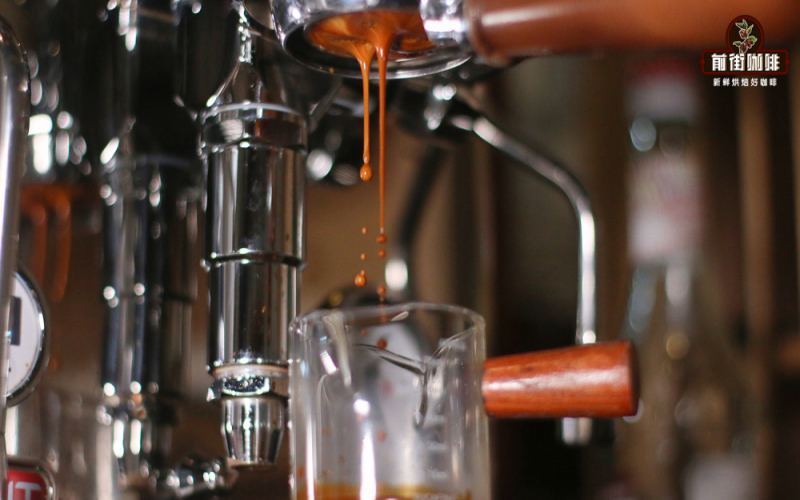
What exactly is Starbucks Flat White? How does it differ from a latte? A complete analysis of the Flat White
Driven by the specialty coffee wave, the Flat White has become an indispensable milk coffee choice on many café menus. Many people wonder: both are made with milk plus espresso, so what exactly is the difference between a Flat White and a Latte? Starbucks named the Flat White "Fu Rui Bai" — what kind of drink is it really? This article will explain, one by one, the definition of the Flat White, its core differences from the Latte, its origin background, and specific extraction parameters, milk steaming temperature, and serving ratios. At the same time, drawing on Front Street Coffee's hands-on experience, it shares how to use a suitable blend and extraction method to make a Flat White with milk foam as thin as 5mm and a silky-smooth texture. [more…]

The Art of Milk Accents in Espresso: What Exactly Is the Difference Between a Macchiato and a Latte?
Walking into a coffee shop and faced with a menu of espresso-based drinks, have you ever been confused: what exactly is the difference between a latte and a macchiato? Many people mistakenly think that a macchiato is a large sweet drink drenched in caramel and cream, but in fact it is precisely the one with the least milk and the closest to the pure taste of espresso. From the perspective of Front Street, this article will help you clarify the etymological meaning of macchiato, its traditional preparation method, and how it differs from latte in historical evolution and flavor positioning. At the same time, Front Street has also put together four espresso blends with different styles, each suited to different milk coffee production needs, to help you find the cup that best suits your taste. [more…]
How Exactly Do You Tell Espresso and Single-Origin Coffee Apart? A Clear Explanation from Bean Types to Extraction Methods
Coffee enthusiasts often ask, what exactly is the difference between espresso and single-origin coffee? At first glance, these two concepts seem clearly distinct, but upon closer examination, you'll find that the boundary between them is actually much blurrier than you'd imagine. This article will start with the basic concepts and gradually analyze whether single-origin coffee beans can be used to make espresso, under what circumstances espresso can be classified as single-origin coffee, and where the core distinction between the two truly lies. If you've ever been confused by these two terms when ordering or brewing at home, why not follow Front Street Coffee and sort through the ideas together. [more…]
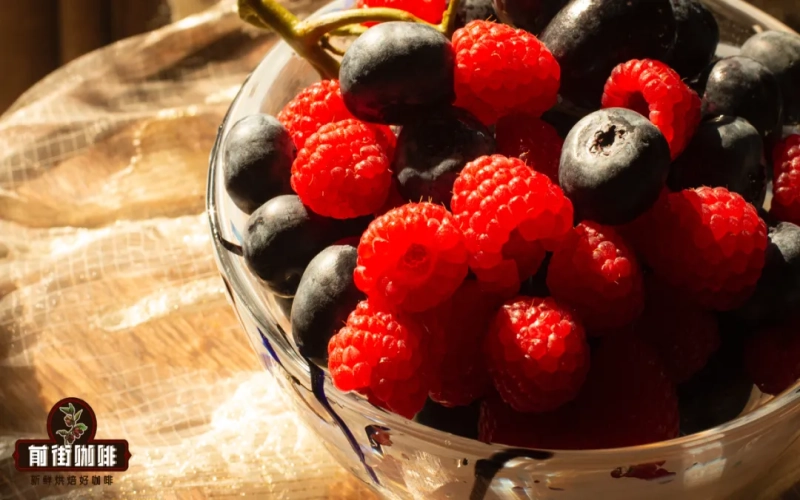
Which fruits exactly do the berry notes in coffee flavors refer to? An analysis of the classification relationship between brambles and berries
When tasting pour-over coffee, we often hear descriptions like "berry notes." Compared to vague flavor terms such as tropical fruit, berries seem easier to associate with specific fruits. But what exactly do berries encompass? Are bacca and berries the same concept? In the new coffee flavor wheel released by the SCA in 2016, berries were listed as a separate category. What is the classification logic behind this? This article will help you clarify the definition of berries, the specific fruits they include, and the difference between them and bacca, so that you can use this term more accurately in coffee flavor descriptions. [more…]
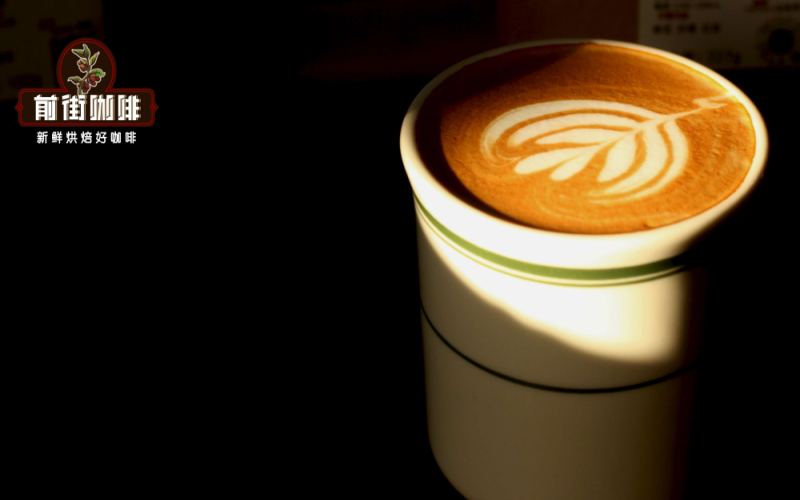
What Exactly Is an Australian White Coffee? A Full Breakdown of the Calories and Differences Between Flat White, Latte, Cappuccino, and Mocha
Many Starbucks regulars are no strangers to Flat White—espresso paired with fine, dense microfoam, rich and smooth on the palate, it's quite popular. But if you ask further, "What exactly is Flat White?" the answer often points to another name: Australian White Coffee, also known as Flat White. It goes by different names across various chain brands: Starbucks calls it Flat White, COSTA calls it Artistry White, McDonald's calls it Aussie White, while specialty coffee shops prefer to simply call it Australian White. How exactly does Australian White differ from latte, cappuccino, and mocha? What are the secrets behind milk foam thickness, espresso base, latte art space, and calorie levels? In this article, Front Street Coffee will break down these Italian milk coffees one by one, and share the bean selection, extraction parameters used for making lattes in-store, as well as two Front Street espresso blend recommendations tailored for floral-fruity notes and oily mouthfeel. [more…]
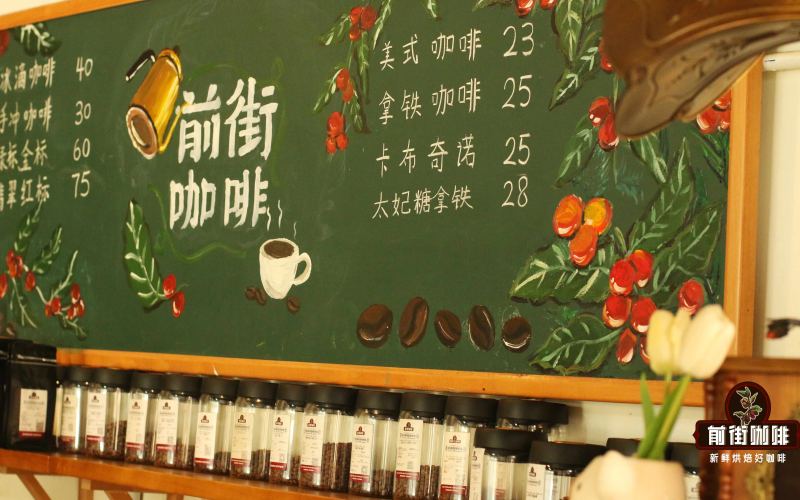
What exactly is the difference between Starbucks Flat White and Aussie Flat White? A comprehensive analysis from origin to preparation
On the menus of major coffee shops, Americano, Latte, and Flat White (or Fu Rui Bai) have long become familiar choices. Especially after Starbucks launched the Fu Rui Bai in 2020, this beverage quickly captured the hearts of many coffee enthusiasts. So, what kind of coffee is Fu Rui Bai exactly? Is there a difference between it and the Australian Flat White? This article will break down this classic milk coffee that sits between a latte and a cappuccino from multiple angles, including conceptual definitions, historical origins, and preparation methods, and share the specific parameters and blend choices used by Front Street Coffee when making Fu Rui Bai in-store. [more…]
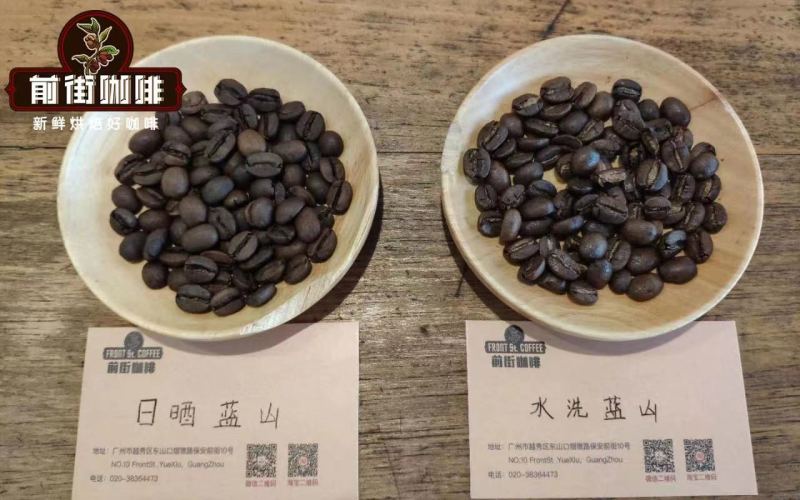
What Is Blue Mountain Style Coffee? How Exactly Does It Differ from Authentic Jamaican Blue Mountain Coffee Beans?
The name Blue Mountain coffee is known to everyone in the coffee world, but what exactly is the "Blue Mountain flavor coffee" that appears in large quantities on the market? With just the addition of the two words "flavor," the gap between the two is worlds apart. Authentic Jamaican Blue Mountain coffee comes from the Blue Mountain region, where the growing environment is superior and quality control is strict, so the price is naturally not low; Blue Mountain flavor coffee, by contrast, is merely an artificially blended instant product that contains not a single Blue Mountain coffee bean. This article will clarify the essential difference between the two and guide you through the balanced expression of acidity, body, and aroma in authentic Blue Mountain coffee. [more…]
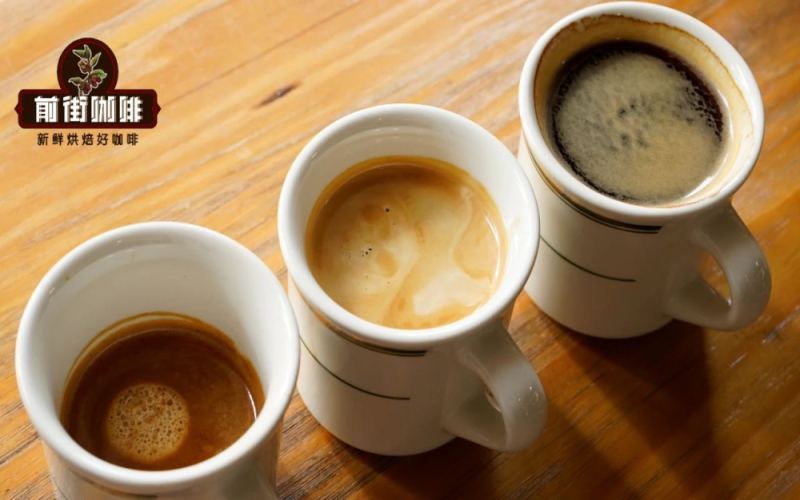
How Exactly Do You Brew Lungo and Long Black? A Full Analysis of the Core Differences from Americano
In the big family of espresso drinks, Americano, Latte, and Cappuccino have long been regulars, while Lungo and Long Black have also gradually entered the spotlight of coffee enthusiasts in recent years, yet they are often mistaken for Americano. What exactly is the difference between them? And how should the brewing ratios be handled? This article will systematically sort out the similarities and differences among Lungo, Long Black, and Americano from the perspectives of extraction principles, coffee-to-water ratios, and flavor expression. At the same time, Front Street Coffee uses the Sunflower Sunshine Blend beans as an example to prepare the three types of coffee separately for comparison, taking you to directly experience the subtle changes in flavor expression of the same bean under three methods: extended extraction, water first then espresso, and espresso first then water. [more…]
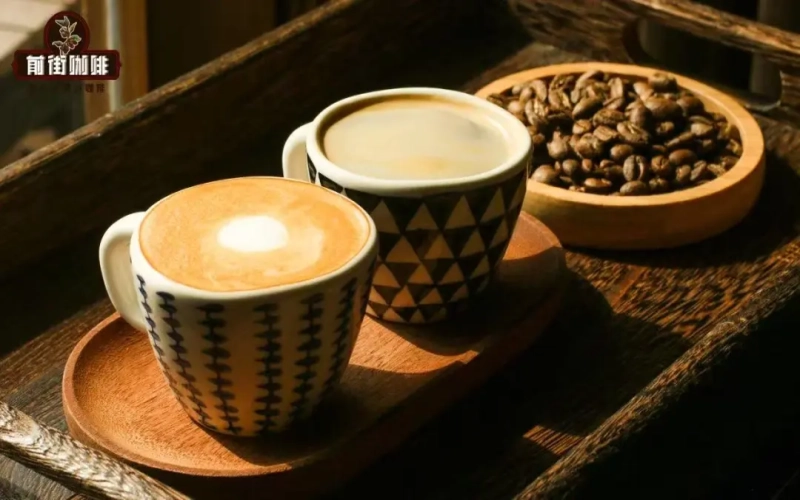
Why is Piccolo Coffee also called a small latte? What exactly is the difference between it and a latte in the use of milk and espresso?
What exactly are the differences between Piccolo coffee and latte? Why is Piccolo Latte called a small latte? This article systematically sorts out the relationship between Piccolo coffee and regular latte from the perspectives of name origin, historical background, cup size, and espresso usage. The article will also explain why Piccolo coffee is rarely served on its own in domestic coffee shops, and if you want to make a delicious Piccolo at home or in a shop, how to extract espresso and how to divide a double shot. Finally, Front Street Coffee will combine its own classic espresso blend beans to share the specific preparation parameters and flavor performance of Piccolo coffee, helping coffee enthusiasts understand this "small latte" more clearly. [more…]
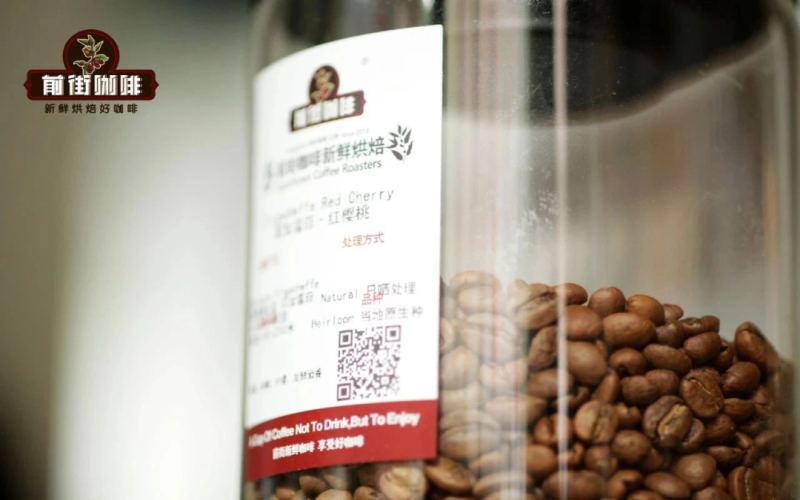
Landrace and Heirloom in Ethiopian Coffee Beans: What Exactly Is the Difference Between Native Species and Local Varieties?
When purchasing Ethiopian coffee, the terms "native species" or "heirloom" commonly seen on packaging are already familiar to many, but in the past two to three years, a new term, "landrace," has also begun to appear frequently. What exactly is the difference and connection between the two? This article, from the perspective of Front Street, sorts out the essence of heirloom mixed harvesting, the logic behind the formation of landrace local varieties, and, using the specific case of Front Street Kafa Forest coffee beans, explains the regional story behind variety labeling. At the same time, it will also clarify a common misconception: Kafa Forest and Panama Geisha are completely different things; the former emphasizes the terroir of the origin, rather than a specific variety. [more…]
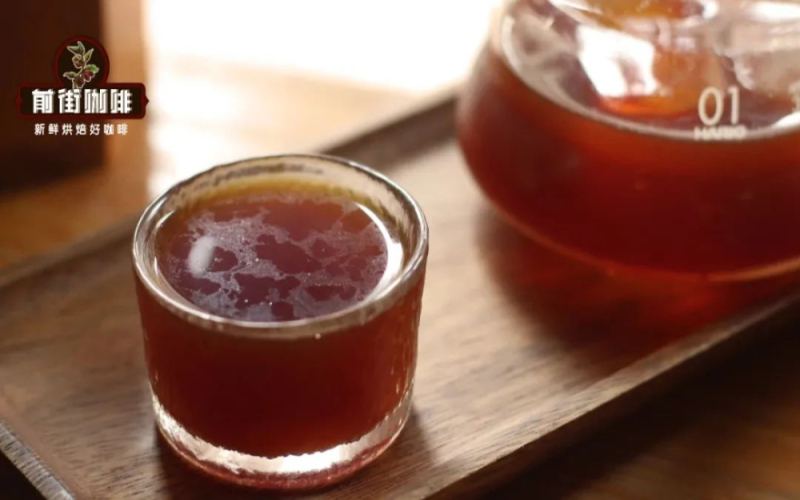
What exactly is the oil that appears when pour-over, cold brew, and siphon coffee cool down? Analyzing the source of the oily sheen on coffee's surface from the phenomenon of condensation
Many coffee enthusiasts notice, when tasting pour-over, cold brew, or siphon coffee, that a faint layer of "oil" surfaces as the coffee cools. This is not a sign of spoilage, nor an external impurity, but rather an oily component that coffee itself contains—one that only becomes visible to the naked eye under specific conditions. To understand this phenomenon, we need to start with the composition of Crema, that golden foam atop espresso—it is formed by coffee bean oils wrapping around carbon dioxide. And the key driver that turns oils from "invisible" to "visible" is condensation. This article explains the principle of condensation and how differences in the performance of filtration devices affect the degree of oil seepage, helping readers make sense of this sheen of oil that emerges after cooling. [more…]
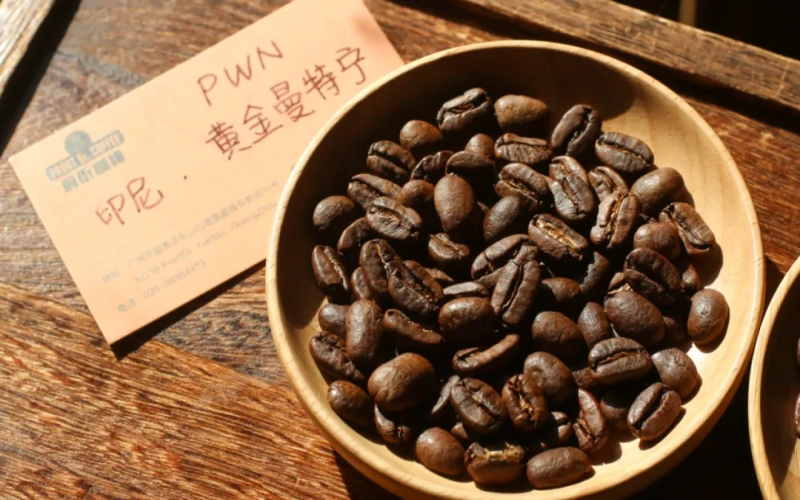
What exactly is Golden Mandheling? A comprehensive interpretation from the PWN trademark to Front Street Coffee brewing parameters.
What exactly is the "Golden Mandheling" often seen on café menus? Is it the same as Aged Mandheling? The answer starts with the well-known Indonesian green bean trader PWN. This company purchases Mandheling green beans from most of Indonesia's premium growing regions, and after multiple rounds of manual sorting, it gives the plump, flawless beans the name "Golden Mandheling" and has registered it as a trademark. Therefore, only beans produced by PWN can truly be called Golden Mandheling. This article begins with the Golden Mandheling sold at Front Street stores, sorting out its origins, specification standards, and methods for identifying authenticity, and shares the brewing parameters and flavor performance Front Street uses when producing this bean, helping enthusiasts brew a cup of rich, clean Mandheling at home. [more…]
What exactly is the difference between a flat white, a latte, a cappuccino, and a white coffee? A detailed explanation of milk foam, ratios, and origins in one article
Walk into any coffee shop, and the menu always features these classic milk coffees: Flat White, Latte, Cappuccino, and Australian White. They all look like espresso with milk, yet each tastes distinctly different. What exactly sets them apart? Is it the ratio of milk to coffee, or the texture and thickness of the milk foam? This article will take you through the controversial origins of the Flat White, clarify the relationship between Italian coffee and Australian coffee, and use specific ratio data to visually compare the subtle differences among these four coffees in terms of espresso, steamed milk, and milk foam. Whether you prefer a silky texture or favor thick milk foam, after reading this, you'll be able to find the cup that's right for you. [more…]
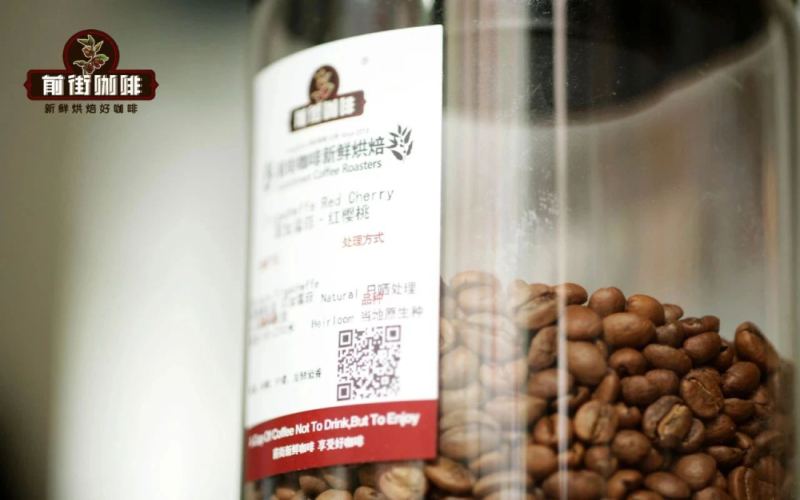
Heirloom and Landrace on Ethiopian Coffee Labels: How Exactly Do We Distinguish Native Varieties from Landraces?
Friends who frequently buy Ethiopian coffee beans are certainly familiar with the variety label "Heirloom," usually translated into Chinese as "native species" or "heirloom." But in the past two or three years, another term has quietly appeared on the packaging of some Ethiopian beans—"Landrace." What exactly is the relationship between it and Heirloom? Are they different names for the same thing, or two completely different concepts? In this article, Front Street will take a careful look at the origins and evolution of Landrace local varieties, starting from Ethiopia's garden planting system, sorting out the mixed-harvest nature of Heirloom, then moving on to JARC's work in identifying local varieties, and why more and more international green bean merchants have begun to purchase these varieties with distinctive regional characteristics separately. At the end, we also include information on the Kaffa Forest lot currently sold by Front Street for everyone's reference and comparison. [more…]
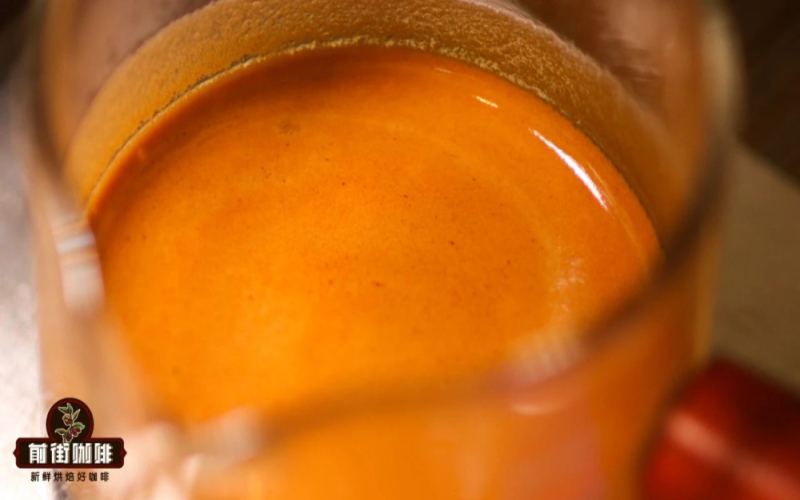
What exactly does a long-shot espresso refer to? An in-depth analysis of the extraction differences and flavor performance between long and short shots.
In coffee shops, Americanos, lattes, and cappuccinos are everywhere, but do you truly understand what espresso means? Does simply adding more water give you espresso? Today, Front Street Coffee will explain in detail the definition of espresso and the difference between long shots and regular extraction. The article will cover the broad and narrow concepts of espresso, the operational key points and flavor characteristics of Ristretto and Lungo, and will also explain how extraction flow rate affects taste, the specific manifestations of under-extraction and over-extraction, as well as new explorations of long extraction methods in the specialty coffee field in recent years. Whether you are a beginner just getting into Italian-style coffee or an enthusiast hoping to refine your extraction technique, this content can help you understand the extraction logic of Italian-style coffee more systematically. [more…]
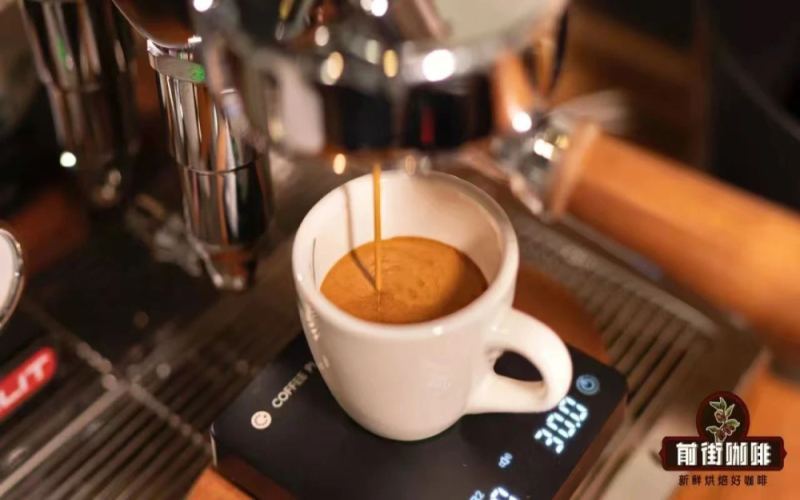
Espresso Tasting Guide: What Are You Actually Drinking, and Why Is It Always Served with Sparkling Water?
In many coffee shops, espresso does not appear on the visible menu, and first-time visitors are often unfamiliar with it. This article revolves around two core questions: what exactly are you drinking when you drink a cup of espresso? And why is it always served with a glass of ice water? The article compares espresso with pour-over, analyzing its high-concentration characteristics, the unique mouthfeel brought by Crema, and key tasting points such as aroma, aftertaste, cleanliness, and balance. It then breaks down step by step the five-step drinking method: rinsing the mouth to awaken the taste buds, stirring to homogenize, sipping in small separate mouthfuls, closing the mouth and exhaling through the nose, and rinsing with clear water. Finally, it includes an introduction to Front Street Coffee's own Sunflower Warm Sun blend beans, taking you through the complete charm of this Italian classic. [more…]
What Exactly Do Ethiopian Coffee Heirloom Varieties Mean? Explaining the Meaning of Heirloom Coffee and Analyzing the Main Arabica Varieties
In the world of coffee, Ethiopian coffee is often labeled as "native species" or "heirloom" — but what exactly do these two terms mean? Starting from botanical classification, this article sorts out the differences among the three major cultivated species: Arabica, Robusta, and Liberica, and introduces one by one the origins and bean characteristics of common varieties such as Typica, Bourbon, Caturra, Geisha, and Pacamara, helping coffee enthusiasts understand the varietal lineage behind coffee beans. In this article, Front Street Coffee will also share knowledge to guide you in discovering the unique qualities of these varieties in terms of flavor and cultivation. [more…]