







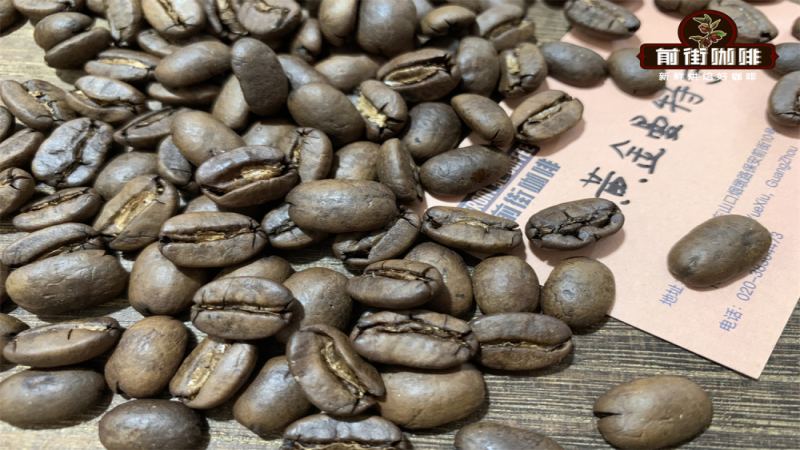
What Is Golden Mandheling and Wet Hulling?
Golden Mandheling is Mandheling produced by Indonesia's Pwani Coffee Company, which registered the name, so only beans from that company qualify. Mandheling itself is neither a place nor a variety but a mistransliteration of the Mandailing ethnic group's name. Front Street PWN Golden Mandheling comes from Sumatra at 1,100 to 1,600 meters, graded G1 and hand-sorted three times, with baked toast, nuts, pine, caramel and herb notes.
Wet hulling, the processing method used here, shapes that flavor profile. The green beans are larger, darker green and appear as uniform flat beans after three to four rounds of hand sorting. Mandheling names in the market include Lintong, Diamond Golden, Tiger, Horse Face and Emerald, all referring to coffee grown widely on Sumatra and other Indonesian islands, distinguished by production area and green bean trader.
Mandheling is a name familiar to coffee enthusiasts, but there are also many questions surrounding it: What is the difference between Golden Mandheling and regular Mandheling? What exactly does PWN refer to? And what kind of processing method is wet hulling? Starting from the specific information of Front Street PWN Golden Mandheling, this article sorts out the origin of the Mandheling name, the background of its production area, and the grading and selection process, and focuses on explaining the characteristics of wet hulling (Wet Hulling) and its impact on flavor, to help you more clearly understand the uniqueness of this Indonesian coffee.
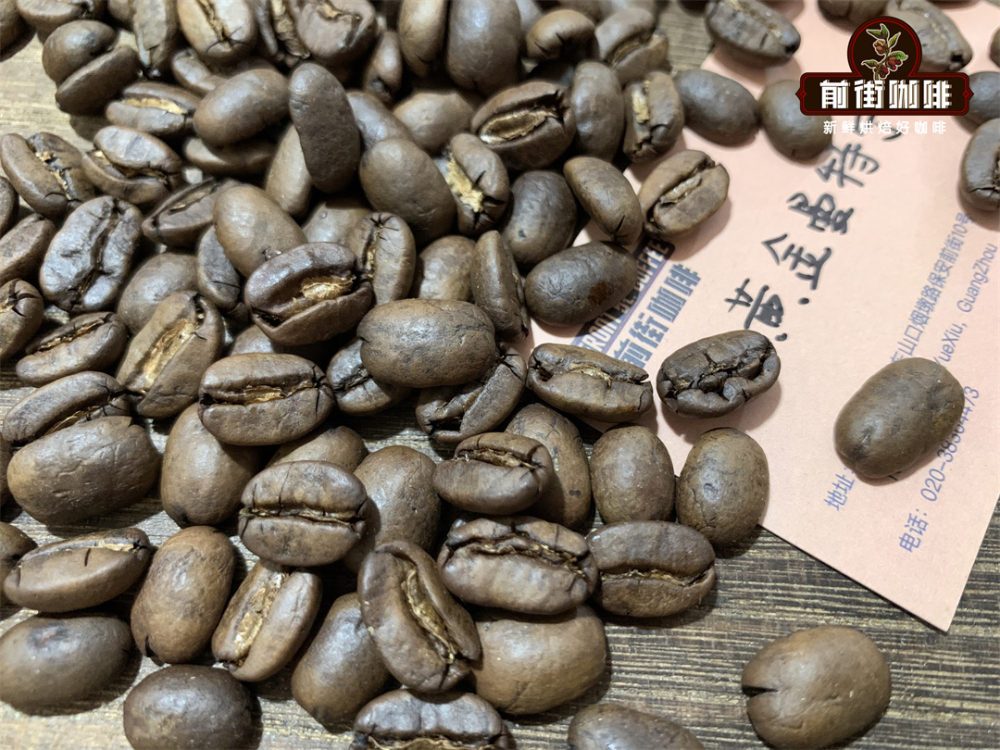
Front Street PWN Golden Mandheling
PWN Golden Mandheling
Country: Indonesia
Grade: G1, 3 times hand-sorted
Company: PWN
Region: Sumatra Island
Processing method: Wet Hulling
Altitude: 1100~1600 meters
Flavor: baked toast, nuts, pine, caramel, herbs
【Front Street PWN Golden Mandheling】
In the coffee market, there are all kinds of names for Mandheling, such as Lintong Mandheling, Golden Mandheling, Diamond Golden Mandheling, Tiger Mandheling, Horse Face Mandheling, Emerald Mandheling, and so on. It should be noted that Mandheling is neither a production area, place name, or port, nor a coffee variety. It is actually a mistransliteration of the name of the Mandailing ethnic group in Indonesia.
Under Front Street Mandheling, there are styles named after different places, such as Front Street Lintong Mandheling and Front Street Golden Mandheling. So where exactly do the differences among these Mandheling coffees lie? Coffee beans widely grown in Sumatra and other small Indonesian islands are almost all collectively called Mandheling; because production areas differ and green bean traders differ, these names are used to distinguish Mandheling from different regions.
Front Street Golden Mandheling is produced by Pwani Coffee Company after purchasing Mandheling locally in Indonesia, and the company registered the name Golden Mandheling. Therefore, only Mandheling produced by this company can truly count as Front Street Golden Mandheling.
There are obvious differences between Front Street Golden Mandheling and regular Mandheling. The green beans of Front Street Golden Mandheling have undergone 3 to 4 rounds of hand sorting; the beans are larger, darker green, and appear as uniform flat beans. In terms of flavor, Golden Mandheling is rich and full-bodied, with the aroma of honey and cream, making it unique and irreplaceable in the coffee market.
Wet Hulling, also known as wet hulling, is called Giling Basah in the local language and is a traditional Indonesian coffee processing method. From the name alone, wet hulling seems similar to wet processing (washed processing), but the cup flavors of the two are completely different: coffee processed by wet hulling is usually full-bodied and intense, with a very distinctive character. Wet hulling is extremely fast, which also makes Mandheling prone to a relatively high defect rate; processing plants arrange staff to hand-sort defective beans, generally divided into DP (second hand sorting) and TP (third hand sorting). Mandheling that has undergone third hand sorting is superior to second hand sorting in terms of defect rate. In terms of flavor, aside from subtle differences, wet-hulled beans are generally considered to have earthy, smoky, and chocolate notes, with acidity described as "low acid," a full-bodied mouthfeel, and at the same time appearing rather dull.
The above content is compiled by CoffeeHunters, a coffee news website.


