








What Separates an Espresso Macchiato From a Latte?
An espresso macchiato is espresso marked with only a small amount of milk or foam, so the coffee stays the dominant taste. A latte uses far more steamed milk and sits much lighter on the palate. The confusion comes from American cafe versions that add caramel, cream, and syrup, which are milk drinks rather than the traditional Italian macchiato.
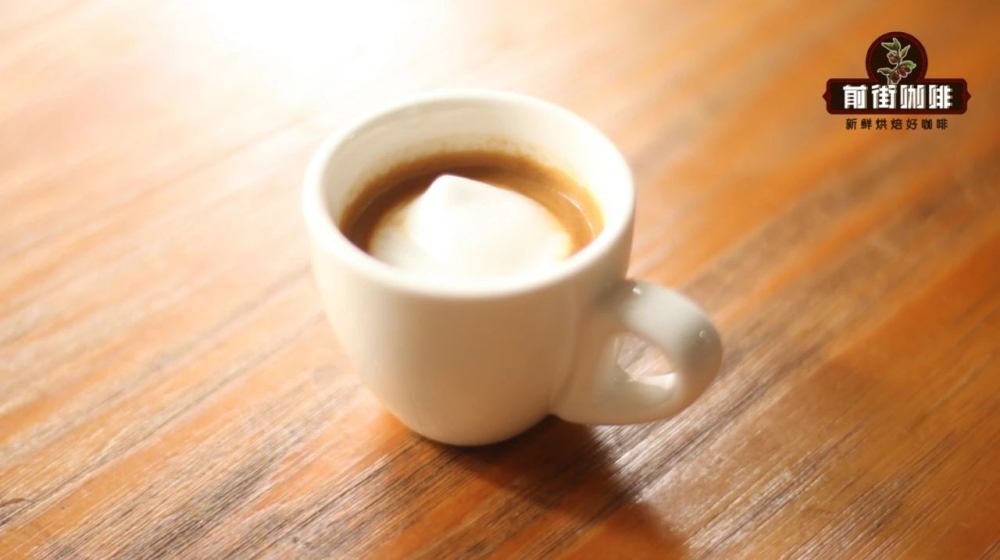
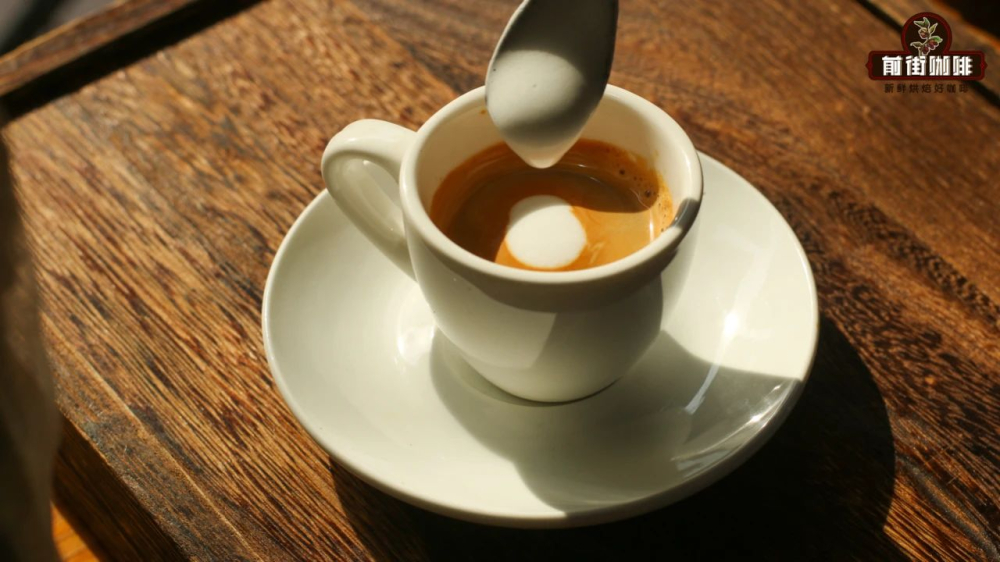
In Italian, macchiato means marked or stained, and the word describes milk making a mark on espresso, not diluting it. The classic Caffe Macchiato is the original form of the drink. When learning how to make espresso macchiato, the ratio matters more than the size: a spoonful of milk foam on a single shot keeps the espresso in front.
Walking into a café and facing the espresso-based drink menu, have you ever been confused: what exactly is the difference between a latte and a macchiato? Many people mistakenly think that a macchiato is a large sweet drink topped with caramel and cream, but in fact it is precisely the one with the least milk and the closest to the pure taste of espresso. This article, from Front Street's perspective, will help you clarify the etymology of macchiato, its traditional preparation, and how it differs from latte in historical evolution and flavor positioning. At the same time, Front Street has also compiled four espresso blend beans with different styles, each suited to different milk coffee production needs, to help you find the cup that best suits your taste.

To get more specialty coffee knowledge, welcome to follow our WeChat official account: Front Street Coffee (FrontStreet Coffee)
Thanks to Americans' "re-creation" of Italian coffee traditions, today when we stand in front of a café's espresso drink menu, we are often completely confused — which cup has water added, which cup has syrup added, it is simply impossible to tell clearly. And the macchiato can be said to be the most innocent victim of this confusion. Most people can recognize what espresso is, and can also identify cappuccino, but once asked what a macchiato is, very few people can explain it clearly. Is it that kind of large sweet drink packed with caramel and topped with thick cream? Obviously not.
Today, Front Street will explain clearly what a truly traditional macchiato is, and how it differs from the classic latte.
Macchiato is essentially a way of drinking espresso in the afternoon. Cappuccino, which is also a variation of espresso, appears more often at the morning table. The position of macchiato sits exactly between the two: it is not as strong as pure espresso, yet it is more intense than cappuccino.
What exactly does the word "Macchiato" refer to?
In Italian, "Macchiato" means "marked" or "stained." Whether it is espresso macchiato or latte macchiato, the core meaning is "using milk to make a mark on espresso." But note that "mark" does not mean "bleach," "dilute," or "water down." Espresso is still the absolute protagonist, and milk is at most only a slight accompaniment.
Espresso Macchiato
Espresso macchiato (written in Italian as "Caffe Macchiato") is the most original form of macchiato, and its preparation is very direct: use milk to garnish the espresso. The original intention of doing this was to use a small amount of milk to soften the sharpness of the espresso. Among all espresso-based coffees, macchiato has the least milk, and therefore best preserves the original appearance and flavor of espresso. The steps are not complicated either — first extract a shot of espresso, then add one to two teaspoons of steamed milk and milk foam on top.
Latte
As a widely known Italian milk coffee, latte is the most famous among regular coffee categories, and its preparation is relatively simple, so it has gained a large number of loyal fans.
Although no detailed record of its origin can be found at present, it is certain that latte was born far earlier than espresso. At least since the seventeenth century, the practice of adding milk to coffee appeared in Europe, except that the brewing methods at that time were quite primitive — either boiling the whole pot and then filtering the residue with a cloth bag, or extracting with an old-style moka pot. It was not until the introduction of the espresso machine and the steam wand became standard equipment for milk coffee that baristas could easily steam hot milk, and the outline of modern latte gradually became clear, spreading around the world along with the latte art trend.
What coffee beans should be chosen for latte and macchiato?
Since both latte and macchiato fall within the category of espresso coffee, Front Street currently has four espresso coffee bean blends with different flavors, which can basically cover the taste preferences of most customers. 1. [Front Street Specialty Espresso Blend], using a 3:7 ratio of Colombian and Brazilian beans, with a flavor profile of comfortable bittersweetness and a very smooth entry; with a slight grassy aroma, subtly bitter within the fresh fragrance; sweet and smooth, with a refreshing aftertaste, able to meet the daily production needs of coffee shops.
2. [Front Street Sunflower Warm Sun Espresso Blend], blended with Front Street Honduras Sherry and Front Street Yirga Red Cherry at a 7:3 ratio, with flavor characteristics of obvious fruity acidity, a faint berry aroma lingering, rich wine aroma and chocolate flavor, and a pleasant sweet aftertaste.
3. [Front Street Commercial Espresso Blend], using Colombia, Brazil, and Robusta at a ratio of 3:6:1, with richer crema, a classic taste, caramel sweetness, prominent nut, cocoa, and dark chocolate flavors, balanced acidity and sweetness, slightly bittersweet, with a lasting aftertaste, suitable for daily use in shops.
4. [Front Street Basic Espresso Blend], blended with Yunnan and Brazil at a 3:7 ratio, with flavor characteristics of soft fruity acidity, caramel sweetness, and nut and dark chocolate flavors, smooth and viscous in mouthfeel, but relatively light in taste, suitable for shop owners and home users who prioritize cost and have lower flavor requirements.
Front Street suggests that when blending espresso beans, primary and secondary roles should be distinguished, so that the blended flavor can be better than single-origin coffee. Front Street Coffee (FrontStreet Coffee) currently uses [Front Street Sunflower Warm Sun] and [Front Street Commercial Blend] most often for making milk coffee: the former blends winey chocolate flavor with milk to create a brand-new taste experience; the latter lets people enjoy a mellow chocolate and nut flavor.
The above content is compiled by CoffeeHunters, a coffee news website.


