







Search Results for: Evolution Fresh
星巴克剥离Evolution Fresh果汁业务,全面回归咖啡核心赛道
星巴克以拿铁、卡布奇诺等奶咖产品深入人心,但其旗下还曾拥有一个名为Evolution Fresh的果汁品牌。近日,星巴克正式宣布将这一品牌出售给Bolthouse Farms,从而把更多资源集中于咖啡饮料业务的增长。这笔交易涉及近300名员工,预计今年晚些时候完成。从2011年高价收购到如今转手,Evolution Fresh的命运转折折射出星巴克在不同掌舵者时期的战略摇摆。本文将梳理此次出售的来龙去脉,以及星巴克在舒尔茨回归后如何重新聚焦美国咖啡市场、应对工会化浪潮。 [more…]

Flavor evolution during the roasting cycle: mastering degassing, rest, and the peak-flavor rhythm of espresso beans
Freshly roasted espresso beans contain a large amount of carbon dioxide gas trapped inside. This gas is slowly released over time, and in the early stage it produces a relatively vigorous degassing reaction. If the beans are ground and extracted immediately after roasting, the bubbles tend to hinder full contact between the water flow and the coffee particles, resulting in an unstable extraction flow. [more…]
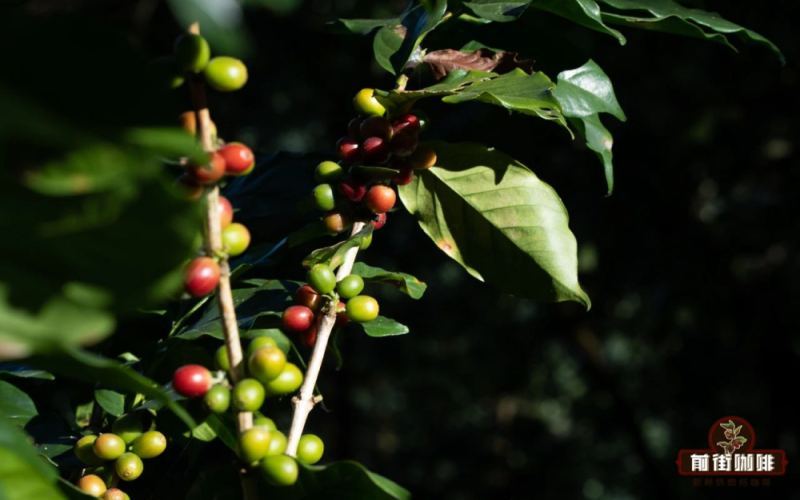
The Century-Long Planting History and Variety Evolution of Yunnan Small-Bean Coffee: Industrial Transformation from Typica to Catimor
Yunnan coffee has traveled a long and winding road of growth, from the first coffee seedling introduced by missionaries a century ago to its current status as a common choice in specialty coffee shops. This article traces the complete story of Yunnan small-bean coffee—its cultivation origins, the evolution of varieties, and the upgrading of the industry—and also explores the distinct characteristics of the two varieties, Typica and Catimor. For coffee lovers who want to understand the flavors of the Yunnan growing region or who are currently choosing a Yunnan single-origin bean, this article offers a comprehensive reference ranging from historical background to practical brewing, and it also includes Front Street Coffee's Yunnan bean brewing recipe and flavor description. [more…]

A Brief History of Latte and the Evolution of Bean Styles: A Century of Flavor Changes in a Milk Coffee
Latte is probably one of the most misunderstood coffees in the world—many people assume it is an everyday drink for Italians, but in fact the authentic milk coffee that Italians drink is the cappuccino on the breakfast table. The latte, with its "large quantity of milk" form, is a product that evolved after coffee emigrated to the United States. In this history of flavor evolution lies [more…]
The Evolution Path of Commercial Base Beans: How to Upgrade Step by Step from Chain-Style to Specialty Blends
Those who have opened a shop and look back at their base beans will find a clear evolutionary line. Most people start with chain-style dark-roast blends, and after a year or two, the beans on the bar gradually shift toward medium roasts and specialty blends. This isn't fickleness of taste—it's that as a shop grows to different stages, the questions the base beans need to answer also [more…]
Jamaica Blue Mountain No. 1 Coffee Bean Grade Analysis: Flavor Characteristics of Clydesdale Estate Blue Mountain Coffee
Jamaican Blue Mountain No. 1 coffee beans are widely recognized as the pinnacle of the coffee world, and together with Hawaiian Kona, they are known as "the King and the Queen." Although in recent years, affected by production fluctuations and climatic factors, the overall quality and reputation of Blue Mountain coffee have fluctuated somewhat, Blue Mountain No. 1 still firmly holds the throne, and its price has become more rational. Specialty coffee emphasizes estate traceability, and Jamaican Blue Mountain mainly comes from three major estates: Clydesdale, Mavis Bank, and Moy Hall. This article focuses on Blue Mountain No. 1 from Clydesdale Estate, sorting out its historical context and brand evolution, and introduces Front Street Coffee's recommendation and interpretation of this bean, helping you understand the true grade and flavor characteristics of this legendary coffee. [more…]
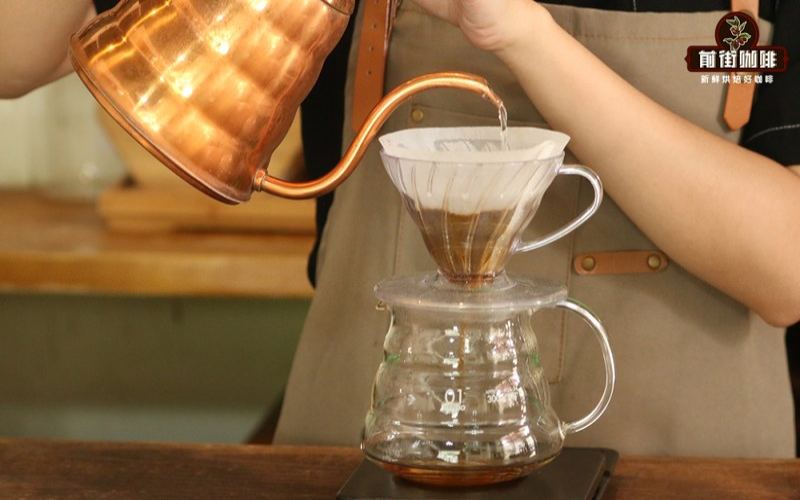
Roast date and the optimal tasting window: helping floral and fruity coffee beans lock in fresh aromas
Freshly roasted floral and fruity coffee beans accumulate a large amount of carbon dioxide gas inside. When this gas meets water, it expands rapidly and can easily prevent hot water from coming into even contact with the coffee grounds. Let the beans rest for a few days in packaging with a one-way degassing valve, allowing the internal pressure to gradually stabilize. The delicate floral and [more…]

International Coffee Brand Recommendations | What Are the World's Well-Known Coffee Brands? What Are the Characteristics of Starbucks, COSTA, and %Arabica?
Front Street Coffee Introduction: Front Street Coffee (Frontsteet Coffee), founded in 2013, is a well-known local coffee brand in Guangzhou, specializing in house-roasted coffee beans and offering over 50 varieties of fresh coffee, available for online purchase through its Tmall flagship store and Taobao shop. Over the years, Front Street [more…]
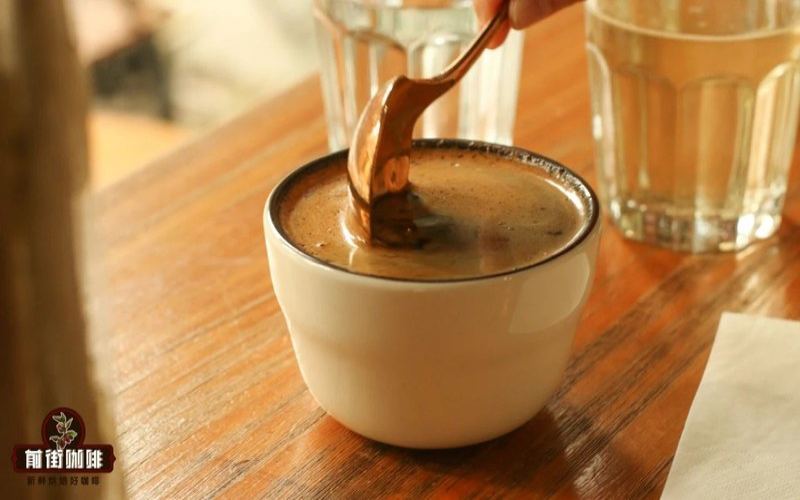
Grasp the peak flavor window and degassing state to make latte beans' aroma last longer
The aromatic depth and smooth texture presented by a cup of latte are closely related to the current freshness and gas state of the coffee beans. After being heated during roasting, coffee beans continuously release carbon dioxide, and the flavor compounds inside are also constantly undergoing oxidation and transformation. Freshly roasted coffee beans, due to the high concentration of carbon dioxide within them, produce during extraction [more…]
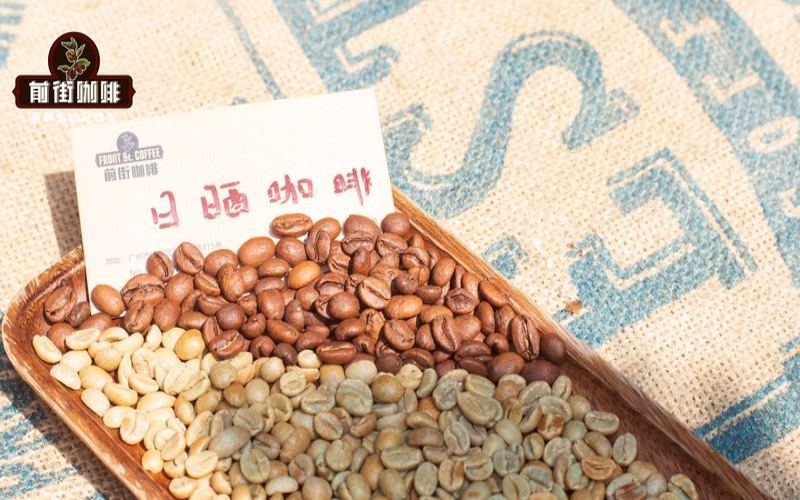
From degassing to flavor release: home coffee bean peak-flavor window and advice for drinking in batches
After coffee beans expand from the heat in the roasting drum, their internal porous structure stores a large amount of carbon dioxide gas. Freshly roasted beans are in an active degassing phase; if water is poured in to brew at this point, the violently escaping bubbles will block even contact between the hot water and the coffee grounds, and the extracted flavor easily tastes green and muddled. [more…]
Understanding the Pour-Over Coffee Flavor Window: Taste Bright Fruit Notes During Stable Degassing and the Opening Period
Freshly roasted coffee beans continue to release carbon dioxide accumulated inside them during the first few days, and this natural degassing process directly affects the extraction efficiency of hot water. If the beans are too full of internal gas, the hot water poured in is easily blocked by bubbles, making it difficult for aromatic compounds to dissolve fully and evenly into the water. Therefore, al [more…]
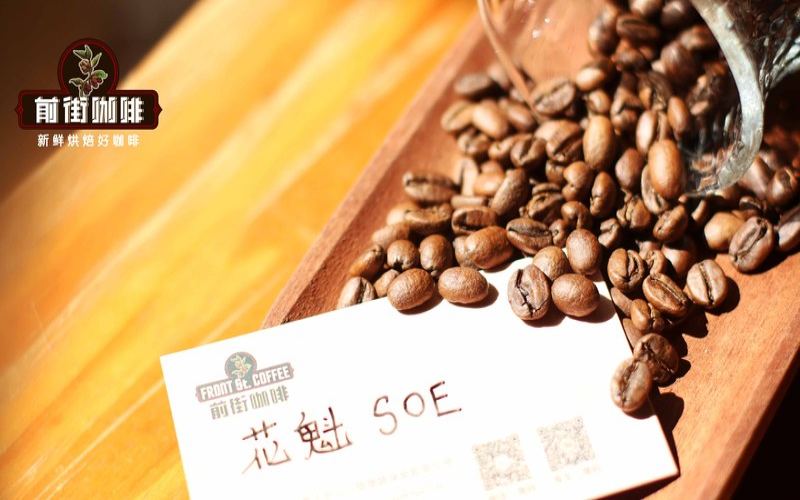
The Flavor Curve in Espresso: The Drinking Rhythm from the Degassing Period to Opening and Storage
Roasted coffee beans accumulate a large amount of carbon dioxide inside, and these gases are slowly released outward over time. For home espresso extraction, the gas state inside the bean directly affects how smoothly water flows through the coffee bed. Freshly roasted beans are often full of internal pressure, and during pressurized extraction they tend to produce a rough and [more…]
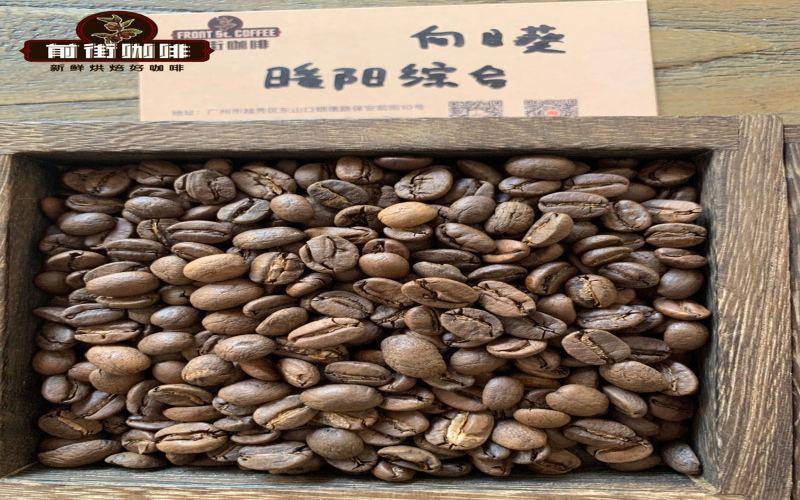
The Flavor Window and Storage Guide for Dark Roast Pour-Over Beans: From Degassing to Peak Flavor
Darker-roasted coffee beans undergo full caramelization and Maillard reactions in the roaster; the fibrous structure inside the bean expands, creating larger pores, and the degree of gas saturation and the rate of release are noticeably faster than in light roasts. Understanding the degassing patterns and flavor evolution of dark-roasted beans helps you accurately gauge the bean's condition during everyday pour-over brewing, allowing [more…]
Understand the degassing period and drinking window on coffee bags to pick single-origin pour-over beans that are smooth without sourness or bitterness
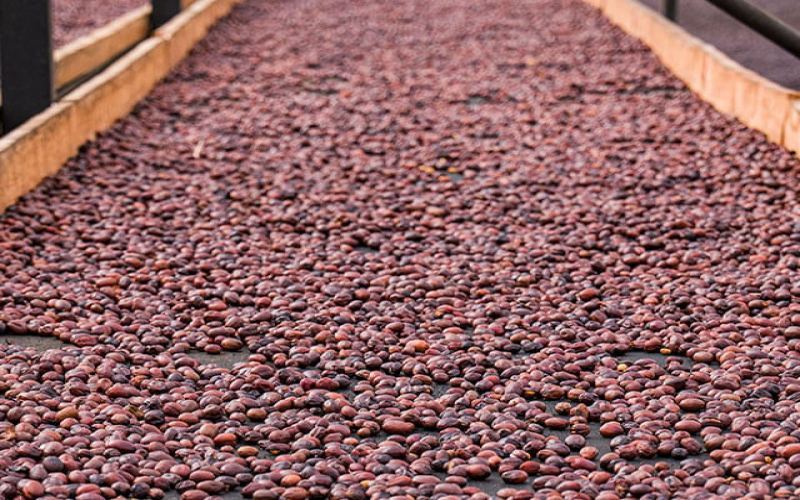
Freshly roasted coffee beans hold a large amount of carbon dioxide internally. When brewed immediately, the violently released gas tends to obstruct the even contact between water and coffee grounds, making the extracted flavors taste tight and astringent. To bring out a smooth and gentle texture in the cup, it is essential to understand the evolution of the beans from the moment they leave the roaster until the aromatic compounds fully unfurl. [more…]
Ethiopian Kafa Forest Coffee Beans | Is the coffee produced in Kafa Forest the original Geisha coffee beans? What are the flavor and mouthfeel characteristics of Kafa Forest pour-over coffee?
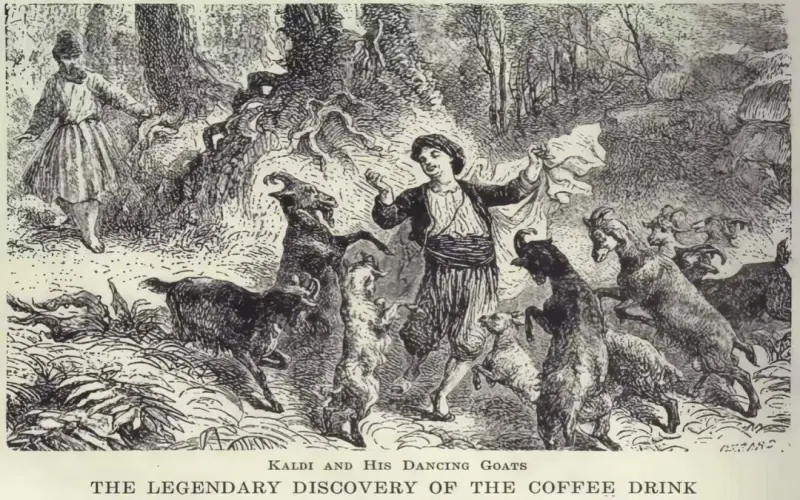
"In the sixth to eighth centuries AD, Kaldi, a young Ethiopian goatherd, was tending his goats in a forested mountain area. Then one day, he noticed that his flock had suddenly become inexplicably excited, jumping and frolicking about. Even an old sick goat regained its vigor and was soon running briskly. After careful observation, he finally discovered that these 'symptoms' appeared after the flock ate from the forest [more…]
The Origins of Viennese Coffee and Con Panna, and How to Make Cream Coffee: A Detailed Guide to Bean Selection and Steps
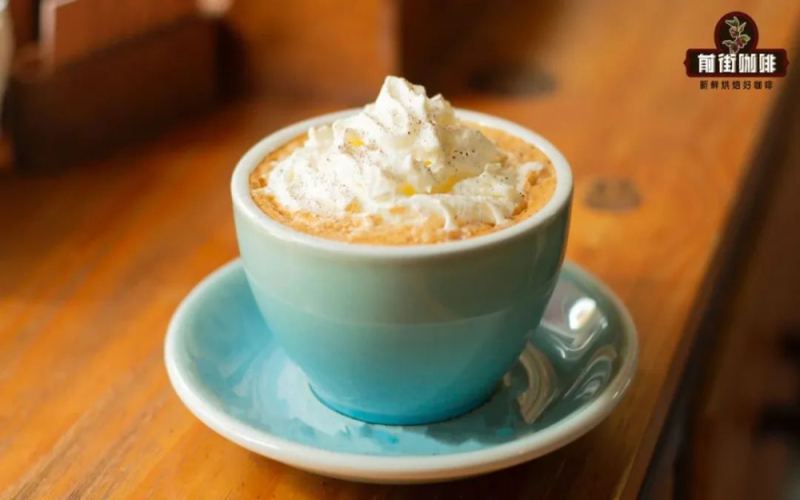
The combination of cream and coffee has a long history, from the first cream coffees on the streets of 17th-century Vienna to the Korean-style Vienna coffee that now trends on social media—this pairing has always been full of charm. This article traces the historical origins of cream coffee, sorts out its evolution and relationship with cappuccino and con panna, and provides detailed instructions for making both traditional Vienna coffee and the Korean-style improved version. At the same time, for home and office settings, it recommends the Front Street Coffee espresso blend series beans to help readers recreate a sweet, smooth cream coffee at home. [more…]
Australian-style White Coffee | Is Starbucks Flat White a Latte? How to Make a Flat White? What Are the Differences Between a Flat White and a Latte?
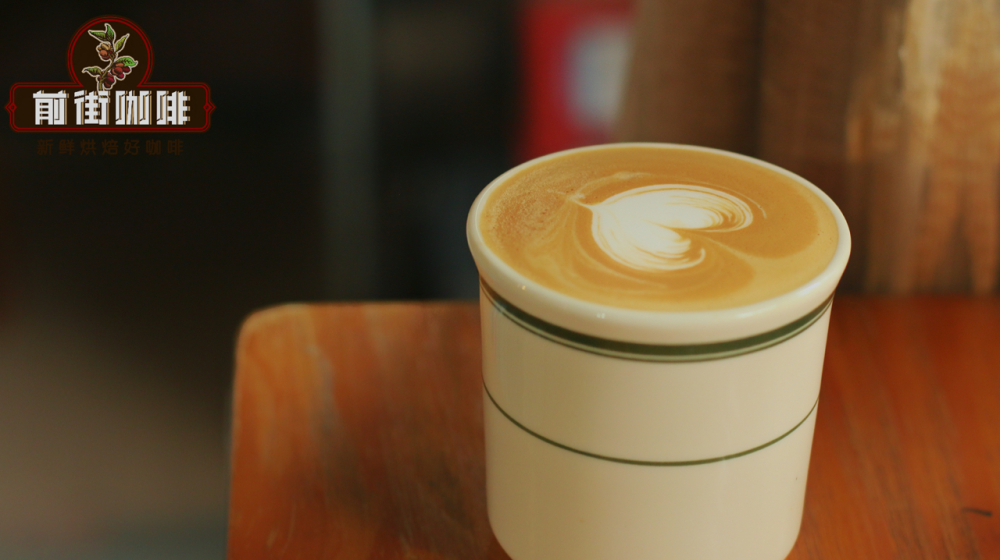
You may find the term "flat white" unfamiliar, but anyone who has been to Starbucks will surely know the "Fu Rui Bai." In fact, names like "Xiao Bai Coffee," "Fu Rui Bai," "Chun Yi Bai," "Ao Rui Bai," and "Aussie White" all refer to the flat white. It originated in Oceania (Australia), which is why it is also called Aussie white coffee. [more…]
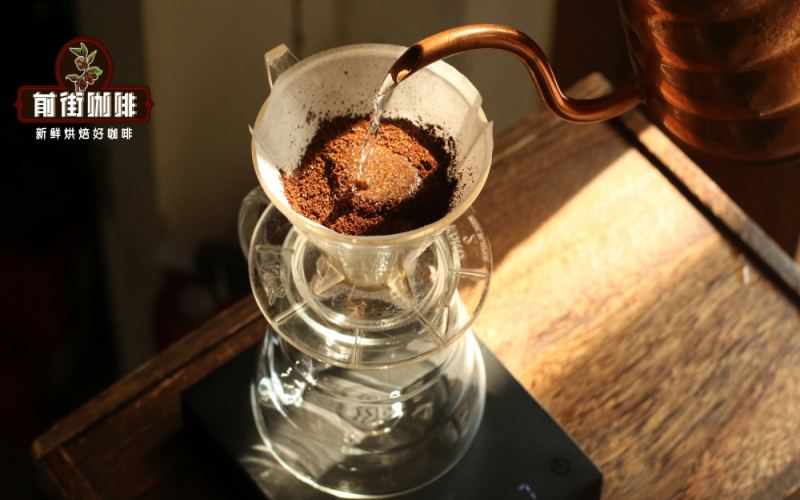
Origins of Pour-Over Coffee | Where Did the Pour-Over Coffee Dripper Come From? Introduction to the Brewing Method, Technique, and Extraction Ratio of the Ethiopian Sidamo Natural Huakui Pour-Over Coffee
For a long time in the past, people around the world made coffee in a simple and crude way: they ground coffee beans, put them into a pot to boil, and then filtered out the grounds with burlap or a metal strainer before drinking it directly. Constrained by the production techniques of the time, strainers could not be made with sufficiently fine holes. [more…]
The Complete Guide to Espresso: From Its Historical Origins to the Three Extraction Types—Ristretto, Normale, and Lungo
Espresso is the soul drink of coffee shops around the world; classics such as Americano, latte, and cappuccino are all built on it. But espresso itself is far from being just one form—based on the extraction method and the coffee-to-liquid ratio, it can be divided into three types: Ristretto, Normale, and Lungo. From the perspective of Front Street Coffee, this article first sorts out the etymology and meaning of Espresso and the evolution of the Italian coffee machine, then breaks down one by one the specific parameters and flavor differences of the three espresso extraction schemes. It also explains the formation principle of crema, the tasting steps, and Front Street's actual practices in blend bean selection and serving, helping coffee lovers fully understand the flavor logic of espresso. [more…]
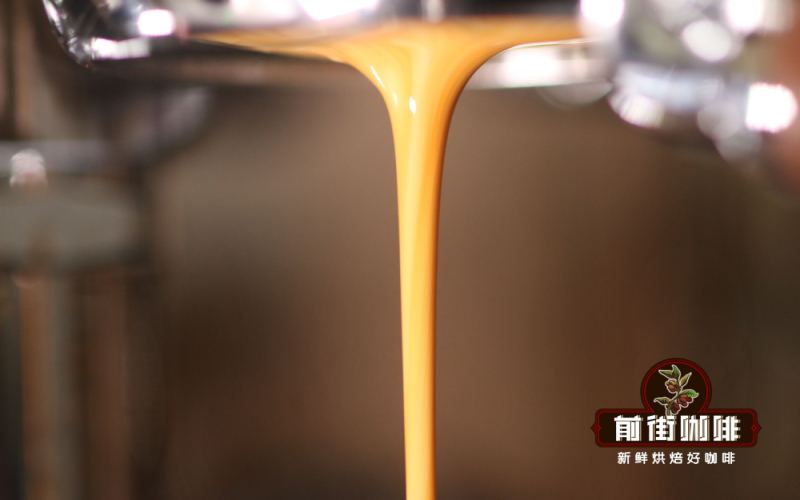
Espresso Full Analysis: Extraction Principles, Preparation Process, and Key Operational Points
Espresso is a small amount of concentrated, pure black coffee extracted by forcing hot water under high-pressure steam rapidly through a puck of coffee grounds, with a golden layer of crema on its surface. Although it rarely appears alone on café menus, it is the base of common drinks such as Americano, latte, and cappuccino, and can be called the soul of a coffee shop. Starting from the definition and characteristics of espresso, this article will sort out its historical evolution and ideas for choosing blend beans, and explain in detail the complete steps for making espresso at Front Street Coffee stores, including dose, liquid yield, time control, and operational details such as distribution and tamping. Finally, it summarizes the key variables affecting extraction flavor and daily cleaning points, helping coffee enthusiasts systematically understand the logic behind a high-quality cup of espresso. [more…]