







Why does my coffee look oily and how does brewing make a difference?
Espresso tastes bitter because it packs a concentrated amount of coffee solids into a small cup, extracted under pressure. The method was originally created to speed up drink production, and "espress" carries the meaning of swift. Italians also favor very dark roasts, sometimes with Robusta blended in, which deepens the roasted, bitter notes in the cup and can leave an oily sheen.
The machine itself shaped that intensity. Angelo Moriondo built the first espresso machine in 1884 with two independent boilers running at 1.5 bar. In 1948 Achille Gaggia introduced the lever-driven coffee machine, and high pressure produced the crema now used as a quality reference. Water temperature, pressure, and roast level are the main variables to adjust when a shot tastes harsh or looks oily.
Espresso is the base for many specialty coffee drinks thanks to its rich, concentrated flavor, yet its intense bitterness puts many people off. This article starts with the origins and evolution of espresso, explains why it is so bitter, then details how crema forms and what factors affect it, and offers practical drinking suggestions and adjustment ideas. It also specifically shares the flavor performance and resting recommendations of Front Street Coffee's Sunflower Warm Sun espresso blend, helping coffee lovers understand more fully the knowledge behind this cup, the "soul of the coffee shop."
Espresso concentrates the rich flavor essences of coffee beans into a single small cup, with an intense taste and strong impact. Because of this, many people label it "too bitter," and outside of Italy, not many are willing to drink it straight. The public is more accustomed to adding water or milk to mellow it out, which gradually gave rise to worldwide favorites like Americano and latte. In this article, Front Street Coffee will introduce you to espresso.
Why is espresso so bitter?
The name "Espresso" comes from Italian, and this coffee-making method was originally created to speed up drink production. In the early days, Espresso referred more to a brewing method; "espres" carries the meaning of "swift," meaning a cup of black coffee could be made in an extremely short time.
In 1884, Italian Angelo Moriondo built the world's first espresso machine, equipped with two independent brewing boilers, operating with 1.5 bar of pressure and steam. The extracted coffee liquid was somewhat viscous, with a heavier mouthfeel than drip coffee. After that, coffee machines continued to iterate and upgrade, and variables such as water temperature and pressure were controlled more precisely. In 1948, Milan café operator Achille Gaggia invented the lever-driven coffee machine, using high pressure to produce what we now call crema. Since then, crema has been regarded as one of the important references for judging espresso quality, and espresso formally came to specifically mean a highly concentrated coffee extracted under pressure with a thick layer of crema.
Italians prefer a rich, round espresso taste and habitually roast coffee beans extremely dark, sometimes even blending in Robusta beans, making the crema thicker, the aroma more concentrated, and the taste stronger. Today's consumers, however, pursue greater flavor diversity, and many fresh-style coffee beans are also used in espresso. For example, the espresso served in Front Street Coffee shops uses "Front Street Coffee Sunflower Warm Sun Espresso Blend Coffee Beans," where fermented wine aromas intertwine with berry sweetness and acidity, with an obvious vanilla note on the palate, accompanied by soft fruit acidity, elegant yet still full-bodied.
What is espresso crema?
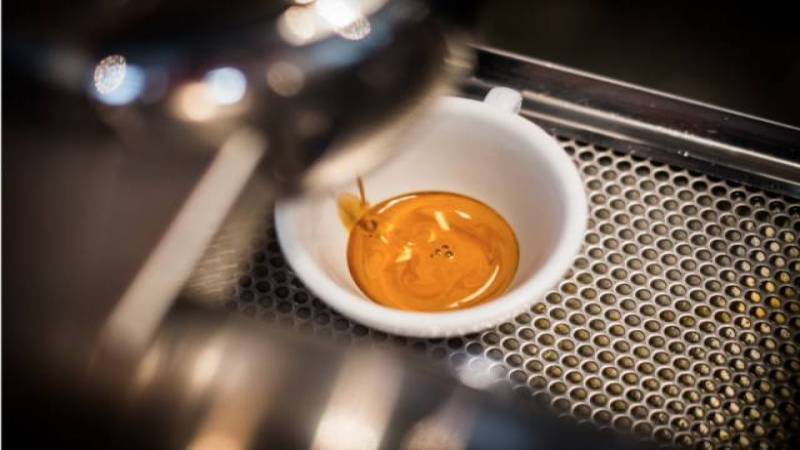
If you look closely, you will notice that freshly extracted espresso is covered with a delicate, dense golden-brown foam. This is what is usually called coffee crema.
After coffee beans are freshly roasted, a large amount of gas (mainly carbon dioxide) accumulates inside them, and commercial espresso machines can usually reach pressures above 9 bar. Under the high pressure of the boiler, carbon dioxide is pushed out through the cell walls due to thermal expansion and contraction, while the coffee liquid extracted by hot water also contains certain oily substances. These emulsify and wrap the gas, squeezing it out together, thus forming a dense bubble layer, in which the lighter bubbles float to the surface.
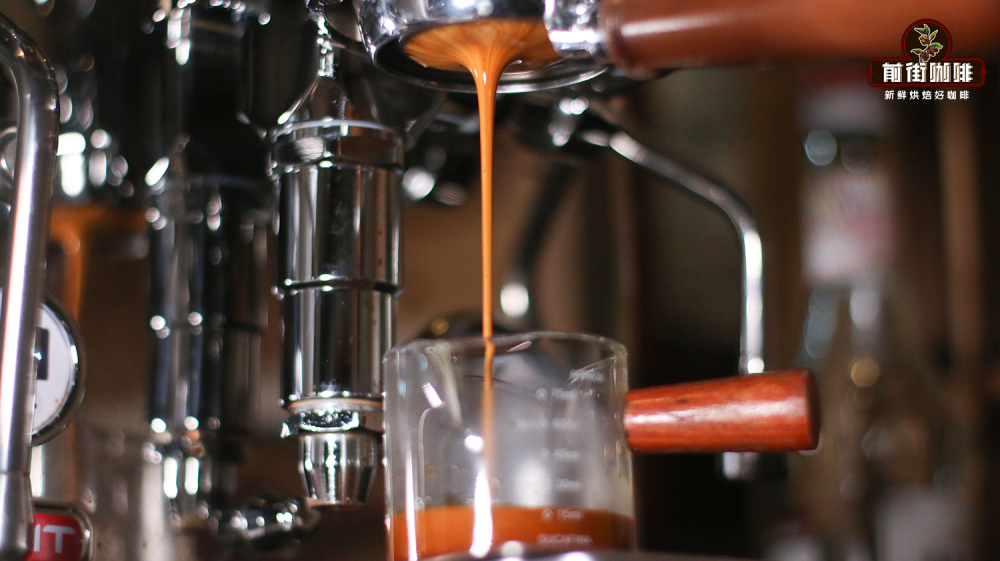
The thickness of crema mainly depends on the roast level and roast date of the coffee beans. The darker the beans are roasted, the more bubbles they contain inside; the fresher the packaging date, the higher the carbon dioxide content, and the more abundant the crema. An appropriate amount of rich crema not only enhances coffee aroma, but is also very helpful for latte art patterns when making hot milk coffee. However, too much carbon dioxide can hinder the release of coffee substances during extraction, so "resting the beans" is needed to let some of the gas inside escape, making extraction more stable during brewing. Front Street Coffee recommends a resting period of 7–10 days for espresso beans, meaning it is better to start using them 7 days after roasting is completed.
How do you drink espresso?
As ordinary consumers, we rarely order an espresso in a coffee shop. After all, that bitterness is not for everyone, but friends who prefer "strong flavors" will still order a cup and sit down to savor it slowly.
If you are also curious about this intense taste, next time you go to a coffee shop, you might try an espresso. Observe and feel the color, aroma, texture, and finish of the coffee liquid, and experience the traditional Italian way of drinking it. But if you really cannot accept the heaviness and stimulation of espresso, then choose classic options such as Americano, latte, cappuccino, or flat white, and you can still appreciate the charm of coffee.
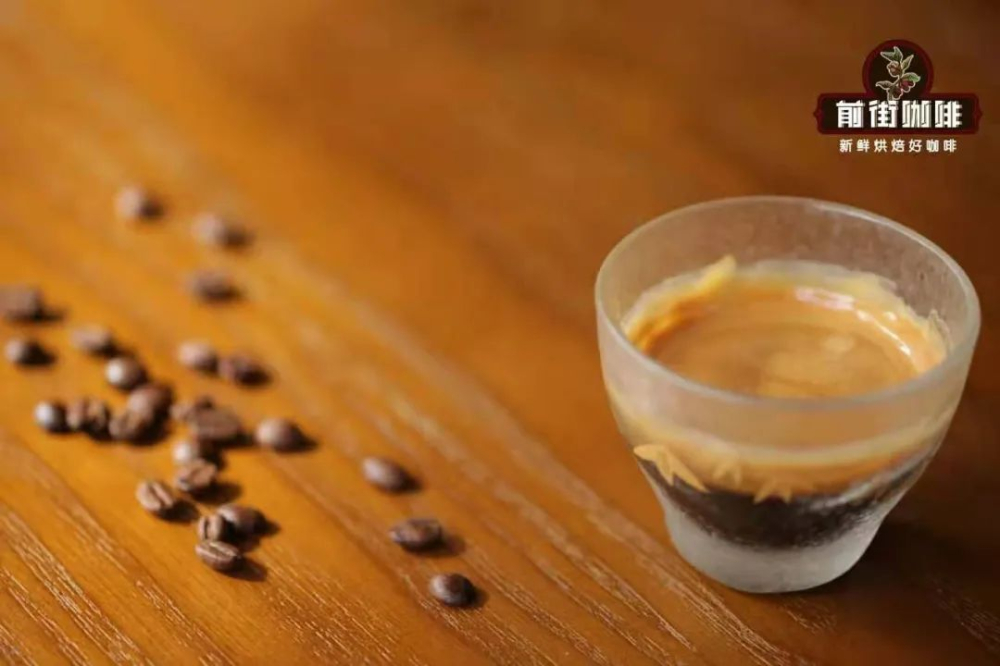
Front Street Coffee believes that although espresso is very rarely served on its own, and some shops do not even offer it, as the soul of a coffee shop, all kinds of specialty coffee drinks use espresso in an ideal extraction state as their base. Whether the coffee in the cup can highlight the flavor characteristics of the coffee beans used, whether extraction is stable, and whether the taste has flaws—all of these require baristas to consider and quickly make adjustments based on their own experience in order to ensure consistent quality in every coffee served.
Professional coffee knowledge sharing. For more coffee bean information, please follow Front Street Coffee (FrontStreet Coffee).
The above content is compiled by CoffeeHunters, a coffee news website.


